REVIEW · CATACOMBS OF ROME
Rome: Catacomb of St. Callixtus and Appian Way Guided Tour
Book on GetYourGuide →Operated by Enjoy Rome · Bookable on GetYourGuide
Rome’s underground side beats the crowds. This guided tour takes you past the city walls and into the Catacombs of St. Callixtus, where you’ll see early Christian art and burial niches in ancient tufa rock, plus a calm walk along the Appian Way under aqueduct arches. I love how it flips Rome from famous monuments to real people’s final resting places, and I also love the peaceful change of pace outside the center. One thing to consider: the catacomb portion isn’t wheelchair friendly, and tight spaces are a dealbreaker if you have severe claustrophobia.
The setup is straightforward. You meet at the bus stop on Via Cavour 224 (near Metro Cavour, Line B), and you’ll get transport in between stops, headsets, and skip-the-line entry for the catacombs. Expect a strict dress code (no shorts or sleeveless tops), no pet policy, and no photos allowed inside the catacombs—so plan your day around the rules and enjoy the storytelling from guides such as Catia, Marije, Francesca, and Lara, with drivers like Mario often praised for getting through traffic smoothly.
In This Review
- Key Points You’ll Care About
- Getting Out of Rome: Via Cavour Meeting Point and the Ride
- Catacombs of St. Callixtus: Burial Tunnels and Early Christian Art
- San Callisto’s Crypt of the Popes: What Makes This Section Different
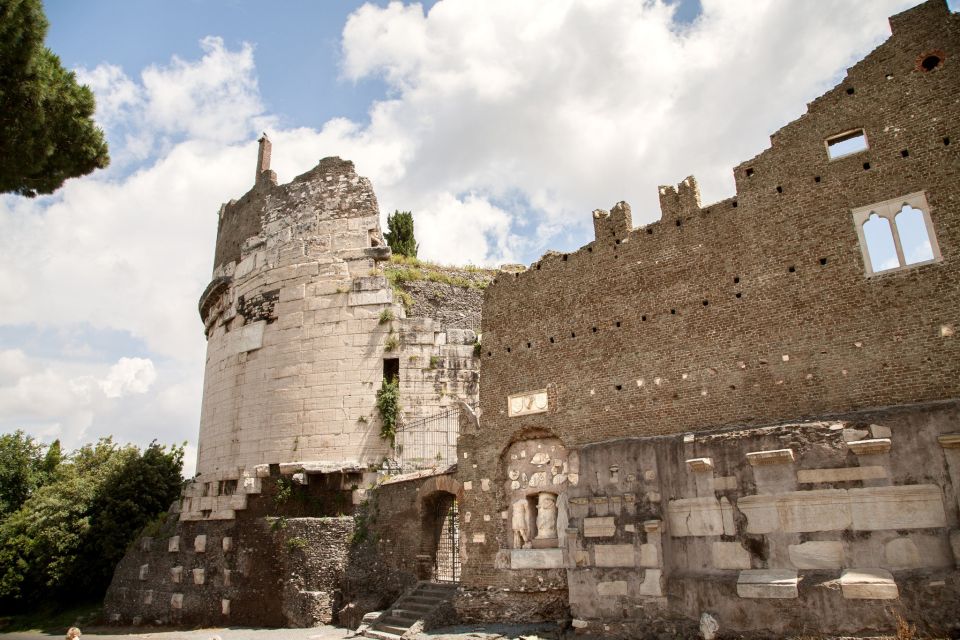
- Mausoleum of Cecilia Metella: The Exterior Stop That Still Matters
- Walking the Appian Way: Roman Road Feel, Not Just a Photo Stop
- Roman Aqueduct Views at Parco degli Acquedotti
- What Makes the Tour Run Smooth: Headsets, Small Group Energy, and Guide Style
- Price and Value: Is $80 Worth It for 3 Hours?
- Who Should Book This and Who Should Skip It
- Quick Tips Before You Go (So the Day Feels Easier)
- Should You Book the Rome Catacomb of St. Callixtus and Appian Way Tour?
- FAQ
- How long is the Rome Catacomb of St. Callixtus and Appian Way guided tour?
- Where do I meet for the tour?
- Is the tour wheelchair accessible?
- Are photos allowed inside the catacombs?
- What is the dress code?
- Is the tour suitable for people with claustrophobia?
Key Points You’ll Care About
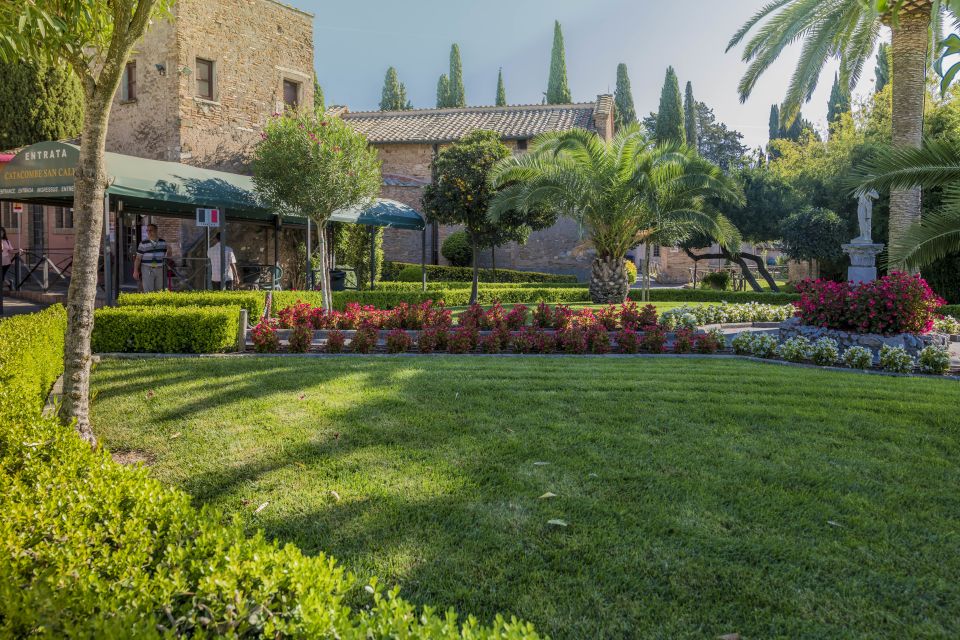
- Catacombs of St. Callixtus and San Callisto: Go underground to see burial niches, sarcophagi, and some of Rome’s earliest Christian visuals.
- Crypt of the Popes stop: You don’t just pass through; you get a focused look at this specific underground site.
- Appian Way walking time: A real stretch on the old road, plus quiet aqueduct views nearby—far from the main rush.
- Mausoleum of Cecilia Metella exterior: You get a memorable “big landmark” moment without needing to fight city-center lines.
- Headsets included: Your guide voice stays clear, which matters when you’re moving and listening in busy areas outside the tunnels.
- Best for a break from crowds: It feels like a different Rome, with countryside air and less sightseeing pressure.
Getting Out of Rome: Via Cavour Meeting Point and the Ride
This tour’s biggest win is simple: you leave the city center on purpose. You start at the bus stop on Via Cavour 224, and it’s easy to reach from Cavour Metro (Line B). Plan to show up 25 minutes early. That buffer matters because you’ll get the headsets set up and settle in before the group departs.
Once you’re rolling, you trade long city blocks and confusing transit for a direct bus-and-walk day. Based on the way the operation is described, you may ride in smaller vehicles or a comfortable coach between stops; either way, the driver handling Rome traffic tends to be a strong point. If you’ve done a lot of Rome tours already, this one feels like a reset: less time staring at maps, more time actually seeing places.
Two practical notes you’ll feel right away:
- You’ll be on your feet for parts of the day (especially around entrances and the walking segments).
- You’ll be listening more than you’re wandering. That’s good if you like clear guidance, and less ideal if you prefer solo drifting.
Catacombs of St. Callixtus: Burial Tunnels and Early Christian Art
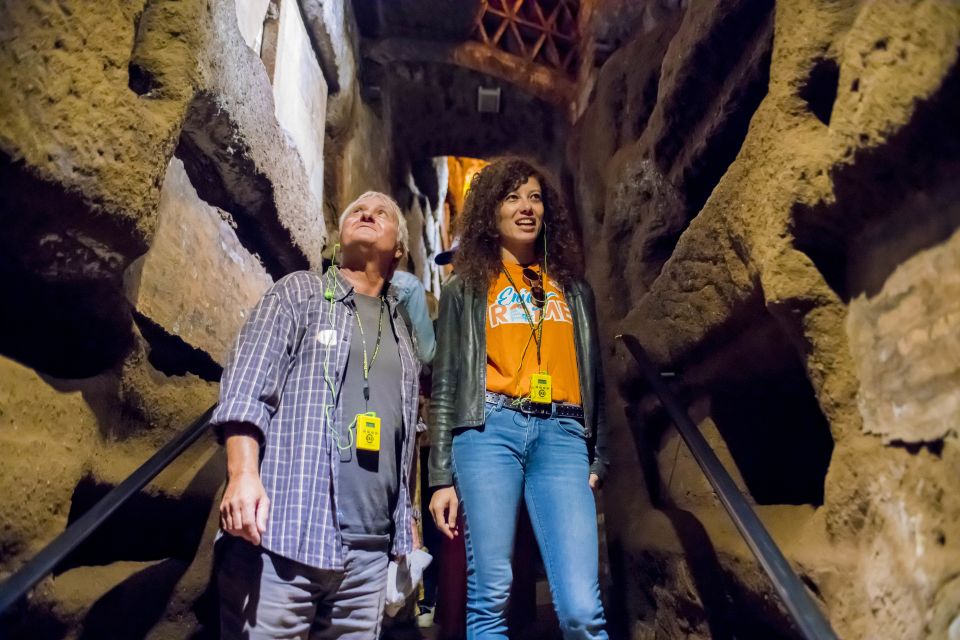
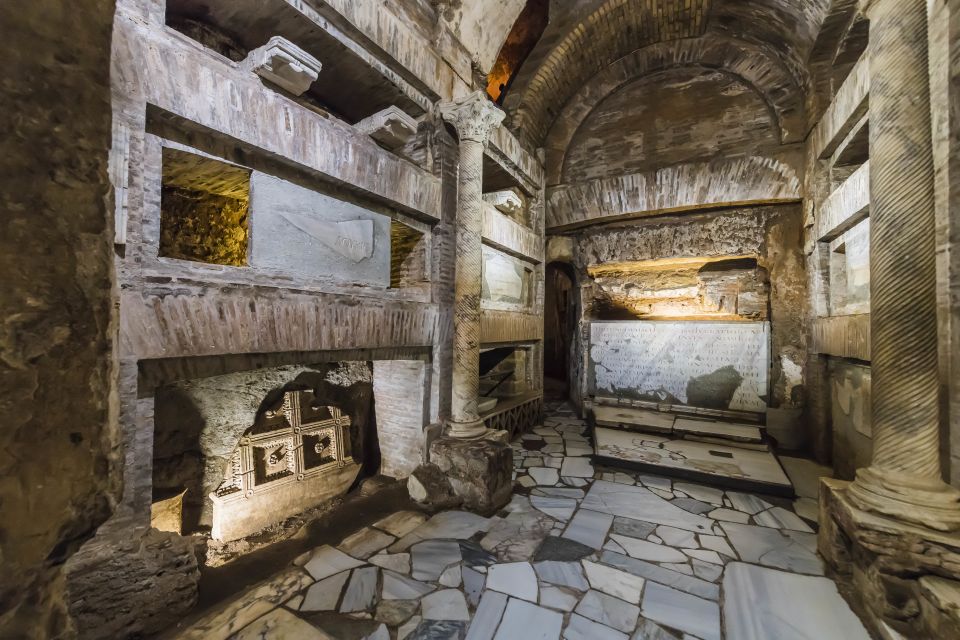
The headline stop is the Catacombs of St. Callixtus, and it’s the kind of visit that changes how you picture ancient Rome. Above ground, Rome is marble and monuments. Underground, it’s practical: storage for the dead, carved into friable tufa rock, organized over layers as Christianity grew and burial needs increased.
What you’ll actually see is the point:
- Burial niches in the walls
- Sarcophagi and older burial features
- Religious drawings and some of the earliest Christian art
Early Christian art can sound abstract until you’re standing in front of it. The images are often small, faded, and very human—less like grand posters and more like what people made when they had limited resources. The tour guide’s job here is to connect what you’re seeing to the “why” behind it: the shift in burial practices as Christianity took hold among ordinary Romans who couldn’t afford elaborate tombs.
Heat can be intense in Rome, but catacombs have their own physics. You may find the underground spaces cooler than the surface on hot days, which is one reason this tour earns praise even in summer.
And yes: there’s a reason this is a guided tour. The tunnels are not designed for casual self-navigation. You’ll get orientation, story, and context—so the place stops feeling like a maze and starts feeling like a timeline.
San Callisto’s Crypt of the Popes: What Makes This Section Different
After the main catacomb visit, the day includes time at San Callisto, including the Crypt of the Popes. This is one of those “same world, different room” moments. You’re still underground, still in the burial environment, but the focus narrows so you can understand what makes this crypt significant and how it fits into the broader catacomb complex.
The value here isn’t just the location—it’s the framing. The catacombs were built in many layers over centuries (from roughly the 2nd through the 5th century), and they weren’t one straight corridor. They were systems. You’ll start to feel the scale in your head: multiple complexes across the region, and enough demand that new burial areas kept getting created.
A key rule you’ll want to respect: photographs aren’t permitted inside the catacombs. That can feel restrictive if you’re used to documenting everything, but it also pushes you to actually look. Bring your attention, not your camera.
Mausoleum of Cecilia Metella: The Exterior Stop That Still Matters
Not every major moment is underground. The tour also gives you a look at the Mausoleum of Cecilia Metella from the outside. Even without spending a long time on it, this stop works because it’s a contrast point.
In the catacombs, you see modest burial solutions for large numbers of people. With a mausoleum like Cecilia Metella, you’re reminded that Rome also produced high-status memorials—built for prestige and visible from the landscape. Seeing the mausoleum exterior helps you keep both sides of Rome’s burial story in your mind: practical underground systems and impressive above-ground monuments.
This is a good moment if you’re pacing yourself. It’s less claustrophobic than the tunnels, and it gives your body a change of posture. Don’t expect a long deep-dive stop here; think of it as a landmark pause that connects the dots.
Walking the Appian Way: Roman Road Feel, Not Just a Photo Stop
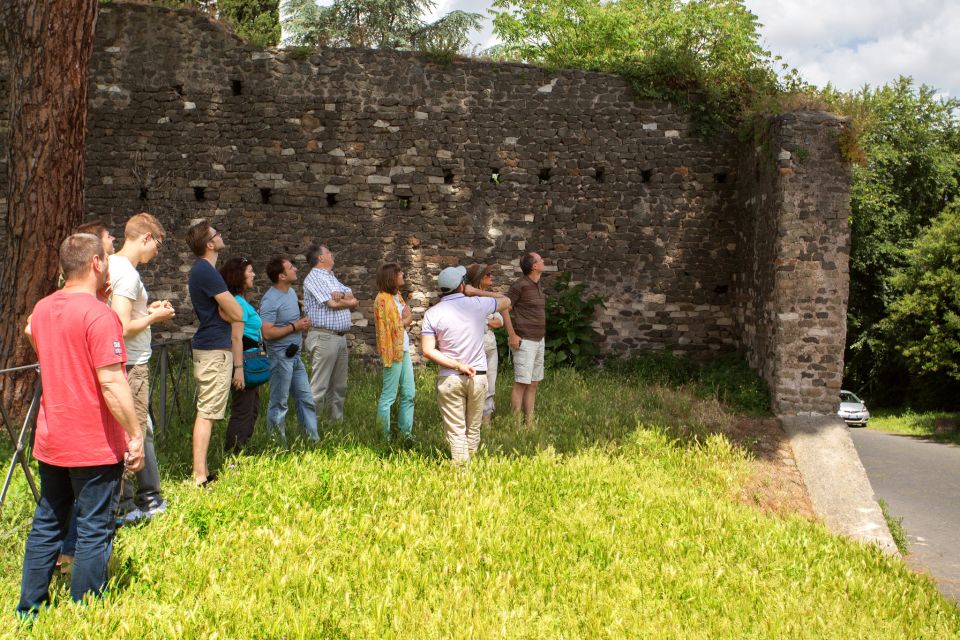
Then comes one of the most satisfying parts: walking a portion of the Appian Way. This isn’t the kind of experience where you zip through the pavement and forget it. You get enough walking time to feel like you’re on an old Roman route rather than just “near” it.
The Appian Way is especially effective on a guided tour because the guide can interpret what you’re stepping on. You’ll hear how the road functioned, what it meant for movement and power, and you’ll also get the Roman infrastructure story that links roads, transport, and the kind of engineering that kept the empire running.
One extra detail you might experience depending on the guide: some tours include playful structure to help you imagine Roman movement, like walking in a formation reminiscent of soldiers. It’s not required to enjoy the walk, but it’s a memorable way to make the past feel physical.
Also, don’t underestimate the practicality:
- There will be uneven ground at times.
- If the weather is cold or rainy, you may see flexibility in who walks and who stays on the vehicle.
Roman Aqueduct Views at Parco degli Acquedotti
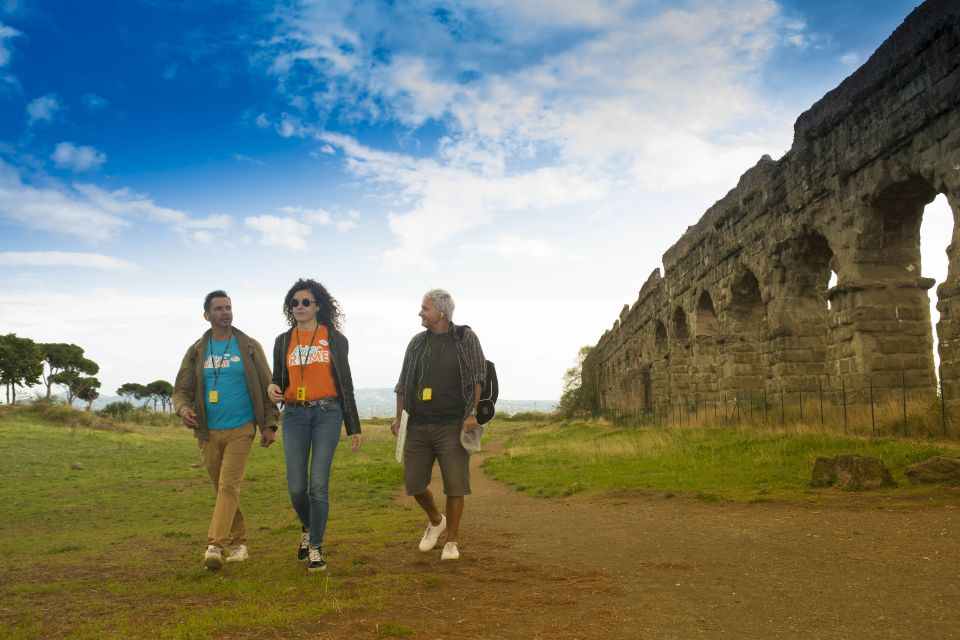
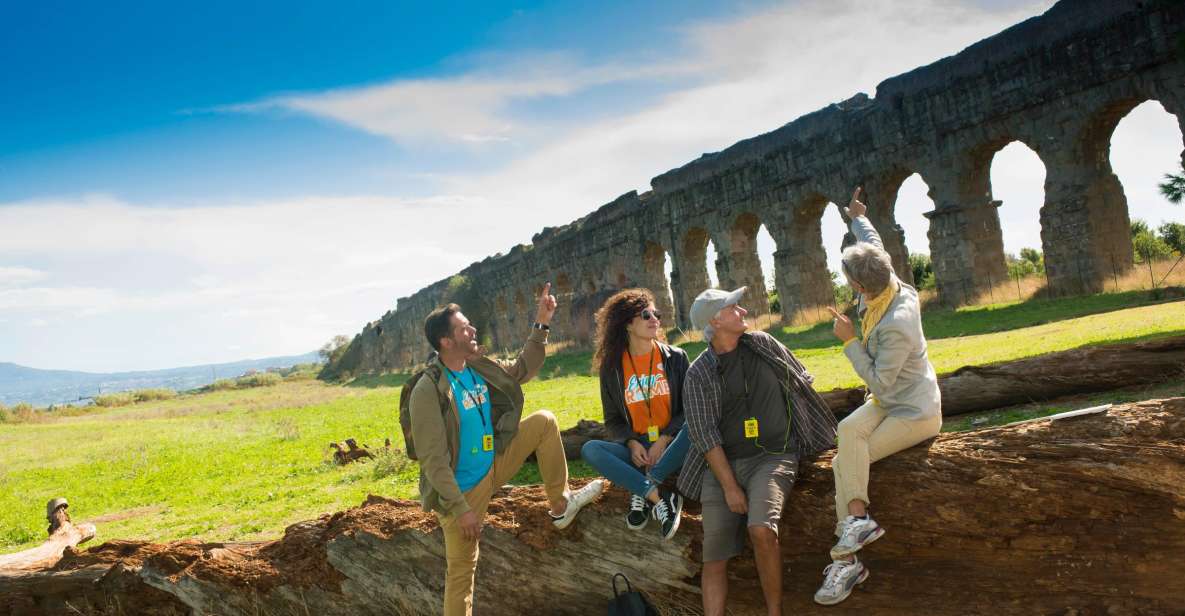
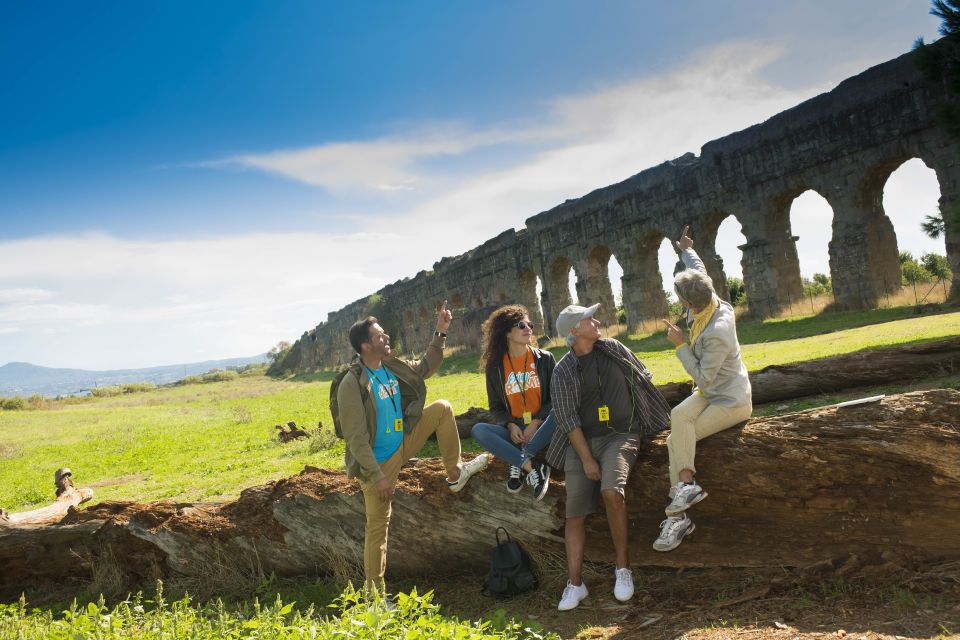
Next you shift into the aqueduct section, usually connected with the Parco degli Acquedotti area. You’ll travel under the arches of aqueducts of antiquity and then get a path for views. This portion is praised because it feels calm. After the cathedral of crowds you can get elsewhere in Rome, the aqueduct park gives you breathing space and a sense of scale that’s hard to catch from city streets.
The aqueduct story hits a sweet spot for a lot of visitors: it’s engineering, it’s beauty, and it’s Roman practicality—moving water for cities that needed it to function. You’ll see how the system sits in the environment, and you’ll get those long sightlines that make you realize this wasn’t just a monument. It was a working machine.
A practical comfort point: this part is often described as a nice walk on a good path, not a rough trek. If you’ve been walking a lot in central Rome already, this section can feel like a reward.
What Makes the Tour Run Smooth: Headsets, Small Group Energy, and Guide Style
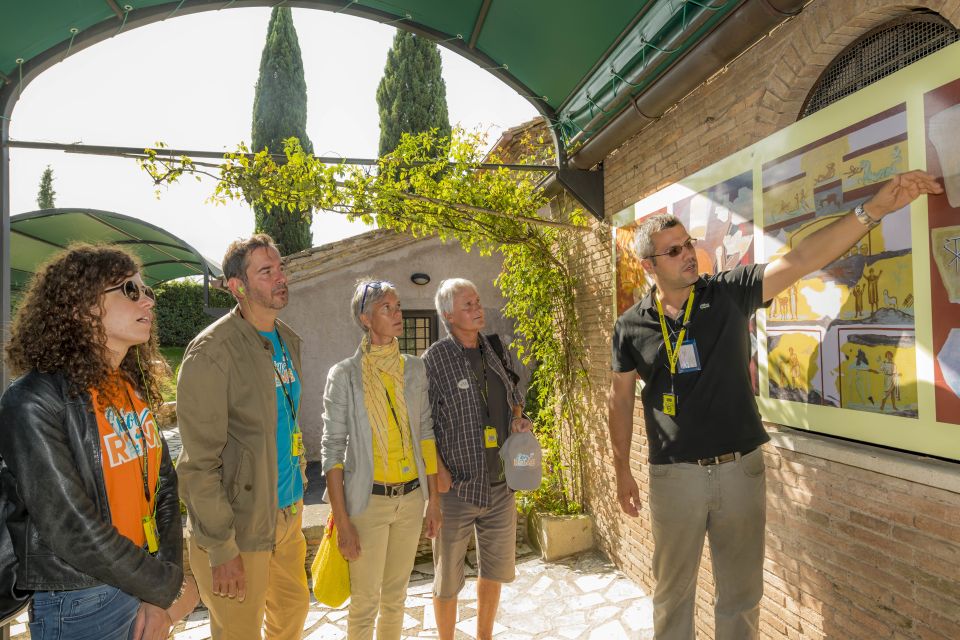
A lot of Rome day tours sound similar until you hit the details. This one has several features that make it easier on the senses.
Headsets are included, which helps a ton if:
- the group is moving,
- the site is noisy outside,
- and the guide is trying to keep everyone together.
Some guides also keep things lively. Names like Catia, Marije, Francesca, Lara, and Luisa show up in praise, and the common thread is clear: guides tend to make the material understandable and fun without turning it into a circus. You also may get helpful recommendations after the tour—especially for what to eat or where to go next in Rome.
Group size can help the experience too. Some departures have been reported as small (as small as 6 in one case, larger in others), and that can mean less waiting around and more actual guide attention.
You’ll also notice the transportation is part of the comfort package. One complaint you might hear is about visibility in smaller vans, but the trade-off is often speed through traffic. If the driver gets you between stops efficiently, you gain time for each site.
Price and Value: Is $80 Worth It for 3 Hours?
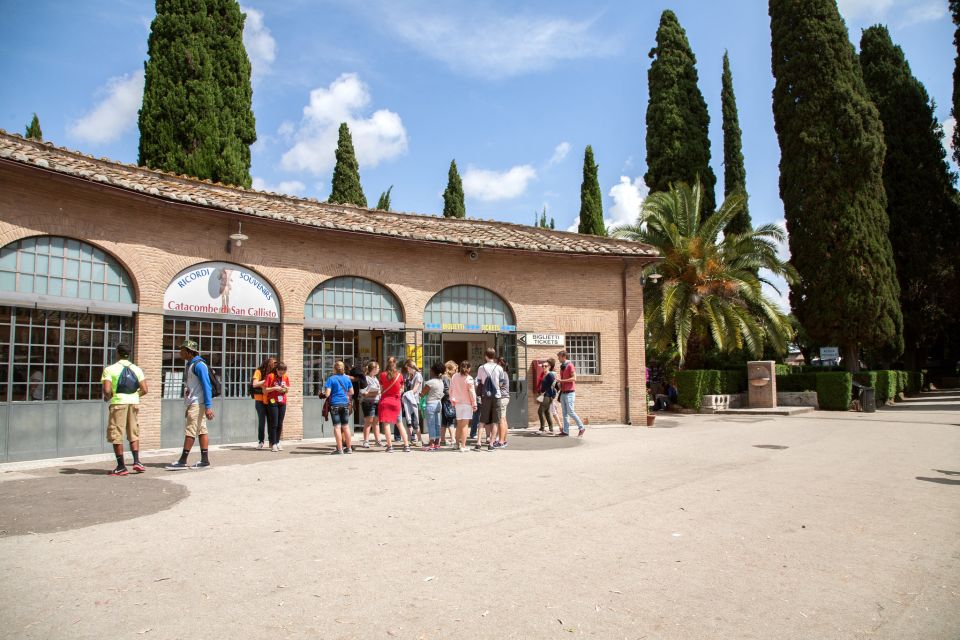
At $80 per person for about 3 hours, the price isn’t “cheap,” but it also isn’t overpriced for what you get.
Here’s why it can feel like good value:
- You’re paying for guided time in the catacombs, not just a bus ride.
- Entrance and booking fees are included for that experience.
- Transport from and to the meeting point is included.
- Headsets reduce the frustration factor.
- Skip-the-ticket-line is specifically called out for the catacombs.
The big thing you’re buying is interpretation. Catacombs can be interesting even without a guide, but they’re much more powerful with one—because the guide connects what you see (niches, art, burial methods) to what it meant in Roman life and early Christianity.
If your Rome trip includes the usual crowd magnets (Colosseum, Vatican, big basilicas), this tour can be a smart “story variety” purchase. It’s also time-efficient: you get out of the center without losing half a day to transit.
Who Should Book This and Who Should Skip It
This is a great match if you want:
- a break from the city-center crush,
- a focused underground visit,
- early Christian art and Roman burial context,
- and a walking segment that doesn’t feel like punishment.
It’s also a good fit for people who like structure. You’ll move by bus and on foot with clear pacing, and you’re not stuck figuring out transfers.
Skip it (or choose carefully) if:
- you have severe claustrophobia (catacombs aren’t open, airy spaces),
- you need wheelchair access (the tour isn’t wheelchair accessible),
- or you’re not able to meet the dress rules.
The dress code matters for two reasons. First, the tour notes that proper dress is required for places of worship: no shorts, no short skirts, and no sleeveless tops, with shoulders covered and skirts/trousers below knee level. Second, once you’re underground, you don’t want to spend time worried you’ve broken a rule. Plan what you’ll wear before you leave your hotel.
One more reality check: this is not a sit-in-a-bus-and-watch day. There are stairs and walking involved, and some people have opted to stay on the bus for parts when weather or personal limits made walking harder.
Quick Tips Before You Go (So the Day Feels Easier)
A few things can make a big difference on this kind of tour:
- Arrive early at Via Cavour 224 so you’re not rushing.
- Wear clothing that fits the rules the first time (shoulders covered, no shorts, no sleeveless tops).
- Accept that inside the catacombs, photos aren’t allowed, so plan for looking and listening instead.
- If you get tired easily, remember the tour includes time breaks and movement changes between sites (catacombs, exterior stops, then walking).
Also, if you like to plan meals afterward: some guides are known for pointing out good restaurant directions after the tour, which can save you time when you’re hungry and a little amazed.
Should You Book the Rome Catacomb of St. Callixtus and Appian Way Tour?
I’d book this if you want a Rome day that feels different in a meaningful way. The catacombs and the early Christian art portion alone can make it worth it, especially if you’re tired of staring at the same big monuments. Then the Appian Way and aqueduct park deliver a calmer, more spacious side of the city—without adding a complicated travel day.
I wouldn’t book it if you’re worried about tight spaces or you need full wheelchair accessibility. And I’d think twice if you’re coming dressed for summer comfort and you don’t want to follow the no-shorts/no-sleeveless rules.
If you match the tour’s style—guided, structured, history-focused, and ready for some underground walking—this is one of the best ways to see Rome beyond the postcards.
FAQ
How long is the Rome Catacomb of St. Callixtus and Appian Way guided tour?
The tour duration is 3 hours.
Where do I meet for the tour?
You meet at the bus stop at Via Cavour 224. The nearest metro station is Cavour (Line B).
Is the tour wheelchair accessible?
No. This tour is not wheelchair accessible.
Are photos allowed inside the catacombs?
No. Photography is not permitted in the catacombs.
What is the dress code?
Shorts, short skirts, and sleeveless shirts are not allowed. For places of worship, shoulders must be covered and skirts or trousers must be below knee-level.
Is the tour suitable for people with claustrophobia?
It’s not recommended for people with severe claustrophobia.