REVIEW · BOLOGNA
Bologna: Small-Group Tour with the Historic Archiginnasio
Book on GetYourGuide →Operated by Ways Tours | B Corp certified · Bookable on GetYourGuide
Bologna can be condensed fast, if you pick the right sights. This 2-hour walk puts the Archiginnasio’s Teatro Anatomico and Bologna’s signature medieval streets into one tight plan. You start in the grand open space of Piazza Maggiore, then work your way through porticoes, markets, and landmarks that usually take a full day to string together.
I especially like two things: the included entrance to the Teatro Anatomico, which turns classroom-era medicine into a real place, and the quick hit at the Quadrilatero Market, where you can snack and shop in the city’s food-first zone. It’s a smart option when you want a guided orientation without losing your whole day.
One possible drawback: you’re walking for much of the tour, and a small time gap in explanations can feel more noticeable in a 2-hour format—especially around the Neptune Fountain area. If you’re sensitive to audio or clarity, plan to arrive on time and let the guide know early if you need extra help hearing.
In This Review
- Key highlights you’ll actually feel
- Piazza Maggiore to Archiginnasio: the perfect “orientation in motion”
- Teatro Anatomico: why one entrance makes the whole tour feel different
- Quadrilatero Market: where the tour turns from seeing to tasting
- Due Torri and medieval streets: what the skyline teaches you
- Santo Stefano and the seven churches: a calmer medieval chapter
- The porticoes: Bologna’s weatherproof advantage
- Galleria del Leone and Galleria Cavour: small corridors, big mood
- Price and what makes this $45 actually make sense
- English guide quality: clarity can make or break the 2 hours
- Who should book this tour (and who might skip it)
- Should you book the Bologna Historic Archiginnasio tour?
- FAQ
- Where is the meeting point for the tour?
- How long is the tour?
- How much does the tour cost?
- What’s included in the price?
- Is hotel pickup and drop-off included?
- Is the tour offered in English?
- Does the tour run in bad weather?
- Is the tour wheelchair accessible?
- Are minors allowed on the tour?
- Can I cancel for a refund?
Key highlights you’ll actually feel
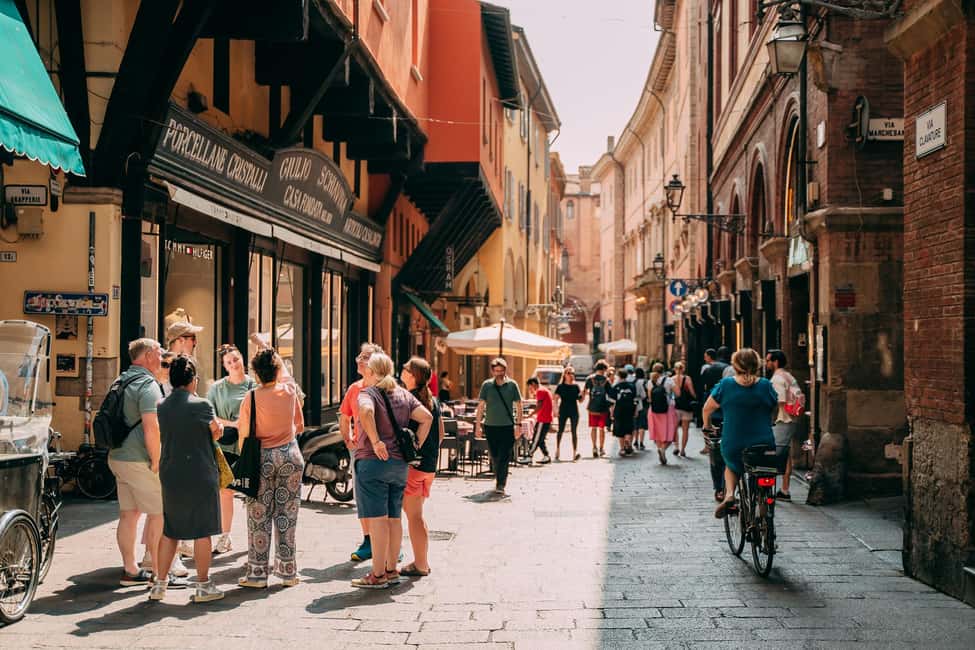
- Teatro Anatomico entrance included at the historic Archiginnasio, where medical students studied anatomy long ago
- Piazza Maggiore to Portico Streets route, so you get the city’s look and practical shade/weather cover
- Quadrilatero Market time for cheeses, meats, and local deli-style temptations
- Due Torri viewpoint moment with the famous leaning towers in sight
- Santo Stefano and its seven churches to round out the medieval feel
- Galleria del Leone and Galleria Cavour stops for that classic covered-Bologna street vibe
Piazza Maggiore to Archiginnasio: the perfect “orientation in motion”
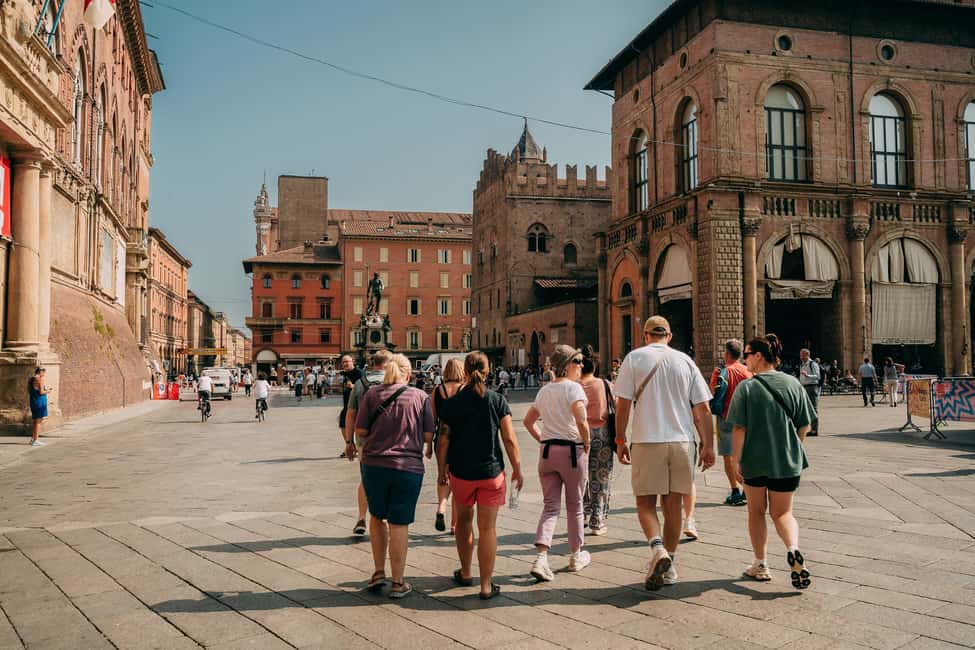
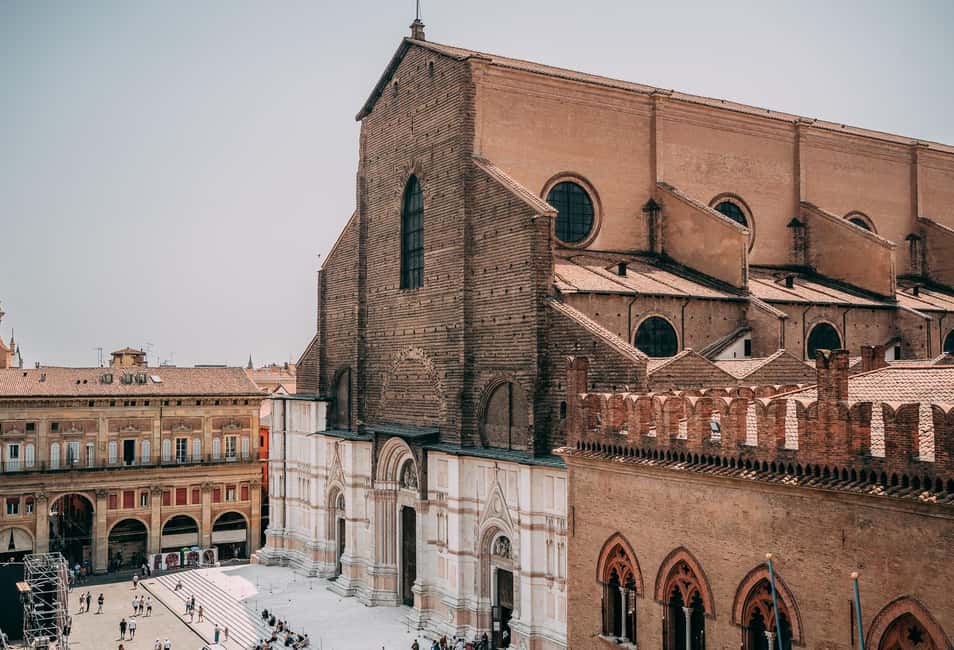
Your tour starts where you can’t miss it: Piazza Maggiore, under the big presence of Basilica di San Petronio and near the Fountain of Neptune. Even if you’ve seen photos, standing here helps you understand how Bologna organizes space—wide square first, then streets that funnel you into human-scale alleys and covered walkways.
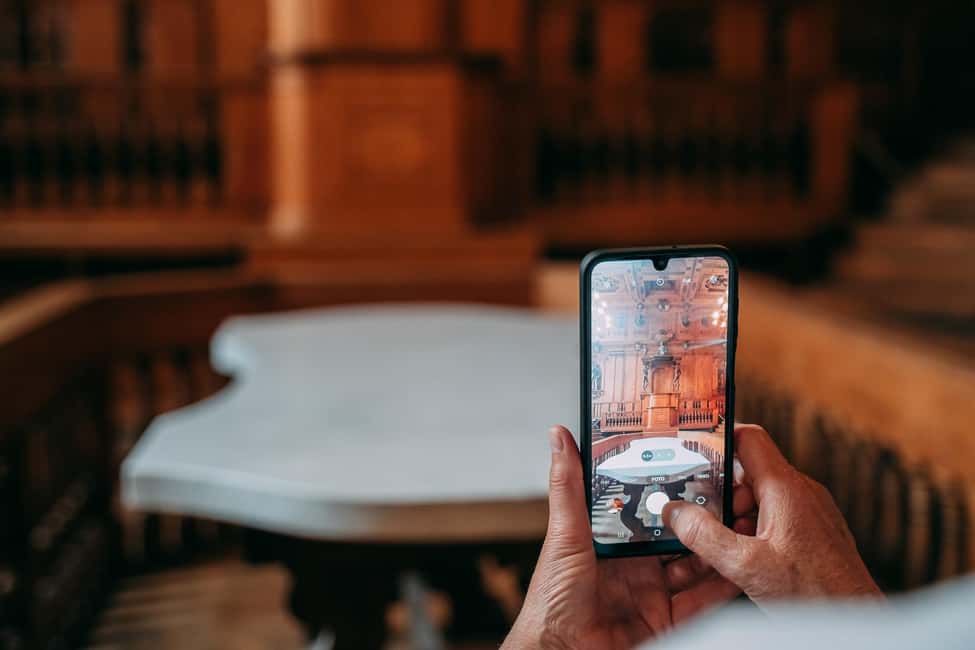
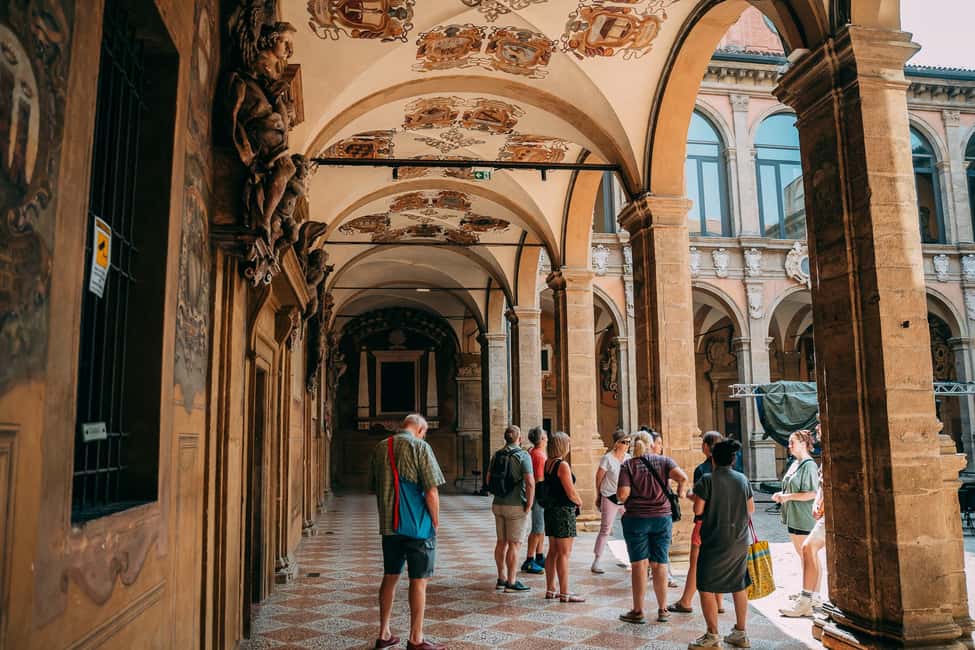
From there, the guide leads you toward the Archiginnasio, Bologna’s historic education hub. This is where the tour earns its “worth it” status: you’re not just looking at an exterior. You get entry into the historic anatomical theatre (Teatro Anatomico), a place that turns “medicine as a subject” into a physical setting. The theater is tied to when medical students gathered to learn the human body. It’s the kind of stop that makes the city feel specific, not generic.
If you’re the type who enjoys how cities teach you their values, you’ll probably like this part most. Universities and learning are part of Bologna’s identity, and the architectural bones of that story are still here. It’s also an easy win if you’re short on time—2 hours doesn’t let you wander forever, but it does let you hit a meaningful interior.
Teatro Anatomico: why one entrance makes the whole tour feel different
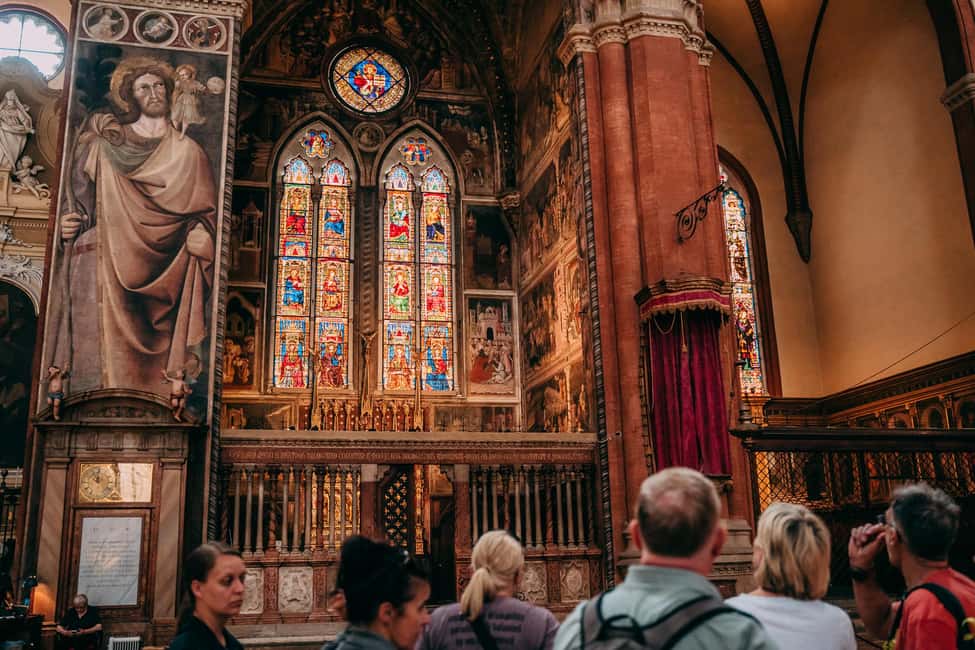
The Teatro Anatomico stop is the centerpiece, and it’s the reason I’d consider booking even if you’re not a hardcore architecture or medical-history fan. The space is built for instruction. That matters, because the guide can connect what you’re seeing to why it existed in the first place: teaching anatomy at a time when knowledge traveled differently and the human body was studied with more curiosity than comfort.
You should expect a guided walk-through inside the Archiginnasio complex that focuses on how the theatre functioned as a learning environment. You’ll come out with a stronger mental map of Bologna than you’d get from just doing photos of towers and street corners.
Two small considerations, based on how these tours can vary in practice:
- Audio matters. One past participant flagged difficulty hearing the guide clearly when audio support wasn’t available. If you rely on audio cues, show up early and pay attention to whether the group uses headsets.
- Guide pacing can change your experience. In a fast 2-hour format, time spent standing in one place can feel long. If explanations around the fountain run long, the rest can feel compressed. The upside is that the itinerary is packed with high-value stops, so even a slightly slower segment usually doesn’t sink the overall tour.
Quadrilatero Market: where the tour turns from seeing to tasting
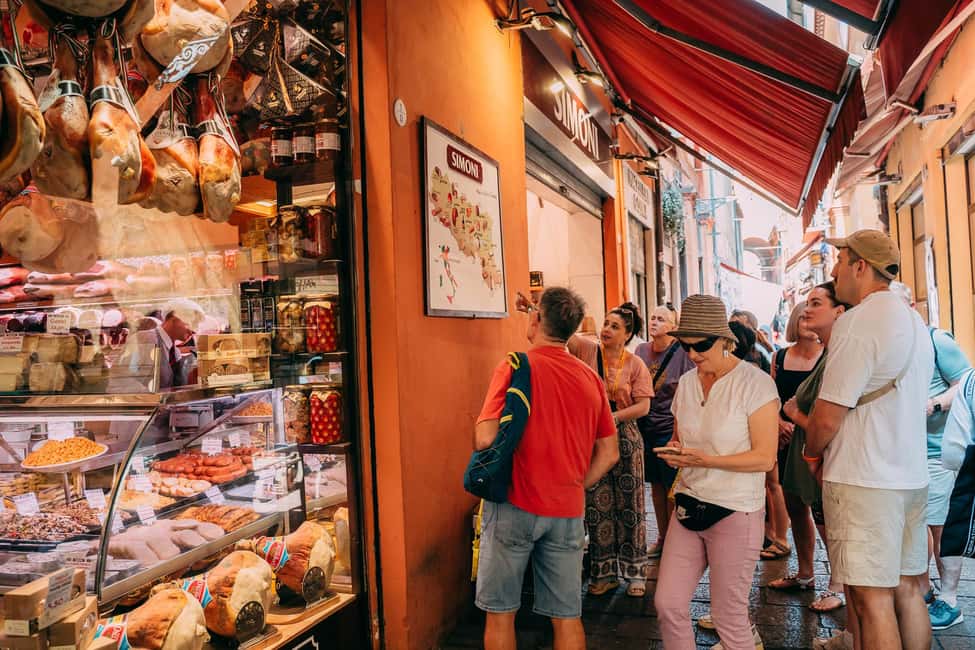
After the architectural and historical focus, you shift into food mode at the Quadrilatero Market. This is Bologna’s classic maze of narrow streets, lively stalls, and quick conversations over cheese wheels, cured meats, and small bites. What I like about including this moment is the balance: you get culture and then you get a chance to taste what that culture sells.
The guide sets you up in the market area, and you’ll have free time to buy local delicacies if you want. The tour doesn’t pressure you into eating. It gives you a window to choose your own snack rhythm—maybe a cheese purchase, maybe a couple of small items, maybe just browsing while your group continues meeting points.
This is also a practical stop for first-time visitors. The market area teaches you how Bologna shops. Instead of “big supermarket energy,” you get a street-based food system—small counters, obvious regional specialties, and people who look like they know what they’re ordering.
Two ways to make the most of it:
- Plan your snack priorities. If you want cheese and meats, focus on sampling and small purchases rather than trying to do everything.
- Don’t overthink it. You only need a small amount to get the idea. Bologna’s food culture is about repeated pleasure, not one giant plate.
Due Torri and medieval streets: what the skyline teaches you
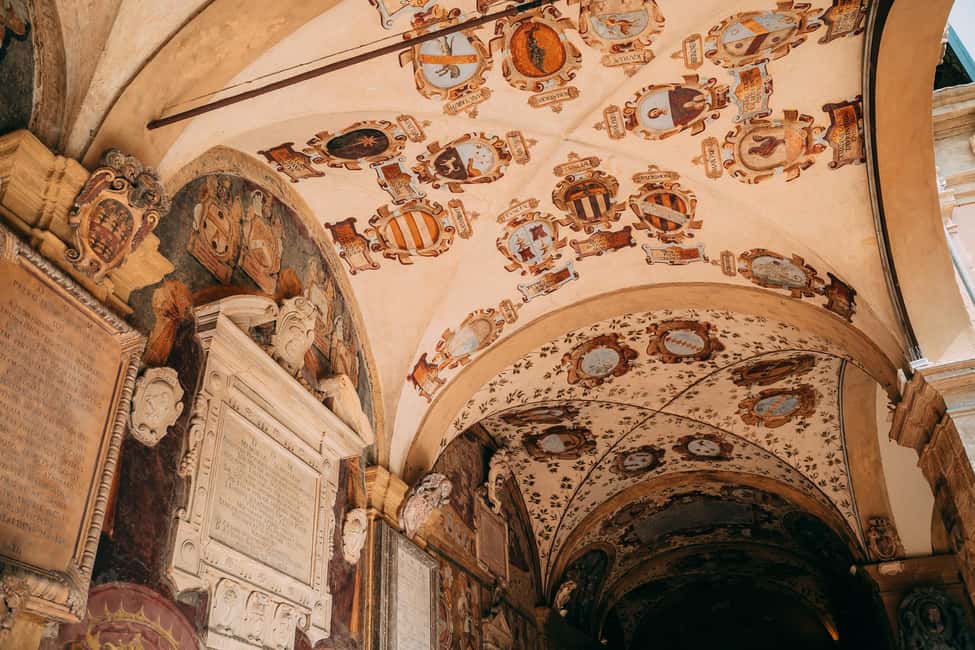
No Bologna orientation feels complete without the Due Torri. These towers are famous for a reason: the skyline is instantly identifiable, and the leaning structure makes it feel less like a monument and more like a personality. Seeing them from the right angles helps you understand why people talk about Bologna’s medieval era so often. The towers aren’t just landmarks; they communicate power, rivalry, and community pride.
In this tour, you’ll get the Due Torri moment as part of the walking route, not as a long detour. That’s important. You’re not sacrificing time from the major stops to chase one viewpoint. You’re getting it as a quick skyline anchor.
If you like to photograph, this is the part to watch for:
- The guide will be moving the group. You’ll want to stay close enough to hear the explanation, but also ready to pause for a few quick shots.
- Expect a “look, listen, move” flow. In 2 hours, the tour can’t afford slow hovering.
Santo Stefano and the seven churches: a calmer medieval chapter
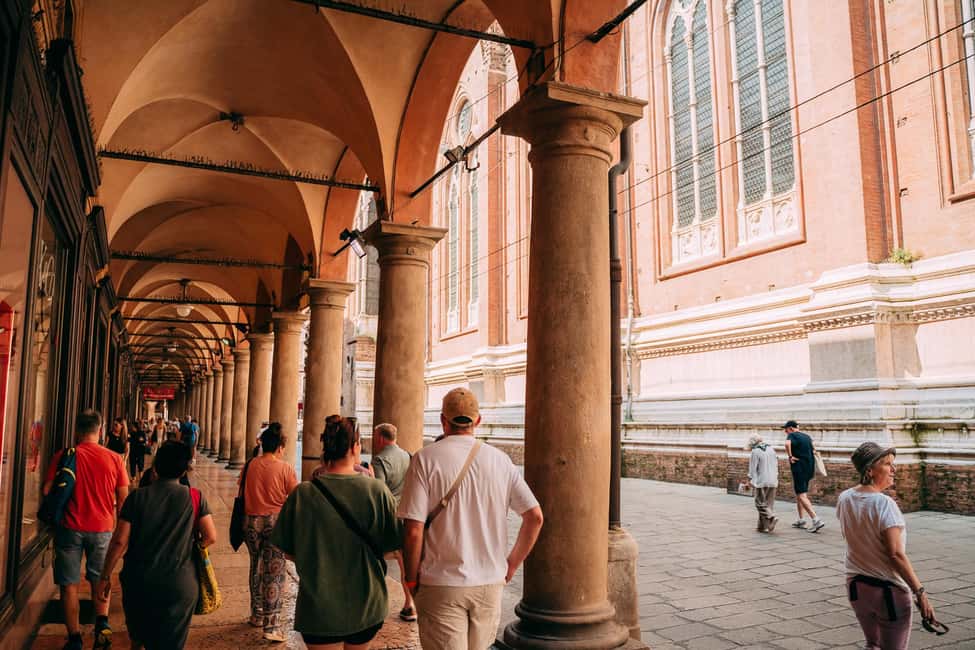
Then the tour shifts again toward Santo Stefano, known for its seven churches. This is a nice counterpoint to the more dramatic imagery of towers and markets. While the towers scream skyline identity, Santo Stefano gives you layered religious and architectural variety packed into one area.
You’ll walk through the route that reaches Santo Stefano, and this is where the tour’s pacing starts to feel like a guided stroll through meaningful Bologna districts. Even if you don’t have time to go in and out of every single space, you’ll get a sense of why people call this part of Bologna so distinctive.
I like this stop because it helps you see the city beyond one “top sight” category. Bologna can be equally good at the grand and the intimate. Santo Stefano is where the tour becomes more about atmosphere and spatial rhythm than about one signature photo.
The porticoes: Bologna’s weatherproof advantage
One of the most practical parts of the experience is also one of the most Bologna things: the porticos. The tour runs rain or shine, and those covered arcades matter. They keep you dry when weather turns and provide shade when the sun hits.
You’ll notice how porticoes change the feeling of streets. Instead of walking through exposed open air, you move along transitions—shopfronts, stone columns, and sheltered pedestrian corridors. It makes your two hours feel longer in a good way, because the city stays walkable without constant pauses for weather.
This is also one reason why a guided route works well here. Bologna’s streets can feel like a puzzle box if you’re on your own. With a guide, you get the “why you’re going where you’re going” explanation while you benefit from the city’s built-in comfort.
Galleria del Leone and Galleria Cavour: small corridors, big mood
Along the way, your route passes inside famous covered galleries such as Galleria del Leone and Galleria Cavour. These segments might sound small on paper, but they do something important: they break the walk into atmospheric sections.
Think of them as Bologna’s indoor street breathing spaces—short, focused passages that feel different from the open square stops and the market lanes. If you like architecture that feels lived-in, you’ll probably appreciate these moments more than you expect.
Also, these galleries create a natural flow for a small group. People can reorient, regroup, and catch what they missed without the stress of standing in the open.
Price and what makes this $45 actually make sense
At $45 per person for a 2-hour tour, this isn’t “cheap in general,” but it can be good value because you’re paying for two things tourists often forget to price correctly: a licensed English guide plus entrance tickets to the Archiginnasio/Anatomical Theatre.
If you were planning the route yourself, you’d likely spend time figuring out where to go, and you might still need a ticket purchase plus independent navigation through several different zones (square → university complex → market → medieval landmarks). Here, you pay to collapse that into one guided, timed circuit.
Where the value can swing depends on what you care about:
- If you want one standout interior (Teatro Anatomico) and a quick sampler of Bologna’s core areas, it’s a strong match.
- If you mainly want long tower time or deep church interiors, you might feel the 2-hour limit.
My “fair warning” is about expectations around group size and audio. It’s marketed as small-group, but experiences vary. If you hate crowded headcount or struggle with hearing explanations, you’ll want to go in with the attitude of: arrive early, confirm how the guide handles audio, and stay flexible.
English guide quality: clarity can make or break the 2 hours
The tour is offered in English, which is a huge plus if you’re traveling without Italian. The best versions of this tour hinge on a guide who tells the story clearly and at a human pace.
One guide name that comes up in feedback is Sofia, praised for clear English and strong storytelling. That’s exactly what you hope for on a short, packed route.
At the same time, there’s at least one negative note about English being harder to understand. That’s not rare on walking tours across Europe—accents, volume, and whether audio devices are used can make a difference. If you’re at all worried, do two practical things:
- Stand where you can hear from the start, not at the far edge.
- If you can, ask at the beginning whether the group uses any audio support.
In a longer tour, a miscommunication is annoying. In a 2-hour tour, it can feel like you lost part of the value. Still, the itinerary itself is strong, so even without perfect audio you’re seeing real places.
Who should book this tour (and who might skip it)
Book this if:
- You have a limited schedule and want a guided orientation that hits both interiors and street-level Bologna
- You like food culture but don’t want a full gastronomic tour
- You enjoy learning stories—especially ones connected to education and learning spaces
- You want covered-walk comfort thanks to the porticoes, and you want it rain-proof by design
Consider skipping or pairing it with another day if:
- You prefer very slow museum-style time rather than a walking circuit
- You’re hard of hearing and rely on audio equipment, and you can’t confirm whether headsets are used on your departure
- You’re hoping for a detailed, long stay at the towers or a church-by-church deep dive (this tour is designed for breadth)
Should you book the Bologna Historic Archiginnasio tour?
I’d say yes if you want a tight, high-impact taste of Bologna in 2 hours, especially because the Archiginnasio and Anatomical Theatre ticket is included. It’s a good value calculation when you add up the guide work plus the entrance, and the route makes smart use of Bologna’s porticoes so the weather doesn’t control your day.
Just go in with realistic expectations: it’s a walking tour, and in short tours the quality of explanations matters. If you arrive early, position yourself to hear well, and keep your priorities clear—medicine theatre first, then market, then towers—you’ll come away with a fast but meaningful understanding of the city.
FAQ
Where is the meeting point for the tour?
Meet your guide in front of the red kiosk holding a yellow sign that says TOUR.
How long is the tour?
The tour lasts 2 hours.
How much does the tour cost?
The price is $45 per person.
What’s included in the price?
You get a local licensed tour guide and the entrance ticket to the Archiginnasio and the Anatomical Theatre.
Is hotel pickup and drop-off included?
No, hotel pickup and drop-off are not included.
Is the tour offered in English?
Yes, the live tour guide speaks English.
Does the tour run in bad weather?
Yes, it runs rain or shine.
Is the tour wheelchair accessible?
The tour is listed as wheelchair accessible, but please note that some parts may not be accessible for reduced mobility or disability. If you have specific needs, you can contact the operator.
Are minors allowed on the tour?
Minors must be accompanied by an adult.
Can I cancel for a refund?
Yes. You can cancel up to 24 hours in advance for a full refund.