REVIEW · ROME
Colosseum: Underground and Ancient Rome Tour
Book on GetYourGuide →Operated by The Ultimate Italy · Bookable on GetYourGuide
Ancient Rome runs under your feet. This Colosseum underground tour adds arena access you cannot get on a normal visit, and the Roman Forum + Palatine Hill segment gives context so the stones actually mean something. The main drawback: it’s a fast, packed 3 hours, so you may not get long, slow time up top.
I liked that this tour is built around the right order of awe: first the viewpoints and stories around the Forum and Palatine Hill, then the Colosseum from the inside—underground chambers, the arena floor, and higher tiers—before you take a breath and explore what you want. One caution to keep in mind: it’s not suitable for wheelchair users or people with mobility impairments, and you’ll be walking (and standing) for most of the experience.
In This Review
- Key Things That Make This Tour Worth Your Time
- Meeting Via dei Fori Imperiali: Where Your Tour Starts
- Roman Forum and Palatine Hill: The Context That Changes Everything
- Underground Tunnels: Gladiators and Animals Below the Arena
- Arena Floor and Ground Level: Walking Where the Show Happened
- Second Tier and Exhibition Stops: Seeing More Than the Icon
- Your Time on the Colosseum Top: How Much Free Wandering You Get
- Guides, Headsets, and Pace: The Human Part of the Experience
- Price and Value: What You’re Paying for at $160
- Practical Tips Before You Go (So You Don’t Lose Time)
- Who Should Book This Colosseum Underground Tour?
- Should You Book This Tour?
- FAQ
- How long is the Colosseum Underground and Ancient Rome tour?
- What does the tour include?
- Is Roman Forum and Palatine Hill included?
- What languages is the live guide available in?
- Do you get access to the arena floor and the Colosseum underground?
- Where is the meeting point?
- What should I bring for the visit?
- What items are not allowed?
- Is this tour suitable for wheelchair users or mobility impairments?
- Can I get a refund if I cancel?
Key Things That Make This Tour Worth Your Time
- Underground chambers access tied directly to gladiators and wild-animal holding areas
- Arena floor and ground level so you can picture the show from ground truth
- Roman Forum + Palatine Hill guided time to connect politics, power, and pageantry
- Second-tier access plus an exhibition stop that adds structure to what you see
- Headsets included, which are a lifesaver in a loud, crowded monument
- A chance to visit the famous monument at your own pace, with some guests noting time up top can feel tight
Meeting Via dei Fori Imperiali: Where Your Tour Starts
The meeting point is Via dei Fori Imperiali, 25, right in front of the Tourist Information Point at Fori Imperiali. Coordinates and signage help, but Rome can throw curveballs: roadworks and detours are common, and a few people in the experience feedback said they had to sprint a bit to reach the start on time.
You’ll also see coordinators wearing The Ultimate Italy t-shirts. That small detail matters. In a place like this, it’s easy to join the wrong group if you’re scanning loosely while your clock is ticking.
Practical tip: aim to arrive early enough that you’re not checking your phone while you’re trying to find the right corner. If you do miss the window, don’t panic—there’s evidence the team can regroup and get you folded into the correct part of the tour when possible.
You can also read our reviews of more tours and experiences in Rome.

Roman Forum and Palatine Hill: The Context That Changes Everything
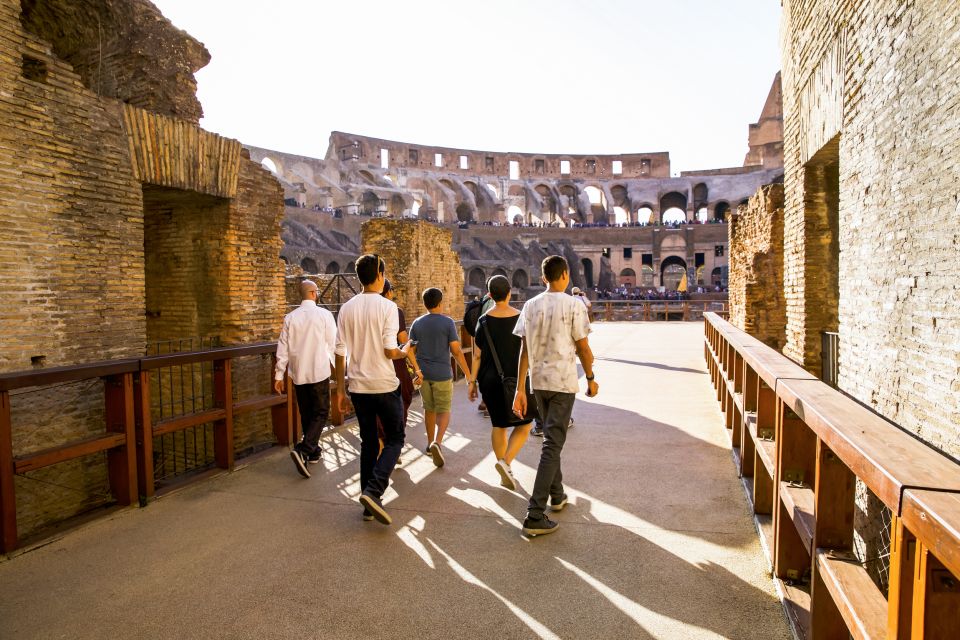
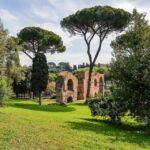
This is the part that turns the Colosseum from a photo spot into a living place. You get a guided walk through the Roman Forum and the Palatine Hill area, spending about an hour on this early block (plus walking time to get there).
Here’s why that matters for your experience: the Colosseum looks like a stadium, but it was also a political and cultural machine. When you learn what the Forum represented—public life, power, and the everyday theater of Rome—your later walk through the arena feels less like sightseeing and more like stepping into a system.
The Palatine Hill portion is also where you start to sense how social status shaped the city. Even if you think you know Roman history, the guide explanations and points for photos can help you “see” connections between buildings you might otherwise treat like random ruins.
Possible drawback: because this is time-boxed, you may have to choose. You won’t get the kind of slow meander where you stop at every single corner to read every sign. If you love long, independent wandering, you’ll want to return on another day.
Underground Tunnels: Gladiators and Animals Below the Arena
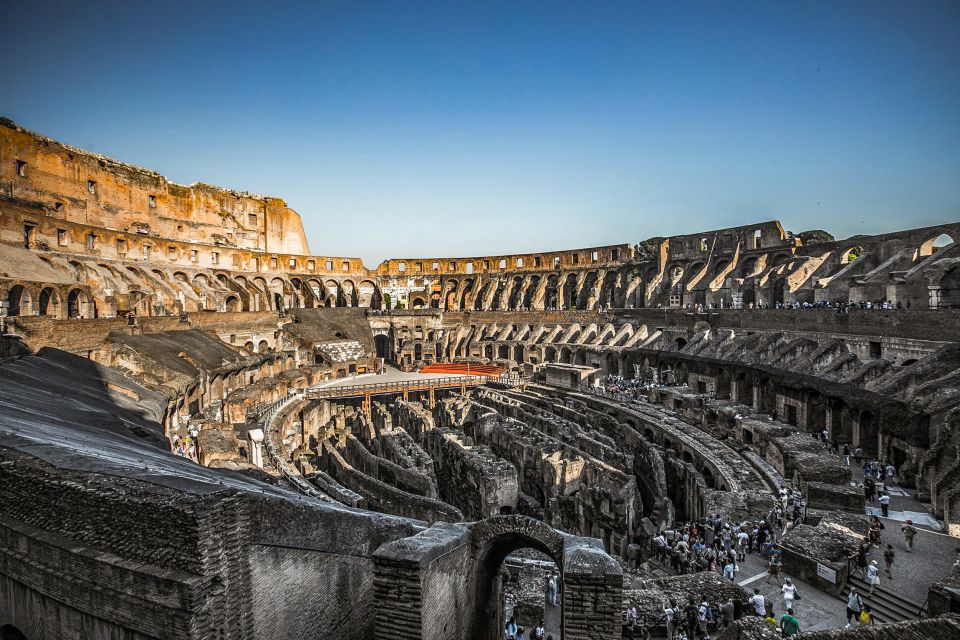
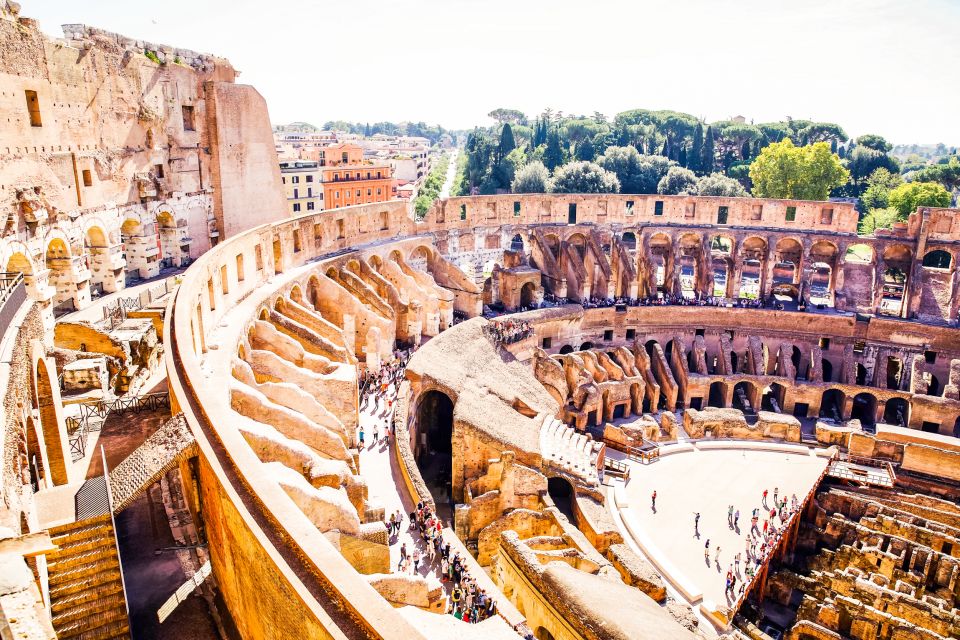
The highlight for many people is the Colosseum underground portion, and it’s easy to see why. You’ll go into underground chambers and tunnels where gladiators and wild animals were kept, then you’ll hear the stories that connect those spaces to what happened above.
This section works because it answers the question you’re probably thinking: how did the show actually run? The underground isn’t just spooky vibes. It’s functional architecture—routes, holding areas, and connections that help you understand how performers and logistics moved when the crowd roared.
If your guide name comes up as one of the standout explainers—names like Carmelo, Maya, Teddy, Mitra, and Enza appear in the experience feedback—you’re likely to get clear, story-driven explanations. One comment specifically praised Mitra for an art history background and a PhD, which can translate into extra attention to design choices and how structures relate to their purpose.
One realistic consideration: this is not a quick “look-and-go.” You’ll spend about an hour on the underground and then continue upstairs into the show zones. Wear shoes you can walk in for real.
Arena Floor and Ground Level: Walking Where the Show Happened
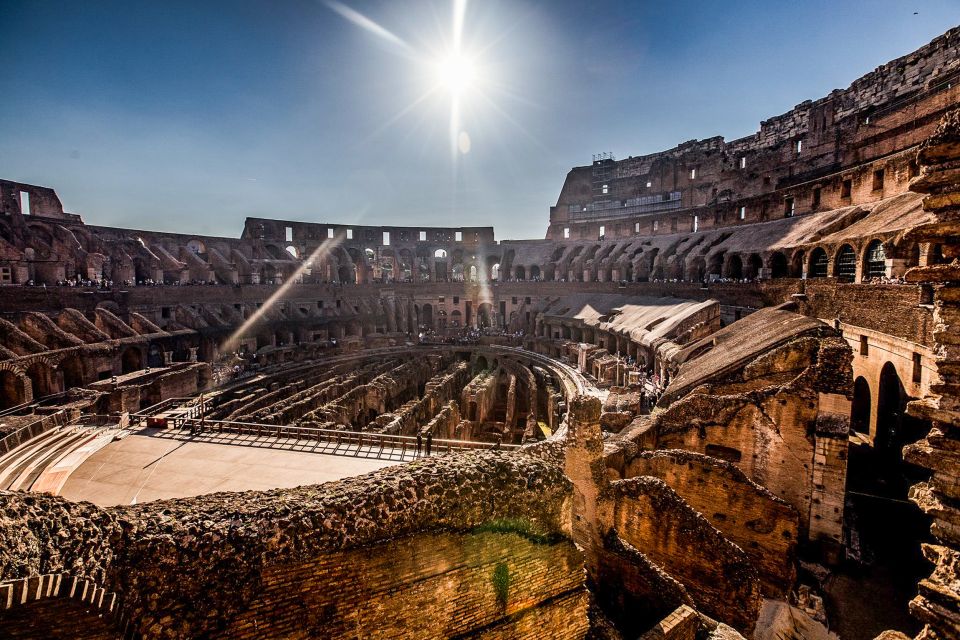
Next comes the part that feels almost unfair in the best way: you walk onto the arena floor, then continue through access areas tied to the ground level. Even with all the photos in the world, being on the same ground changes your mental picture. You can better understand angles for entrances, how space compressed the crowd’s view, and why the emperors and performers mattered so much.
You’ll also get guided stops at key viewpoints inside the Colosseum’s sections. One recurring theme in the feedback is that guides do a good job connecting specific features to the drama of the arena—like where authority stood to decide outcomes.
This is also where the tour’s headset system helps. There’s at least one note that the audio can be hard to hear if radios are weak, echoy, or run into battery trouble. That said, most of the experience feedback emphasizes that the headsets are useful. If you notice audio issues, move a step closer to your guide rather than waiting for volume to magically improve.
Second Tier and Exhibition Stops: Seeing More Than the Icon
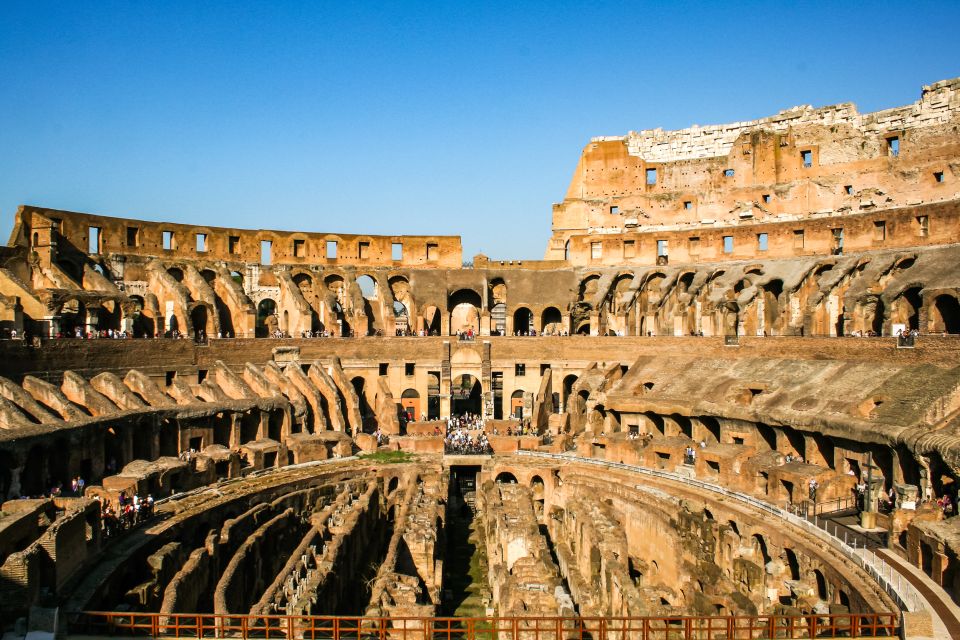
You’re not limited to the postcard spots. The included access covers more levels, including the second-tier and an exhibition stop. That matters because the Colosseum is not one single experience. It’s a layered space that changes as you move up and around.
From higher vantage points, you start to see the geometry of the building—how it wraps the arena and how sightlines likely worked for different seating levels. From an interpretation standpoint, the exhibition portion can help you keep track of what you’re looking at, especially if the tour is moving fast.
This is also where you’ll notice a subtle but important difference between self-guided visits and guided ones: your guide points out what would otherwise blur together—entrance layouts, structural patterns, and the logic of where people went.



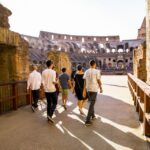

Your Time on the Colosseum Top: How Much Free Wandering You Get
The tour includes time to visit the monument at your own pace, but there’s a catch: time is not infinite. Some feedback pointed out that there wasn’t quite enough time to fully circle the top areas of the Colosseum.
So I’d plan your expectations like this: your guided portion does the heavy lifting of “what matters,” and then you get limited personal time to re-visit favorites, take photos, and look for details you noticed while listening.
If top-level wandering is a priority for you, consider setting aside extra time in your overall Rome schedule—either by adding a separate visit day or by booking a tour slot that gives you breathing room after the guided portion ends.
Guides, Headsets, and Pace: The Human Part of the Experience
A big reason these tours tend to score high is the guide. In the feedback, certain names show up as especially strong: Carmelo, Chris, Teddy, Maya, Mitra, Enza, Sara, Emelio, Evessi, and Sophian. The pattern is consistent—guides are expected to keep the energy up, answer questions, and connect what you’re seeing to how Rome worked.
You’ll likely use the included headsets throughout. That’s not a small detail. At the Colosseum, your guide voice can get swallowed by noise, and headsets reduce the stress of trying to hear a human in a stone bowl.
Pace-wise, the 3-hour format is long enough to cover the Forum/Palatine context and the underground/arena experience, but not long enough for endless wandering. One comment praised the pace for not feeling rushed, and that’s the goal. Still, if you’re the type who stops every time you spot a crack or carving, you may feel you’re moving on before you’re ready.
Price and Value: What You’re Paying for at $160
The price is $160 per person for a 3-hour guided experience. That can feel steep until you look at what’s included and what those access areas cost on their own.
Here’s a key detail from the tour’s cost breakdown: the underground admission fee is 24€ for adults plus a 2€ booking fee. The remaining amount covers the licensed guide work, headsets, and the additional tour services that turn a pile of ruins into a guided narrative with restricted-area access.
Is it good value? For most people who really want the underground and arena, yes. If you’re the type who only cares about a standard overview from the top, you’d spend less going self-guided. But if you want the part that most visitors never see—the chambers and the route logic beneath the stage—then the guided, access-heavy nature is what you’re paying for.
One other value boost: you’re set up to skip lines in practice, and several comments directly credited the tour for avoiding the longest queues. In a site like this, time saved is travel comfort.
Practical Tips Before You Go (So You Don’t Lose Time)
A few rules and “small gotchas” can make or break your morning.
- Bring your ID: adults should use a passport or ID card, and children may need documents too. A copy is accepted.
- Provide your full name exactly as on your documents when booking. One note warned that mismatched names can create stress at access.
- Don’t bring luggage or large bags. Backpacks are also not allowed.
- The tour is not suitable for wheelchair users or people with mobility impairments.
- Unaccompanied minors aren’t allowed.
Also, be ready for Rome logistics. Road closures and construction can affect your timing, and a few people reported they arrived late due to diversions. Build in buffer time anyway, especially if you’re meeting early in the day.
Who Should Book This Colosseum Underground Tour?
This tour is a strong fit if you:
- want the underground and arena floor experience rather than just photos from the top
- like your ruins explained with specific stories and structure, not just a map
- care about the “how did it work” side of Ancient Rome, especially gladiator-era staging
It’s less ideal if you:
- need a fully wheelchair-accessible route (it’s not set up for that)
- want a slow, independent stroll with maximum time on every level
- are sensitive to standing and walking for most of a 3-hour slot
Should You Book This Tour?
I’d book this if you want the Colosseum in layers: Forum context, underground function, and arena-level perspective. The underground access is the main reason. It changes what you think you’re seeing and makes the Colosseum feel like a working stage instead of a giant ruin.
Skip it only if you’re strictly budget-driven and you’d be satisfied with a top-only visit, or if mobility needs make the walking unavoidable. For everyone else, the combination of guided interpretation and restricted-area access makes the $160 feel less like a splurge and more like paying for the parts you’ll remember later.
FAQ
How long is the Colosseum Underground and Ancient Rome tour?
It lasts about 3 hours.
What does the tour include?
It includes guided access to the Underground, arena access, ground floor access, second-tier access, and an exhibition. It also includes headsets so you can hear your guide clearly, plus tickets for the admission areas.
Is Roman Forum and Palatine Hill included?
Yes. You get a guided visit that covers the Roman Forum and Palatine Hill.
What languages is the live guide available in?
The live tour guide is available in French, English, and Spanish.
Do you get access to the arena floor and the Colosseum underground?
Yes. The tour includes both arena floor access and a guided tour of the Underground chambers.
Where is the meeting point?
Meet at Via dei Fori Imperiali, 25, 00186 Rome in front of the Tourist Information Point at Fori Imperiali.
What should I bring for the visit?
Bring a passport or ID card. For children, passport or ID card is also required, and a copy is accepted. Full names as on your documents must match what you provide at booking.
What items are not allowed?
Luggage or large bags, and backpacks are not allowed. Unaccompanied minors are not allowed.
Is this tour suitable for wheelchair users or mobility impairments?
No. It’s listed as not suitable for people with mobility impairments and wheelchair users.
Can I get a refund if I cancel?
This activity is non-refundable.