REVIEW · ROME
From Rome: Orvieto and Civita di Bagnoregio Private Day Trip
Book on GetYourGuide →Operated by Shore Excursions in Italy · Bookable on GetYourGuide
A disappearing town has a way of grabbing you. This private Umbria day trip pairs Civita di Bagnoregio with Orvieto, so you get medieval drama and Etruscan layers in one long, efficient outing. It’s built around a van pickup, a guided English-speaking driver-guide, and a realistic amount of walking for hill-town rewards.
I especially like the small-group setup (up to 3 in a private group), which keeps the day feeling personal, not rushed. I also like the shopping angle—white wine and ceramics—so you leave with more than photos. The one catch is practical: you’ll do a short but steep pedestrian bridge walk in Civita di Bagnoregio, and that can be hard for some mobility needs.
In This Review
- Key Things You’ll Like About This Day Trip
- Private Van Pickup From Rome (and What That Changes)
- Civita di Bagnoregio: The Steep Bridge and the Town That’s Fading
- Orvieto’s Town Core, the Gothic Cathedral, and the Underground Option
- Wine Tasting and Ceramics: Taking Home Actual Umbria
- The 8-Hour Pace: What Works and What to Watch
- Price and Value for a Private Group Up to 3
- The Driver-Guide Factor: Why the Ride Matters
- Who This Tour Suits Best (and Who Should Rethink It)
- Should You Book This Private Day Trip?
- FAQ
- What time does the tour start?
- How long is the day trip?
- Do I need to pay entrance fees?
- Is lunch included?
- Is wine tasting included?
- Can I shop for ceramics and wine?
- Is the tour wheelchair accessible?
- What should I bring?
- Can I cancel for a refund?
Key Things You’ll Like About This Day Trip
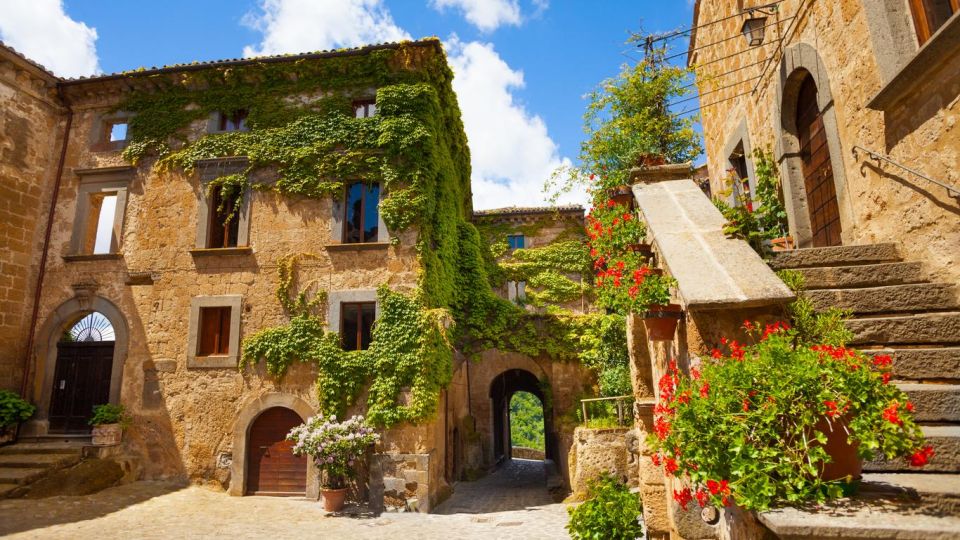
- Civita di Bagnoregio on a shrinking hillside, reached via a pedestrian bridge with an entry fee
- Orvieto’s Gothic cathedral plus time for an optional underground Etruscan visit
- Wine tasting and ceramic shopping time built into the plan, not tacked on at the end
- A driver-guide who keeps the ride informative, with examples like Frederico being especially engaging
- A smooth 8-hour structure that gets you out and back to Rome with minimal hassle
Private Van Pickup From Rome (and What That Changes)
This trip runs as a true private day out. You’ll be picked up at your hotel in Rome at 09:00, or arranged pickup from Fiumicino Airport, then driven to Umbria and back the same day. With your own van and driver, you skip the mental overhead of trains, connections, and “how do I get there?” time.
That matters because the day is timed tightly. You’re spending several hours in two towns that are built for pedestrians, not cars. A car can’t follow you up cobblestone streets or drop you right at every viewpoint, so the van is mostly about getting you there with less stress—and that’s where the value sits.
One more practical note: they ask for your hotel name or the pick-up address ahead of time. Do that early, because pickup timing depends on finding you quickly.
You can also read our reviews of more private tours in Rome
Civita di Bagnoregio: The Steep Bridge and the Town That’s Fading
Civita di Bagnoregio is the star attraction, and it earns its reputation. You’ll drive about 1.5 hours from Rome, then arrive at the edge of the area. Before you reach the town, you cross a pedestrian bridge and you’ll walk about 7–8 minutes on foot.
Plan for the bridge fee: €5 per person is required to enter as part of the crossing/arrival experience. The walk isn’t long, but it is steep enough to matter—especially if you’re traveling with anyone who struggles on inclines. Comfortable shoes aren’t a suggestion here; they’re the difference between enjoying the views and feeling annoyed by stairs and uneven ground.
Once you get to Civita, the town feels like a throwback. You’re dealing with a hill town perched on volcanic ground, and the key idea is that the area is gradually shrinking over time. That makes every angle—streets, doorways, and the surrounding viewpoints—feel charged with a sense of urgency.
You’ll have around 1.5 hours there for photos, strolling, and self-guided exploring. That time window is a smart choice. Civita doesn’t need a long guided lecture to be memorable; it works best when you can wander, stop, and look back.
Orvieto’s Town Core, the Gothic Cathedral, and the Underground Option
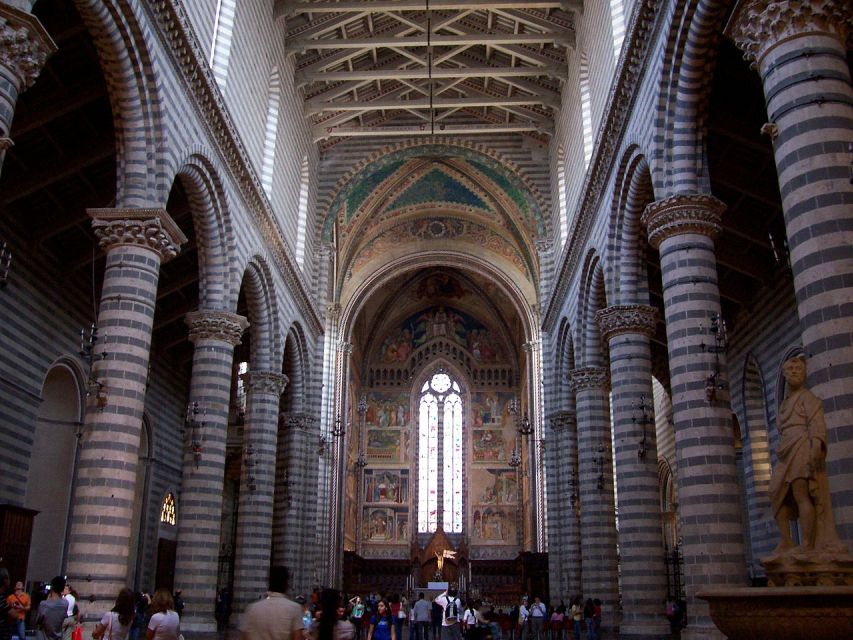
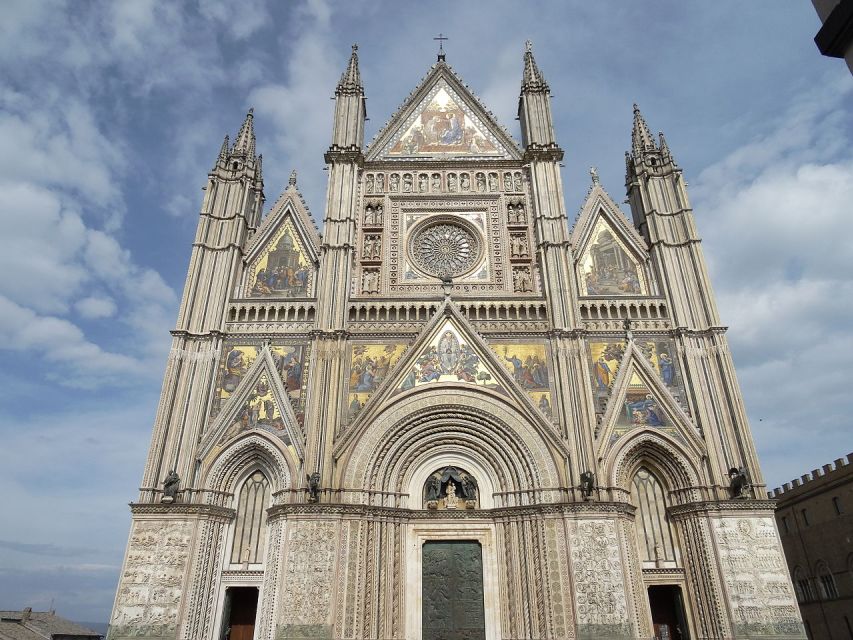
After Civita, you’ll drive about 30 minutes to Orvieto. This is a different vibe from Civita: more “liveable medieval hill city,” with streets that let you spread out. You’ll have roughly 3 hours to explore.
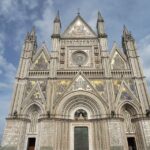
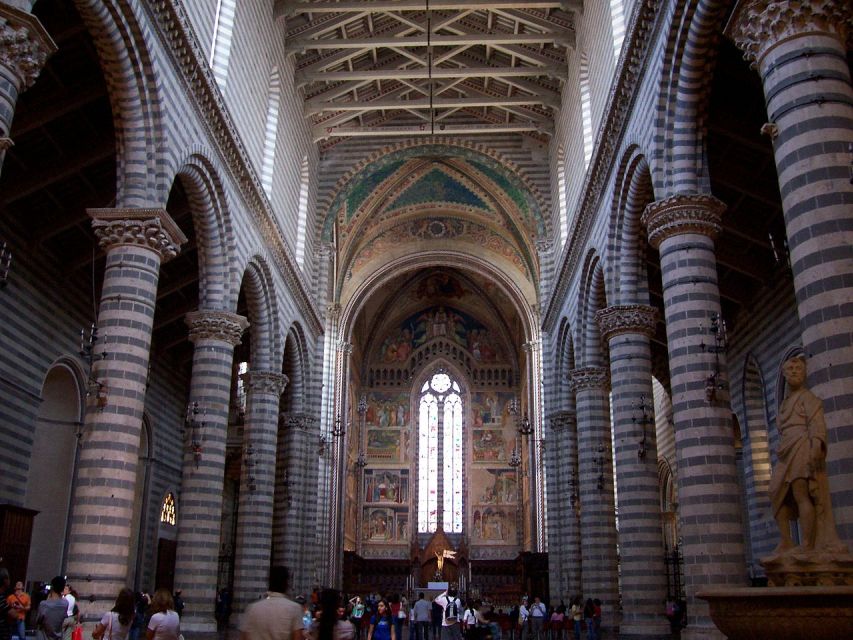
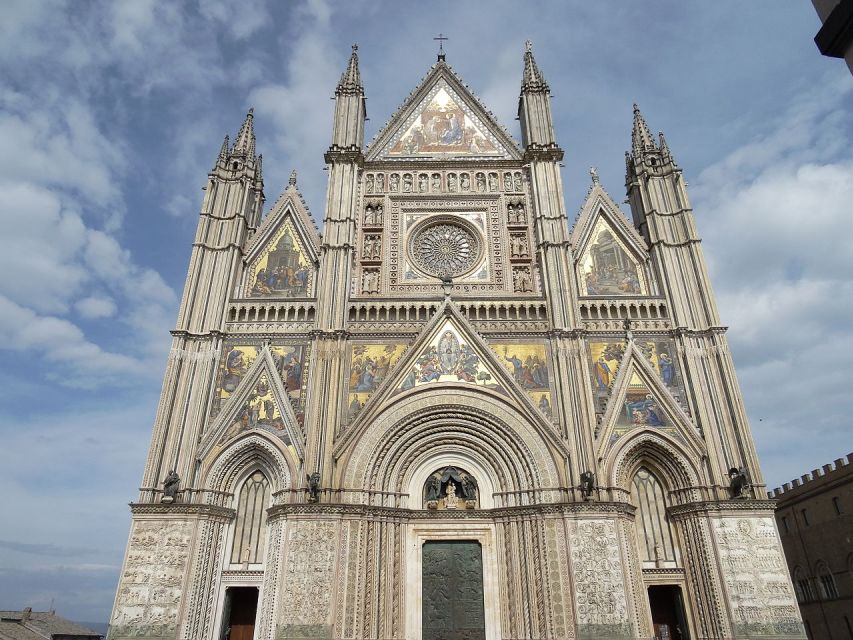
Orvieto’s big draw is its cathedral—a Gothic-style masterpiece. You’ll have time to visit it, and entrance is €5 per person. Even if you’re not the type who reads every plaque, it’s the kind of building that rewards slowing down for a few minutes. You’ll also want to budget time to find the best viewpoints within the town center and to take a breather if you’ve already walked a lot that day.
There’s also an underground Etruscan option: you can visit the underground Etruscan city, with entrance €8 per person. This is one of those “only in places like this” experiences. Orvieto carries layers—Etruscan and medieval—so the underground visit helps you connect the town’s surface story to what’s under your feet.
Lunch is part of the day’s schedule but not included. That’s normal for Italian small-group travel: they give you time to eat locally without locking you into one pre-set restaurant. You’ll be in Orvieto during the late afternoon stretch, so choose something practical—quick but good—so you still have energy for the walking and sightseeing.
Wine Tasting and Ceramics: Taking Home Actual Umbria
One reason I like this trip is that it doesn’t treat shopping like an afterthought. You’ll have time in Orvieto for wine tasting and for ceramic shopping. If you enjoy food-and-craft souvenirs, this is a better plan than the “buy a magnet at the first shop” approach.
Here’s how to think about it: a guided day trip gives you context, but your purchases give you a personal memory. Wine is easy to turn into a story—what you tasted, where you were, how the day unfolded. Ceramics are even better because they’re functional. A plate, cup, or small decorative piece can remind you of a specific moment every time you use it.
Budget-wise, just remember that tasting and shopping aren’t listed as separate priced add-ons. The tour clearly sets aside time for them, but entrance fees for major sights are separate, and lunch is on you. So if you’re the type who likes to buy a couple of ceramic items, plan a bit of cash or card room.
The 8-Hour Pace: What Works and What to Watch
This is an all-day format with a steady rhythm:
- Pickup at 09:00
- Drive time toward Civita
- 1.5 hours in Civita for wandering and photos
- Short drive to Orvieto
- 3 hours in Orvieto for cathedral, optional underground, and lunch
- Return to Rome around 17:00
That pacing is why the trip feels efficient rather than exhausting. You’re getting two major stops in one day, and you’re not stuck for hours in transit. Still, you’ll walk. The big walking moment is the Civita bridge approach, plus general strolling in both towns.
The other thing to watch is the “add-on” cost feel. There are multiple entry fees: €5 for Civita/bridge, €5 for the cathedral, and €8 for the underground Etruscan site. You can keep your budget under control by deciding ahead of time whether you want the underground stop, since that’s the most expensive optional piece.
If you’re traveling with a group member who gets tired fast on hills, choose your expectations carefully. The day is doable for many people with average stamina, but the steep elements and cobblestones are real.
You can also read our reviews of more tours and experiences in Rome



Price and Value for a Private Group Up to 3
The price is $846.92 per group (up to 3 people). On paper, that’s a lot. But it’s a private car day trip with driver, gas, tolls, parking, and VAT included. That means you’re not paying extra for the basics of getting there and handling transport costs.
The value math gets clearer when you split it. If you’re traveling with two friends or family members, you’re effectively buying three seats in a guided, door-to-door itinerary. That’s often cheaper than solo private transport and much easier than coordinating separate options yourself, especially when the return has to be on the same day.
Where you should focus your budget planning: entrances and food. Entrance fees can add up quickly with Civita and Orvieto sights, and lunch is not included. If you’re strict about spending, look at the entry costs first and then decide how you want to handle wine tasting and ceramic purchases.
Also, private doesn’t just mean comfort. It means you can ask questions in the moment and adjust your own time inside each town’s allocated window—within reason.
The Driver-Guide Factor: Why the Ride Matters
A big part of day trips is what happens between stops. Here, your guide is English-speaking and included. The best ones don’t just point at a view; they explain what you’re looking at while you’re still on the way, when everything is easier to understand.
One standout example from prior experiences is Frederico, described as engaging and informative while driving through the areas. That kind of guidance can turn “I saw a cathedral” into “I know what to look for and why that style is there,” and it helps you enjoy the towns more, not less.
You’ll also appreciate that the driver is described as arriving early. Early matters because you’ll want that time back in the towns rather than wasting it sitting in traffic.
Who This Tour Suits Best (and Who Should Rethink It)
This day trip fits best if you want:
- One-stop-to-the-next convenience from Rome with a private van
- A memorable look at Civita di Bagnoregio without dealing with ticketing and routing on your own
- Time for Orvieto’s cathedral and the option to see the underground Etruscan city
- A day that includes time for white wine tasting and ceramics shopping
It’s also a good fit for couples or small groups who prefer a calmer experience over public transport logistics and long lines.
Where you should be careful is mobility. The tour information says wheelchair accessible, but it also states it’s not suitable for people with mobility impairments because of the steep pedestrian bridge walk. If you’re choosing based on walking ability, be honest about the incline and the cobblestones.
Should You Book This Private Day Trip?
Book it if you want a practical, high-reward day that mixes a disappearing medieval town with a bigger, layered hill city. The private van setup makes the schedule feel manageable, and the mix of cathedral + underground option + wine and ceramics gives you more than one kind of memory.
Skip it or rethink it if your group can’t handle short steep walking. The 7–8 minute bridge to Civita is the main stress point, and once you’re there, the rest of the day still includes real town walking.
If you’re aiming for value, this is best when you’re splitting the private group cost with up to two others and you’re okay paying separate entrance fees and lunch on your own.
FAQ
What time does the tour start?
Pickup is at 09:00 from your hotel in Rome or from Fiumicino Airport.
How long is the day trip?
It’s 8 hours total, with return to Rome around 17:00.
Do I need to pay entrance fees?
Yes. Entrance fees are not included. You should budget for €5 for the Civita/bridge entry, €5 for the Orvieto cathedral, and €8 for the underground Etruscan city.
Is lunch included?
No. Lunch is not included in the tour rate.
Is wine tasting included?
The schedule includes wine tasting time, but food and entrance fees are listed as not included, so plan your budget accordingly.
Can I shop for ceramics and wine?
Yes. There is time set aside for ceramic shopping and wine-related stops.
Is the tour wheelchair accessible?
The information says wheelchair accessible, but it also states it’s not suitable for people with mobility impairments, mainly due to the steep bridge walk.
What should I bring?
Bring comfortable shoes, since you’ll do walking (including the steep bridge approach to Civita).
Can I cancel for a refund?
Yes. You can cancel up to 24 hours in advance for a full refund.
If you tell me how many people you’re traveling with and whether anyone has mobility limits, I can help you judge if the walking demands match your group.