REVIEW · ROME
Rome: City Sightseeing Hop-on Hop-off Bus with Audioguide
Book on GetYourGuide →Operated by Sightseeing Experience · Bookable on GetYourGuide
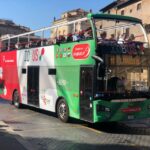
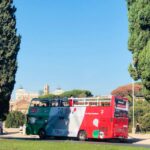
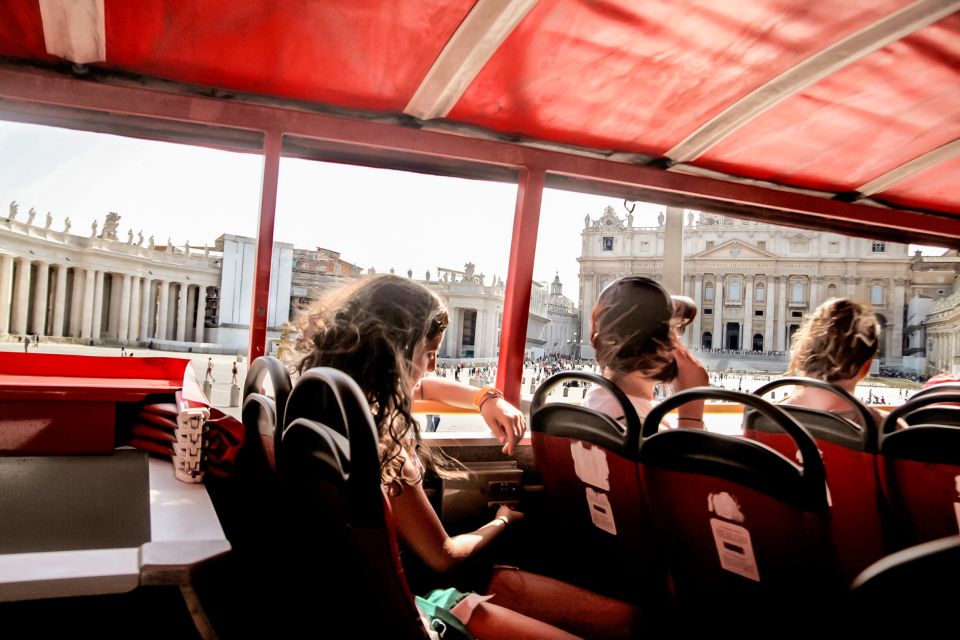
Rome is best when you control the pacing. This open-top, double-decker hop-on hop-off bus keeps you moving between the city’s biggest landmarks, without forcing you into a tight schedule. I like the flexibility built into the loop (the full circuit takes about 100 minutes): you can ride for the whole thing or hop off when your feet and your curiosity kick in. The onboard experience is practical too, with audio in 8 languages, headphones on the open bus, and a sightseeing app to help you connect what you’re hearing with what you’re seeing.
There’s one thing to consider: Rome can be unpredictable. The route may change, and some stops may not be guaranteed due to special events, so you’ll want Plan B for major photo stops. Also, while the commentary is generally clear, it can get interrupted and sometimes won’t run to the end of the track.
In This Review
- Key Things to Know Before You Ride
- Rome’s Fast-Forward Fix: Why This Bus Works
- Finding Your Bus: Via Marsala and City Sightseeing Line A
- What’s Actually Included: Audio, Wi‑Fi, and the App
- The Big Sights Route: How to Use Each Stop Without Burning Time
- Santa Maria Maggiore: A Clean Start on the Map
- San Giovanni in Laterano: More Than a Name on the Route
- Colosseum Zone: The Photo Moment (and the Reality Check)
- Circus Maximus and Piazza Venezia: Long Views, Quick Orientation
- Largo di Torre Argentina and Piazza Navona: Walkable Charm
- Vatican City Area: Castel Sant’Angelo and the Big Day Energy
- Villa Borghese: A Breather in the Middle of It All
- Piazza di Spagna / Fontana di Trevi and Piazza Barberini: Central Rome in a Tight Loop
- Jubilee Line Included: The Extra That Makes the Pass Feel Smarter
- Choosing 1, 24, 48, or 72 Hours: Match It to Your Pace
- Price and Value: Is $15 a Deal?
- My Bottom-Line Take: Should You Book It?
- FAQ
- How long is the full loop?
- What’s included with the bus ticket?
- Where do I start the tour?
- Which languages is the audio guide available in?
- Are attraction tickets included?
- Is the route always the same?
Key Things to Know Before You Ride
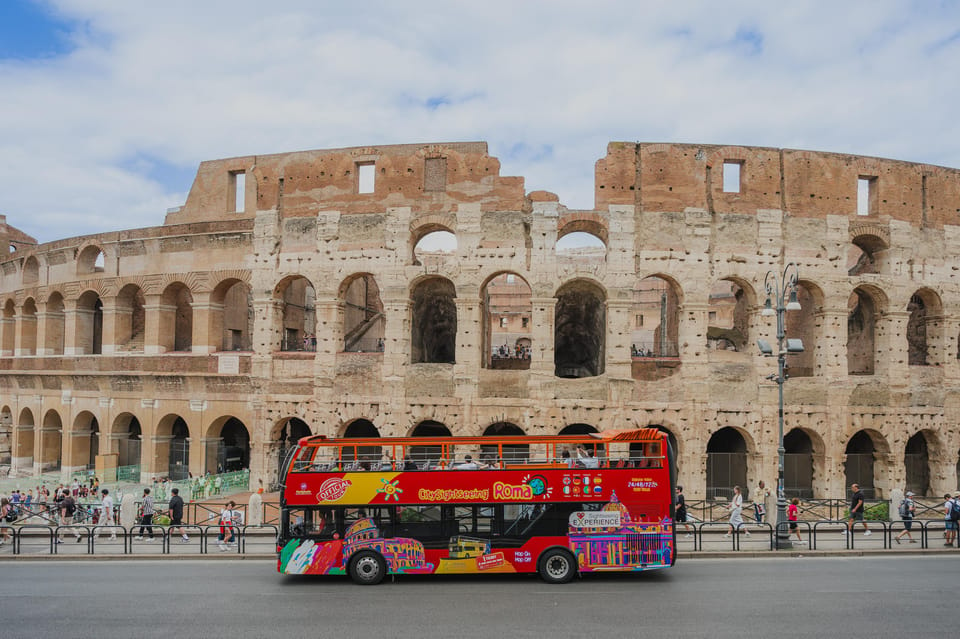
- A loop you can stretch out: the full ride is about 100 minutes, and your ticket lets you repeat stops for up to 1–3 days.
- Big-name sights, built for wandering: Vatican-area sights, the Colosseum zone, and central squares are all in the circuit.
- Audio guide support: commentary in Spanish, Chinese, English, French, German, Italian, Russian, Portuguese, plus a sightseeing app.
- Wi‑Fi on the open bus: handy when you’re searching maps or checking opening times.
- Jubilee Line included: the ticket includes the Jubilee Line operated by Vatican & Rome Open.
- Stop availability can shift: special events can change the route or affect which stops are guaranteed.
Rome’s Fast-Forward Fix: Why This Bus Works

Rome is big. Even when you stay in a fun area, walking between major sights can turn into a full-day project. That’s where a hop-on hop-off bus earns its keep. I like using it early on, or whenever your itinerary has more “must-sees” than a single day can handle.
This one is designed to be low-pressure. Instead of committing to a strict guided route, you’re given a loop and the freedom to hop on and off at your preferred moments. If you want to see a lot from the top deck, you can do that. If you want to get closer to the stones—then you’re free to step off and walk.
The best part is that it matches Rome’s rhythm: you ride when you need transit, then you slow down when the streets start to feel worth it. You’re not stuck watching the window go by all day.
You can also read our reviews of more city tours in Rome

Finding Your Bus: Via Marsala and City Sightseeing Line A
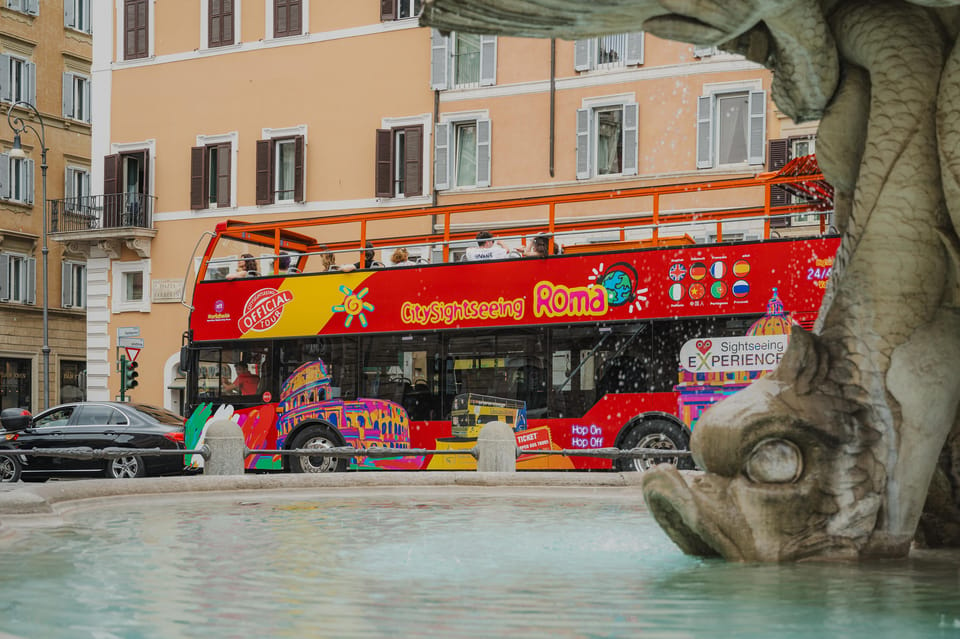
Your starting point is flexible, which is a big deal when Rome is doing its usual Rome thing. You can start at any stop of City Sightseeing Rome Line A, with the tour info anchoring around Via Marsala, 7.
The loop runs past a set of well-known zones, including religious landmarks, classic viewpoints, and central squares. Along the way, you can hop off to explore and hop back on at the next bus when you’re ready. In practice, this is the difference between “seeing Rome” and just “passing Rome.”
A key detail to avoid confusion: a One Loop Tour is not the same as a hop-on hop-off tour. If you want the flexibility to leave the bus and return later, make sure you’re selecting the hop-on hop-off option tied to your 1 Day / 24-hour / 48-hour / 72-hour validity.
Also note what’s real-world important: the route may change and some stops may not be guaranteed due to special events. That means the bus is great for planning, but you’ll still want to stay flexible at the big-ticket stops.
What’s Actually Included: Audio, Wi‑Fi, and the App

This bus doesn’t just hand you a seat and wish you luck. The setup is built around easy interpretation.
- Headphones are included for the open bus (so if you’re hopping on from a location where it’s not open-top, you may want to confirm you’ll have audio access).
- The onboard experience includes audio in 8 languages: Spanish, Chinese, English, French, German, Italian, Russian, Portuguese.
- You also get Wi‑Fi on the open bus and a sightseeing app.
This combination matters. Audio helps you place landmarks as you pass them. The app can help you decide where to hop off based on what you care about most. And Wi‑Fi is useful when you want to quickly check something like how long a walk might be, or what else is nearby once you step off.
One more note from real-world expectations: the commentary can get interrupted and may not always run uninterrupted from start to finish. If you’re the kind of person who likes to catch every last detail, don’t panic. Use the audio as guidance, and let your eyes do the rest.
The Big Sights Route: How to Use Each Stop Without Burning Time
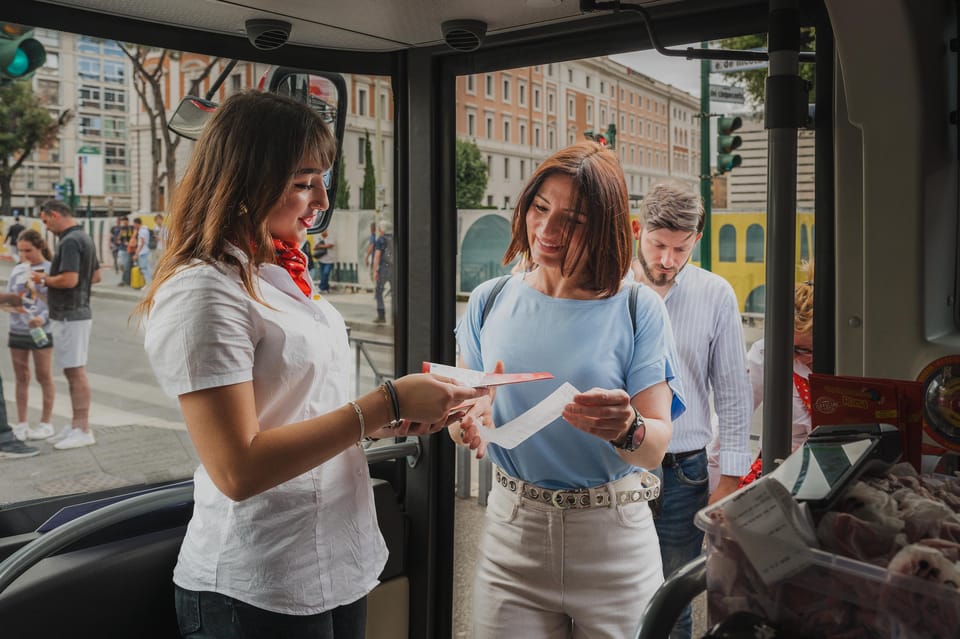
Think of the loop as a backbone for your day. You ride to connect neighborhoods, then you hop off to work the sights at human speed. Here’s how the circuit reads in practice, stop by stop.
Santa Maria Maggiore: A Clean Start on the Map
Santa Maria Maggiore is an easy early anchor. It’s the kind of landmark that makes you feel like you’ve landed in Rome fast. Even if you don’t spend hours there, stepping off can break up the transit fatigue and give you a first “yes, this is it” moment.
If you’re on a shorter schedule, this is also a smart place to decide your energy level. You can do a quick look, then continue the loop to save the longer stops for later.



San Giovanni in Laterano: More Than a Name on the Route
Next up is Basilica di San Giovanni in Laterano. This is another major religious site, and it’s useful because it widens your Rome beyond the usual postcard clusters. The bus pass makes it simple to sample this area without committing to a long walking detour.
If your goal is variety in one day—classic Rome landmarks plus different styles of architecture—this stop helps you get it without needing expert planning.
Colosseum Zone: The Photo Moment (and the Reality Check)
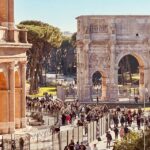
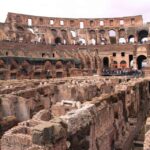
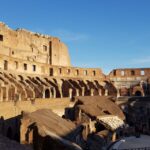
Colosseum is the stop most people aim for. From the bus, you get that immediate skyline view that tells you you’ve arrived. And when you hop off, you’re set up for one of Rome’s biggest walking routes.
Here’s the consideration: stop access can be affected by special events, and sometimes you may not be able to get off exactly where you want in the moment. You might still get good photos from the route, but don’t plan your entire day around one perfect, guaranteed stop.
Also remember this: attraction tickets are not included. So if you’re planning to go inside, you’ll need to handle tickets separately.
Circus Maximus and Piazza Venezia: Long Views, Quick Orientation
Circo Massimo and Piazza Venezia are great for orientation. They help you understand Rome’s layout—where big public spaces sit and how the city opens up. Even if you don’t linger, riding through these zones is like switching from “I’m visiting” to “I’m actually navigating.”
If you want to keep the day moving, these stops are perfect for a fast stretch: hop off for photos, then get back on before the heat and crowds make you slow down.
Largo di Torre Argentina and Piazza Navona: Walkable Charm
Largo di Argentina brings you into a part of the center that feels compact and story-rich. From a practical standpoint, it’s a good stop to hop off if you want to do short walks between bigger attractions rather than one long trek.
Then comes Piazza Navona—a classic central square where it’s easy to slow down. This is the kind of stop where you can mix sightseeing with a quick coffee break. Even without planning an elaborate schedule, you’ll find that Rome’s squares reward a little unstructured time.
Vatican City Area: Castel Sant’Angelo and the Big Day Energy
The route heads toward Vaticano (Castel Sant’Angelo). This is one of the clearest “Rome at full volume” areas, and it’s ideal if you want your loop to include that iconic Vatican-side atmosphere.
Because special events can affect the route, don’t assume this stop will function exactly the way you hope on any given day. Keep your flexibility. If you can’t hop off right where you want, you can still use the bus for the surrounding transit and then adjust on foot.
Villa Borghese: A Breather in the Middle of It All
After the Vatican-area emphasis, the route goes to Villa Borghese. It’s a nice shift in tone. When your brain is overloaded with monumental sights, a green, open-air change of pace can be the difference between enjoying Rome and just surviving it.
This stop works well for a mid-ride reset. Even if you don’t do anything major, stepping out and taking a bit of air makes the next round of walking feel more manageable.
Piazza di Spagna / Fontana di Trevi and Piazza Barberini: Central Rome in a Tight Loop
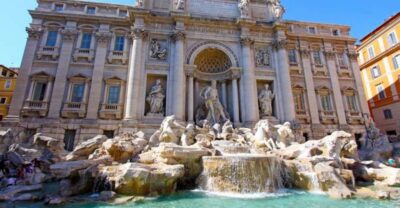
Finally, the route hits Piazza di Spagna (Fontana di Trevi) and Piazza Barberini. This is where the sightseeing becomes pure classic Rome. You’re in the zones where it’s easy to wander between streets and squares, and where the walk itself feels part of the attraction.
Just keep expectations sensible: you’re in central areas, so expect busy streets and more foot traffic than you’d get on quieter Rome routes. The bus keeps you from getting trapped by “I’ll just walk to the next one” optimism.
Jubilee Line Included: The Extra That Makes the Pass Feel Smarter
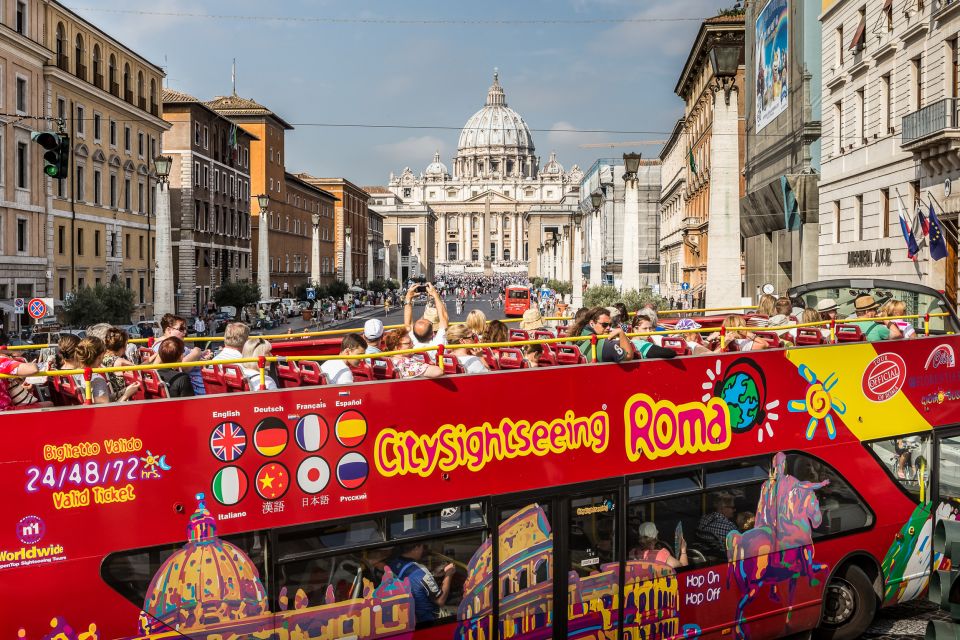
This ticket includes something not every sightseeing bus pass offers: the Jubilee Line, exclusively included with your City Sightseeing ticket.
That’s valuable because it’s not just about getting around by bus. It adds an extra transit option that can reduce backtracking and help you connect parts of the city more efficiently. The Jubilee Line is operated by Vatican & Rome Open, so it’s worth treating that as part of the overall included package.
If you’re trying to cover a lot in 1–3 days, this is the kind of add-on that can quietly improve your schedule.
Choosing 1, 24, 48, or 72 Hours: Match It to Your Pace
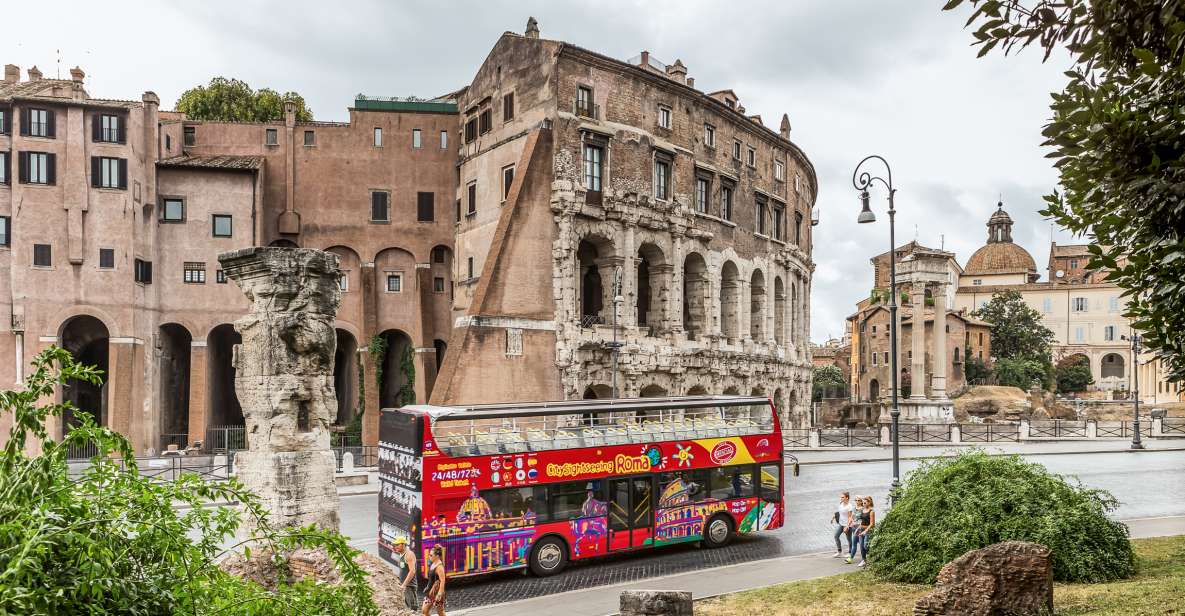
The bus is sold as flexible time options: your ticket is valid for 1–3 days, with choices that line up with short and longer stays.
Here’s how I’d match it:
- If you have a quick visit and want to see major landmarks with minimal planning, a shorter validity window helps you get value without extra days sitting unused.
- If you want to bounce around, return to a stop for a second look, or do one route one day and revisit the next, 48 hours is often the sweet spot. The flexibility to find your rhythm matters in Rome, where you might lose time to lines, weather, or just wandering.
Also, because buses run on a loop, your flexibility isn’t just theoretical. It’s practical. You can ride, hop off, decide you want more time at a specific area, then get back on later.
Price and Value: Is $15 a Deal?
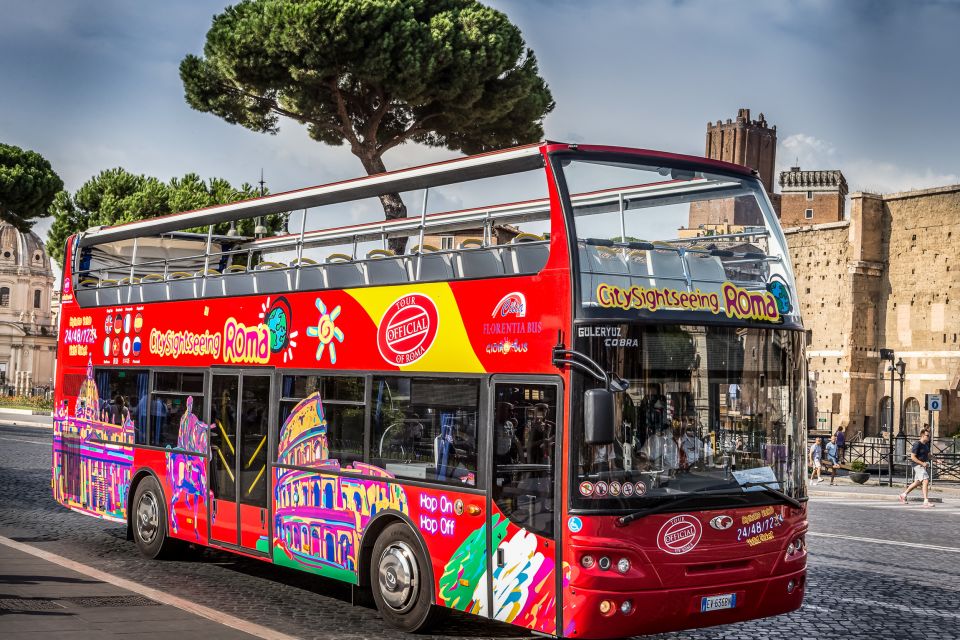
The listing price is shown as $15 per person. On its face, that’s not a big spend for covering major zones quickly.
What makes it feel like value is the mix of:
- hop-on hop-off freedom
- audio in 8 languages
- Wi‑Fi on the open bus
- a sightseeing app
- and the Jubilee Line included component
What’s not included is also part of the value equation. Attraction tickets, food, and drinks are not included, and there’s no hotel pickup/drop-off. So you’re paying for transportation plus interpretation—not for admissions.
If you’re the type who hates wasted hours commuting across Rome, this pass can be a budget-friendly way to convert time into sightseeing.
My Bottom-Line Take: Should You Book It?
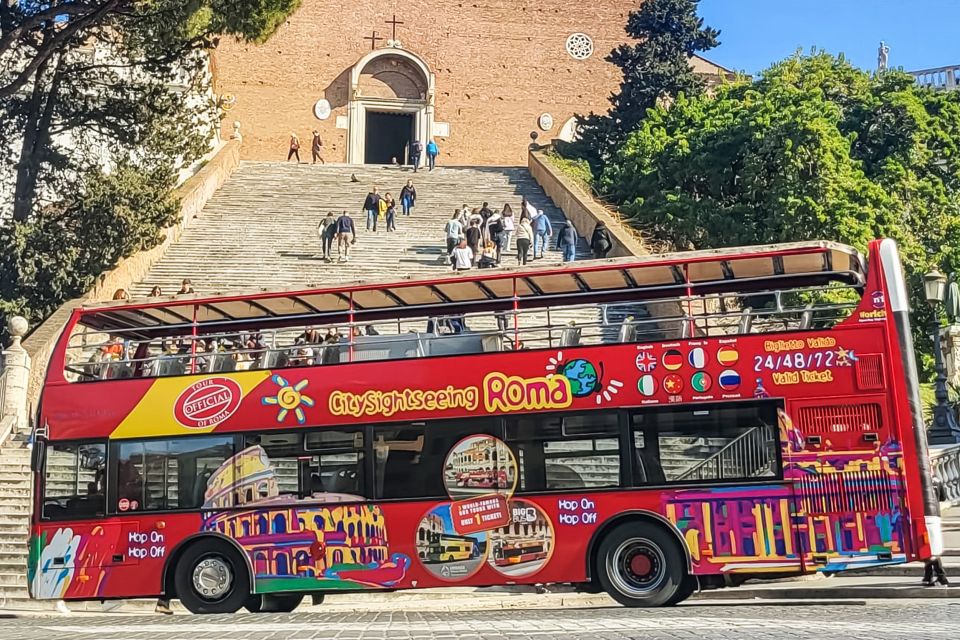
Book it if:
- you want an easy way to cover major landmarks without locking yourself into a strict tour timetable
- you’ll benefit from audio commentary in multiple languages and the help of a sightseeing app
- you like the idea of using public streets as your walking plan while using the bus as your transit backbone
- you want the Jubilee Line included option
Consider skipping (or adjusting expectations) if:
- you only care about one or two specific attractions and you’d rather spend your time fully on foot in one neighborhood
- you need a perfectly guaranteed hop-off experience at every stop, every time—special events can change what you can access
If you’re trying to get your bearings fast, this is a sensible Rome tool. You can use it to set your direction in the morning, then let the city do what it does best: reward detours.
FAQ
How long is the full loop?
The full loop takes about 100 minutes, and you can hop on and off at stops along the way within your ticket’s validity.
What’s included with the bus ticket?
Your ticket includes the hop-on hop-off access, onboard audio in 8 languages, a sightseeing app, Wi‑Fi on the open bus, and headphones (open bus only). The Jubilee Line is also included.
Where do I start the tour?
You can start at any stop of City Sightseeing Rome Line A. The tour starting location is listed as Via Marsala, 7.
Which languages is the audio guide available in?
The onboard audio is available in Spanish, Chinese, English, French, German, Italian, Russian, and Portuguese.
Are attraction tickets included?
No. Attraction tickets are not included, so if you plan to enter major sights, you’ll need to purchase those separately.
Is the route always the same?
Not always. The route may change, and some stops may not be guaranteed due to special events.