REVIEW · ROME
Rome: Fettuccine Pasta Cooking Class in Rome’s City Center
Book on GetYourGuide →Operated by IPM COETUS SRL · Bookable on GetYourGuide
Cooking pasta in Piazza Navona beats most Rome meals. I love that you make fresh fettuccine with a chef and then sit down to eat it right away with your chosen sauce. One drawback to note up front: there is no gluten-free option, so it’s not a fit if you need to avoid gluten.
Your class runs for about 2 hours in the city center, with English instruction and a friendly, hands-on vibe. You meet inside Ristorante Tucci, then head into the pasta-making lesson while enjoying a view over Piazza Navona and its Renaissance fountains. Since it’s not a private class, you’ll want to arrive on time, because they won’t wait more than 10 minutes.
In This Review
- Key highlights you’ll feel right away
- Why Piazza Navona is the right place to learn fettuccine
- The 2-hour flow: from dough to a seated pasta meal
- 1) Meeting and settling in at Ristorante Tucci
- 2) Chef-led fettuccine: hands-on teaching, not a performance
- 3) Starter and drinks while your meal comes together
- 4) Choosing your sauce and enjoying the finished plate
- What you actually learn (and what you don’t)
- Price and value: what $46 covers in the center of Rome
- Food notes: gluten limits, vegan limits, and what vegetarian can mean
- The real deal on group energy and pacing
- Who this class is best for
- Should you book this Piazza Navona fettuccine class?
- FAQ
- Where is the meeting point?
- How long is the pasta cooking class?
- Is there gluten-free pasta or a gluten-free option?
- Is the class vegan-friendly?
- Is the instructor teaching in English?
- What is the cancellation policy?
- Is pay later available?
Key highlights you’ll feel right away
- Piazza Navona setting: you learn and eat with a front-row view of the square
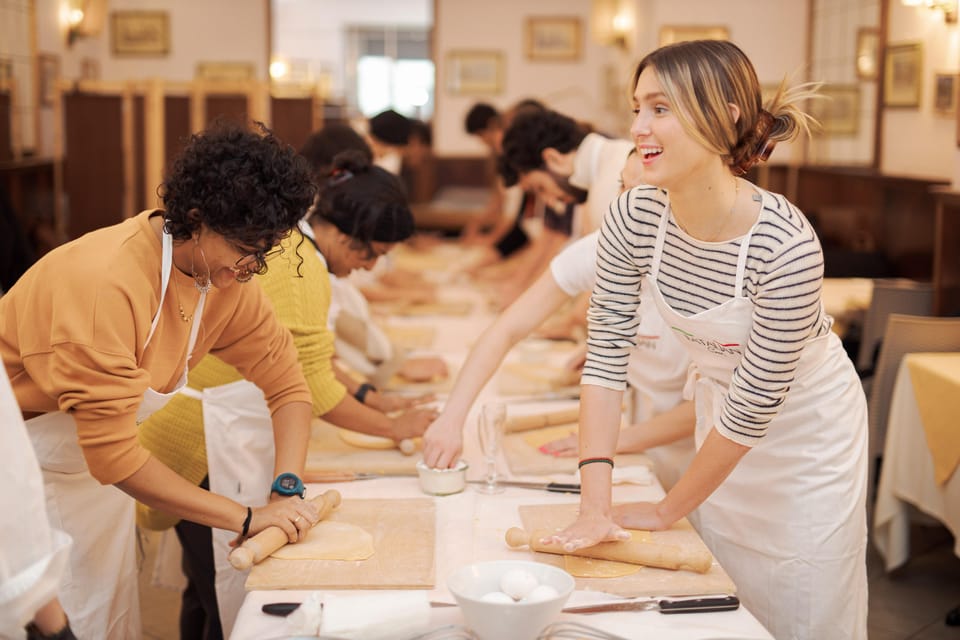
- Hands-on fettuccine with real guidance: chefs like Luca, Enea, Simone, and Sara are called out by name in past classes
- Included starter and drinks: typically bruschetta plus a glass of wine or beer during the meal
- Sauce handled by the kitchen: you choose your sauce, and staff plate it for you
- English instruction: clear step-by-step teaching keeps it from feeling like a demo
- Shared-class atmosphere: you mix with couples, solo travelers, and families (with age limits)
Why Piazza Navona is the right place to learn fettuccine
Rome has no shortage of food tours, but a pasta class is different. You’re not just tasting Italian life, you’re making it. And when that process happens in Piazza Navona, the whole thing feels more memorable and less like a cooking “activity” and more like a Roman evening you’ll talk about for months.
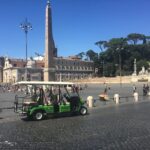
This experience is built around the setting: you’re seated near a view of Piazza Navona and the Renaissance fountains while your pasta and meal come together. That matters because pasta-making can be equal parts focus and fun. The view gives you an easy mental break between steps, so you’re not stuck only thinking about flour ratios and whether the dough is too sticky.
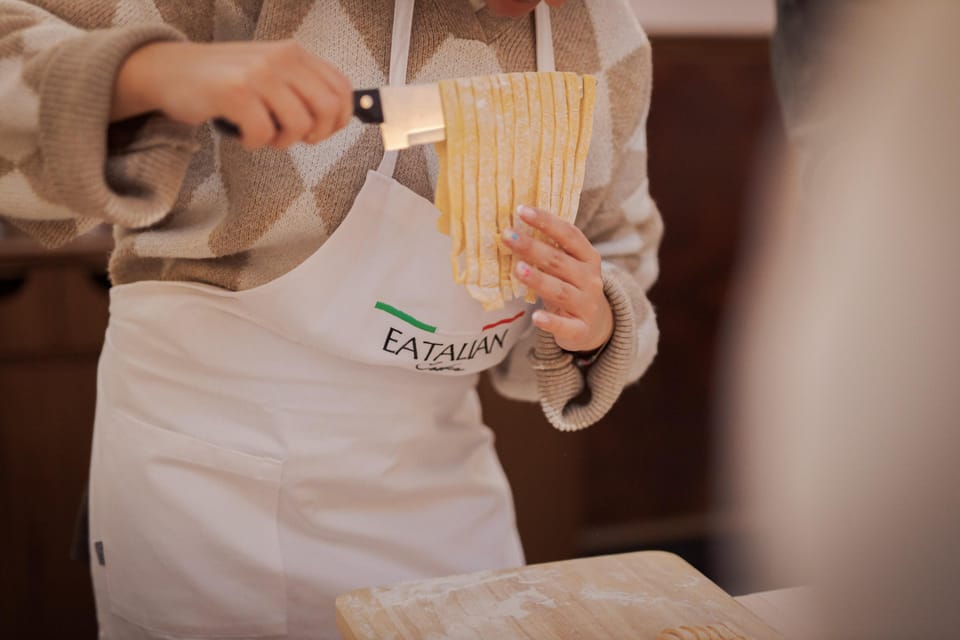
I also like that the class is practical. You learn how to handle the dough and work with it long enough to shape and cut it, rather than just watching someone else do all the work. Several instructors are repeatedly mentioned by name in past sessions (Luca, Enea, Simone, Simone, Sara, Elisa, Alessandra), and the consistent theme is clear directions plus real help when your hands get confused.
One more practical point: because the lesson is in the center, you don’t need a long commute or a complicated plan to reach it. It’s the kind of activity that slots naturally into an evening itinerary.
You can also read our reviews of more city tours in Rome
The 2-hour flow: from dough to a seated pasta meal
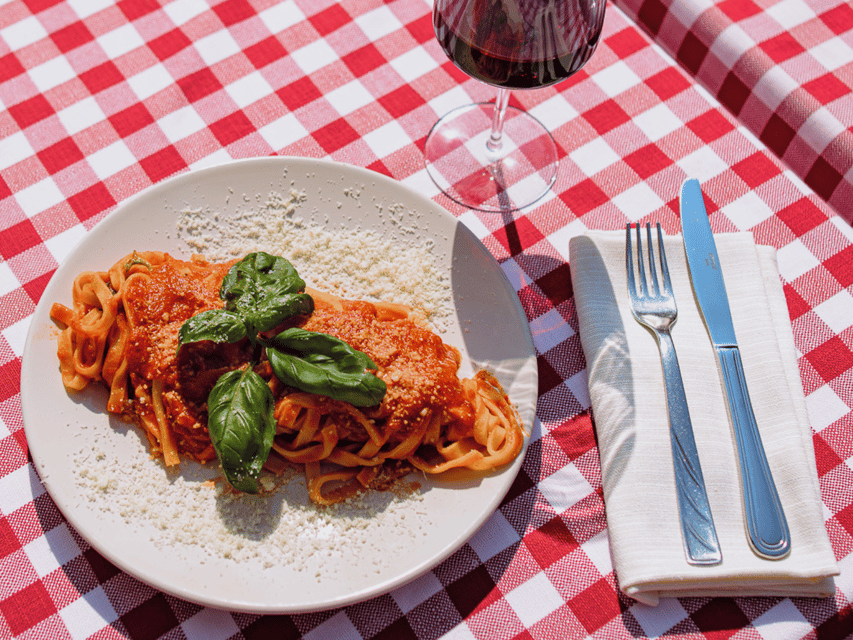
Think of the timeline like this: you arrive, you get your starter and drinks, you make the pasta, then you sit down and eat what you made with a sauce you choose.
1) Meeting and settling in at Ristorante Tucci
You meet inside Ristorante Tucci. When you arrive, ask a waiter to guide you. This sounds small, but it’s one of those details that saves time and stress. Piazza Navona is gorgeous, yet it’s easy to get turned around when you’re looking up at buildings and fountains.
Also, plan to arrive on time. The class is not private, and they won’t wait more than 10 minutes for anyone once the session starts. If you’re someone who runs late, this is the kind of tour where that habit can cost you the best part.
2) Chef-led fettuccine: hands-on teaching, not a performance
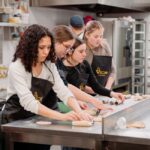
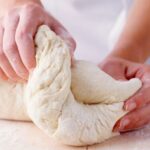
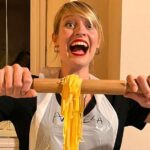
Once the class begins, the chef/instructor guides you through making fettuccine pasta step-by-step. Past students highlight that the teaching stays fun and relaxed, and instructors circulate to help if your dough needs adjustment. That matters because pasta-making is hands-on. If the dough is too dry or too wet, you need quick corrections, not a 30-minute lecture.
You’ll also get tips that transfer to your kitchen back home. People consistently mention leaving with confidence to try again, which usually means they weren’t just taught the steps, they were taught what to fix when things go sideways.
3) Starter and drinks while your meal comes together
While you’re working, you’re not sitting hungry. You’ll be served bruschetta as an appetizer and a glass of either wine or beer, included in the price. You’ll also spend time relaxing at the restaurant with the view of Piazza Navona and its Renaissance fountains.
This is one of the reasons the class feels like value. You’re paying for instruction, but you’re also getting a small Roman meal experience, not only a workshop.
You can also read our reviews of more cooking classes in Rome

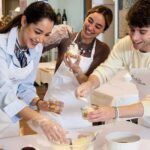
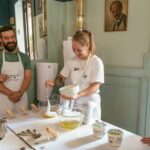
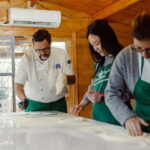
4) Choosing your sauce and enjoying the finished plate
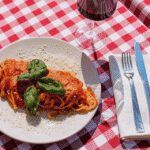
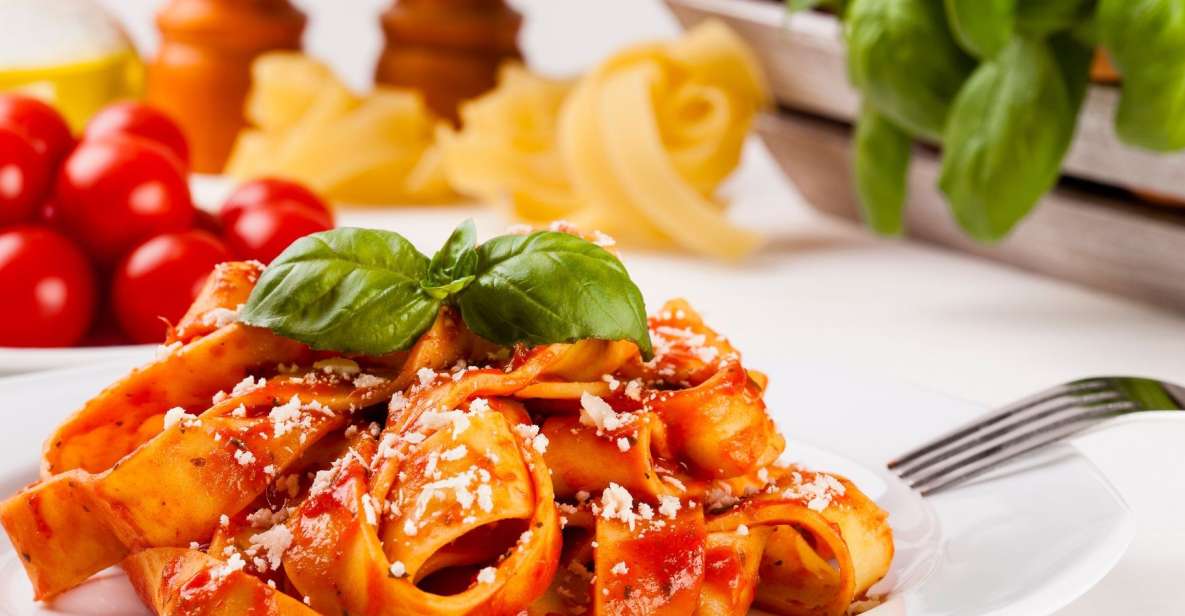
After you make the pasta, you pick a sauce from traditional Italian options. Here’s an important expectation-setting detail: the sauce is prepared by the restaurant’s kitchen and served to you by staff. So you’re not simmering sauces for hours. You’re mastering the pasta part, then letting the kitchen handle the rest.
If you’re a carbonara fan, you may end up ordering that type of sauce based on what’s offered that day. Past class accounts specifically mention carbonara tasting amazing. Other choices show up too, like pesto, in people’s accounts. The key point is simple: you get to choose, and you get to eat it without turning the class into a full cookathon.
What you actually learn (and what you don’t)
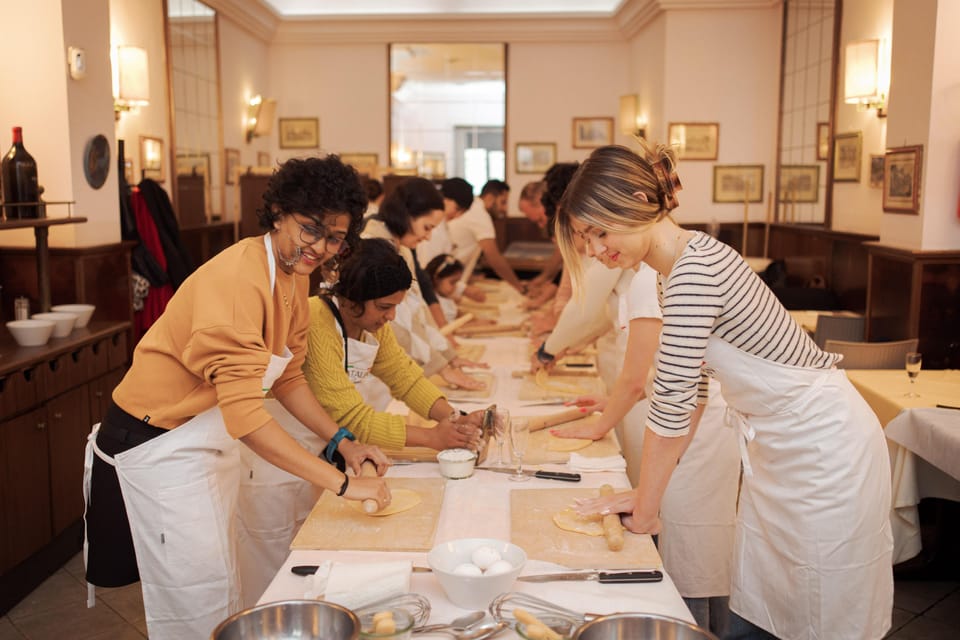
Pasta classes can range from “just enough to take photos” to “I can do this at home.” This one leans toward the second style because the main focus is making fettuccine yourself.
You’ll get instruction on how the dough should feel and how to work it into the pasta shape and cuts that make fettuccine what it is. The repeated feedback from past sessions is about clarity plus the chef helping people who need a nudge. That’s what turns a pasta class into a skill-building evening rather than a one-time novelty.
What you don’t learn (based on how it works here) is sauce production. The sauce comes from the restaurant kitchen, then staff serve it to your table. That’s not a disappointment if you came for pasta-making. It’s actually a smart tradeoff: you spend your limited class time on the part that’s most difficult to learn from books, and you still get a proper plated meal with the sauce finished for you.
If you’re the type who loves doing everything from scratch, you might want to treat this as your pasta foundation class. Once you’re comfortable with dough and shaping, then you can experiment with sauces later at home.
Price and value: what $46 covers in the center of Rome
At $46 per person for a 2-hour experience, the value comes from three bundled parts that usually cost extra when separated:
1) Instruction from a chef
You’re paying for real guidance while you make the pasta, not just dining.
2) An included appetizer and drinks
You get bruschetta plus a glass of wine or beer. Those extras matter in Rome, where drinks and starters can add up fast.
3) Your meal, made from your own work
You eat the pasta you make, paired with a sauce you choose. The sauce is prepared by the kitchen and served by staff, so you don’t have to handle cooking steps beyond the pasta.
Location adds another layer. Piazza Navona is central, walkable, and popular. Paying for an activity that happens right on the square means you’re not spending that time and money on transportation or a detour to a far-off neighborhood.
So the best way to think about the price is not only what you’re paying, but what you’re getting without the usual add-ons: instruction, starter, drinks, and the final plate.
Food notes: gluten limits, vegan limits, and what vegetarian can mean
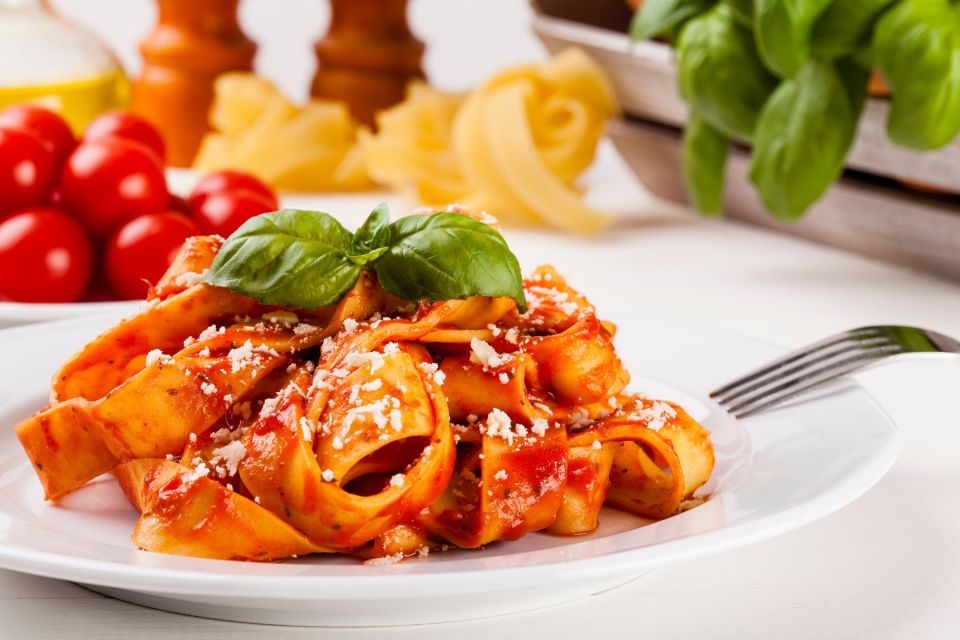
This class is not for everyone, and it’s better to know that clearly.
- No gluten-free option: it is not suitable for people with gluten intolerance.
- Not suitable for vegans: plan accordingly if you avoid all animal products.
- Vegetarian and other diets are supported, but you need to inform the provider when booking.
That last line is important. Vegetarian support exists, but the details can depend on what the kitchen can accommodate on the day. If you have dietary needs beyond vegetarian, message or note them when you book so staff can guide you appropriately.
Also, there are age limits: children under 5 years are not suitable. If you’re traveling with little kids, this becomes an “either find a different class or schedule a different activity” situation.
The real deal on group energy and pacing
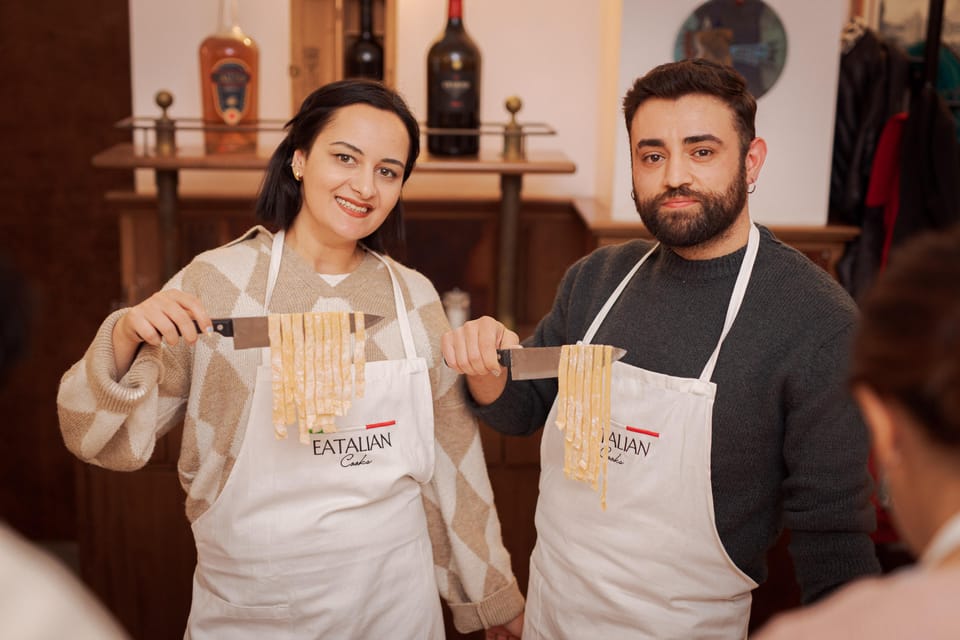
Because it’s not a private class, you should expect a shared table and a mix of people. That can be a good thing. Past experiences describe a friendly atmosphere where people chat, learn together, and then enjoy the meal at the end. You’re not isolated with a silent guide.
Pacing is also part of the value. It’s only 2 hours, so the class stays focused. You’ll be taught enough to create pasta you can eat proudly at the table, without getting stuck in a long cooking session that turns into work.
One more small practical tip: come with the mindset that you’ll use your hands. If you’re expecting a lecture-style class, you’ll be happier if you treat it like an activity. You’ll do better and enjoy it more.
Who this class is best for
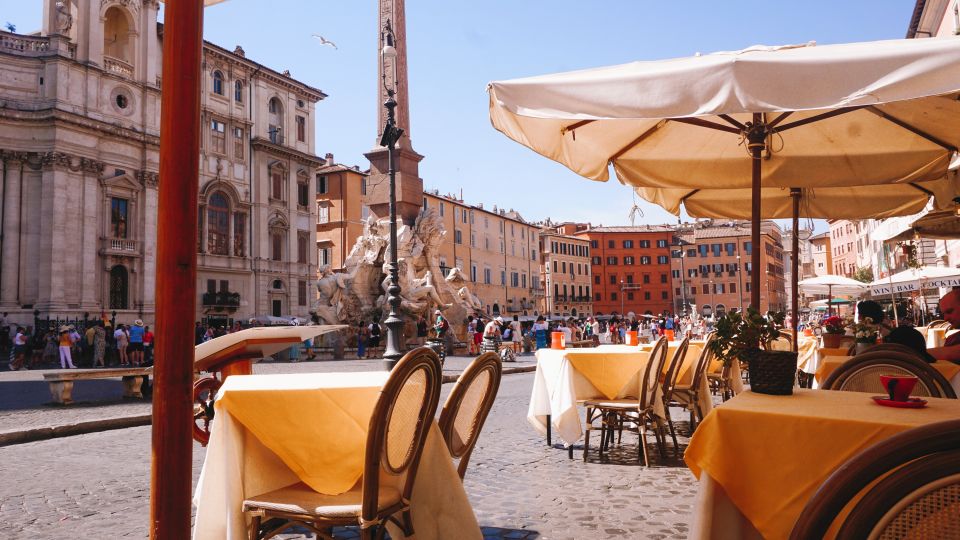
You’ll likely love this if you fit one of these profiles:
- You want a hands-on Rome food experience instead of another walking tour.
- You’re traveling with friends, a couple, or family members who enjoy trying skills together.
- You like the idea of making something and immediately eating it with a view.
- You’re confident enough to follow a chef’s directions in English and ask for help when needed.
It may not be your best match if you need gluten-free options, avoid all animal products, or want a private, customized class.
Should you book this Piazza Navona fettuccine class?
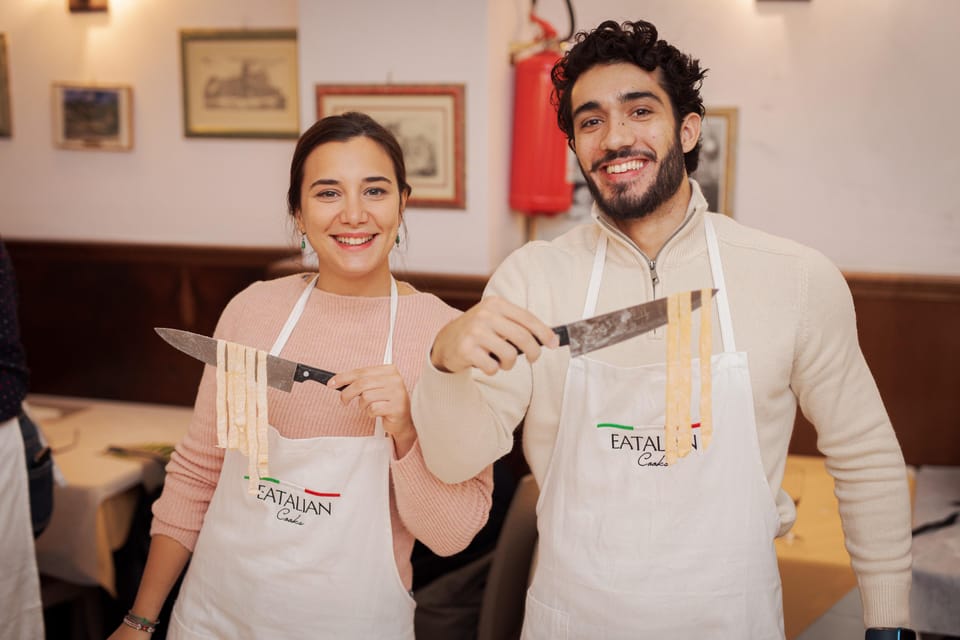
Yes, if your goal is a practical pasta skill with a proper Roman meal attached. The pricing makes sense because you’re not just learning dough tricks—you’re also getting an included appetizer and drinks, plus your own finished pasta with a chosen sauce.
I’d book it especially if you care about atmosphere. Learning fettuccine with Piazza Navona as your backdrop turns an ordinary cooking class into an evening you’ll remember for the right reasons.
Skip it if gluten-free is required, if you need a vegan option, or if you’re worried about arriving on time. This is a shared class with a start time that matters.
FAQ
Where is the meeting point?
You meet inside Ristorante Tucci. When you arrive, ask a waiter to guide you to the class area.
How long is the pasta cooking class?
The class lasts 2 hours.
Is there gluten-free pasta or a gluten-free option?
No. This experience is not suitable for people with gluten intolerance, and there is no gluten-free option.
Is the class vegan-friendly?
No. It is not suitable for vegans.
Is the instructor teaching in English?
Yes. The instructor is listed as English-speaking.
What is the cancellation policy?
You can cancel up to 24 hours in advance for a full refund.
Is pay later available?
Yes. You can reserve now and pay later.