REVIEW · ROME
Rome: City Highlights Open-Top Bus Night Tour
Book on GetYourGuide →Operated by Sightseeing Experience · Bookable on GetYourGuide
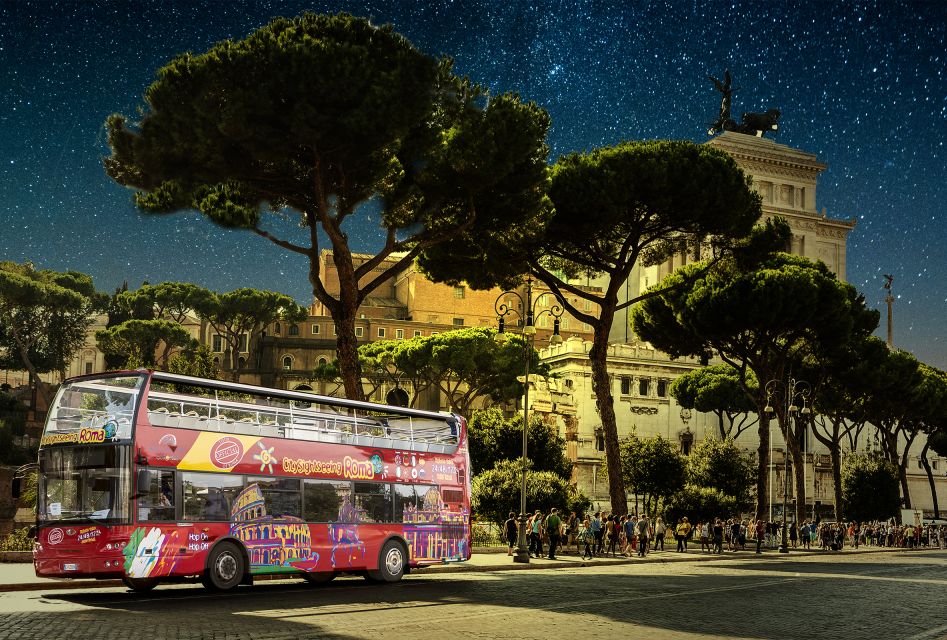
Rome at night feels like someone turned the volume up. This open-top bus tour gives you quick, big views of the Eternal City after dark, with recorded commentary in eight languages as you roll past major landmarks. It’s also an easy, low-effort way to get oriented when the streets feel like a maze and your feet are done for the day.
I especially like two things: the panoramic perspective from the double-decker and the way the audio turns what you’re seeing into something you can actually picture later when you visit on foot. One catch to plan for is the night chill—on the top deck you can feel it fast, so you’ll want a warmer layer.
In This Review
- Key Points Before You Board
- Why a 45-Minute Rome Night Bus Makes Sense
- Route Walkthrough: From Santa Maria Maggiore to the Colosseum
- The Audio Guide: How Recorded Commentary Works in Real Life
- Best Deck and Best Side: Getting Photos You’ll Actually Want
- Price and Value: What $22 Buys You (and What It Doesn’t)
- Timing, Meeting, and the 21:00 Departure Twist
- Who This Tour Fits Best (and Who Should Skip It)
- The Small Details That Can Make or Break It
- Should You Book This Rome City Highlights Open-Top Bus Night Tour?
- FAQ
- How long is the Rome night bus tour?
- What sights does the night route cover?
- Is there onboard commentary and what languages are available?
- Is WiFi available on the bus?
- Are attraction tickets included?
- What if the 21:00 departure is delayed?
Key Points Before You Board
- 45 minutes, one loop only: short enough to fit any plan, but you’ll need to be ready to hop on and enjoy the ride.
- Eight-language recorded audio + headphones: you can learn as you go without hunting for WiFi or staring at your phone.
- Onboard WiFi for photo sharing: useful if you want to send images right away while the sights are still fresh.
- Route highlights include Santa Maria Maggiore, St. John Lateran, Spanish Steps, Piazza Navona, and the Colosseum area: a solid hit list in a tight time window.
- Comfort varies by seat and deck: you’ll get the best photos with the right side positioning, but the ride can feel less comfy than you’d hope.
- Expect possible minor audio/route quirks: the experience is designed to run smoothly, but prerecorded audio can occasionally cut out for a bit.
Why a 45-Minute Rome Night Bus Makes Sense
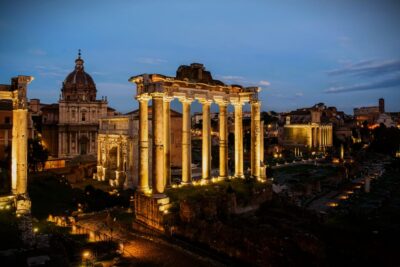
Rome can be a lot. The daytime is loud, hot, crowded, and full of detours. Night changes the whole feel: buildings glow, street life slows down a touch, and the city looks less like a checklist and more like a story you can walk through later.
This tour is built for that moment. For $22, you’re paying for speed, not tickets. You get a panoramic, out-in-the-open view of central Rome and enough context to decide what deserves your next hour (or next day) of exploration. At 45 minutes, it also dodges the common Rome problem of turning one “quick activity” into a half-day of shuffling.
The other smart part is how the format matches your energy level. You’re not doing museum lines. You’re not paying for entry. You’re mostly sitting, listening, and photographing. You can keep your pace without feeling like you’re racing a clock.
You can also read our reviews of more city tours in Rome

Route Walkthrough: From Santa Maria Maggiore to the Colosseum
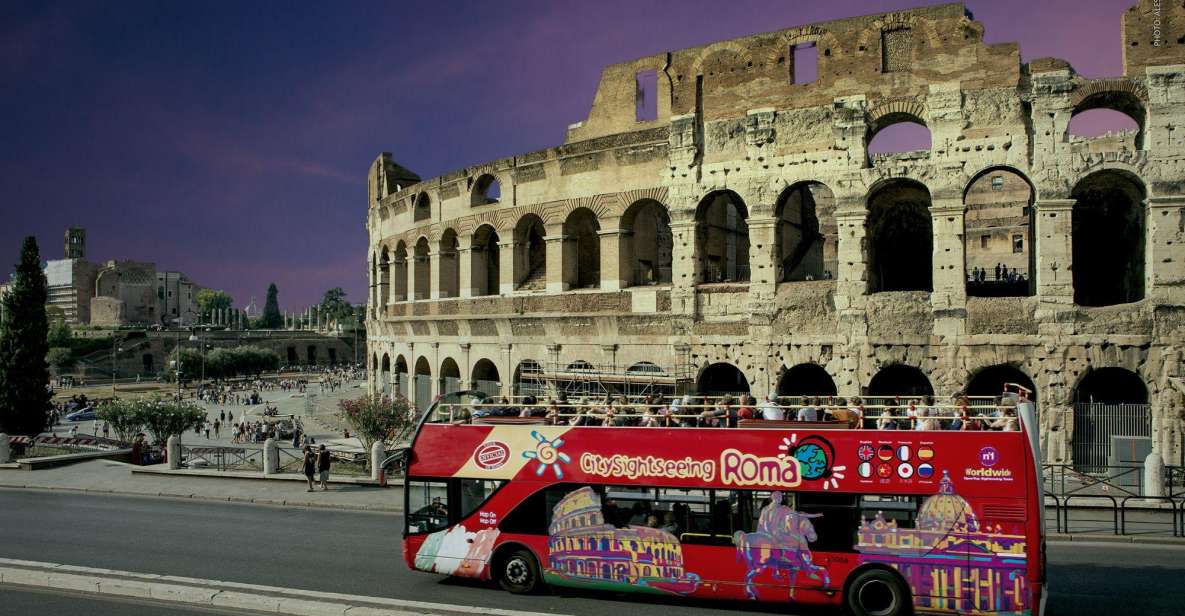
The tour runs through a string of iconic places, starting around Santa Maria Maggiore and moving toward the Colosseum area. Along the way you pass major streets and squares that define Rome’s look—especially when they’re lit up and you can see them from a wider angle than you get on foot.
Here’s what that means in practical terms:
- Santa Maria Maggiore and nearby streets: you get that early “wow” effect as the city lights outline the architecture. It sets the tone fast, so you’re not waiting until the final minutes to feel like it’s worth it.
- St. John Lateran: this is a powerful stop on a drive-by itinerary. From the bus you typically won’t see full details the way you would up close, but you’ll understand how central it is in the city’s layout.
- The Spanish Steps area: at night, the stairs and surrounding streets look especially dramatic. Even with road views rather than walking views, you get a strong mental image of where everything sits.
- Piazza Navona: the square’s nighttime lighting makes it easy to recognize and later find again. The value here is orientation—if you’ve seen it from above and across, your next visit feels simpler.
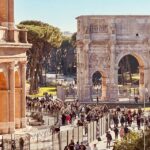
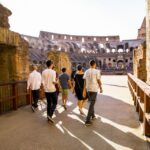
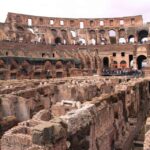
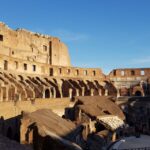
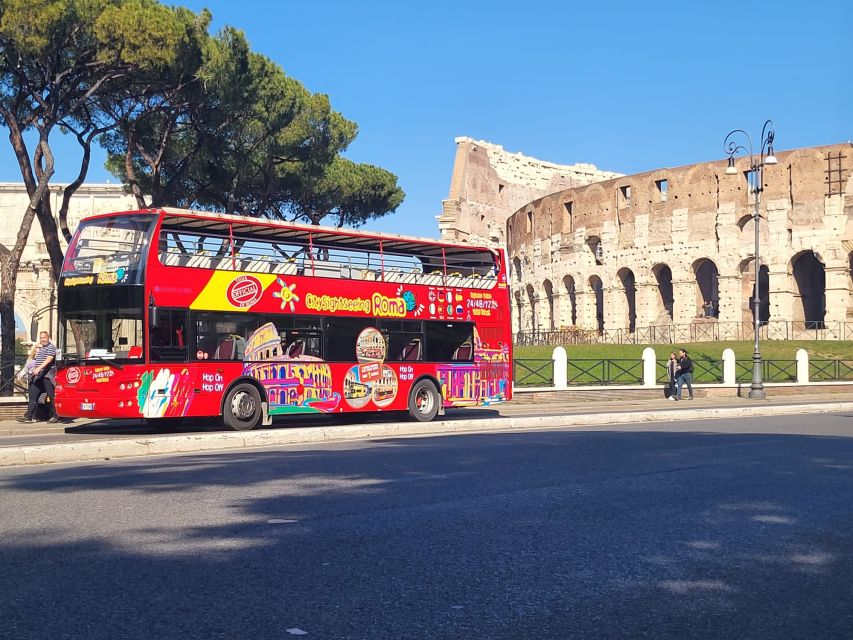
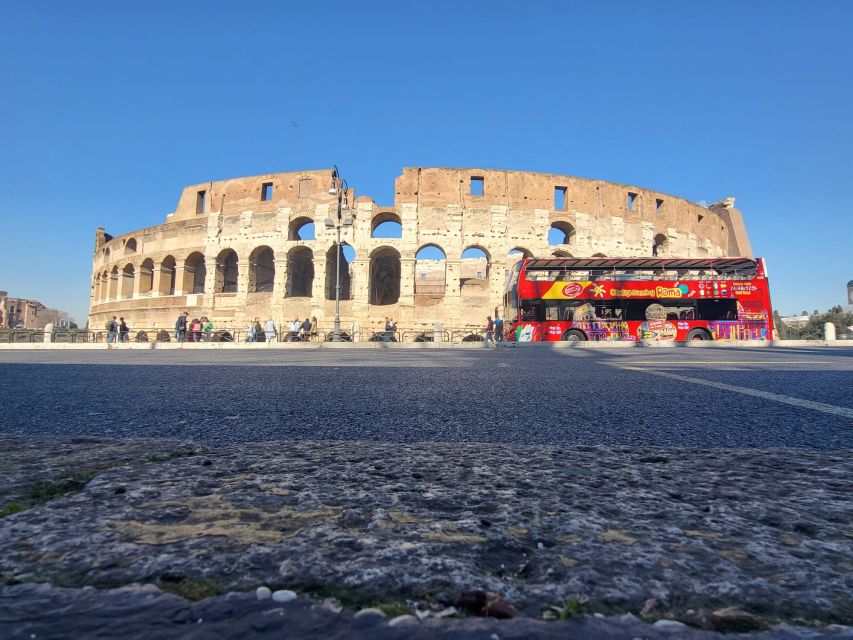
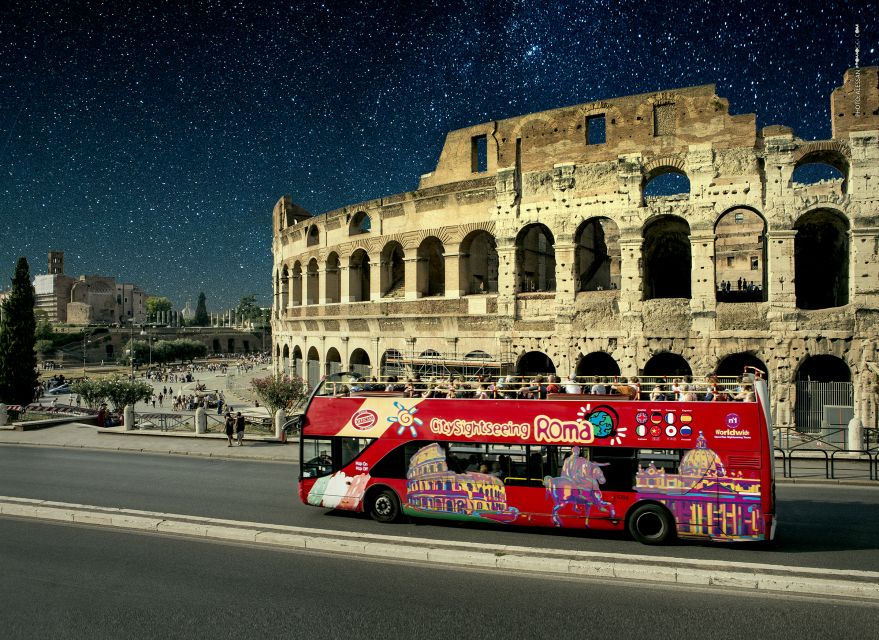
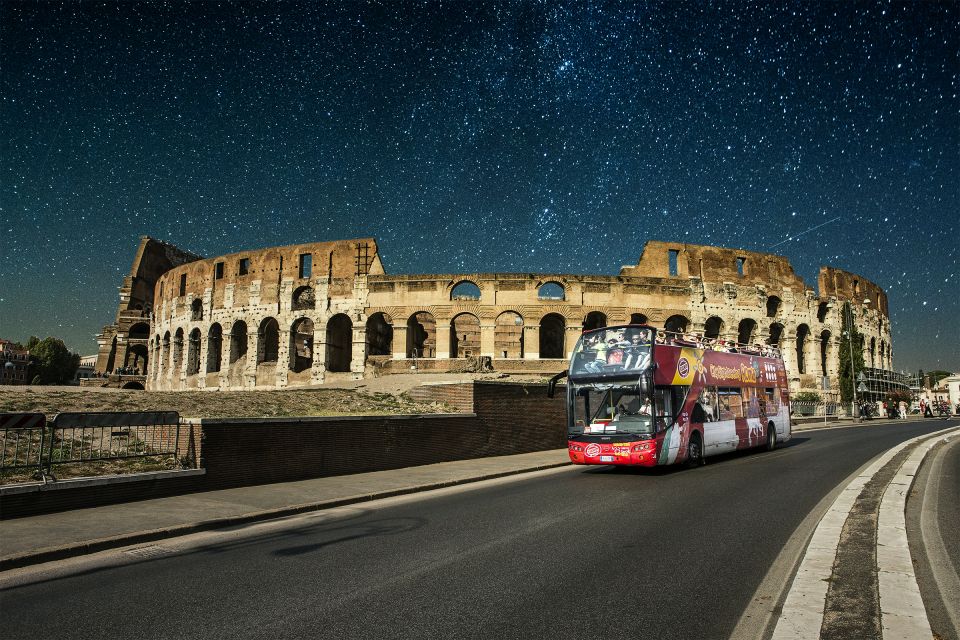
- Colosseum area: this is the headline. You’ll get imposing views without spending time fighting crowds or schedules for entry. It’s more about the atmosphere and the scale than about going inside.
Two notes to keep your expectations realistic. First, the tour is listed as non-stop, so you shouldn’t count on lengthy stops. Still, you may get brief pauses for photo moments. Second, some classic sites can be more complicated than they look on paper. If a site like the Trevi Fountain area is important to you, keep in mind it may not be fully covered during a short loop like this.
The Audio Guide: How Recorded Commentary Works in Real Life
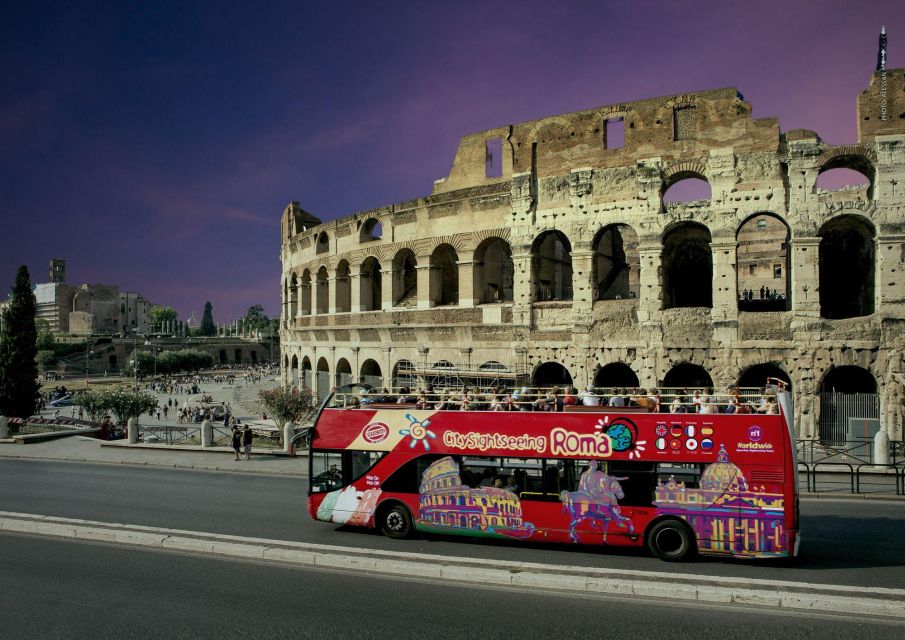
The bus includes headphones and recorded commentary in eight languages. That’s a big deal if you don’t want to rely on roaming data or guess what you’re looking at while you’re trying to frame a photo.
In theory, prerecorded means you get consistent pacing. In practice, I think it’s best used as a “listen while you view” tool, not a strict timed lecture. The narration helps you catch details you’d otherwise miss: what you’re seeing, why it matters, and how the pieces connect.
A helpful habit: keep your headphones volume at a comfortable level but don’t drown out the street completely. Rome is gorgeous at night because the city sounds add flavor, and you might want to take in both.
One thing to watch: like any audio system with a lot of people and moving equipment, it can occasionally stutter or cut out briefly. If that happens, don’t assume the entire experience has fallen apart. The core value still holds: the bus keeps rolling past the sights, and you’ll still get the visual payoff.
If you’re the type who loves direct human guidance, you may not get that here. But you still have real support from staff and greeters when you arrive. I saw mentions of friendly help from people like Kabir, and the experience can feel smoother when someone helps you find the right bus line and gets you started without stress.
Best Deck and Best Side: Getting Photos You’ll Actually Want
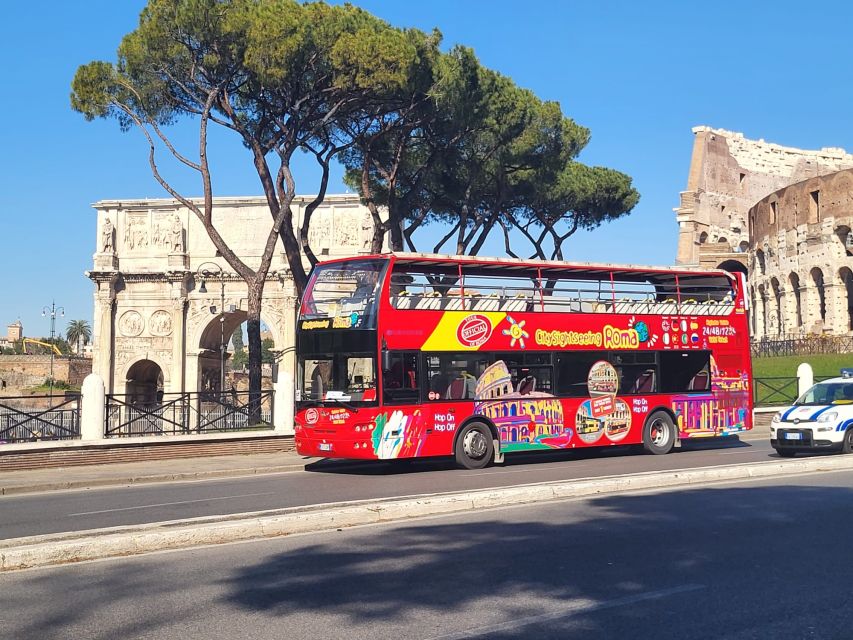
This is a classic “physics matters” situation. On an open-top bus, railings and roof edges can limit what you see. Also, the way Rome streets curve means the view can favor one side depending on where the bus is in the road.
If photography matters to you, aim for two things:
1) Pick the right side of the bus early.
2) Don’t over-focus on being perfect with your angle. In one short loop, it’s smarter to get good enough shots of each highlight than to chase one monument and miss everything else.
Based on practical feedback, the right-hand side is often a better choice for getting a clear view of the Colosseum area. That said, the bus traffic patterns and road positioning can shift how views feel in the moment, so think of side selection as a helpful tip, not a guarantee.
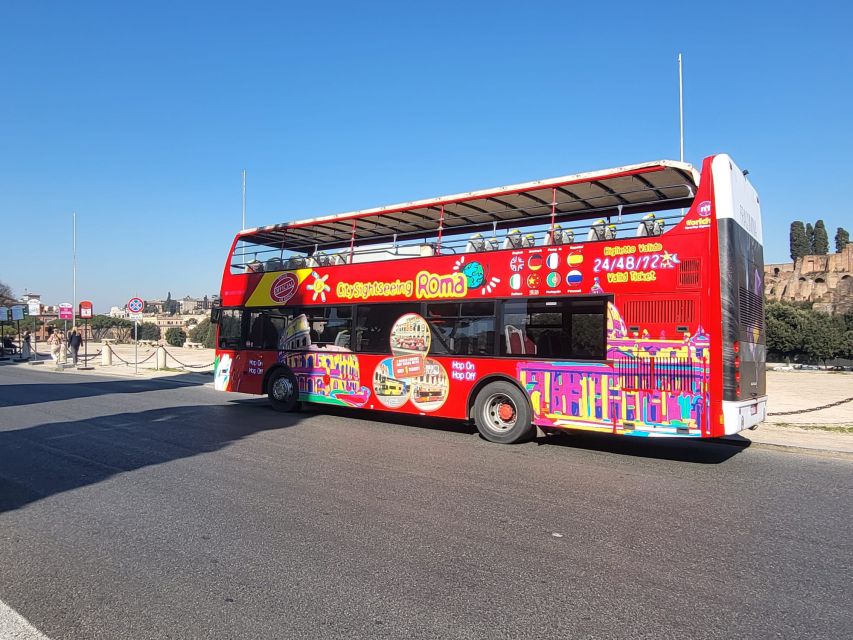
Comfort is the other factor. Sitting up top can be great for photos because you feel more open and the city looks closer. The tradeoff is that it can get cold quickly in evening air. Bring a layer you’d be happy wearing for real, not just something you’d tolerate for 5 minutes.
Also, the seating can feel a bit stiff or uncomfortable after a while. For most people, 45 minutes is the sweet spot—long enough to enjoy multiple landmarks, short enough that you won’t feel trapped by discomfort.
Price and Value: What $22 Buys You (and What It Doesn’t)
Let’s talk value in plain terms.
You pay $22 for:
- the bus ride
- headphones
- recorded commentary
- onboard WiFi
- a mobile app (mentioned as included)
- a full loop through a key highlights route
You do not pay for:
- attraction tickets
- food and drinks
- hotel pickup/drop-off
That means this isn’t a replacement for an official Colosseum ticket or guided walking history. It’s a setup tour. You buy it to reduce uncertainty: you learn where things are, you see the nighttime look, and you leave with a shortlist of what to do next.
If you’re on a first evening and you want a quick Rome impression without committing to museum hours, this price usually makes sense. If you already know Rome well and only care about one site, you might prefer spending that time elsewhere. But for most first-timers, the cost buys orientation plus atmosphere.
And one sneaky value point: WiFi on board lets you share photos while you’re still in the middle of the experience, not two hours later when you’re tired and your battery is dying.
You can also read our reviews of more evening experiences in Rome

Timing, Meeting, and the 21:00 Departure Twist
This tour is short, so timing matters more than you’d think.
You’re asked to arrive 20 minutes early, which is great advice. In Rome, being early buys you breathing room—enough time to find the correct bus, get your headphones sorted, and settle into a seat with a view.
There’s also a scheduling reality: the 21:00 departure can be postponed by up to 15 minutes for operational reasons, and the service is still guaranteed. That’s not unusual for city transport, but it’s smart to treat the listed time as a starting window, not a clock you can set your life to.
Finally, remember: this is valid for 1 loop only. So once you’re on board, treat it like your main show and enjoy it. Don’t count on hopping off for extra sightseeing stops.
Who This Tour Fits Best (and Who Should Skip It)
This night bus works best for:
- First-time visitors who want a fast overview before walking neighborhoods later
- People who don’t want museum queues or ticket costs on day one
- Travelers with limited mobility who still want to see the city’s big names (the tour is listed as wheelchair accessible)
- Families and mixed-age groups who can’t or don’t want to walk a lot—there are accounts of older visitors enjoying it as well
It may be less ideal if:
- You want to get out and spend time at monuments. This is primarily a ride-and-view experience.
- You’re chasing one specific stop no matter what (like Trevi). With a short loop, not everything gets full treatment.
- You strongly prefer live guiding. This tour is recorded, so you’ll get a steady narration rather than back-and-forth questions.
One more personal tip: if you’re doing Rome in a short trip, I like slotting this on your first evening. It helps you recognize places later, which means your next walk feels more like wandering with confidence and less like wandering with luck.
The Small Details That Can Make or Break It
Night tours are simple, but little things affect the experience:
- Dress warm: the open-top deck can feel chilly fast. Bring a layer you’d actually wear outside.
- Headphones fit: keep an eye on volume and comfort when you sit down. You want to hear the narration clearly, especially because you won’t have long to catch each highlight.
- Choose your seat with intention: if you care about the Colosseum view, go for the side that gives you a cleaner angle.
- Bugs and branches are a real city factor: on open-top vehicles, you can pick up dust or bug splatter depending on conditions. It’s not a reason to avoid the tour, just a reason to wear shoes you don’t mind and keep wipes handy if you’re picky.
- Staff friendliness matters: when things go smoothly at the start, the whole evening feels easier. People have noted help from staff like Kabir, and that sort of welcome energy counts.
And yes, you may hear mentions of staff performance and guide-level excitement even in a recorded format. For example, I saw one story praising Maddalena as a guide who made everyone feel included. That doesn’t change the recorded audio element, but it does underline a real point: the human part of getting everyone boarded and settled makes a difference.
Should You Book This Rome City Highlights Open-Top Bus Night Tour?
Book it if you want:
- a low-effort way to see Rome’s top sights lit up
- multilingual audio that gives you context quickly
- good value for the money when you’re short on time
- an evening activity that helps you plan your next day walking
Skip it if:
- you need a tour with long stops and lots of time on foot
- you’re only interested in one site and you’re determined to see it up close during this time window
- cold nights make you miserable and you don’t want to manage layers
My practical take: this is best as a first-night orientation and vibe tour. You get the best reward when you treat it as a springboard—then go back later to the places that caught your eye.
FAQ
How long is the Rome night bus tour?
The tour lasts 45 minutes.
What sights does the night route cover?
The route goes from Santa Maria Maggiore to the Colosseum area and passes St. John Lateran, the Spanish Steps, and Piazza Navona.
Is there onboard commentary and what languages are available?
Yes. You’ll get recorded commentary in eight languages, including Chinese, Italian, English, Spanish, French, German, Portuguese, and Russian.
Is WiFi available on the bus?
Yes. Onboard WiFi is included for sharing sightseeing photos.
Are attraction tickets included?
No. Attraction tickets are not included.
What if the 21:00 departure is delayed?
For operational reasons, the 21:00 departure may be postponed by up to 15 minutes. The service is still guaranteed and the tour conditions remain unchanged.