REVIEW · ROME
Rome: Castel Sant’Angelo Skip-the-Line Entry Ticket
Book on GetYourGuide →Operated by TicketWithUs · Bookable on GetYourGuide
A fortress with a built-in view of Rome. With a skip-the-line ticket, you can get inside Castel Sant’Angelo quickly and spend your time where it counts: the terrace views over the Tiber and St. Peter’s Basilica. It’s one of those sights where the building itself tells the story, from ancient Rome to the Vatican era.
I especially like how this visit is structured around the big must-sees: you start in the ancient Roman mausoleum of Emperor Hadrian, then move through fortress halls with frescoes and art collections, and finally reach the papal rooms used by the Vatican. One drawback to plan for: the ticket does not include a live guide or audio guide, so you’ll be relying on signage and your own reading while you walk.
In This Review
- Key things I’d focus on before you go
- Why Castel Sant’Angelo Is Worth Your Time in Rome
- Skip-the-Line Entry: What It Actually Buys You
- From Hadrian’s Mausoleum to Fortress Halls
- What to watch for inside
- Frescoes and Art Collections in a Fortress Setting
- Papal Apartments Used by the Vatican
- The Terrace View Over the Tiber and St. Peter’s Basilica
- Price and Value: Is $33 Worth It?
- Small Group Size: What It Changes for Your Day
- Who This Ticket Is Best For
- Quick practical advice before you book
- Should You Book This Rome Castel Sant’Angelo Skip-the-Line Ticket?
- FAQ
- How long is the Castel Sant’Angelo skip-the-line experience?
- Is a live guide or audio guide included?
- What does the skip-the-line ticket include?
- What group size is it?
- When will I receive my tickets?
- What is the cancellation policy?
Key things I’d focus on before you go
- Fast-track entry that helps you avoid the worst of the crowds
- Hadrian’s Roman mausoleum as the starting point of your visit
- Papal apartments used by the Vatican, not just generic rooms
- Frescoes and art collections inside fortress walls
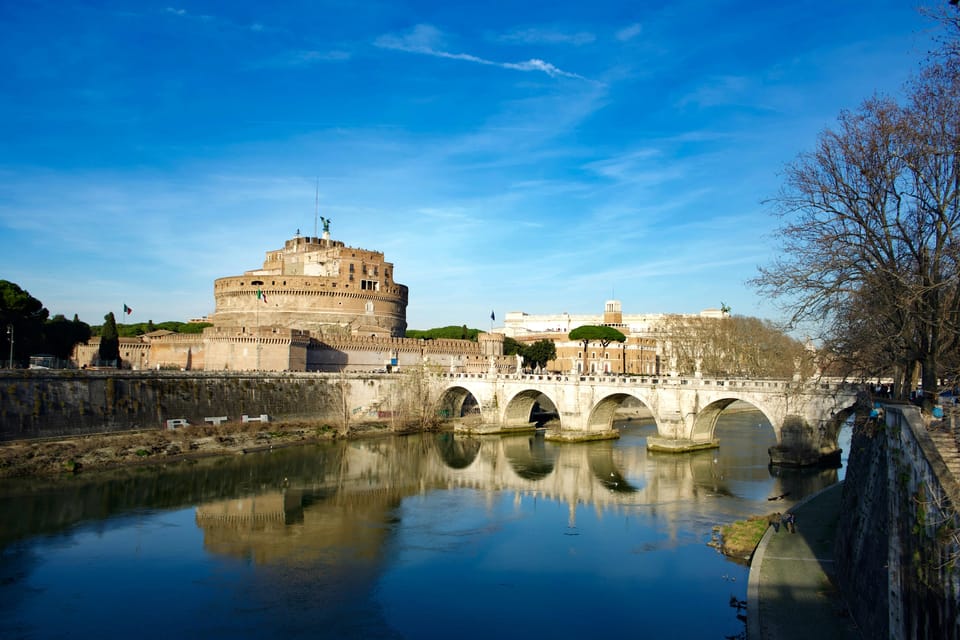
- Terrace panorama for a skyline-and-basilica perspective
Why Castel Sant’Angelo Is Worth Your Time in Rome
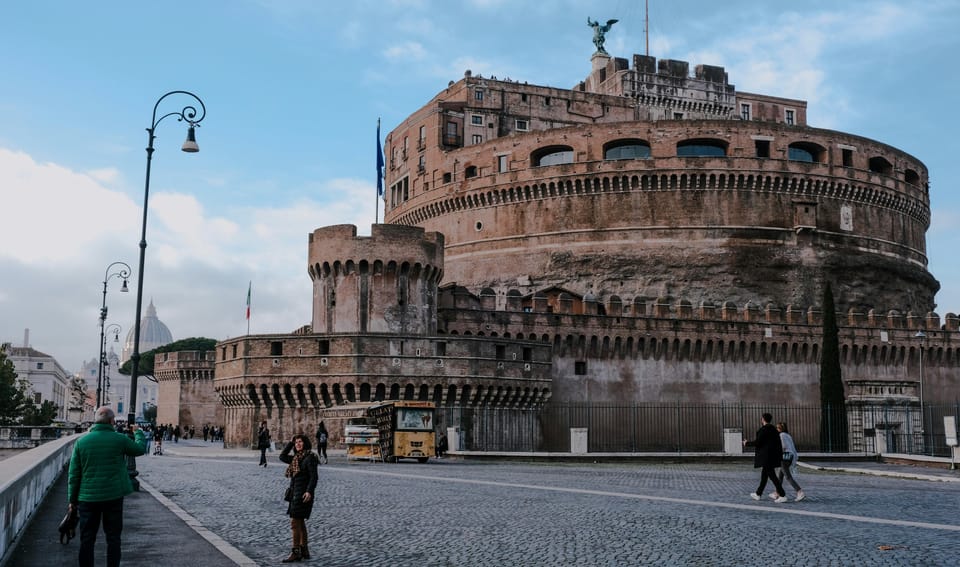
Castel Sant’Angelo is the kind of Rome attraction that feels layered, even before you read a single sign. It begins as an ancient Roman mausoleum linked to Emperor Hadrian, then spends centuries evolving into a fortress, and later gets tied to papal life through rooms used by the Vatican. That timeline matters because you’re not looking at one museum theme—you’re moving through different eras in the same stone structure.
Also, the view is not an afterthought. The terrace is built into the experience. From up there you get Rome’s skyline, the Tiber River, and St. Peter’s Basilica all in one sweep. Even if you’ve seen St. Peter’s from street level, the angle and the river context make it feel new.
You can also read our reviews of more tours and experiences in Rome


Skip-the-Line Entry: What It Actually Buys You
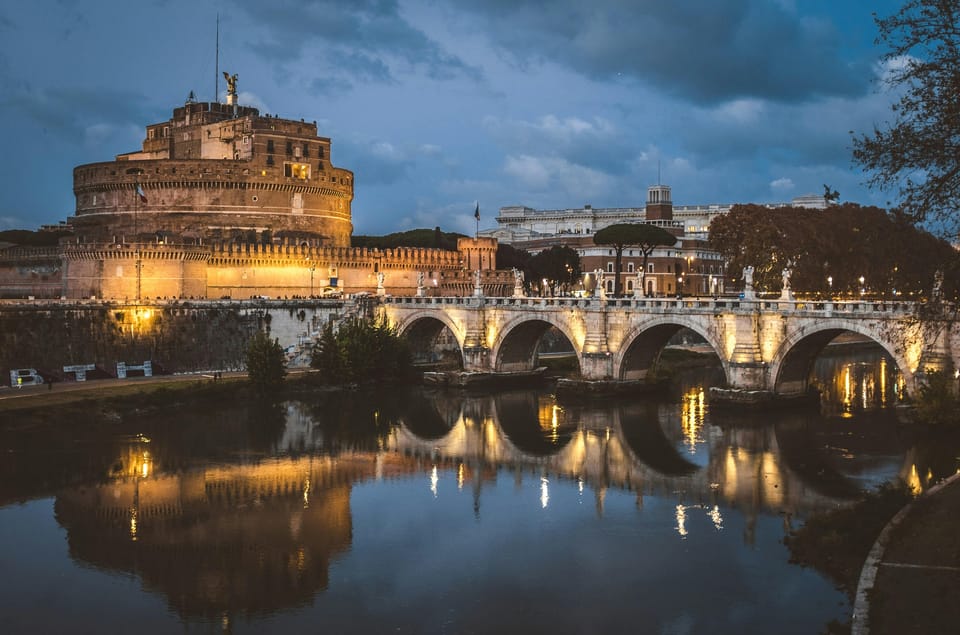
Let’s talk about what you’re really paying for with a skip-the-line ticket. You’re not buying a magic wand that removes all lines anywhere in Rome. You’re buying priority access to enter Castel Sant’Angelo faster, which is a big deal at a popular site where normal queues can eat up your limited sightseeing energy.
In practical terms, that means you can better match your schedule. The visit is listed as about 2 hours, so getting in efficiently helps you stay on pace. If you’re the type who hates spending the best part of your day standing still, skip-the-line is the right kind of expense.
And because this is a small group limited to 9 participants, the whole visit tends to feel more manageable. Smaller groups usually mean less friction and more breathing room as you move through rooms and corridors.
From Hadrian’s Mausoleum to Fortress Halls
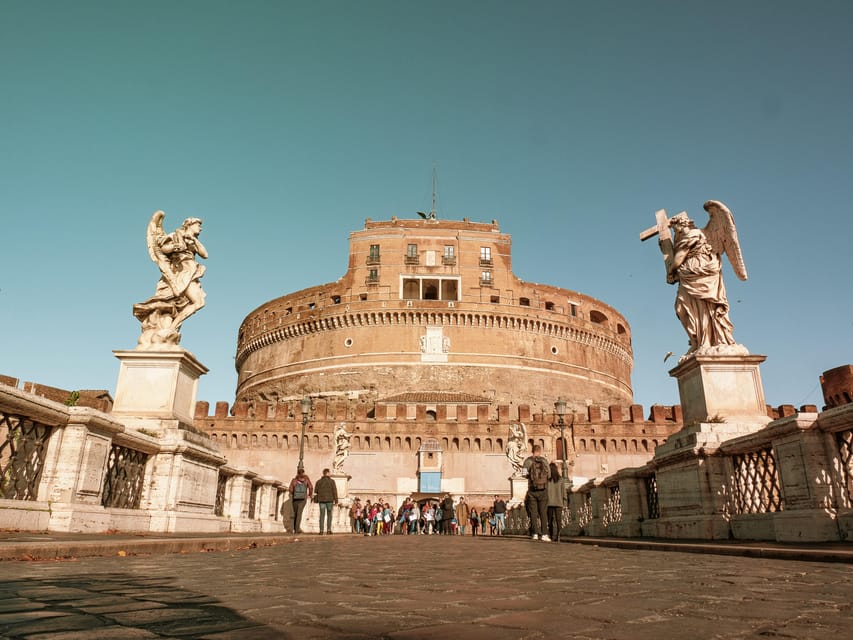
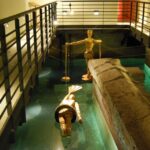
Your visit starts with the ancient Roman mausoleum of Emperor Hadrian. That opening matters because it sets the tone: you’re walking into a building that wasn’t designed for tourism. It was built as a monumental burial structure in ancient Rome, and that original purpose gives the space an instant gravity.
From there, you move into the fortress side of Castel Sant’Angelo. The fortress layout changes how you perceive the building. Instead of just admiring walls, you start noticing the structure of control and defense—thick spaces, strong geometry, and rooms that feel made to withstand time and conflict.
Expect to spend time wandering through impressive halls and discovering the artistic side of the fortress as well. You’ll see frescoes and art collections along the way, which is a key reason this isn’t only a history stop. It’s history with decoration, not history as bare bones.
What to watch for inside
Look for the moments where the building switches roles—where it feels more ancient and monumental, then more fortress-like, then more palace-like. That shift is basically the point of the site.
Also, plan for a “stop-and-read” pace. Since you won’t have a live or audio guide included, you’ll get more out of the visit if you take a little time with the information panels as you go.
Frescoes and Art Collections in a Fortress Setting
One of the most interesting twists at Castel Sant’Angelo is that the art isn’t presented like a separate, modern museum experience. It’s housed inside fortress spaces, which makes the frescoes and art collections feel like they belong to a place with a long memory.
You can think of it as Rome’s version of mixing eras on purpose. The building carries the weight of centuries, and then it layers on visual storytelling through painting and curated collections. Even if you’re not a hardcore art person, the atmosphere makes the artworks worth lingering over.
A practical note: with a 2-hour visit, you won’t be able to read everything. So I’d pick a few stops where you genuinely want to slow down—one or two fresco areas, one main art room, and then shift focus toward the papal spaces and terrace.
You can also read our reviews of more tours and experiences in Rome





Papal Apartments Used by the Vatican
This is where Castel Sant’Angelo stops being only Roman and starts becoming a Vatican-era experience. The visit includes exploration of the papal apartments, once used by the Vatican. That’s the kind of detail that changes how you interpret the space.
Instead of asking what the building could defend, you start thinking about how it could function for power and comfort. Papal apartments imply private life, authority, and a different kind of everyday movement than you’d expect in a pure military fortress.
Even if you only spend a short time here, the vibe shifts. You’ll feel the rooms becoming more personal and ceremonial rather than purely practical. It’s also a good counterpoint to the earlier Roman mausoleum section, because you experience the same structure through different lenses.
The Terrace View Over the Tiber and St. Peter’s Basilica
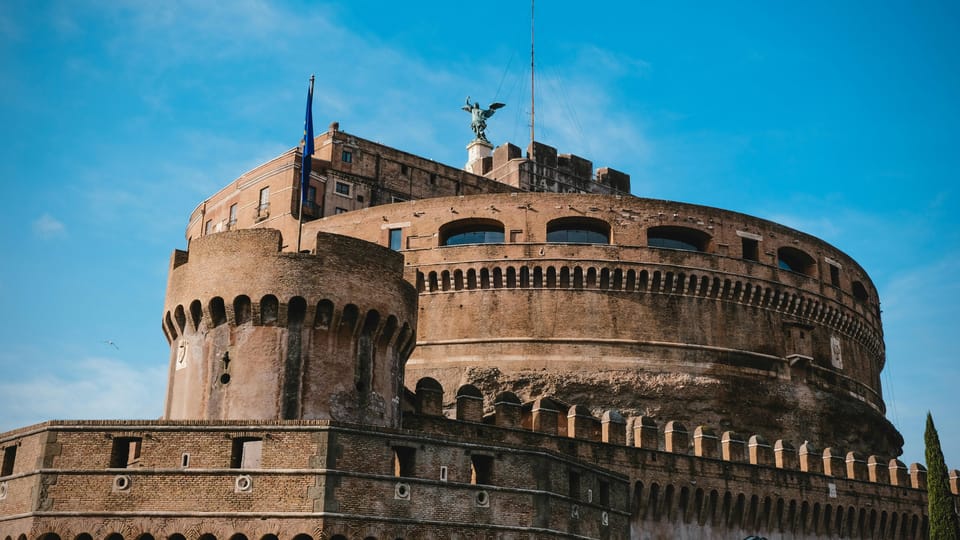
If you’re saving your best energy for one part, make it the terrace. The panoramic views are a major highlight: you’ll see Rome’s skyline, the Tiber River, and St. Peter’s Basilica from above. That combination is what makes this stop feel like more than a quick photo op.
From up there, the river becomes a guide through the city. Streets and buildings start to make sense as a system instead of random sights. And St. Peter’s Basilica gains a special presence when you view it as part of the larger city picture rather than as a standalone monument.
Timing helps, too. If your ticket time lets you experience softer light, you’ll get a nicer view for photos. The data here doesn’t promise a specific time of day, so I’d treat it like: your terrace moment will likely be your best visual reward, no matter what.
Price and Value: Is $33 Worth It?
At about $33 per person, this ticket sits in the “pay for convenience” category. The value is not in getting a guide. It’s in getting fast access to a popular, high-demand site, plus entry to the core areas: the ancient Roman mausoleum and fortress.
So here’s the value equation I’d use:
- If you hate lines and want to protect your schedule, skip-the-line is worth paying for.
- If you enjoy self-guided museum time and can read on-site information, you’ll get good value from a ticket-only experience.
- If you strongly prefer a guide to explain art and history in detail, the lack of a live guide or audio guide may feel like a mismatch.
Two hours is long enough for a thoughtful loop, but short enough that you’ll want to be decisive. The ticket works best when you have a clear idea of what you want: mausoleum, fortress interiors, papal rooms, and that terrace payoff.
Small Group Size: What It Changes for Your Day
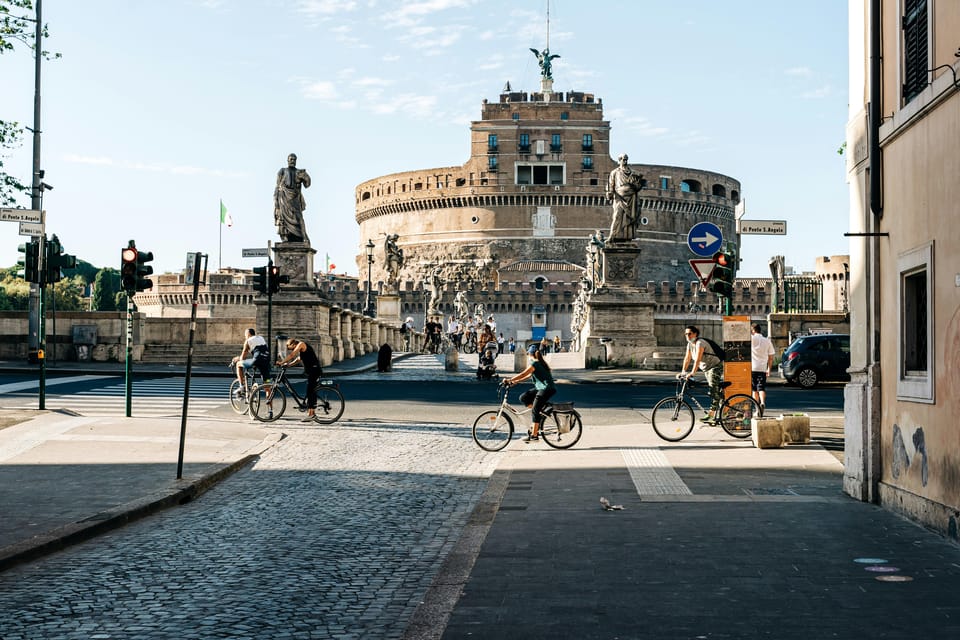
The group limit is 9 participants, which is small enough to keep the visit feeling controlled and easier to manage. Even without a live guide, smaller groups often mean less crowding in tight spaces like corridors and rooms where people naturally pause.
Also, because your tickets are emailed a day before the experience, you avoid last-minute scrambling. That matters in Rome, where plans can change quickly and your day can get packed. You’ll want your ticket ready so you’re not solving digital problems at the entrance.
Who This Ticket Is Best For
This is a smart choice if you fit one of these profiles:
- You want skip-the-line time savings more than you want a structured tour talk.
- You like history that you can experience in layers: Roman mausoleum first, then fortress, then Vatican-used rooms.
- You care about views and want the terrace to be part of your itinerary, not a lucky accident.
- You’re comfortable navigating a museum on your own with signage and a bit of reading.
It may not be the best match if:
- You rely on guides to understand what you’re looking at and would feel lost without one.
- You want a long, slow day at a site and tend to spend extra time in every room. The 2-hour duration means you’ll need to keep moving toward the terrace and core highlights.
Quick practical advice before you book
Because there’s no live guide or audio guide included, I’d go in with one simple strategy: pick your priorities and let the rest be supporting cast. You’ll get the most satisfaction by ensuring you see the Roman mausoleum section, spend time in the papal rooms, and make it to the terrace.
Also, remember that tickets arrive by email the day before. If you’re traveling with unreliable phone battery or spotty data, handle that early. Download or save your ticket so you can access it quickly when you’re on the move.
Should You Book This Rome Castel Sant’Angelo Skip-the-Line Ticket?
I’d book it if you want a fast, focused visit to a site that changes roles across centuries—Roman, fortress, and papal rooms—ending with a terrace view that anchors the whole experience. The skip-the-line part is the heart of the value, and the ticket-only format makes sense if you’re comfortable guiding yourself.
Skip booking it only if you know you really need a guide to make the art and history click, because there’s no live or audio guide included here. In that case, you’d probably get more from a tour option that includes interpretation.
If you want a solid 2-hour Rome win with less waiting and a strong payoff at the top, this one makes sense.
FAQ
How long is the Castel Sant’Angelo skip-the-line experience?
The experience lasts about 2 hours. Starting times vary, so it’s best to check availability for the schedule options.
Is a live guide or audio guide included?
No. A live guide and an audio guide are not included with this ticket.
What does the skip-the-line ticket include?
It includes skip-the-line access to Castel Sant’Angelo, plus entrance to the ancient Roman mausoleum and fortress areas.
What group size is it?
It’s a small group limited to 9 participants.
When will I receive my tickets?
Tickets are sent to your email address a day before the experience.
What is the cancellation policy?
You can cancel up to 24 hours in advance for a full refund.