REVIEW · ROME
Rome: Pastry Cooking Class Gelato, Tiramisu and Cannoli
Book on GetYourGuide →Operated by VICE BAKING LAB · Bookable on GetYourGuide
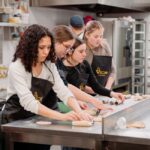
A sweet lab class beats another sightseeing day. You’ll learn tiramisu and gelato the hands-on way inside a real professional baking space in Rome. It’s a 2-hour pastry workshop where a professional Italian chef teaches you how to make three famous desserts you can actually pack up and bring home.
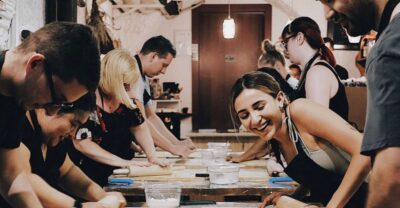
What I like most is the focus on doing, not just watching. You work with the ingredients and equipment provided, then you get the kind of advice you can use later when you try again at home.
My only real caution: this isn’t a fit for many diets or medical needs. It’s not suitable for vegans, people with diabetes, and anyone who needs gluten-free, lactose-free, or nut-allergy-safe food, plus it’s not for children under 5.
In This Review
- Key things worth knowing before you book
- Inside Vice Baking Lab near Battistini: what the setting means
- The 2-hour flow: making tiramisu, cannoli, and gelato step by step
- What you learn that actually helps you cook later at home
- Gelato tasting and the Italy-style group moment
- Taking your desserts home: wrapping, timing, and how to plan your day
- Price and value: why $74.31 can make sense here
- Meeting point and getting there without headaches
- Who this cooking class is best for (and who should skip)
- FAQ
- FAQ
- What desserts will I make in the class?
- How long is the cooking class?
- Where is the meeting point in Rome?
- Is there a driver from Battistini Metro Station?
- What’s included in the price?
- Is the class suitable for young children or specific diets?
- Should you book this Rome pastry cooking class?
Key things worth knowing before you book
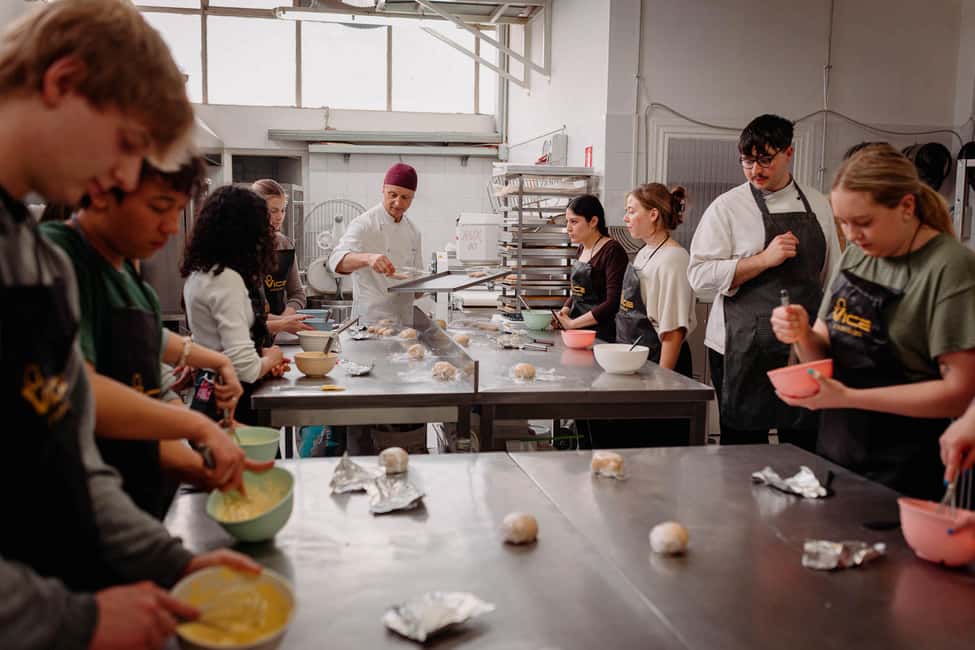
- A real baking lab setup near Battistini, not a staged demo space
- Three desserts, hands-on: tiramisu, Sicilian cannoli, and Italian gelato
- You eat gelato on-site before you leave with your creations
- Your desserts are wrapped for take-home so you can enjoy them later
- Chef coaching in English or Italian during the 90-minute cooking experience
- Dietary limits are strict, so check ingredients-related restrictions first
Inside Vice Baking Lab near Battistini: what the setting means
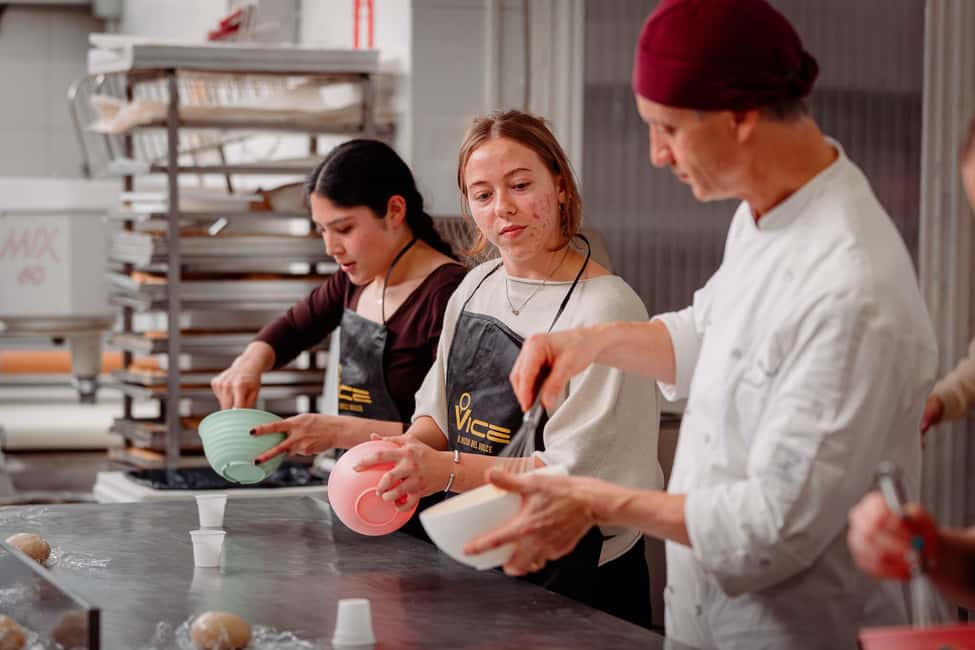
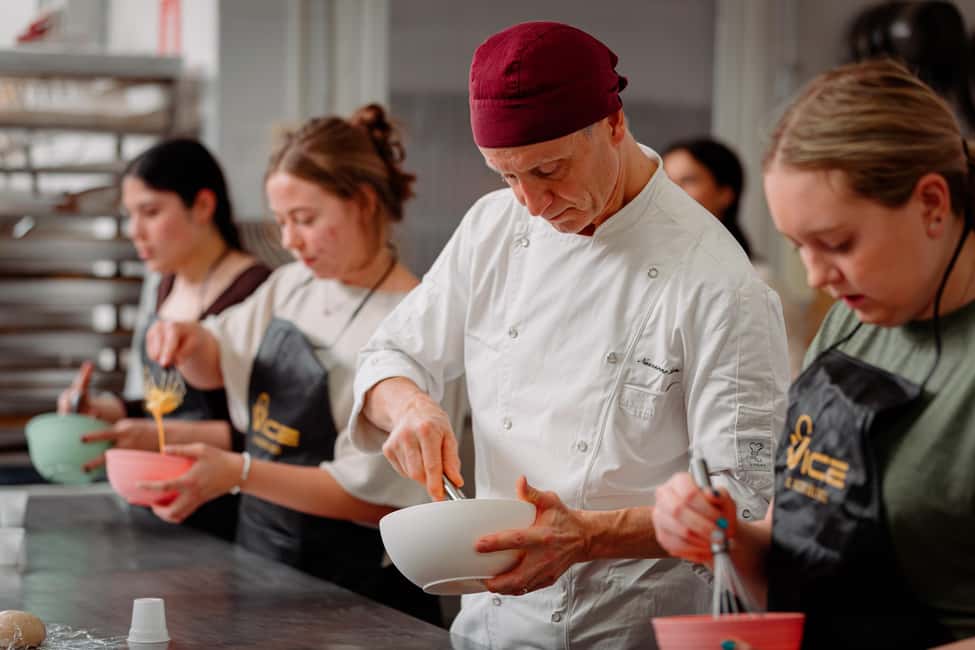
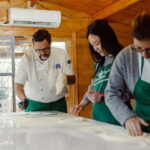
This class is run in the VICE Baking Lab (also referenced as Vice Italia), described as a secret, large, professional laboratory. That matters because it changes the whole vibe. You’re not crammed into a tiny kitchen with a couple of workstations where you just take notes. You’re in a working pastry space with the machinery and tools a real bakery uses.
Location-wise, you’ll be close to Battistini Metro Station—about an 800-meter walk to the meeting point. If you prefer not to walk, there’s an optional driver service. Either way, this is the kind of Rome activity that fits easily into a day where you’re already using Line A.
The atmosphere tends to feel practical and focused: you show up, you get guided, you make desserts, and you leave with food. That’s a big part of the value here, since cooking classes can easily become half lecture, half tasting.
You can also read our reviews of more cooking classes in Rome

The 2-hour flow: making tiramisu, cannoli, and gelato step by step
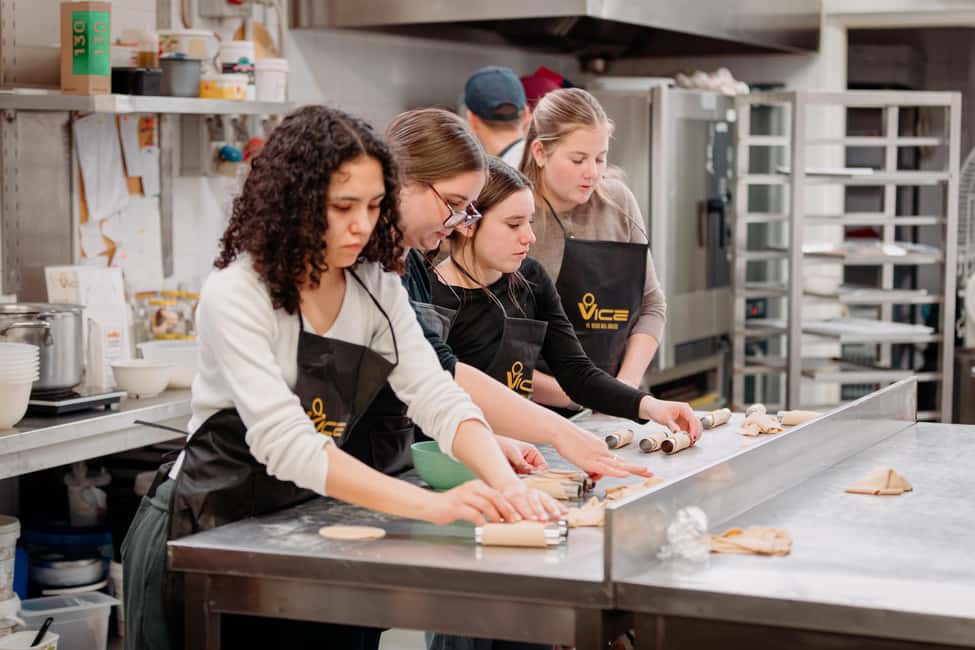
The experience is listed as 2 hours total, with a 90-minute cooking class portion. Expect the schedule to move at a pace where you actively participate through all three recipes, not just one.
Here’s what you’re set up to make:
- Tiramisu (you’ll make the Italian classic)
- Cannoli in the Sicilian style
- Gelato in an authentic Italian approach
Even though the recipes are different, the structure is likely designed to keep you moving. You’ll get ingredients and equipment, then your chef and master bakers guide you through what to do and why it works.
One nice bonus built into the plan: after you finish, you’ll still get to taste the gelato you made in the laboratory. That’s not just a sweet ending. It’s also how you check your work while the flavors are fresh.
What you learn that actually helps you cook later at home
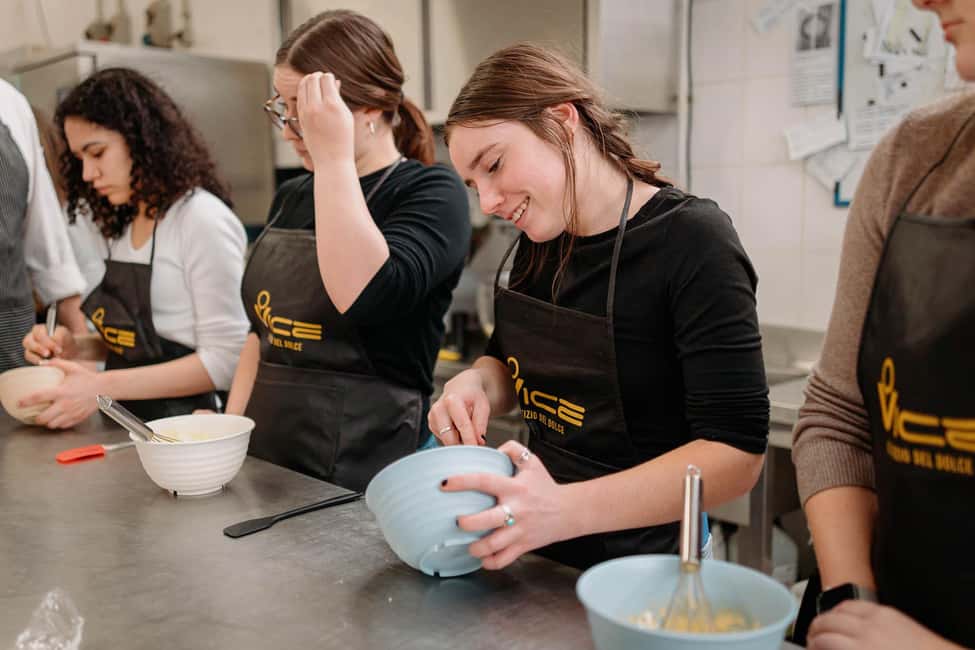
Most Rome cooking classes teach you to follow steps. This one also pushes toward understanding production and storage. The workshop is described as revealing secrets of production and storage, plus you receive the best advice on how to reproduce the desserts at home.
For you, that translates into two big wins:
- Better results next time. If you only learn the recipe but not the pastry logic, your second attempt can fall apart fast. Guidance tied to production and storage can help you avoid the common letdowns—like textures and timing that don’t match what you expected.
- Confidence, not guesswork. When a chef explains the method and offers improvement tips, you stop treating dessert as mystery food. You start treating it like a process you can repeat.
Also, the class is run by a master baker with active English/Italian instruction. And based on feedback, the chef is described as very motivated and helpful, and the boss has been present in person with tips to help people improve. That combination matters because it usually means you’ll get correction in real time, not just encouragement.
Gelato tasting and the Italy-style group moment
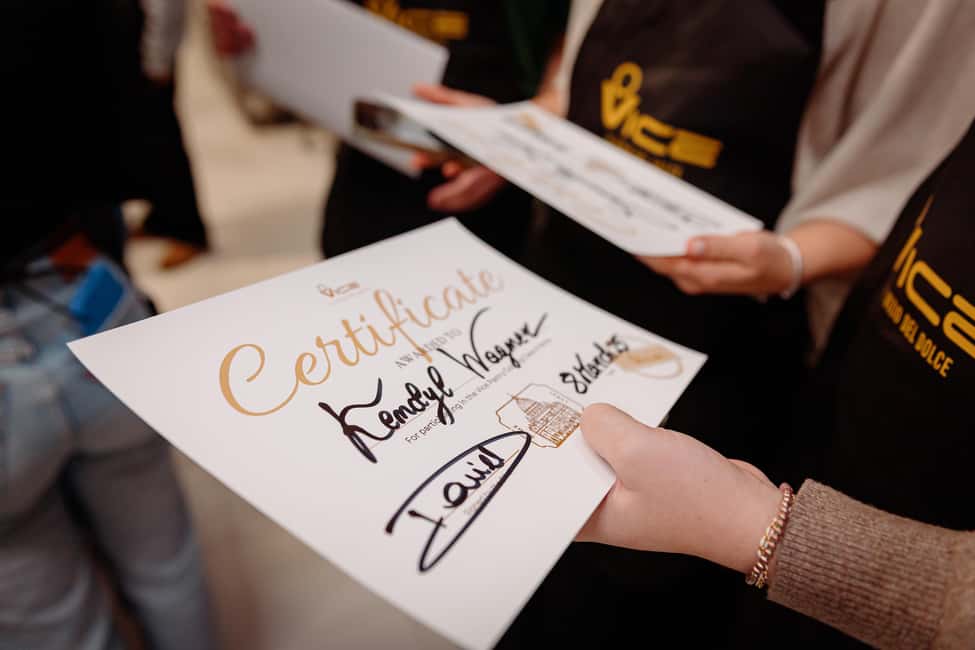
There’s a small but meaningful rhythm built into the experience: you’ll eat your incredible gelato with your friends in the laboratory (and possibly with family, depending on who’s in your group that day). That’s a classic travel move: share the food right where it was made.
Gelato is also one of those desserts where people often think they understand it, then realize they don’t. Making it yourself gives you a real sense of texture and flavor, and tasting right after you finish helps you connect the method to the outcome. You’re not relying on memory—you’re tasting the result while it’s at its best.
If you’re the type who likes practical souvenirs, this is one of the best kinds: not just photos, but sensory proof.
Taking your desserts home: wrapping, timing, and how to plan your day
The class isn’t just about eating on-site. It’s designed so you can bring your creations with you afterward. Your tiramisu, cannoli, and gelato are wrapped for you so you can enjoy them later.
A key detail: gelato is eaten at the end of the experience in the lab before you leave. That implies you’ll take home the other desserts (and/or gelato as appropriate for how they pack it). Either way, plan your day so you’re not heading straight into a long, stressful transit window right after class.
Practical tip: if your hotel is far, consider scheduling the class closer to where you’ll be staying. You’ll have sweet food to manage, and keeping it easy is part of the fun.
You can also read our reviews of more tours and experiences in Rome
Price and value: why $74.31 can make sense here
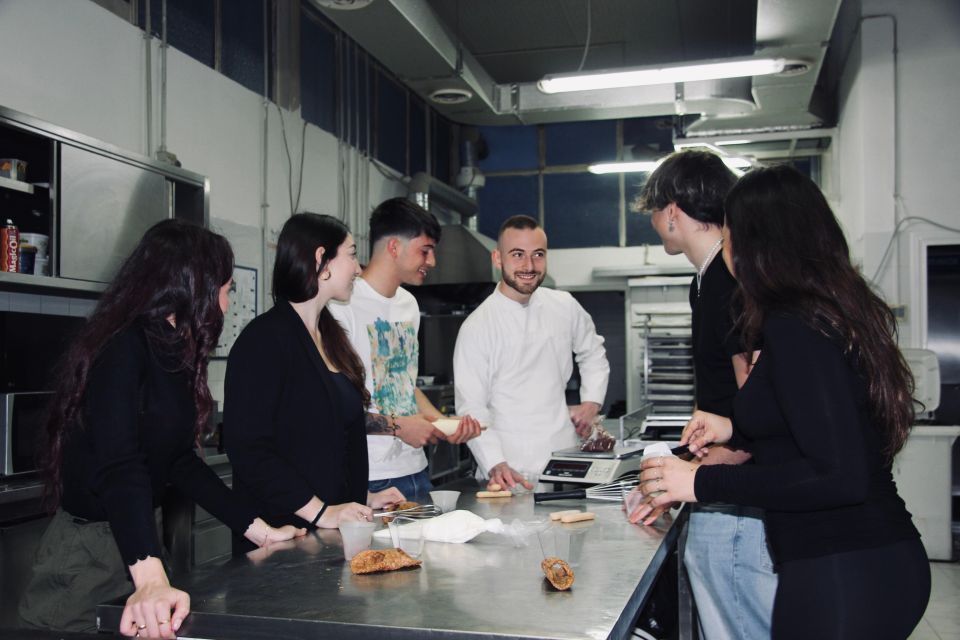
At $74.31 per person, you’re paying for something that many dessert classes don’t include: three recipes, hands-on instruction, and the ingredients and equipment to make them. On top of that, you get bottled water and a drink—a glass of Prosecco (with juice for children).
Value often comes down to three questions:
- Are you actually doing the work?
- Are you leaving with more than a snack?
- Is the instruction active and helpful?
This workshop checks those boxes. You’re inside a professional lab, you’re making three distinct Italian desserts, and you get guidance you can use again later. Plus, the take-home packaging turns the experience into a real edible souvenir, which is a plus in Rome where many food memories are hard to transport.
If you’re already thinking about buying dessert anyway, this can feel less like an extra cost and more like paying for the privilege of learning how to make it.
Meeting point and getting there without headaches
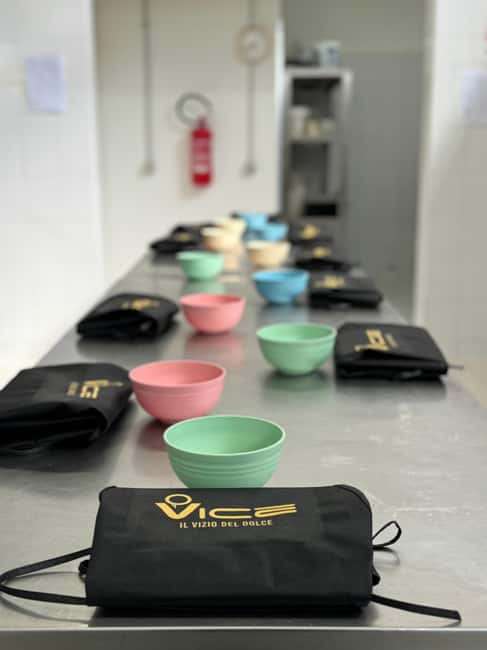
Your meeting point is Via Soriso 68/A. If you go on your own (no driver option), you’ll want to wait in front of the entrance, looking for the VICE sign on the door. Staff will let you in.
The location being close to Battistini Metro Station is a good thing. It’s not the kind of tour where you’re stuck figuring out a complicated transfer. An 800-meter walk is manageable for most people, and the optional driver exists if you want door-to-door help.
Language is English and Italian, so you shouldn’t feel left out if you don’t speak Italian. This class is built for mixed-language groups.
Who this cooking class is best for (and who should skip)
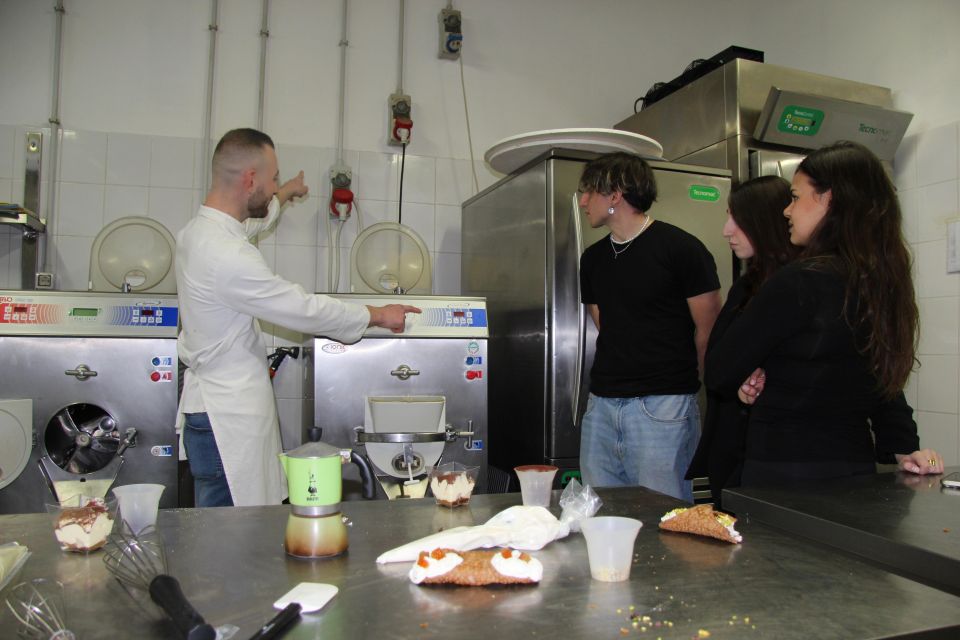
This is a great fit if you:
- want a hands-on Rome food experience focused on dessert
- like learning cooking methods you can repeat later
- enjoy Italian classics and want to compare what you make to what you’ve eaten in cafés
It’s especially appealing if you care about tasting your work immediately, since you’ll eat the gelato you made in the lab.
But it’s not right for everyone. You should skip it if:
- you need vegan food
- you have diabetes-related dietary restrictions
- you have gluten intolerance, lactose intolerance, or nut allergies
- you’re traveling with kids under 5
Those limitations are stated clearly, and in food workshops they matter because substitutions aren’t guaranteed.
FAQ
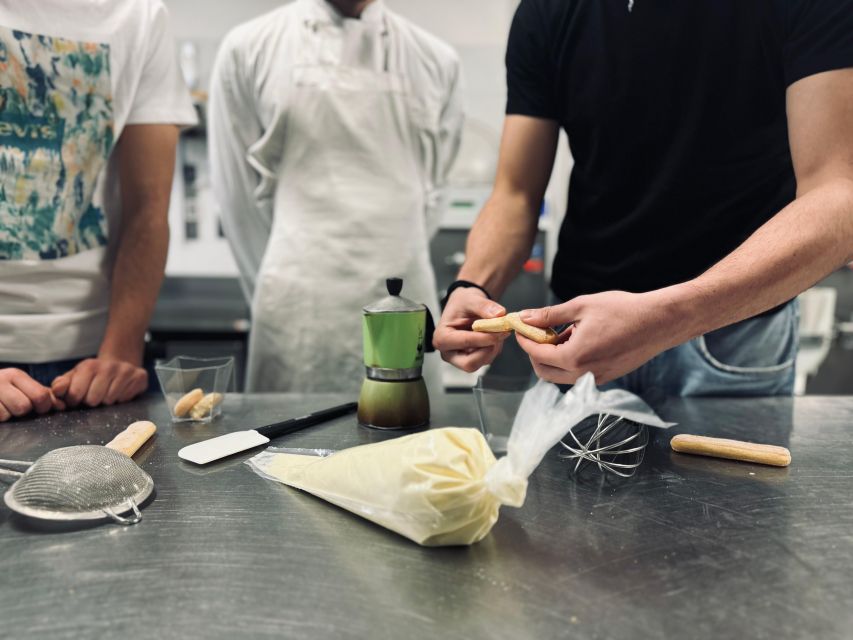
FAQ
What desserts will I make in the class?
You’ll make tiramisu, cannoli, and gelato. The workshop is described as teaching all three Italian recipes you can take away after the experience.
How long is the cooking class?
The overall experience is listed as 2 hours, and it includes a 90-minute cooking class portion.
Where is the meeting point in Rome?
The meeting point is at Via Soriso 68/A. If you arrive on your own, wait outside the entrance in front of the door with the VICE sign.
Is there a driver from Battistini Metro Station?
The lab is about 800 meters by walking from Battistini Metro Station. If you want a driver, there’s an optional add-on with a 4-euro surcharge over the basic class price.
What’s included in the price?
Included items are bottled water, the 90-minute class with a master baker, the tiramisu, cannoli, and gelato you make, all ingredients and equipment, and a glass of Prosecco (or juice for children).
Is the class suitable for young children or specific diets?
It’s not suitable for children under 5. It’s also stated as not suitable for vegans, people with diabetes, and people with gluten intolerance, lactose intolerance, or nut allergies.
Should you book this Rome pastry cooking class?
Book it if you want an honest-to-goodness pastry day in Rome: real lab setting, hands-on practice, and three classic desserts you can bring home. The value is strong because you’re not just tasting—you’re learning how the desserts are made and how to reproduce them.
Skip it if your group has dietary restrictions (gluten, lactose, nuts, vegan) or if diabetes-related needs apply. Also plan your transportation so your take-home desserts don’t turn your trip into a juggling act.
If you’re the kind of traveler who remembers trips by what you can recreate later, this is a sweet, practical choice.