REVIEW · ROME
Rome: Pasta Cooking Class with Market Visit and Wine
Book on GetYourGuide →Operated by Yellowsquare Rome · Bookable on GetYourGuide
Fresh pasta happens when you learn the basics.
In this Rome pasta cooking class, you start with a walk through the Nomentano Market, picking ingredients that actually match the season, then head back to the kitchen to make dough from scratch with Chef Marco. Two things I really like: the market portion (you learn what to buy and why) and the hands-on format (you shape, cut, and stuff your own pasta, not just watch).
One possible drawback: it is not suitable for gluten intolerance, so if you need gluten-free cooking, you’ll want to choose a different option.
In This Review
- Key highlights to know before you go
- Via Palestro 51 start: how the day keeps moving
- Nomentano Market walk: shopping like a Roman (and learning fast)
- Kitchen of Mamma: dough, stations, and real hands-on learning
- Multiple pastas, real fillings, and those satisfying cutting moments
- Sauces, wine lunch, and the coffee plus limoncello finale
- What you take home: recipes, a certificate, and extras
- Price and value: what $141.61 buys you in Rome
- Who this pasta class suits best (and who should skip it)
- Should you book this Rome pasta cooking class?
- FAQ
- How long is the Rome pasta cooking class?
- Where does the experience start?
- Do I need any cooking experience?
- What’s included in lunch?
- Is the market visit part of the tour?
- Does the class include coffee and limoncello?
- Is it suitable for gluten intolerance?
- What languages are the instructor and chef teaching in?
- Is free cancellation available?
- Is pay later available?
Key highlights to know before you go
- Nomentano Market walk to shop for fresh, seasonal ingredients used right in your meal
- Chef Marco’s instruction that’s easy to follow, with one-on-one help at workstations
- Hands-on pasta making that can include dough, cutting, stuffing, and multiple shapes
- Wine lunch plus coffee and limoncello, so the class ends like a proper Roman meal
- Participation certificate and recipe pack you can use later to cook at home
Via Palestro 51 start: how the day keeps moving
The experience begins at Via Palestro 51 (00185 Rome). Show up at least 10 minutes early. That little buffer matters because the day runs on a smooth rhythm: a short stroll to the market, then you switch gears to cooking once you’re back. You’ll also finish back at the same meeting point, so you’re not left guessing where to regroup after lunch.
This is the kind of class that’s designed for a real half-day flow. You’re not spending hours waiting for instruction; you’re moving through a sequence: shop, cook, eat, then wrap up. The time listed is 6 hours, but some groups have experienced a shorter pacing, which can feel more relaxed if you’re watching your schedule.
You can also read our reviews of more shopping tours in Rome
Nomentano Market walk: shopping like a Roman (and learning fast)
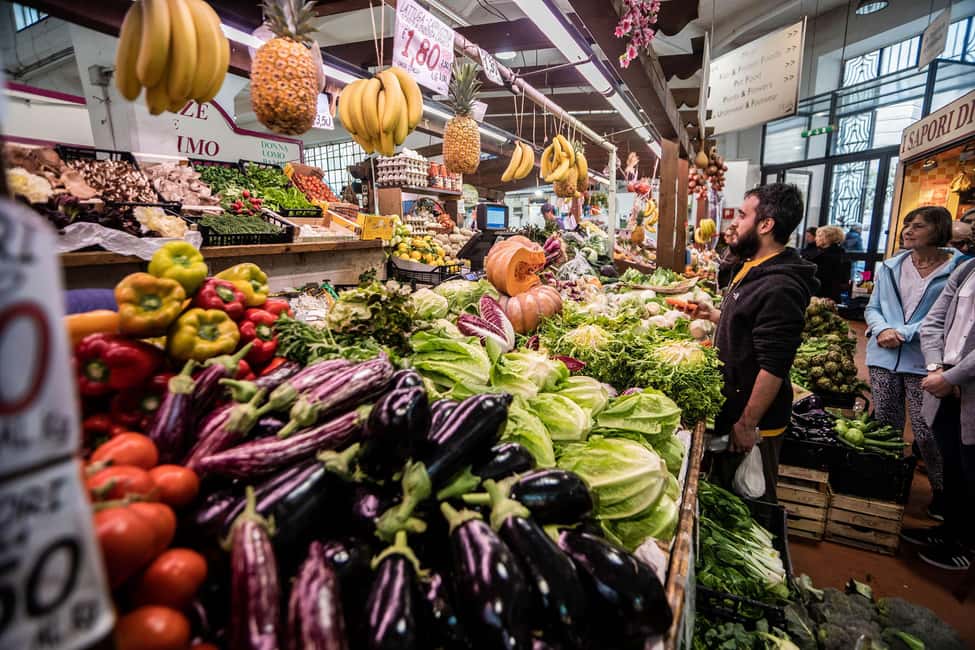
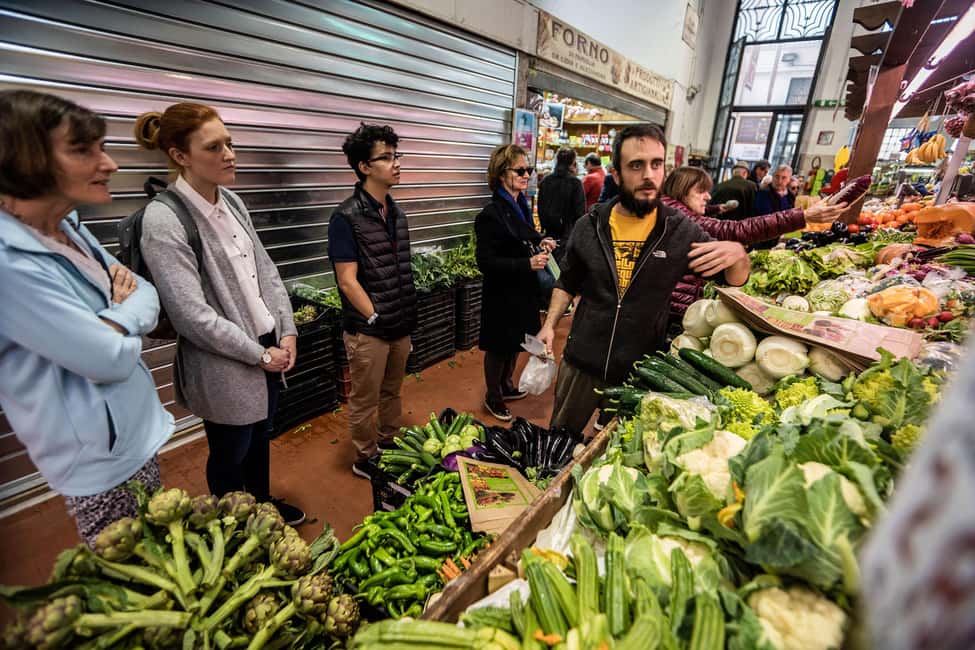
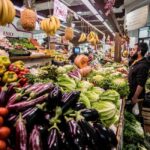
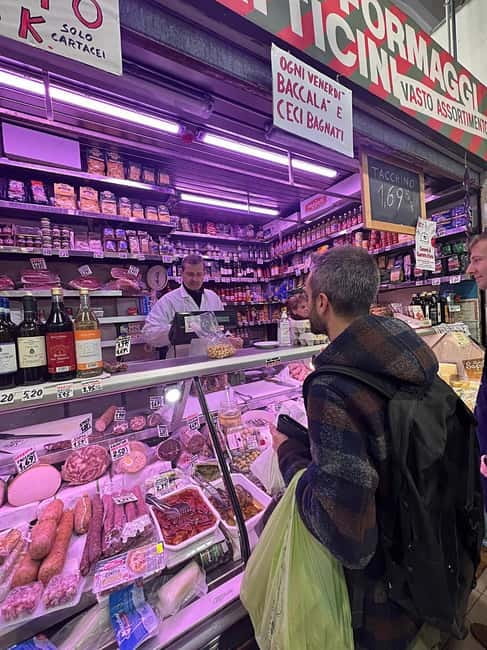
Before you touch flour, you’ll get out into the neighborhood and see ingredients up close. The market stop is focused on fresh and seasonal products, and the walk is more than shopping bags. Chef Marco uses the stroll to explain what you’re buying and how those choices connect to the pasta you’ll cook later.
This is also where you pick up context about Roman food culture. From the way the class is described, you’re not just hearing generic facts. You’re walking among real vendors and learning what makes certain ingredients work together (for example, produce and filling combinations), which makes the cooking portion click faster once you’re back in the kitchen.
A practical tip: wear comfortable shoes. You’ll be walking as part of a guided market experience, and you’ll likely be moving at a steady pace.
Kitchen of Mamma: dough, stations, and real hands-on learning
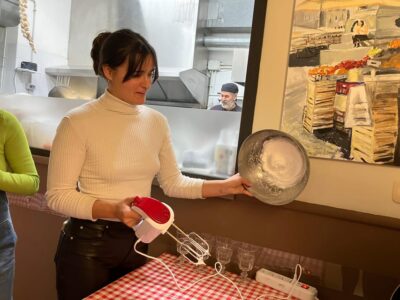
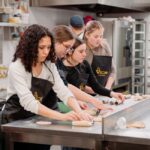
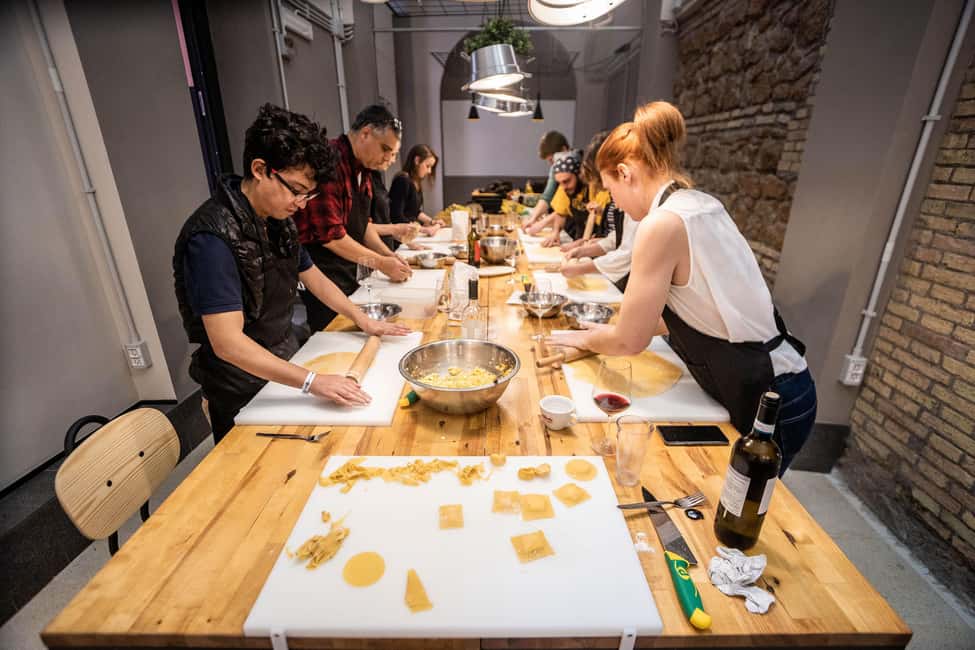
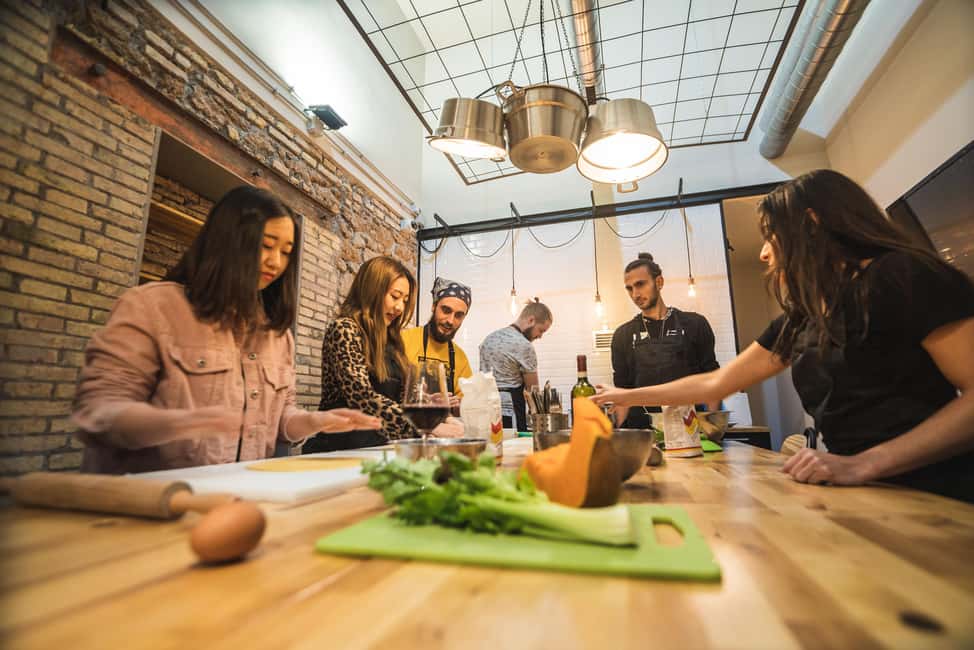
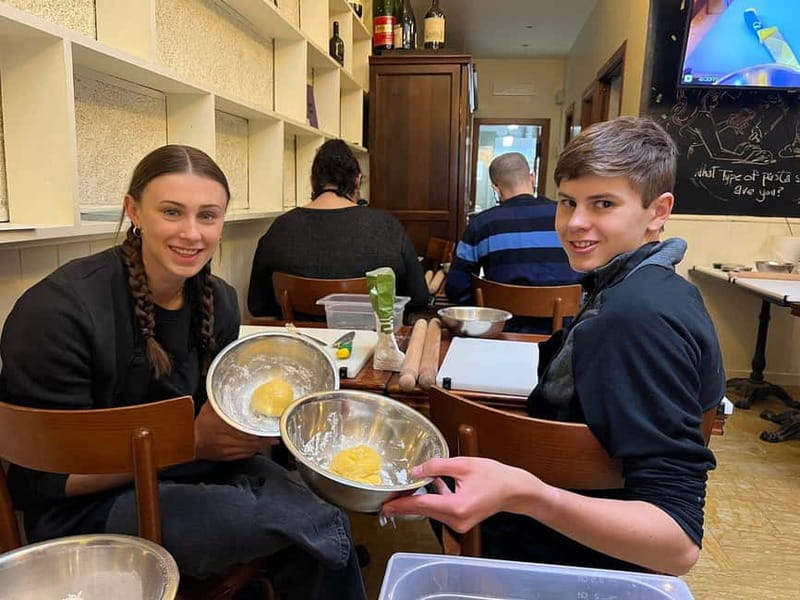
Back in the kitchen, you’ll work in a setup that supports active participation. Many cooking classes have one big demonstration and a handful of moments for you to try something. Here, you’re placed with your own work station, and the chef keeps an eye on each person’s progress. That matters because pasta dough is one of those things where small differences change everything.
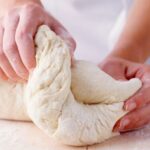
Expect to learn the secrets of a perfect dough. The instruction is geared for beginners—there’s no previous cooking skill required—but the focus is still on technique. You’ll practice the steps that make Italian pasta taste right: getting dough to the right feel, handling it properly, and then moving into shaping.
If you’re worried about “doing it wrong,” this is a good place to be nervous. Chef Marco-style teaching is built around correcting in the moment. You’re not expected to guess. You’ll get guidance as you work.
Multiple pastas, real fillings, and those satisfying cutting moments
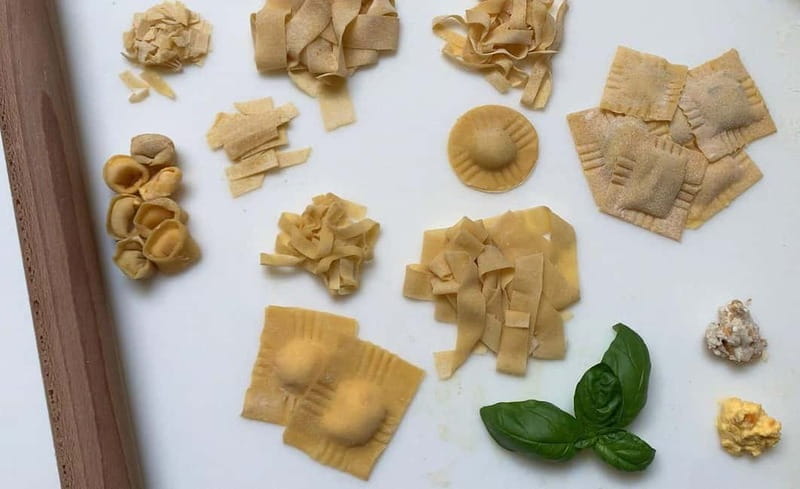
This class isn’t limited to one safe, familiar shape. You’ll typically make a variety of pasta and learn how to turn dough into different formats. Depending on the group and the flow of the class, you can expect to work with several types—some descriptions include at least five different types, and other details point to a mix that may include ravioli, tortellini, and linguine.
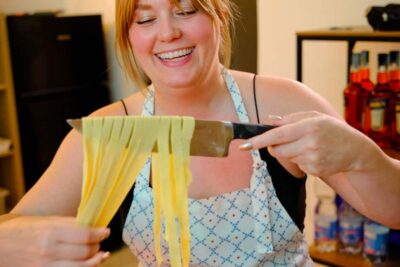
One strong theme is that you’re not just rolling pasta sheets. You’ll often be cutting and shaping—some groups have mentioned learning to cut pasta into different sizes, and then working on fillings and stuffing (like ravioli). If you enjoy the tactile side of cooking, this portion is the heart of the day.
You might even end up making something beyond the usual tourist list. Details from the class experience include options like pumpkin ricotta ravioli, and the sauces aren’t treated as an afterthought. You’re guided through how the sauces and fillings come together so your final plates taste intentional, not improvised.
Here’s what I think makes this section great for real learning: you connect the ingredient choices from the market to the technique you use later. When you know why you bought something, the pasta-making stops feeling like random steps.
Sauces, wine lunch, and the coffee plus limoncello finale
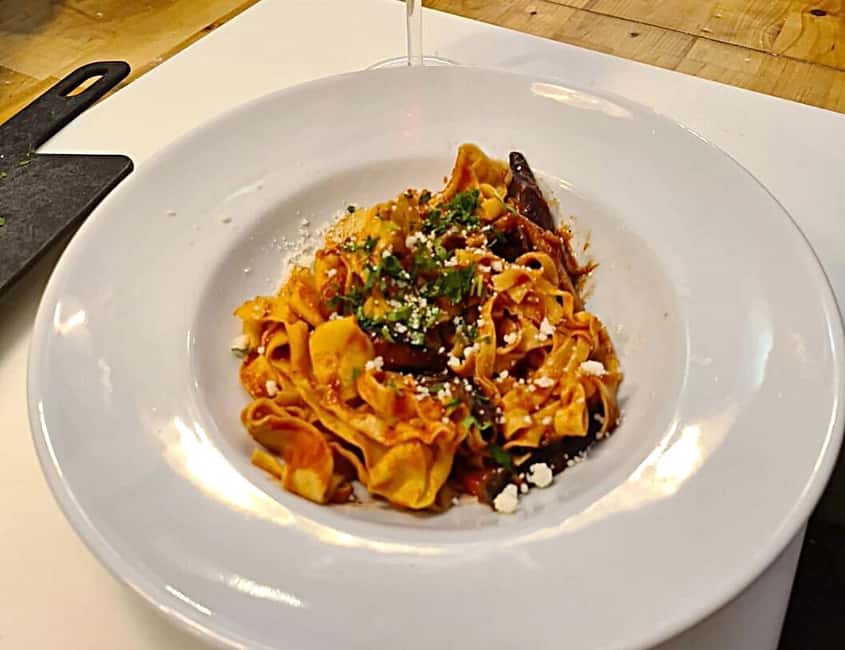
Once the cooking is done, the class shifts into the best part: eating. Your lunch includes pasta plus a glass of Italian wine. Some class descriptions also mention sampling both red and white wine, so you may get a fuller flavor comparison as you sit down.
The sauces you make or prepare along the way are part of the lesson. The chef explains how they’re built and why certain combinations work. The goal is that you understand the logic, not just the recipe. That’s why, later, your “pasta at home” doesn’t have to depend on luck.
Then comes the finishing trio: coffee and limoncello. This matters more than it sounds. In Italy, the end of a meal is part of the ritual, and this class keeps that feel instead of abruptly cutting you loose after the main dish.
Portion-wise, the experience is generally described as generous—enough food and wine to feel like a proper lunch, not a small tasting.
You can also read our reviews of more tours and experiences in Rome

What you take home: recipes, a certificate, and extras
At the end, you’ll receive a participation certificate and pasta recipes. This is more useful than it seems. If you only remember the final plate, you lose the learning. The recipe pack gives you a path back to repeating what you did—dough basics, sauce ideas, and shapes you practiced.
Also, some groups have noted that the chef let them take extra food home. That’s not something you should count on for every class, but it’s a nice bonus when it happens. Even without extras, the recipes and the technique you practiced give you a real way to keep the day alive after you return to your hotel.
Price and value: what $141.61 buys you in Rome
At $141.61 per person, you’re paying for more than cooking instruction. You’re getting:
- a market walk to shop for ingredients that match the dish
- guided, hands-on pasta making with support at your station
- lunch with pasta + Italian wine
- coffee and limoncello
- recipes and a participation certificate
When a cooking class includes ingredients shopping, wine, and a structured meal, it usually stops feeling like a “lesson” and starts feeling like a full experience. That’s the value story here.
The time listed is 6 hours, but pacing can vary by group. If your schedule is tight, don’t assume it will always stretch to exactly six hours; some groups have experienced it closer to a shorter duration. Still, I’d plan a half-day block with buffer so you’re not rushing out right after.
One caution on value: this class is not suitable for gluten intolerance. If you can’t do gluten, the real cost becomes paying for something you can’t safely enjoy.
Who this pasta class suits best (and who should skip it)
I’d recommend this experience if you want a Rome food day that’s practical, interactive, and grounded in real ingredients. It fits well for:
- Couples and friends who like cooking together and then sharing lunch
- Food lovers who want to understand how market ingredients turn into pasta and sauces
- Beginners who want clear guidance without prior skills
Language is English and Italian, and Chef Marco’s teaching style shows up repeatedly in the class descriptions: humor, patience, and explanations that keep you comfortable while you learn. Some descriptions even mention that the chef works to help people feel at ease quickly, including groups of different ages and backgrounds.
If you’re traveling with kids or extended family, the hands-on format can be a plus. One description highlights that a family group enjoyed the class together, from market vendors to cooking and eating.
If you have dietary restrictions beyond the gluten limitation, the only fully supported point is the gluten intolerance note. For other needs (like pork or red meat), the class descriptions include that the chef asked about restrictions and adjusted accordingly. Still, since details aren’t guaranteed for every group, you should plan to message ahead if you have specific needs.
Should you book this Rome pasta cooking class?
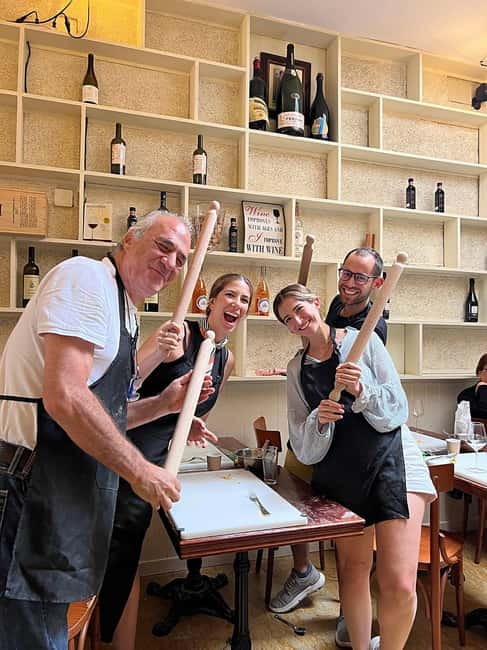
Yes, I think you should book it if you want the kind of Rome experience that teaches you something you can actually repeat: dough basics, shaping, stuffing, and building sauces. The market walk makes it more than a cooking demo, and the meal with wine, coffee, and limoncello makes it feel like a real Italian afternoon, not a rushed activity.
Skip it if you have gluten intolerance, because it’s not suitable for that. Also, if you want a super-short, low-participation activity, this might feel like too much hands-on work for your style—this class is built for people who want to get involved.
If you fall somewhere in the middle, this is a strong pick: hands-on pasta, a market you can actually learn from, and a chef-led flow that keeps the day fun and focused.
FAQ
How long is the Rome pasta cooking class?
The class is listed as 6 hours. Starting times vary, so check availability for the schedule.
Where does the experience start?
It starts at Via Palestro 51, 00185 Rome. Arrive at least 10 minutes early.
Do I need any cooking experience?
No. No previous skills are required.
What’s included in lunch?
Lunch includes pasta and a glass of Italian wine.
Is the market visit part of the tour?
Yes. You’ll take a guided walk to the Nomentano Market to see fresh, seasonal ingredients used in your meal.
Does the class include coffee and limoncello?
Yes. The experience ends with coffee and limoncello.
Is it suitable for gluten intolerance?
No. It is not suitable for people with gluten intolerance.
What languages are the instructor and chef teaching in?
The instructor is described as teaching in English and Italian.
Is free cancellation available?
Yes. You can cancel up to 24 hours in advance for a full refund.
Is pay later available?
Yes. There’s a reserve now & pay later option, so you can book and pay later.