REVIEW · ROME
Eat Like a Roman – Traditional Food, Local Market & History
Book on GetYourGuide →Operated by Roma Eat · Bookable on GetYourGuide
Food and history in one walk. This daytime Rome tour mixes market-to-shop tastings with archaeology-flavored storytelling and practical local food culture. I especially like how it puts you inside working places—an area bar with homemade cornetti, a centuries-old pasta shop, and an old bakery—so the day feels real, not staged.
Two of my favorite parts are the huge market stop for mozzarella, prosciutto, aged cheeses, and supplì, and the final sweep to the best gelato spot that’s said to be the Pope’s favorite. One consideration: it’s not for vegans, and you’re doing a few blocks of walking rain or shine.
In This Review
- Key things that make this tour worth your time
- A Rome food walk that reads like a lesson, not a scavenger hunt
- Coffee and cornetti: where the day starts like a local
- The biggest farmers market in Italy: mozzarella, prosciutto, aged cheese, supplì
- Organic olive oil and the oldest bakery: flavors with a track record
- Inside Rome’s first pasta shop: VIP access and a craft you can taste
- Apulian street food, local wine, Pope-favorite gelato, and rooftop Rome
- What the storytelling actually adds (and what to expect from the guide)
- Is the price fair for what you’re getting?
- Who this tour fits best (and who should skip it)
- Should you book Eat Like a Roman?
- FAQ
- How long is the tour?
- How much does it cost?
- What’s included in the price?
- Is transport from my hotel included?
- Is the tour suitable for vegans?
- Will the tour run in bad weather?
- What languages are offered?
- Is the tour wheelchair accessible?
- What is the cancellation policy?
- Is payment required right away?
Key things that make this tour worth your time
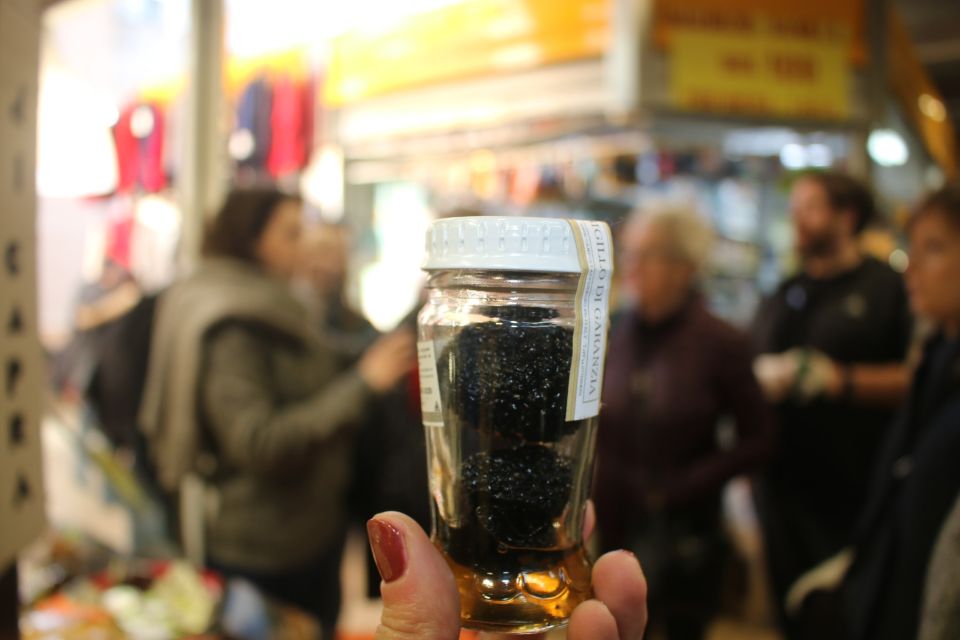
- The biggest farmers market in Italy as your tasting hub, not just a quick photo stop
- VIP access inside the oldest pasta shop of Rome to see how pasta has been made for more than a century
- Family-run stalls and shop partners that keep the same traditions across generations
- More than 20 tastings, from olive oil to street food and gelato
- 360° rooftop view to close the loop between food and the city around you
A Rome food walk that reads like a lesson, not a scavenger hunt
If you like eating your way through a city, this is the kind of tour that makes sense. You start with coffee and cornetti, keep moving through markets and shops, then finish with gelato and a rooftop view. All the way through, the guide ties what you’re tasting to Rome’s layers—food, neighborhoods, and archaeological secrets.
What I like is the pacing. You’re not stuck listening for long stretches. You eat, you walk, you listen briefly, then you eat again. You also get an English-speaking guide—one named Greta is highlighted in past experiences—and the vibe is patient and question-friendly, which matters when you’re trying to learn without feeling rushed.
The biggest value is simple: you’re paying for a guided sampler that includes more than 20 food and wine tastings plus a tote bag. That’s hard to recreate on your own in a short 3-hour window, especially if you want the older, less obvious places.
You can also read our reviews of more food & drink experiences in Rome


Coffee and cornetti: where the day starts like a local
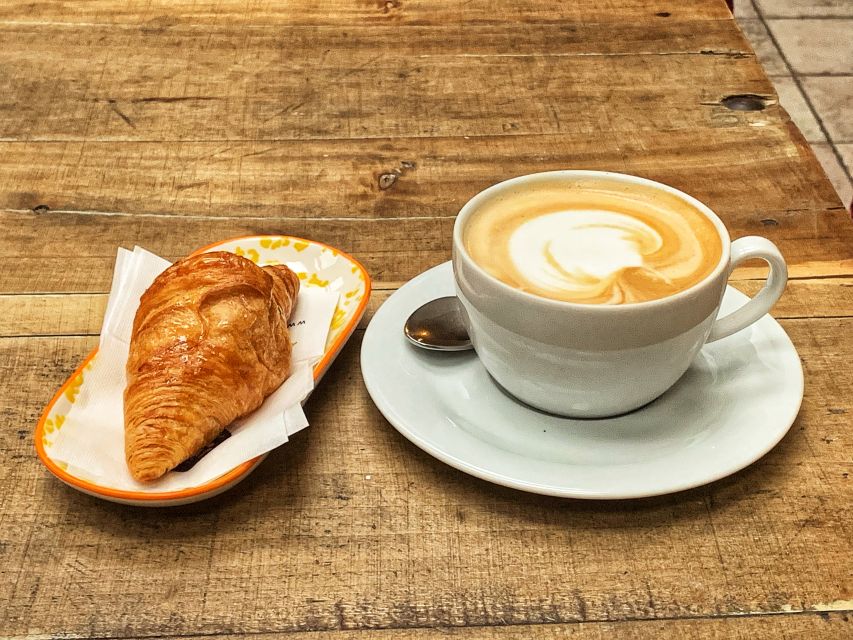
Your morning begins with a local bar stop for coffee and cornetti. The key detail here is that the cornetti are made homemade by a nonna who’s been doing it for decades—described as 70 years old. That’s not just a cute detail. In practice, it changes the taste, because the cornetti are part of daily routine, not mass production.
This first stop also helps you get oriented. You’re stepping into a neighborhood rhythm before you hit the bigger market. If you’re the type who likes to understand what you’re seeing, this is where it clicks: Rome food culture isn’t only famous dishes. It’s also the small daily rituals—coffee first, then the snack that pairs with it.
Practical note: wear comfortable shoes. Even at the start, you’re on your feet, and you’ll keep walking as the tastings stack up.
The biggest farmers market in Italy: mozzarella, prosciutto, aged cheese, supplì
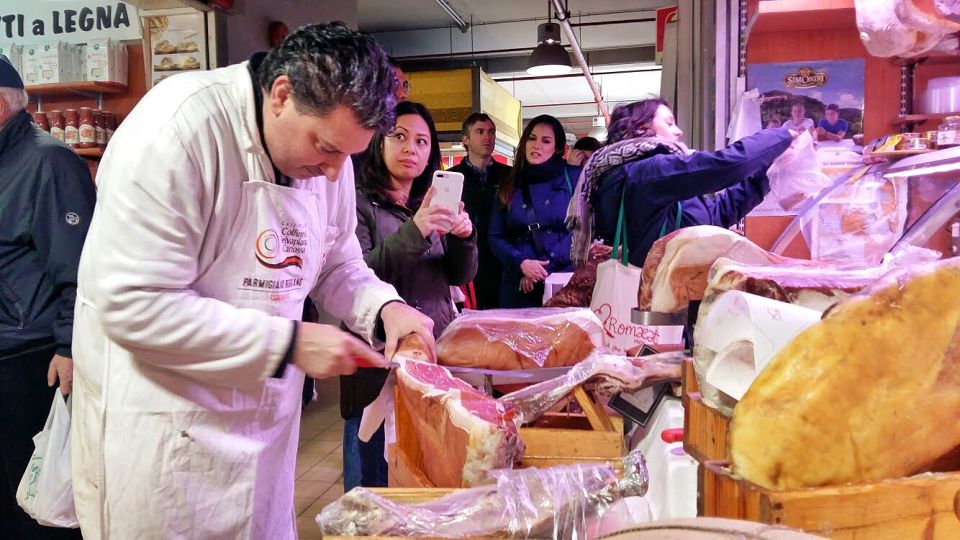
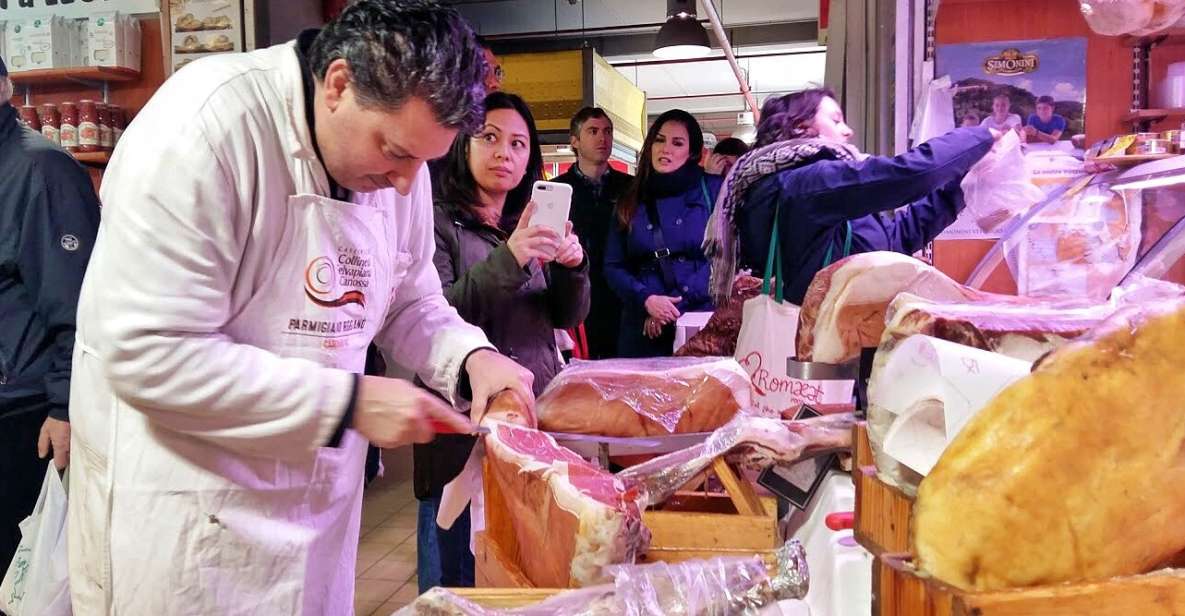
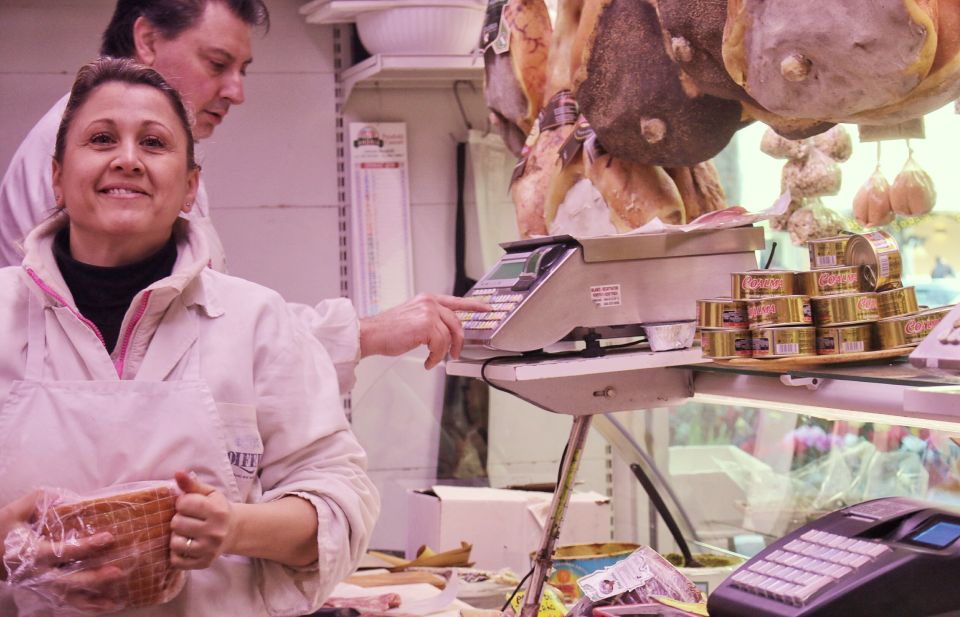
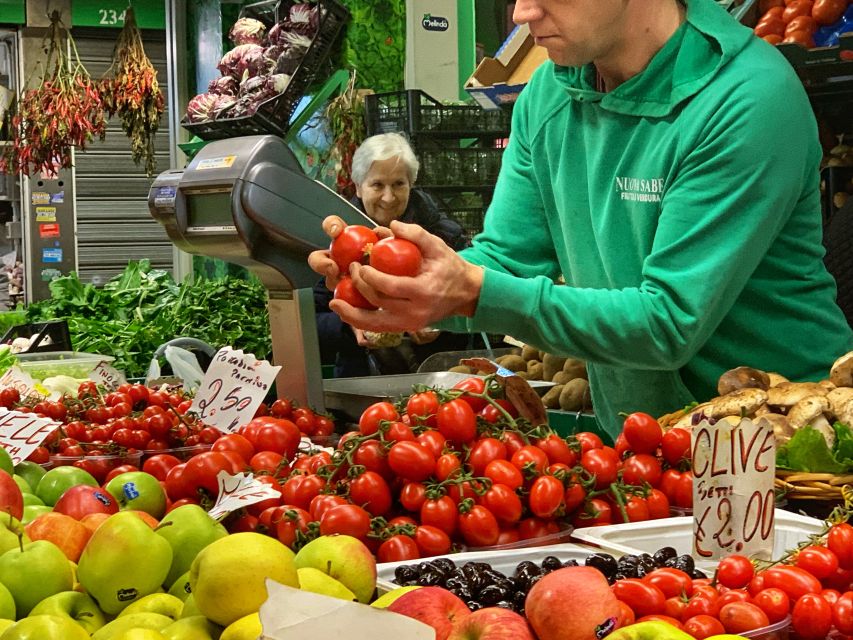
Next comes the biggest local market in Italy. This is where the tour turns from comfort food into Roman shopping culture. You’re not just browsing. You’re tasting from stall to stall, learning why the families behind the counters do things the way they do.
Expect tastings that hit multiple parts of the Roman flavor map:
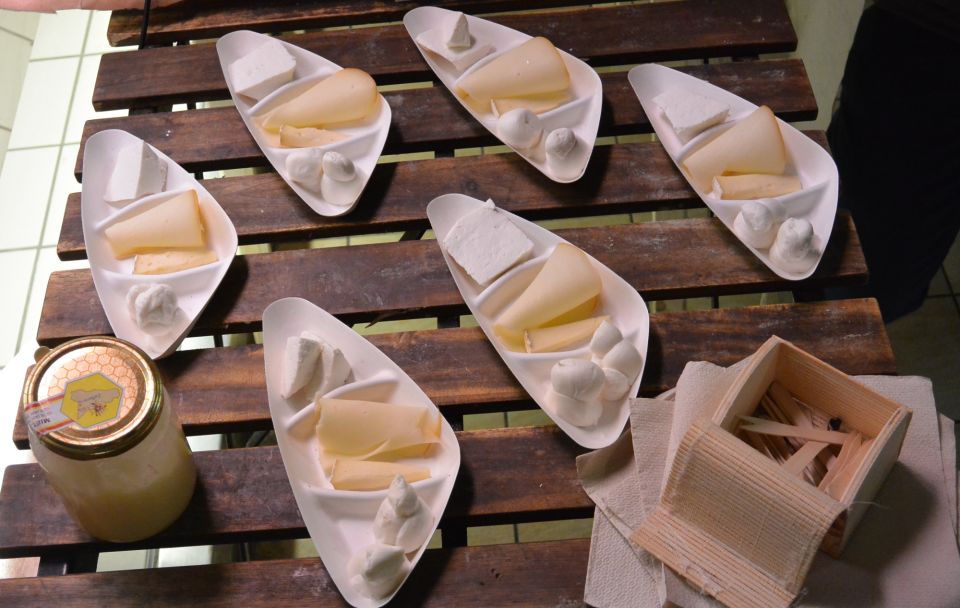
- Mozzarella and other cheeses
- Prosciutto
- Aged cheeses
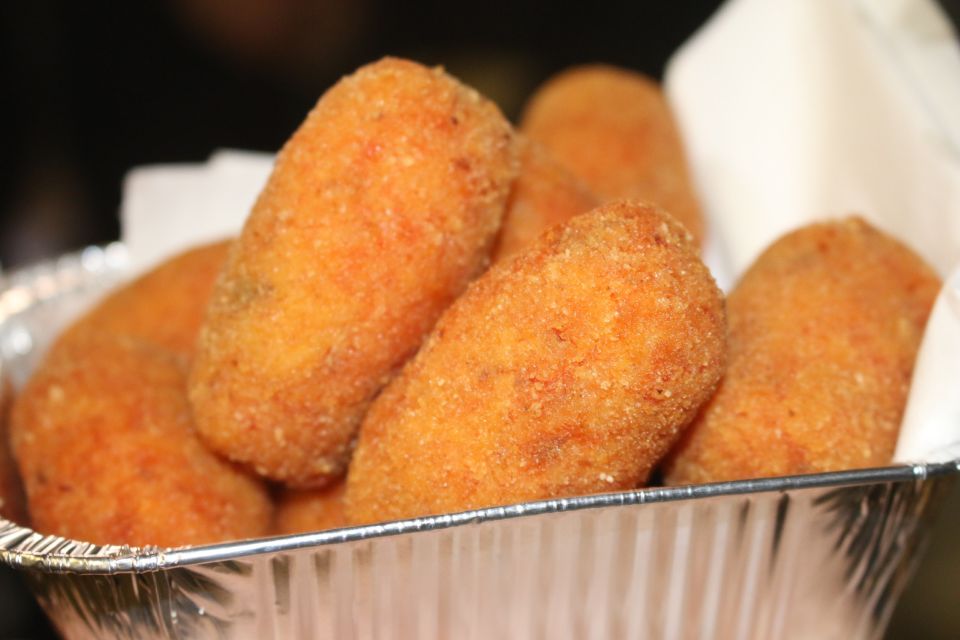
- Supplì, the king of Roman street food fried at the moment for you
Supplì is the kind of food you can eat anywhere, but it’s also the kind of food where freshness matters. Fried on the spot means the crunch arrives with the first bite, not 20 minutes later. That’s the difference between a snack and a real Roman taste.
This market portion also gives you something underrated: context. You’ll get stories about traditions connected to the families who own the stalls. That helps you read what you’re seeing—labels, cuts, and what people choose—so you can shop smarter later.
Organic olive oil and the oldest bakery: flavors with a track record
After the market, you’ll move into tastings that show how Rome doesn’t treat food like a trend. One stop focuses on organic olive oil, described as awarded best in the world in 2018. Even if you don’t know how to judge olive oil like a sommelier, the guide gives you enough direction to taste it for real—think: aroma first, then flavor, then how it lingers.
Then comes pizza in an old bakery that opened in 1915. The tour frames it in a simple way: you’re looking at a place that survived wars, changes in the neighborhood, and generations of customers. That matters because longevity is the closest thing to a guarantee you get in food history.
You’ll find a crunchy pizza style here, and you’ll eat it where it’s made. That’s one reason this tour feels different from tastings that happen in commercial sampling rooms. You’re seeing the infrastructure of tradition—tables, ovens, the flow of regulars.
Inside Rome’s first pasta shop: VIP access and a craft you can taste
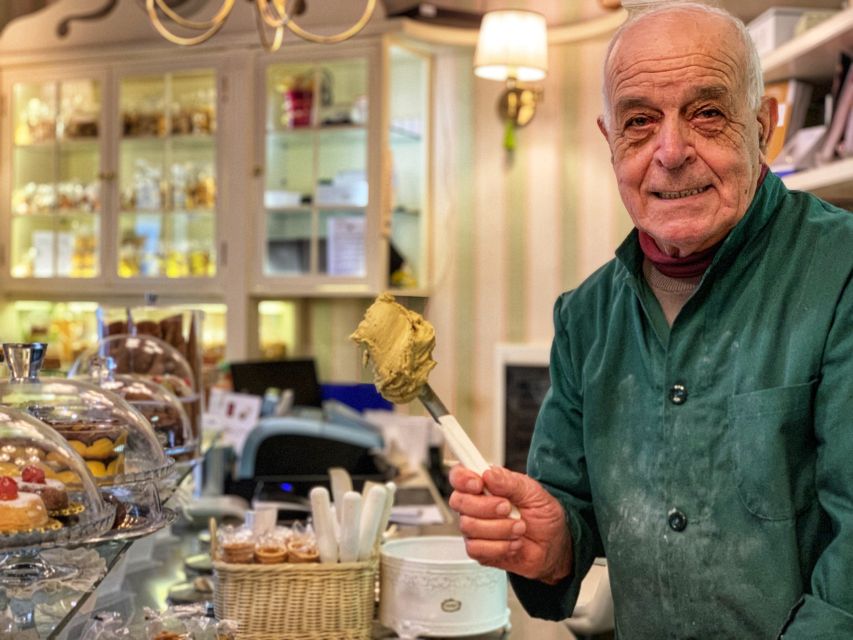
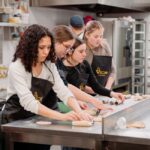
One of the most memorable parts is the exclusive VIP access inside the oldest pasta shop of Rome. The tour emphasizes that this is the first pasta shop opened in Rome, and that you can learn how pasta is made there for more than one century.
What I think you’ll enjoy most isn’t just the pasta itself. It’s the idea that you’re watching a craft that has been repeated, refined, and kept alive through families and time. Pasta making is one of those skills where small differences show up instantly. Even if you don’t speak Italian, you’ll hear the rhythm of explanations and see the process, which gives you something to take home mentally when you cook later.
This is also a great “value anchor” in the tour. VIP access costs money and time. It would be hard to recreate yourself without the right connections, and the payoff is immediate: you leave with both a taste and a story.
You can also read our reviews of more tours and experiences in Rome


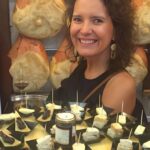
Apulian street food, local wine, Pope-favorite gelato, and rooftop Rome
After pasta, the tour keeps rolling with a street food stop tied to Apulia. You’ll have Apulian street food along with a glass of local wine. This is a smart pivot because it widens the flavor map beyond one single corner of Italy. Rome is a hub, so seeing influences from other regions makes sense.
Then it’s sweetness—gelato in a tiny hidden place described as elected by the Pope as his favorite gelateria. I’d treat that as part fact, part legend, but either way, the practical payoff is what you’ll feel in your mouth. A good gelato stop should change your mood, and this one is positioned as the finish-line treat.
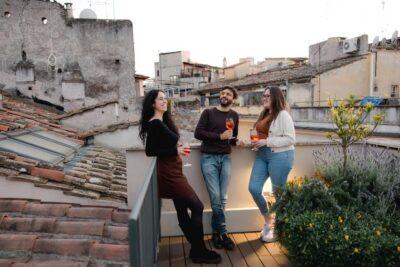
Finally, you relax on a rooftop with a breathtaking 360° view of Rome. That rooftop moment matters more than people think. When your day is all food and details, a view forces a reset. You can look at the city spread out, connect the stories to real geography, and understand where you’ve been.
The tour also includes a walk in the Vatican district but off the beaten paths, so you’re not just doing the same postcard route. It’s one more way the day connects to place, not just plates.
What the storytelling actually adds (and what to expect from the guide)
This is a food tour, but the guide’s job is to connect tastings to Rome’s layers. The tour includes storytelling about the city and its history with archaeological secrets woven into the stops. That means the explanations don’t stay in generic facts. You’ll hear why a food choice makes sense, why a shop’s age matters, and how families shape what ends up on your plate.
English instruction is provided by the guide, and the past emphasis is that the guide is both patient and open to questions. That’s a big deal if you don’t want to feel like you’re just tagging along while someone talks at you.
One more practical detail: the tour uses comfortable, walking-friendly timing. It’s designed as a daytime experience, so you’re not dealing with late-night logistics. You’re also told it runs rain or shine, so plan for weather and wear shoes that handle uneven sidewalks.
Is the price fair for what you’re getting?
At $79.30 per person for 3 hours, the price looks reasonable once you think about what’s included. You’re getting:
- All food and wine tastings
- A tote bag
- An English-speaking guide
- Multiple stops that you’d otherwise have to research, time, and access on your own
The big cost driver isn’t just food. It’s the coordination and the special access, like the VIP entrance to the oldest pasta shop. Add in more than 20 tastings, plus market time and a rooftop view, and you’re essentially buying a guided sampler of Rome’s edible highlights—compressed into a short window.
The main trade-off is that transport isn’t included. If you’re farther away, you’ll want to budget for getting there and back.
Who this tour fits best (and who should skip it)
This works especially well if you:
- want a short Rome experience that combines eating with place-based storytelling
- like markets and want to taste what locals actually buy
- enjoy history when it connects to daily life, not just monuments
Skip it if you’re vegan, since it’s not suitable for vegans.
Should you book Eat Like a Roman?
If you want a Rome day that’s practical and food-forward, I’d book this. It’s priced for a reason: more than 20 tastings, a real market experience, VIP access to a historic pasta shop, and a rooftop payoff at the end. You’ll also come away with new instincts for what to look for—cheese, fried street food, olive oil, and gelato—because the day gives you context as you taste.
Book it with a simple mindset: eat slowly, ask questions, and wear walking shoes. If you’re excited about traditional Roman food culture and you’re okay with a rain-or-shine walk, this is a smart way to make those three hours count.
FAQ
How long is the tour?
The duration is 3 hours. Starting times depend on availability.
How much does it cost?
The price is listed as $79.30 per person.
What’s included in the price?
All food and wine tastings are included, along with an organic cotton totebag and an entertaining English-speaking guide.
Is transport from my hotel included?
No. Transport from and to your hotel is not included.
Is the tour suitable for vegans?
No. It is not suitable for vegans.
Will the tour run in bad weather?
Yes. The tour takes place rain or shine, so you should wear comfortable clothing and walking shoes.
What languages are offered?
The tour is available in English.
Is the tour wheelchair accessible?
Yes, it is wheelchair accessible.
What is the cancellation policy?
Free cancellation is offered up to 24 hours in advance for a full refund.
Is payment required right away?
You can reserve now and pay later, meaning you can book your spot and pay nothing today.