REVIEW · ROME
Rome: Eat Like a Roman Ghetto & Campo de’ Fiori Food Tour
Book on GetYourGuide →Operated by Hili srl · Bookable on GetYourGuide
Rome gets more interesting when food leads. This 2.5-hour Campo de’ Fiori and Jewish Ghetto walking tour mixes Roman comfort snacks with real stories tied to the streets you’re standing on. I especially like the way the tour turns big sights into bite-sized moments you can remember, not just see.
I’m also drawn to the food lineup. You’ll work through Roman staples like supplì (crispy fried rice balls), Roman-style pizza, and the famous Jewish-style fried artichokes, plus an end-of-tour gelato stop that hits just right after all that walking. The third thing I like is the guide quality; people rave about guides such as Angelica, Giulia, Claudio, and Daniele for being friendly, clear, and history-connected without turning it into a lecture.
One caution: this tour is not suitable for vegans and it’s also not suitable for people with gluten intolerance, so check your dietary needs before you book.
In This Review
- Key things to know before you go
- Walking Rome’s food trail through Campo de’ Fiori and the Ghetto
- Price and what you actually get for $36
- Meeting point in Piazza di San Simeone: how the tour starts
- Campo de’ Fiori and the morning market stop (and why timing matters)
- Stop-by-stop: what the route feels like in real life
- First tastings: porchetta panini and the start of the street-food run
- Supplì: the crispy rice-ball moment
- Roman-style pizza slices: not the tourist version
- The Jewish Ghetto: Portico d’Ottavia and Carciofo alla Giudia
- More landmark walking: Teatro Marcello and Largo di Torre Argentina
- Artisanal gelato at Gunther Gelateria: the finish you’ll be grateful for
- How the guides shape the experience (and why reviews keep naming them)
- Who should book this tour (and who should skip it)
- Small practical tips so you enjoy the tastings more
- Should you book this Rome street food tour?
Key things to know before you go
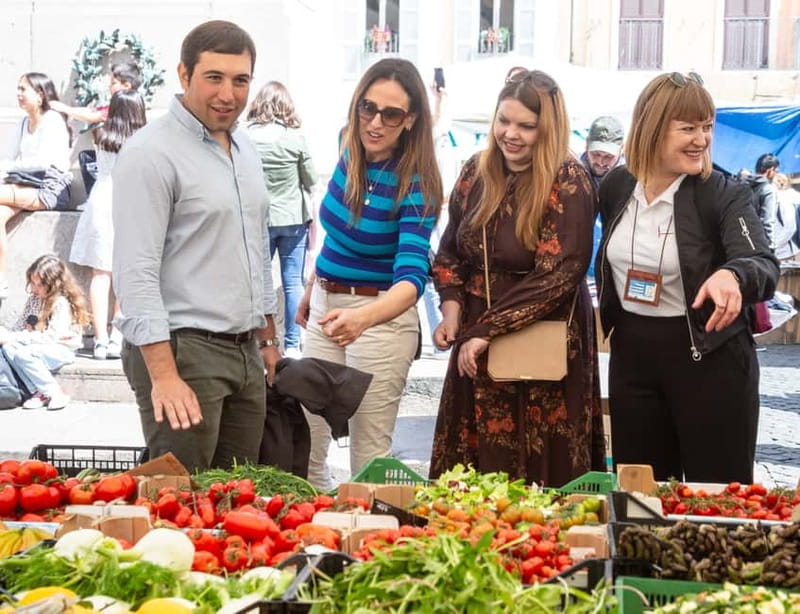
- Campo de’ Fiori market (morning tours): You may stop at the local fruit market before the street-food run.
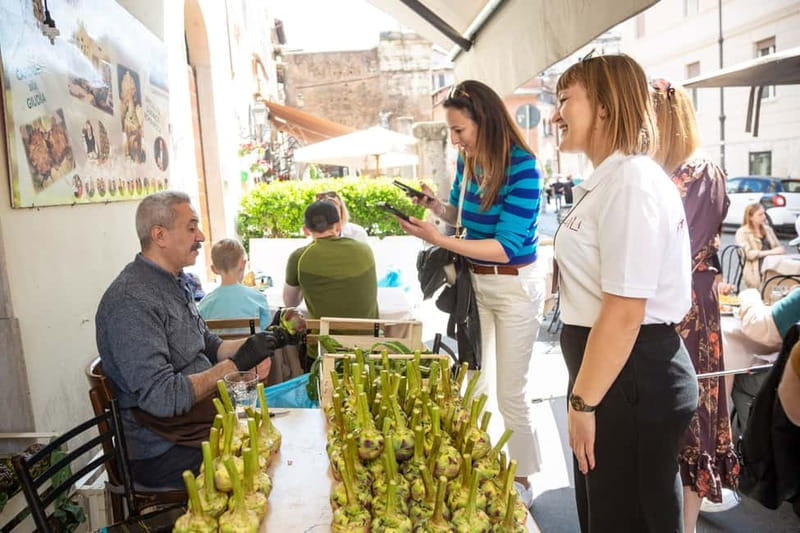
- Carciofo alla Giudia: The Jewish Ghetto fried artichoke is a signature moment here.
- Simple, practical tastings: You get 5 food tastings built around Roman classics, not a vague snack sampler.
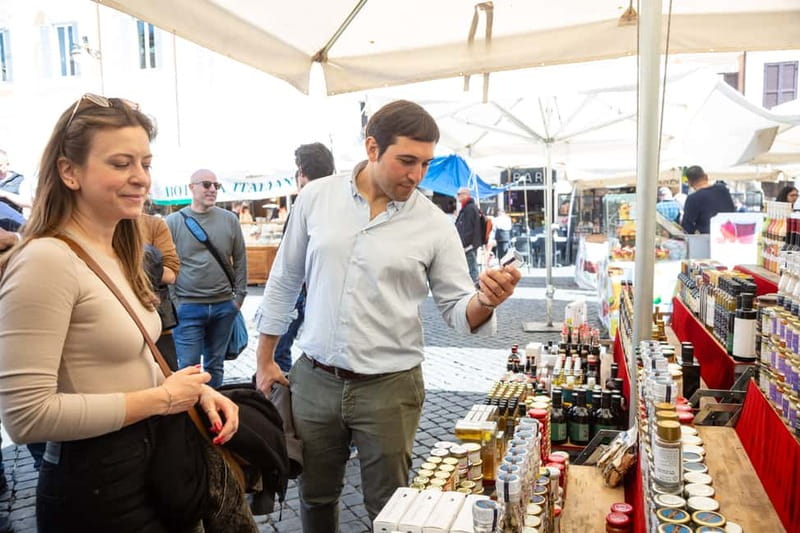
- Oil and vinegar tasting (morning tours): Truffle, olive oil, and vinegar tasting is part of the morning versions only.
- Landmarks without the museum fatigue: You’ll pass major sights like Teatro Marcello and Largo di Torre Argentina while you walk.
- Gelato near iconic Rome: The end is at Gunther Gelateria, so your last bite comes with a sense of place.
Walking Rome’s food trail through Campo de’ Fiori and the Ghetto
If you’ve already been staring at ruins and churches all day, this is the antidote: you follow your guide, your feet do the work, and your stomach stays busy. It’s not a sit-down meal. It’s a moving route through neighborhoods where Rome still feels like a place you could actually live.
The heart of the tour is two areas with very different vibes. Campo de’ Fiori is where the city’s everyday energy shows up in a big, public square and nearby market streets. Then you switch gears into the Jewish Ghetto, where food traditions and cultural history go hand in hand. That contrast is exactly why this tour works: you’re not just collecting dishes, you’re watching Rome’s identity change block by block.
Time-wise, you’re looking at about 2.5 hours. That’s long enough to taste a real slice of Rome and walk through meaningful streets, but short enough that you won’t feel ruined afterward. And the size is built for comfort on foot, which matters when you’re eating multiple stops and moving between them.
You can also read our reviews of more food & drink experiences in Rome


Price and what you actually get for $36
At $36 per person, this tour is priced like a “treat yourself” food experience, not a budget supermarket special. The value comes from what’s included: a guided walking tour, five food tastings, and time spent in Campo de’ Fiori and the Ghetto area with a local guide.
You also avoid one of the biggest Rome hassles: hunting down legit versions of these specific street foods on your own. If you try to DIY supplì, Jewish fried artichokes, and Roman pizza in the same day, you’ll spend time figuring out where to go, then waiting, then guessing which place is actually good. Here, the route is already stitched together for you.
One more practical note: drinks aren’t included. So if you’re a big water-sipper, plan to buy a bottle on the way or at a stop. But even with that, the included tastings mean you’re not paying for every snack separately.
Meeting point in Piazza di San Simeone: how the tour starts
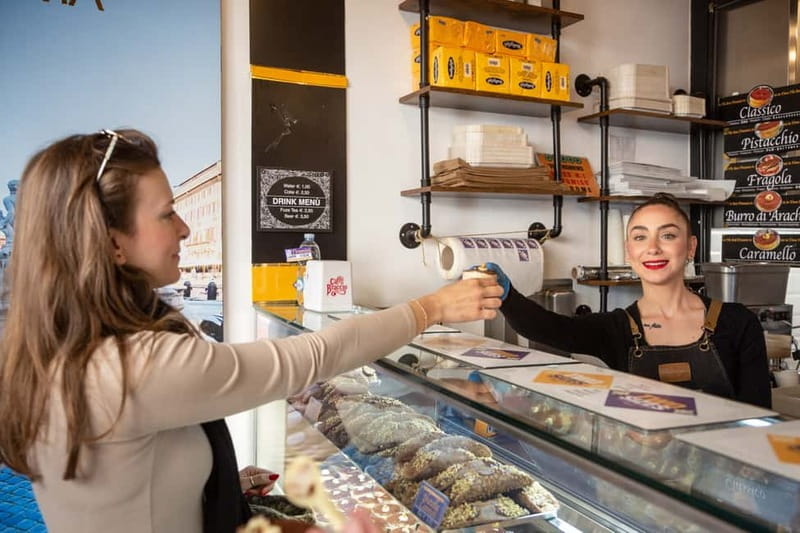
You meet your guide at the fountain in the center of Piazza di San Simeone. It’s a good setup because it puts you in the center of Rome’s walking grid without starting you somewhere remote. The tour begins with an on-foot orientation—no long bus ride, no waiting around.
From there, the route moves quickly. You’ll head toward the Campo de’ Fiori area and the market streets, and along the way you’ll pass points of interest like Chiostro del Bramante. Even when you’re not stopping, these pass-by moments matter. They give you context for what you’re seeing, so later when you walk by those landmarks again, you’ll know why they matter.
Campo de’ Fiori and the morning market stop (and why timing matters)
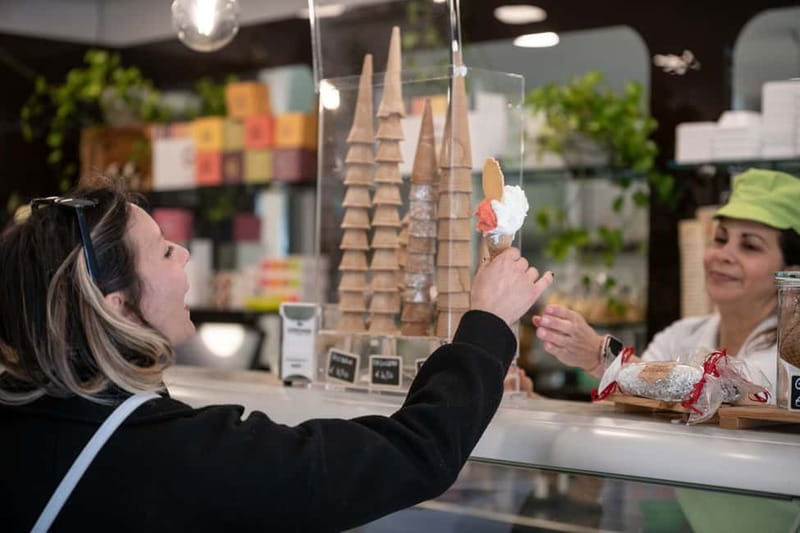
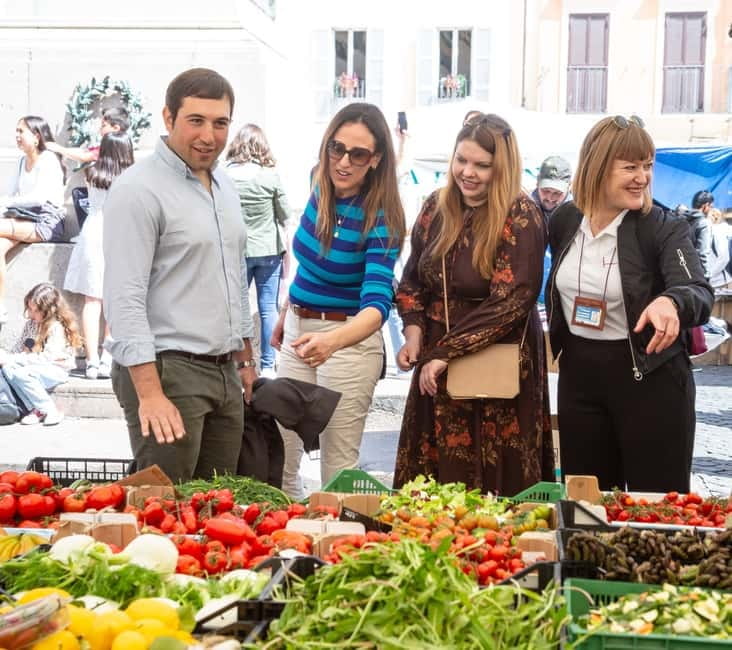
If you book a morning tour, you get an extra layer. You may stop at the local fruit market in and around Campo de’ Fiori, which is one of the easiest ways to understand daily Italian life. It’s also when the tour includes tastings like olive oil, truffle, and vinegar tasting.
Why I think this matters: food in Rome isn’t only about the final dish. It’s about the inputs. When you taste oils, vinegars, and truffle sauces as part of the day’s plan, you start recognizing flavors in the snacks later. It’s like learning the alphabet before you start reading.
If you’re not on a morning departure, you’ll still get the street food tastings and the sightseeing walk. You just miss the market-driven part and the oil/vinegar tasting component.
Stop-by-stop: what the route feels like in real life
Here’s how the experience comes together as you move through the neighborhoods.
You can also read our reviews of more tours and experiences in Rome



First tastings: porchetta panini and the start of the street-food run
Early on, you’ll hit a local spot for a first round of street food. One of the included tastings is a panini with porchetta. This sets the tone: Roman street food here is warm, handheld, and meant to be eaten while walking or standing, not plated with ceremony.
This first bite matters because it steadies you for what comes next. Once you start with fried items, your body expects more salt and crunch. Porchetta gives you something savory and satisfying before the frying starts.
Vegetarian options are available, so you’re not automatically stuck skipping this part if your diet is flexible.
Supplì: the crispy rice-ball moment
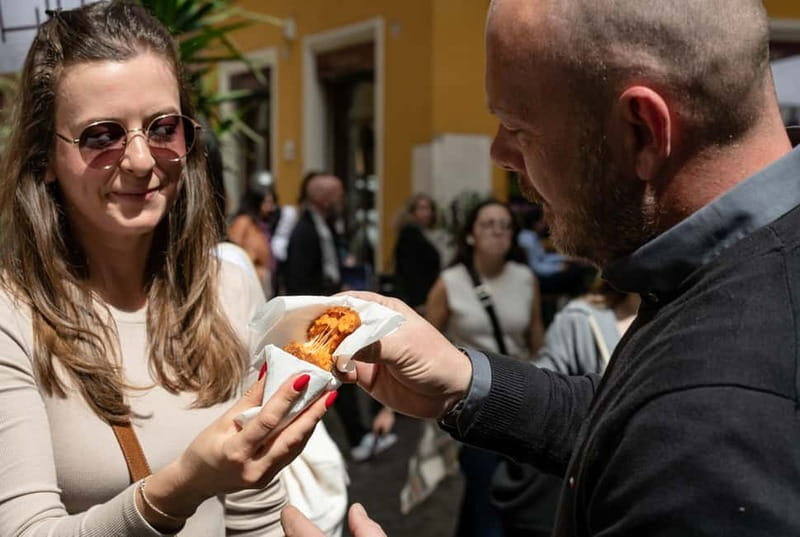
Next comes supplì, the deep-fried rice balls Rome is famous for. This is one of those foods where the texture is the point: outside crisp, inside hot, with flavors built right into the rice. It’s also exactly the kind of item you’d struggle to pick confidently on your own unless you already know which spot to trust.
This is where a good guide earns their paycheck. If your guide explains what you’re tasting—what makes Roman-style supplì different, what to notice as you bite—you end up learning faster than you would by just eating.
Roman-style pizza slices: not the tourist version
After supplì, you’ll move into Roman-style pizza as another included tasting. Roman pizza tends to be a “simple, serious, hot” kind of thing, and that works well in a tasting format because you’re learning by comparison across bites you can physically feel in your mouth.
This stop is also a good reminder that Rome’s food culture isn’t fancy because it’s expensive. It’s fancy because it’s practiced. The tour makes that clear by keeping each tasting grounded in a real tradition.
The Jewish Ghetto: Portico d’Ottavia and Carciofo alla Giudia
Then the route shifts into the Jewish Ghetto area. Along the way, you’ll see landmarks such as Portico d’Ottavia and you’ll hear stories that connect the neighborhood to what people ate and how traditions survived and changed.
Your signature tasting here is Carciofo alla Giudia, the famous fried artichoke. It’s a bold dish. It’s also very specific to this culinary identity. If you like crunchy food and you’re okay with intense flavors, this is the meal highlight.
What I like about this portion is the balance. You get history in real settings, but the tour still keeps returning to your plate. You’re not wandering through facts—you’re walking through context.
More landmark walking: Teatro Marcello and Largo di Torre Argentina
Between bites, the guide points out sights that give you the “how is this street connected to the story of Rome?” feeling. The tour includes pass-by moments around Teatro Marcello and Largo di Torre Argentina, known for being linked to Julius Caesar’s assassination.
These are not random tourist stops. They fit the tour theme: food and power and culture all mixed together over centuries. If you tend to forget history after a museum visit, this format helps because your snack timing anchors the memories.
Artisanal gelato at Gunther Gelateria: the finish you’ll be grateful for
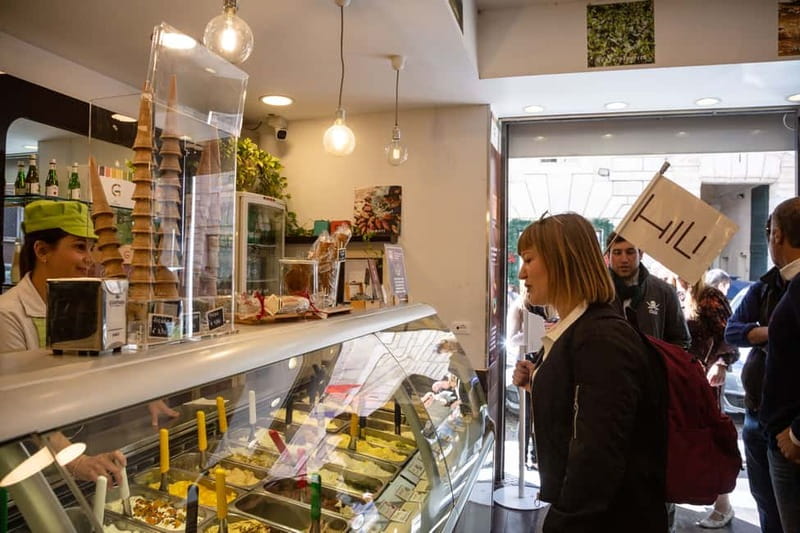
You end with gelato at Gunther Gelateria, which is a smart closer. After two-ish hours of walking, fried foods, and savory bites, gelato feels like your reward for behaving like a normal human and not demanding a nap in the middle of the tour.
You’ll get enough gelato to feel satisfied, not stuffed. It’s also a great final taste because it shows how Roman sweets stay simple and focused, letting quality show through.
How the guides shape the experience (and why reviews keep naming them)
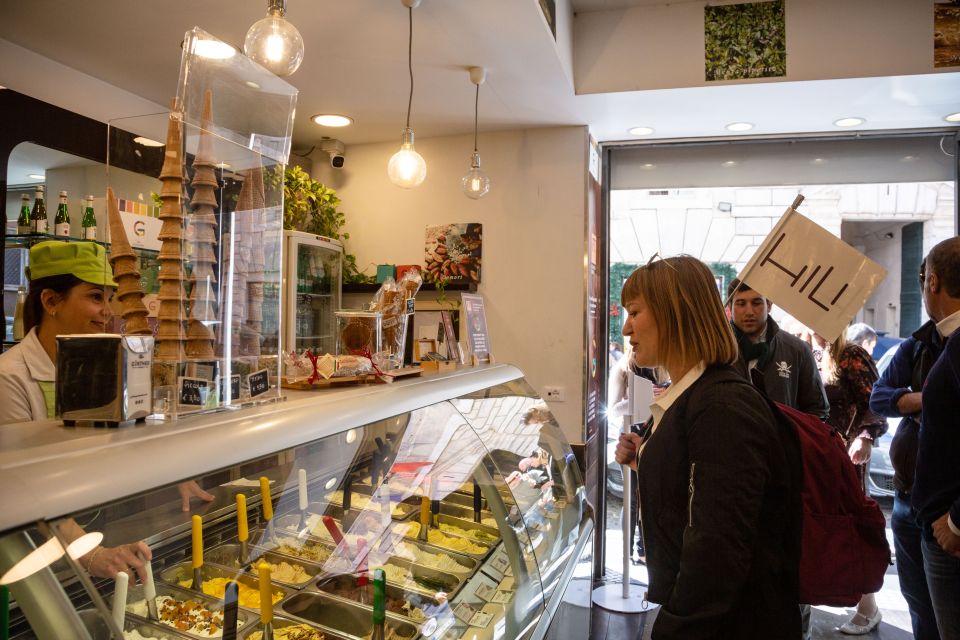
This tour is built on the guide. The food is set, but the real difference is how the guide ties everything together and keeps the group moving.
In the reviews, names come up again and again. People highlight guides such as Angelica and Giulia for sharing clear connections between Roman and Italian food and for delivering stories throughout the walk. Others praise Claudio for making a solo tour feel personal and for offering solid recommendations for later in your trip. Daniele, Mateo di Marco, Fiammetta, Alessandria, and Sylvia also get mentioned for mixing food explanations with local context and a friendly vibe.
What you should expect from a strong guide: they explain what you’re eating, they keep the pace comfortable, and they point you to places to visit after the tour so you can keep eating well.
Who should book this tour (and who should skip it)
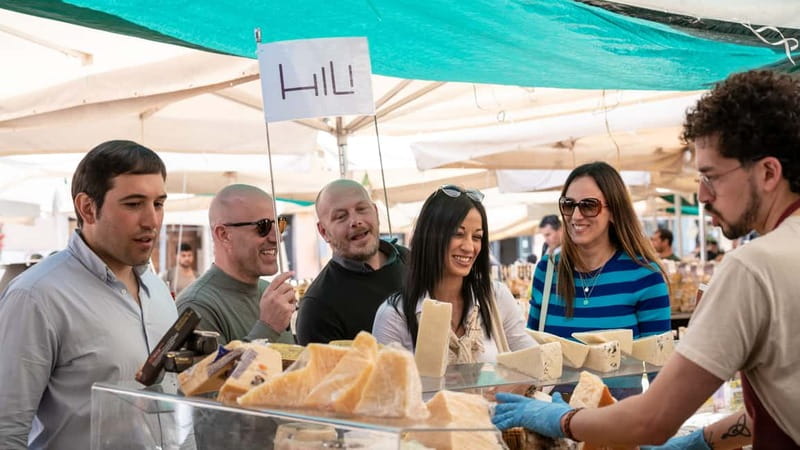
This is best for you if you want:
- A short walking experience with major Roman neighborhoods and food tastings
- A guided way to try supplì, porchetta panini, Roman-style pizza, and Carciofo alla Giudia
- A history-and-food combo that stays practical, not stiff
You might want to skip or choose another option if:
- You’re vegan (this one isn’t suitable)
- You have gluten intolerance
- You hate walking during meals (this is a walking tour by design)
If you’re traveling with kids, this can also work well. The tastings are specific and fun, and families often like the mix of street life and guided storytelling.
Small practical tips so you enjoy the tastings more
- Plan your day so you don’t schedule a heavy meal right before. You’ll be eating multiple items in a short window.
- Bring your appetite and water expectations. Drinks aren’t included, so pace yourself.
- For the best market experience, choose a morning start if the schedule offers it.
- Tell the guide about allergies or dietary restrictions ahead of time. The tour asks you to share those details.
Should you book this Rome street food tour?
I’d book it if you want a guided way to eat your way through two of Rome’s most memorable areas—Campo de’ Fiori and the Jewish Ghetto—without spending half a day figuring out where to go. The included tastings cover the key Roman hits, and the route ties those flavors to real landmarks like Teatro Marcello and Largo di Torre Argentina.
I would pass only if your diet doesn’t match the constraints (no vegan, and it’s not suitable for gluten intolerance). If that’s you, it’s worth spending your time finding a different tour that can meet your needs.
If your goal is to leave Rome with more than photos—if you want the tastes and the street stories to stick—this is one of the most efficient ways to do it in a single morning or afternoon.