REVIEW · ROME
Rome: Pasta Making with Wine Tasting and Dinner in Frascati
Book on GetYourGuide →Operated by From Scratch Experiences · Bookable on GetYourGuide
Fresh pasta and Frascati wine, in one evening. This Rome-area experience takes you from the city by train to a local family’s 15th-century cellar, then into their old wine cave before you make Roman-style pasta from scratch.
I love the hands-on pasta lesson: you get a real dough-and-shape workflow and learn Roman sauce logic, not just how to follow a recipe. I also love starting with wine—two family pours matched with cheese and cured meats—so the dinner part feels like it has a rhythm, not a random end stop.
One catch: you’ll climb about 100 steps to reach the town area, and there’s no elevator, so plan accordingly if stairs are tough for you.
In This Review
- Key moments you should know before you go
- Rome to Frascati: a stress-free half-day that feels like a local reset
- The cellar wine tasting in a 15th-century setting
- The old wine cave: the story behind Frascati’s origins
- Short town tour in Frascati, plus the stairs reality check
- Making fresh pasta from scratch: the Roman sauces are the real lesson
- What your meal feels like: wine, pasta, and the “I did that” factor
- Who this is best for (and who might want something else)
- Value and price: why $35 can feel like a steal
- Logistics you should plan for (so the day runs smooth)
- Should you book this Frascati pasta and wine class?
- FAQ
- How long is the Rome to Frascati pasta and wine experience?
- Do I need to get my own transport to Frascati?
- Is the class taught in English?
- Does the experience include wine tasting?
- Will I make pasta from scratch?
- What sauces are included for the pasta?
- Is the included meal lunch or dinner?
- Are there many stairs or walking involved?
- Where do I meet at Frascati Station?
Key moments you should know before you go
- Train ride + pickup in Frascati keeps the day easy and gives you a real break from central Rome.
- Two wine tastings with snacks set the mood before you touch the pasta dough.
- Old wine cave tour shows where the family’s Frascati wine start happened long ago.
- Roman sauces you’ll practice (Carbonara, Cacio e Pepe, Amatriciana) anchor what you cook.
- Cook, then eat the pasta you shaped, in a cellar setting that feels like a family ritual.
- English instruction makes the class comfortable even if your Italian is basic.
Rome to Frascati: a stress-free half-day that feels like a local reset
The whole idea here is simple: trade the Rome rush for a slow-food neighborhood. You start from Roma Termini with a short train ride to Frascati (about 30 minutes), then someone meets you at the Frascati station and helps you get going. It’s a nice way to experience Lazio without committing to a full day trip.
Frascati itself is built for wandering at an easy pace. After pickup, you’ll do a short walking tour of town so you’re not just dropped at a cellar and forgotten. One practical tip: if you’re going from the station, you’ll want to locate your guide quickly—this tour has you waiting by the Frascati sign at the main exit, because multiple activities run around the same area.
If you like your Rome days to include food, but you also want a change of scenery, this train-to-town setup is exactly the kind of structure that keeps the experience smooth.
You can also read our reviews of more food & drink experiences in Rome
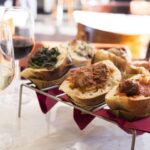


The cellar wine tasting in a 15th-century setting
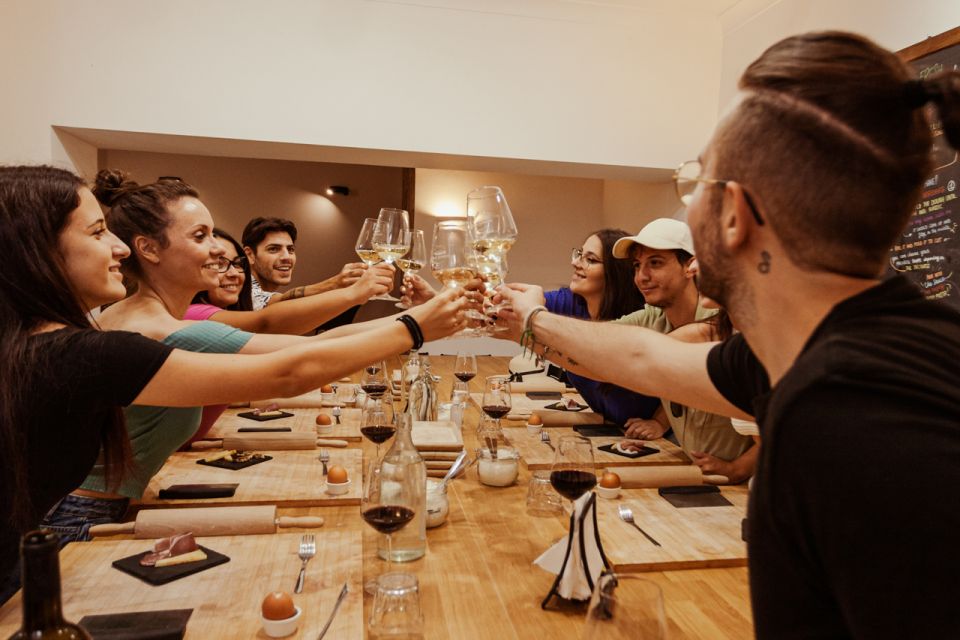
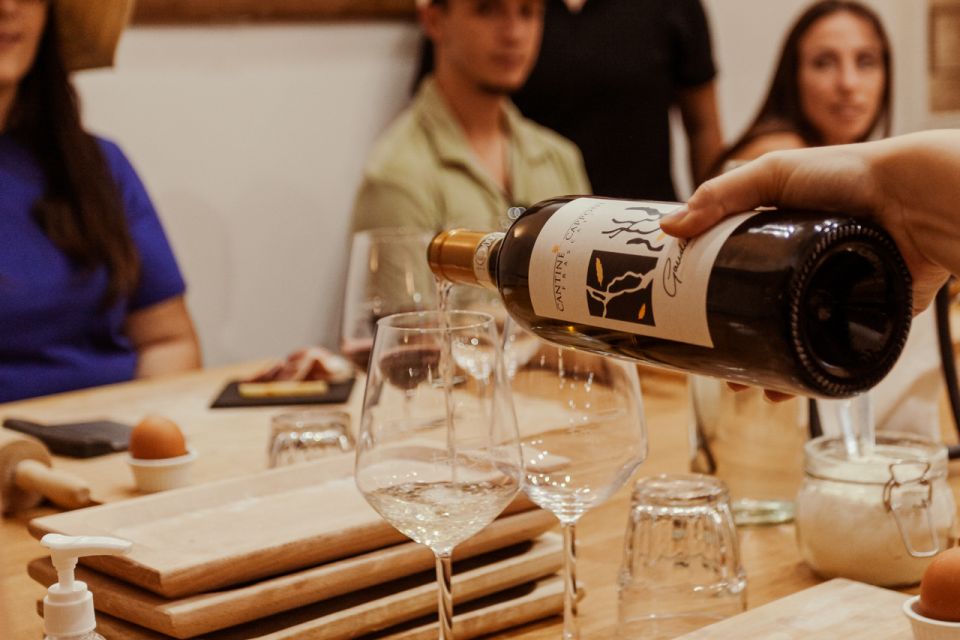
Your class starts in the family’s cellar, and that setting matters more than it sounds. The day is built around “why this works,” not just “taste this.” You’ll try two types of their family’s wine, then pair them with local snacks like cheese and cured meats (you can expect Italian staples such as salami and mortadella).
This is also where the human part shows up. Many hosts are described as warm, patient, and genuinely invested in teaching—so when you ask what you’re tasting, you’re more likely to get a real explanation than a scripted line. English instruction keeps it accessible, and the pace is friendly.
I like that the tasting isn’t treated like a separate event. It’s the beginning of the meal you’ll end up making—so by the time you’re rolling dough, your brain is already in food mode.
The old wine cave: the story behind Frascati’s origins
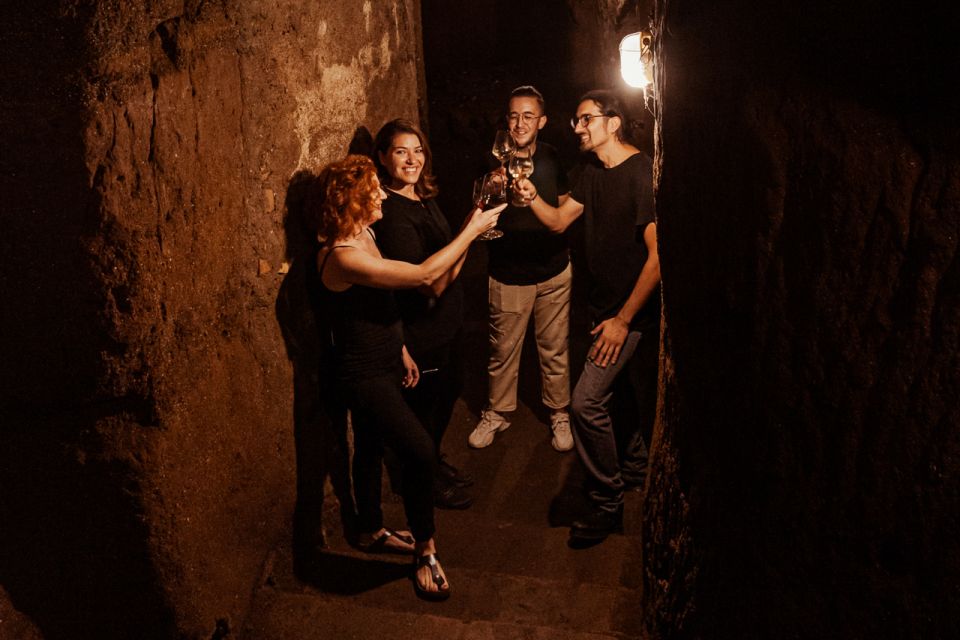
After the tasting, you move to the older wine area—an underground space tied to where the family started wine production. This is the part that often gets people talking because it’s not the polished version you find everywhere. You’ll see old bottles and get shown the cave spaces you likely would miss on your own.
One review detail that stands out: some of the cave spaces have been described as having served as a shelter in WWII. Whether you’re a history nut or not, it gives the cellar tour weight. Suddenly the wine tasting isn’t only about flavors—it’s about survival, labor, and family continuity.
Also, the cave visit helps explain Frascati as a wine town, not just a day trip. You get context for why someone would keep making wine there for generations—and why pasta and wine belong together in this region’s food culture.
Short town tour in Frascati, plus the stairs reality check
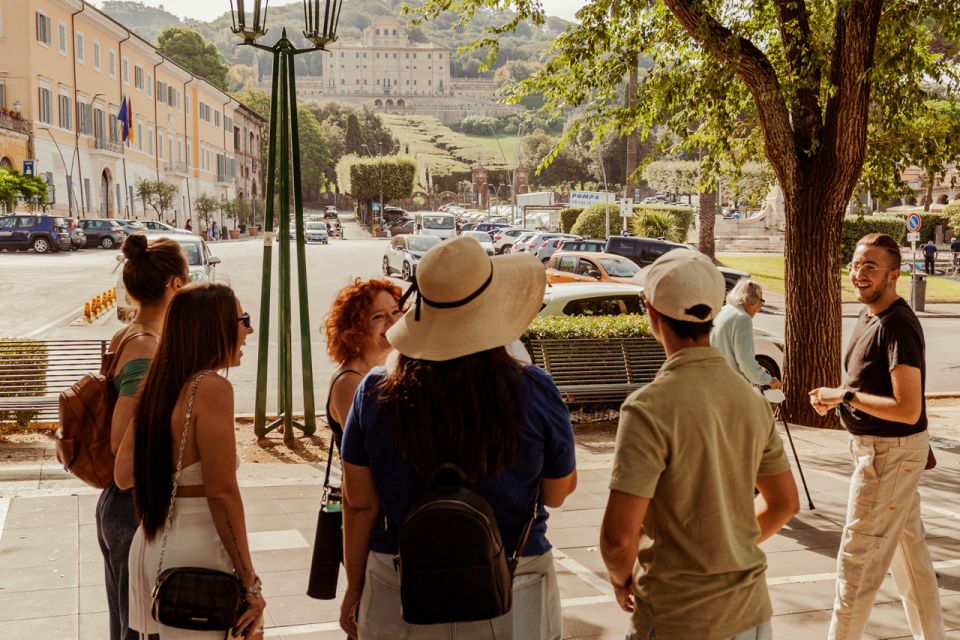
Between station pickup and the cellar, you’ll see a bit of Frascati like a local. It’s not a long sightseeing mission; it’s just enough to help you orient. And yes, the town walk includes a real climb: you’ll climb around 100 steps, and there’s no elevator.
So here’s the balanced take: if you’re comfortable with stairs, you’ll probably treat it like part of the experience. If you’re not, you’ll feel it. I’d plan around it by wearing supportive shoes and pacing yourself, especially if you’re visiting in warm weather.
If you’d rather limit climbing, consider timing your arrival so you’re not already tired from a Rome morning. That way you can enjoy the views and not just endure the steps.
Making fresh pasta from scratch: the Roman sauces are the real lesson
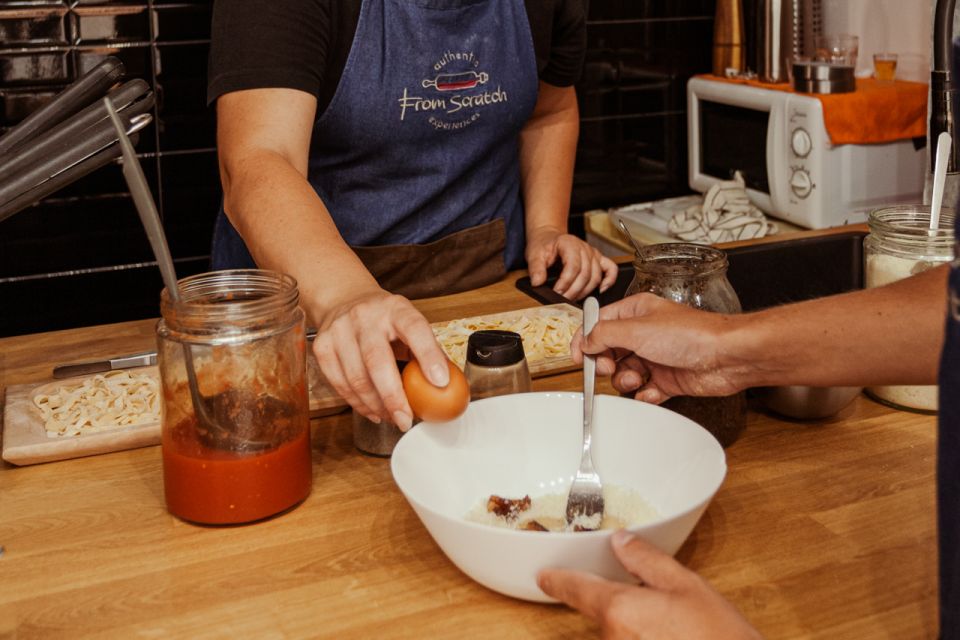
This is where the experience stops being a wine tour and becomes a cooking class you’ll actually use later.
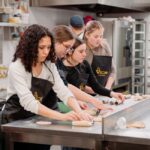
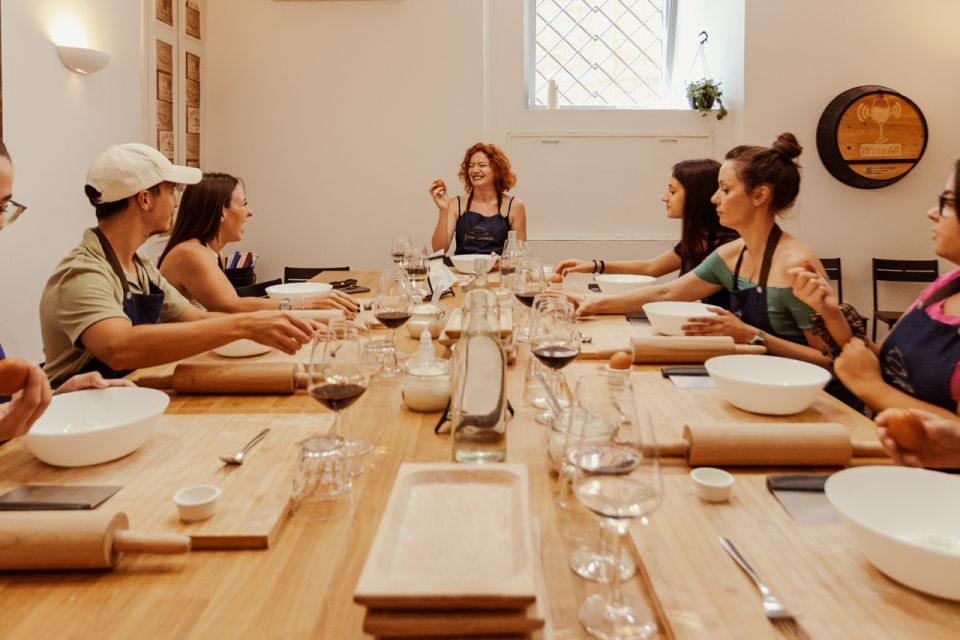
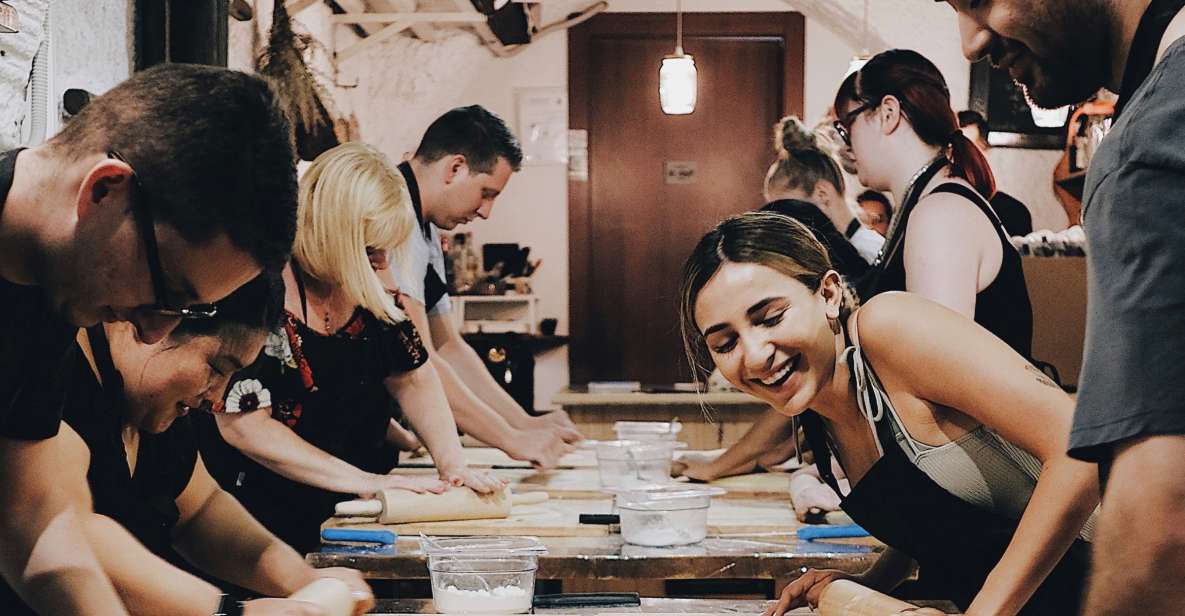
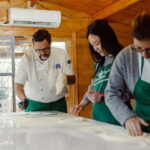
You’ll get the ingredients and equipment ready for you, then you’ll make pasta dough by hand. Expect the full workflow: mixing, kneading, shaping, and learning how to handle fresh pasta rather than dried noodles. The vibe stays fun—people describe the hosts as helpful and willing to laugh off small mistakes, which matters because pasta-making is tactile. If you’re tense, it’s harder.
Then comes the sauce education, and this part is key. The class focuses on Roman-style sauces you can name and recognize, including:
- Carbonara
- Cacio e Pepe
- Amatriciana
Even if you don’t end up making all three at home, learning how these sauces behave makes your cooking smarter. You’re not only copying a dish—you’re understanding why certain ingredients matter and how the sauce ties to the pasta texture.
One more detail I love: you’re not just making pasta and walking away. Your pasta ends up cooked with your chosen sauce, and you sit down to eat it in the cellar setting, with wine flowing as part of the meal.
You can also read our reviews of more cooking classes in Rome


What your meal feels like: wine, pasta, and the “I did that” factor
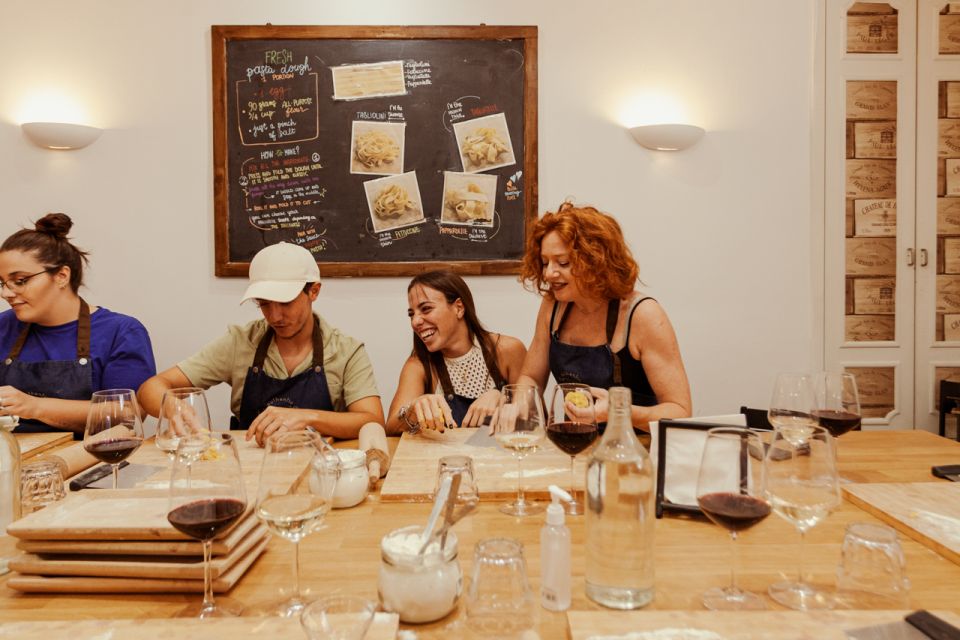
Your experience is built to end with a satisfying result: you eat the pasta you created, paired with the wines you tasted earlier. The class includes snacks matched to the wine, plus coffee and water during the meal.
Food amounts can surprise people in the best way. One person specifically noted a huge bowl of pasta and then did a great “post-class win”: they asked for extra wine, and bought bottles to take home. That suggests the portions aren’t stingy and that the family treats the meal like hospitality, not a timed product demo.
Also, your included meal may be lunch or dinner depending on the timeslot you book. So if you hate late dinners, pick an earlier slot. If you want a more relaxed evening, choose the later time and enjoy it like a “Rome break” dinner plan.
Who this is best for (and who might want something else)
This is a strong fit if you:
- Want a hands-on food experience outside central Rome
- Like wine, but also want to learn something you can repeat at home
- Prefer a local-family setting over a big, formal workshop
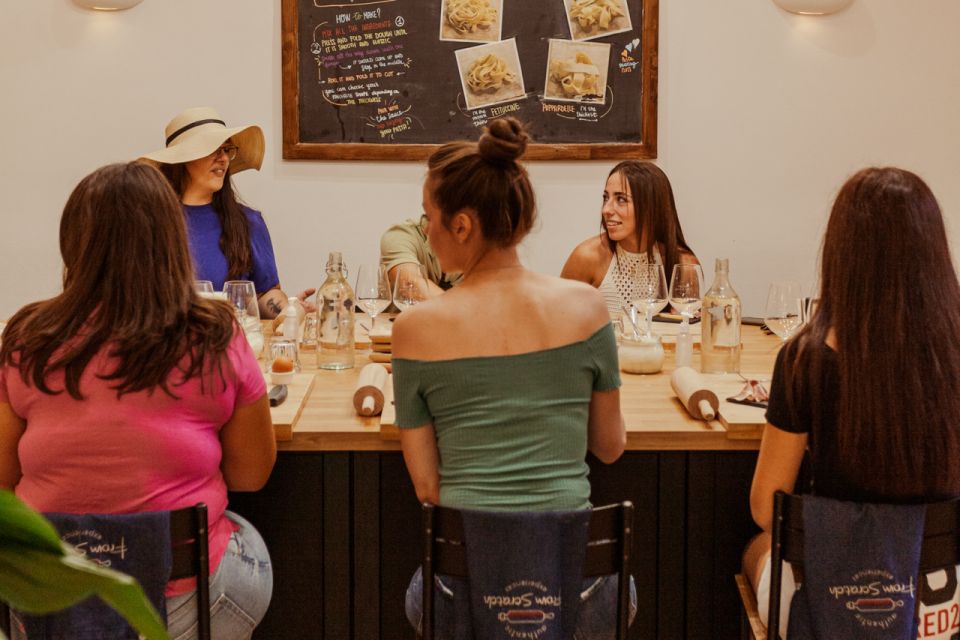
It’s also a good solo-trip option. People describe hosts as welcoming and the small-group feel as comfortable—exactly what you want when you’re alone and don’t want to feel “the odd person out.”
What might not be ideal if:
- You strongly dislike stairs (remember the ~100 steps and no elevator)
- You want a long sightseeing day in Rome instead of a focused food-and-town visit
- You expect a two-hour cooking marathon with no wine component (the wine and cave are part of the structure)
Value and price: why $35 can feel like a steal
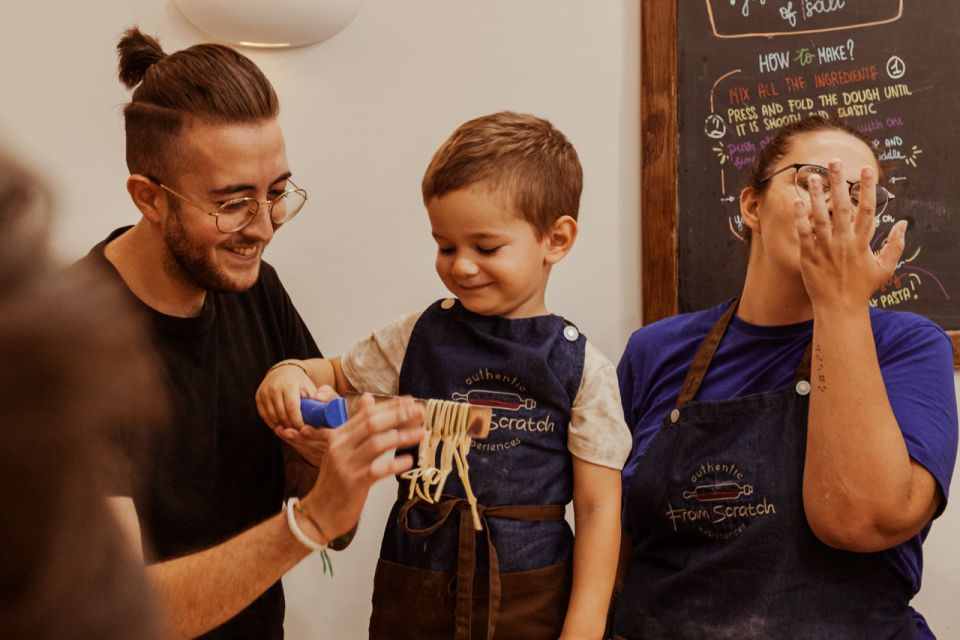
At about $35 per person for a roughly 2.5-hour experience, the value comes from how many different pieces you get without paying separate tour prices: train ride out to a real wine town, pickup, a short town walk, wine tasting with snacks, a cellar and wine cave tour, plus a guided fresh pasta-making class with Roman sauces.
If you price those experiences individually in the Rome area—especially the wine tasting plus food component—the cost can climb fast. Here, the fee is bundled around a single family operation, which helps keep it practical.
Also, you’re not left empty-handed. You leave with a skill (pasta technique) and a story (the cave origin). That’s why people repeatedly describe it as a highlight of their Rome trip.
Logistics you should plan for (so the day runs smooth)
- Meeting point: at Frascati station, wait by the Frascati sign at the main exit.
- Time buffer: you’ll take the train from Roma Termini (around 40 minutes before the experience start). Plan to arrive at Termini early so you’re on the correct platform.
- Instructor language: the class is taught in English.
- Extra wine: additional bottles or glasses are available for purchase at the place.
If you’re worried about missing the meeting, don’t be. The setup includes pickup and clear guidance on where to wait, and people have described quick help if schedules go sideways.
Should you book this Frascati pasta and wine class?
I’d book it if you want a Rome break that still feels “Roman” in flavor—fresh pasta and classic sauce styles—while getting out to a smaller wine town with a family operation. The combination is the point: wine cave history + hands-on pasta + sit-down dinner you made.
I’d think twice only if your mobility is limited by stairs. Everything else is designed to be friendly and straightforward: the train ride is short, English instruction keeps it relaxed, and you leave with a real outcome on your plate.
If your trip needs one thing that’s not just museums and monuments, this is the kind of evening that gives you both food satisfaction and a story you’ll tell long after you’re back home.
FAQ
How long is the Rome to Frascati pasta and wine experience?
It lasts about 2.5 hours.
Do I need to get my own transport to Frascati?
You start with a train ride from Roma Termini to Frascati. There’s pickup at Frascati Railway Station as part of the experience.
Is the class taught in English?
Yes, the instructor is listed as English.
Does the experience include wine tasting?
Yes. You taste two types of the family’s wine, and they include snacks paired with the wine.
Will I make pasta from scratch?
Yes. You make fresh pasta from scratch and then it’s cooked with a Roman-style sauce.
What sauces are included for the pasta?
The class focuses on Roman sauces such as Carbonara, Cacio e Pepe, and Amatriciana.
Is the included meal lunch or dinner?
It depends on the timeslot you book—lunch or dinner is included.
Are there many stairs or walking involved?
Yes. You will climb 100 steps to reach the top of the town, and there is no elevator.
Where do I meet at Frascati Station?
After you exit via the main door, wait just at the Frascati sign.