REVIEW · ROME
Rome: Pasta Making Class with Wine, Limoncello, and Dessert
Book on GetYourGuide →Operated by Experience in Florence · Bookable on GetYourGuide
Fresh pasta in Rome, made with your own hands. You’ll learn three pasta shapes in a historic Palazzo Grazioli setting near the Pantheon, then sit down to eat what you made with sauce, organic Tuscan wine, and a limoncello finish. It’s hands-on cooking, not a quick tasting tour.
My two favorite parts are the step-by-step dough work and shaping practice, and the fact that you share a big communal meal right after. One thing to consider: this class can’t accommodate vegan, gluten-sensitivity, or lactose intolerance, and nut allergies aren’t supported.
In This Review
- Key Highlights You’ll Care About
- Palazzo Grazioli and Via della Gatta: Starting in Rome’s Real Center
- The 3-Hour Plan: What Happens From Apron On to Limoncello Off
- Ravioli, Tortelli, and Fettuccine: The Skills You Actually Take Home
- Ravioli: Folding With Confidence
- Tortelli: Similar Skills, Slightly Different Shape
- Fettuccine: The Satisfying Roll-and-Cut Moment
- Sauce Setup and Live Finishing: Tomato Simmer Meets Butter and Sage
- Cooking Together Like a Roman Family Meal
- Wine, Limoncello, and Dessert: The Social Part That Still Feels Italian
- The Value Math: What $48 Buys in Central Rome
- Who Should Book It (and Who Might Want a Different Plan)
- Practical Tips So Your Pasta Turns Out Better
- Should You Book This Pasta Making Class?
- FAQ
- Where does the class meet?
- How long is the pasta making class?
- How many people are in the group?
- What pasta types will I make?
- Is the instruction offered in English?
- What food and drinks are included?
- Can I choose a vegetarian option?
- Are vegan, gluten-free, or lactose-free options available?
- Is there an age limit?
- What should I do about alcohol if I don’t drink wine?
- What’s the cancellation policy?
Key Highlights You’ll Care About
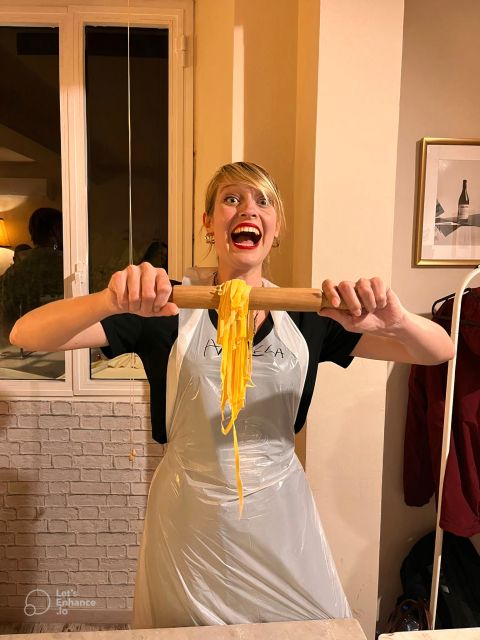
- 3 pasta types: ravioli, tortelli, and fettuccine, made from scratch
- Historic address: Palazzo Grazioli, a few minutes from the Pantheon and Piazza Venezia
- Live sauce moments: tomato sauce is simmered ahead, while butter and sage are made right before serving
- Small group energy: limited to 10 participants, so instructors can actually help
- Eat what you make: cooked together and served family-style
- Sweet and spirited finish: dessert plus a limoncello shot, with wine included
Palazzo Grazioli and Via della Gatta: Starting in Rome’s Real Center
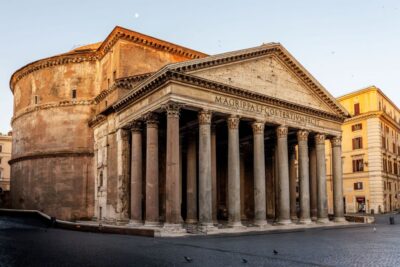
The meeting point is inside the heart of Rome, at Via della Gatta 14, 00186 Roma. You’ll ring the bell at Pastamania, and you’ll walk into a palazzo space that feels like it belongs to the city, not to a theme park. Even the street has a story: the marble cat statue on Via della Gatta is famous enough to give the lane its name.
This location matters because you’re not spending your short time in Rome commuting across town. You’ll also feel the change of pace right away: after hours of walking past churches and ruins, you’re suddenly at a table, with flour in the air, rolling pins in reach.
You can also read our reviews of more cooking classes in Rome

The 3-Hour Plan: What Happens From Apron On to Limoncello Off
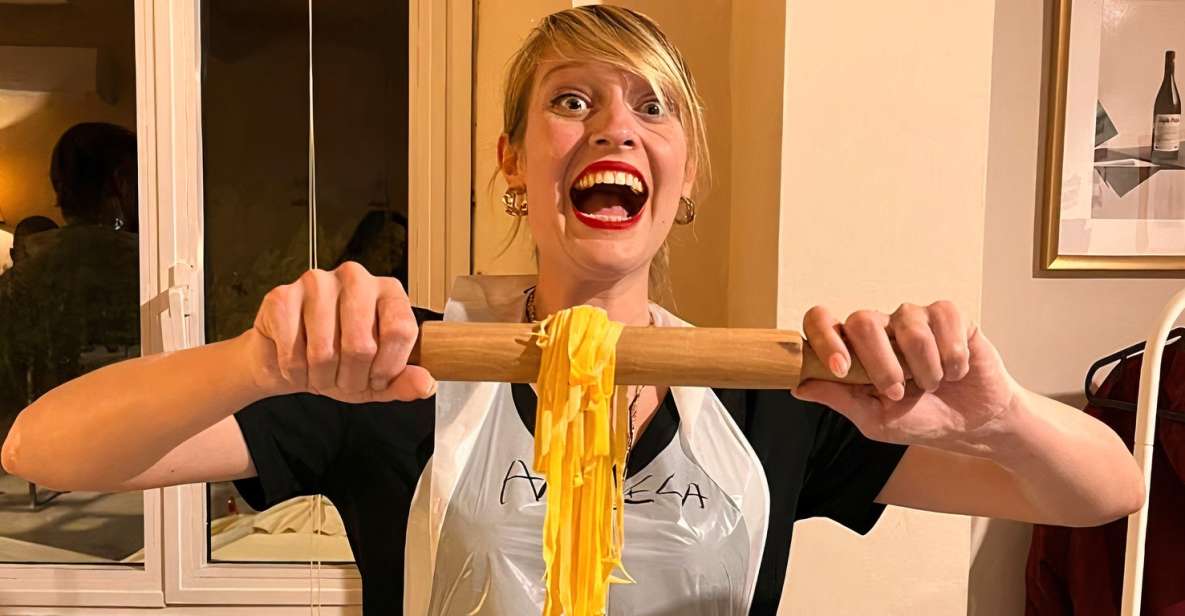
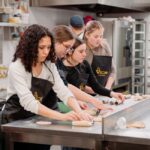
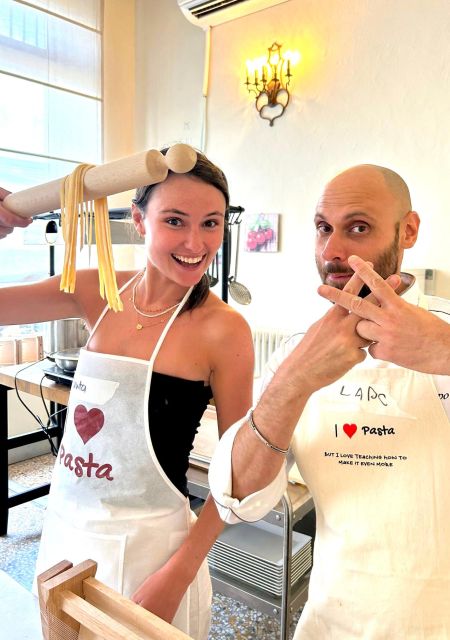
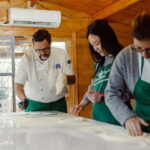
The class runs about 3 hours, and it’s built in a smart sequence. First comes an intro to get you comfortable with the tools and the logic behind good pasta dough. Then you jump into doing, kneading, rolling, and shaping while your instructor guides you through each step.
A key detail: each person makes their own pasta. After that, everything gets cooked together in the same pot, so the meal feels like a real shared dinner rather than plated “just for the camera” food.
You can also expect the instructors to work in English, and the small-group cap of 10 helps keep the attention personal. Instructors you may work with include names like Fabrizio, Noemi, Olga, Giorgio, and Christian, based on past sessions.
Ravioli, Tortelli, and Fettuccine: The Skills You Actually Take Home
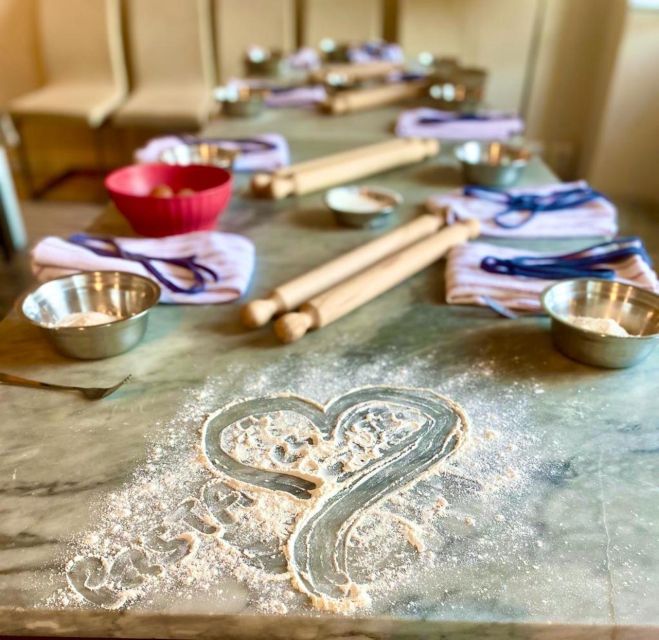
You’re not just learning how pasta looks on a menu. You’re learning how pasta dough behaves—how it rolls, how it stretches, and when it’s ready to shape.
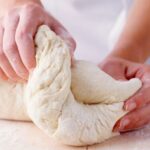
Here’s what makes this part rewarding. You’ll work with eggs and flour to build dough, then roll it out until it’s thin enough to handle cleanly. If you’re a beginner, don’t worry: the instructors actively check your progress and help you move to the next step when you’re ready.
Ravioli: Folding With Confidence
Ravioli is the filled pasta that makes most people nervous at first. The upside is that it teaches you technique you can reuse later: creating a sealed pocket and getting the thickness right so the filling cooks without turning the dough tough.
Instructors also show you how to handle the delicate parts without panic. That’s often what makes the difference between a fun class and a frustrating one.
Tortelli: Similar Skills, Slightly Different Shape
Tortelli uses many of the same foundational moves as ravioli, so you’ll build momentum. You’ll keep practicing the shaping and sealing so your hands start to feel the process instead of only following instructions.
Even if the exact form differs, the real takeaway is consistency—how to aim for even thickness and a clean closure.
You can also read our reviews of more wine tours in Rome



Fettuccine: The Satisfying Roll-and-Cut Moment
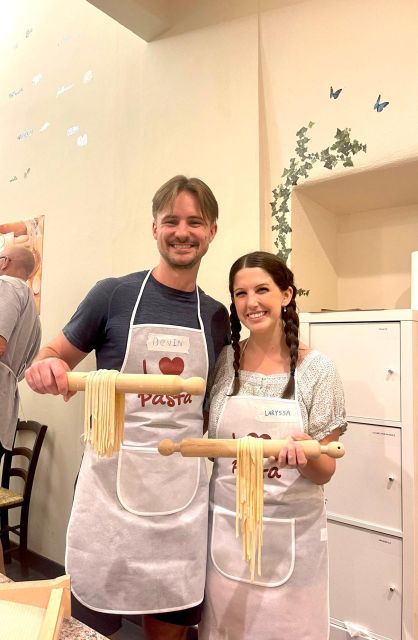
Fettuccine is the pasta that rewards calm focus. Once you’ve rolled your dough, cutting long ribbons becomes oddly therapeutic—like making edible strips for a future you will brag about.
This is also the part that connects your work to everyday Italian cooking. After you’ve made fettuccine, ordering it in Rome starts to feel different, because you can recognize what you did right.
Sauce Setup and Live Finishing: Tomato Simmer Meets Butter and Sage
A good pasta class doesn’t just teach dough. It teaches timing and pairing, because sauce can ruin good pasta if it’s off.
You’ll have a signature tomato sauce that has been simmering for hours in advance. That means the flavor will be deep and settled, while you’re still busy learning rolling and shaping. It’s a clever setup: while your hands are focused on pasta, the sauce part is handled so you can taste quality immediately.
At the same time, your instructor prepares delicate sauces for the filled pastas right before serving. The standout here is butter and sage for ravioli and tortelli. Watching that finishing process is one of the best “lightbulb” moments, because you see how a simple sauce can become special with the right heat and timing.
Cooking Together Like a Roman Family Meal
One of the most comforting parts of this experience is what happens after your hands do the work. The class cooks everything together in the same pot, and you share the results at a large communal table.
That structure does two things for you. First, it keeps the mood relaxed, because nobody is waiting alone for their turn. Second, it makes the meal feel like you contributed to dinner, not just attended a lesson.
When the pasta hits the pot, you get to see whether your thickness and shaping choices were on target. Then you eat it—right there, while it’s fresh and hot—so the whole thing clicks as a complete skill chain.
Wine, Limoncello, and Dessert: The Social Part That Still Feels Italian
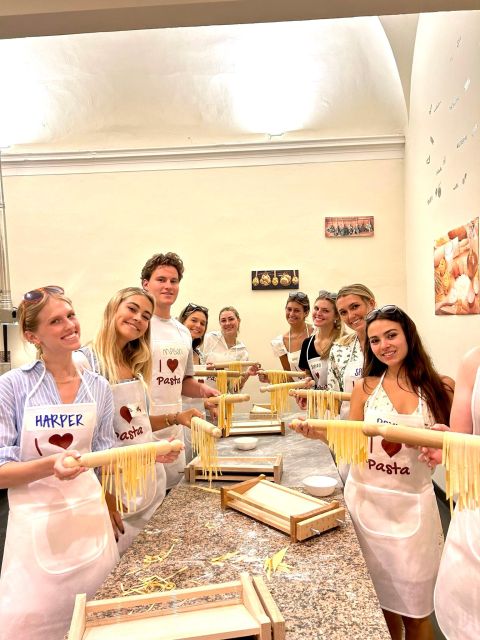
Food classes can be awkward if the “social” part is forced. This one uses wine and dessert as natural punctuation at the end, so the vibe stays warm and casual.
You’ll sip a glass of Dalle Nostre Mani Tuscan wine, produced organically. In practice, this pairs well with fresh pasta because it doesn’t overpower the dough flavor or the sauce. Then comes the limoncello shot, and dessert to close things out on the sweet side.
Even if you don’t drink alcohol, the class has included alternatives for some participants in past sessions. Alcohol is still only served to people of legal drinking age, but the overall meal format stays intact.
The Value Math: What $48 Buys in Central Rome
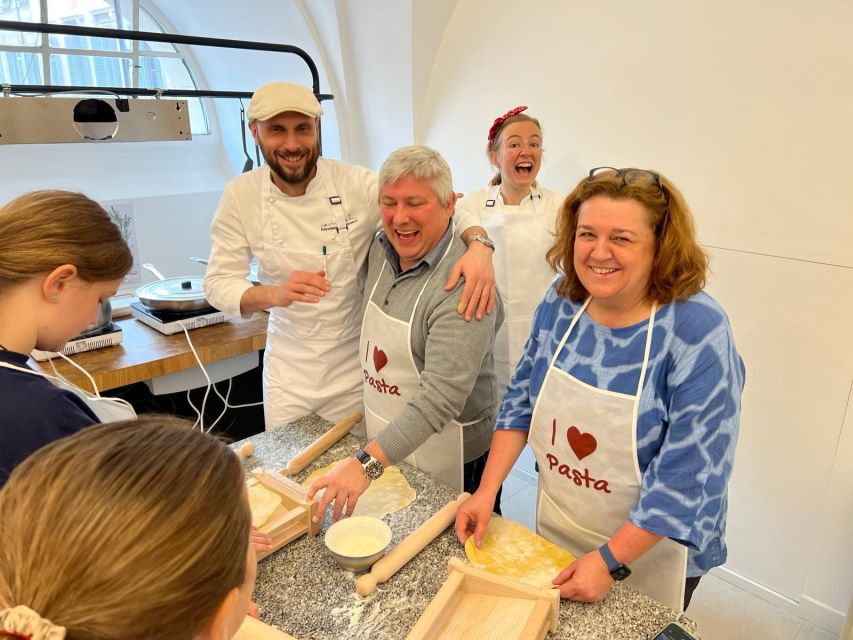
At $48 per person for a 3-hour class, you’re paying for more than “a cooking demonstration.” You’re paying for ingredients, instruction, cooking of what you make, and the full meal experience: pasta, sauce, wine, limoncello, and dessert.
That’s why the price feels fair. In central Rome, just getting good food and a drink can add up quickly. Here, the cost bundles the entire evening into one experience, including the take-home recipe booklets in English, so you’re not left with memories and flour on your clothes only.
If you like hands-on activities and you want to eat something better than what you could easily recreate from a supermarket kit, this is strong value.
Who Should Book It (and Who Might Want a Different Plan)
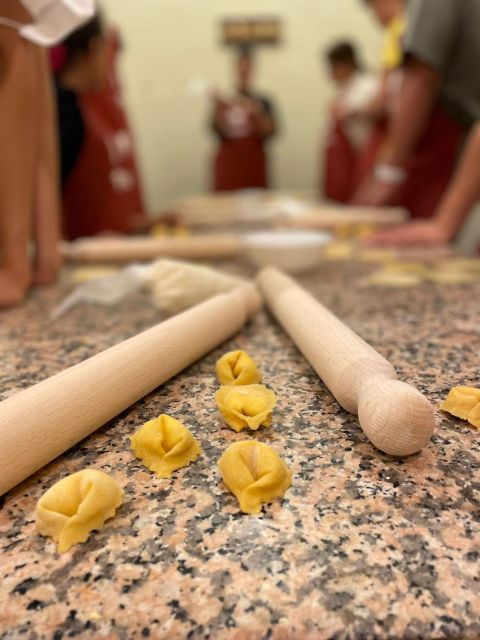
This class is designed for a wide mix of people. It works for individuals, couples, friends, families, students, and even corporate teams looking for a shared activity.
The minimum age is 8, so it can work for families, as long as kids can handle a hands-on 3-hour session. The small group limit also helps: you’re not lost in a crowd of 30.
That said, it’s not suitable for people with mobility impairments or wheelchair users, and smoking isn’t allowed. And the dietary limits are clear: vegetarian options are available, but vegan isn’t accommodated, and it can’t handle gluten intolerance, lactose intolerance, or nut allergies.
If you’re vegan, have gluten intolerance, lactose intolerance, or a nut allergy, I’d choose a different Rome activity rather than risk disappointment.
Practical Tips So Your Pasta Turns Out Better
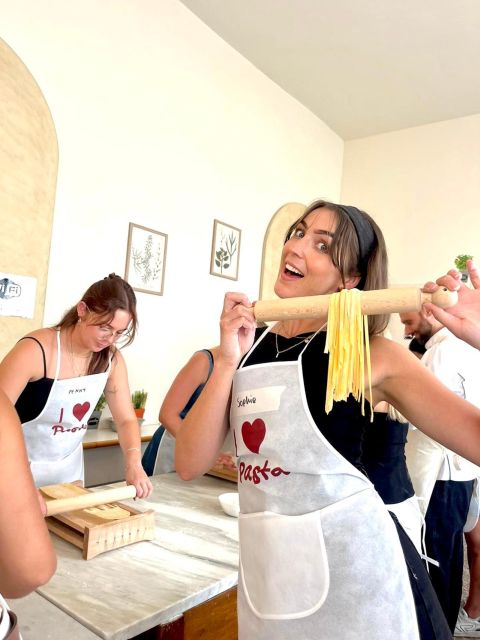
Wear comfortable clothes you don’t mind getting flour on. This is a workshop. You’ll be working with dough and shaping pasta, so think “messy-friendly,” not “nice outfit.”
If you have dietary restrictions or allergies, tell the provider when booking. The class already supports vegetarian needs and other diets in general, but some categories can’t be accommodated, and it’s better to confirm early than hope for a workaround on the day.
Bring a curious mindset. The best moments aren’t only when you taste the finished pasta; they’re when your instructor points out what your dough is doing—how it should feel and what small changes fix common problems.
And yes, come hungry. You’ll spend real time working, then you’ll eat what you make with sauce, wine, limoncello, and dessert.
Should You Book This Pasta Making Class?
If you want a Rome experience that’s both social and skill-based, I think this is an easy yes. The small group, the focus on making three fresh pasta types, and the fact that you cook and eat together makes it feel like a real evening, not a rushed activity.
Book it if:
- you enjoy cooking or want a real technique, not just a lesson
- you like the idea of tasting what you made with organic Tuscan wine
- you want a short, high-impact activity in central Rome
Skip it if:
- you need vegan, gluten-free, or lactose-free options
- you have a nut allergy
- mobility is an issue for you
If that fits you, you’ll leave with a tangible skill, an English recipe booklet, and a dinner memory you’ll actually repeat at home.
FAQ
Where does the class meet?
You’ll come directly to the activity provider’s cooking school in Via della Gatta 14, 00186 Roma, and ring the bell at Pastamania.
How long is the pasta making class?
The experience lasts 3 hours.
How many people are in the group?
The class is limited to a small group of up to 10 participants.
What pasta types will I make?
You’ll make three fresh pasta types: ravioli, tortelli, and fettuccine.
Is the instruction offered in English?
Yes, the instructor teaches in English.
What food and drinks are included?
The included meal covers the pasta you make, Tuscan wine, dessert, and a shot of limoncello.
Can I choose a vegetarian option?
Vegetarian options are available, and other diets are supported if you inform the provider when booking.
Are vegan, gluten-free, or lactose-free options available?
No. Vegan, gluten-sensitivity, and lactose intolerance can’t be accommodated.
Is there an age limit?
Participants must be at least 8 years old.
What should I do about alcohol if I don’t drink wine?
Alcohol is served, and wine is only for participants of legal drinking age. Some sessions have included alternatives for people who don’t drink wine, but you should confirm your preference when booking.
What’s the cancellation policy?
Free cancellation is available up to 24 hours in advance for a full refund.