REVIEW · ROME
Rome: Lunch Food Tasting with Wine Pairing in Trastevere
Book on GetYourGuide →Operated by Tour in the City - Travel Agency Rome - · Bookable on GetYourGuide
Wine and lunch, but under Rome.
In Trastevere, you get a lunch tasting menu with wine pairing served in an underground cellar created from a recovered 1st-century AD cistern. It’s the kind of place where dinner plans feel more intentional than just another restaurant stop in the historic center.
What I like most is the way the meal is built around recognizable Italian standards and small producers. You’ll taste items tied to Slow Food presidia, and you’ll also get hands-on guidance on pairing—so you’re not just drinking, you’re learning how the match works.
One consideration: this is a food-and-wine experience with restrictions. It’s not suitable for vegans, wheelchair users, people with diabetes, and it’s not a good fit if you have food allergies or many dietary needs, since you’ll be working with a set selection.
In This Review
- Key points to know before you go
- Lunch in Trastevere, Under a 1st-Century Cistern
- What the 1-Hour Tasting Looks Like in the Cellar
- The Wine Pairing Lesson: Not Just Drinking, But Matching
- The Food Lineup: DOP, IGP, Olives, Bread, and Roman Pizza
- Service and Atmosphere: Staff Stories, Ambassadors, and a Personal Pace
- Price and Value: What $62 Includes (and Why It Can Make Sense)
- Practical Stuff: Where to Meet and What to Expect Logistically
- Who Should Book This (and Who Should Skip It)
- Quick Tips for a Smoother Tasting
- Should You Book This Lunch Wine Pairing in Trastevere?
- FAQ
- How long is the lunch tasting?
- What’s included with the wine pairing?
- Is there a Prosecco option?
- Do minors (under 18) drink wine?
- Where do I meet the group?
- What kinds of food will I try?
- Can the menu be adapted for intolerances?
- What languages are offered?
Key points to know before you go
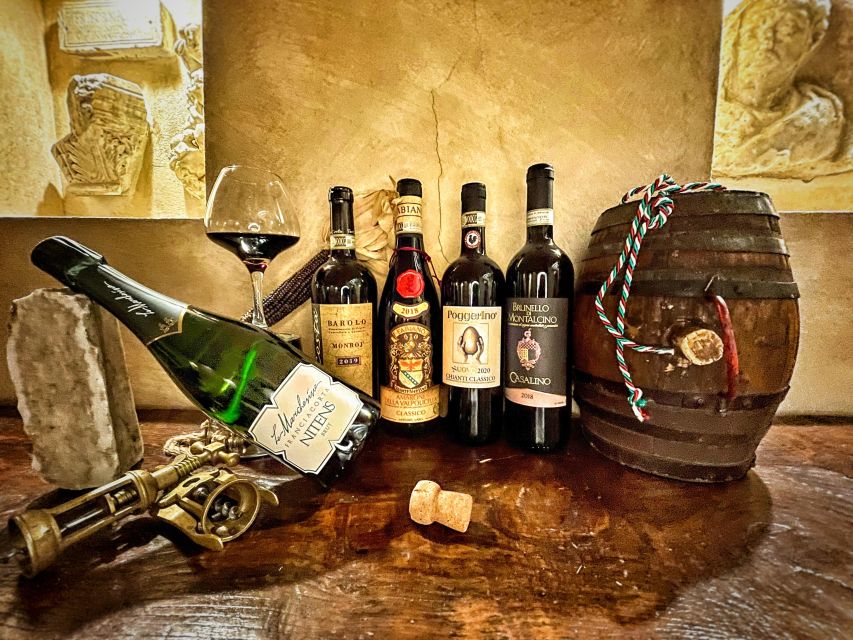
- A basement cellar in Trastevere built around a recovered 1st-century AD cistern, with antique furnishings
- Small group size (limited to 18 guests), so the pacing stays relaxed and staff can explain
- Slow Food presidia products and DOP/IGP-style Italian specialties across the country
- Wine pairing + tasting technique included, with options like Prosecco and multiple glasses depending on your menu
- A set lunch format with seasonal substitutions, including cheese, cured meats, Roman pizza, dessert, and coffee
Lunch in Trastevere, Under a 1st-Century Cistern
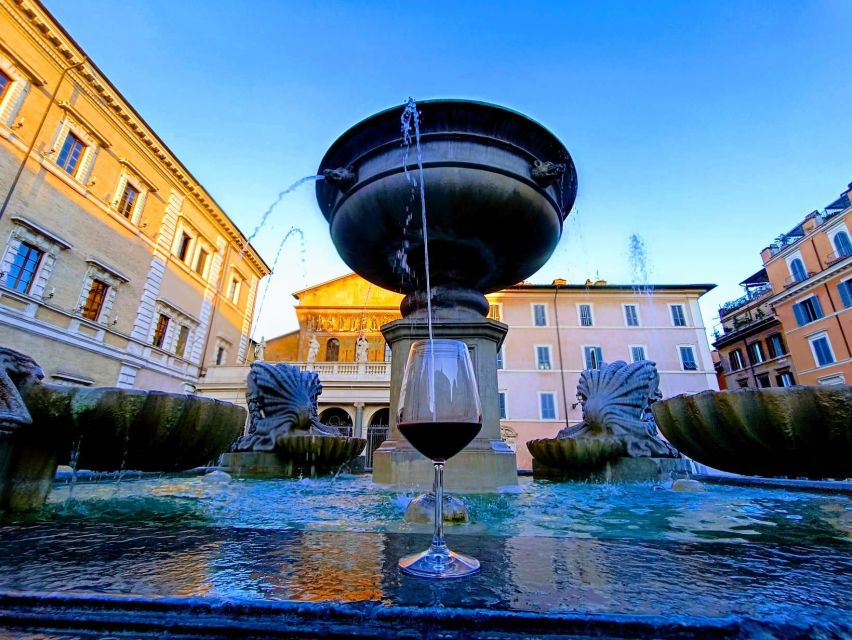
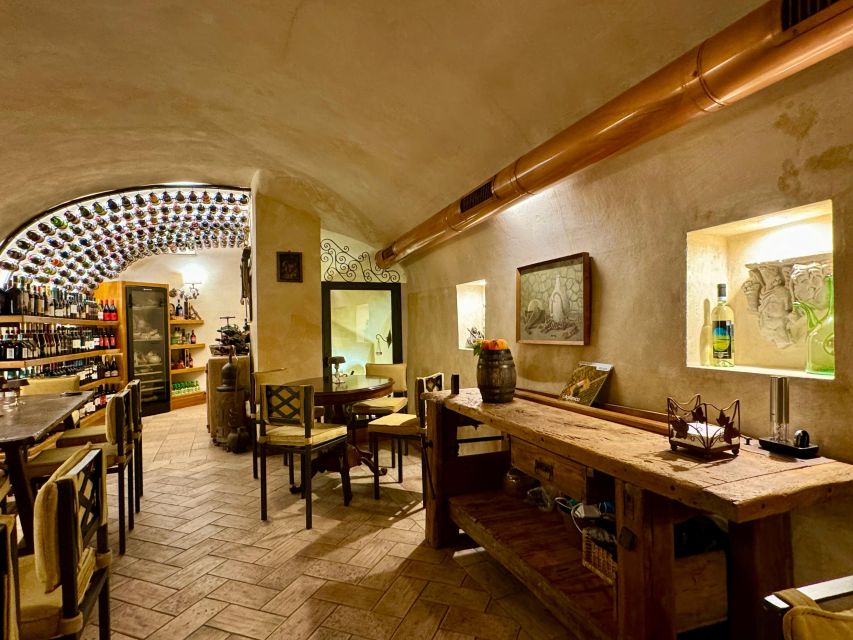
Trastevere has a knack for making you feel like you’ve reached the “real Rome” stage of the day. This experience leans into that, but with a twist: you’re eating underground, in a cellar formed from an old cistern recovered during restoration. The Catina Fabullus cellar sits in the basement of an 18th-century building, and the antique furniture helps keep the mood grounded and not theatrical.
The setting matters because it changes how you experience the food. In a normal dining room, you can keep one foot in your phone and one foot in the meal. Down in the cellar, your senses tighten up. The staff’s explanations land better because there’s less going on around you.
If you care about Italian food beyond the usual tourist hits, the “from north to south” structure of the tasting is also a big win. You’re not just sampling one region’s comfort food—you’ll see the variety of cured meats, cheeses, breads, and olive oil that Italy does so well, and you’ll do it with wine designed to meet each flavor.
You can also read our reviews of more food & drink experiences in Rome


What the 1-Hour Tasting Looks Like in the Cellar
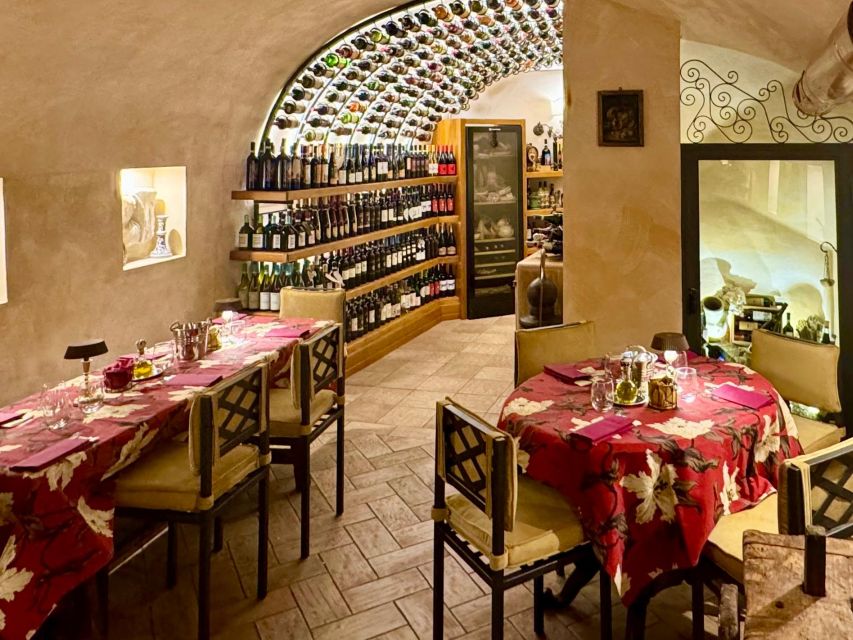
The tasting runs about 45 to 60 minutes, though the full activity window is listed as about 1 hour. You’ll be welcomed by the staff in the underground space, and the whole tone is guided and story-driven—more “taste explorers” than “museum tour.” The format is designed to move at a pace where you actually notice differences between wines and bites, not just survive your way through a long menu.
What’s nice is that it’s structured but not rigid. Depending on the option you choose, you’ll get either a 1-course, 2-course, or 3-course selection. That means you can tailor it: shorter and focused if you want wine and a few highlights, or longer if you want more food variety.
Also, unlimited water is included. That sounds basic, but it’s a quality-of-life detail when you’re pairing wine with cured meats and cheese.
Finally, the group limit to a maximum of 18 guests is a practical advantage. In places like this, too many people can turn guidance into a rushed script. Here, the staff can keep things conversational, and you’re more likely to get clear explanations about what you’re tasting.
The Wine Pairing Lesson: Not Just Drinking, But Matching
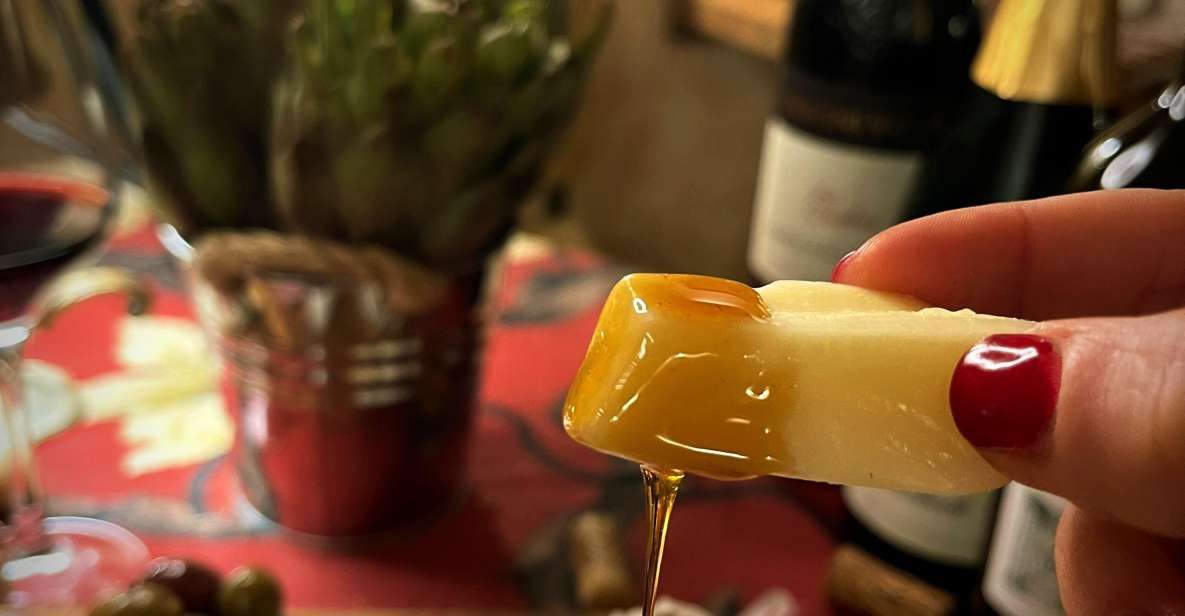
The best part of a wine-and-food pairing experience is when it teaches you what to look for. This one includes instruction on how to taste wine correctly, plus help pairing the wines with the food you’re eating.
You’ll start with Prosecco or Italian whites and reds, depending on your selected option. The experience describes staff guidance aimed at helping you understand the logic of the pairing. That matters because wine pairing can feel mysterious when you’re on your own. Here, you’re basically getting a mini lesson tied directly to your own plate.
If you’re not a “serious wine person,” don’t worry. The point isn’t to turn you into a sommelier overnight. It’s to help you notice how things like saltiness, fat, and acidity change the way wine tastes. Cured meats and aged cheeses are perfect for learning that, because their flavors don’t fade easily.
And if you are a wine person, you’ll likely appreciate that the menu isn’t just random pairings. It’s designed to match your tasting selection—plus the wines are described as superior or top-selected depending on option.
The Food Lineup: DOP, IGP, Olives, Bread, and Roman Pizza
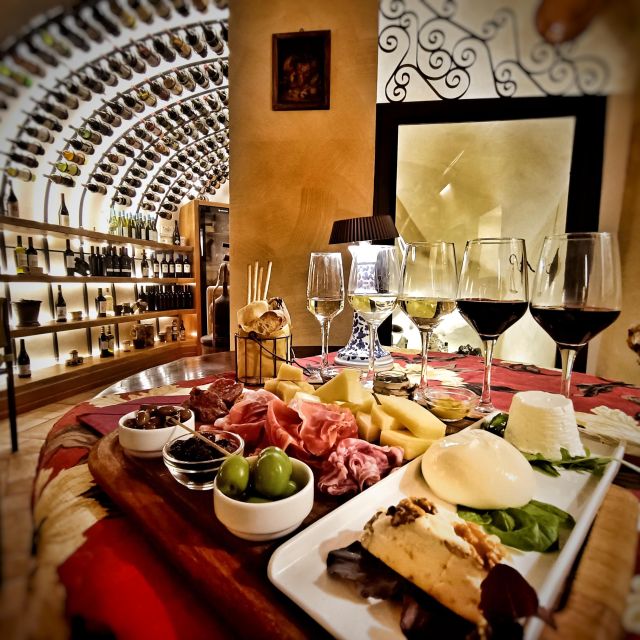
This tasting is built around Italian standards like DOP and IGP products and Slow Food presidia selections from small artisans. The menu explicitly includes a cross-Italy set of flavors, and you’ll also see local Roman items like Roman pizza worked into the flow.
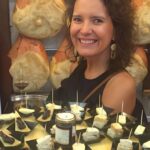
Expect a sequence that mixes creamy, salty, and savory. Typical included elements are:
- Fresh and mature cheeses
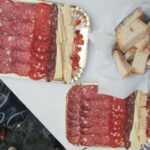
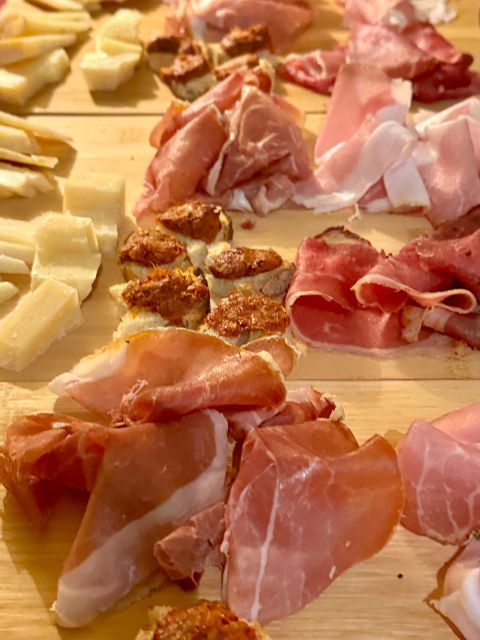
- Cured meats and ham, including options like mortadella (with pistachio), and a mix of Italian cured pork specialties
- Several types of olives (four types are mentioned)
- Three qualities of bread, plus extra virgin olive oil
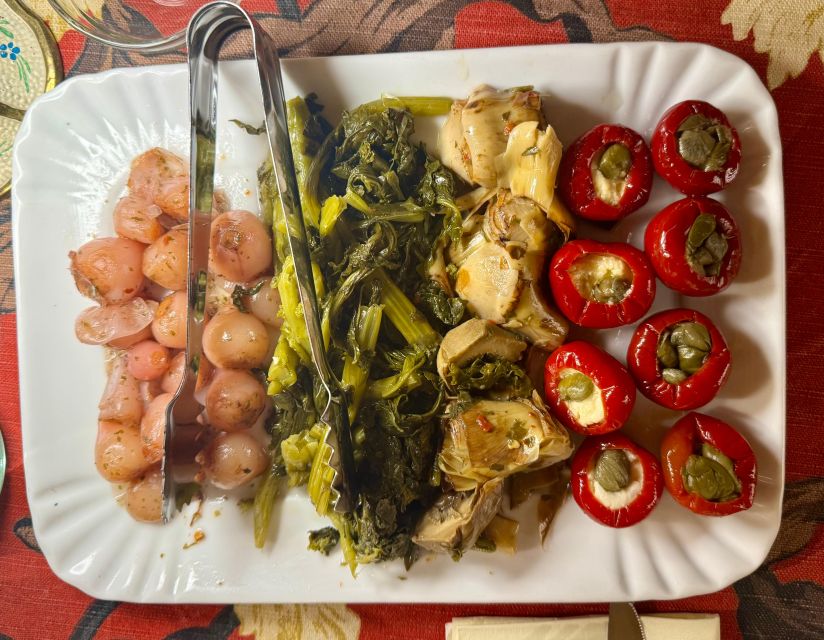
- Vegetables in oil or vinegar
- Honey and jams paired with cheeses
- Roman pizza
- Ice cream or a traditional Italian dessert, plus coffee
The list in the description includes specific examples you may see as part of the selection, such as Gorgonzola DOP, Parmigiano Reggiano, Parma ham DOP, Pecorino varieties, and a range of cured meats like mortadella Bolognese DOP and salame options. It also calls out multiple breads and cheeses with local identity (like Tuscan bread options and Roman-area cheese styles).
One practical reality: the food served can vary seasonally and based on availability. That’s not a downside for me—it’s often what keeps tasting menus from feeling copy-pasted. Just know that the exact lineup can shift, even though the core “Italian standards plus wine pairing” idea stays consistent.
If you’re trying to eat “light,” plan for it to be more substantial than a snack tasting. Cured meats, cheese, bread, oil, and dessert add up. You’ll likely want this to be your main meal of the day in Rome.
Service and Atmosphere: Staff Stories, Ambassadors, and a Personal Pace
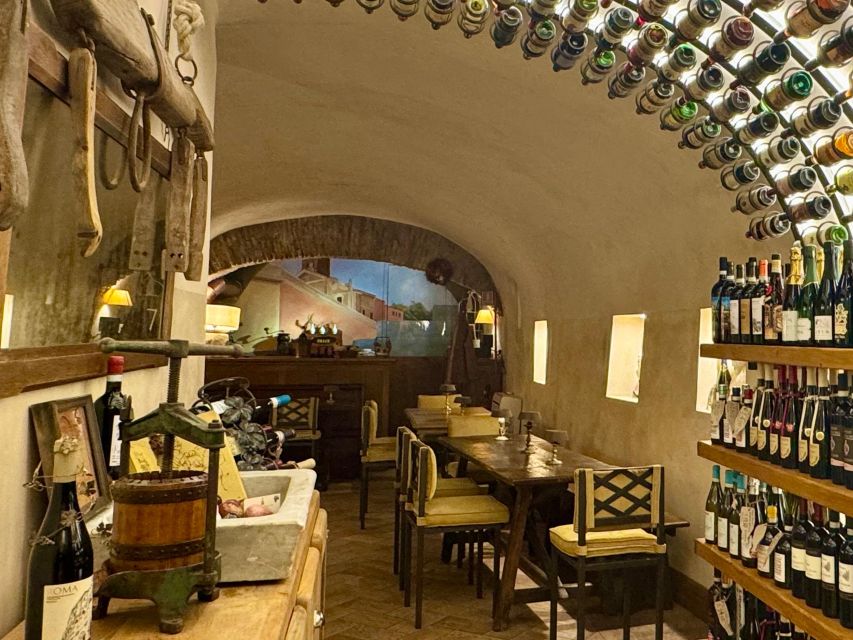
A big part of why this style of tasting works is the delivery. The experience description says staff will share stories and origins of culinary delicacies, and that you’ll hear from ambassadors who talk about Italy through flavors in different languages.
There’s also a real-world service thread in the feedback you provided: Carlota is specifically mentioned by name for excellent explanations and making the context click. That kind of detail matters because it changes the tasting from eating food to understanding why that food exists. When someone can connect a cheese or cured meat to its origin and craft, the flavor feels less random.
In the cellar itself, the antique furnishings and the fact you’re sitting in a recovered historic environment also add to the tone. It feels intentional, like a private tasting rather than a quick tourist checkbox.
If you tend to get overwhelmed in crowded tours, the format here helps. You’re in one location, your pace is controlled, and you’re not bouncing between stops.
You can also read our reviews of more tours and experiences in Rome


Price and Value: What $62 Includes (and Why It Can Make Sense)
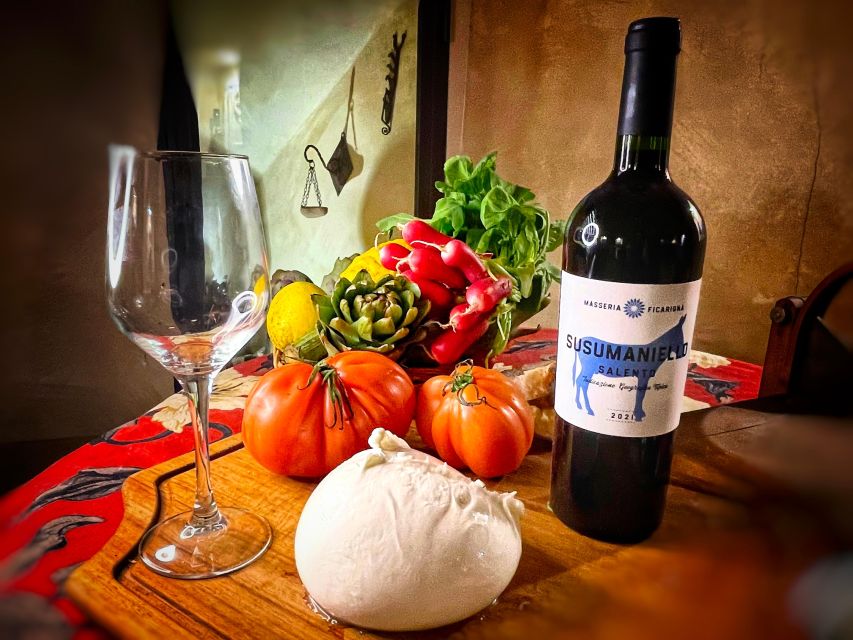
At $62 per person, this isn’t a budget-only lunch. But it is not just “a glass and a plate,” either.
Based on what’s included, your money is covering:
- A structured tasting menu (1, 2, or 3 courses depending on option)
- Wine pairing with included Prosecco and then additional glasses of superior or top-selected Italian wines depending on option
- Unlimited water
- Bread (three qualities), olives (four types), extra virgin olive oil
- Cheese, cured meats, Roman pizza, and dessert plus coffee
- Explanations and guidance from the staff, including a wine-tasting technique lesson
- A selection tied to Slow Food presidia and Italian product standards (DOP/IGP references)
So the value math usually works best if you’d otherwise spend separately on a nice lunch plus wine plus a place with a knowledgeable host. If you’re the type who usually orders a simple sandwich and a soft drink in Rome, you might find this pricey.
But if you want one high-quality, guided meal that mixes food variety across Italy with wine pairings you can actually understand, this price is easier to justify.
Also, group size matters for value. A max of 18 guests helps keep service personal. That’s part of what you’re paying for.
Practical Stuff: Where to Meet and What to Expect Logistically
Meeting point: you meet at the entrance of Hotel Residenza San Calisto, Via dell’Arco di San Calisto 19/20, where there’s a red canopy. You ring the bell at the entrance when you arrive.
There’s no hotel pickup or drop-off included, and you should plan to walk or use your usual Rome transit methods to get to that meeting point. Since the activity is about 1 hour, don’t schedule it as a “buffer event.” Treat it like a true meal plan.
A few rules affect what you bring:
- No baby strollers
- No luggage or large bags
- No smoking indoors
- No food or drinks brought in
- No pets
Also note: the tasting is not listed as wheelchair accessible, and it’s not suitable for certain diets and health needs (vegan, diabetes, food allergies).
If you’re traveling with small kids, the under-18 menu does not include wine tasting, and minors must be accompanied by parents if they drink wine. The under-18 menu also follows its own pricing, though your data doesn’t give a specific children rate.
Who Should Book This (and Who Should Skip It)
This works best for you if:
- You want a guided lunch with wine pairing and clear explanations
- You like cured meats, cheeses, olive oil, and Italian bread
- You enjoy learning how pairings work instead of just following a menu
- You want a small group experience in a unique underground setting
It’s probably not your best match if:
- You use a wheelchair or need wheelchair-friendly access
- You’re vegan
- You have diabetes
- You have food allergies
- You’re trying to avoid pork or a broad range of cured meats (the tasting is set up around Italian standards and includes multiple cured categories)
Also, if you’re looking for a casual, low-commitment “grab lunch and walk away,” this one is more structured than that.
Quick Tips for a Smoother Tasting
These are the small things that help the experience land well:
- Eat something light before you go, or treat this as your full meal. Between cured meats, cheese, bread, and dessert, you’ll feel it.
- If you have any intolerances, communicate them during booking. Alternatives can be adapted on request, but you need to flag needs up front.
- Wear comfortable shoes and plan to walk to Trastevere. You’re meeting at a street entrance point, and the experience is limited in time.
- If you’re driving or you’re unsure about how alcohol will feel, you can’t assume you’ll swap out wine on the fly. The experience is built around wine pairing, so plan responsibly.
Should You Book This Lunch Wine Pairing in Trastevere?
I’d book it if you want one Roman meal that’s both characterful and structured. The combination of a recovered 1st-century cellar setting, Slow Food presidia-linked products, and staff-led wine pairing instruction is a stronger “worth your time” mix than many standard tastings.
Skip it if you need strict dietary accommodations, have food allergies, or require wheelchair access. Also skip it if you’re hoping for a super casual, no-guidance meal. This is designed for guided tasting, set selections, and wine pairings.
If your perfect day in Rome includes Trastevere wandering in the daylight and a memorable meal that doesn’t feel generic, this is the kind of lunch experience that can anchor your afternoon.
FAQ
How long is the lunch tasting?
It lasts about 45 to 60 minutes, and the activity window is listed as about 1 hour.
What’s included with the wine pairing?
Depending on your chosen option, you’ll get Prosecco and either 2 or 4 glasses of superior or top-selected Italian wines, plus unlimited water.
Is there a Prosecco option?
Yes. Prosecco is included depending on the selected menu option.
Do minors (under 18) drink wine?
The under-18 menu does not include wine tasting. If minors drink wine, they must be accompanied by their parents, and the difference in adult menu price is charged on-site.
Where do I meet the group?
Meet at the Hotel Residenza San Calisto entrance, Via dell’Arco di San Calisto 19/20, at the red canopy. Ring the bell at the entrance.
What kinds of food will I try?
You can expect cheeses (fresh and mature), cured meats and ham, mortadella and other items, buffalo mozzarella and ricotta, vegetables in oil or vinegar, olives, bread, Roman pizza, honey and jams paired with cheeses, plus dessert and coffee.
Can the menu be adapted for intolerances?
Alternatives are available upon request and can be adapted according to tastes or food intolerances. You must communicate allergies or intolerances when booking.
What languages are offered?
The tasting is guided in English, Italian, and Spanish.