REVIEW · ROME
Rome: Colosseum Underground, Arena & Forum Tour
Book on GetYourGuide →Operated by Touriks · Bookable on GetYourGuide
Underground Rome changes everything. This 3-hour Colosseum Underground, Arena & Forum tour gives you official access under the Colosseum and into the arena area you can’t reach with standard tickets. You’ll also get a guided walk through the stories that shaped daily life and power in Ancient Rome.
I especially like the mix of guided and self-guided time. After the live tour ends, you can explore the Roman Forum and Palatine Hill on your own with big views over the Colosseum and Circus Maximus. One possible drawback: expect moderate walking and note it is not wheelchair or stroller accessible due to no elevator, so back or mobility issues can be a factor.
In This Review
- Key things you’ll care about
- Meeting at the Colosseo metro: arrive early and start oriented
- Colosseum Underground and Arena: what makes this ticket different
- The engineering angle that actually sticks
- A practical heads-up: the order of stops can change
- The guided storyline: politics, social class, and why the games worked
- A real benefit: headsets keep the message clear
- Colosseum Underground makes the gladiator story feel real
- Roman Forum and Palatine Hill: use the guided start, then slow down on your own
- What to expect in the Forum
- Why Palatine Hill matters here
- Stay as long as you wish
- Who you might get as a guide (and why it matters)
- Price and value: is $157.47 a good deal?
- Logistics that can trip you up (so you can avoid them)
- Should you book this Colosseum Underground, Arena & Forum tour?
- FAQ
- How long is the tour?
- What language is the live guide?
- Where do I meet the tour staff?
- Is hotel pickup included?
- What’s included in the price?
- Does this tour include the Underground and Arena access?
- Is the tour wheelchair or stroller accessible?
- What should I bring or wear?
Key things you’ll care about
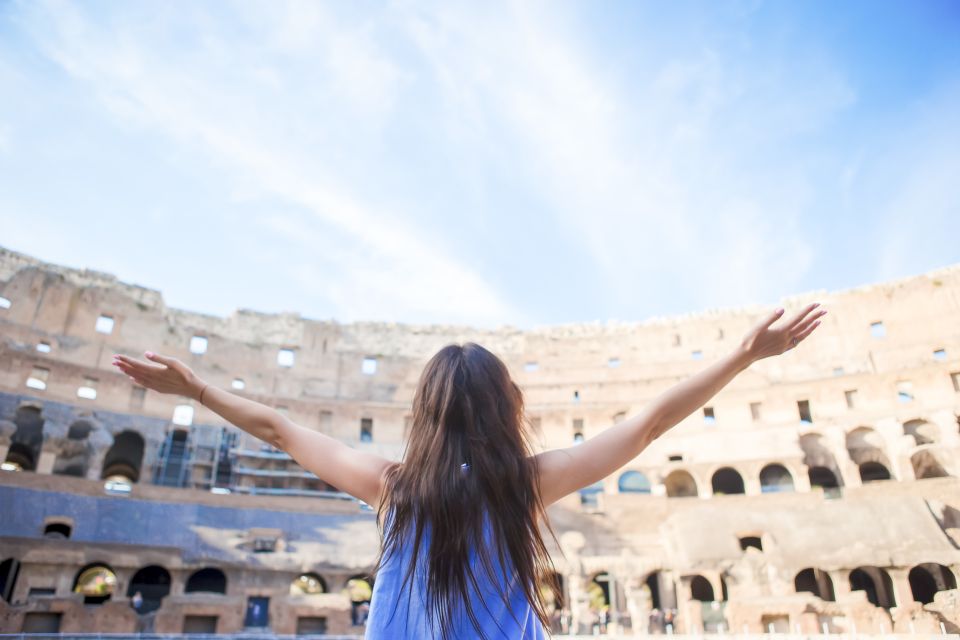
- Underground access to the level where wild animals were kept before events
- Arena time with an official guide, plus context for what you’re seeing
- Headsets included when groups are large (8 people or more)
- Roman Forum + Palatine Hill included, with time to linger afterward
- Spanish live guide and a pace meant to cover a lot in 3 hours
- Visit order can vary, with Colosseum or Forum/Palatine first
Meeting at the Colosseo metro: arrive early and start oriented
The whole experience hinges on getting to the right meeting spot fast. You’ll meet at the green kiosk on the right when you exit the Colosseo metro station. Look for a staff member carrying a yellow label with the local operator’s name on it.
You’ll want to show up 30 minutes before your scheduled start time. That early arrival helps with group sorting and getting everyone through the pre-tour flow without stress. Also, there’s an important detail: go downstairs at the metro station. The upper exit is also there, so you don’t want to end up at the wrong level.
No hotel pickup, so plan on arriving on foot or metro. Comfortable shoes matter here, because this is a walking tour through uneven ancient and modern surfaces.
You can also read our reviews of more tours and experiences in Rome.

Colosseum Underground and Arena: what makes this ticket different
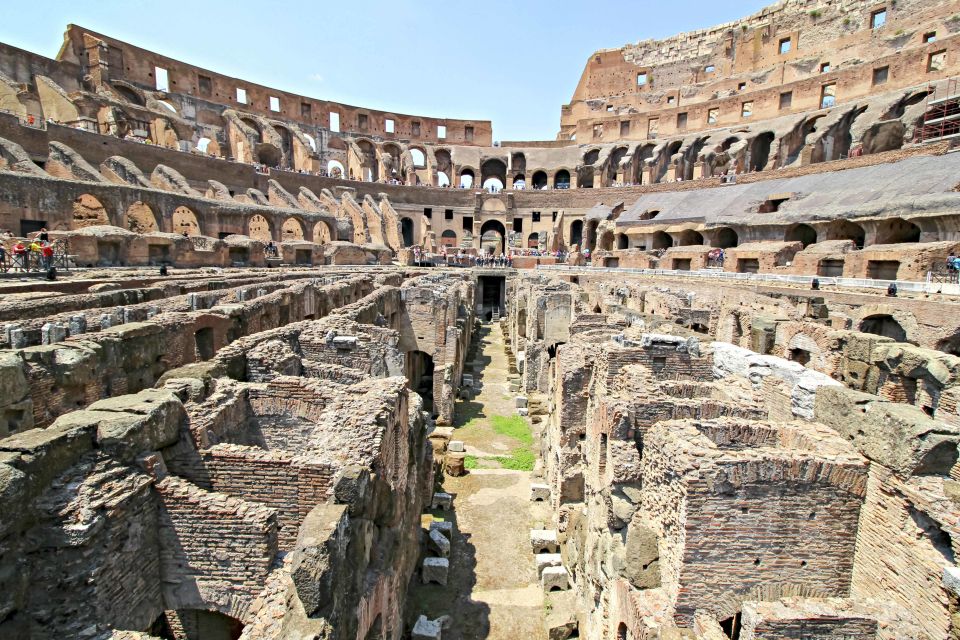
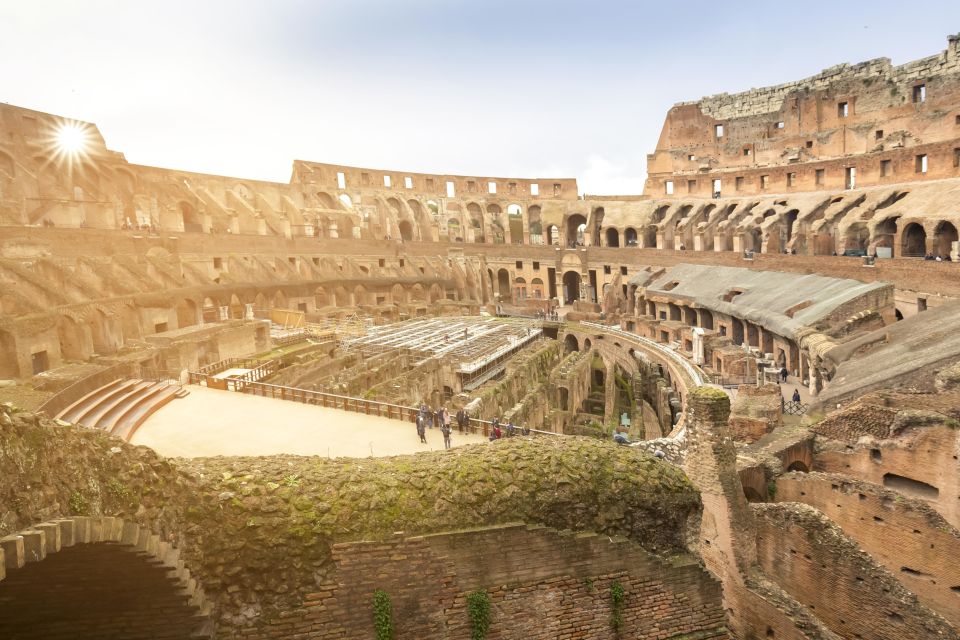
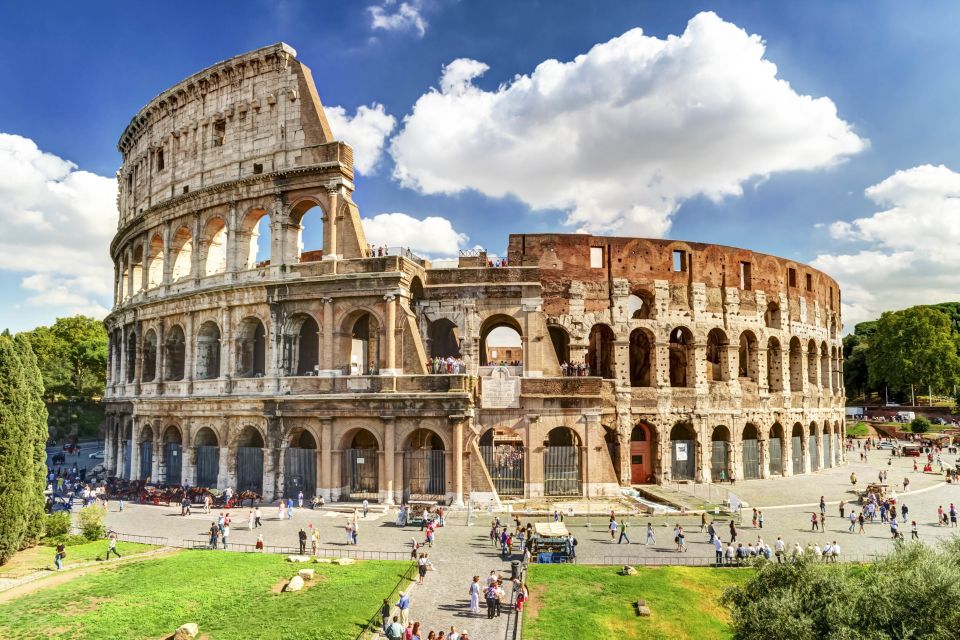
The headline is simple: you’re not just looking up at the Colosseum from the outside. You’re getting in and going under it. This tour includes access to areas typically closed to regular tickets, including the Underground Colosseum.
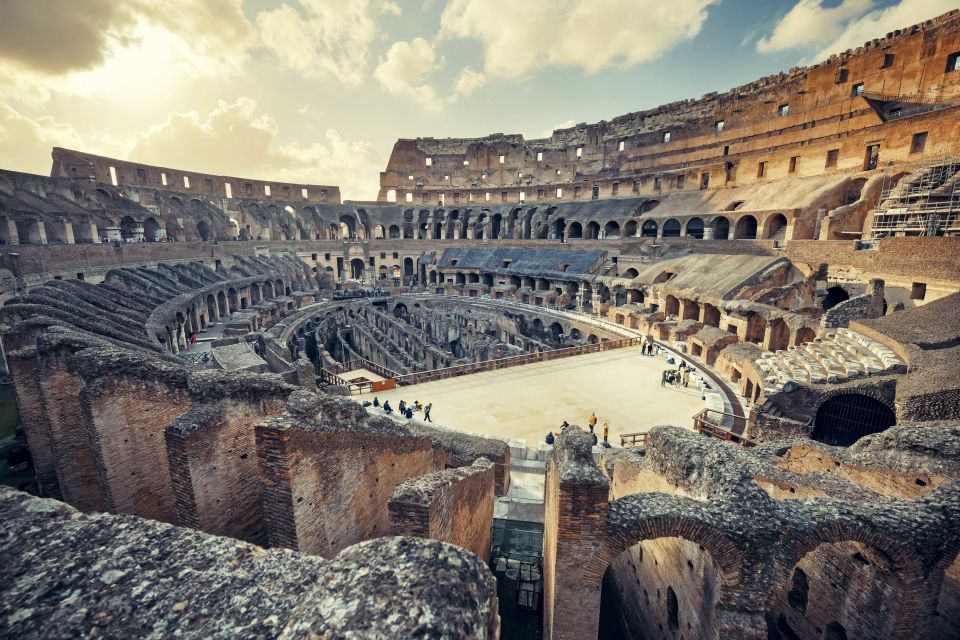
From what you’ll see down there, the underground level feels like the machine room of the games. You’ll hear what this space was used for, including the fact that it’s where wild animals were kept before being brought into action. Standing where those moments were staged gives a totally different scale to the Colosseum. It’s less about postcards and more about logistics—where people, animals, and timing all mattered.
Then you’ll move into the arena area with your guide. The tour doesn’t treat the arena like a photo stop. It’s used to explain how the spectacle worked and why it was so effective for the people in power.
The engineering angle that actually sticks
One reason this tour feels worth the money is that the guide doesn’t only point at ruins. You’ll learn about the innovative techniques the builders used to create this monument and how it still stands after centuries. When you understand how something was constructed, the place stops being random rock and starts making sense in human terms: planning, labor, materials, and problem-solving.
A practical heads-up: the order of stops can change
The sequence can vary. Either the Colosseum comes first, or the Roman Forum and Palatine Hill comes first. You can still expect all the same core components—underground access, Forum/Palatine time, and the guided storyline—but your exact rhythm may differ by day.
The guided storyline: politics, social class, and why the games worked
This is a history tour, but it’s not the dry kind. Your guide is there to explain the why behind the big stone setting.
You’ll discuss political and social reasons for the games—how public entertainment tied into power, reputation, and community identity in Ancient Rome. The arena isn’t just where people watched. It was where leaders showed control, offered spectacle, and reinforced social messages.
And your guide is running the show with a reasoned pace. Reviews highlight guides who keep things moving without turning the tour into a sprint. You’ll also get time to look and absorb, not just listen while marching.




A real benefit: headsets keep the message clear
If your group is 8 people or more, you’ll get headsets. That matters more than it sounds at the Colosseum and Forum, where wind and crowds can make normal speaking hard to catch. Clear audio helps you follow the guide’s connections between spaces—why one room or corridor matters.
Colosseum Underground makes the gladiator story feel real
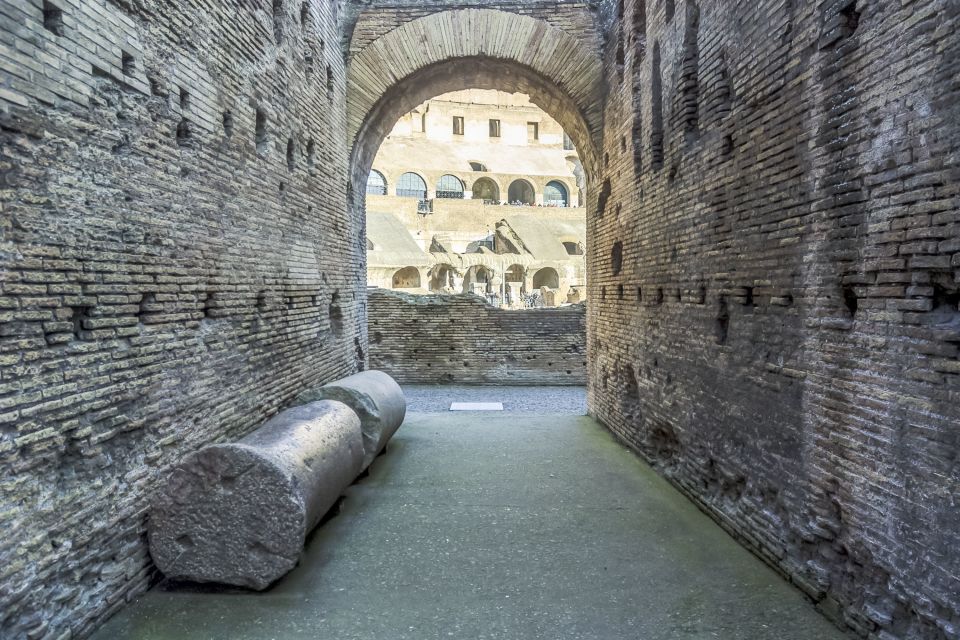
The underground is where the gladiator story gains weight. Up top, the Colosseum looks huge. Down below, you see the tight, purposeful layout that made the event possible.
You’ll learn about what happened behind the scenes—how animals and personnel were managed before the public spectacle began. That behind-the-scenes angle gives you a cleaner picture of how staging worked, not just the myth version.
If you’ve been on Rome tours before where you only get the top-level highlights, this one tends to feel like a meaningful upgrade. The Colosseum becomes a system, not a single monument.
Roman Forum and Palatine Hill: use the guided start, then slow down on your own
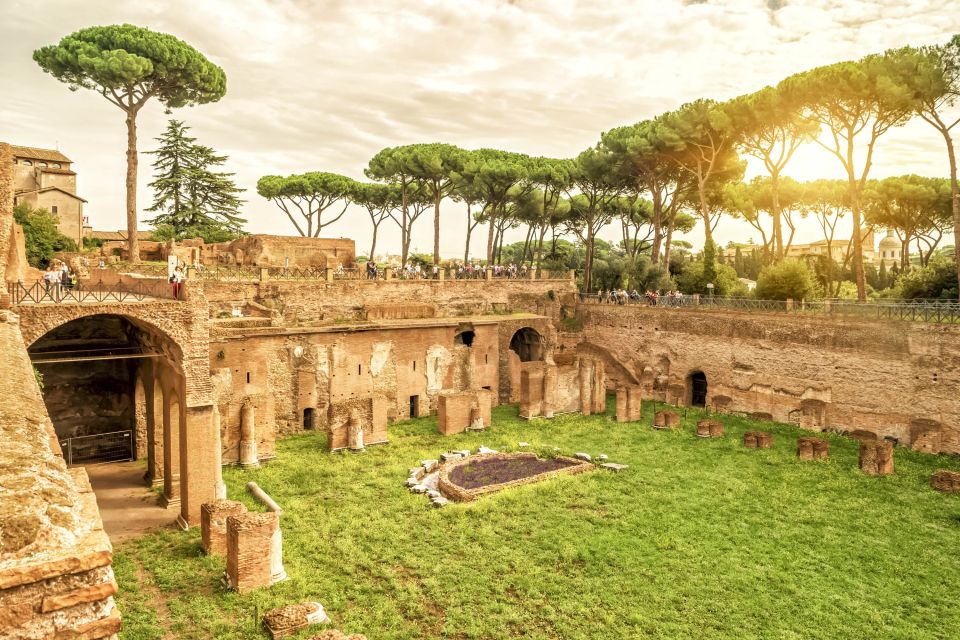
After you finish the main guided portion, you’ll enter the Roman Forum and Palatine Hill on your own. This is one of the better setups on a tour like this, because it gives you room to linger where your interests pull you.
What to expect in the Forum
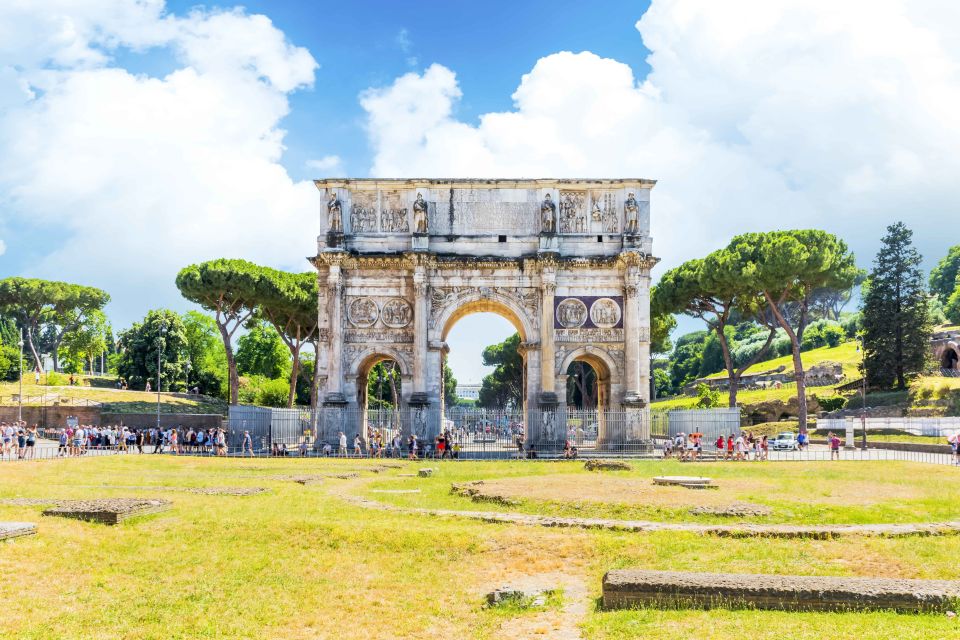
The Forum is where you feel the everyday rhythm of Ancient Rome. Your guide will set the scene with context for what you’re seeing. Then you can explore at your own speed and actually notice how the spaces connect—temple zones, civic areas, and viewpoints that make the city’s scale click.
Why Palatine Hill matters here
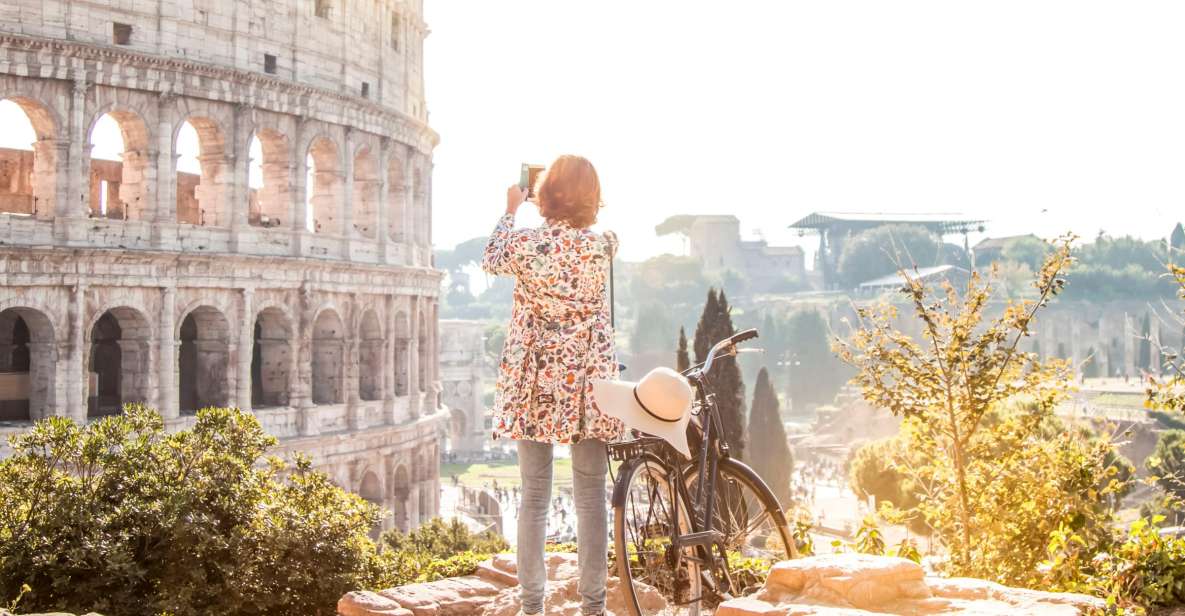
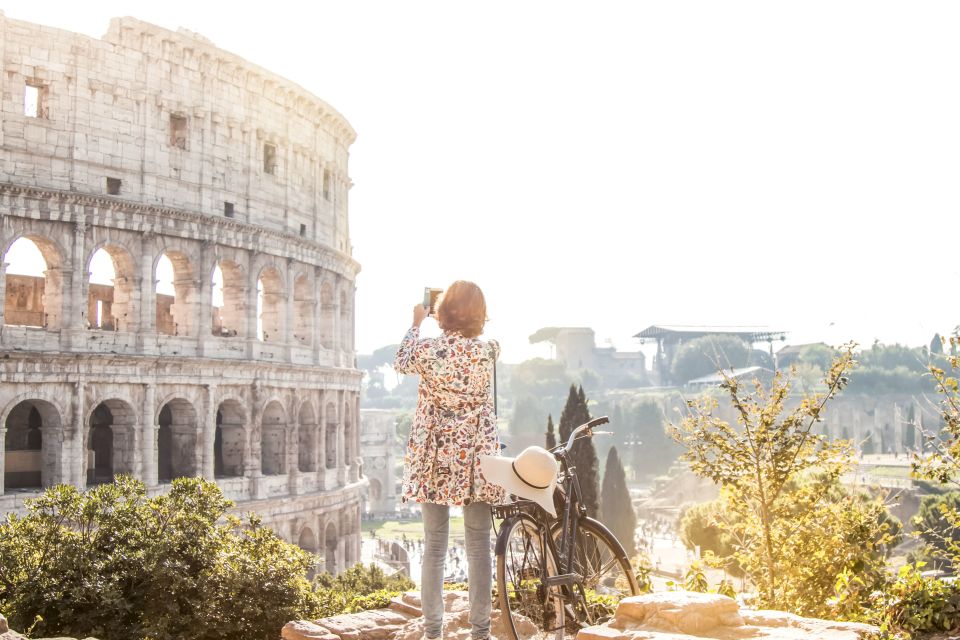
Palatine Hill isn’t just another ruin stop. It gives you the height and perspective to understand how Rome looked. You’ll get breathtaking views over the Colosseum and Circus Maximus from Palatine Hill, and those sightlines can help you make sense of why certain buildings ended up where they did.
Stay as long as you wish
This is important: at the end of the official 3-hour tour, you stay and explore as long as you want at the end of the guided portion. That flexibility means you can do what works for you—snap a few extra photos, walk slower, or circle back to an area that caught your attention.
Who you might get as a guide (and why it matters)
This tour is Spanish-language, and the guide can make a huge difference in whether the time feels like a powerful story or a collection of facts.
The names praised in guest feedback include Pat, Francesca, Donatella, Gabriele, Janina, and Gabriel. Across those reports, a common theme pops up: lively storytelling, clear explanations, and a pace that keeps you moving while still giving space to look.
One review mentioned that a guide was understanding when someone’s back was hurting, and another mentioned a guide adjusting content to match what small-group visitors were most interested in. That’s the kind of flexibility you hope for on a 3-hour format, because you want value without feeling rushed.
Price and value: is $157.47 a good deal?
At about $157.47 per person for a 3-hour tour, you’re paying for three things that are hard to replicate on your own:
- Access to the Underground Colosseum and the arena areas not available with regular tickets. That’s the big-ticket item.
- A professional live guide to connect the spaces to the political and social story behind the games.
- Forum and Palatine Hill support, then self-guided time to put it all together with your own eyes.
If you’re the type who likes a smart framework—what you’re looking at, why it mattered, and how it fits together—this price is easier to justify. If you’re mostly after low-cost wandering, you might prefer standard entry and self-guided reading. But for most people, underground access plus a guided storyline is the difference between seeing Rome and understanding Rome.
Logistics that can trip you up (so you can avoid them)
A few rules and limitations are clearly set. You’ll need ID (passport or ID card) and plan on comfortable shoes. There’s a strict list of things not allowed, including pets, weapons or sharp objects, baby strollers, luggage or large bags, drones, professional cameras, sprays or aerosols, and glass objects.
The tour is also listed as not suitable for people with back problems and not suitable for mobility impairments. That’s not just wording—it ties to the lack of elevator and the fact that there’s moderate walking.
One more tip: the meeting point is easy to miss if you don’t follow the directions exactly. Go to the green kiosk on the right, and confirm the staff member with the yellow label. Arrive early, and you’ll buy yourself a calmer start.
Should you book this Colosseum Underground, Arena & Forum tour?
Book it if you want the Colosseum story told in the most useful way: inside, under it, and then into the Forum and Palatine viewpoints that make the city feel real. This is especially a good fit if you care about how the games worked behind the scenes, not just what people posed in front of for photos.
Skip or be cautious if you have mobility limits, back issues, or you strongly prefer flat, low-walking sightseeing. This tour is designed for people who can handle moderate walking and stairs/levels without elevator access.
If you’re choosing between a basic Colosseum visit and something with underground access, I’d push you toward the Underground version. It’s the part that turns a famous place into an actual experience.
FAQ
How long is the tour?
The tour lasts about 3 hours.
What language is the live guide?
The live guide speaks Spanish.
Where do I meet the tour staff?
Meet at the green kiosk on the right as you exit the Colosseo metro station. Look for a staff member carrying a yellow label with the local operator’s name. Go downstairs, since there is also an upper floor exit.
Is hotel pickup included?
No. Hotel pickup and drop-off are not included.
What’s included in the price?
You get a guided tour of the Colosseum, a visit to the Roman Forum and Palatine Hill, all taxes and fees, and headsets when 8 people or more are present.
Does this tour include the Underground and Arena access?
Yes. It includes access to exclusive areas of the Colosseum, including the Underground Colosseum and the Arena.
Is the tour wheelchair or stroller accessible?
No. The tour is not wheelchair or stroller accessible because there is no elevator, and it involves moderate walking.
What should I bring or wear?
Bring a passport or ID card and wear comfortable shoes.