REVIEW · ROME
Rome: Private Food Tour in Trastevere and Campo de Fiori
Book on GetYourGuide →Operated by BOLOGNA TOUR & BEST ITALY TOUR · Bookable on GetYourGuide
Follow the smell of Rome to your table. This private food walk strings together two of the city’s most atmospheric areas—Campo de’ Fiori and Trastevere—while a local guide adds context along the way. You’ll start at the Giordano Bruno monument, cross over toward Trastevere, and come back with a full sense of how Roman street food fits into Roman life.
What I like most is the combination of history + eating. Campo de’ Fiori isn’t just a nice square—it’s known as the central monumental square that doesn’t have a church, and the story tied to Giordano Bruno (burned in 1600 as a heretic) gives you a sharper lens on what you’re seeing. I also like that you get food stops with real Roman staples—think classic Roman pizza and supplì—rather than vague sampling.
One consideration: this is a walking tour through narrow lanes, so you’ll want comfortable shoes and a pace you can handle for about three hours. And since it’s private, your total cost depends on how many people are in your group.
In This Review
- Key things you’ll notice on this tour
- Entering Campo de’ Fiori: the square before you eat
- Ponte Sisto and the view that makes the route click
- Trastevere food time: narrow streets and traditional trattorias
- Campo de’ Fiori tasting #2: market energy and Roman street logic
- The food you’re tasting: Roman pizza, supplì, and more
- Guides who set the mood: Mitia and Dimitri as examples
- Group style and walking pace: private, but not slow
- Price and value: what $198.25 per person buys you
- Who this tour is best for (and who might skip it)
- FAQ
- FAQ
- Where does the tour start?
- How long is the tour?
- Is this a private tour?
- What food is included?
- What language is the guide available in?
- Does the price include hotel pickup or drop-off?
- What should I bring?
- Can I cancel for a refund?
- Final decision: should you book this Trastevere and Campo de’ Fiori tour?
Key things you’ll notice on this tour
- Starting in Campo de’ Fiori at the Giordano Bruno statue, right in the middle of the action
- Ponte Sisto on the route, a bridge built to link Trastevere (and the Vatican) with the rest of Rome
- Two market-style food stops, each paired with guided time in Trastevere and Campo de’ Fiori
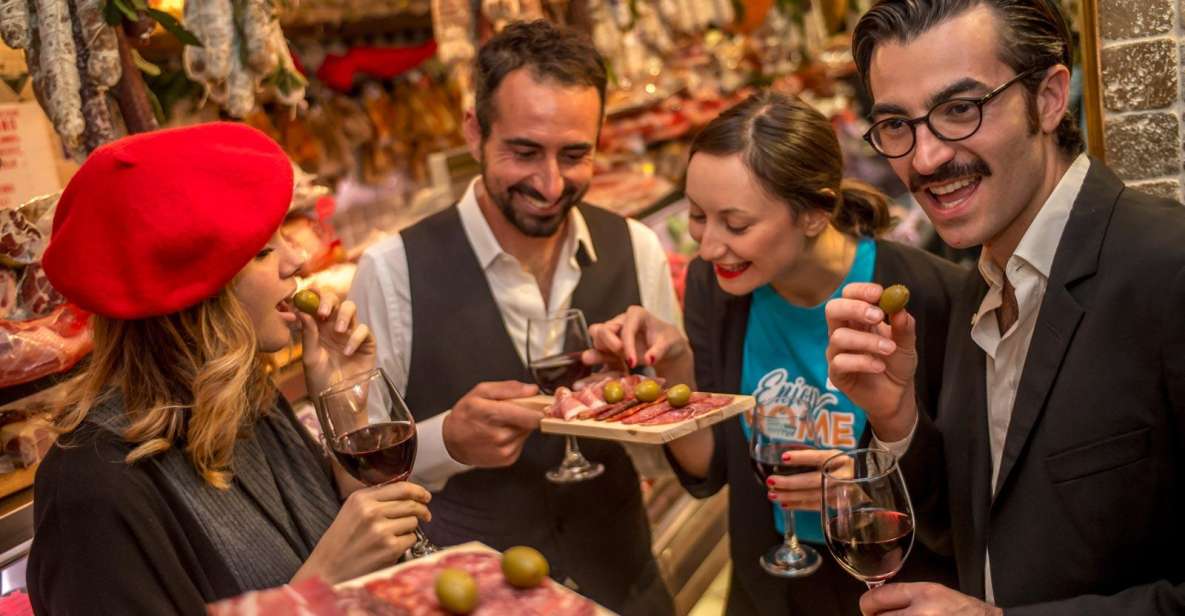
- Classic Roman dishes included, including Roman pizza and supplì with a glass of wine
- Private-group attention, plus guides who bring personality, not just facts
Entering Campo de’ Fiori: the square before you eat
The tour starts in Campo de’ Fiori, in front of the Monumento a Giordano Bruno. This is a smart place to begin because it throws you into the pulse of central Rome immediately. The statue marks a key figure tied to the year 1600, when Giordano Bruno was burned for heresy, and that dramatic backstory changes the vibe of what might otherwise feel like just another busy plaza.
Campo de’ Fiori is also special in the layout of central Rome. It’s described as the only monumental square in the city center that doesn’t house a church, which helps explain why it became such a natural gathering point for daily life. On a food tour, that matters: you’re not just eating; you’re learning how people built food routines around public spaces.
Before you start sampling, I find it helpful to look around for a minute. Notice where people flow, where stall-style foods show up, and how the square connects outward. It sets you up to enjoy the walk instead of treating it like a “race to the next bite.”
You can also read our reviews of more food & drink experiences in Rome


Ponte Sisto and the view that makes the route click
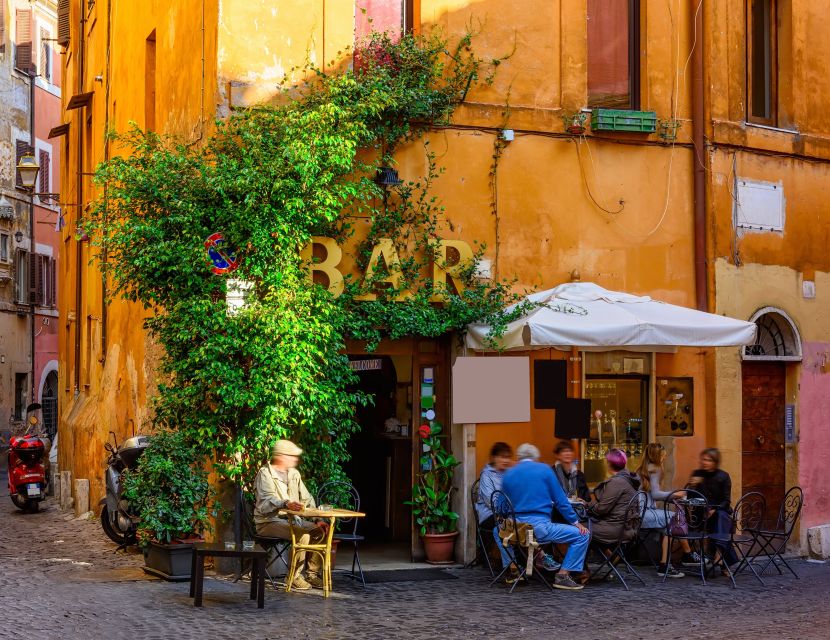
After your first segment near Campo de’ Fiori, the walk includes crossing Ponte Sisto. This bridge has a practical purpose in the story of Rome’s movement: it was built to allow direct communication between Trastevere (and the Vatican) and the rest of the city.
In plain terms, the bridge is there because people needed to get between these neighborhoods. On a food tour, that history makes the geography feel less random. It’s also a payoff moment for your eyes—there’s mention of one of the most beautiful views of the city from here, which helps break up the walking time and gives you a mental snapshot of the Rome you’re about to explore on foot.
If you’re the kind of traveler who likes to connect food to place, this is a good “pause and look” point. Even a quick view changes how you read the streets you’ll walk next.
Trastevere food time: narrow streets and traditional trattorias
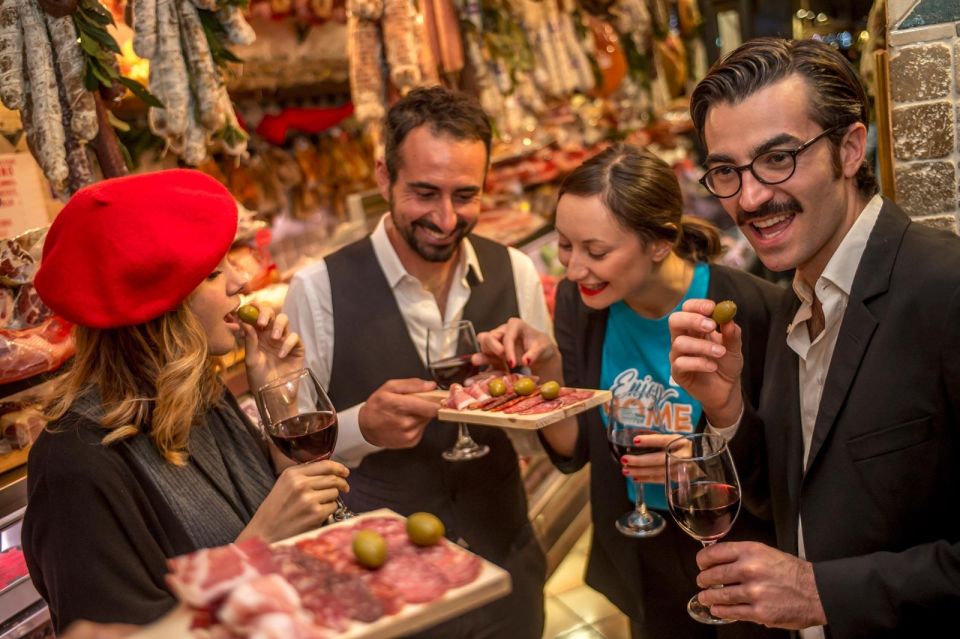
Next up is Trastevere, one of Rome’s most character-rich neighborhoods. This part of the tour is built around guided walking plus food tasting and a food market visit (about one hour in the flow). The goal isn’t just to point at stalls; it’s to show how Roman everyday food culture works in real neighborhoods.
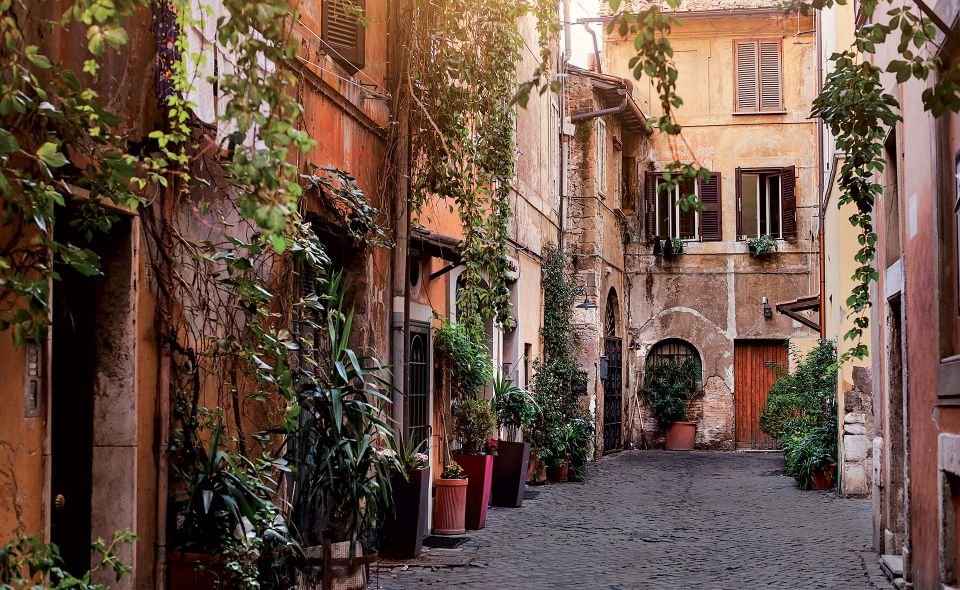
Trastevere’s streets are described as narrow and lined with colorful alleys, and that matters because it’s how you’ll feel the atmosphere. You get that warm local feel as you move through lanes that still hold artisans and small traders. The tour’s framing here is practical: you’re learning what kinds of places exist beyond the postcard spots—especially the small, traditional trattorias that tend to feed people, not tourists.
What this means for you: you’ll likely get more than one kind of Roman “normal meal.” Roman cuisine is often misunderstood as one big idea, but on this walk you see the variety through typical dishes and the way markets supply them.
A tip I’d give you based on this format: if you’re offered choices during tasting, don’t be shy about asking the guide what locals order most. Private tours work best when you treat the guide like a translator between your palate and their daily routine.
Campo de’ Fiori tasting #2: market energy and Roman street logic
After Trastevere, the tour returns you toward Campo de’ Fiori for a second main segment. This time, you get more guided walking and another food market visit (again, about one hour). Doing it this way gives your brain a satisfying contrast: the Trastevere lanes feel local and narrow; Campo feels open and public.
Campo de’ Fiori’s reputation is tied to its central role in daily life, and that fits perfectly with a food tour. It’s described as a square with a strong identity because it isn’t built around a church. In practice, that means it reads more like a shared civic space—exactly where food habits form.
This second tasting block also makes your sampling feel less random. By the time you reach the Campo portion again, you’ve already learned what Roman flavors “should” taste like on this kind of tour, so you can notice what’s familiar and what’s different.
If you’re sensitive to long food days, this two-location approach is useful. It gives you structure without turning the whole tour into one long market crawl.
The food you’re tasting: Roman pizza, supplì, and more
The tour includes four tastings of typical products, and the description points to several Roman standouts. You’ll taste classic Roman pizza, plus supplì, which is a rice ball with tomato sauce. The supplì is also paired with a glass of wine, which is a nice way to balance the richness of the rice and fried exterior.
This is the key value point: you’re not just getting snacks, you’re getting foods that represent how Romans eat. Roman pizza in particular is a useful anchor because it’s recognizable but not identical to every “Italian pizza” you may have had before. Same with supplì—Roman street food has its own identity, and tasting it here helps you separate Rome-specific tradition from general Italian stereotypes.
Here’s how I’d think about the tastings for planning your expectations. Four tastings in three hours means you’ll leave satisfied, not stuffed. You’ll get enough to understand the menu style, but you’ll still want a proper dinner later if you’re a big eater.
Also, because it’s a walking tour, don’t plan a heavy lunch right beforehand. You want enough appetite for the samples, especially the fried items like supplì.
You can also read our reviews of more tours and experiences in Rome



Guides who set the mood: Mitia and Dimitri as examples
This kind of tour rises or falls on the guide’s personality, and the guide reviews highlight two names that represent what you should look for. Mitia is praised for taking guests to very good local places to eat and for an attitude that makes people feel like home. Dimitri is described as fun and charming, combining humor with history while leading the walk and explaining what you’re tasting.
Even if you don’t get those exact guides, the pattern matters: you want someone who can connect food to street life. A private tour is the right format for that because you can ask questions in real time, and the guide can adjust the pace or focus.
If you can, ask your guide how locals order pizza or what people grab at the market during a typical day. It turns your four tastings into a mini education you can use later when you’re eating on your own.
Group style and walking pace: private, but not slow
This is a private group tour, which means you’re not sharing space with strangers. For a food tour, that’s a real benefit. You can move at a pace that works for your group, ask questions without repeating yourself, and get more attention during tastings and market stops.
The duration is three hours, and you’ll be walking through alleys and historic streets. That doesn’t mean it’s an all-day stroll, so plan to keep your expectations realistic. Bring comfortable shoes, and if it’s hot or you run warm, consider light layers. You’ll be out moving around, not seated for most of the time.
One more practical note: there’s no hotel pickup or drop-off included. The meeting point is on your schedule, at Campo de’ Fiori in front of the Giordano Bruno statue, and the tour ends back at that same meeting point.
Price and value: what $198.25 per person buys you
At $198.25 per person for a three-hour private walking tour, this isn’t a “cheap eats” option. But the value can still be solid, depending on your travel style.
Here’s where the price can make sense:
- You get a local guide plus four tastings of typical Roman products
- You get two distinct neighborhoods in one structured walk (Trastevere + Campo de’ Fiori)
- You get guided market time, not just a few random food stops
- You get private-group attention, which can matter when you want answers and recommendations
If you compare this to paying for multiple individual tastings across neighborhoods with no local explanation, the guide component starts to feel more important. Food in Rome is easy to find. The harder part is understanding what’s genuinely Roman and why people eat it where they do.
If you’re traveling as a couple, a small group, or you really want that curated neighborhood flow, this price can feel fair. If you just want a casual snack walk with no need for context, you’d probably feel the cost more than the benefit.
Who this tour is best for (and who might skip it)
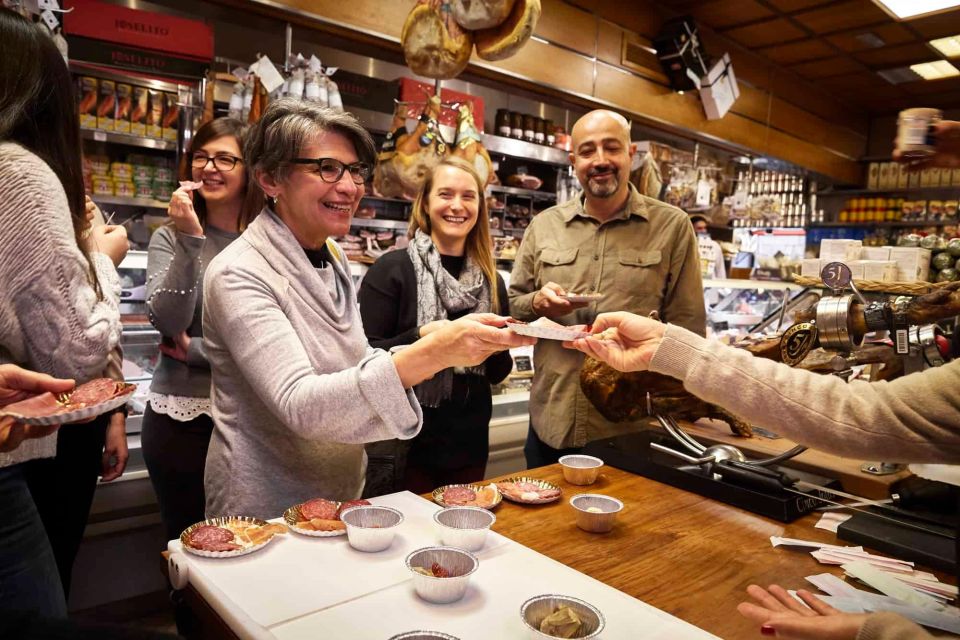
This tour is a strong match if you want:
- Roman classics in a guided format (pizza, supplì, market sampling)
- A deeper sense of how neighborhoods connect through daily life
- A private experience where you can ask questions as you go
- The Trastevere and Campo de’ Fiori pairing, which contrasts street texture and central square life
You might skip it if you dislike walking through narrow alleys or you’re set on a very DIY trip where you prefer choosing every restaurant yourself with no structure.
FAQ
FAQ
Where does the tour start?
It starts at Campo de’ Fiori, in front of the Giordano Bruno statue in Rome.
How long is the tour?
The duration is 3 hours.
Is this a private tour?
Yes. It’s listed as a private group experience.
What food is included?
The tour includes four tastings of typical products. The description specifically mentions classic Roman pizza and supplì (rice ball with tomato sauce), plus a glass of wine with the supplì.
What language is the guide available in?
The live tour guide is available in Italian, Spanish, and English.
Does the price include hotel pickup or drop-off?
No. Hotel pickup and drop-off are not included.
What should I bring?
Bring comfortable shoes, since this is a walking tour.
Can I cancel for a refund?
Yes. Free cancellation is available up to 24 hours in advance for a full refund.
Final decision: should you book this Trastevere and Campo de’ Fiori tour?
If you want Rome with taste, not just taste with no context, I think this is a good book. You get two of the city’s most distinct areas—Campo de’ Fiori’s open civic energy and Trastevere’s narrow lanes—plus four tastings anchored in Roman staples like pizza and supplì.
Book it if you’ll appreciate guidance and you’re okay paying for a private, structured experience. Skip it if you’re mainly chasing casual snacks and don’t care about the neighborhood stories tied to places like Giordano Bruno’s monument and Ponte Sisto’s role in connecting Rome’s parts.