REVIEW · ROME
Rome: Food & Wine Tour of Campo de Fiori, Ghetto, Trastevere
Book on GetYourGuide →Operated by Gourmetaly - for food lovers only · Bookable on GetYourGuide
Food in Rome has a way of turning streets into stories. This tour threads through three of the city’s most rewarding areas while feeding you exactly what Romans actually snack on and share. I love the mix of market energy in Campo de’ Fiori and the Trastevere comfort-food vibe, and the guides (Natasha, Luca, Mariel, Gloria, and others) bring the neighborhoods to life with clear explanations. One thing to consider: it’s not a fit for vegans or for most serious food-allergy situations, since accommodations aren’t guaranteed.
The walk is also timed well. You’ll get mid-morning style favorites like pizza bianca with mortadella, plus classic fried Rome comfort food like supplì (a mozzarella-stuffed fried rice ball), then finish with pasta and gelato in Trastevere. With a max group size of 15, you’re not sprinting between tastings, which matters when you’re trying to actually taste and learn.
One possible drawback: it’s still walking in city conditions for 2–3.5 hours, so comfortable shoes and a small-weather plan really help. And if you book the afternoon option, the Campo de’ Fiori market visit isn’t included because of opening hours.
In This Review
- Key points to know before you go
- Campo de’ Fiori Market: where Roman food starts before you even sit down
- The pizza bianca with mortadella moment you’ll use all trip
- Mozzarella, Roman salami, and the tasting logic behind it
- Supplì: the mozzarella-stuffed fried rice ball with a cult following
- Jewish Ghetto groceries: food as context, not a side note
- Trastevere pasta tasting: learning what makes Rome’s best pasta feel right
- Gelato in Trastevere: the sweet finish that feels earned
- How much you really get for $81: value check, not sticker shock
- Pacing, comfort, and what to wear for the walking parts
- Who should book this Rome food and wine walk (and who should skip)
- Should you book this Rome Food & Wine Tour of Campo de’ Fiori, Ghetto, and Trastevere?
- FAQ
- How long is the Rome Food & Wine Tour?
- What does the tour cost?
- How big are the groups?
- Is the tour guided in English?
- What food is included in the tasting?
- Does the tour always include the Campo de’ Fiori Market?
- Are hotel pickup and drop-off included?
- Can I bring luggage or large bags?
- Is this tour suitable for wheelchair users?
- Are food restrictions accommodated?
- Is there free cancellation?
Key points to know before you go
- Campo de’ Fiori Market stop (morning option) sets up the whole food theme with produce, smells, and specialty browsing
- Pizza bianca with mortadella gives you that quintessential Roman mid-morning rhythm
- Supplì and fried specialties teach you what makes Roman street food taste like Rome
- Jewish Ghetto groceries tasting pairs food with real neighborhood context, not just a food list
- Trastevere pasta and gelato end the tour on a sweet-and-satisfying note
- Small groups (max 15) make it easier to ask questions and keep up a steady pace
Campo de’ Fiori Market: where Roman food starts before you even sit down
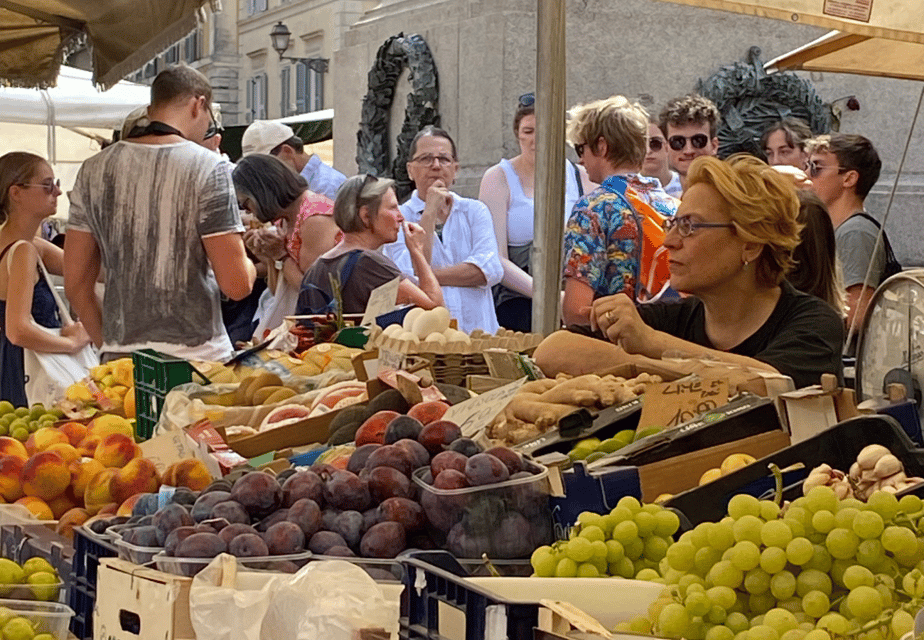
Campo de’ Fiori feels like Rome’s everyday stage: produce stands, specialty shops, and people doing what they came to do. This tour uses that atmosphere as the setup, so you learn what to look for and why certain ingredients matter to Roman cooking. If you book the morning option, you’ll visit the Campo de’ Fiori Market as part of the experience.
You’ll get a taste of the market “language” too. Think gleaming fruits and vegetables, the idea that fresh-looking food is part of the culture, and the fact that markets aren’t just for sightseeing. Even if you’ve been to markets elsewhere in Italy, this one has the old-city feel that makes your later tastings make more sense.
Afternoon tours work around market hours. You won’t do the market stop in the afternoon, but the market visit is substituted by a typical grocery store plus an aperitif, so you still get that pre-meal sampling vibe.
You can also read our reviews of more food & drink experiences in Rome


The pizza bianca with mortadella moment you’ll use all trip
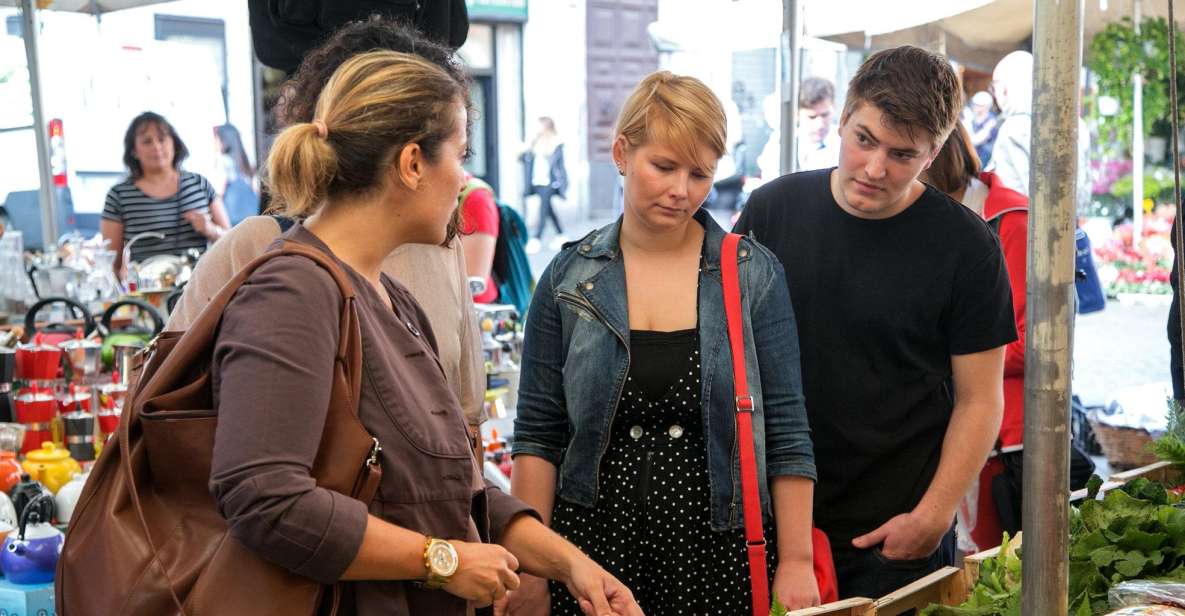
The tour’s strongest early hook is pizza bianca with mortadella. This isn’t some fancy reinterpretation. It’s the kind of straightforward Roman snack that shows up at the right time of day—mid-morning—when people are hungry but not ready for a full sit-down meal.
Mortadella is the point: thin slices, savory richness, and a salty-cured depth that changes how you think about “simple bread with toppings.” After a couple of bites, you’ll understand why this combination works: the bread stays soft, the meat brings the punch, and you’re set up for tastings that follow.
Mozzarella, Roman salami, and the tasting logic behind it
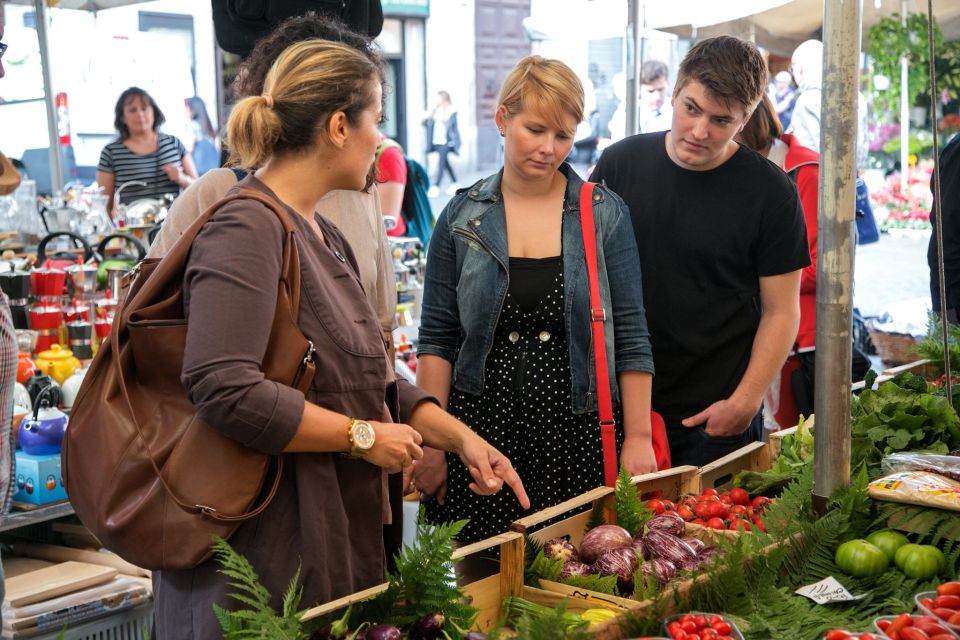
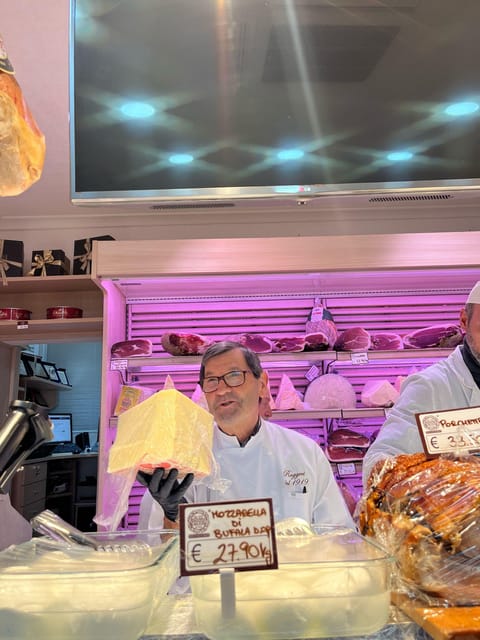
Next comes a mozzarella cheese tasting with Roman salami, which is a smart stop because it teaches you how Rome thinks about balance. You’re tasting more than flavors—you’re learning pairings. Salty cured meat against creamy cheese lets your palate reset between other richer bites.
This is one of the tour details that helps you later. Once you’ve tasted the components side by side, you’ll be better at ordering for yourself. You won’t just pick random items. You’ll start thinking in terms of textures and salt levels, which is exactly how local meals feel designed, even when they’re casual.
Supplì: the mozzarella-stuffed fried rice ball with a cult following
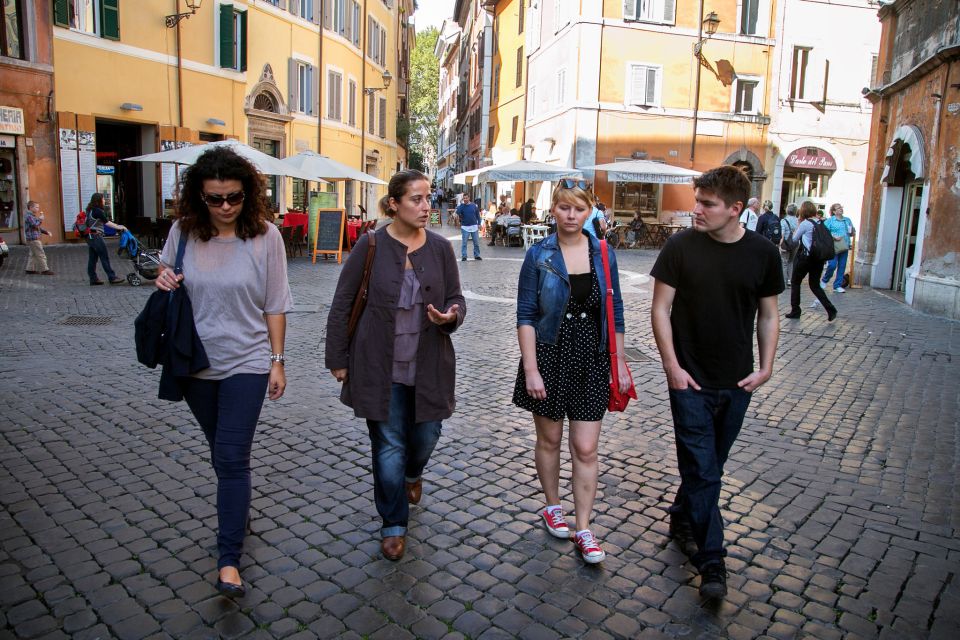
If you want a single “this is Rome” tasting, make it supplì. These mozzarella-stuffed fried rice balls are browned just right, with a tomatoey rice base and a creamy center. They’re the kind of food that sounds simple until you’ve tried a real one and noticed how much craft goes into the crunch and the melt.
What I like about this stop is that it’s not treated like trivia. You’ll learn what separates the best versions from the rest—usually in texture, how the exterior browns, and how the filling stays creamy rather than turning greasy. After this, you’ll be far less likely to get a disappointing supplì later just because it looks similar behind glass.
You’ll also likely see other fried Roman favorites during the Jewish Ghetto portion, which adds another layer to why supplì fits so well into the city’s street-food culture.
Jewish Ghetto groceries: food as context, not a side note
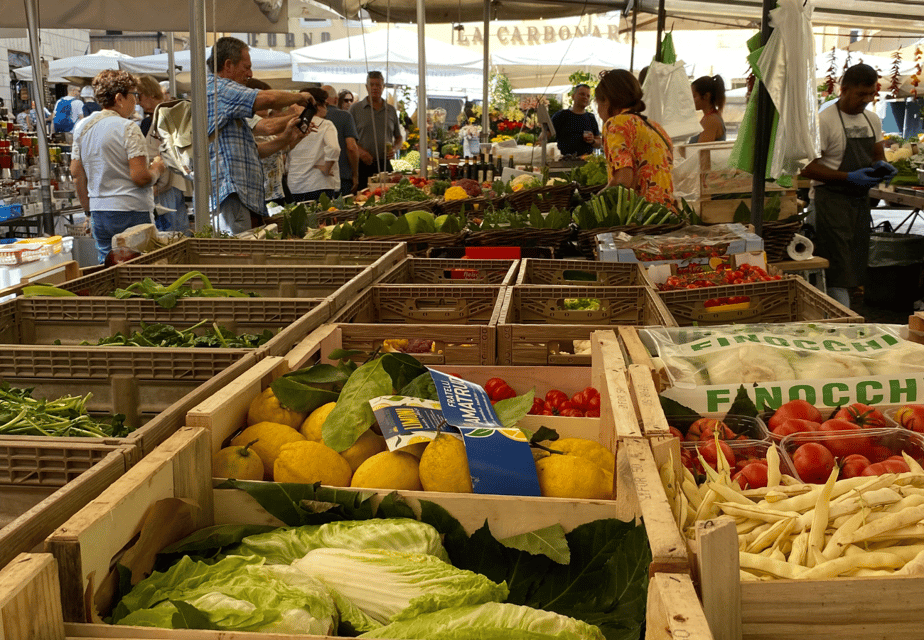
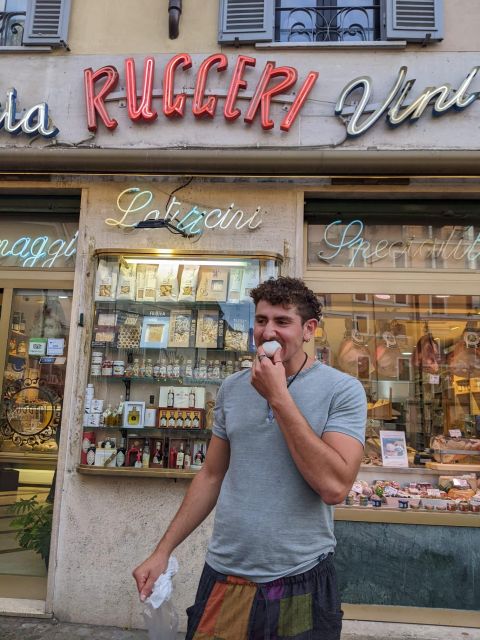
The Jewish Ghetto section is where the tour does something many food walks forget: it connects what you eat to where you are. You’ll visit Jewish Ghetto groceries and taste typical Roman foods like fried artichoke, supplì, and codfish.
That codfish option matters because it signals that Roman food isn’t one-note. You’re seeing how local cuisine can include different traditions while still belonging to Rome. And the fried artichoke tasting gives you a crunchy, earthy counterpoint to the rice-and-cheese bites you’ve already had.
The best part is the way your guide talks through the neighborhood through food. Instead of turning the Ghetto into a photo stop, you’re walking at a human pace and learning enough to understand what you’re seeing. It’s also one reason the tour works well if it’s your first day in Rome—you get a practical lens for reading the city.
You can also read our reviews of more tours and experiences in Rome



Trastevere pasta tasting: learning what makes Rome’s best pasta feel right
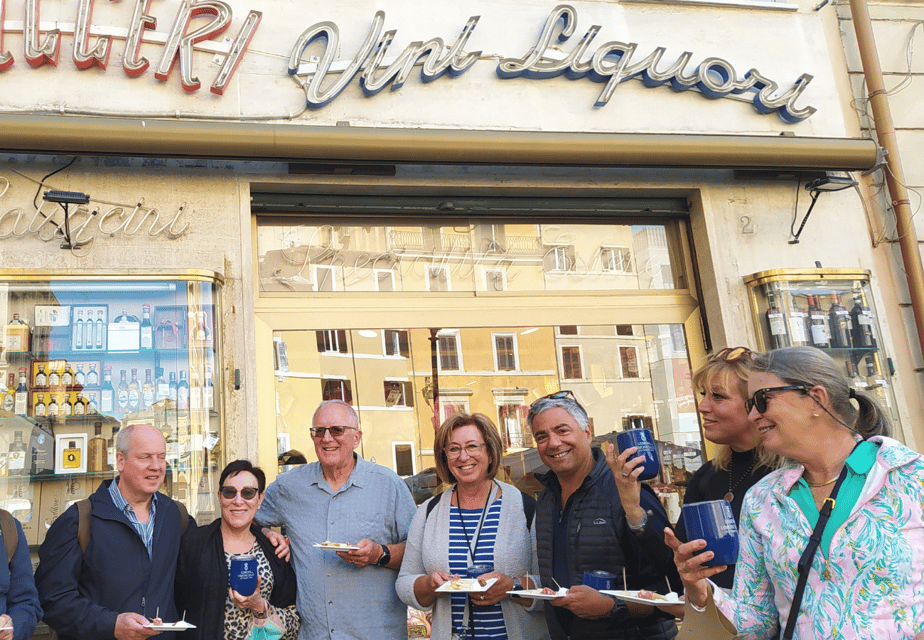
Trastevere is where you expect to land for atmosphere, but the tour uses it as a taste lesson too. You’ll get a pasta tasting in Trastevere, and that’s where the guide’s guidance becomes especially useful: you’ll learn what separates the best pasta from the rest.
Even without turning it into a science class, you’ll pay attention to the big things that make a difference in Rome—how sauce clings, how the pasta holds its texture, and how flavors come together rather than tasting separate. The tour’s structure helps here: you’ve had fried bites and cheese-based flavors already, so the pasta tasting feels like a satisfying shift into comfort meals rather than another heavy snack.
This is also where people start saving addresses on their phones. The tour gives you “go back later” confidence, because you understand why the food works instead of just remembering the taste.
Gelato in Trastevere: the sweet finish that feels earned
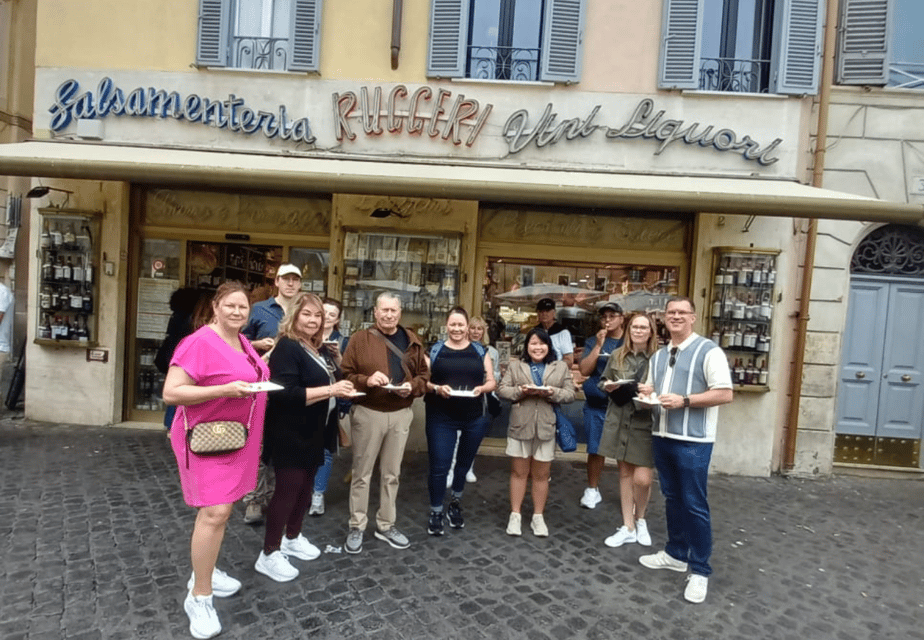
You end this experience with gourmet gelato in Trastevere. It’s not a random dessert add-on. You’ve walked, tasted savory, and built up a clearer sense of what each neighborhood does well—so the gelato lands like a real finish, not a sugar consolation prize.
I also like that the tour doesn’t pretend gelato is one-size-fits-all. You’ll get the chance to pay attention to quality and flavor balance, and you’ll likely walk away with a better sense of how to order gelato once you’re on your own.
How much you really get for $81: value check, not sticker shock
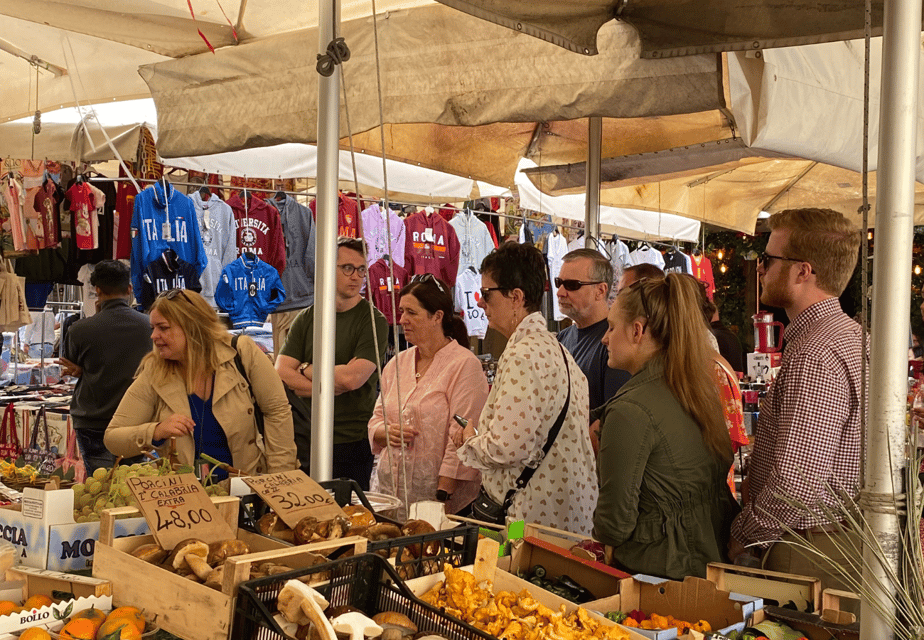
At about $81 per person for 2 to 3.5 hours, you’re paying for several things at once: guided walking, small-group handling (max 15), and multiple tastings across three neighborhoods. This isn’t just “a few bites.” The included food list is packed: pizza bianca with mortadella, mozzarella with Roman salami, Jewish Ghetto tastings (fried artichoke, supplì, codfish), pasta tasting in Trastevere, and gelato.
Add in the market exposure in the morning option—plus the neighborhood history woven into each stop—and the cost starts to make sense as a way to “front-load” your Rome eating. If you’ve ever spent a day wandering and then realized you didn’t know where to eat, you’ll see the logic here. You come out with a clearer idea of what to order next, and those choices usually save money on the rest of your trip.
There is one tradeoff to keep in mind: additional food isn’t included. You’ll likely eat a lot on the tour, though. Many people finish feeling happily full and still find room for gelato, which says a lot about portion planning.
Pacing, comfort, and what to wear for the walking parts
This tour is a walking experience through lively plazas and side streets, and the route is designed to move at a pace that works for most visitors. Still, you’ll want comfortable shoes, and the weather can shift quickly in Rome. Bring an umbrella if rain is possible, and plan for sun with sunglasses, a hat, and sunscreen.
Also note what not to bring: luggage or large bags aren’t allowed. The point is to keep things easy for the walking and for the stops in small shops and restaurants.
The good news: groups are capped at 15, so you’re less likely to lose time waiting or struggling to hear. That small-group size shows up in how smooth the tastings feel.
Who should book this Rome food and wine walk (and who should skip)
This tour is ideal if you:
- want to eat your way through Campo de’ Fiori, the Jewish Ghetto, and Trastevere in one go
- enjoy learning how food ties to neighborhood life
- want practical ordering help for later meals
- like a guide who mixes walking, explanation, and tastings at an easy pace
It may not be the best fit if you:
- use a wheelchair (not suitable for wheelchair users)
- have food allergies (the provider can’t guarantee accommodations)
- follow a vegan diet
If you’re vegetarian, it might still work depending on the specific stops and what’s offered. The data says vegans aren’t suitable, but it does not say vegetarian visitors are automatically excluded—still, you should double-check what you can eat based on your personal needs.
Should you book this Rome Food & Wine Tour of Campo de’ Fiori, Ghetto, and Trastevere?
I’d book it if you want a first-time Rome plan that’s about more than photos. The mix of market-style start, classic Roman snacks like supplì and pizza bianca, and the neighborhood sweep through the Jewish Ghetto and Trastevere makes it a smart way to understand the city’s food culture fast.
Skip it if you’re chasing a fully relaxed, no-pacing itinerary. This is active walking plus a lot of tasting, and it’s not built for major dietary restrictions. If that sounds right for you, it’s also a great value play: for one price, you get multiple tastings, a real guide, and a “where should I eat next” map you can actually use.
FAQ
How long is the Rome Food & Wine Tour?
The tour lasts between 2 and 3.5 hours, depending on the starting time you choose.
What does the tour cost?
The price is listed as $81 per person.
How big are the groups?
Groups are kept to a maximum of 15 people for the walking tour.
Is the tour guided in English?
Yes. The live tour guide speaks English.
What food is included in the tasting?
Included tastings include pizza bianca with mortadella, mozzarella cheese tasting with Roman salami, Jewish Ghetto typical foods (fried artichoke, supplì, and codfish), a pasta tasting in Trastevere, and gourmet gelato in Trastevere.
Does the tour always include the Campo de’ Fiori Market?
No. The afternoon option does not include a visit to the market due to opening hours. It’s substituted by a typical grocery store visit and an aperitif.
Are hotel pickup and drop-off included?
No. Hotel pickup and drop-off are not included.
Can I bring luggage or large bags?
No. Luggage or large bags are not allowed.
Is this tour suitable for wheelchair users?
No. It is not suitable for wheelchair users.
Are food restrictions accommodated?
The provider cannot guarantee accommodations for special food restrictions, and the tour is noted as not suitable for vegans.
Is there free cancellation?
Yes. You can cancel up to 24 hours in advance for a full refund.