REVIEW · ROME
Rome: 3-in-1 Fettuccine, Ravioli, and Tiramisu Cooking Class
Book on GetYourGuide →Operated by Eat and Walk Italy · Bookable on GetYourGuide
You’ll leave Rome with real pasta skills. This is a hands-on workshop where you make three classic dishes from scratch: tiramisù first, then fettuccine and ravioli. I love that the chef runs it like a cooking party with real technique, not a demo, and you actually get to taste what you make with wine and limoncello. One thing to consider: the timing is efficient, so if you’re a super-slow cook, you may feel a bit rushed during the busiest hands-on steps.
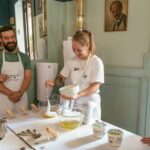
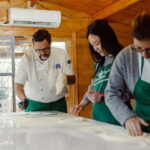
The class happens in the center of Rome at Restaurant Gusto, in Via Giuseppe Zanardelli 14, and it’s taught in English by an Italian chef/instructor. You’ll be working in a group setting (recent sessions have run around 20 people), but the teaching style aims to keep everyone moving and involved. Bold note for planners: you’re not just eating out—you’re doing real prep, so wear comfortable clothes and expect flour on your sleeves.
In This Review
- Key Points Before You Go
- Why This Rome Pasta and Tiramisu Class Feels Different
- Restaurant Gusto: The Center-of-Rome Setup and Class Pace
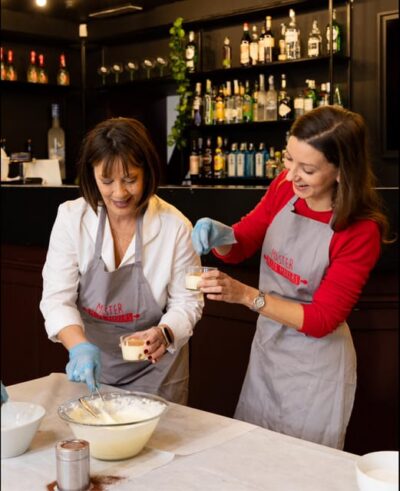
- Tiramisu First: A Sweet Start That Builds Skills Fast
- Fettuccine From Scratch Plus Sauce Choices You’ll Actually Use
- Ravioli and Seasonal Fillings, With Butter and Sage
- The Meal Finish: Wine, Limoncello, and What You Eat Together
- Price and Value: Does $81 per Person Make Sense?
- Who Should Book This Class (and Who Might Not)
- Tips to Get the Most Out of 3 Hours
- Should You Book This Rome Cooking Class?
- FAQ
- What dishes are included in this Rome cooking class?
- How long is the cooking class?
- What drinks are included?
- Is the instructor speaking English?
- Is the venue wheelchair accessible?
- Is there free cancellation?
Key Points Before You Go
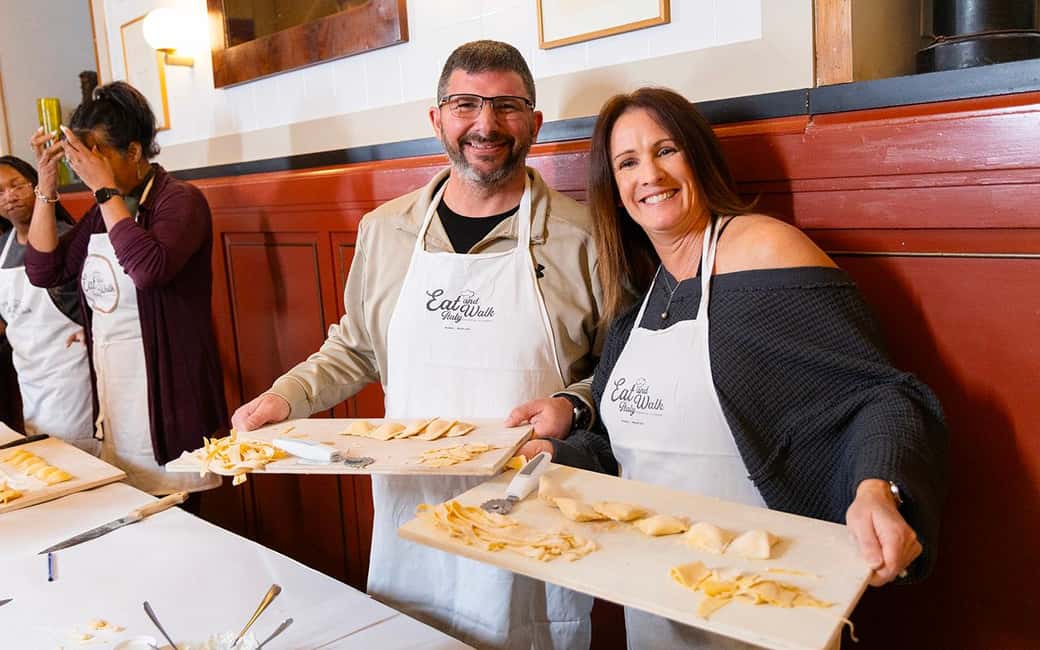
- Tiramisu first so you start sweet and build confidence right away
- Fresh fettuccine dough plus sauce options like cacio e pepe and amatriciana
- Ravioli with butter and sage plus guidance on seasonal fillings
- A full sit-down finish with wine and limoncello (or coffee)
- English instruction with plenty of hands-on support in a friendly group
- 3 hours total, so bring focus and an appetite
Why This Rome Pasta and Tiramisu Class Feels Different
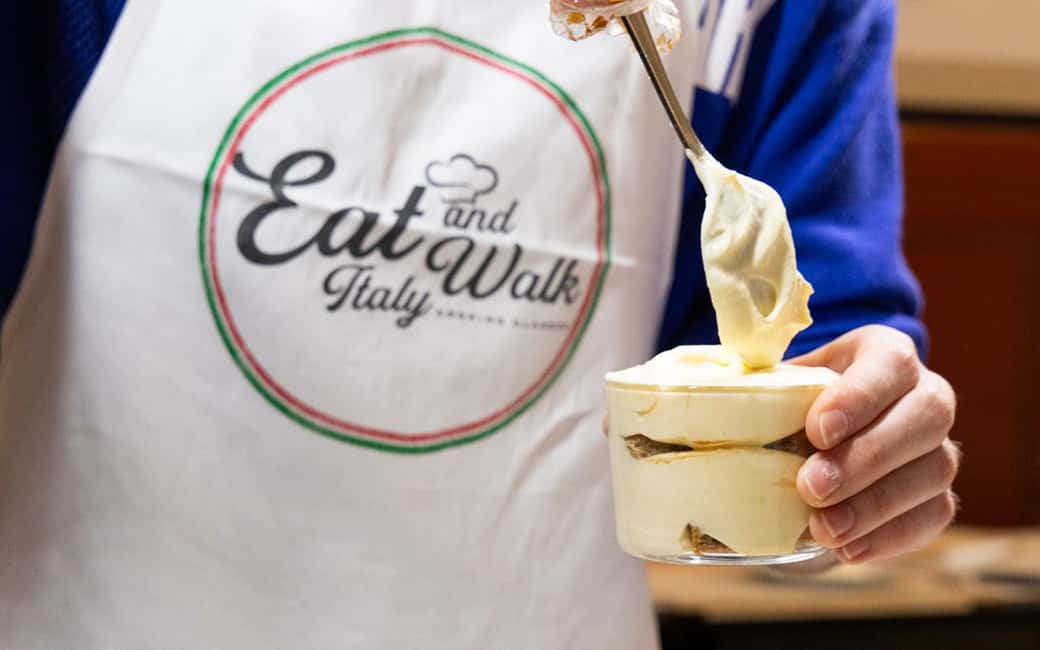
Rome has a lot of cooking classes that look good on paper. This one is practical because it teaches you food you can repeat at home: pasta dough, a filling workflow, and a dessert that’s all about timing and balance.
What makes it extra appealing is the “3-in-1” format. Starting with tiramisù helps you get into the rhythm without needing dough skills first. Then you move into pasta—fettuccine and ravioli—so you go home with both the process and the payoff.
There’s also a social side. People often come as couples, friends, or family groups, and the room is set up for participation rather than spectating. If you’re the type who learns faster by doing, you’ll like how the chef keeps tasks clear and hands moving.
You can also read our reviews of more cooking classes in Rome


Restaurant Gusto: The Center-of-Rome Setup and Class Pace
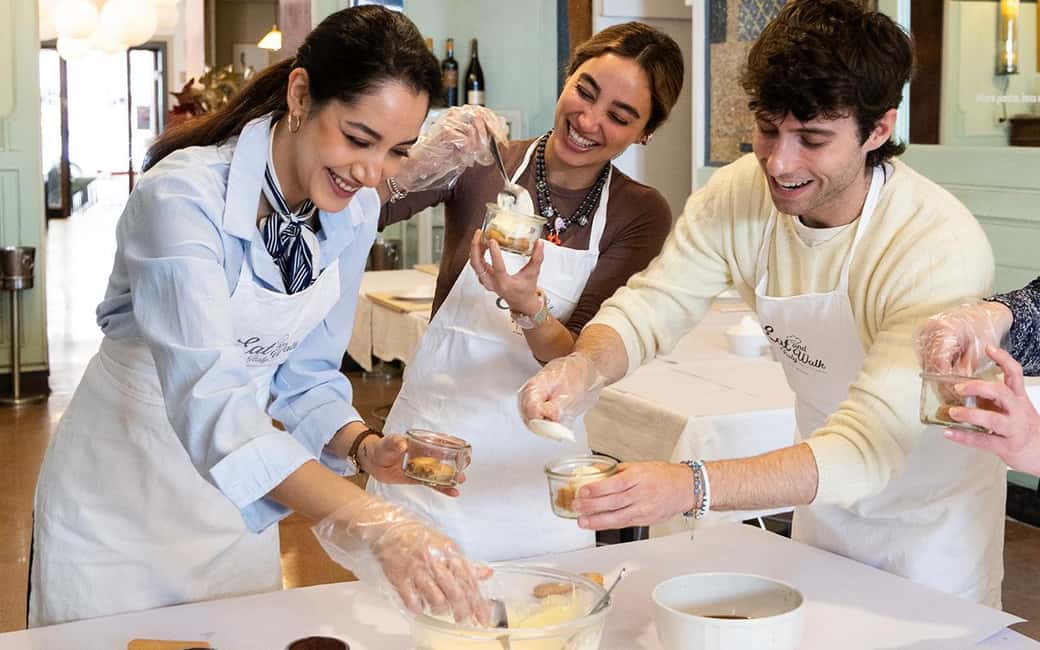
You’ll meet at Restaurant Gusto, Via Giuseppe Zanardelli 14, and the workshop runs inside a cozy restaurant space. That matters more than you’d think. You’re close enough to other central Rome sights that you can fit this into a day easily, and you finish with a proper meal right where you cooked.
The workshop is led in English, and the chef/instructor generally keeps an energetic tempo—lively but still focused on guiding each person through technique. Recent sessions have included instructors such as Lori, Maria, Mimi, Leo, Mattia, Carlotta, Furio, and Tommy, and the common thread is clear explanations plus hands-on help at the stations.
The pace is efficient. The planned duration is 3 hours, but it can feel closer to 2–2.5 for some groups because steps are well organized. If you’re easily flustered or prone to overthinking dough, just know you’ll need to keep up with the flow.
Tiramisu First: A Sweet Start That Builds Skills Fast
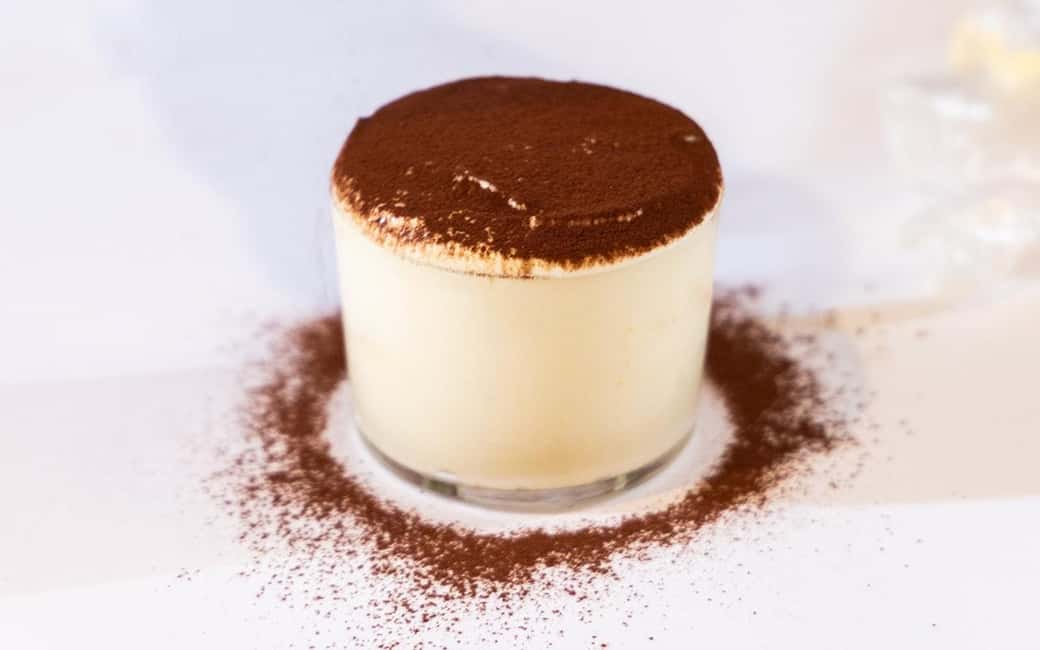
You begin the class by making tiramisù before anything pasta-related. That’s a smart move. It gets you working with a classic Italian dessert structure—layering, texture, and the kind of attention that you can use later in cooking.
You’ll then carry that calm “I can do this” feeling into the pasta portion. Even if you’ve made tiramisù before, this format is useful because you’ll likely refine technique rather than just repeat a guess-and-check recipe.
Expect the chef to guide you through what good looks like—how the mixture should feel, and how the layers should come together. The result is that your tiramisù is ready to enjoy as part of the meal at the end, not left as something you assemble at home days later.
Fettuccine From Scratch Plus Sauce Choices You’ll Actually Use
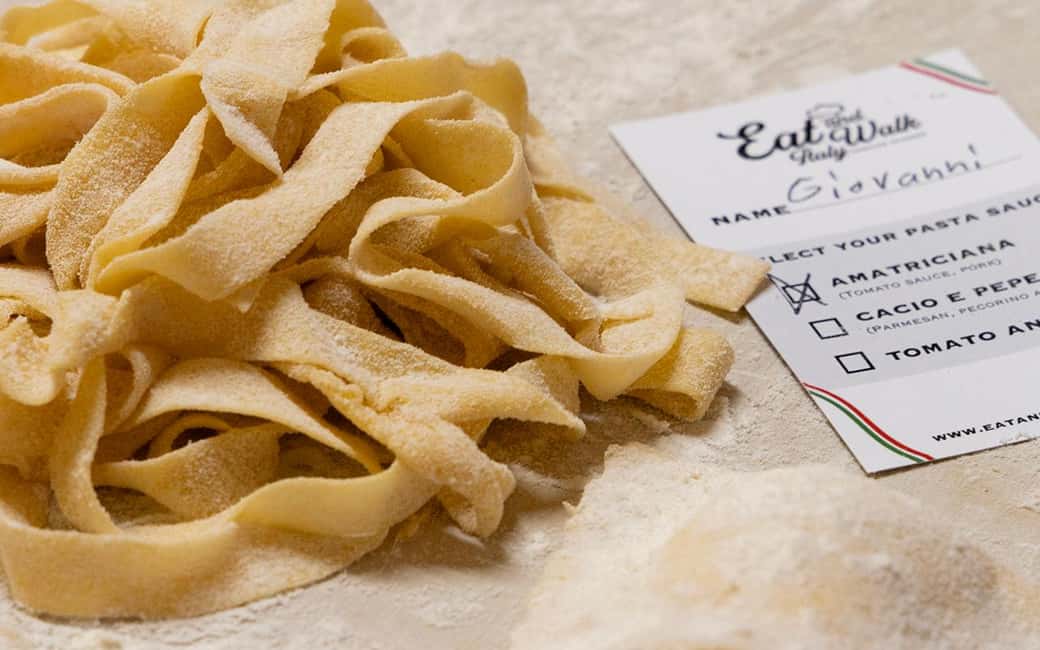
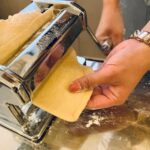
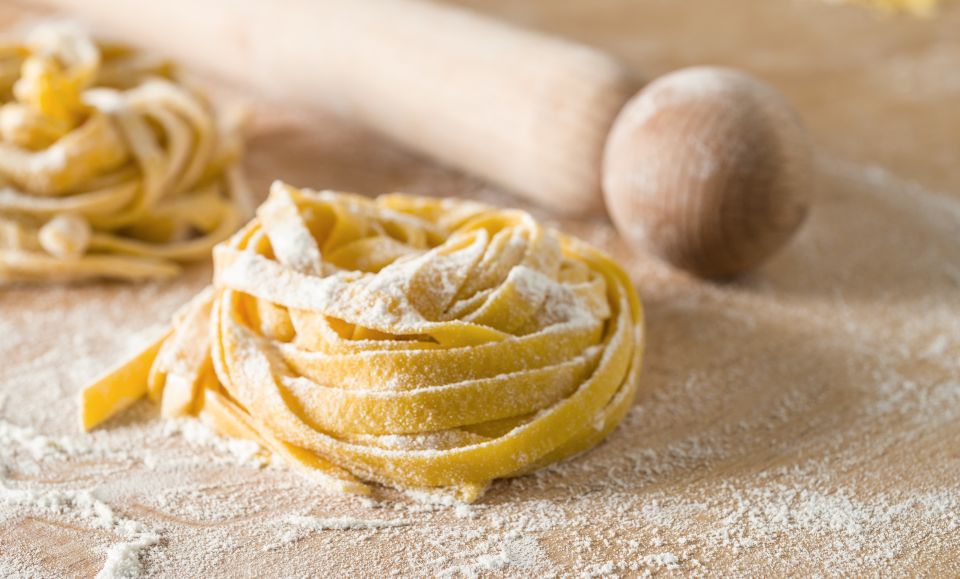
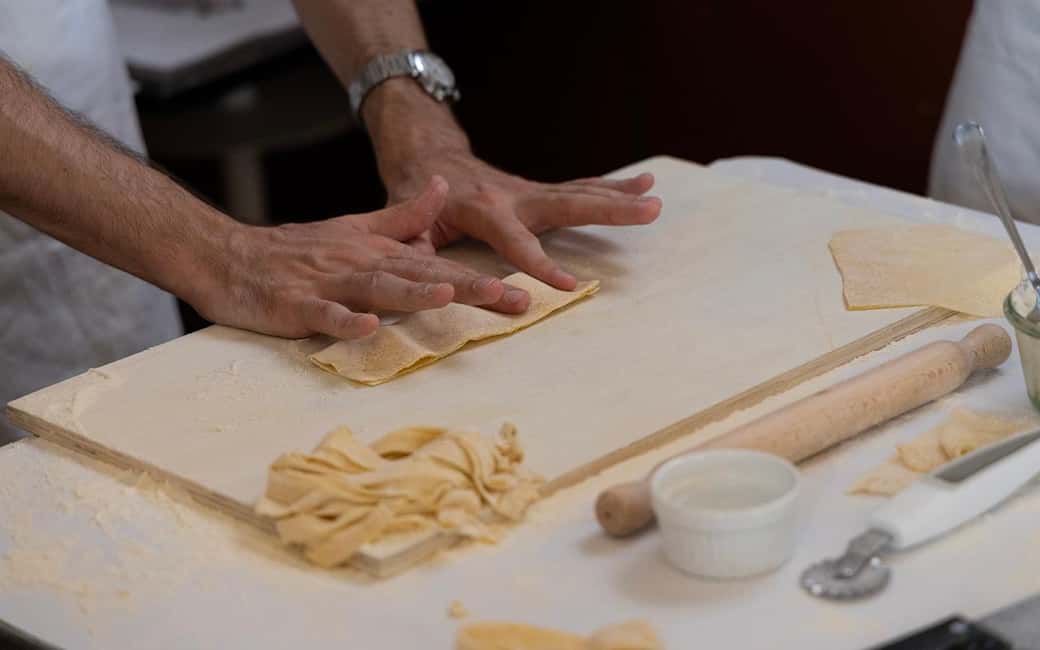
After tiramisù, you switch gears to pasta. The class focuses on making fettuccine from scratch, which means you’ll work with pasta dough and learn how to get it right.
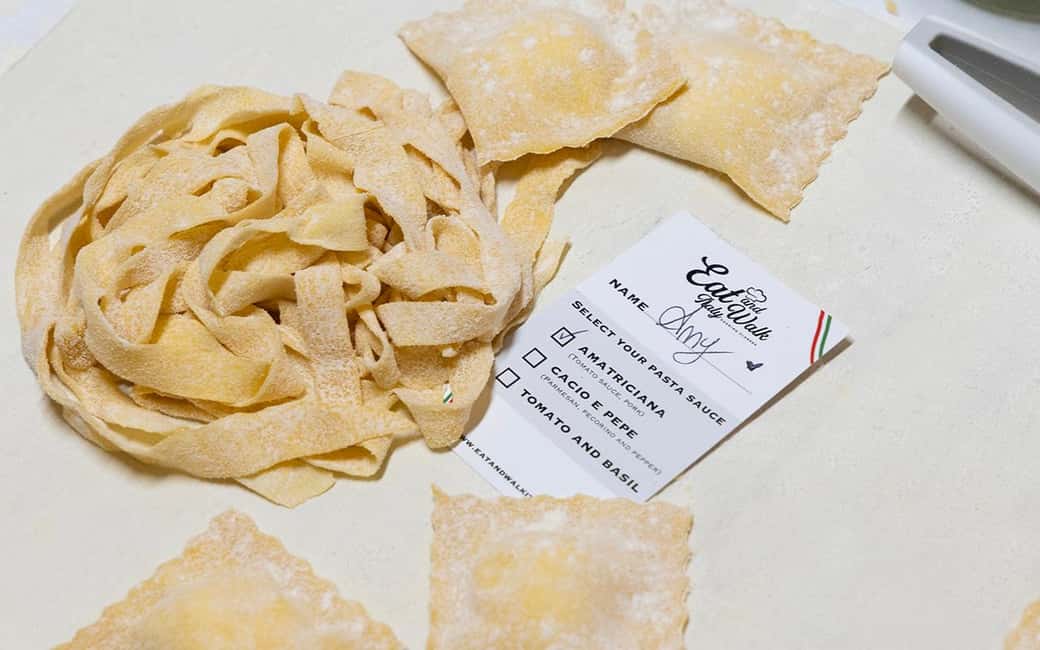
Then comes the part that makes this workshop feel like real Italian cooking, not just dough practice: sauce pairing. You’ll choose from three options for your fettuccine:
- Tomato and basil
- Cacio e pepe
- Amatriciana
Each sauce tests a different side of cooking. Tomato and basil pushes balance and freshness. Cacio e pepe is about keeping cheese silky instead of clumpy. Amatriciana adds a savory punch that works beautifully with the wider noodles.
One reason I like this setup is that it gives you choices without overwhelming you. You’re not trying to memorize five sauces. You get a focused menu, then you eat it soon after making it—so the cause-and-effect really sticks in your head.
If you’re taking notes for home, watch for the chef’s practical tips on how dough thickness, cutting, and timing connect to sauce results. People often leave with at least a few “this is why it works” insights, not just a list of ingredients.
Ravioli and Seasonal Fillings, With Butter and Sage
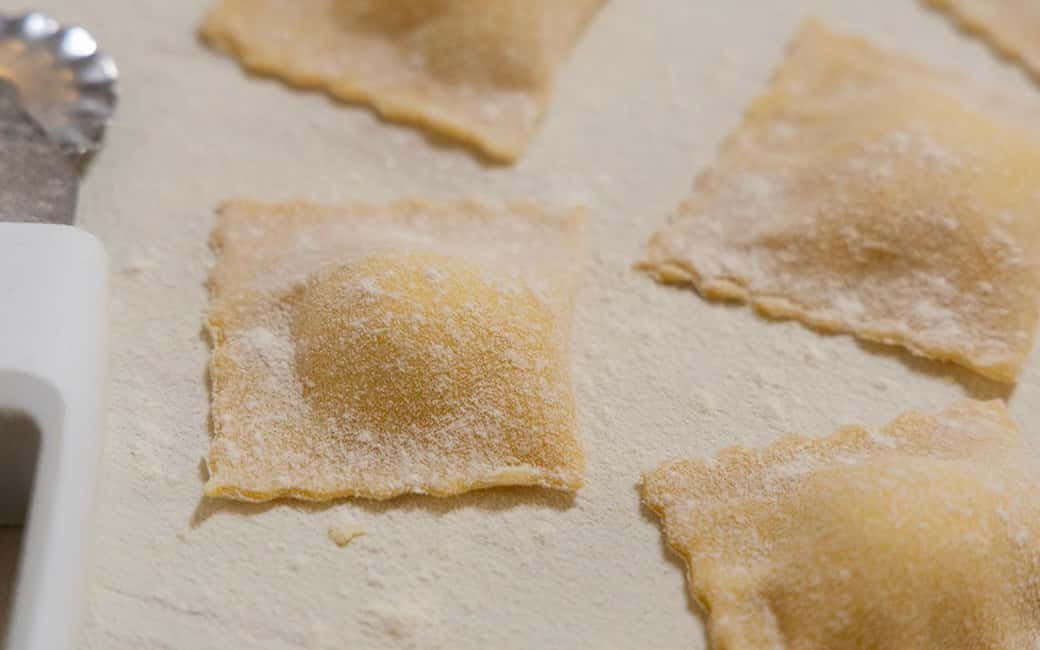
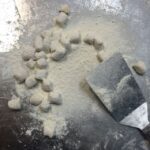
Next up is ravioli—another hands-on dough task, but with a different challenge. Ravioli demands a more careful workflow: portioning, shaping, and sealing so the filling stays put when it hits the water.
Here’s what you can look forward to: your ravioli are served with butter and sage. That combination is classic for a reason. It’s simple enough that you can taste the pasta and filling clearly, but it still feels special.
The chef also covers fillings by season. You won’t just get one generic stuffing. You’ll learn which fillings are best for each season, which is useful if you want to keep making pasta after your trip instead of only once.
If you’re traveling with someone who’s “not a cooking person,” ravioli can be a great compromise. The steps are concrete and visual, and once you see your shaped ravioli coming together, it clicks fast.
You can also read our reviews of more tours and experiences in Rome

The Meal Finish: Wine, Limoncello, and What You Eat Together
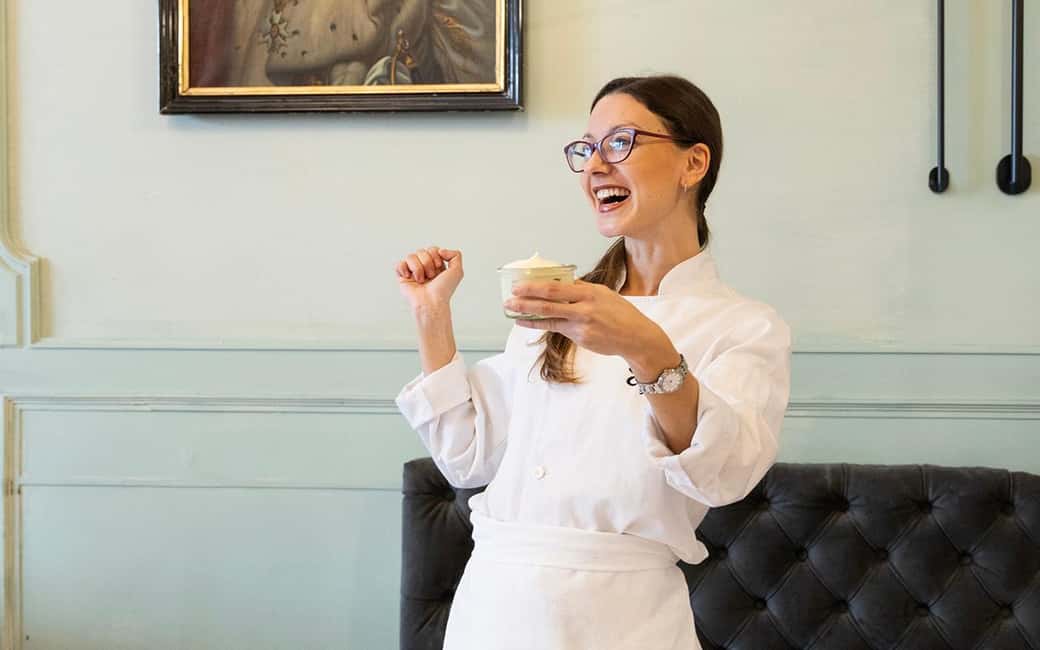
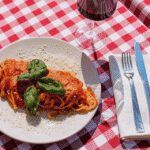
After you cook, you sit down and eat your creations. The included meal comes with:
- Your fettuccine with the sauce you choose
- Ravioli with butter and sage
- Tiramisù
- A glass of wine or a non-alcoholic beverage
- A glass of Limoncello or coffee
- Water
This matters for value and for learning. Eating the final dish immediately helps you understand what you did right (and what you can tweak next time). It turns the class into a full-circle experience: cook, taste, learn.
The wine and limoncello are part of the fun, and the chef’s upbeat approach makes the meal feel like a shared celebration. Still, one small practical note: a couple people reported the white wine served a bit warm. If wine temperature is a dealbreaker for you, just be aware it can vary by service.
For many people, the best moment is the first bite of ravioli and fettuccine you shaped with your own hands. It’s an “I made this” kind of satisfaction, and you’ll likely talk about the technique while you eat.
Price and Value: Does $81 per Person Make Sense?
At $81 per person for about 3 hours, you’re paying for more than food. You’re covering:
- Chef/instructor time in a real teaching format
- Ingredients for multiple dishes
- Hands-on workspace and guidance
- Drinks included with the meal (wine or non-alcoholic beverage plus limoncello or coffee)
A typical restaurant meal won’t teach you how to make fresh pasta dough, shape ravioli, or build tiramisù layers. A private cooking experience can cost far more, and most “quick” classes don’t include a dessert and two types of pasta.
So the value here is in the combination: pasta + dessert + tasting in one sitting. If you want a “Rome memory” that’s more than photos, this is one of the better bets—because you go home with usable skills, not just a full stomach.
Who Should Book This Class (and Who Might Not)
This cooking class is a great match if you:
- Want hands-on technique instead of a lecture
- Like classic Italian food and want to learn why it works
- Prefer an organized group activity where you’re guided step-by-step
- Are traveling as a couple, friends, or mixed-experience group
It may be less ideal if you:
- Need a slow, quiet experience with lots of downtime (the 3-hour structure moves)
- Don’t enjoy active cooking or hands-on mess
- Are bringing very small children (it’s not suitable for children under 4)
Pets aren’t allowed, so plan accordingly if you’re traveling with animals. The venue is also wheelchair accessible, which is a real plus if you need barrier-free access.
Tips to Get the Most Out of 3 Hours
You’ll get the best results if you show up ready to cook, not just watch. Here’s how to make it painless:
- Wear comfortable clothes you don’t mind getting flour on. Pasta dough is sticky and fun, but it’s also floury.
- Go in hungry. You’ll be working, then eating what you made—this is not a snack-and-leave class.
- Focus on the chef’s “consistency” cues. With pasta dough, small changes in texture matter more than memorizing steps.
- Ask questions while you’re at your station. If you’re unsure about sealing ravioli or shaping fettuccine, it’s easiest to fix in the moment.
- Pace yourself mentally. Even if you’re careful, keep moving. The class is timed so everyone gets to cook and eat.
One more practical bonus: some people mention leaving with recipe notes/printouts for making these dishes again at home. If that matters to you, ask at the end whether you can take home written instructions.
Should You Book This Rome Cooking Class?
Yes, if you want an Italian food experience that actually teaches you something. This workshop hits a rare sweet spot: tiramisu + two fresh pasta types + a real sit-down meal, all taught in English and finished with wine and limoncello.
Book it if you’re the type who learns by doing, or if you want a memorable couples activity that isn’t just another walking tour. I’d especially recommend it for first-timers to pasta who want a clear starting point and guidance on the “how” behind the taste.
Skip it if you want a fully relaxed, slow evening. The class is structured and active, and you’ll be most comfortable if you like a bit of momentum.
If you like the idea of leaving Rome with both dessert skills and real pasta technique, this is a strong choice.
FAQ
What dishes are included in this Rome cooking class?
You’ll make tiramisù, fettuccine, and ravioli. You also taste what you cook as part of the class meal.
How long is the cooking class?
The duration is 3 hours.
What drinks are included?
You’ll get a glass of wine or a non-alcoholic beverage, plus a glass of limoncello or coffee. Water is also included.
Is the instructor speaking English?
Yes. Instruction is in English.
Is the venue wheelchair accessible?
Yes, the activity is wheelchair accessible.
Is there free cancellation?
Yes. You can cancel up to 24 hours in advance for a full refund.