REVIEW · ROME
Rome: Roman Master Chef Cooking Class with Wine
Book on GetYourGuide →Operated by The Roman Food Tour · Bookable on GetYourGuide
Rome makes you hungry fast. This cooking class turns that hunger into handmade fettuccine and wine and limoncello. I love the hands-on pace of learning pasta from scratch, and I love that you’re not just watching or tasting—you’re drinking and cooking alongside an instructor and a welcoming host. One thing to keep in mind: the session can run a little later than you might expect, so don’t book it right before a hard deadline.
You’ll work in a Roman restaurant kitchen with an English-speaking chef instructor, and the vibe is friendly without being chaotic. In my experience reading the class-style details, instructors like Sid, Eleonor, Eddie, and Giacomo (and at times Mathilde) keep the group moving and light on their feet, especially when the class is around a dozen people. If you have dietary needs, the class supports vegetarian, vegan, lactose intolerant, and other diets—just tell the provider when you book.
In This Review
- Key Highlights You’ll Care About
- Inside a Roman Restaurant Kitchen, Not a Demo Room
- What You’ll Learn: Roman Pasta Basics That Actually Transfer Home
- A note on dietary options
- Tiramisu Like a Roman: Layering, Coffee Flavor, and Cocoa
- The Drinks Are Part of the Lesson, Not a Side Show
- Group Size and Timing: Why It Feels Personal
- Taking Home Recipes That Keep You from Forgetting Everything
- Value in Plain Numbers: Does $32 Make Sense?
- Who This Cooking Class Is Best For
- Should You Book Roman Master Chef with Wine?
- FAQ
- Will the class be taught in English?
- How long is the cooking class?
- What will I make during the class?
- Are wine and other drinks included?
- Can the class accommodate dietary restrictions?
- Where does the class start?
- What is the cancellation policy?
Key Highlights You’ll Care About
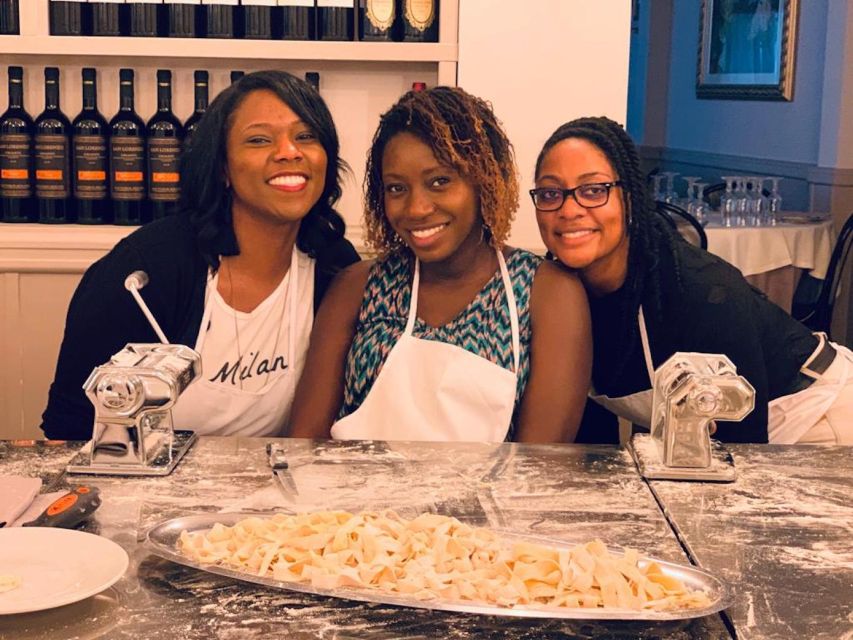
- Fresh pasta, really fresh: you make fettuccine from scratch, not just assemble a kit
- Tiramisu with structure: you build the layered coffee-and-cocoa dessert the right way
- Wine and limoncello included: you drink while you cook, plus coffee, soft drinks, and water
- You leave with recipes: enough to recreate the meal at home
- English instruction + small group feel: clear guidance for every station
Inside a Roman Restaurant Kitchen, Not a Demo Room
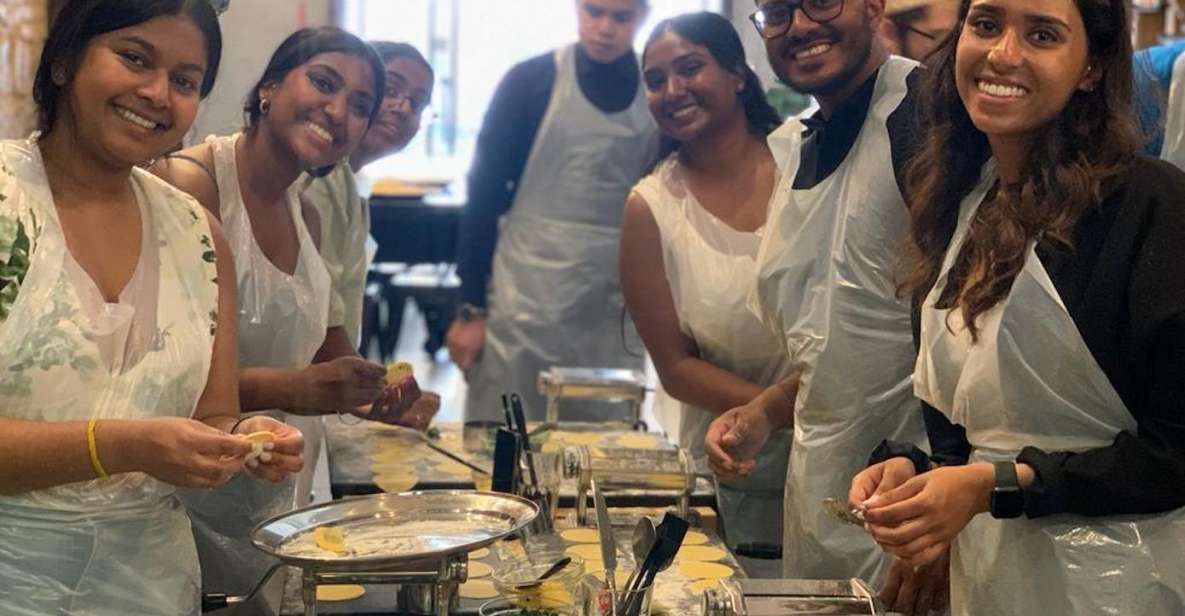
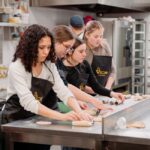
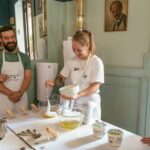
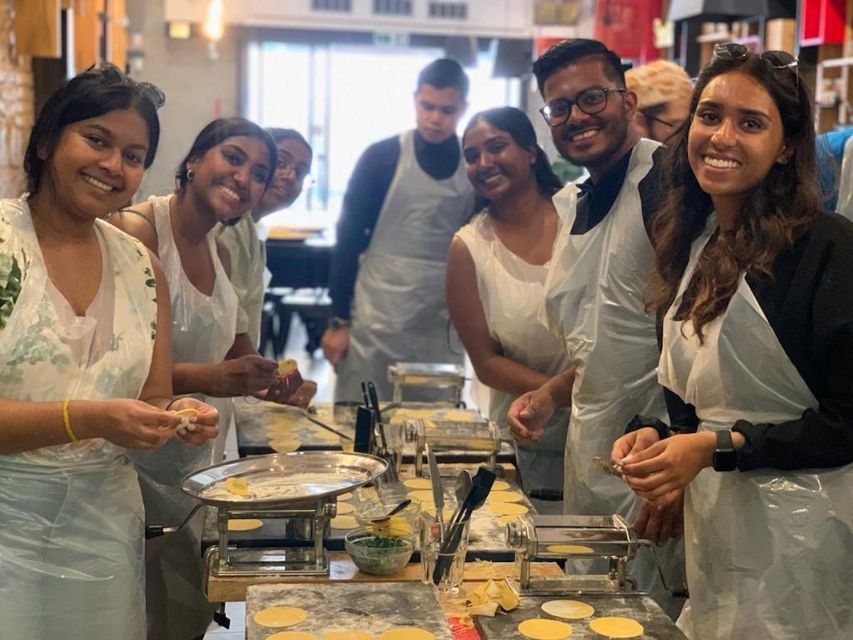
This class is built around the idea that Roman food is best learned by doing it. You cook inside a working Roman restaurant, so the surroundings feel authentic, not staged. That matters more than you’d think: restaurant kitchens run on timing, routine, and tools, and you get a taste of that rhythm instead of a slow, lecture-heavy cooking show.
I also like that the experience doesn’t hide behind fancy words. You’re making a real Roman-style meal: homemade pasta plus tiramisu. Even if you’ve never rolled dough before, the structure is clear, and the staff stays focused on helping you succeed at your own station.
The class runs about 2.5 to 3 hours, which is long enough to learn and actually eat what you made, but short enough that it won’t steal your whole day. That balance is a big part of why this works well for first-time visitors who want something memorable without getting stuck doing tourist checklist-only stuff.
You can also read our reviews of more cooking classes in Rome

What You’ll Learn: Roman Pasta Basics That Actually Transfer Home
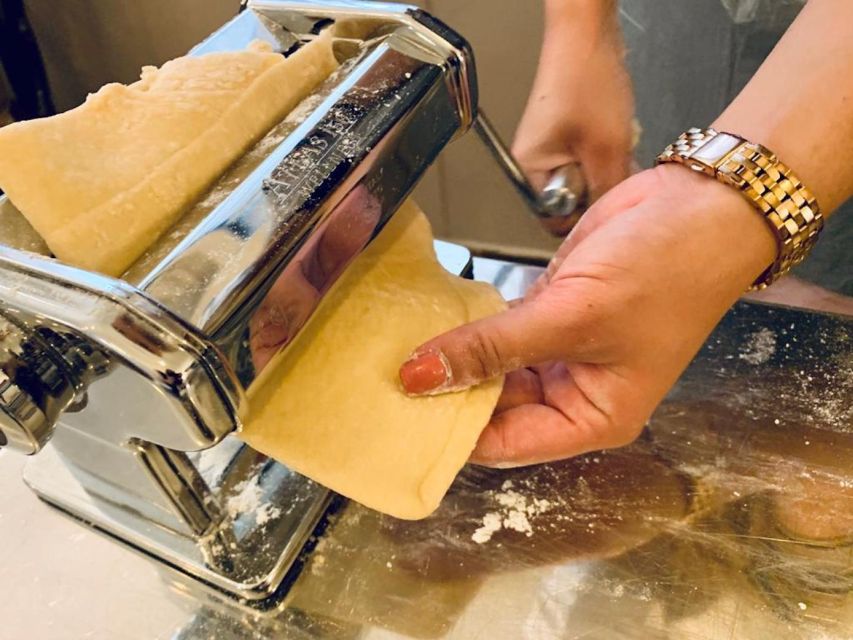
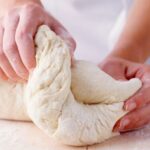
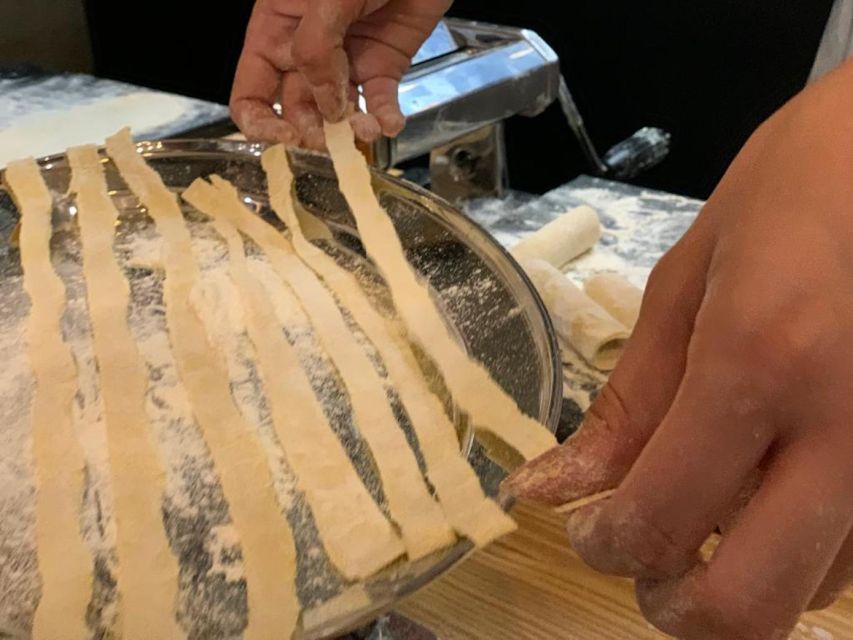
The core of the class is handmade fettuccine. You’ll start by gathering tools and ingredients, then learn how to make pasta dough and roll it into noodles. This is the kind of skill that can feel mysterious when you watch it online. In class, you get the “why” behind the “what”—texture, thickness, handling the dough, and how to tell you’re on the right track.
The practical value here is that once you understand the dough behavior, you can adjust later. You’ll be better prepared to make fresh pasta at home without relying entirely on store-bought sheets. And because it’s fettuccine, the shape is forgiving: it’s easy to cook evenly and it holds sauces well.
If you’re thinking about sauces, here’s the honest tradeoff: the class centers on the pasta and the dessert. You might find the session includes extra pasta variations on some schedules (one attendee described making ravioli in addition to fettuccine), but you should still plan for the main focus to stay on those two big items: fettuccine and tiramisu.
A note on dietary options
The class supports vegetarian, vegan, lactose intolerant, and other diets. You’ll want to tell the provider ahead of time so they can plan ingredients and methods that fit your needs. That’s especially important for tiramisu, where dairy and liquid absorption can change the outcome if you’re adapting.
Tiramisu Like a Roman: Layering, Coffee Flavor, and Cocoa
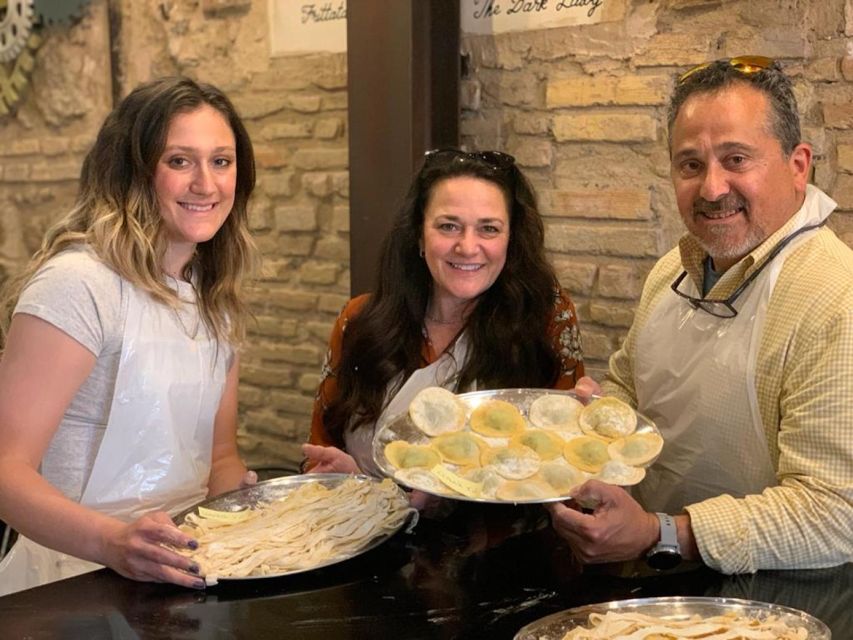
After the pasta comes the tiramisu. This is where the class shows its real strengths: it’s not just about tasting dessert; it’s about building it. You’ll learn the layered method that gives tiramisu its texture—coffee flavor throughout, cocoa on top, and the right balance so it sets instead of becoming sloppy.
What makes this valuable is timing and assembly. In many casual classes, dessert is a rushed add-on. Here, you’re taught in a way that supports you doing it cleanly. You build layers, you keep things moving, and you learn how to handle the components so the finished dessert looks and tastes like something you’d actually order in Italy.
One more practical point: tiramisu keeps well, which makes it a smart “learn and eat now, save some for later” dish. You’ll likely appreciate that after a few hours of cooking, you get a satisfying finish that isn’t just a small bite and done.
The Drinks Are Part of the Lesson, Not a Side Show
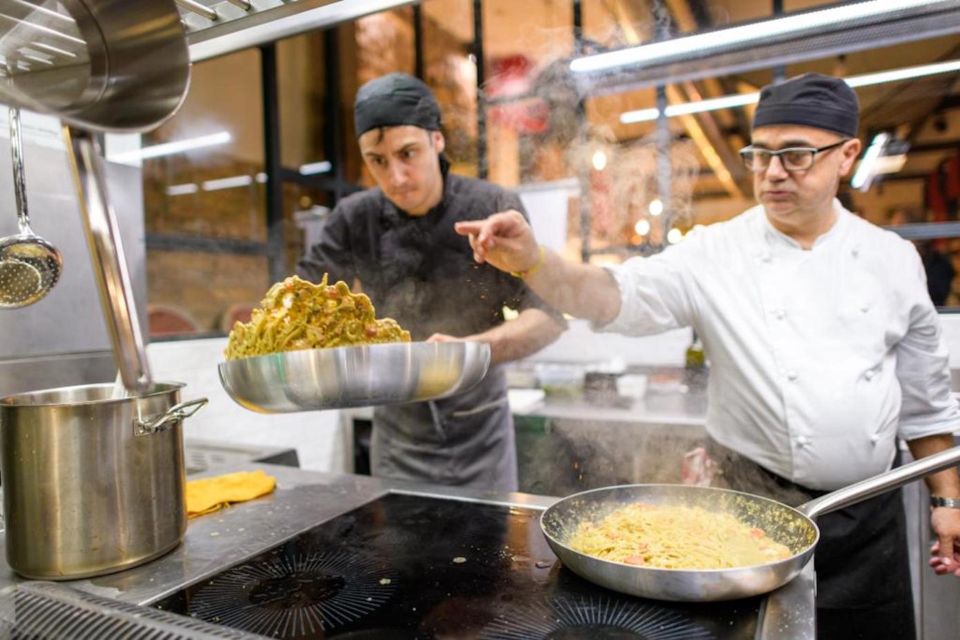
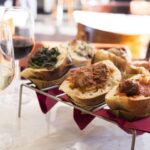
This class includes fine Italian wine and limoncello, plus coffee, soft drinks, and water. That’s not just about fun. It changes how the experience feels. Cooking becomes a shared event instead of a checklist, and you’ll find the staff uses the relaxed pace to keep instruction approachable.
In particular, the social tone is helped by the way hosts and chefs interact with the group. Names that came up in the class atmosphere include Sid, Eleonor, Eddie, Giacomo, and Mathilde. Multiple accounts describe them as clear, funny, and attentive, with good energy even when people are still learning the basics.
If you’re not a wine person, you still get coffee and soft drinks, and you can pace yourself. Just remember that alcohol is included, so you should plan to be comfortable with that during the session.
You can also read our reviews of more wine tours in Rome



Group Size and Timing: Why It Feels Personal
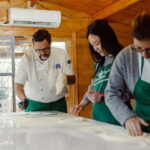
A lot of cooking classes sell the big promise and deliver the opposite: a large group, lots of waiting, and too little individual help. This one works better because it tends to stay small. One attendee described the class as about 12 people, which is a manageable size for getting attention at your station.
The class typically runs 2.5 to 3 hours, and the plan includes both cooking and sitting down afterward to eat. That post-cooking part matters. You don’t just pack up your tools and go. You get to enjoy what you made in a Roman restaurant setting—sometimes indoors, sometimes on an outdoor terrace depending on how things are set up.
One caution: the start time can run a bit later than expected. If you have dinner reservations immediately after, consider building in a small buffer.
Taking Home Recipes That Keep You from Forgetting Everything
The best souvenirs aren’t magnets. Here, you get authentic Italian recipes you can take home and recreate. That turns your new skills into an actual repeatable meal, instead of a one-time memory.
Even if you don’t make pasta weekly, having the recipes closes the loop. You’ll be able to remember ingredient amounts and method steps months later. And because the class is designed around a specific meal (fettuccine plus tiramisu), the recipes are focused rather than generic.
Value in Plain Numbers: Does $32 Make Sense?
At about $32 per person, this is one of those deals that only works because the experience is structured tightly: you get a real chef instructor, hands-on cooking time, ingredients, and included drinks.
Think about what you’re paying for:
- Cooking instruction from an English-speaking chef guide
- Ingredients for pasta and tiramisu
- Beverages like wine and limoncello, plus coffee and soft drinks
- A meal afterward with the food you made
- Recipe take-home materials so it’s not just a tasting exercise
For Rome, where many food experiences cost more and deliver less, this price can be a standout. The main reason it feels fair is that you’re not paying for a ticket to watch. You’re paying for a coached, hands-on session that ends with you eating what you made.
Who This Cooking Class Is Best For
This is a strong choice if you:
- Want a Rome activity that feels like Italy, not just sightseeing
- Like learning a practical skill you can repeat at home (pasta dough and tiramisu technique)
- Enjoy a social atmosphere with an international group
- Prefer an English-led experience with clear steps
It’s especially good for first-timers because it fills a chunk of time (2.5 to 3 hours) without requiring advanced cooking experience. If you’ve cooked before, you’ll still appreciate the technique reminders and the structured way the class guides you.
If you hate alcohol, you can still participate, but the experience is clearly designed to include wine and limoncello. Plan around that.
Should You Book Roman Master Chef with Wine?
If you’re deciding between a pricey food tour and a focused cooking class, I’d lean toward this. The combination of from-scratch fettuccine, tiramisu you assemble yourself, and included wine/limoncello makes it feel like you’re buying an experience with real value, not just snacks.
Book it if you want:
- A memorable afternoon that ends with a proper meal
- Something you can recreate at home
- A guided experience that keeps you involved the whole time
Don’t book it if:
- You have a hard schedule where a potential late start would break your plans
- You want a purely non-alcohol, minimal-drink class (because wine and limoncello are part of the package)
- You’re only interested in seeing food without cooking
FAQ
Will the class be taught in English?
Yes. The instructor is listed as English-speaking.
How long is the cooking class?
The duration is listed as 2.5 to 3 hours.
What will I make during the class?
You will learn to make homemade fettuccine pasta from scratch and tiramisu.
Are wine and other drinks included?
Yes. The class includes fine wine and limoncello, plus coffee, soft drinks, and water.
Can the class accommodate dietary restrictions?
Yes. Dietary options are available, including vegetarian, vegan, lactose intolerant, and other diets supported. You should inform the activity provider when booking.
Where does the class start?
The meeting point may vary depending on the option booked.
What is the cancellation policy?
Free cancellation is available up to 24 hours in advance for a full refund.