REVIEW · ROME
Rome: Colosseum & Forum Small Group Tour with Palatine Hill
Book on GetYourGuide →Operated by Rome Your Way · Bookable on GetYourGuide
Gladiator stories hit hard right away. This small-group tour turns the Colosseum and Roman Forum into a walkable timeline, with skip-the-line entry and a Palatine Hill view that makes the ruins feel real. I especially like how guides such as Marketa and Fluvia (both highlighted for keeping the pace moving and the stories clear) make big monuments easier to understand, even if you only have a few hours. One possible drawback: it’s still a real walking tour on uneven ground, so plan for fatigue and heat.
What makes this outing practical is the setup for not getting lost. You get professional guidance plus headsets when needed, so you can actually hear the talk near the loud crowds. And because it’s a small group, you spend less time herding between stops and more time looking up at the architecture.
The tour also makes smart choices about where to stand and look. You spend time inside the Colosseum’s first and second tiers while the guide connects the stones to gladiator fights and crowd life, not just dates. Then you shift to the Roman Forum, where the guide helps you read temples, columns, and sculptures as pieces of one political puzzle.
In This Review
- Key points worth your time
- Entering The Colosseum: Skip the Lines and Hear It Like a Play
- Palatine Hill Photos: The Best View Over the Roman Forum
- Wandering the Roman Forum: Temples, Columns, and Political Power
- Capitoline Hill, Pantheon Sight, and Piazza Navona Finish
- Guide Quality: Why Names Like Marketa, Priscilla, and Titiana Matter
- Pace, Footwear, and Dress Code: Plan Like a Rome Pro
- Price and Value at $63.54: What You’re Really Paying For
- Should You Book This Colosseum & Forum Small Group Tour?
Key points worth your time
- Skip-the-line access saves you from the worst of the ticket chaos at the Colosseum and Forum
- Palatine Hill photo moments put you above the Forum for a real sense of scale
- Tier-by-tier Colosseum storytelling makes the building explain itself
- Headsets when needed help you catch details without craning your neck the whole time
- A route that finishes near Piazza Navona lets you keep sightseeing with an easy next step
Entering The Colosseum: Skip the Lines and Hear It Like a Play
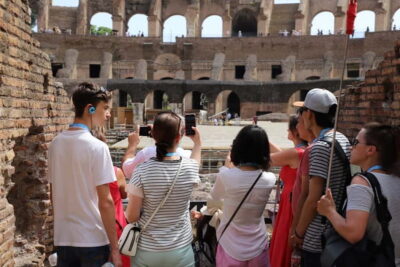
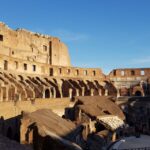
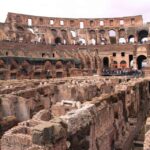
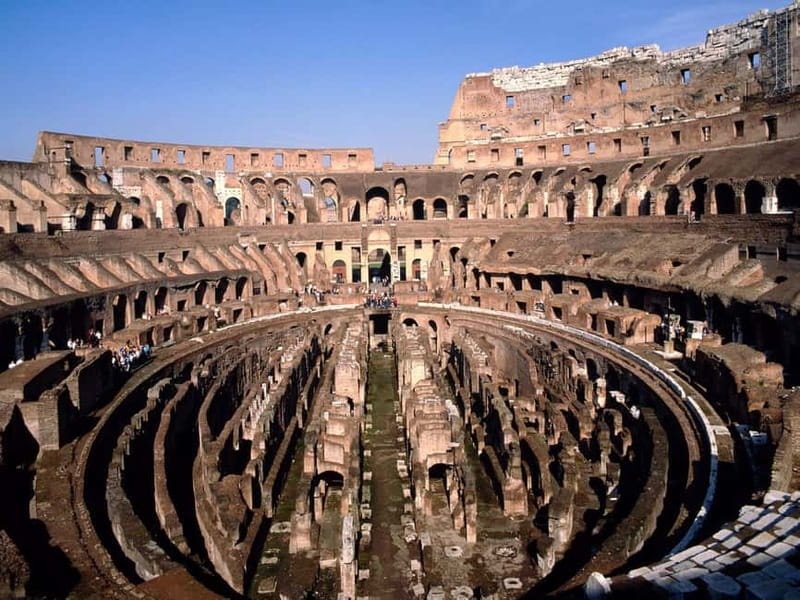
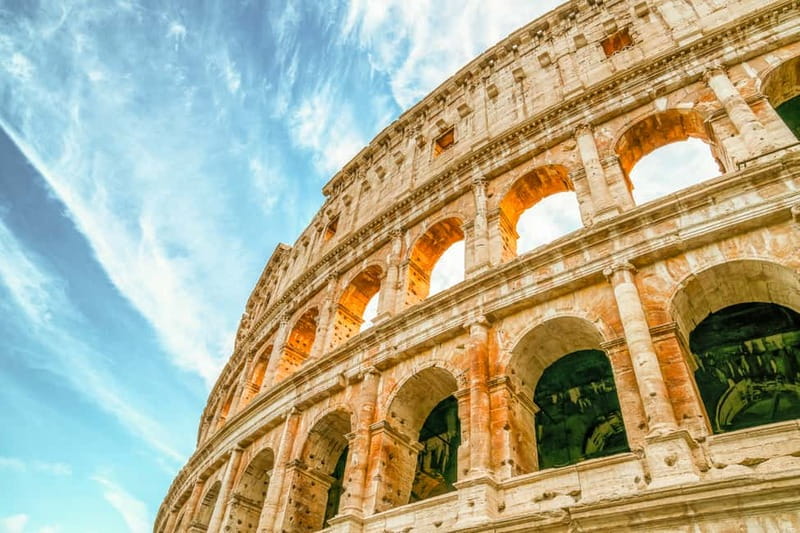
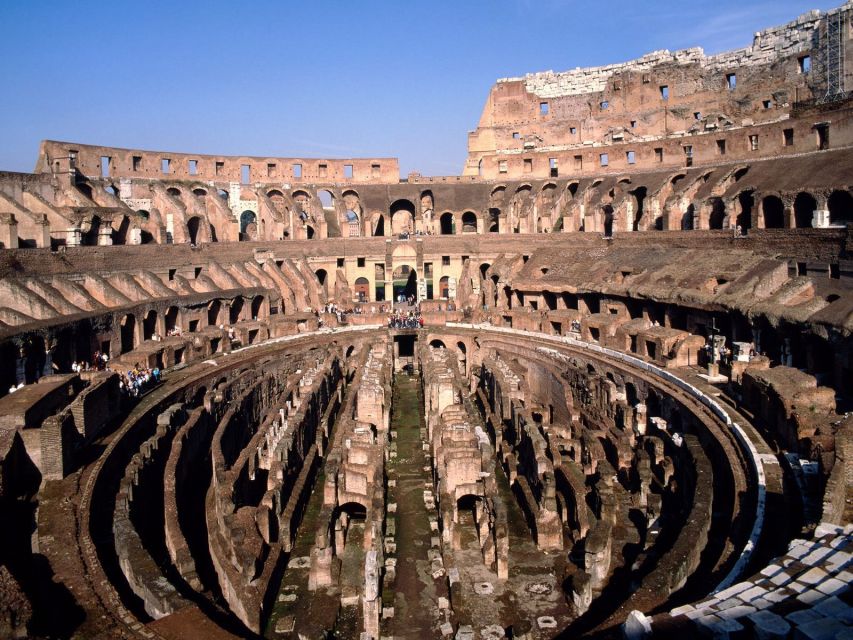
The Colosseum is impressive on its own, but it’s even better when you understand what you’re looking at. With skip-the-line entrance, you spend less time stalled at the front of the crowd and more time stepping into the arena space, where the guide’s stories about gladiators and public entertainment start to click.
A big part of the value here is the focus on the Colosseum’s first and second tiers. When you hear how different levels were used and how the games worked, the building stops being a photo spot and starts being a machine for moving people and power. You also get guided time for photos, which matters because the Colosseum offers a lot of angles, but most of them are only worth it if you’re not rushing.
One more practical win: headsets when needed. The Colosseum can get noisy, and it’s easy to miss details if you’re relying only on your voice. With the audio system in place, you can keep your eyes on the stones while still following the thread of the story. Guides like Priscilla and Frederico are specifically praised for being engaging and question-friendly, which usually means you’re not stuck with a one-way lecture.
You can also read our reviews of more tours and experiences in Rome.
Palatine Hill Photos: The Best View Over the Roman Forum
After the Colosseum, you head to Palatine Hill, and that stop is one of the smartest pieces of the whole route. Palatine is higher ground, so you get an elevated view that shows how the Forum area sat in the middle of ancient Rome’s daily life. Even if you’re not a history nerd, this perspective helps you understand what’s where.
This is also where the tour leans into the “look up” style of sightseeing. The guide points out what you’re seeing and why it mattered, so your photos aren’t just random angles. You’ll get a designated photo stop plus guided time, which means you can pause without the stress of trying to find the right spot on your own.
If you’re traveling with limited time, this hill view is a shortcut to comprehension. People often stand in the Forum and feel like they’re surrounded by scattered ruins. A viewpoint like this fixes that problem fast. It’s one reason Palatine Hill is frequently where the tour feels most rewarding: you get a sense of scale, not just individual monuments.
Wandering the Roman Forum: Temples, Columns, and Political Power
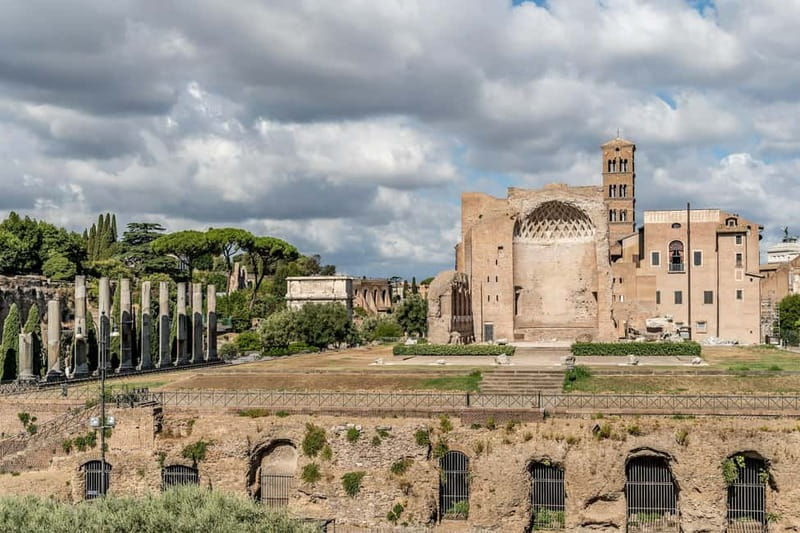
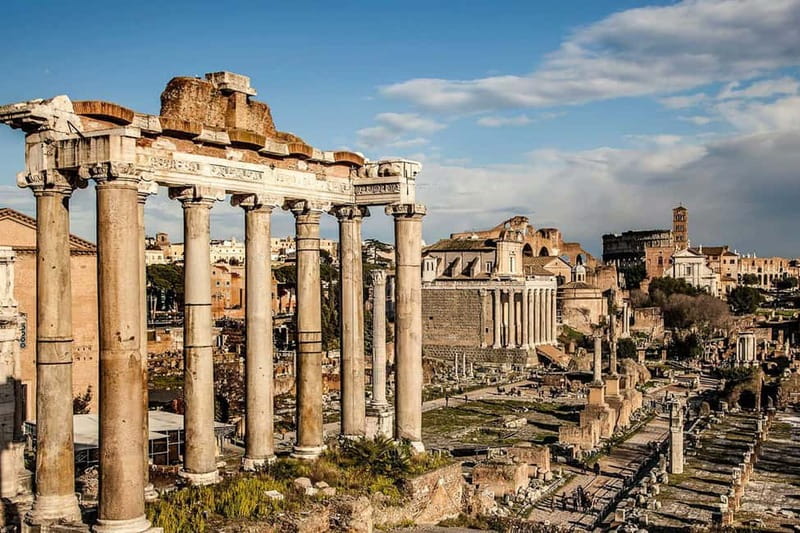
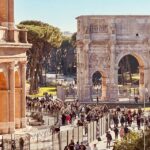
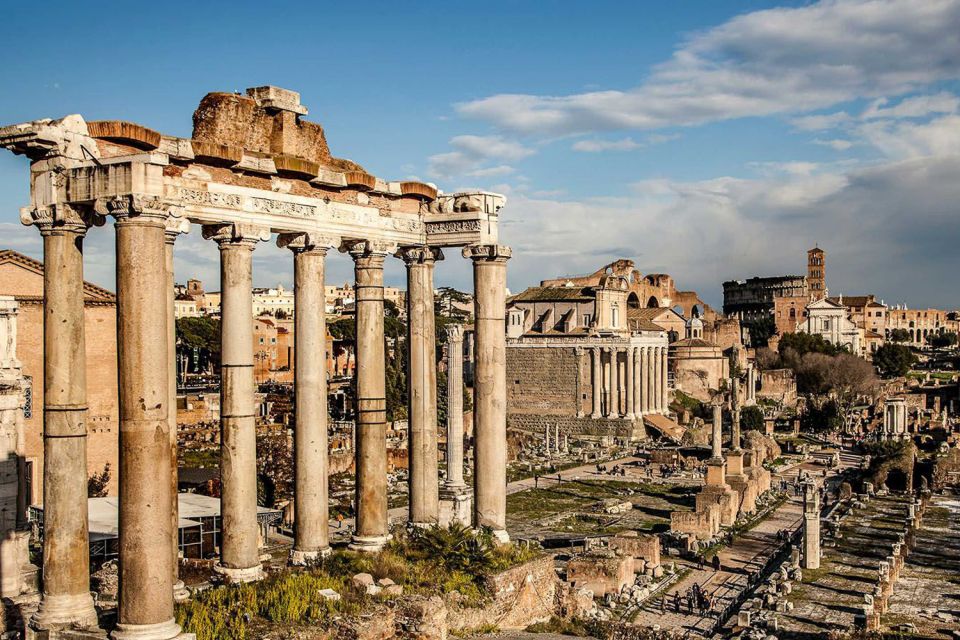
The Roman Forum is where you slow down and start reading Rome. The guide’s job is to connect the dots between what’s still standing—temples, columns, and scattered sculpture pieces—and what Rome was trying to do as a city-state and then as an empire.
Expect guided walking time that turns the ruins into a story you can track. You’ll get photo moments, and the guide explains the key features so you don’t just see walls and bases; you see meaning. One of the strongest themes from praised guides, including Marielena and Titiana, is that they talk about how Rome shifted from one political shape to another and how that change shows up in the monuments you can still recognize today.
The Forum is also a place where timing matters. Heat and crowds can drain energy quickly, so the guide’s pacing and crowd control affect your experience. Several accounts mention how guides handle the group well—keeping everyone together and helping you move efficiently between viewpoints.
A small note for your expectations: the Forum is not a fully restored theme park. It’s ruins. That can be frustrating if you came for perfectly intact interiors. But it’s ideal if you like the feeling of standing in the bones of a city and letting good explanations give the shapes context.
Capitoline Hill, Pantheon Sight, and Piazza Navona Finish
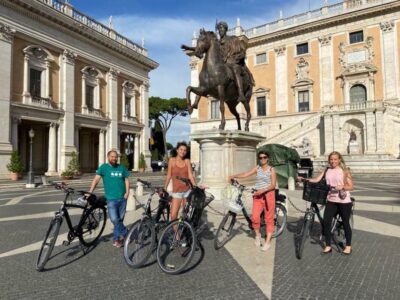
This tour doesn’t end at the first two big icons. The route includes a climb up to the Capitoline Hill area and includes time to see the Pantheon along the way, plus a finish near Piazza Navona. That mix is useful because it helps you connect three different kinds of Rome in a short window: ancient civic spectacle (Colosseum), ancient political heart (Forum), and then the later city atmosphere around the Pantheon and Piazza Navona.
Capitoline Hill tends to deliver a different kind of payoff than Palatine. Palatine helps you understand scale; Capitoline gives you a sense of Rome’s long-lasting habit of placing power and ceremony on high ground. Even if you only get a short climb, it’s the kind of perspective change that makes your day feel fuller.
The Pantheon is a special moment in any Rome trip, mostly because it’s so visually complete compared to the Forum. Seeing it from the outside (as this kind of route typically does) still gives you that anchor: the ancient world isn’t just fragments; it’s buildings that survived with major parts intact. Then you’re guided toward Piazza Navona, where you can keep the “Rome feeling” going without needing transit or a whole new plan.
If you’re building a day around landmarks, this ending is practical. Piazza Navona is central and easy to walk around, so you’re not stuck figuring out your next move with sore feet.
Guide Quality: Why Names Like Marketa, Priscilla, and Titiana Matter
With any Colosseum and Forum tour, the guide is the difference between a good outing and a frustrating one. This experience has a track record of strong guides, and you can see the pattern in the names that get praised: Marketa, Fluvia, Priscilla, Titiana, Adela, Ava, and Marielena all show up in feedback for doing the same essential job well—keeping people oriented and bringing the sites to life in a way you can follow.
What I like about this type of tour guide is how they handle the pacing. A common problem at major Roman sights is that you spend more time waiting than learning. Here, the guide approach is designed to keep the group moving and help you use the time inside and around the sites wisely. Headsets also reduce the friction of loud crowds, so the narrative stays intact while you’re walking.
The best guides also use small “human” details that make the monuments easier to picture. Mentions of guides pointing out practical things—when to take photos, where the best viewpoints are, and how to manage questions—show up again and again. That kind of leadership is especially valuable if it’s your first time in Rome, because you don’t yet know what to look for.


Pace, Footwear, and Dress Code: Plan Like a Rome Pro
This is a walking-heavy tour for about 3 to 3.5 hours, and that matters more than you might think. The route includes climbs and uneven pavement, and even a “short” Rome walk can feel long once you add sun, crowds, and stairs. Wear sensible shoes. That advice comes up repeatedly for a reason.
Dress code is not casual here. The tour does not allow shorts or sleeveless shirts, and backpacks and large bags aren’t allowed either, with no luggage storage available. If you’ve ever traveled light and then got stuck at a check because your clothes or bag didn’t match the rules, you know how quickly that can ruin a day. Follow the restrictions and you’ll feel calmer at the start.
Also bring valid identification. The tour data says you need a passport or ID card, and children included must have valid ID too. This is one of those Rome details that’s easy to forget until you’re standing at a checkpoint.
If you’re traveling with mobility needs, note that the tour is not wheelchair accessible. Even if you can walk short distances, uneven paths and stairs can still be a challenge.
Price and Value at $63.54: What You’re Really Paying For
At $63.54 per person, the headline cost is only part of the story. You’re paying for the package that usually causes headaches when you try to DIY: a skip-the-line entrance, a live guide, and admission fees handled as part of the tour.
For a 3–3.5 hour format, that can be a strong value if you care about understanding what you see. The Colosseum and Roman Forum are not “one-and-done” sites. Without context, you may catch a few great photos and still feel like you missed the point. With guided explanations and a structured route, you’re more likely to leave with a clearer mental map of ancient Rome.
The headset setup when needed also adds value. It’s small, but it’s the kind of detail that makes the experience less stressful. You don’t have to decide between looking around or hearing the guide’s explanation.
That said, there’s one practical consideration: timing. One account mentioned a delay that left the group waiting. It’s not guaranteed, but it’s a reminder to arrive on time and confirm your exact meeting details for your departure.
Should You Book This Colosseum & Forum Small Group Tour?
Book this tour if you want the fastest path to understanding the two biggest ancient Rome icons in a few focused hours. It’s especially worth it for first-time visitors because the route gives you both “wow” (Colosseum) and “how Rome worked” (Forum), plus views from Palatine Hill that make everything feel connected.
You should also book it if you prefer guided orientation over wandering. The guide role is central here, and the repeated praise for named guides suggests you’re likely to get someone who can keep the story clear and the group moving.
Skip it only if you’re hoping for a very relaxed stroll with minimal walking. This is structured and active. If you’re fit, okay with climbs, and ready to follow a guide’s pacing, you’ll probably love how quickly the day makes sense.
If you do book, pack light, follow the dress rules, wear supportive shoes, and bring your ID. Do that, and this is a solid, efficient way to see Rome’s ancient core without getting stuck in the lines.