REVIEW · ROME
Rome: Doria Pamphilj Gallery Private Tour
Book on GetYourGuide →Operated by Rome Guides · Bookable on GetYourGuide
First-rate art in a real noble palace. The Doria Pamphilj Gallery is a smart, private way to see major Renaissance and Baroque works without treating the museum like a race. I especially like the chronological flow across the 4 wings, and I love the chance to focus on headline pieces like Velazquez’s Portrait of Pope Innocenzo X and Caravaggio’s early works. The one real drawback: this tour isn’t recommended for limited mobility, so if you use a wheelchair, you should look for a different plan.
This experience is built around a private local guide, usually in English or Italian, who connects paintings to the people and power around them. If you get a guide with energy like Vincenzo, you’ll feel the artworks start talking back. You’ll also want to manage expectations about logistics: there’s no hotel pickup, and large bags or luggage aren’t allowed, so travel light.
In This Review
- Key things that make this tour worth your time
- A private art lesson inside Palazzo Doria Pamphilj
- How the gallery walk works: four wings and a chronological look
- The big names you’ll meet: Raphael, Titian, Tintoretto, Bernini
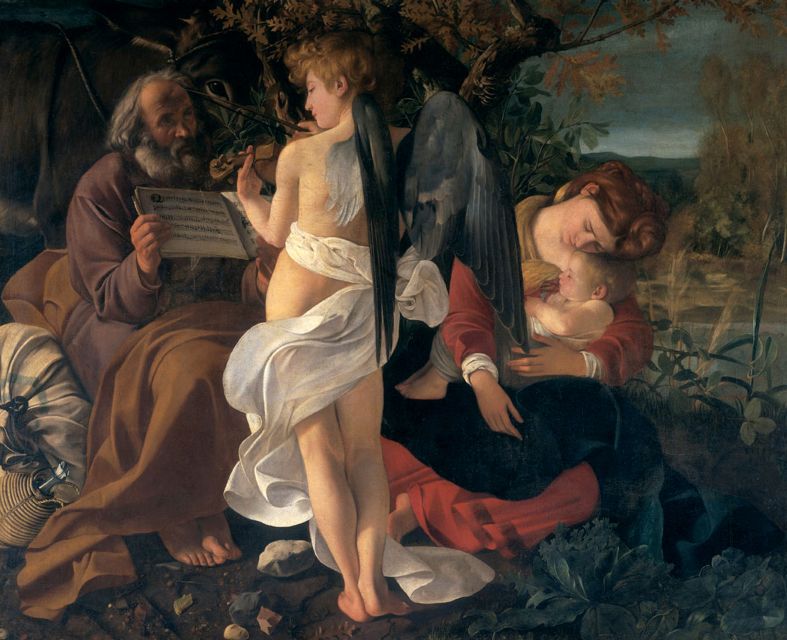
- Caravaggio’s early works: Rest on Flight to Egypt and Penitent Magdalen
- Velazquez and court portrait power: Portrait of Pope Innocenzo X
- The Gallery of the Mirrors: how to use the photo moment well
- Price and value for a 2-hour private guided tour
- Who this Doria Pamphilj private tour is best for
- Should you book this Rome private gallery tour?
- FAQ
- FAQ
- How long is the Rome Doria Pamphilj Gallery private tour?
- What language is the private guide available in?
- Is hotel pickup included?
- What should I bring or know about luggage?
- Where do I meet the guide?
- Is the tour wheelchair accessible?
- What’s included in the price?
- What are the cancellation terms?
Key things that make this tour worth your time
- Private local guidance that turns art history into clear stories (not a lecture)
- Chronological, floor-to-ceiling viewing across 4 wings so you can track artistic change
- Caravaggio + Titian + Velazquez in a tight 2-hour visit, with key works highlighted
- Portrait of Pope Innocenzo X for a firsthand look at court portrait intensity
- Gallery of the Mirrors for a dramatic photo stop
- Smaller moments included, like how the gallery’s layout shapes how you understand the art
A private art lesson inside Palazzo Doria Pamphilj
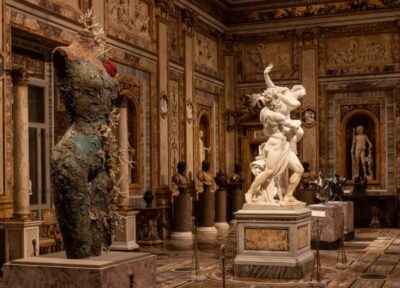
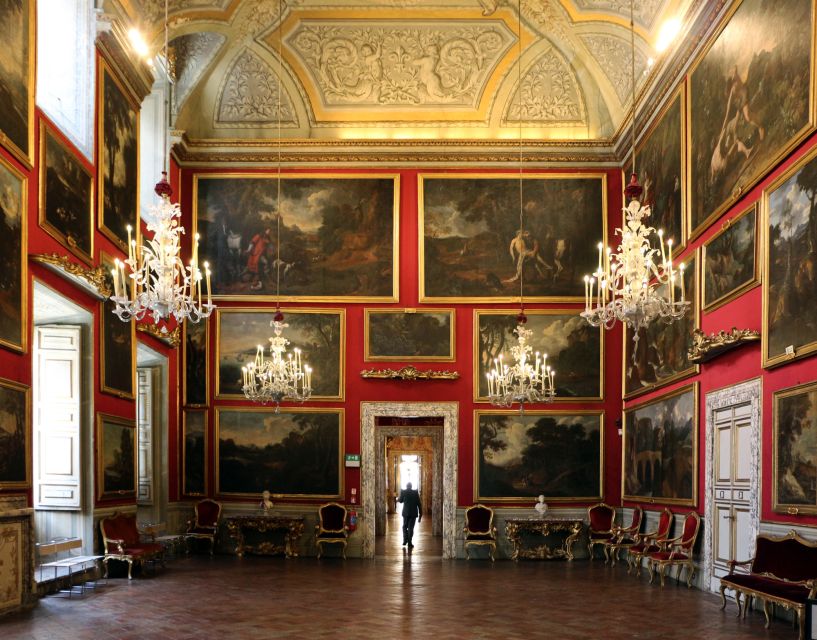
This tour centers on the Doria-Pamphilj Gallery inside the Palazzo Doria Pamphilj, and that setting matters. You’re not just walking through rooms of paintings; you’re seeing how a private collection lives in a historic residence, with the collection distributed across 4 wings.
You’ll meet your guide by arriving about 15 minutes early. The guide holds a sign with the tour name and hands out your entry tickets. Since hotel pickup and drop-off aren’t included, plan to get there on your own and arrive a bit early so the start doesn’t feel rushed.
The format is a private group, so you’re not stuck waiting behind a bigger crowd. That helps a lot for a place like this, where the guide can slow down at the works you care about most, like Caravaggio and Velazquez, and still keep momentum for the full 2 hours.
One practical thing: there’s a strict rule against luggage or large bags. If you’re carrying a day bag, keep it manageable so you’re not trying to guess where it can go.
You can also read our reviews of more private tours in Rome

How the gallery walk works: four wings and a chronological look
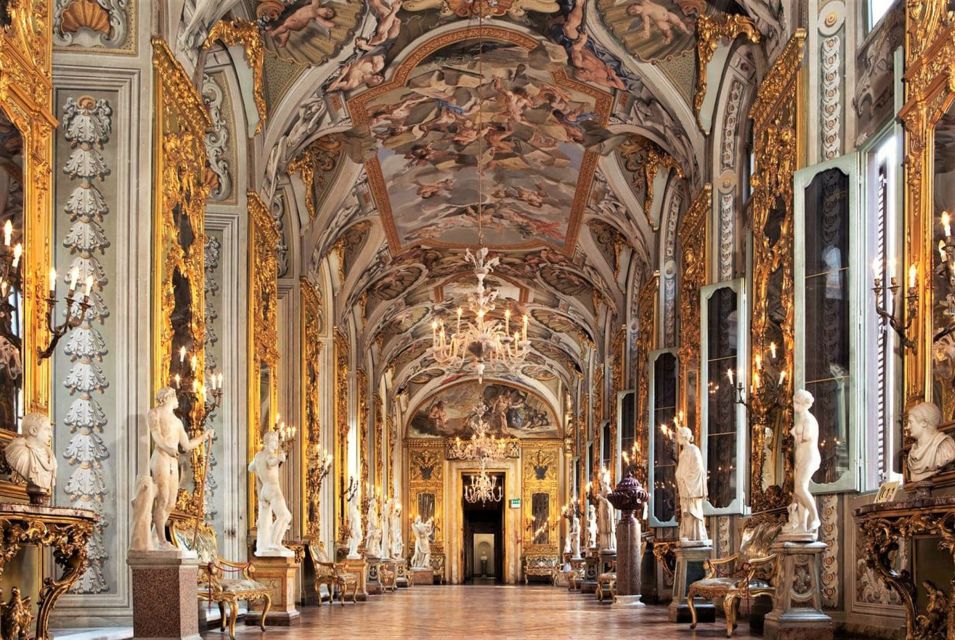
What I like about this tour’s pace is that it’s organized for understanding. You’ll see paintings arranged in chronological order, with works shown from floor to ceiling as you move through the space. It’s an easy structure to follow, especially if Renaissance and Baroque art feels like a blur.
The gallery is spread across 4 wings, so your guide can connect one era to the next without you mentally jumping around. That’s a big deal because seeing scattered masterpieces alone can feel impressive but confusing. With a guided path, you start noticing patterns: changes in style, shifts in subject matter, and how religious and political themes show up differently over time.
You’ll also get context beyond the paintings themselves. The guide explains the gallery’s background and how the collection developed, which helps you understand why specific works are here and how they fit together. It’s the difference between viewing art like decoration versus seeing it like a record of taste, power, and patronage.
And yes, there are lots of famous names. You’ll see Raphael, Tintoretto, Bernini, and Flemish masters among others. Even if you don’t study every artist closely, the guide’s framing helps you decide what you want to look at longer once you spot a style you click with.
The big names you’ll meet: Raphael, Titian, Tintoretto, Bernini
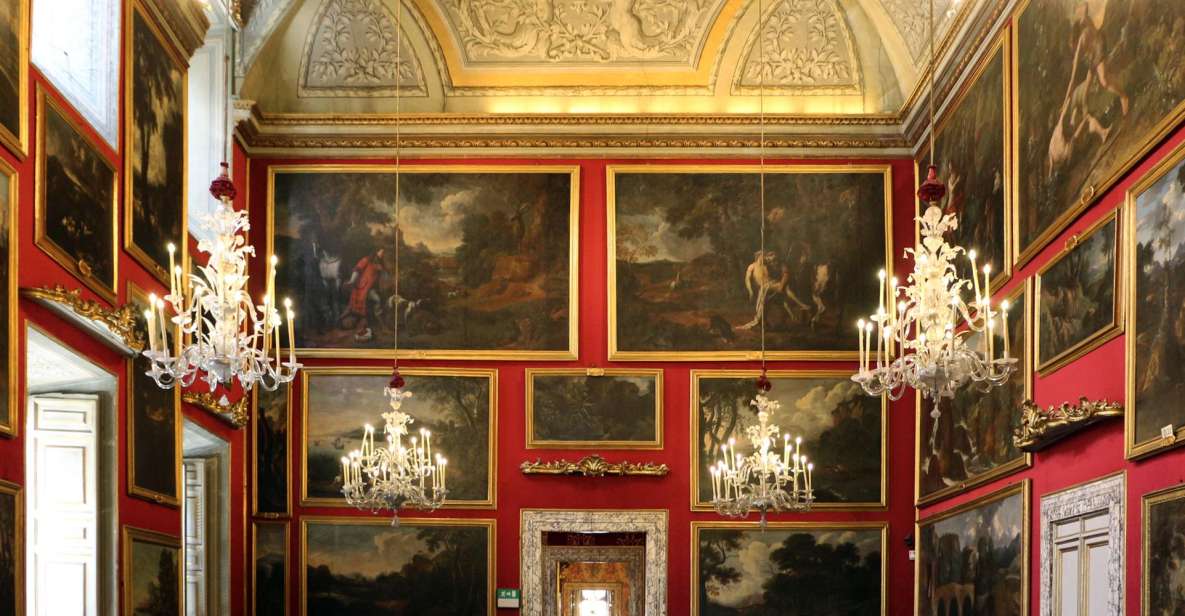
This tour is built to give you variety without chaos. Your guide highlights key artists while you move room to room, so you’re not stuck only on the headlines. You’ll encounter works tied to major currents in Italian painting, and the tour also brings in other schools, including Flemish masters.
Here’s what that does for you as a visitor: it keeps the experience from becoming a checklist. Raphael and the other Renaissance figures help you see form, composition, and idealized detail. Then Baroque works shift the tone—more drama, more emotion, more emphasis on moment and impact. When your guide points out those differences, the gallery stops feeling like a static museum and starts feeling like an evolving story.
Bernini’s presence is especially interesting in a painting-focused visit, because it reminds you that art in this era wasn’t isolated into one medium. Sculpture, theater-like drama, and portrait culture all fed into how artists painted people and sacred scenes.
If you love seeing famous artists but hate feeling lost, this structure helps. You get a guided lens that makes the gallery feel readable, not overwhelming.
Caravaggio’s early works: Rest on Flight to Egypt and Penitent Magdalen
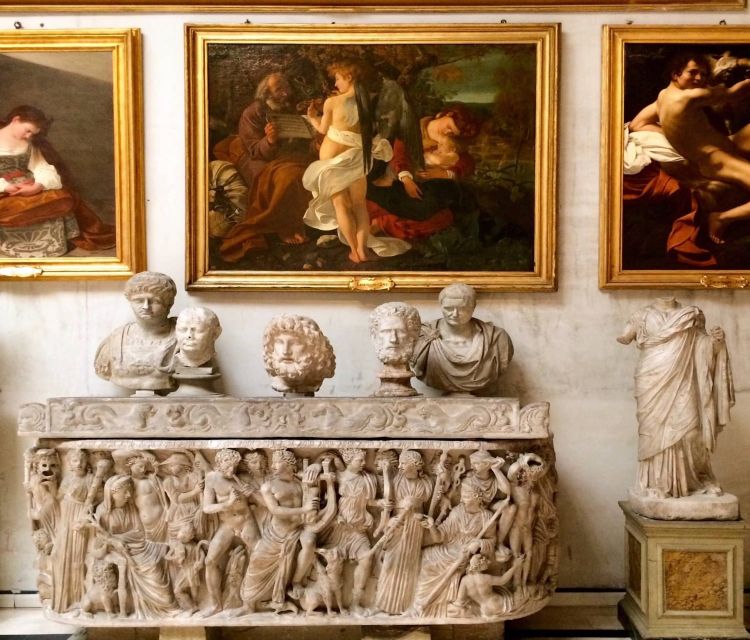
Caravaggio is one of the big reasons to book this private tour. The key works your guide brings forward include Rest on Flight to Egypt and Penitent Magdalen, both early Caravaggios that are easier to appreciate when someone gives you context.
Why these paintings work so well on a guided visit: Caravaggio’s approach can feel raw and immediate, but without an explanation, you might miss what makes it revolutionary for its time. A good guide helps you notice how light, expression, and the emotional temperature of the scene are doing the heavy lifting.
Rest on Flight to Egypt is the kind of subject that pulls you toward the human side of the story, and Penitent Magdalen gives you a concentrated dose of emotion. When you see both, you get a sense of Caravaggio’s range, not just one famous style snapshot.
And since the tour follows a chronological path, Caravaggio isn’t floating in isolation. You’re seeing him in relation to the artistic world around him, which makes his choices feel more purposeful. You’re not just impressed—you’re able to connect dots.
This is also where a private setup shines. If you want to spend extra time with Caravaggio’s brushwork and faces, you can. The guide can adjust the flow while still hitting the rest of the major highlights.
Velazquez and court portrait power: Portrait of Pope Innocenzo X
The star moment for many people is Velazquez’s Portrait of Pope Innocenzo X. This is the painting highlighted in the tour and it’s easy to see why. A pope portrait isn’t just about likeness; it’s about authority, presence, and the social weight behind the sitter.
In a gallery like this, the painting feels even more intense because you’re in a private palace setting, surrounded by other artworks that also reflect status and taste. Your guide’s job is to connect that portrait to its broader context—what portraiture was meant to communicate, and why this kind of depiction mattered.
What to do while you’re there: slow down. Let your eyes move across the face and the overall presence of the figure, rather than only chasing details. With the guide’s framing, you’ll start noticing how the composition and expression do the work of making the sitter feel unmistakably present.
If you’re the type of traveler who likes art that feels like a conversation, Velazquez is your stop. You’ll leave with a stronger sense of what made court portraiture so powerful during the era.
You can also read our reviews of more museum experiences in Rome
The Gallery of the Mirrors: how to use the photo moment well
The itinerary includes time for a picture in the Gallery of the Mirrors. It’s the kind of room that visually changes everything: reflections multiply space, light bounces around, and the whole scene becomes more theatrical than a typical museum hallway.
The practical value here isn’t just photos. It’s a quick emotional reset after you’ve been focused on paintings. Your brain gets a visual break, and you get to remember the tour as something you experienced, not just something you watched.
To get the most out of it, treat it like a short performance of your own. Pause before you take shots, glance around the room once to see where reflections fall, and then move your position to avoid the common problem of blurry mirror reflections.
If you care about composition, this is the one moment where timing matters. Take a quick look first, then commit to a photo position so you don’t spend the rest of the stop re-trying the same angle.
Price and value for a 2-hour private guided tour
The price is $135.94 per person for a 2-hour private tour, with entry tickets and a private local guide included. No hotel pickup is included, so you’ll handle that part yourself.
Is it good value? For me, it’s most worth it when you want focused time with a guide. In a collection this big and with so many major names, skipping the explanation can make the visit feel longer than it should. With a private format, the guide can steer you toward the works that match your interests, like Velazquez, Caravaggio, or the Raphael/Titian highlights.
Also, you’re paying for a learning style, not just access. The guide explains the gallery history, points out why specific works matter, and keeps you moving across multiple wings without losing the thread of how the art develops over time.
If you’re traveling with someone who loves art but you’re the group member who usually needs a “tell me what to look at” plan, this tour is a strong match. Two hours is enough to feel satisfied, and private guidance prevents that museum fatigue that comes from wandering with no plan.
Who this Doria Pamphilj private tour is best for
This tour is a good fit if you:
- Want a guided structure that helps you understand Renaissance and Baroque painting
- Care about seeing a tight set of big artists, including Caravaggio, Titian, Velazquez, and Raphael
- Prefer a private group so you can slow down at the works you connect with
It’s less ideal if:
- You have limited mobility, or you use a wheelchair, since the tour is not suitable for wheelchair users
- You’re traveling with bulky luggage, since large bags or luggage aren’t allowed
If you’re the kind of Rome visitor who likes fewer, smarter stops, this works well. It’s also a nice choice if you want culture without the stress of getting to multiple sites across the city.
Should you book this Rome private gallery tour?
Book it if you want art guidance with real focus. The combination of a private local guide, a chronological walk across 4 wings, and highlighted masterpieces like Velazquez’s Portrait of Pope Innocenzo X and Caravaggio’s Rest on Flight to Egypt and Penitent Magdalen makes this a strong use of time.
Skip it or look for another option if mobility is an issue for your group, or if you’re carrying large bags you can’t travel light with. Otherwise, this is the kind of experience where the guide’s stories can turn paintings into something you remember long after you leave the room.
FAQ
FAQ
How long is the Rome Doria Pamphilj Gallery private tour?
It lasts about 2 hours.
What language is the private guide available in?
The live guide offers English and Italian.
Is hotel pickup included?
No. Hotel pickup and drop-off are not included.
What should I bring or know about luggage?
Luggage or large bags are not allowed.
Where do I meet the guide?
Arrive 15 minutes before the start time. The guide will hold a sign with the tour name, and they’ll provide your entry tickets.
Is the tour wheelchair accessible?
No. It’s not suitable for wheelchair users and it’s not recommended for people with limited mobility.
What’s included in the price?
Entry tickets and a private local guide are included.
What are the cancellation terms?
You can cancel up to 24 hours in advance for a full refund.