REVIEW · ROME
Rome: Colosseum, Roman Forum and Palatine Hill Private Tour
Book on GetYourGuide →Operated by Crazy4rome srls · Bookable on GetYourGuide
The Colosseum hits different with a private guide. This 3-hour private tour gets you fast into the Colosseum, then carries you through the political heart of Rome at the Roman Forum and up to the emperor’s world on Palatine Hill. It’s built for people who want meaning, not just photos—plus skip-the-line tickets to cut down the biggest headache.
I like the way the stops are paced. Colosseum time is long enough to get the big story (about 1.5 hours), then you move efficiently to the Forum (45 minutes) and Palatine Hill (45 minutes), so you don’t spend your whole day trapped in lines and bottlenecks. I also love that guides bring real personality to the history—guides like Fabio, Rosella, and Giuseppe are repeatedly praised for keeping groups engaged and moving smartly through crowds.
One thing to keep in mind: the sites are huge, so 3 hours won’t let you see every single corner. Also, luggage or large bags aren’t allowed, and the tour notes include a mismatch about wheelchair use—one part says wheelchair accessible, another says not suitable—so it’s worth confirming before you go.
In This Review
- Key things you’ll notice on this tour
- A smart 3-hour hit of Ancient Rome (without getting swallowed by crowds)
- Entering the Colosseum fast: the skip-the-line payoff
- What to watch for inside the Colosseum (beyond the obvious arches)
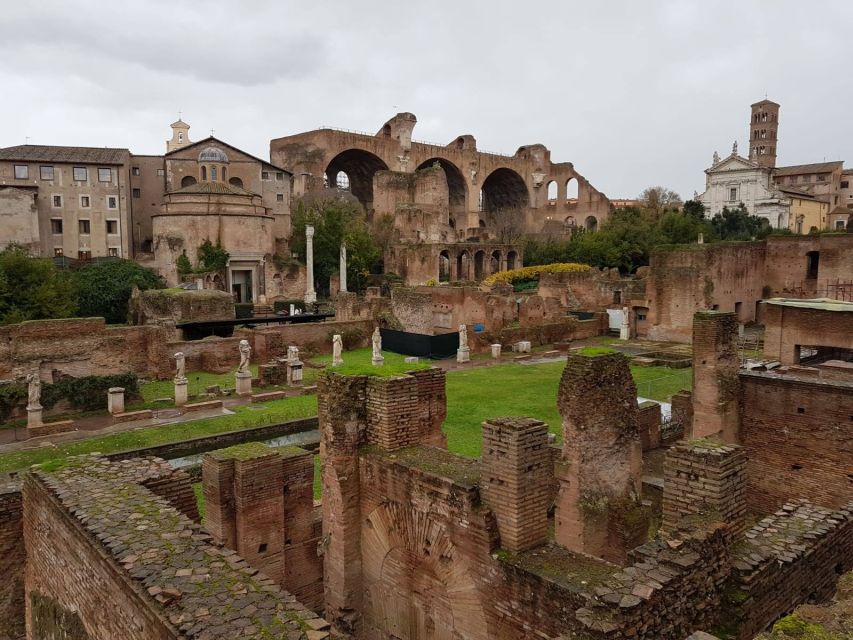
- The Roman Forum: where Rome’s daily power lived
- Palatine Hill and the Palace of the Emperors: the emperor’s view
- Private guide value: why the stories actually help
- Price and value: what $514.93 buys you (and what it doesn’t)
- Practical tips before you go (so your day stays smooth)
- Who this tour fits best
- Should you book this Colosseum–Forum–Palatine private tour?
- FAQ
- How much does the Rome Colosseum, Roman Forum and Palatine Hill private tour cost?
- How long is the tour?
- Where does the tour start?
- Where does the tour end?
- Which sites are included?
- Are skip-the-line tickets included?
- Is this a private tour?
- What languages are available for the live guide?
- Is the tour suitable for wheelchair users?
- What should I bring, and what isn’t allowed?
Key things you’ll notice on this tour
- Skip-the-line entry keeps the morning from turning into queue time
- Private expert historian guide means you can ask questions and set the pace
- Colosseum + Forum + Palatine in one run gives you the full “how Rome worked” picture
- Palatine Hill stops include the Palace of the Emperors area
- Raphael’s painted apartments for Julius II are included as part of the Palatine experience
- Crowd navigation is part of the value, not an extra
A smart 3-hour hit of Ancient Rome (without getting swallowed by crowds)
The best thing about this tour is that it treats time like a real resource. The Colosseum complex, the Forum ruins, and Palatine Hill are all separate “worlds,” and you can waste hours bouncing around on your own trying to stitch them together. Here, the order is practical: you start at the Colosseum, then flow naturally toward the Forum, and finish on Palatine Hill where the emperors’ lives show up in stone and layout.
That flow matters because it helps your brain connect the dots. In the Colosseum, you’re looking at spectacle and power. In the Roman Forum, you’re seeing the machinery of politics, religion, and public life. On Palatine Hill, you’re looking at where the elites lived and projected control. Even with time limits, you end up with a clearer mental map than if you do these as three separate self-guided stops.
And it’s private. That sounds obvious, but it changes the day. On the Colosseum level, crowds don’t just slow you down—they make it hard to look. A guide who knows how to navigate gives you more “seeing” time and less “standing where you can stand” time.
You can also read our reviews of more private tours in Rome
Entering the Colosseum fast: the skip-the-line payoff
Skip-the-line tickets are included, and in Rome that’s not a small perk. The Colosseum entrance area can get slow—especially when you’re traveling with kids, aging parents, or anyone who doesn’t love waiting. The tour is designed so you can get in and start learning while other people are still stuck in the shuffle.
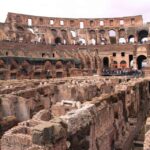
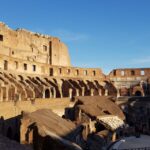
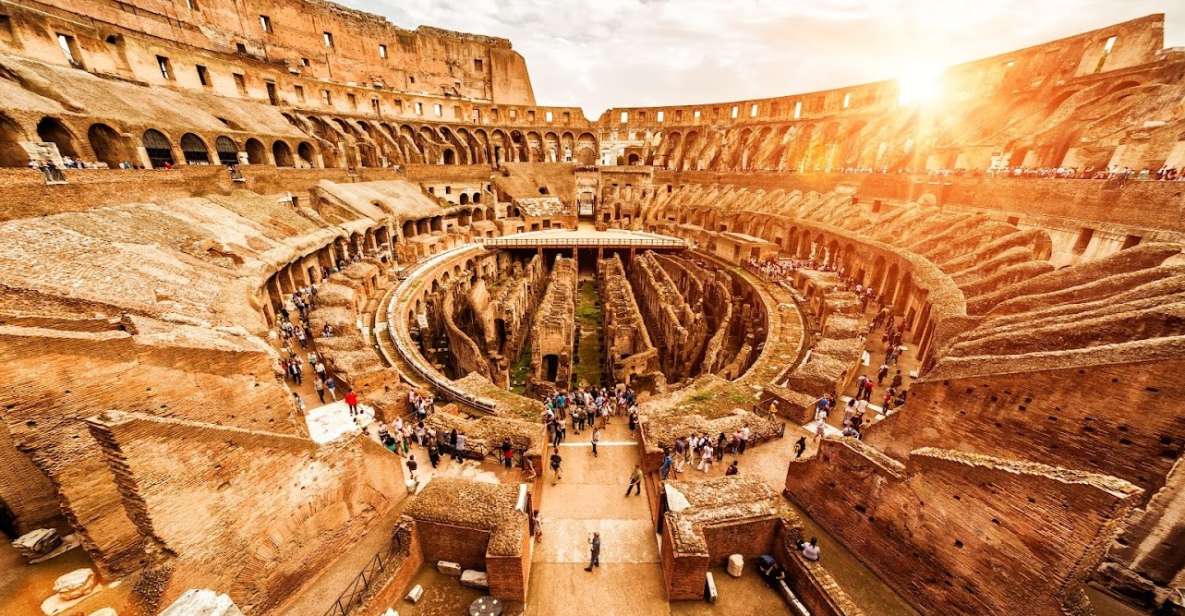
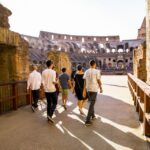
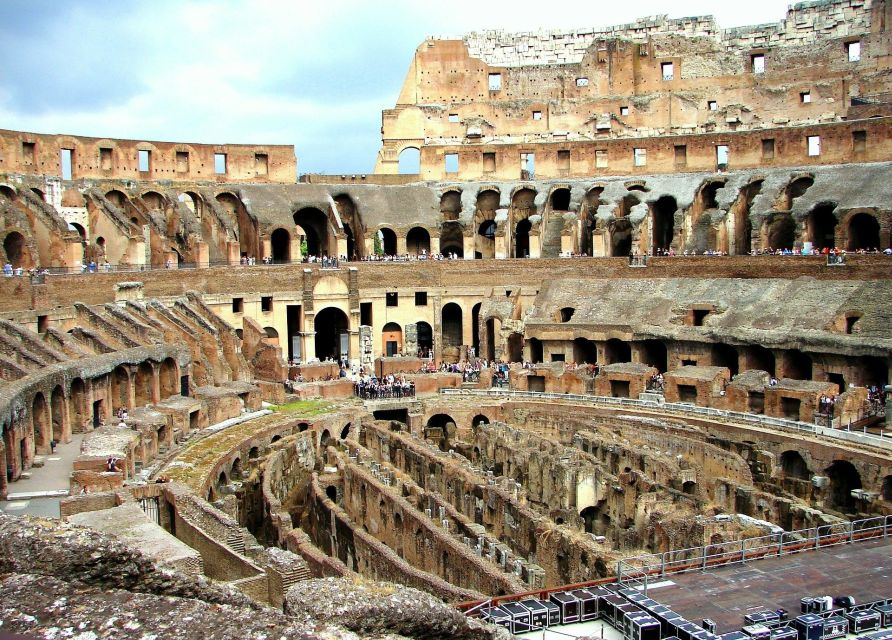
You also get a photo stop plus guided time at the Colosseum (about 1.5 hours). That mix is practical. You’ll have moments to orient yourself visually, then you’ll get the interpretation you actually came for: what you’re looking at, why it was built, and how it fits into the broader story of Roman rule.
A small, real-world note: the tour’s meeting point is specific (the exit of Caffè Roma, Via del Colosseo 31). Arriving a few minutes early helps. One frustrated start can set the tone for the whole day—so I’d rather you over-prepare than scramble.
What to watch for inside the Colosseum (beyond the obvious arches)
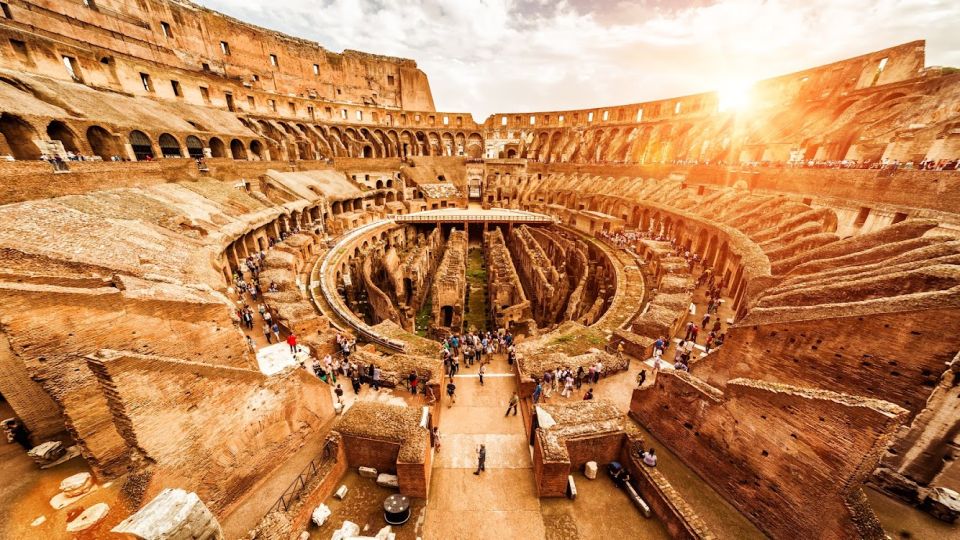
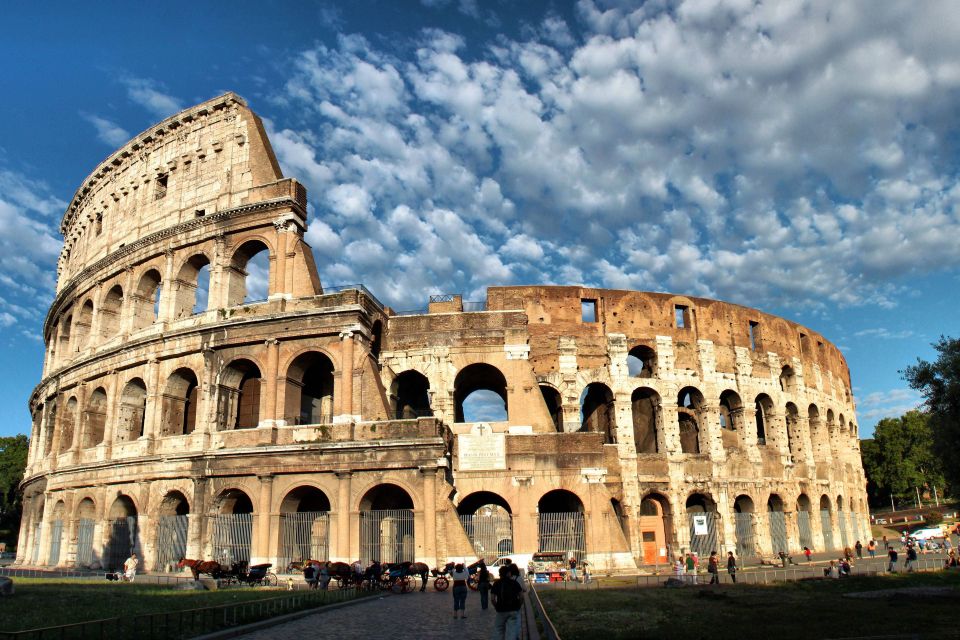
The Colosseum is the symbol everyone recognizes, but the guide’s job is to stop it from becoming just a photo backdrop. This tour frames the site by pointing to its origins under the Flavian Dynasty—the emperors who built it and used it to broadcast authority.
Here’s what you’ll typically get out of a strong guided walkthrough:
- How the building’s scale connects to Roman social life (and political messaging)
- Why the Colosseum’s design reflects the priorities of emperors and organizers
- Details that help you read the structure instead of treating it like one big wall
With a private guide, you can spend your attention where it counts. If you’re an architecture person, you’ll get prompts to look for the building logic. If you’re more of a story person, you’ll get the human side: senators, soldiers, emperors, and orators—because the Roman world ran on relationships as much as rules.
The Roman Forum: where Rome’s daily power lived
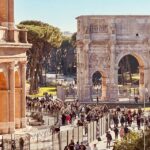
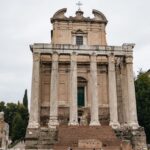
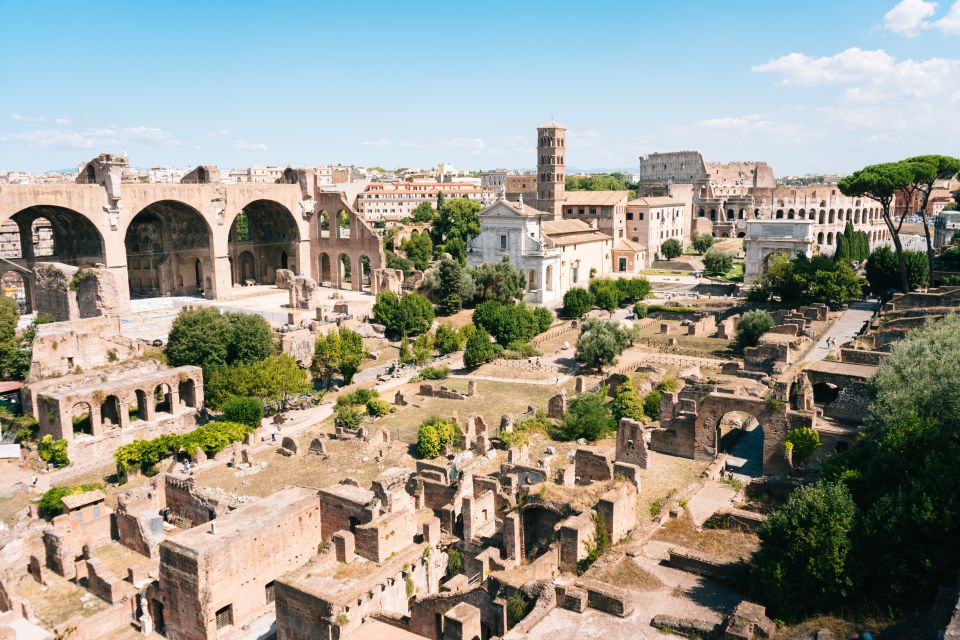
After the Colosseum, you move to the Roman Forum. This is where the tour earns its “first day in Rome” value. The Forum wasn’t just a scenic ruin. It was the political, social, religious, and economic center of the Roman Republic—basically the place where public life happened in public.
The guided time here is shorter (about 45 minutes), so you’ll want to pay attention to what matters most. The Forum is a cluster of spaces, and without help you can end up walking around the same area with no real sense of what each spot meant.
During this stop, the guide helps you interpret things like:
- The Forum as a meeting ground (not just temples and columns)
- How religious sites and political spaces overlapped
- The lingering remains of venerable temples that still give clues about the original layout
If you’re wondering what kind of history this is, it’s not “textbook only.” This is the kind of history where you start picturing people making decisions, arguing, celebrating, and trying to look important. (Rome loved pageantry almost as much as it loved politics.)
The goal isn’t to see everything—it’s to understand the Forum’s role so the ruins don’t feel like random leftovers.
Palatine Hill and the Palace of the Emperors: the emperor’s view
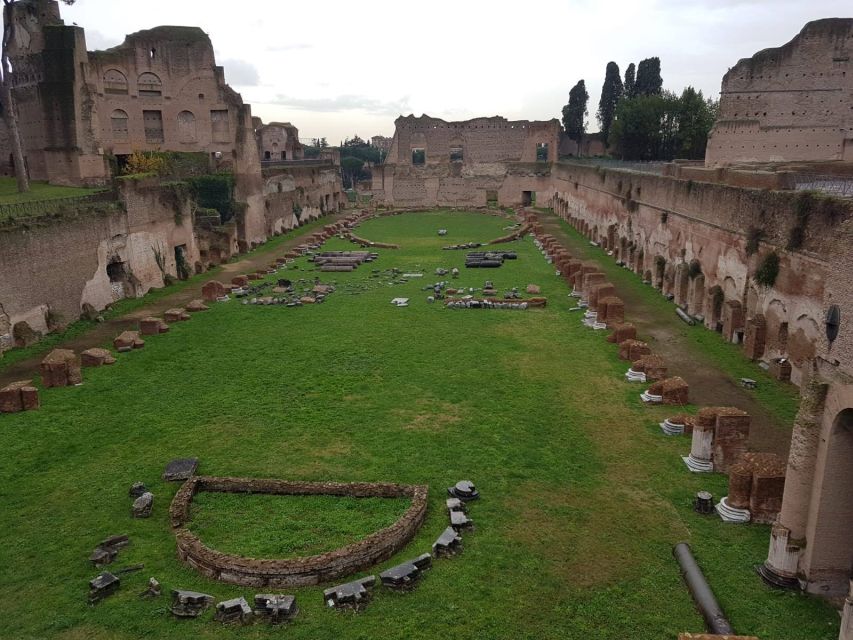
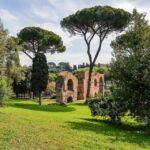
Palatine Hill is where you start to feel the hierarchy of Rome. The tour shifts from the public world of the Forum into the residential and power-centered world of the emperors. You’re not just walking through ruins—you’re walking through the geography of control.
This stop includes the Palace of the Emperors area and guided time (about 45 minutes). You’ll also have a photo stop, which matters here because the hill provides context. It’s easier to grasp why emperors liked this vantage once you’ve looked around and let the layout sink in.
And then there’s the standout extra: the apartments Raphael painted for Julius II are included. That’s a surprising pairing—Renaissance art placed into a Roman story—and it’s exactly the kind of thing that turns a “great ruins day” into a “how did this place keep reinventing itself?” day.
Even with limited time, this portion gives you the emotional contrast:
- Colosseum = spectacle and the public face of power
- Forum = politics, religion, and everyday authority
- Palatine = where power got cozy and personal


Private guide value: why the stories actually help
The tour’s private historian guide is the main reason it scores so high. People aren’t just praising facts—they’re praising flow: knowing how to move through crowds, keeping energy up, and making the places make sense fast.
In real terms, a good private guide helps you:
- Avoid getting “stuck” in the most crowded viewing spots
- Get quiet moments for pictures and explanations
- Adjust pacing for different ages and stamina levels
The tour runs with a live guide in multiple languages, including Spanish, Dutch, English, French, German, Italian, Japanese, Russian, and Abkhazian. So you’re not stuck hoping someone speaks your language at the right moment. That matters for comprehension, especially at complex sites where a missed explanation can turn a highlight into confusion.
Also, the guide can help you navigate the day when something goes off-script. One of the most reassuring details from the guide experience is how many people credit their guides for practical support when someone in the group wasn’t feeling well. That doesn’t remove the fact that you still need comfortable shoes and a sensible pace—but it does mean you’re not left stranded with a ruined plan.
Price and value: what $514.93 buys you (and what it doesn’t)
At $514.93 per group (up to 1), this isn’t a budget “show up and hope” option. You’re paying for three things that are hard to replicate on your own:
- Skip-the-line entry for major sites
- A private expert guide dedicated to your group
- Coordinated timing across Colosseum, Roman Forum, and Palatine Hill
Is it worth it? For many people, yes—especially if you’re visiting Rome for the first time and want the big picture without adding stress. The value is strongest when you care about understanding what you’re seeing, not just passing through.
If you’re the kind of traveler who enjoys reading on your own, this tour could feel pricey. But if you’re juggling family, limited time, or you want the history connected cleanly from stop to stop, the price starts to make sense.
Also, private tours can be a smart “efficiency” play. Two hours of wasted wandering and waiting can feel like money too—just in a different form.
Practical tips before you go (so your day stays smooth)
Here’s how to make this tour work for you.
Wear comfortable shoes. You’ll be walking on uneven surfaces and moving through busy areas. No stylish sandals here.
Keep bags minimal. Luggage or large bags aren’t allowed. If you’re traveling with a bunch of stuff, plan your packing around this rule.
Use the meeting point like a checklist. Start at the exit of Caffè Roma (Via del Colosseo, 31). If your group arrives late or splits up, it can turn into a frustrating start.
If you need wheelchair-related clarity, confirm. The info provided includes both wheelchair accessible and a note that it’s not suitable for wheelchair users. That’s not something I’d ignore. Ask the operator directly so you don’t lose time when you arrive.
Finally, one more practical perk: free cancellation is available up to 3 days before the tour for a full refund. That’s helpful if you’re building your Rome schedule around weather and energy.
Who this tour fits best
This tour is a great fit if:
- It’s your first time tackling the Colosseum area and you want context fast
- You prefer private explanations instead of waiting for group pacing
- You’re traveling with kids (there are guides who make the Roman world easier to picture) or with multiple generations
- You want to conserve energy and avoid lines as much as possible
It may be less ideal if:
- You want a slow, deep, hour-by-hour exploration of everything on your own schedule
- You’re traveling with large bags
- Your group needs confirmed wheelchair suitability and you don’t want any uncertainty (because the provided notes conflict)
Should you book this Colosseum–Forum–Palatine private tour?
If you want the classic “Ancient Rome trio” in one efficient morning and you care about understanding what you’re seeing, I’d book it. The combo of skip-the-line entry, a private expert guide, and a guided route that connects the Colosseum, Roman Forum, and Palatine Hill is exactly what turns these famous ruins into a coherent story.
The only real reason to skip is if you truly want to explore slowly and independently, or if your plans are so open-ended that you don’t need the time-saving structure. For most people, especially first-timers, this is a strong value because it buys you clarity and momentum at three of Rome’s biggest sites.
FAQ
How much does the Rome Colosseum, Roman Forum and Palatine Hill private tour cost?
The price is $514.93 per group (up to 1).
How long is the tour?
The tour duration is 3 hours, with starting times shown when you check availability.
Where does the tour start?
You meet at the exit of Caffè Roma, Via del Colosseo, 31, 00184 Roma RM, Italia.
Where does the tour end?
The activity ends back at the meeting point, with the finish listed at Largo Corrado Ricci.
Which sites are included?
The tour includes the Colosseum, the Roman Forum, and Palatine Hill. It also includes entry to the apartments that Raphael painted for Julius II.
Are skip-the-line tickets included?
Yes. Skip-the-line ticket access is included.
Is this a private tour?
Yes. It is a private group tour.
What languages are available for the live guide?
The live guide languages include Spanish, Dutch, English, French, German, Italian, Japanese, Russian, and Abkhazian.
Is the tour suitable for wheelchair users?
The information provided includes both that the activity is wheelchair accessible and that it is not suitable for wheelchair users. It’s best to confirm directly before booking.
What should I bring, and what isn’t allowed?
Wear comfortable shoes. Luggage or large bags are not allowed.