REVIEW · ROME
Rome: Colosseum, Roman Forum, and Palatine Hill Experience
Book on GetYourGuide →Operated by CAF Tour & Travel · Bookable on GetYourGuide
The Colosseum hits you fast. This self-guided day turns ancient landmarks into a walk you can actually follow, with prebooked entry and a multilingual audio guide that explains what you’re seeing as you go. I love that you get both Colosseum levels plus terraces without waiting around for a tour group. I also like the coverage that keeps going into the Roman Forum, Palatine Hill, and the Imperial Fora. One drawback to plan for: there’s no live guide and there’s no meeting point, so you need to read your email instructions and show up on time.
In This Review
- Practical vibe
- Key things worth knowing before you go
- Entering The Colosseum on your fixed time slot
- Colosseum access: what you get and what it means for your visit
- Inside the Colosseum: gladiators, crowds, and why the ruins make sense
- Roman Forum Museum and the political heart of ancient Rome
- Palatine Hill and the Imperial Fora: imperial power underfoot
- The audio guide setup: how to make it work without stress
- Price and value: what you’re paying for
- Who this suits best (and who should consider another option)
- Should you book this Colosseum audio experience?
Practical vibe
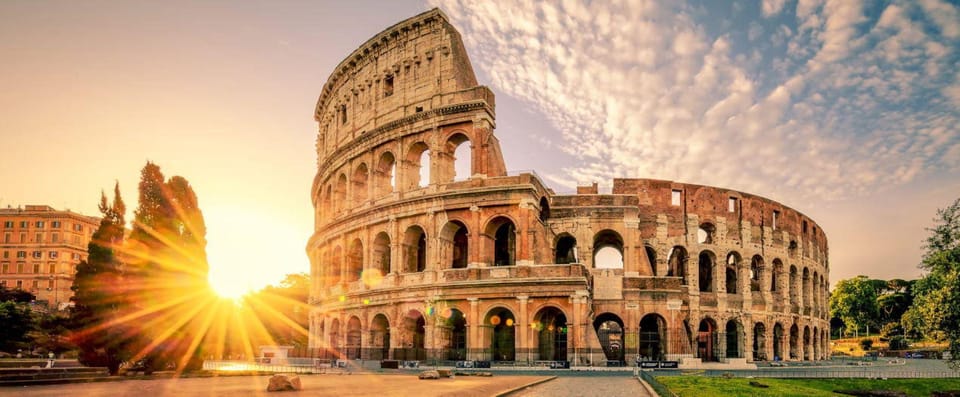
You’ll start at the Colosseum with a fixed entry time, then move through the archaeology on your own schedule using specific entrances for the Forum and Palatine Hill. The whole experience is designed for smooth pacing—listen, look, pause, then keep going—using a phone-based audio tour with an interactive 3D map and icons.
Key things worth knowing before you go
- Pre-booked tickets help you use the reserved-visitor line instead of gambling on slow entry.
- Colosseum first and second levels are both included, plus panoramic terraces.
- The audio guide covers the right sites in one sweep: Colosseum, Forum, Palatine, and Imperial Fora.
- Forum entrances are flexible (Arch of Titus, Largo della Salara, Via del Tulliano, Via di San Gregorio).
- You’ll need your own headphones and a charged smartphone for the audio.
You can also read our reviews of more tours and experiences in Rome.

Entering The Colosseum on your fixed time slot
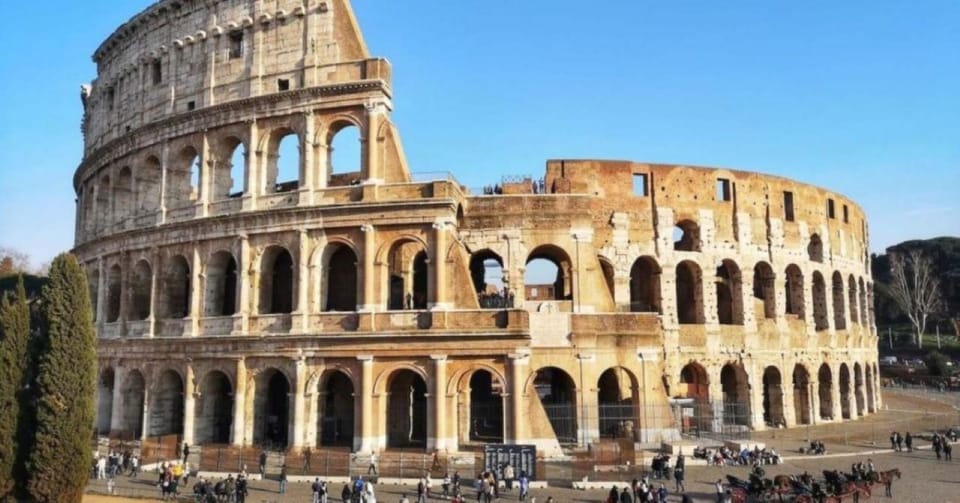
The biggest rule for this whole experience is simple: your Colosseum ticket works only on the date shown and during opening hours. For the season noted, it runs from 8:30am to 7:15pm, with the opening window applying to the park’s hours. Your Colosseum entry time is the fixed one, so treat it like a train you can’t miss.
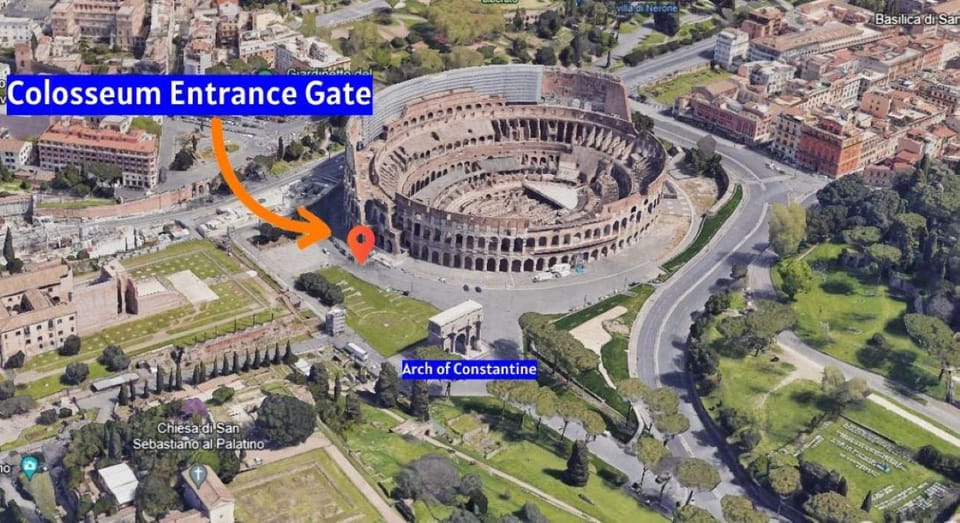
Go to the Colosseum entrance near the Arch of Constantine, close to the Valadier Terrace. You’ll join the Visitors with Reservations line shown at the entrance—there’s no staff meeting point to shepherd you in.
The practical move: arrive 10 minutes early. Not 2 minutes late. Not right at the hour. Ten minutes gives you enough time to find your way, line up, and settle with your headphones ready.
Colosseum access: what you get and what it means for your visit
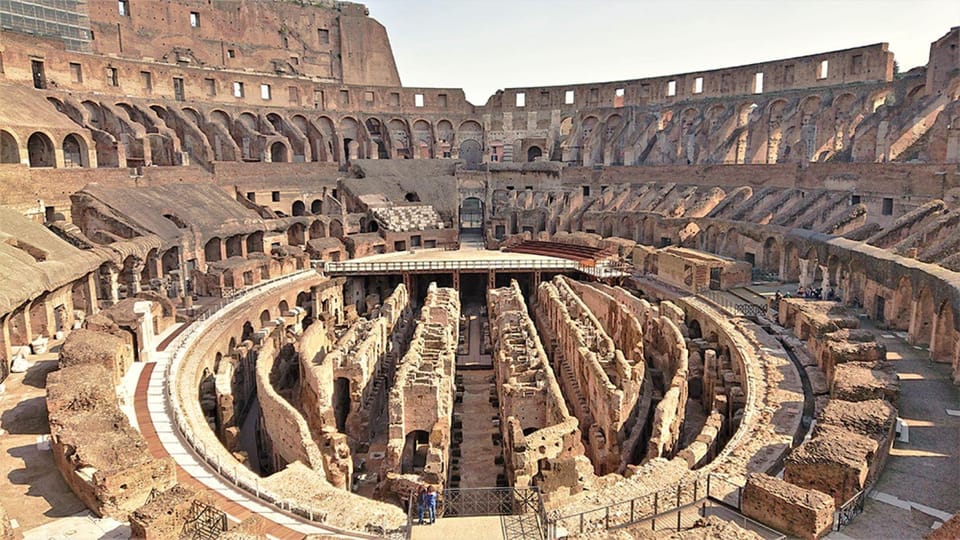
This ticket isn’t just a ground-floor walk-by. It includes:
- First level of the Colosseum
- Second level with panoramic terraces
- Colosseum Museum
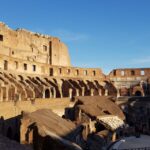
That matters because the Colosseum is big, and the “feels different” moments are spread out. From the lower areas you can sense the scale and floor plan. Higher up, the view and perspectives shift, and you get more context for how the seating and arena space worked.
You’ll also find the Colosseum Museum helpful if you want labels, reconstructions, and calmer context before you hit the Roman Forum’s maze of ruins.
Time check: this is a “see it all, at your pace” setup. If you rush, you’ll skim. If you slow down, you’ll get more out of it—especially once the audio guide starts explaining relationships between structures.
Inside the Colosseum: gladiators, crowds, and why the ruins make sense
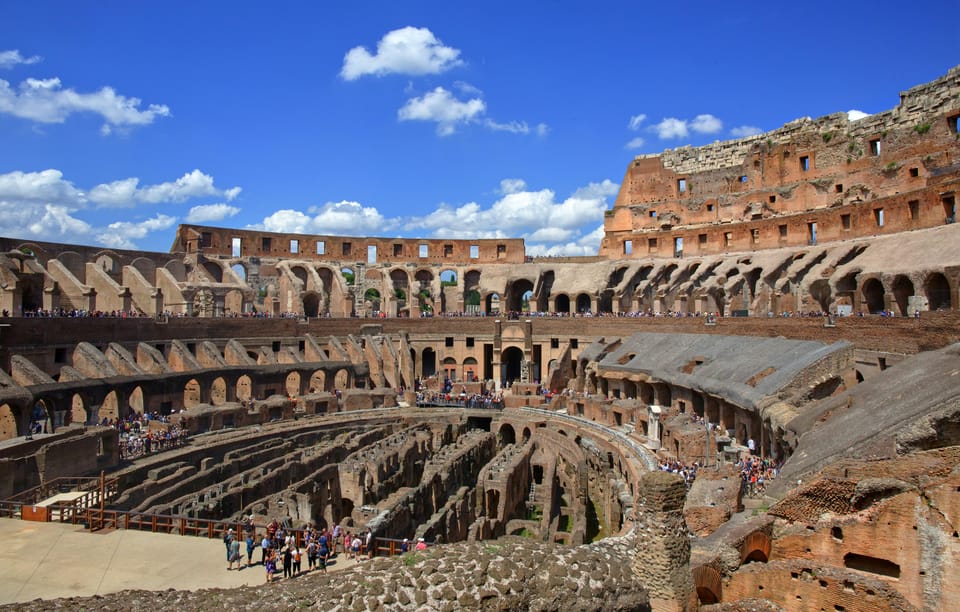
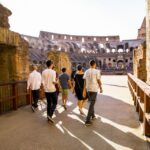
The Colosseum was built in 70–80 AD and used for major public spectacles—gladiator contests, naval battles, and theatrical performances. Standing in it today, the stone doesn’t explain itself. That’s where the self audio guide does the heavy lifting.
What I like about this approach is that it keeps you from flipping between guidebooks and guesswork. As you move, the narration helps you “translate” what you’re looking at: where the crowd would have been, how the arena space functioned, and why the architecture mattered.
You’re not locked into a group march. That’s a real advantage here, because the Colosseum has bottlenecks and viewpoints you may want to revisit. Use that flexibility:
- Listen through one section
- Pause for photos without feeling guilty
- Then continue when you’re ready
One consideration: because it’s self-guided, your experience depends on whether you have the basics ready—headphones and your charged smartphone. If your phone battery is low, the tour voice is the first thing to suffer.
Roman Forum Museum and the political heart of ancient Rome
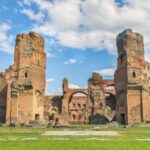
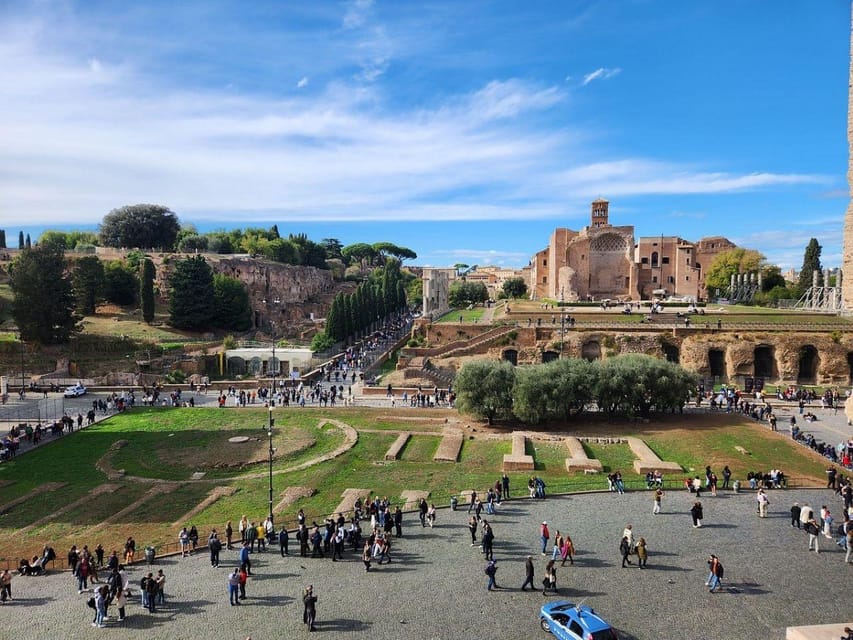
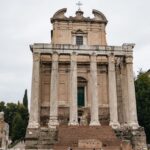
After the Colosseum, you move into the Roman Forum and Roman Forum Museum. The Forum was the political, religious, and commercial center of ancient Rome—so it’s where you go to understand power, not just pageantry.
You’ll see ruins of temples, basilicas, and palaces. These are the kinds of places where it’s easy to think, “Cool stones.” The audio guide helps you connect the dots, especially when you hear stories tied to emperors, commanders, and citizens.
The Forum Museum can be a smart buffer. Ruins outside can feel scattered if you haven’t been oriented. A museum stop can tighten the story before you walk the open-air space again.
Practical entrance flexibility helps too. For Roman Forum and Palatine Hill, you can use any of these entrances:
- Arch of Titus
- Largo della Salara
- Via del Tulliano
- Via di San Gregorio
That’s useful if you’re arriving from the Colosseum route and want the simplest path based on where you come out.


Palatine Hill and the Imperial Fora: imperial power underfoot
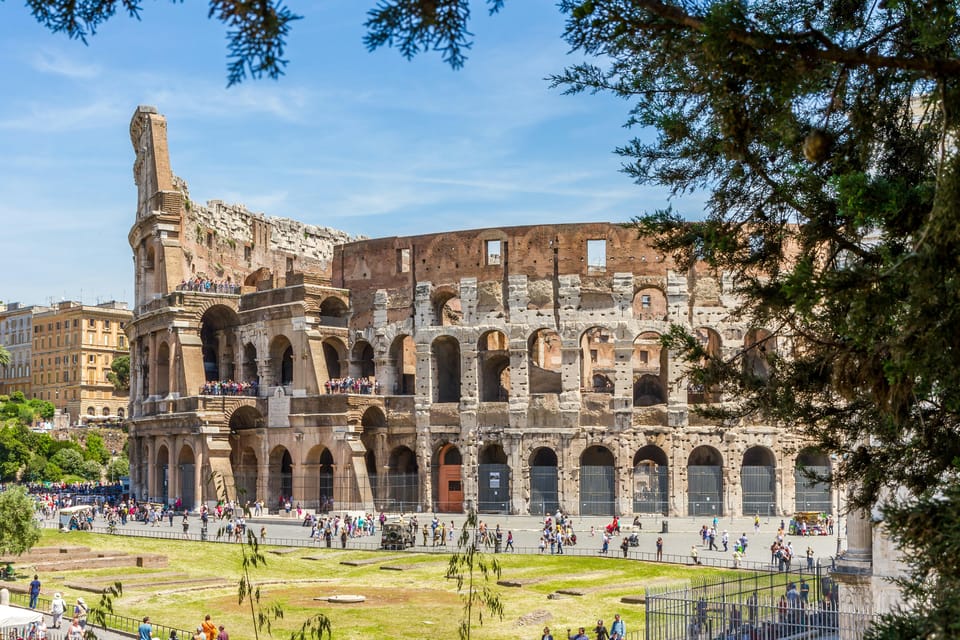
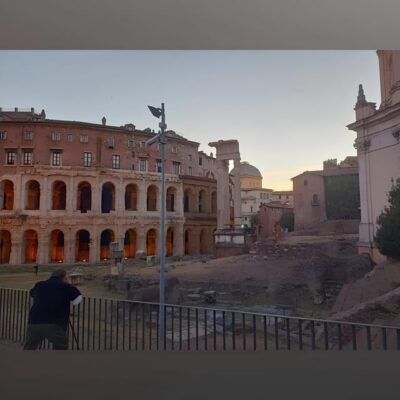
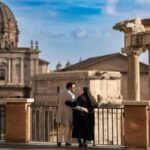
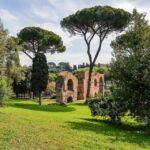
Finish your day on Palatine Hill and into the Imperial Fora. Palatine Hill is often where the “everyone mattered” feeling clicks—because it’s tied to elite residence and the centers of early Rome.
Then the Imperial Fora shift the mood again. These were built so the greatest leaders left their mark in stone. Walking among columns and ruins can feel abstract unless you know what you’re trying to recognize. The audio guide gives you that sense of what’s connected to what.
Here’s a tip that helps: don’t try to photograph every single fragment. Instead, pick a few anchors. Use the audio narration to decide which structures matter most in that moment—then spend your time where the story and the view line up.
Because you’re self-guided, you can also slow down where the terrain and crowds force you to anyway. That’s a good thing. Stopping often makes ruins feel less like “a walk you did” and more like “a place you understood.”
The audio guide setup: how to make it work without stress
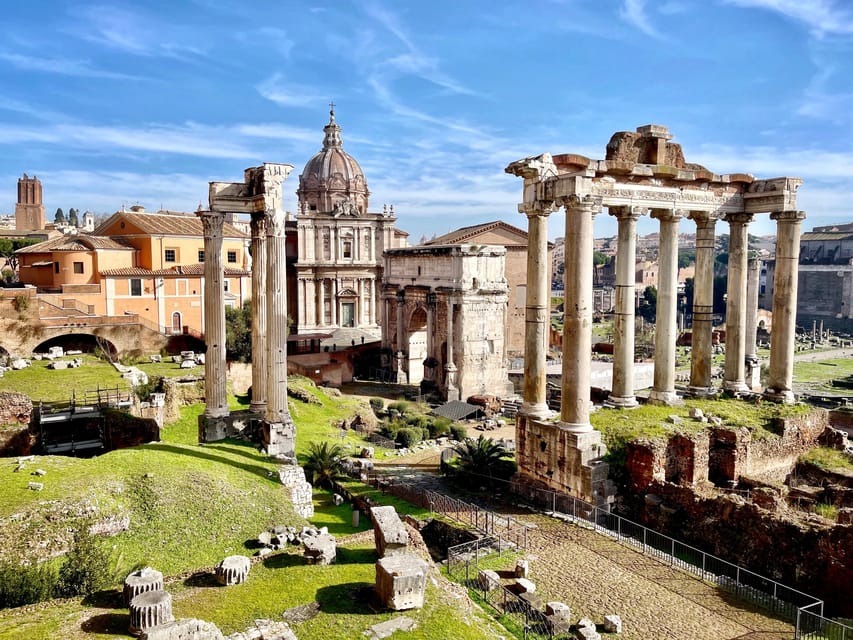
This experience includes a multilanguage self audio tour in English, Spanish, German, Italian, and Chinese, plus an interactive 3D map and icons covering points of interest in the park’s visitable area. It also comes with multilingual phone assistance.
That combo is more than a nice add-on. Here’s why it’s valuable:
- The 3D map helps you stop guessing where you are in relation to the next section.
- Icons can help you locate included stops without constantly checking directions.
- Phone assistance gives you a back-up if something isn’t cooperating.
Before you go, do a quick checklist:
- Bring passport or ID card
- Pack headphones
- Keep a charged smartphone ready
- Confirm you can access the ticket on your phone (PDF is emailed)
You’ll receive your QR code access ticket information in PDF format about 3 days before. You should confirm receipt by emailing [email protected] as instructed. This is one of those “quiet but important” steps—skip it and you might end up troubleshooting on the day.
Price and value: what you’re paying for
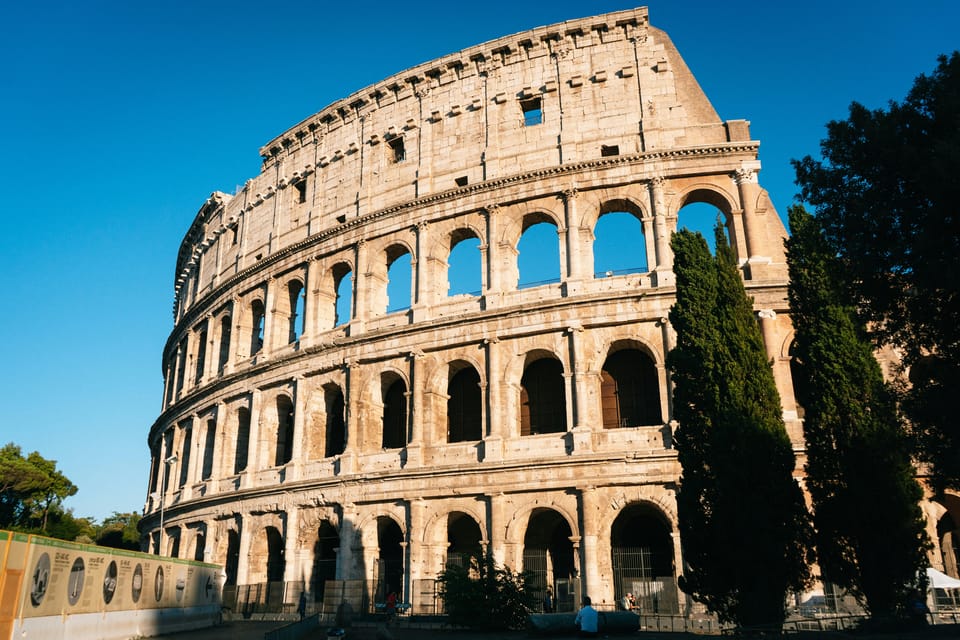
The price listed is $41 per person for a 1-day experience. The inclusion list matters here because it’s not just one site entry—it’s a bundled day across four big chunks:
- Colosseum (including first and second levels plus the panoramic terraces)
- Colosseum Museum
- Roman Forum (plus Roman Forum Museum)
- Palatine
- Imperial Fora
The ticket price also notes the entrance portion as 18 euro, with an agency fee layered in. For me, the value question comes down to this: you’re paying to avoid the biggest time sink—getting in—then you’re using a structured audio path to make the walking worth it.
If you’re the type who likes control and hates being stuck with a rigid group tempo, a self-audio format can be a strong match. If you want a live guide to answer deeper questions on the spot, this format will feel more limited, since the narration is prerecorded and there’s no live guide.
That said, it’s still a very solid way to cover a lot of ground in one day without paying for multiple separate entries.
Who this suits best (and who should consider another option)
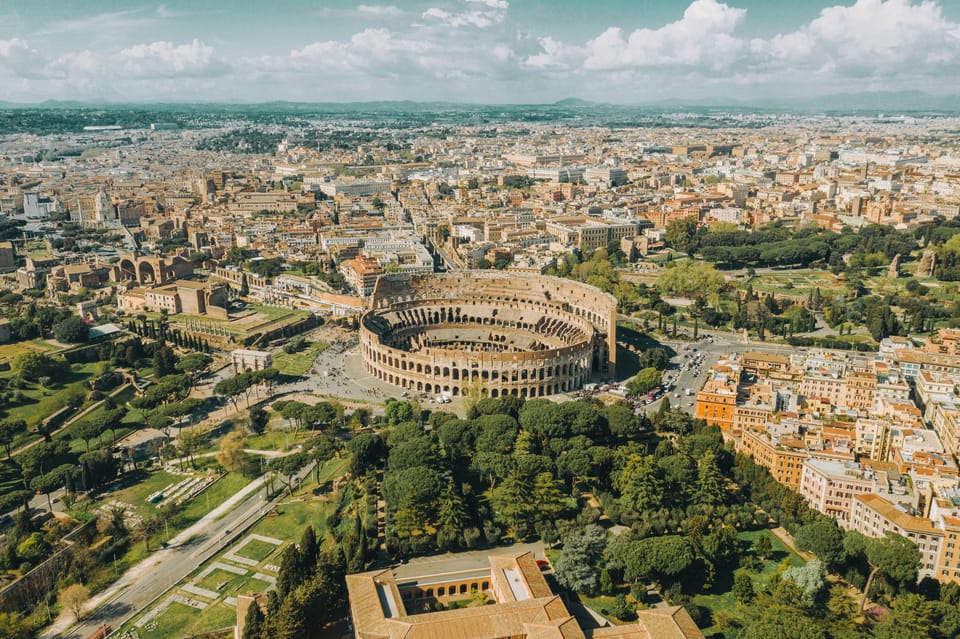
This works best for you if:
- You can follow a schedule with a fixed Colosseum entry time
- You’re comfortable navigating a site on your own using signage and the provided map tools
- You want history explained while you walk, but at your pace
It may not be ideal if:
- You dislike using a phone for audio experiences
- You prefer a person to manage timing and questions
- You need wheelchair accessibility (this experience is not suitable for wheelchair users)
Also, go in with the right expectation: you’re not buying a guided talk. You’re buying access and a narrative tool that you operate.
Should you book this Colosseum audio experience?
I’d book it if you want one streamlined day that covers the Colosseum, Roman Forum, Palatine Hill, and the Imperial Fora with prebooked entry and a guided-by-audio structure. The biggest strengths are the bundled access and the way the audio guide helps the ruins “make sense” as you move.
Skip it (or choose another format) if you strongly want a live guide, you’re likely to arrive unprepared with headphones and phone battery, or you’re counting on staff at a meeting point. With self-guided experiences, your day goes smoothly when you treat the instructions like part of the tour.