REVIEW · ROME
Rome: Fountains and Squares small-group guided Walking Tour
Book on GetYourGuide →Operated by City Walks · Bookable on GetYourGuide
Trevi Fountain crowds can be brutal. This 2-hour small-group walk strings together Rome’s most famous squares and fountains with smart timing. I especially like how the guide helps you get close to the action without spending your vacation stuck behind bodies.
You’ll hit the Trevi Fountain, the Pantheon, lively Piazza Navona, and the Spanish Steps in one efficient route. Two of my favorite parts are the Trevi wish moment (coin toss or a card swipe) and the way the guide turns each stop into a clear story you can actually remember.
One consideration: it’s timed. You only get about 40 minutes at each major stop, so if you want long hangs or deep museum-style pacing, this format may feel a bit brisk.
In This Review
- Key highlights you’ll feel immediately
- Piazza Barberini start: red scarf, easy orientation
- Trevi Fountain: wish rituals, baroque drama, and crowd control
- The Pantheon: why this building still stops people cold
- Piazza Navona: oval shape, ancient games, and the Four Rivers spectacle
- Spanish Steps and Fontana della Barcaccia: the views and the playful boat
- Price and value for a $78.57 small-group Rome route
- What this tour is best for (and when it isn’t)
- Should you book this Rome fountains and squares walk?
- FAQ
- FAQ
- Where does the tour start?
- Where does the tour end?
- How long is the walking tour?
- Are Pantheon tickets included?
- What language is the guide?
- Is this a small group or private tour?
- Is the tour wheelchair accessible?
- Is a coin toss part of Trevi Fountain?
- Who is the tour not suitable for?
Key highlights you’ll feel immediately
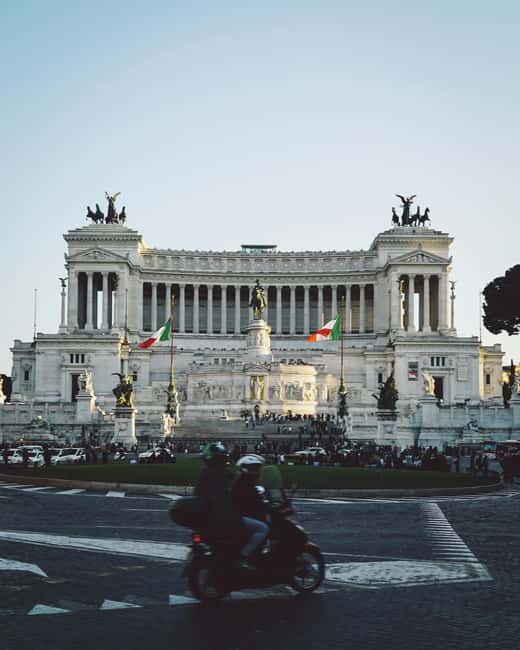
- Trevi Fountain access that helps you reach the water’s edge even when the crowds are serious
- Pantheon time planned around its impact even though Pantheon tickets aren’t included
- Piazza Navona’s stadium shape and the Four Rivers drama with the Obelisk of Domitian
- Spanish Steps with a look at Fontana della Barcaccia (Pietro Bernini’s playful boat fountain)
- A true city-center walking route that avoids hopping across Rome just to see a few icons
Piazza Barberini start: red scarf, easy orientation
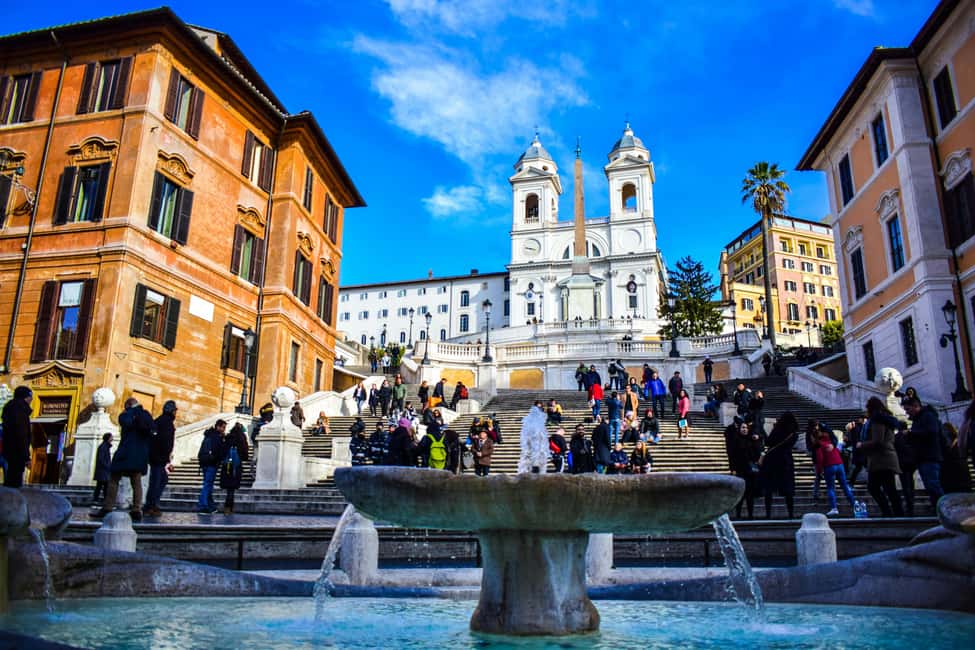
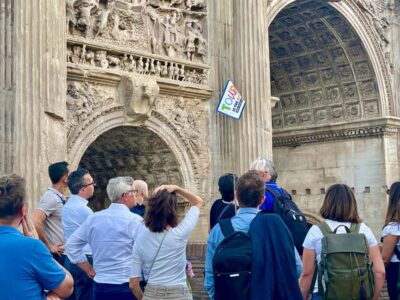
The tour begins just outside the Metro Barberini, and the guide wears a red scarf so you can spot them fast. That matters in Rome, where it’s easy to wander around a landmark district for 20 minutes before you even start your day.
From the start point, the route makes sense for a short visit: you’re focusing on Rome’s central “greatest hits” without turning it into an all-day logistics puzzle. Also, the setup is built for a calmer pace because it’s a small-group experience.
If you’re the kind of person who likes to get your bearings early, this kind of guided walk is a win. You’ll leave with a mental map of where the big sights sit relative to each other, and your future self will thank you on day two.
You can also read our reviews of more walking tours in Rome


Trevi Fountain: wish rituals, baroque drama, and crowd control
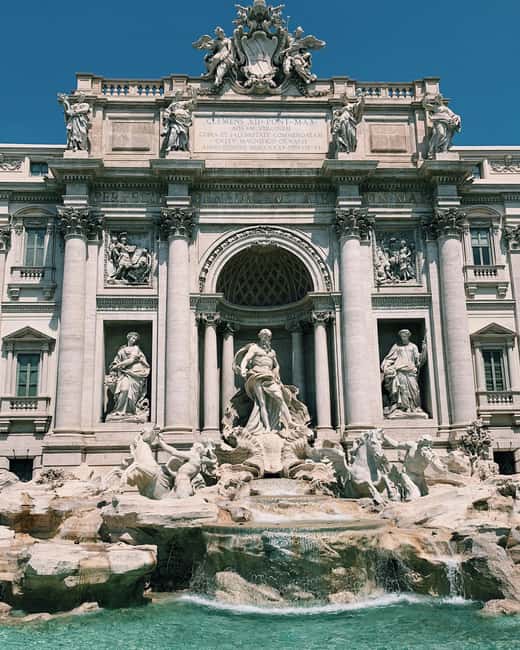
Trevi Fountain, or Fontana di Trevi, is pure spectacle in stone and water. You’re in Piazza di Trevi seeing one of Rome’s biggest baroque showpieces, tied to legendary films and that unforgettable moment of tossing something into the basin.
Here’s the part I really like: the guide helps you manage the crowds. At peak times, the area around the fountain gets jammed, and it’s hard to reach a good spot for a photo. With guidance, you can get to the water’s edge for the actual wish moment instead of just taking pictures from the back row.
You also get the wish options baked into the experience. You can do the classic coin toss, and the tour also notes a modern approach with a card swipe to make a wish. Either way, it’s the same idea: you’re giving yourself a memorable, participatory moment rather than just watching from afar.
A fun fact that adds weight to the ritual: the Trevi Fountain raises about €1.4 million each year for local families in need. When you know that, the wish feels less like a tourist chore and more like part of the city’s living system.
And for timing: if you care about photos, you’ll still deal with crowds, but this guided format helps you spend your time at the fountain doing the thing you came for.
The Pantheon: why this building still stops people cold
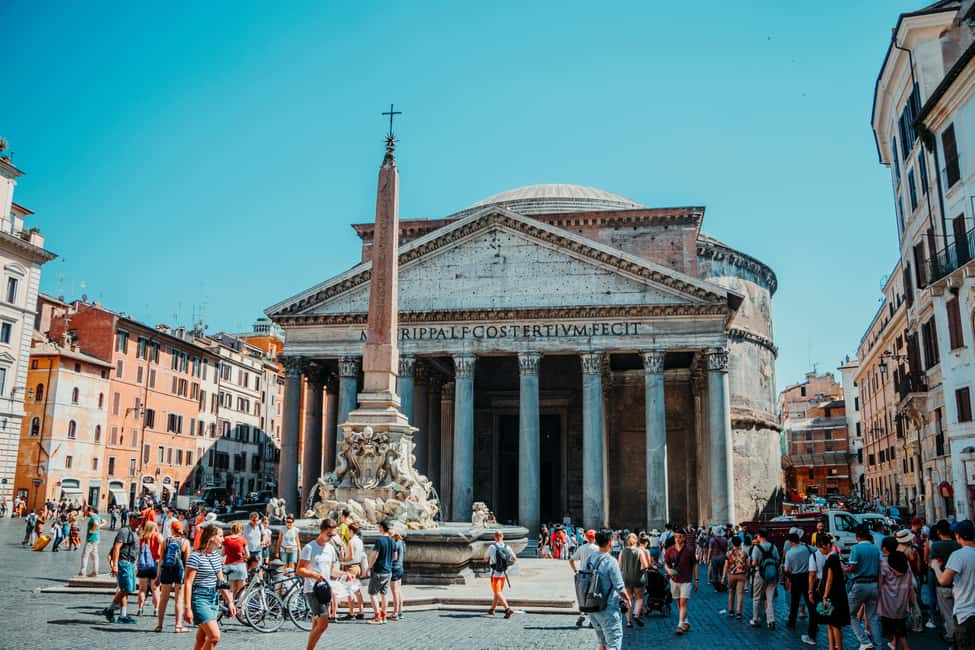
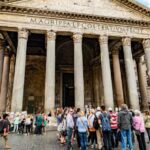
After Trevi, you move to the Pantheon, an ancient architectural masterpiece commissioned in 27 BCE by Marcus Agrippa. The building is famous for being incredibly well preserved, which is a big deal when you’re standing in the center of an ancient city where many monuments have changed over centuries.
The tour window here is about 40 minutes, so you’re not stuck rushing blindly. You’ll have enough time to notice the details: the scale, the design logic, and the sheer confidence of Roman engineering. Even when you think you know the Pantheon from photos, being there in person tends to make you slow down.
It’s also a place with a name full of meaning. Pantheon comes from Greek for devoted to all gods, which hints at its role as a sacred space for Rome’s wide religious world. The guide’s explanations help connect the dots, including the interesting fact that its purpose isn’t totally spelled out by what’s left behind.
Practical note: Pantheon tickets are not included. If you want to go inside fully and get the best experience, plan to handle entry separately. The upside is that your guided time focuses on seeing and understanding what you’re there for, rather than turning your day into a ticket-line marathon.
Piazza Navona: oval shape, ancient games, and the Four Rivers spectacle
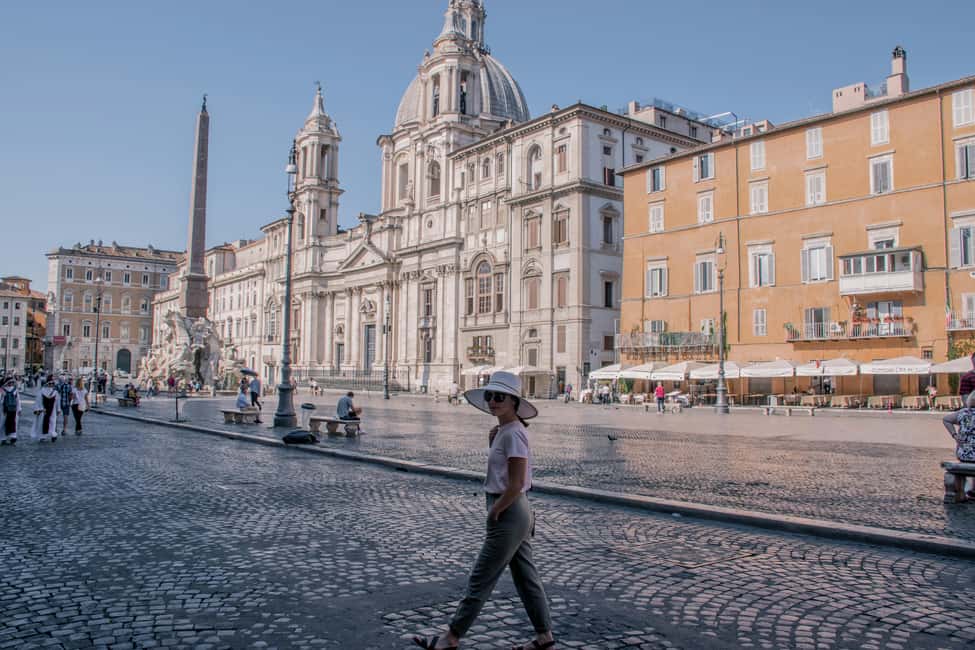
Next up is Piazza Navona, one of Rome’s most atmospheric squares. What makes it special is that it’s not just a pretty plaza. It sits on the former Stadium of Domitian, so the oval layout has an ancient logic you can actually trace with your eyes.
The tour guides you to see the square’s shape and connect it to the idea of Roman games (agones). Even if you’re not a history nerd, it helps you understand why Navona feels like a stage. The architecture and street life still reflect that original arena vibe.
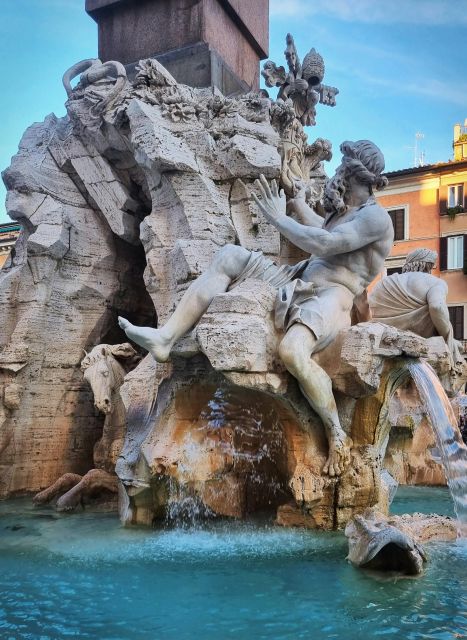
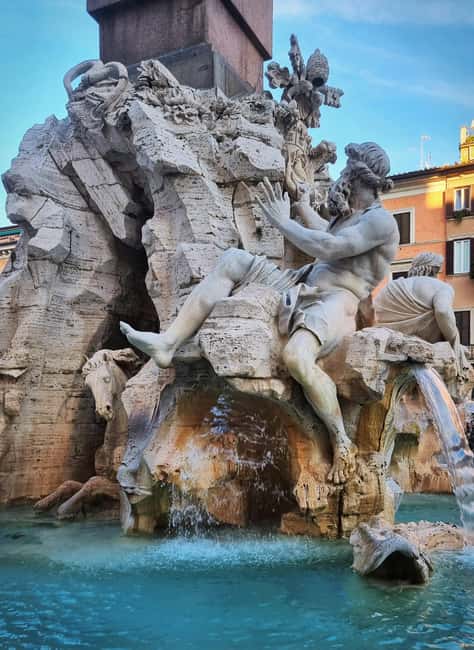
At the center moment, you’ll focus on Bernini’s Fountain of the Four Rivers, crowned by the Obelisk of Domitian. This is where Rome’s art and power storytelling come together in a single glance. You can look up, then down, then around at how the fountain anchors the space.
What I like most about this stop is how visual it is. You don’t need a long explanation to get it. The obelisk, the figures, and the way the fountain sits in the piazza all tell you this was designed to make an impression.
The only drawback is that Navona can be crowded too, especially later in the day. Since your stop is guided and time-boxed, you’re less likely to waste time hunting for a good viewpoint.
Spanish Steps and Fontana della Barcaccia: the views and the playful boat
The walk ends near Piazza di Spagna, tied to the famous Spanish Steps. This is the staircase connecting Spanish Square at the bottom to higher ground with big views over the area.
I like how the tour treats the Spanish Steps as more than a photo spot. Yes, it’s iconic, but it’s also a viewpoint corridor. You’ll get the chance to pause and notice how Rome’s central streets feed into the scenery around you.
And you’ll also see Fontana della Barcaccia, a playful fountain associated with Pietro Bernini. The name translates roughly to Fountain of the Ugly Boat, and it’s one of those details that makes the whole area feel human instead of just monumental. Rome isn’t only marble seriousness. You get art that laughs a little.
Your guided time at this stop is around 40 minutes, so you’re not rushing through it. It’s enough time to take in the steps, check the fountain’s character, and reposition for photos without turning it into a sprint.
One more thing: because this is a walking tour, it pairs well with the idea of finishing your day with a meal nearby. You’ll leave with a clearer sense of where you are, which makes it easier to plan dinner within the same neighborhood rhythm.
You can also read our reviews of more guided tours in Rome
Price and value for a $78.57 small-group Rome route
The price is $78.57 per person, and the value mostly comes from what you’re saving in time and stress. In central Rome, the difference between a smooth visit and a frustrating one is often how you handle crowds and how you connect facts to what you’re seeing.
This tour is short and focused at 2 hours, so you’re not paying for a half-day excursion. You’re paying for someone to guide you between the biggest hits—Trevi, Pantheon, Navona, Spanish Steps—and to give you the explanations that make the monuments feel less random.
The one cost-related catch is that Pantheon tickets aren’t included. If you’re planning to enter, factor that in. Still, it’s not a deal-breaker because you can treat the guided portion as your “orientation and meaning” time while you handle entry on your schedule.
The small-group setup is part of the pricing value too. More time at each stop would be great, but for a short route, a smaller group generally means less waiting and more chance to get your preferred spot for photos, especially at Trevi.
If you have limited time in Rome and want the iconic sights without turning your day into an endless self-guided scavenger hunt, this is the kind of tour that earns its keep.
What this tour is best for (and when it isn’t)
This experience is a strong fit if you:
- Want a tight, central route covering Trevi, Pantheon, Navona, and Spanish Steps
- Prefer a guide to help you understand what you’re seeing in plain language
- Value crowd navigation, especially around Trevi Fountain
- Like small groups and an efficient 2-hour format
It may not be the best fit if you:
- Want lots of free time to wander with zero schedule pressure
- Plan to spend a long stretch inside the Pantheon without timing constraints
- Are traveling with very young children (it’s not suitable for babies under 1 year) or if someone is over 95 years old
Also, the tour is listed as wheelchair accessible, and it’s offered in English with a live guide. The “private group” structure is helpful if you want a more personal feel than big bus-group chaos.
Should you book this Rome fountains and squares walk?
I’d book it if your goal is to see Rome’s most famous fountains and squares in a compact time window and you’d rather rely on a guide for pacing and crowd problem-solving. The Trevi portion alone is worth it because you’re not just standing and hoping for a good photo spot—you’re being guided to the right moment and the right place.
If you already plan to enter the Pantheon and you can handle the ticket separately, the rest of the route becomes a smooth, story-driven highlight reel. If you’d rather buy everything bundled and lose as little time as possible to planning, double-check your entry plan for the Pantheon first.
Overall, this is a solid “first Rome icons” tour. You’ll finish the walk with better context, better photos, and a clearer sense of how these landmarks connect across the center of the city.
FAQ
FAQ
Where does the tour start?
It starts just outside the Metro Barberini. The guide has a red scarf so you can find them easily.
Where does the tour end?
The tour ends back at the meeting point, with the walk finishing in the Piazza di Spagna area.
How long is the walking tour?
The total duration is 2 hours.
Are Pantheon tickets included?
No. Pantheon tickets are not included.
What language is the guide?
The tour is conducted in English.
Is this a small group or private tour?
It’s a private group and listed as a small-group guided walking tour.
Is the tour wheelchair accessible?
Yes, the tour is wheelchair accessible.
Is a coin toss part of Trevi Fountain?
Yes. The Trevi Fountain experience includes the classic coin toss tradition, and the tour also mentions a modern swipe-card wish option.
Who is the tour not suitable for?
It’s not suitable for babies under 1 year old and not suitable for people over 95 years old.