REVIEW · ROME
Rome: Fresh Pasta and Tiramisu Making Class with Fine Wine
Book on GetYourGuide →Operated by The Roman Food Tour · Bookable on GetYourGuide
Wine, pasta, and tiramisù in Rome. You learn Roman pasta and traditional tiramisù in a restaurant kitchen near the Vatican, guided by a local chef while prosecco and fine wine keep the energy up. Two things I like a lot are the hands-on instruction for the dough work and the fact that the class feels like a proper meal night, not a quick demo.
You’ll sit down to eat what you made, then finish with limoncello and Italian coffee, plus take home recipes you can actually follow later. One possible drawback: the meeting place can be a little tricky to locate from maps, and the room may run warm for some groups if there is no air-conditioning.
In This Review
- Key Takeaways Before You Go
- Why a Rome Pasta and Tiramisu Class Feels Like Local Life
- Your Actual Game Plan: Tiramisu First, Then Fettuccine and Ravioli
- The Tiramisu Workshop: Mascarpone, Eggs, Coffee Sugar, and Cocoa
- Fettuccine and Ravioli From Scratch: Dough Is the Whole Story
- The Wine and Limoncello Rhythm: Taste, Learn, Repeat
- The Vatican-Near Restaurant Setting and Group Atmosphere
- What You’ll Take Home: Recipes You Can Actually Use
- Price and Value: Is $77.03 a Fair Deal?
- Who Should Book This Class (And Who Might Skip It)
- Should You Book It?
- FAQ
- How long is the Rome fresh pasta and tiramisu class?
- What do I learn during the class?
- What drinks are included?
- Does the class have an English-speaking guide?
- Is there a meal included?
- Are take-home recipes provided?
- Where is the class located?
- Is it free to cancel?
- Does it offer pay later?
Key Takeaways Before You Go
- Make tiramisù the traditional way with mascarpone, eggs, coffee sugar, and cocoa powder
- Learn two Roman pasta styles: fettuccine and ravioli, both from scratch
- Wine-forward pacing with prosecco and fine wine during the class and meal
- Eat in a Vatican-near restaurant setting that feels genuinely Roman
- Leave with take-home recipes to recreate your pasta and tiramisù back home
Why a Rome Pasta and Tiramisu Class Feels Like Local Life
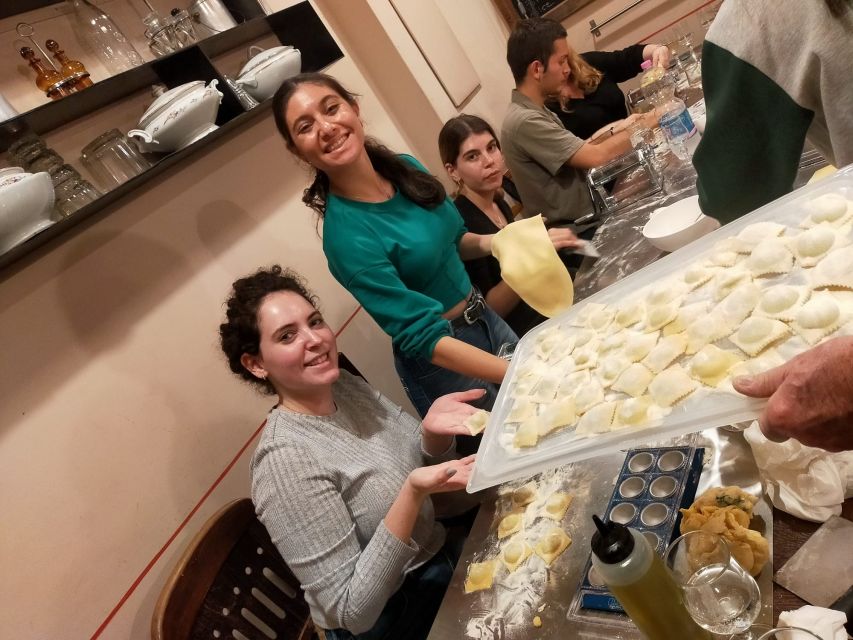
Rome is great for wandering. But cooking classes are great for remembering. This one is set up so you’re doing real food work in a real restaurant kitchen, right near the Vatican area, with an English-speaking guide and an expert local chef leading the process.
The format is simple and smart: you learn, you taste, you eat, and you go home with the know-how. You’re not just sampling Italian treats; you’re building the skills behind them, especially the dough. And because the group is typically small (often around 10 to 14 people, depending on the session), you get enough attention to keep moving without feeling rushed.
If you want a cultural experience that’s hands-on and shareable, this hits the mark. It’s also ideal when you want a break from constant sightseeing, while still staying right in the center of things.
You can also read our reviews of more cooking classes in Rome

Your Actual Game Plan: Tiramisu First, Then Fettuccine and Ravioli
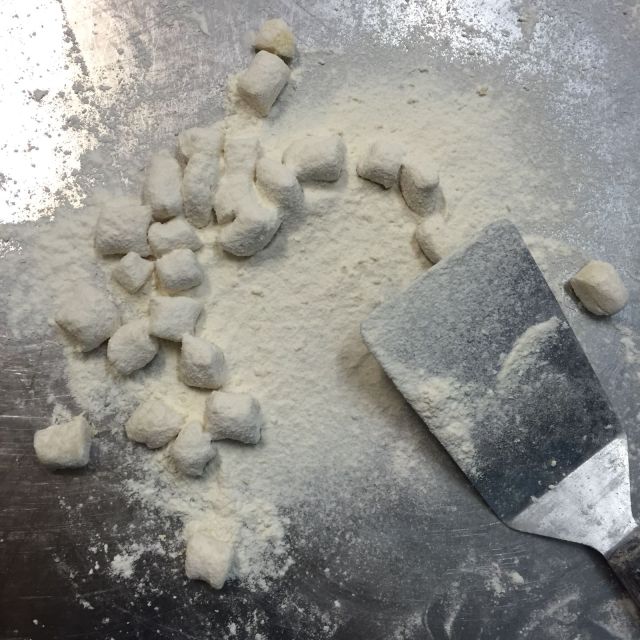
The class runs about 3 to 4 hours (check the start time when you book). It typically follows a clear order so your brain doesn’t get scrambled: tiramisù first, then pasta from scratch, then a meal where you enjoy what you made.
Think of it like two mini-lessons stacked in one evening:
- Tiramisù: focus on the creamy layers and the coffee-cocoa balance
- Pasta: focus on dough, shaping, and the fundamentals behind fettuccine and ravioli
By the time you sit down to eat, you’re not waiting around. You’ve already made the components, and you’ll see how the whole meal comes together. Several instructors are praised for keeping a fun flow too, with a lively tone from the start.
One practical note: the pasta-making part includes working with both pasta types in one session, so come hungry, wear comfortable clothes, and expect to get a little flour on your hands.
The Tiramisu Workshop: Mascarpone, Eggs, Coffee Sugar, and Cocoa
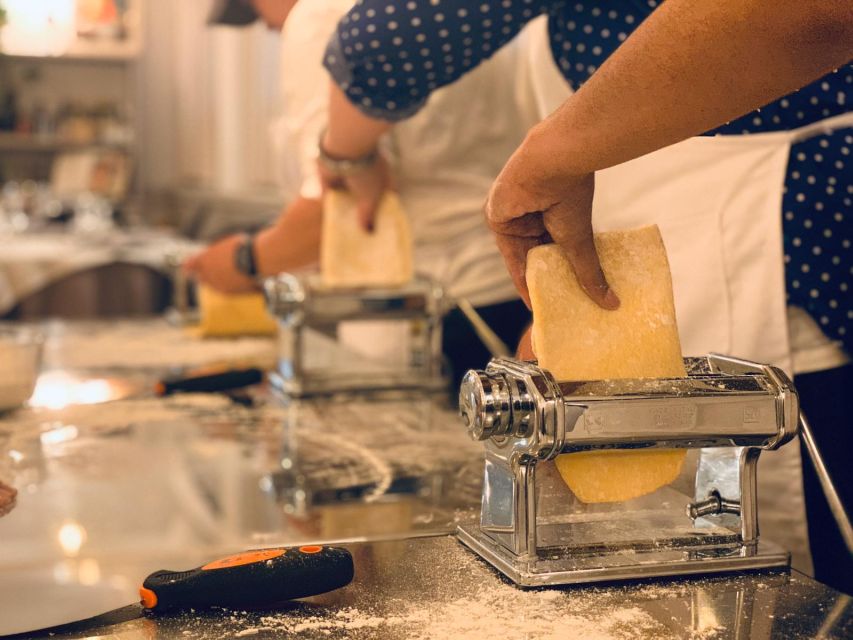
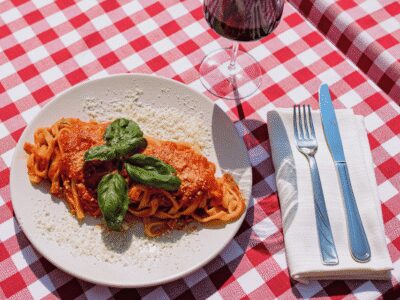
Tiramisu is one of those desserts people think they know. Then you make it and realize the details matter. In this class, you’ll learn the traditional method using mascarpone, eggs, coffee sugar, cocoa powder, and the tools you need to assemble it correctly.
Most of the class payoff here is in understanding the texture. You’re not aiming for something runny. You’re aiming for a creamy set that holds its shape once it’s layered. The chef’s job is to guide you through that rhythm, step-by-step, so you’re not guessing.
You’ll also learn how the coffee component should taste. Coffee sugar and cocoa aren’t just flavoring; they’re balancing acts. Get that balance right and the dessert tastes like tiramisù from a proper Italian kitchen, not a sweet coffee milk situation.
Tiramisu ends up feeling like the perfect first activity because it builds confidence early. Once you’re comfortable with the assembly, you can switch gears to the more physical pasta work without feeling lost.
Fettuccine and Ravioli From Scratch: Dough Is the Whole Story
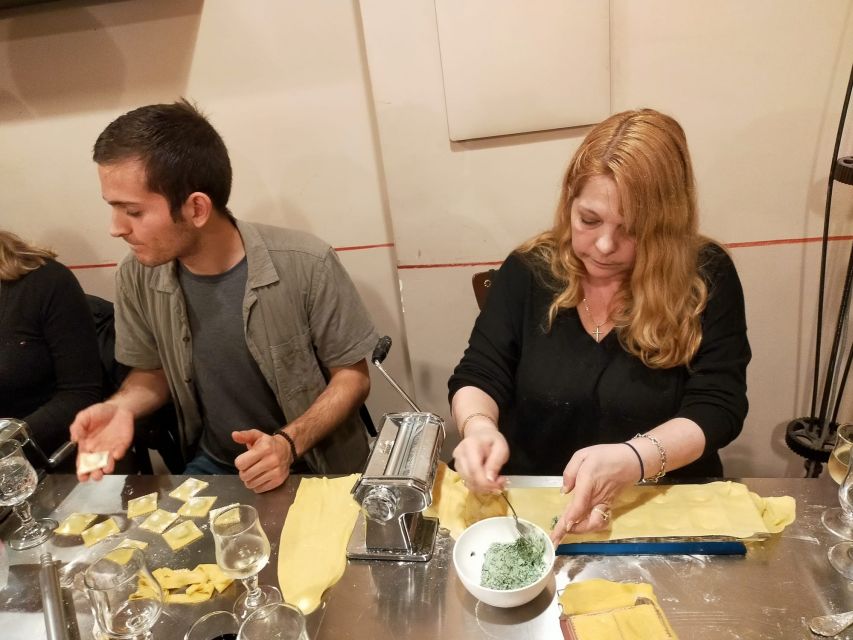
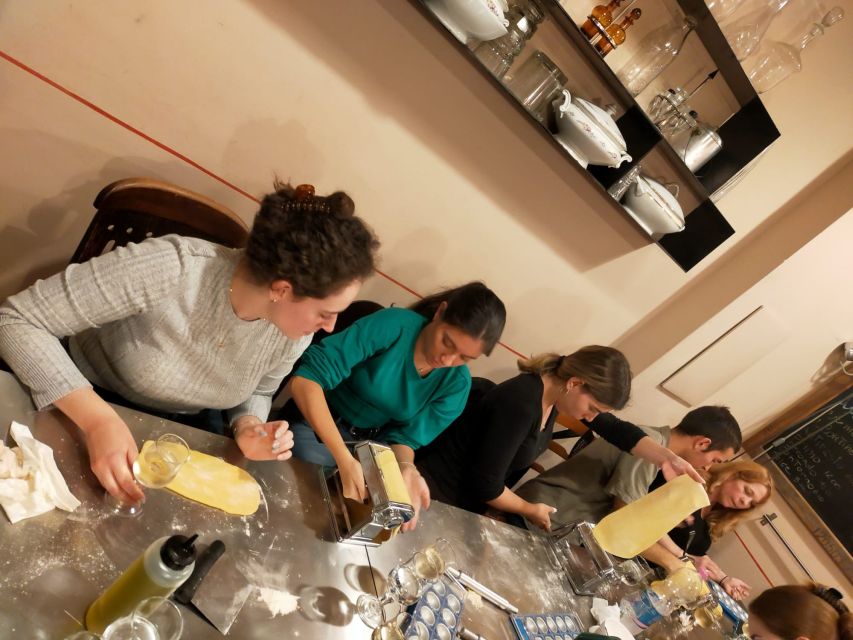
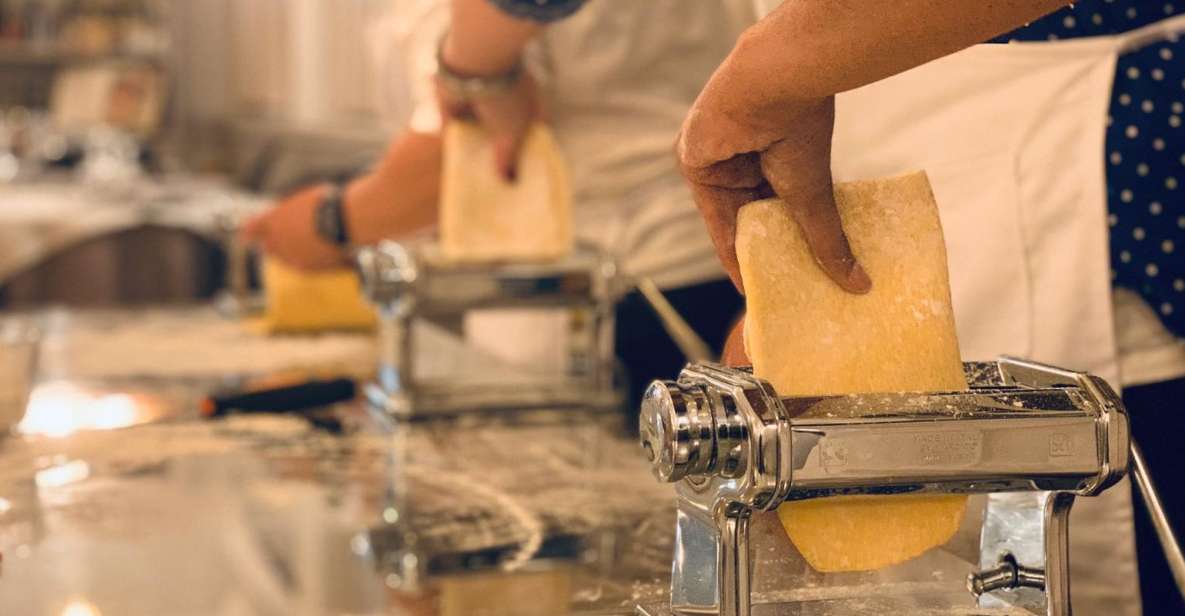
Here’s the big selling point: you make two types of Roman pasta from scratch in the same class. Fettuccine and ravioli sound different, but the core skill is the same. It starts with the dough.
You’ll learn the basics of:
- Creating the dough texture that rolls properly
- Understanding which ingredients matter for each pasta type
- Working through the process so you don’t end up with dough that tears or won’t hold shape
Fettuccine is the more straightforward outcome, but don’t treat it as the easy part. Rolling and cutting (or shaping, depending on how your class sets it up) is where quality shows. Ravioli adds another layer of effort, because you’re building sealed pockets that can handle sauce without falling apart.
One practical takeaway: you’ll likely learn how pasta dough behaves in the real world, not just in recipes. That’s the stuff you can bring home and use for future batches, even if you later try different shapes.
When you’re done, the meal you eat isn’t just food. It’s proof that you can repeat the process at home.
The Wine and Limoncello Rhythm: Taste, Learn, Repeat
This isn’t a dry classroom. It’s a cooking night with drinks built in. During the class you’ll enjoy prosecco and fine wine, and the package also includes unlimited soft drinks. After the meal, you’ll finish with limoncello and Italian coffee.
What I like about this pacing is that it lowers the pressure. Pasta dough is hands-on. Tiramisu is detail work. When the mood is relaxed, you’re more likely to focus on technique instead of worrying about mistakes.
The wine also makes the social side easier. Several instructors and hosts are described as fun and energetic, with one even turning music into a full-on dance-party moment during the session. Whether your night gets that extra hype depends on the instructor and group, but the overall vibe stays warm.
Just keep it sensible: if you’re tasting a lot of wine, plan to keep your energy for the cooking steps. Also, eat what you make. You’ll be glad you did.
You can also read our reviews of more wine tours in Rome



The Vatican-Near Restaurant Setting and Group Atmosphere
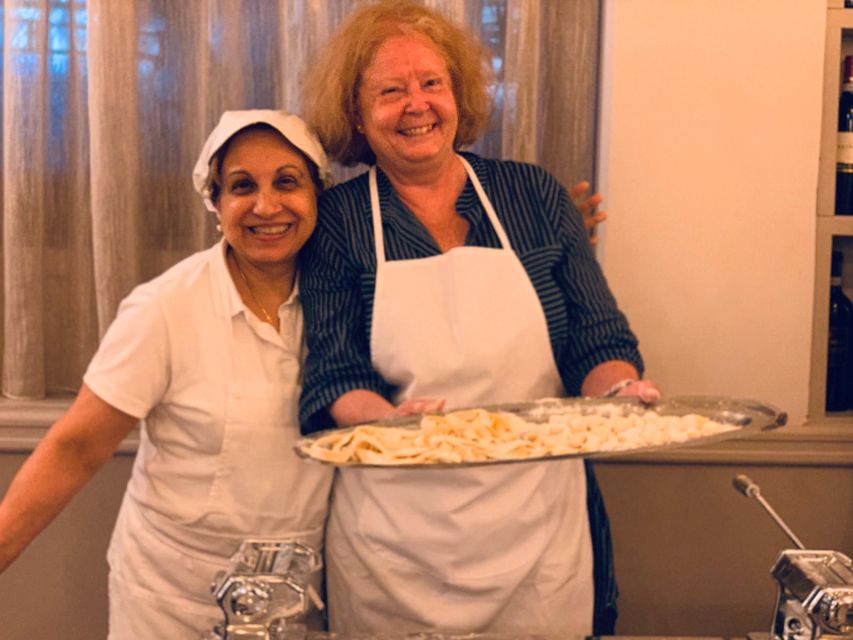
This class happens in the kitchen of a beloved restaurant near the Vatican. That matters more than you might think. A restaurant kitchen is designed for workflow and timing, which means you’re more likely to learn in a way that fits real production, not just a borrowed space.
Group size seems to vary by session, but reviews often describe a small group format where everyone gets a station and real instruction. That’s especially nice if you’re cooking with another person, or if you’re a solo traveler who wants to meet people without awkward icebreakers.
Instructors and hosts get mentioned by name a lot, which is a good sign that the experience is personal. You may meet chefs and hosts like Alessia, Claudio, Eddy, Anna, Sonia (described as the owner and very hands-on), Arna, Alice, or Irene. The common thread in these praises is clear teaching, upbeat energy, and hands-on help when someone’s dough or assembly needs a fix.
One small consideration: finding the location can be tricky, and one venue change was communicated in advance in at least one case. I’d recommend saving the exact address from your confirmation and giving yourself extra minutes on arrival.
What You’ll Take Home: Recipes You Can Actually Use
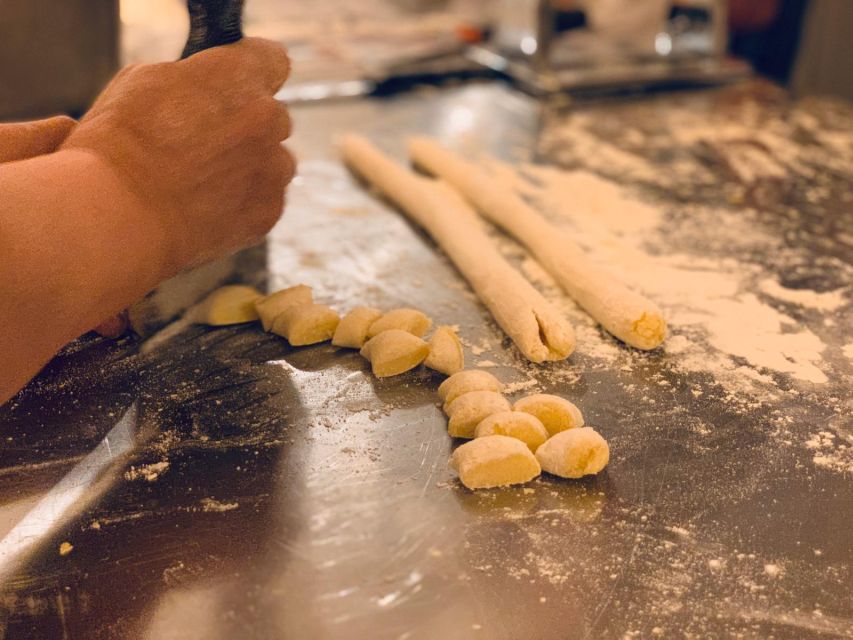
You don’t just leave with memories. You leave with recipes to recreate your pasta and tiramisù back home.
That’s huge value. Many cooking classes teach you technique, but the recipe handout is what lets you repeat it without reinventing everything from scratch. Here you’ll have written instructions for the things you actually made in the kitchen, including the tiramisù ingredients and the pasta basics for your fettuccine and ravioli.
If you’ve never made fresh pasta before, focus on the dough part first. That’s what translates into new shapes and future dinners. If you already cook, this still helps because it teaches you how the chef expects dough to feel and behave.
Practical tip: make a single element first at home. For example, try your dough and rolling once, then come back later for ravioli filling and assembly when you’re comfortable.
Price and Value: Is $77.03 a Fair Deal?
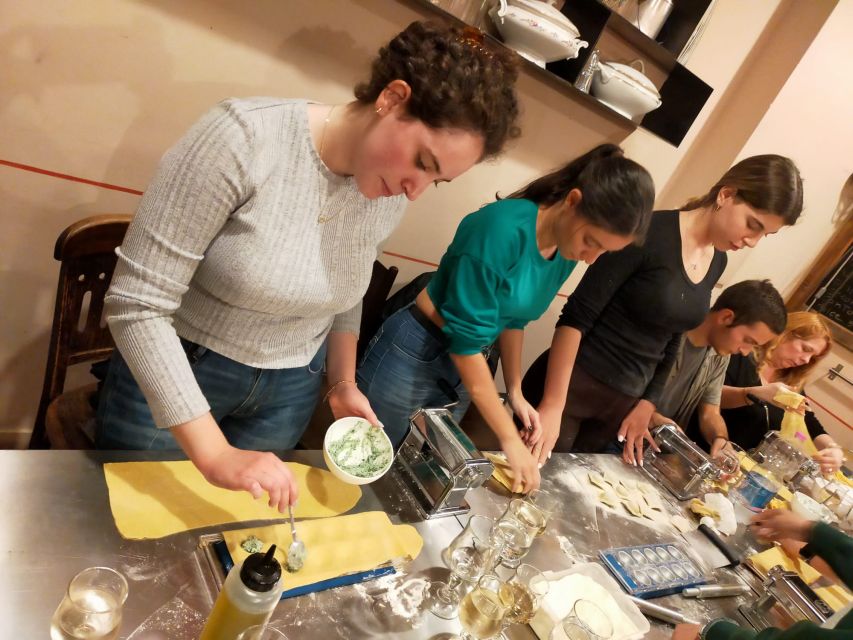
For about $77.03 per person, you’re getting a lot packed into 3 to 4 hours: a cooking class with a local chef, tiramisu and pasta-making instruction, free-flowing fine wine (plus prosecco), unlimited soft drinks, coffee, limoncello, and take-home recipes.
The value calculation isn’t only the food. It’s the combination of:
- Real instruction in a restaurant kitchen
- Multiple recipes and two pasta styles
- A full tasting and meal component
- Drinks included, which also helps the social and relaxed vibe
If you compare this to paying for a traditional meal plus a separate cooking workshop, the math usually looks better here because everything is bundled. The only cost you bring yourself is your appetite and a willingness to get a little messy.
So yes, this price feels fair for what you do and what you receive, especially if you’re going to be using the recipes after your trip.
Who Should Book This Class (And Who Might Skip It)
This is a strong match if you:
- Want a hands-on Rome activity that’s different from museums and churches
- Like cooking and want a skill you can repeat at home
- Enjoy social settings with small groups and good food
- Are traveling with a partner or family and want something shared that ends with a meal
You might think twice if:
- You hate the idea of rolling or shaping dough in a hands-on setting
- You’re sensitive to noise or heat in a room with limited air-conditioning
- You prefer silent, low-interaction experiences
If you can handle flour and you’re open to a lively cooking night, it’s hard to go wrong.
Should You Book It?
I think you should book this if you want one memorable Rome night that turns into a real skill. You get traditional tiramisù guidance, two Roman pasta styles from scratch, a proper meal you cooked yourself, and drink extras that make the whole thing feel like a celebration.
If you’re on the fence, here’s the deciding question: do you want an experience you can repeat at home? If yes, book it. This class is built around teach-and-taste, so the value isn’t just what you eat here, it’s what you can cook later.
FAQ
How long is the Rome fresh pasta and tiramisu class?
It lasts about 3 to 4 hours, depending on the starting time. Check availability for the specific schedule.
What do I learn during the class?
You’ll make tiramisù and learn how to make two Roman pasta types from scratch: fettuccine and ravioli.
What drinks are included?
The class includes prosecco and fine wine during the experience, plus unlimited soft drinks. After the meal, you’ll also have limoncello and Italian coffee.
Does the class have an English-speaking guide?
Yes. The guide is listed as English live.
Is there a meal included?
Yes. After cooking, you sit down to enjoy the meal with the pasta and tiramisù you prepared.
Are take-home recipes provided?
Yes. You’ll receive recipes to recreate the dishes back home.
Where is the class located?
It’s at a restaurant near the Vatican area. The exact meeting point can vary by option, so use the confirmation details you receive.
Is it free to cancel?
Free cancellation is available up to 24 hours in advance for a full refund.
Does it offer pay later?
Yes. You can reserve now and pay later to keep plans flexible.