REVIEW · ROME
Rome: City Walking Tour in English or Spanish
Book on GetYourGuide →Operated by Carpe Diem Tours · Bookable on GetYourGuide
Rome rewards the curious with story-driven streets. This city walk strings together Rome’s biggest monuments and a handful of lesser-known stops, with a guide who makes the Roman timeline click from empire days to today. I like that it’s short—so you get a real orientation fast—and that it ends where you’ll actually want to linger, like Piazza Navona.
What I like most is the pacing and focus. You’ll hit major landmarks such as Trevi Fountain and Trajan’s Column without it turning into a museum marathon. I also love the way the guides turn those stone icons into people and politics—one guide, Dan, even comes with an MA and tells the city in a friendly, easy-to-follow way.
One possible drawback: this is a walking tour, so you’ll want comfortable shoes and patience if you’re doing it during peak crowds around Trevi and the Pantheon area. Also, some highlights are pass-by rather than inside, so if you’re chasing ticketed interiors, you may still want a separate stop later.
In This Review
- Key Things You’ll Really Notice on This Walk
- Why This Rome City-Walk Works: Big Sights, Clear Stories
- Picking Your Start: Piazza d’Aracoeli vs Piazza di Pasquino
- Piazza Venezia and Trajan’s Column: The Empire Angle You’ll Carry All Day
- Trevi Fountain at Walking Pace: How to Enjoy It Without Stressing
- Galleria Sciarra and Sant’Ignazio di Loyola: The Stops That Break the Script
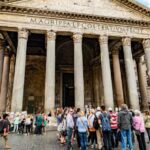
- The Pantheon Pass-By: Big Views With Less Time Pressure
- Finishing in Piazza Navona (or Colosseum): Turn the Tour Into Your Next Meal
- Guide Style Matters: Why Dan, Vlad, and Domenica Show Up Again and Again
- How Much Walking Is This, and What It Means for Your Day
- Price and Value: What $28 Buys You in Rome Time
- Who Should Book This Rome Walk (and Who Might Skip It)
- Should You Book This Rome City Walking Tour?
- FAQ
- What languages are available for the guide?
- How long is the tour?
- Where does the tour start?
- Where does the tour end?
- What stops are included on the walking route?
- Is food included?
- What should I bring?
- Can I book with flexibility, and what about cancellation?
Key Things You’ll Really Notice on This Walk
- A tight route that covers Rome’s “greatest hits” in just 2–2.5 hours
- Story-first guiding, with names like Dan, Vlad, Domenica, and Polina showing up in standout feedback
- A practical finish around Piazza Navona, where you can grab food and drinks after the tour
- Multiple start options (Piazza d’Aracoeli or Piazza di Pasquino) to help you match your day’s plans
- Little detours like Galleria Sciarra and Church of Sant’Ignazio di Loyola to break up the obvious photo stops
Why This Rome City-Walk Works: Big Sights, Clear Stories
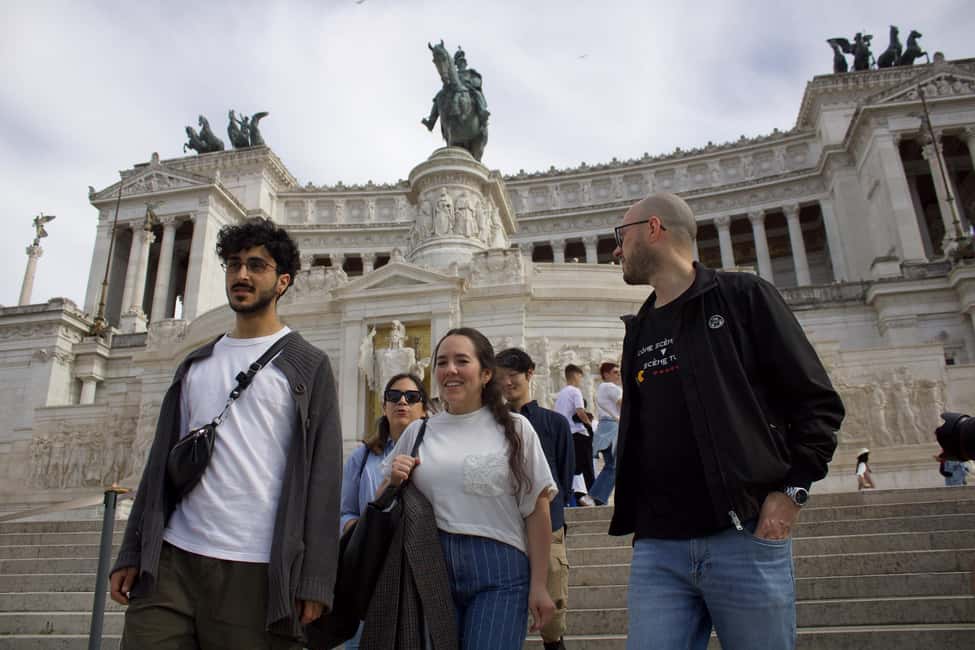
If you only have a little time in Rome, a guided walk like this is a smart move. You get a dense slice of the historic center—piazzas, monuments, and the kinds of streets you’ll want to revisit later. The guide’s job isn’t just facts; it’s context, so you understand why each place matters.
I’m a fan of tours that help you see the city, not just check boxes. This one follows Rome’s storyline from the Roman Empire era to what’s still visible now, so the city stops looking like separate postcards. The route also includes spots most people miss unless they’re specifically looking for them, like the covered-feeling Galleria Sciarra and the dramatic Church of Sant’Ignazio di Loyola.
The value angle is simple: at about 2–2.5 hours, you’re buying time and clarity. Instead of wandering for hours trying to connect dots yourself, you’re building a mental map while moving between iconic points.
You can also read our reviews of more walking tours in Rome


Picking Your Start: Piazza d’Aracoeli vs Piazza di Pasquino
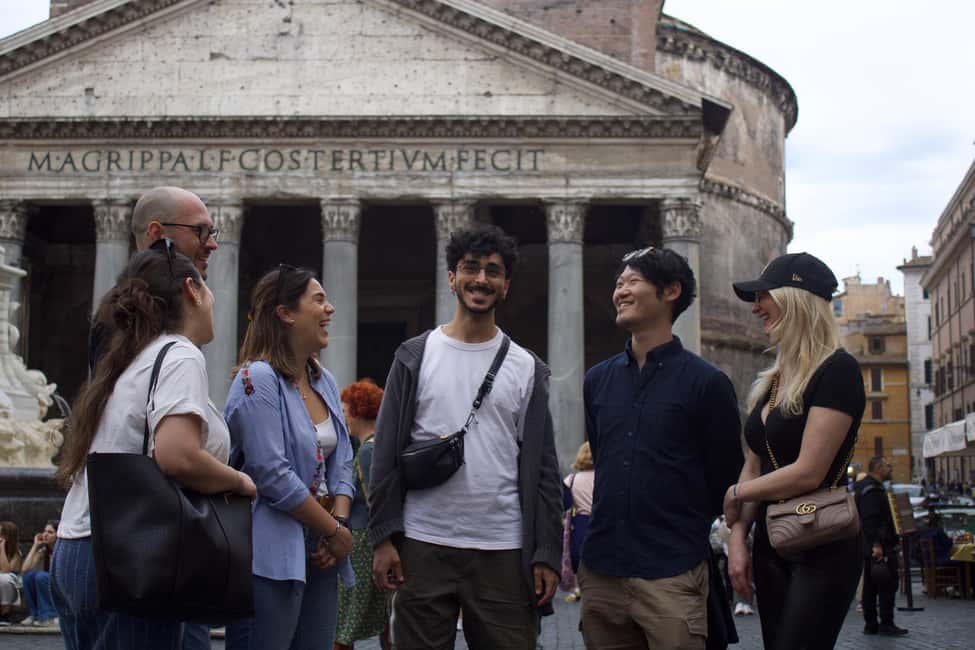
Your meeting point depends on the option you book, with two common starts listed: Piazza d’Aracoeli or Piazza di Pasquino. Both are in the historical center, and both can be convenient depending on where you’re already staying or how you plan to move that day.
Here’s how I’d choose: if you’re planning to spend time around the Capitoline/central viewpoints, Piazza d’Aracoeli can feel like a natural launchpad. If you’re aiming to connect your day with areas closer to Campo de’ Fiori-ish routes, starting from Piazza di Pasquino may be easier to line up with your other plans.
One practical tip: meeting in open piazzas means you’ll want to arrive a few minutes early and double-check your exact start point. In feedback, there was even a note about how harder it can be to spot the guide when it’s darker—so having your meeting location pinned on your phone helps.
Piazza Venezia and Trajan’s Column: The Empire Angle You’ll Carry All Day
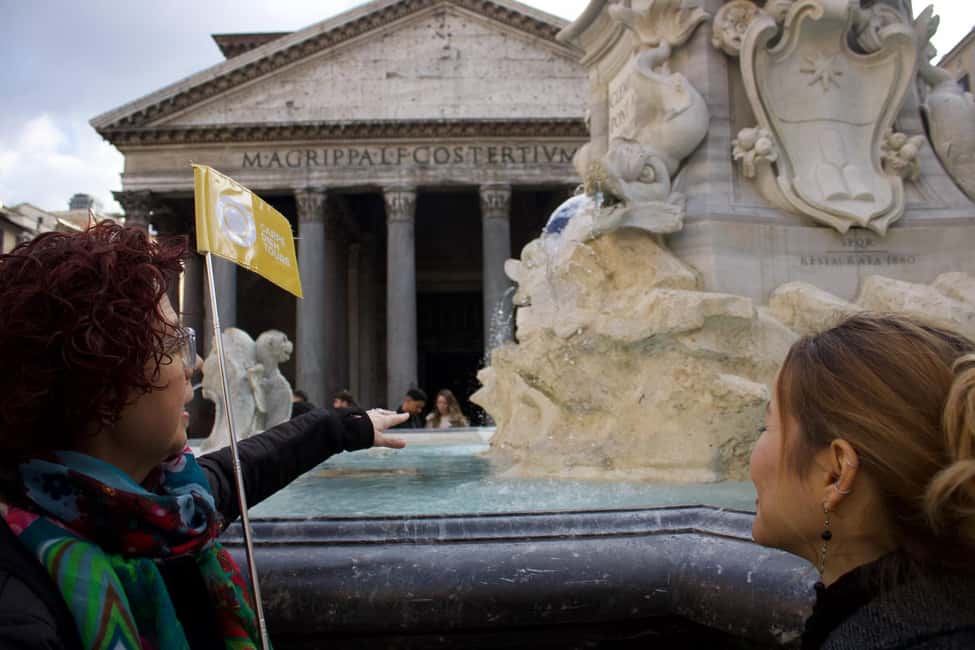
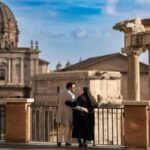
The tour’s next steps focus on a power-center feel, starting with Piazza Venezia and then moving to Trajan’s Column. You’ll get guided time here (about 20 minutes per major stop), and that’s enough to learn what you’re looking at without turning the walk into a long sit-down lecture.
At Piazza Venezia, you’re in a spot that helps you understand how Rome mixes eras. Even before you reach the column, the area sets you up to interpret monuments as messages—political, cultural, and practical. Then Trajan’s Column adds the storytelling layer, because it’s not just a tall structure you photograph and move on from. With a guide, you can connect the column to the bigger idea of how the Romans used public monuments to communicate.
What’s smart here is the sequence. You start with the kind of landmarks that anchor your understanding of Rome’s layout, then you build outward toward the more familiar “top-10” crowd magnets later.
Trevi Fountain at Walking Pace: How to Enjoy It Without Stressing
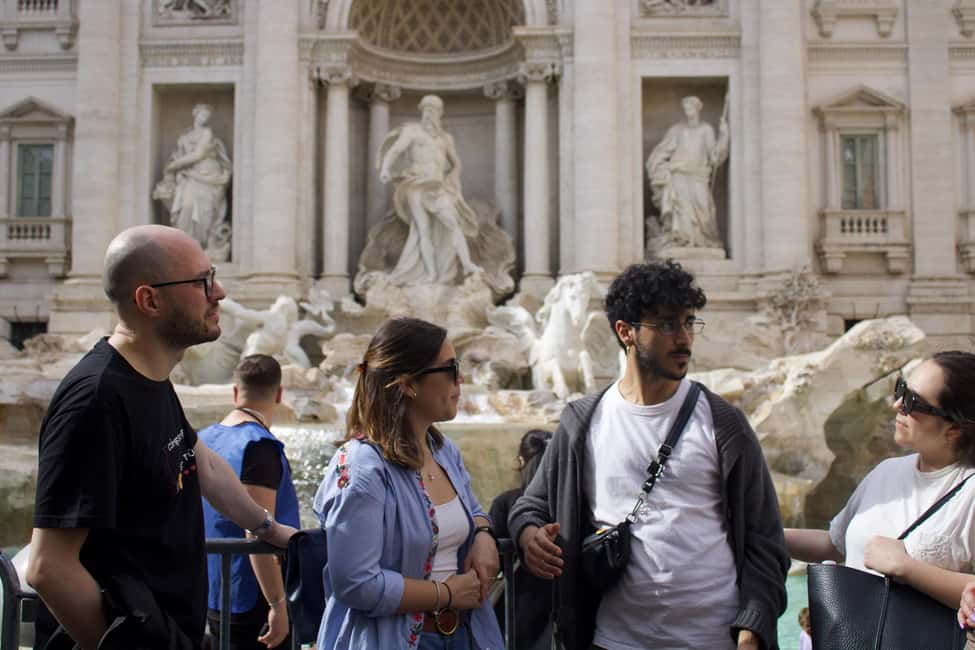
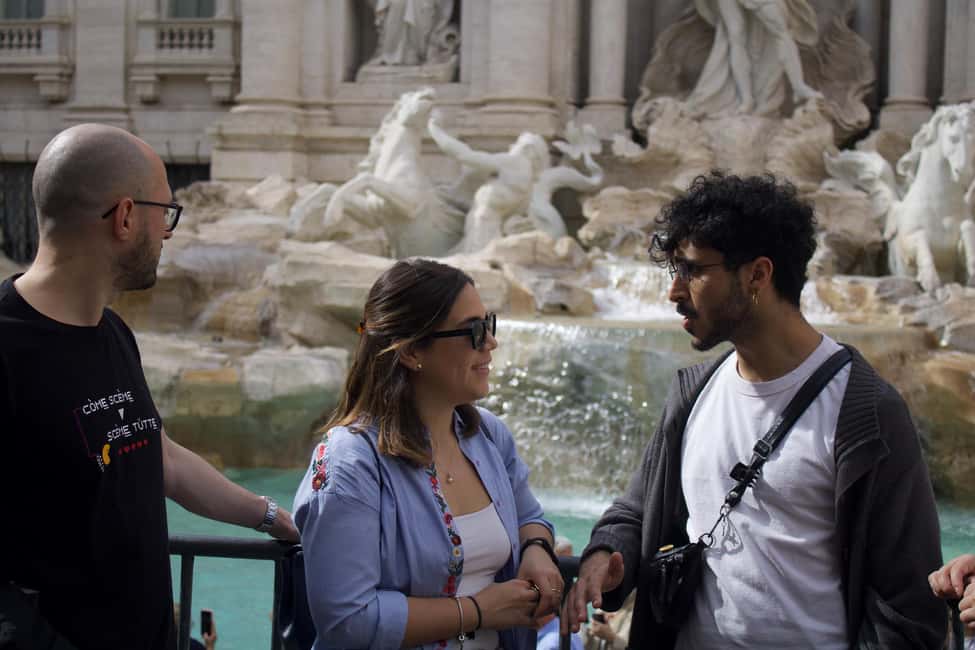
After Trajan’s Column, the route heads to Trevi Fountain for guided time of about 30 minutes. This is the moment where many people come in with expectations: dramatic photos, famous statues, and lots of other tourists.
The best way to enjoy Trevi on a tour is to treat it like a story stop. With the guide context in your head, you’ll look at details you would normally skip, and you’ll understand why Trevi is more than a postcard background. The tour’s structure also helps keep the visit from feeling random, because you’re moving through a planned route rather than arriving alone and stuck in the crush.
Possible drawback? Expect crowds and noise here, especially in busy seasons. The upside is that the stop is long enough for the guide to place it in context, not just point and walk.
Galleria Sciarra and Sant’Ignazio di Loyola: The Stops That Break the Script
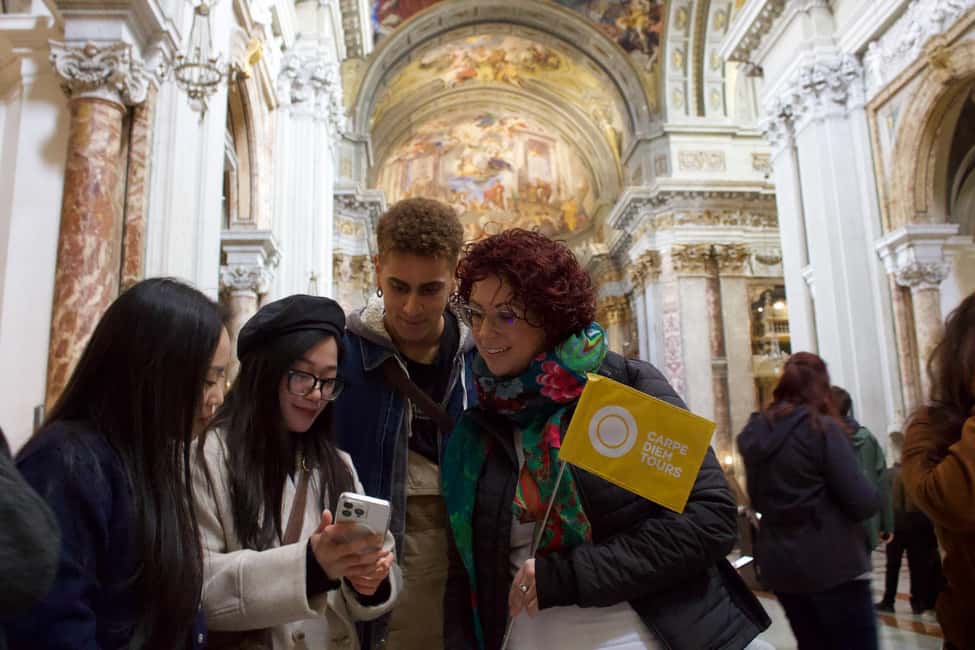
Next up are two very different kinds of Rome. Galleria Sciarra is a quick-guided visit (about 20 minutes), and it’s a great palate cleanser after Trevi. Then the tour moves to Church of Sant’Ignazio di Loyola for another guided segment (around 20 minutes).
Why these stops matter for you: they show a Rome that isn’t only ancient. They help you see how the city evolved—visually and culturally—so your mental map isn’t only about Roman Empire ruins. A church stop can also shift the whole mood of the day, because it encourages slower attention, even if you’re still walking.
If your trip includes multiple churches or interiors later, this is a solid sampler. If you usually avoid indoor stops because of time pressure, the guided format gives you just enough to appreciate what you’re looking at, then you keep moving.
You can also read our reviews of more city tours in Rome



The Pantheon Pass-By: Big Views With Less Time Pressure
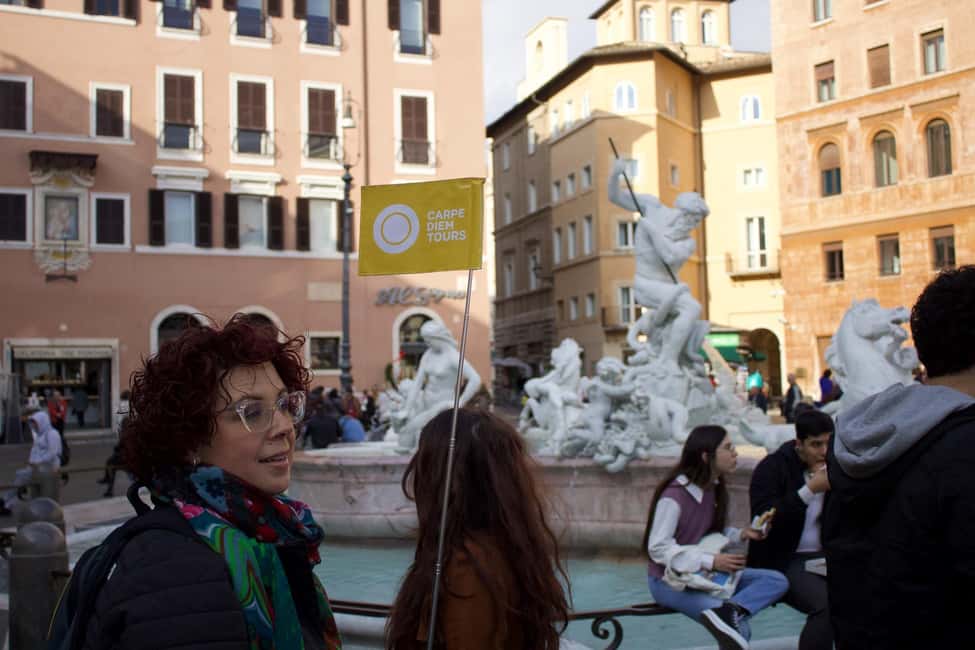
The tour includes the Pantheon as a pass-by stop (about 20 minutes). That matters because it sets expectations: you may not be doing a deep interior experience here as part of this walk. Instead, you get the chance to orient yourself to a place you’ll likely want to revisit.
I actually like this approach when you’re booking an introductory tour. You’re not forced to decide on a ticketed, hour-long commitment in the middle of your first day. You’re getting the lay of the land—how the Pantheon sits, what surrounds it, and how it fits into the wider central-city story.
If you later want to go inside, you’ll have a stronger sense of where to focus. Passing by first can reduce that first-day “where do I even look?” feeling.
Finishing in Piazza Navona (or Colosseum): Turn the Tour Into Your Next Meal
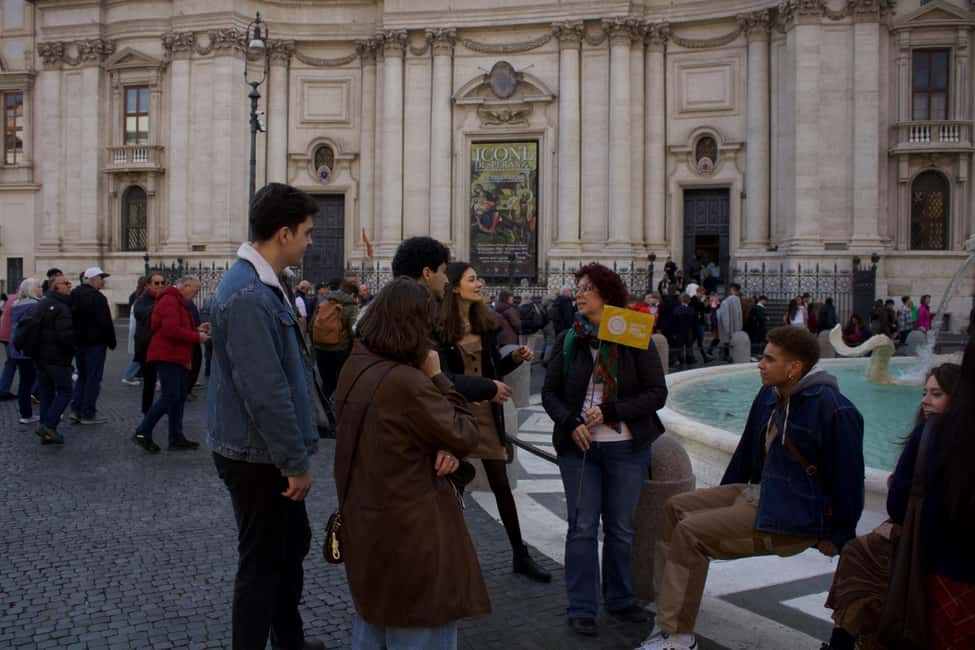
The tour ends back at the meeting point per the activity notes, but the route also lists drop-off options including Piazza Navona (appearing twice) and Colosseum. In practice, this means you should plan for your tour day to naturally roll into additional sightseeing right after.
Piazza Navona is a key ending point, and that’s a smart finish. The area is known in the tour description for top spots to eat, bars, and even rooftop terraces. So when you reach the end, you’re not stuck figuring out dinner from scratch.
Here’s what I’d do right after: ask your guide for two things before you break up—where to eat that fits your budget, and what nearby sights are worth your time. This tour explicitly builds in recommendations, so don’t be shy about asking targeted questions like what to prioritize next based on the time you have and how long you’re willing to walk.
If your end point is Colosseum, you’re positioned for a classic Rome evening vibe. Either way, you’re leaving the tour with momentum.
Guide Style Matters: Why Dan, Vlad, and Domenica Show Up Again and Again
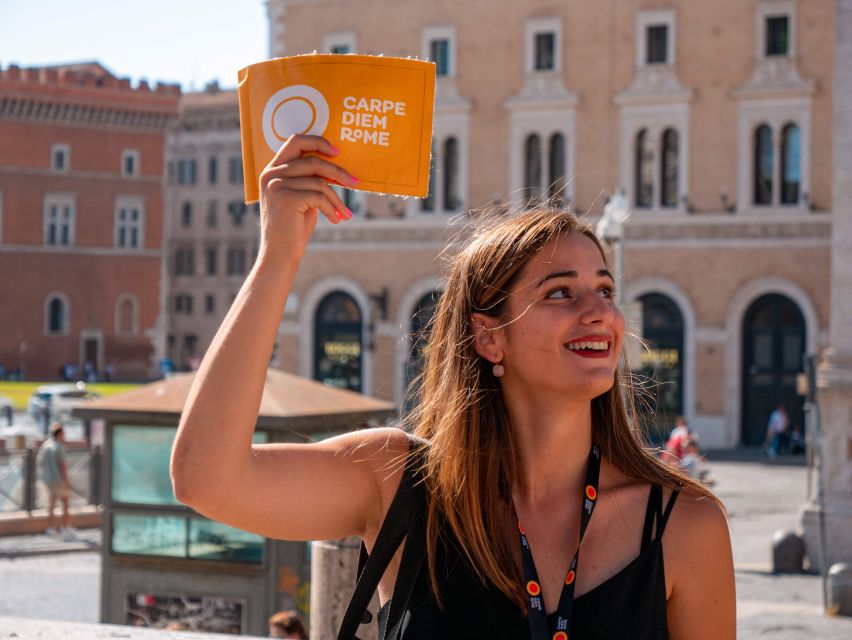
On a walking tour, the guide is the product. This one leans into live storytelling in English or Spanish, and feedback repeatedly highlights guides who deliver history in a way that feels human, not like a textbook.
A few names come through in the standout comments:
- Dan: described as an impressive history scholar with an MA, and praised for making Rome accessible with a friendly, positive style.
- Vlad: credited for organized storytelling, humor, and a professional feel; one note also mentioned audio help with headphones.
- Domenica, Dinara, and Polina: praised for smooth pacing, strong answering of questions, and story-first delivery.
You’ll also notice a common theme: guides make it easy to ask questions while walking. One review mentioned the guide being accessible during the walk so the group could get more personalized answers. That’s huge value if you’re the type who likes to understand the why behind what you’re seeing.
One more practical note drawn from feedback: if it’s late in the day, make sure you can spot your guide quickly. Have your confirmation details ready and keep your eye on the group flow so you don’t waste tour minutes hunting.
How Much Walking Is This, and What It Means for Your Day
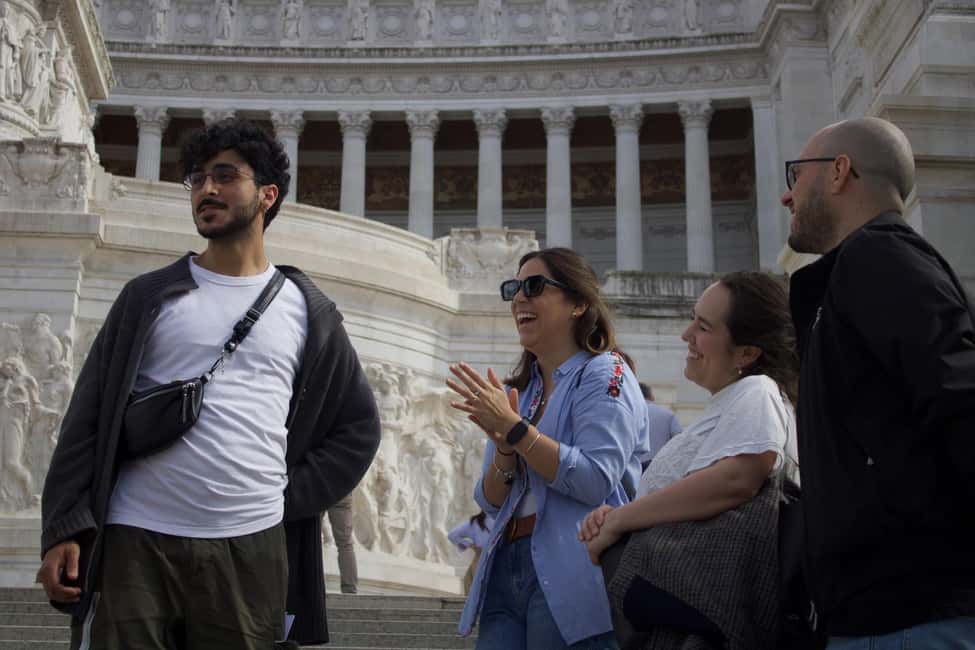
This tour runs about 2 to 2.5 hours. That duration is long enough to cover a meaningful chunk of central Rome, but short enough that it doesn’t swallow your whole day. It also helps you build a schedule that’s realistic—especially if you’re planning additional stops like guided museum time later.
Because it’s walking, your gear matters. Bring comfortable shoes and comfortable clothes. Rome’s stone and uneven surfaces can be wearing, so plan for the practical reality: you’ll stand, walk, and stop in the same shoes all tour long.
If you’re thinking about heat and daylight, keep in mind the guide may slow slightly at crowded points like Trevi Fountain. The tour includes multiple stops with guided time, so there are natural pace changes. That’s normal and part of why the route works.
Price and Value: What $28 Buys You in Rome Time
At $28 per person, this is priced like a focused city primer. You’re getting a local guide, Roman history storytelling, recommendations, and a route that hits major landmarks plus additional stops that add variety.
Is it expensive? No. Is it cheap? It’s also not a bargain-basement deal. The way I see it, you’re paying for three things:
- Time savings: you go from place to place with built-in interpretation
- Less guesswork: you know what you’re looking at instead of guessing from plaques
- A better first day: the tour helps you plan what to do next after the walk ends
This is especially good value if you’re doing your first trip and want to understand the layout. It’s also good for couples or friends who want a guided backbone without signing up for a half-day commitment.
Private group availability can be a plus if you want quieter pacing or a more personal question flow, though the tour description doesn’t specify group sizes.
Who Should Book This Rome Walk (and Who Might Skip It)
This tour fits best if you:
- want a first-day orientation to Rome’s historic center
- like hearing the story behind monuments, not just collecting photos
- want a route that mixes the obvious (Trevi, Pantheon area) with stops that add texture (Galleria Sciarra, Sant’Ignazio di Loyola)
- are interested in English or Spanish guided history and cultural context
You might consider another option instead if you:
- only want interior visits and timed entry sites
- hate crowds around iconic stops like Trevi
- need a slower, more rest-heavy experience (this is still built around walking and multiple stops)
Should You Book This Rome City Walking Tour?
Yes, I’d book it if you want to get your bearings quickly and understand what you’re seeing. The route is tight, the time is reasonable, and the guide-driven storytelling approach is the real reason this tour earns its strong rating—whether your guide is Dan, Vlad, Domenica, or another fluent host.
Skip it only if you’re hunting for a long interior-focused itinerary or you already know the city well enough that you don’t need a guided storyline. For most people, this is a smart, efficient way to start a Rome trip and end near the places where you’ll want to eat.
FAQ
What languages are available for the guide?
The tour offers live guidance in English and Spanish.
How long is the tour?
It lasts 2 to 2.5 hours, depending on the starting time and the day’s schedule.
Where does the tour start?
You’ll start at a meeting point that can vary by option. The two listed start options are Piazza d’Aracoeli or Piazza di Pasquino.
Where does the tour end?
The activity notes say it ends back at the meeting point. The route also lists possible drop-off locations including Piazza Navona and Colosseum, depending on the option booked.
What stops are included on the walking route?
You pass or stop at places including Piazza Venezia, Trajan’s Column, Trevi Fountain, Galleria Sciarra, Church of Sant’Ignazio di Loyola, and Pantheon (pass-by).
Is food included?
No. Food and drinks are not included.
What should I bring?
Bring comfortable shoes and comfortable clothes for walking.
Can I book with flexibility, and what about cancellation?
You can reserve now and pay later, and you can cancel up to 24 hours in advance for a full refund.