REVIEW · ROME
Rome: Colonna Palace Guided Tour
Book on GetYourGuide →Operated by GetYourGuide Tours & Tickets GmbH · Bookable on GetYourGuide
Palazzo Colonna feels like a film set. This Rome palace tour turns a grand building into a clear story: who lived here, what art was chosen, and why those rooms still work today. You’ll see Galleria Colonna artwork, popes’ connections, and—if you choose the right ticket—gardens and Princess Isabelle’s Apartments.
I especially like two things. First, the art focus is specific and practical, with names you can follow in real time: Tintoretto, Pinturicchio, Guido Reni, Bronzino, and Guercino, plus trompe l’oeil paintings. Second, you get a real choice: a 2-hour guided tour or an entry ticket that lets you linger in the gardens and apartments at your own pace.
One consideration: the standard guided experience is timed (about 2 hours), so if you want lots of outdoor wandering, you’ll probably prefer the entry-ticket option.
In This Review
- Key highlights at a glance
- Why Palazzo Colonna Matters in Rome
- The Galleria Colonna: Art First, Then the Stories
- Halls and Rooms: Where Five Centuries Show Their Work
- Princess Isabelle’s Apartments: Small Details, Real Human Scale
- Courtyard and Gardens: Choosing Your Pace
- Guides in Three Languages, and What Good Ones Do
- Price and Value: Is $49.31 Worth It?
- Best Day to Go: Friday and Saturday Morning
- Should You Book This Tour?
- FAQ
- How long is the Rome Colonna Palace guided tour?
- What languages are available for the guided tour?
- Is there an option besides a guided tour?
- What does the entry price include?
- Can I avoid buying tickets onsite?
- When is Palazzo Colonna open to the public?
- Is the experience wheelchair accessible?
- Is the booking refundable if my plans change?
Key highlights at a glance
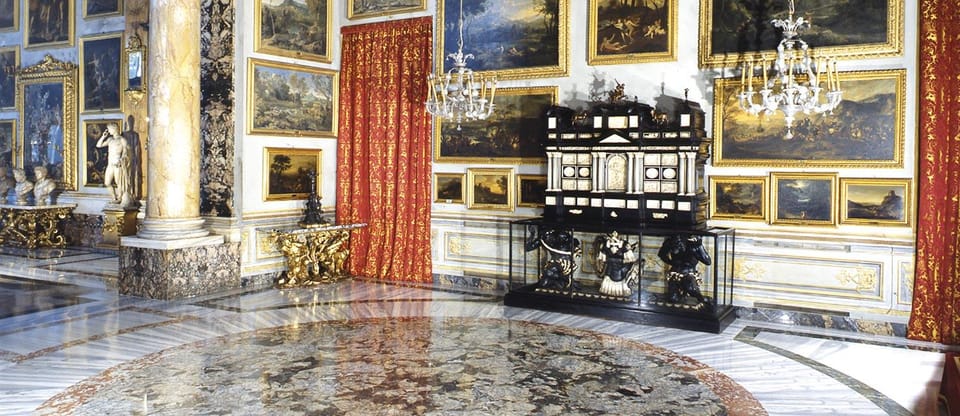
- Renaissance-to-Baroque art with recognizable artists you can spot room by room
- Trompe l’oeil paintings tied to the movie Roman Holiday
- Palace rooms across five centuries showing changing tastes in architecture and decor
- Princess Isabelle’s Apartments focused on intimate daily-life details
- Guides with strong art-history backgrounds, including Fabiana, Erica, and Alessandro, as standout examples
Why Palazzo Colonna Matters in Rome
Palazzo Colonna isn’t just another handsome building you pass on a street walk. It’s a statement of power—built and rebuilt over centuries—so the visit teaches you how Roman aristocratic life shaped the city’s look and taste. The palace dates back to the 14th century, and it’s connected to the residence of Pope Martin V, which helps explain why the rooms feel both political and personal.
What I like about this kind of site is that you don’t need a lot of background to get value. A good guide gives you a map for what to notice: the art program, the way rooms change as the centuries pass, and the difference between ceremonial spaces and more private corners.
If you care about art in a tangible way—what’s painted, where it sits, and how it’s meant to be seen—this palace helps you slow down in the right places. And if you love Roman history, you’ll get more than dates. You’ll get context for why these families commissioned certain styles and images.
You can also read our reviews of more guided tours in Rome
The Galleria Colonna: Art First, Then the Stories
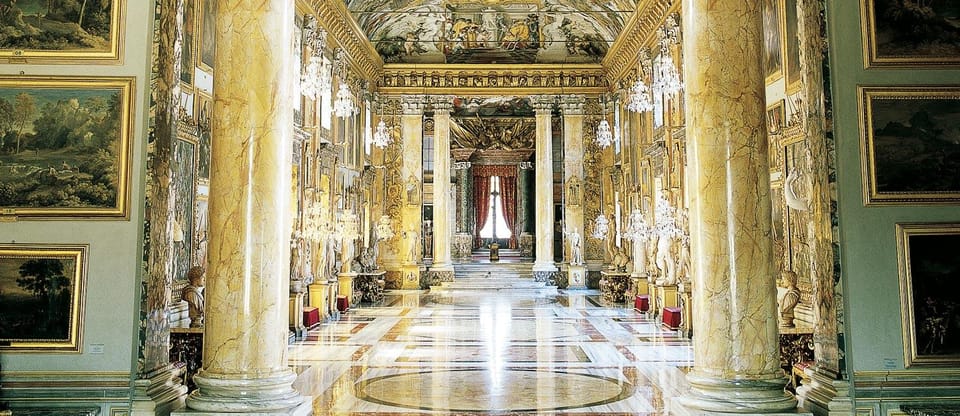
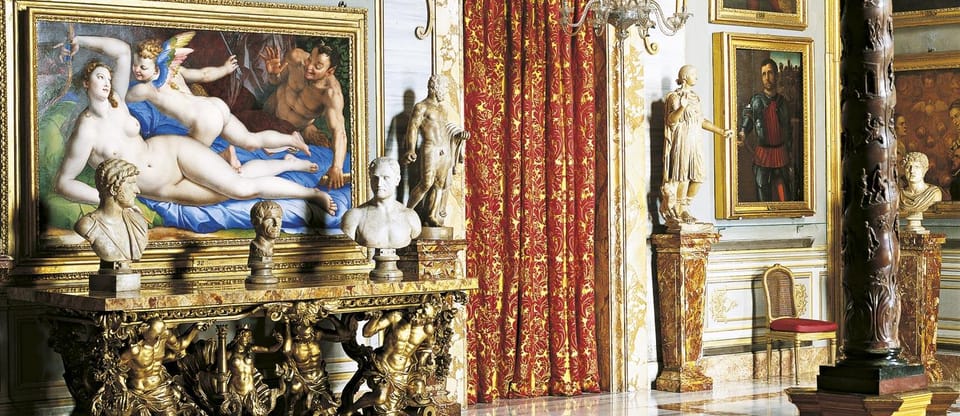
The tour typically starts in the grand Galleria Colonna, and it’s the best place to begin because it sets the tone. You’re walking into a long, gallery-style room where the walls carry major works from the late Renaissance and Baroque periods. This isn’t random decoration. It’s an art collection with intention.
Here’s the payoff: you’ll hear how the art fits together as a visual program, not just a list of famous names. Expect to see works associated with Tintoretto, Pinturicchio, Guido Reni, Bronzino, and Guercino. Knowing the names helps, but what matters more is learning what to look for: how the compositions are arranged, how figures draw your eye, and how the lighting in the room affects the effect.
One of the most fun features is the presence of trompe l’oeil—paintings designed to fool the eye. The guide points out how these tricks are built, and why they feel so believable in a palace room with the right atmosphere. There’s also a neat connection to popular culture: the trompe l’oeil style is referenced as a cinematic icon in the classic film Roman Holiday. Even if you’ve seen the movie years ago, this kind of detail makes the palace feel current, not dusty.
Practical tip: when you hit this gallery, pause for a full minute before you move on. The first glance is impressive, but the second glance is where you start spotting the tricks and patterns you’ll keep noticing for the rest of the visit.
Halls and Rooms: Where Five Centuries Show Their Work
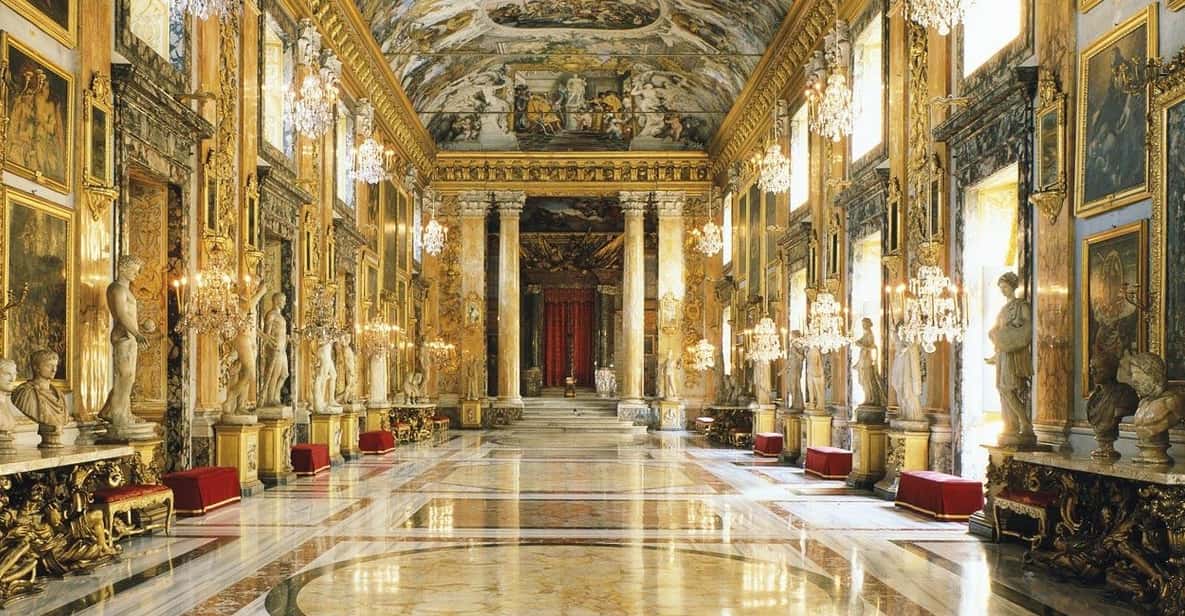
After the gallery, you move through the palace’s rooms and pick up the bigger theme: architectural and decorative styles shift over time. The palace’s timeline is layered—over five centuries—and you can literally feel the changes as you move from one space to the next.
This part of the experience is where the guide’s voice matters. You’re not just looking at walls. You’re learning how different eras wanted rooms to function and impress. The tour also highlights the palace’s former occupants, including connections tied to popes once residing here. That pope link isn’t just a trivia line—it explains why some rooms feel ceremonial and why certain grandeur choices were worth the expense.
You’ll likely notice two things as you go.
First, the palace never tries to look uniform. Rome’s old palaces often feel like a patchwork of ambition, and Palazzo Colonna shows that clearly.
Second, the rooms guide your attention: some spaces push you toward the art, while others feel built to stage conversation, reception, and status.
If you’re the type who loves architectural details, you’ll find plenty to chew on here. If you prefer a smoother, art-centered pace, the guide can keep things moving while still pointing out what’s worth seeing.
Princess Isabelle’s Apartments: Small Details, Real Human Scale
If you choose the entry-ticket option (or if your route includes the apartments), you’ll spend time in Princess Isabelle’s Apartments. This is the part that turns the palace from “museum grandeur” into “life that happened here.”
The Apartments are described as offering intimate details of daily life for the Roman aristocracy. That phrase matters. The goal isn’t to overwhelm you with scale—it’s to give you a closer look at how someone lived inside these walls: what the rooms were for, how daily routines would fit into the building, and what kinds of furnishings and decor were kept close.
Even without a long lecture, these rooms help you understand a key difference between palaces and typical attractions. Palaces were homes. Yes, they were power centers, but they were also where people ate, slept, dressed, hosted, and handled the quiet tasks that never make it into history books.
Practical tip: in the apartments, don’t rush. If you’re used to big-ticket sights where the main thing is the view, this area works better when you slow down and let the room’s logic sink in.
Courtyard and Gardens: Choosing Your Pace
Most people expect an indoor palace visit. Palazzo Colonna adds an extra layer by offering time outdoors through the gardens option. The courtyard also plays a role even on guided routes, giving you a natural pause point after the art-heavy rooms.
The palace’s expansive courtyard is a good place to regroup. It gives your eyes a break and lets you take in the architecture without needing to read every painted detail. If you like to connect the dots—how the building’s parts relate—this is where the shapes start making sense.
Then there are the gardens. With the entry-ticket choice, you can access the lush gardens and wander more slowly. This is a smart move if you like to control the rhythm of your sightseeing. Gardens work best when you don’t feel pressed to “keep up” with a group, and this option supports that.
A quick caution: if you pick only the short guided tour and skip the entry-ticket add-on, you might feel you only skimmed the outdoors. Two hours goes fast once you start reading the rooms. Think of the guided tour as the highlights reel, and the entry ticket as the slow, personal version.



Guides in Three Languages, and What Good Ones Do
This experience offers guided tours in English, French, and Italian, and you’ll want to pick based on how you like to learn. I like guided visits when the guide can point out what I’m not automatically noticing, especially in art rooms and palace interiors.
The best guides here seem to share a pattern: they focus on the art and rooms in a way that makes you look longer, not just listen harder. Names that stand out in guide feedback include Fabiana, Erica, and Alessandro, with praise tied to strong presentation and the ability to explain what you’re seeing. One recurring theme is that some guides come with art-history or archaeology backgrounds, which helps the commentary feel grounded rather than generic.
If you’re choosing between languages, consider this simple rule: choose the one you’re most comfortable turning into details. Palace art can get dense fast, and the guide’s job is to keep it clear.
Also worth knowing: the tour is described as wheelchair accessible. So if that matters for you, plan your comfort around the palace’s indoor/outdoor flow and your own pace, not just your ability to enter the site.
Price and Value: Is $49.31 Worth It?
At $49.31 per person for a tour around two hours, you’re paying for three things: access, interpretation, and time saved. You get entry to Palazzo Colonna, and if you select the guided option, you get the live guide. You also get the skip-the-ticket-line benefit, which can make the difference between a rushed start and a calmer visit.
Food and drinks aren’t included, so budget for a simple stop elsewhere. That’s normal for Rome, but it still affects value: if you know you’ll want a snack or coffee afterward, plan for it so the day stays smooth.
Is it good value? For me, the decision comes down to your interests:
- If you love art and want an explanation tied to specific works, the guided tour can be worth it because the palace is full of visual choices you might otherwise miss.
- If you prefer space to wander and want extra time with the gardens and apartments, the entry-ticket option can feel like the better bargain because it buys you control.
This is also a great use of time if you’re doing a Rome highlights plan. The palace gives you a different flavor than the big-name ruins. You get refinement, art, and domestic scale—all in one package.
Best Day to Go: Friday and Saturday Morning
The palace is open to the public every Friday and Saturday morning. That matters because it affects timing choices and how crowded the experience might feel compared to other days.
If you have flexibility, morning visits tend to be easier for pacing and comfort, especially in indoor galleries where you want time to really look. If you’re planning a Rome schedule, treat this as a slot you build around rather than a spontaneous stop.
Should You Book This Tour?
Book it if you want more than pretty rooms. If your ideal Rome visit includes Renaissance and Baroque art, painter names you can actually connect to what you see, and a palace story that explains why the rooms matter, this is a strong pick.
Skip it (or upgrade your choice) if you’re mainly after long outdoor wandering. The two-hour guided format is tight. You’ll probably be happiest with the entry-ticket option that lets you spend more time with the gardens and Princess Isabelle’s Apartments.
If you care about a calm, arts-focused experience with guided interpretation in English, French, or Italian, Palazzo Colonna is one of the more rewarding ways to spend a morning in Rome.
FAQ
How long is the Rome Colonna Palace guided tour?
The duration is listed as 2 hours. Starting times depend on availability.
What languages are available for the guided tour?
You can choose guided tours in English, French, or Italian.
Is there an option besides a guided tour?
Yes. You can also choose an entry ticket option to explore the gardens and Princess Isabelle’s Apartments at your own pace.
What does the entry price include?
Included options list entry to Palazzo Colonna. If you choose the guided tour option, a live guide is included. If you choose the entry-ticket option, access to the gardens and apartments is included.
Can I avoid buying tickets onsite?
The activity includes a skip the ticket line benefit.
When is Palazzo Colonna open to the public?
It is open every Friday and Saturday morning.
Is the experience wheelchair accessible?
Yes, the tour is listed as wheelchair accessible.
Is the booking refundable if my plans change?
The activity is non-refundable.
If you tell me your travel dates and whether you want the guided option or the entry-ticket option, I can help you pick the best fit for your schedule and interests.