REVIEW · ROME
Rome: Capuchin Crypt to Pantheon Tour
Book on GetYourGuide →Operated by Estaalia · Bookable on GetYourGuide
Bones, saints, and a dome in one walk. This Rome tour links the strange, bone-filled Capuchin Crypt to the awe-stopping Pantheon, with the Trevi Fountain on the route, and it does it with a real live guide telling the why behind what you’re seeing. I especially like the contrast: macabre art and history at the crypt, then a pagan temple turned church and mausoleum at the Pantheon. I also like that the stop at the Trevi Fountain fits naturally into the walk, not as a rushed afterthought.
One thing to keep in mind: this is a 2-hour walking tour, so the pace can feel fast if you prefer lots of slow, quiet time. Also, in the Capuchin Crypt, the guide’s role may be limited by site rules, so you might rely more on other explanations once you’re inside.
In This Review
- Key things to know before you go
- Capuchin Crypt to Pantheon in 2 Hours: what the walking route actually feels like
- Capuchin Crypt entry: bones, artistry, and the moment explanations change
- Trevi Fountain stop: the coin tradition, plus what a guide can add
- Pantheon finale: pagan temple roots, then church and mausoleum life
- Guide quality and pacing: why the best versions feel personal
- Price and value: is $82 worth it for two entrances and a guided walk?
- What to wear and bring: the Rome rules you’ll actually feel
- Should you book this Rome Capuchin Crypt to Pantheon tour?
- FAQ
- How long is the Rome Capuchin Crypt to Pantheon tour?
- What’s included in the price?
- Do you skip the ticket line?
- What languages are available for the live guide?
- Is this tour suitable for wheelchair users or mobility impairments?
- What should I wear or bring, and are bags allowed?
Key things to know before you go
- Skip-the-ticket-line entry for both the Capuchin Crypt and the Pantheon
- Capuchin Crypt to Pantheon contrast: bone-lined rooms, then a massive ancient dome
- Trevi Fountain included: you’ll stop there and get the tradition tied to your visit
- Story-first live guiding in English, Spanish, or French, with guides like Fabiana, Sarah, and Estefania referenced in past experiences
- Comfort matters: comfortable shoes are required, and it’s not set up for wheelchair access
Capuchin Crypt to Pantheon in 2 Hours: what the walking route actually feels like
This tour is designed as a tight highlight run. You start at the Capuchin Crypt, then you walk through central Rome to the Trevi Fountain, and you end at the Pantheon. In about 2 hours, you get three very different “Rome vibes” without needing to plan tickets, entrances, or timing yourself.
The upside is focus. Instead of trying to hit everything on your own, you’ll be moving from one major scene to the next, with context along the way. The tradeoff is that you have to be okay with a fairly efficient pace. If you want to read every plaque for 20 minutes at each stop, this schedule may feel like it’s moving through the highlights rather than lingering.
Also plan for the physical reality of city walking. It’s a walking tour, and the rules are strict enough that the wrong outfit (or carrying the wrong bag) can make things annoying before you even reach the first entrance.
You can also read our reviews of more tours and experiences in Rome.


Capuchin Crypt entry: bones, artistry, and the moment explanations change
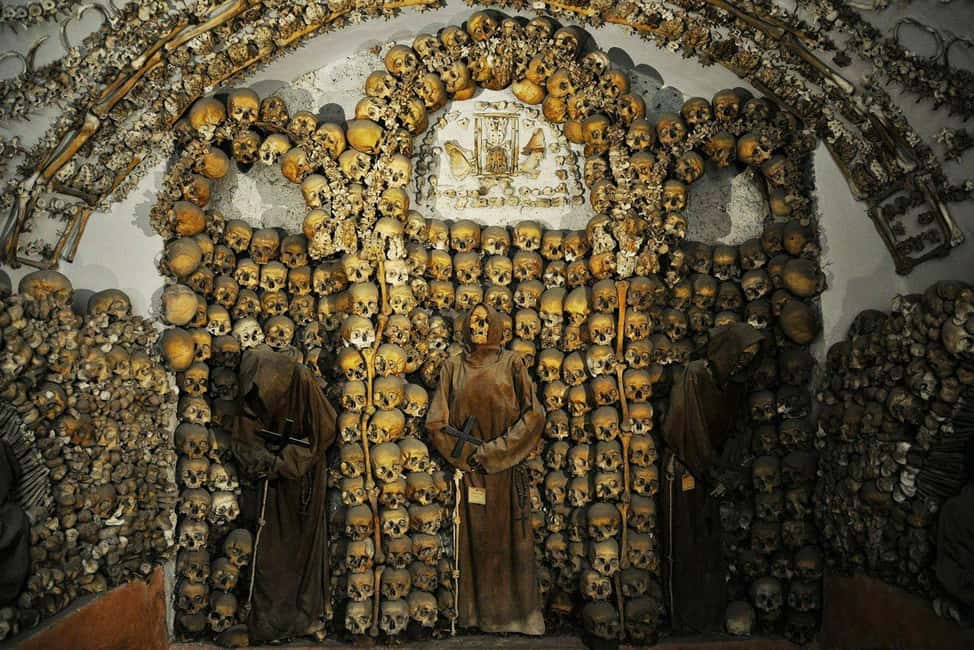
The Capuchin Crypt is the kind of place that surprises you even if you’ve read about it. The basic idea is simple: bones and artistry are arranged together in an eerie but controlled display. Your guide will frame what you’re looking at as more than just shock value, connecting the imagery to the way Rome remembers death, faith, and status.
Here’s the practical part to expect. Site rules can affect how much the guide can do inside. In at least some situations, the guide may not be able to provide their usual commentary the whole time, so you might end up getting more of the info through other means once you’re inside. That’s not a reason to avoid the tour, but it is a reason to set your expectations: you may get your richest explanations before or around key points, not necessarily in every corner of the crypt.
If you tend to get distracted or overwhelmed in darker, crowded spaces, go in with a simple plan. Look first for the big arrangements, then let your guide’s stories give meaning to the details. That approach helps you avoid the “I saw bones, now what” feeling.
Trevi Fountain stop: the coin tradition, plus what a guide can add
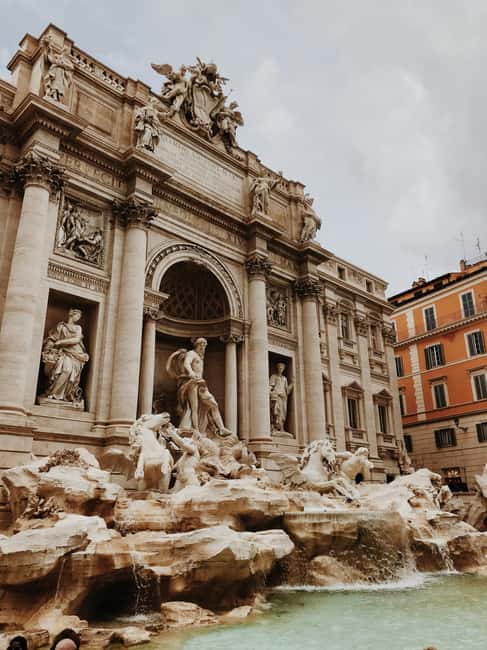
Trevi Fountain is famous for a reason. During your walk, you’ll get a stop there that’s built into the route, along with guidance on what you’re seeing. The moment you’re looking for is the Trevi coin tradition—your guide sets up the story, and you’ll have time to toss a coin for your return to the Eternal City.
What makes this stop worth having as part of a guided tour is the framing. A guide can connect the fountain to how Rome blends legend, religion, and art into everyday rituals. Without that, Trevi can turn into a quick photo grind. With it, you get one small ritual you can actually participate in, instead of just passing by.
A small practical tip: be ready for lots of other people being there. Even if you don’t get a long stop, you’ll still want to move calmly and avoid getting stuck right at the most crowded spots. Think of Trevi as a short chapter in the larger story of the day.
Pantheon finale: pagan temple roots, then church and mausoleum life
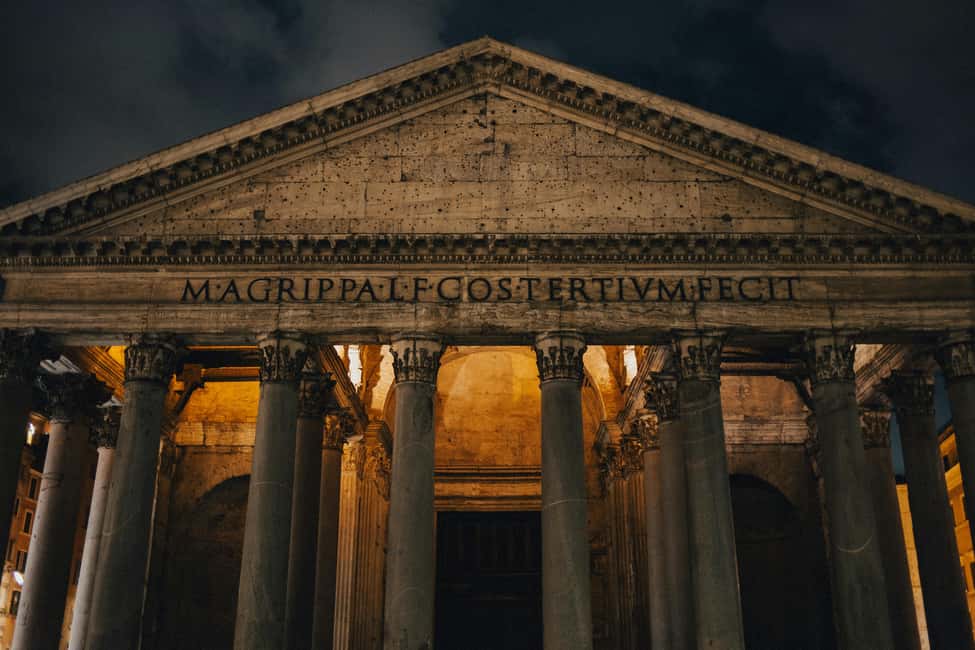
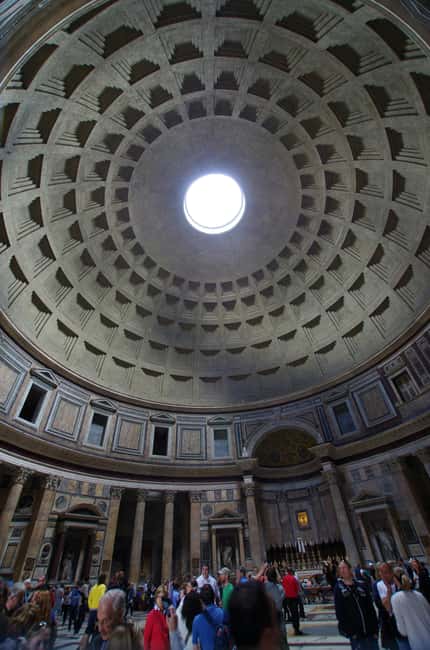
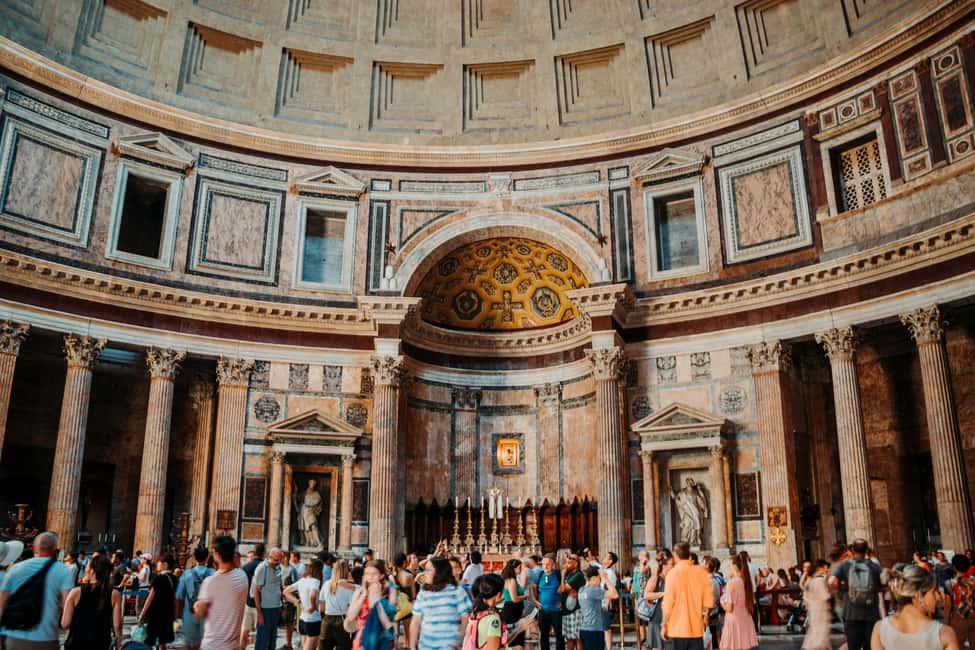
The tour ends at the Pantheon, which dates to 25–27 B.C. It’s the kind of site where your brain catches up only after your eyes do. The structure alone is spectacular, but the guide’s job is to explain why it mattered then and why it still matters now.
You’ll hear the big transformation story: it was originally a temple for the gods of pagan Rome, and later it became a church and mausoleum. That shift isn’t just a timeline checkbox. It’s a lesson in how Rome repurposes power—religion, architecture, and public space all get redefined instead of erased.
If you’re the type who likes your ancient sights connected to real human stories, you’ll likely enjoy how your guide links the divine to the mortal. The Pantheon becomes more than a monument when you hear how later generations used it, and how the same space could carry different meanings across centuries.
Drawback? Since this is the final stop in a 2-hour walk, you don’t want to plan on taking your time like you would during a long, independent visit. If you want a slow Pantheon experience with no schedule pressure, you might prefer something longer. But if your goal is a strong “Rome highlight” finish with context delivered on the spot, this tour does that well.
Guide quality and pacing: why the best versions feel personal
This is where the tour can swing from good to great, and the difference tends to come down to the guide and the pace. Past guides named in experiences include Fabiana, Sarah, and Estefania, and they’re repeatedly associated with clear explanations and being attentive to questions. If your guide talks with energy and clarity, the day clicks fast, because you go from one site to the next with the story already in your head.
Language can also matter. The tour offers English, Spanish, and French, but like any human-led experience, the quality of delivery can vary by guide. If you’re choosing French and you know you’re sensitive to accents or fast speech, I’d choose English or Spanish if you’re more comfortable there.
One more pacing reality: because it’s a walking tour, you might feel like the group moves from spot to spot quickly. In some cases, people have reported feeling left behind or rushed when site conditions changed. You can protect yourself from most of that by doing two simple things: stay close to the group at transitions and ask questions early, not mid-stop. If you’ve got your questions answered while you’re still near the front of the pack, you won’t need to chase the guide later.
Also, if you’re hoping for a perfectly relaxed tour with lots of standing around, this isn’t that. It’s a structured highlight run with commentary that helps you enjoy it more.





Price and value: is $82 worth it for two entrances and a guided walk?
At $82 per person, you’re paying for a packaged day: an expert guide, entry to the Capuchin Crypt, entry to the Pantheon, plus a Trevi Fountain visit. You’re also getting skip-the-ticket-line treatment, which matters in Rome where queues can eat your limited vacation time.
So is it good value? Usually, yes—especially if you want an efficient use of time and you prefer not to coordinate tickets and timings while you’re also walking across the city. The price becomes more reasonable when you factor in that you’re paying for two major entrances plus guide time, not just a simple walk.
Where it might feel less worth it is if you’re an independent traveler who doesn’t care about guided storytelling and would rather linger freely. In that case, you might be happier buying individual tickets and building your own pacing. But if you like having someone connect the dots between bone rooms, baroque legend, and an ancient dome, the bundled structure is exactly what you’re paying for.
What to wear and bring: the Rome rules you’ll actually feel
Rome has dress expectations, and this tour includes them. You’ll want comfortable shoes, because it’s a walking tour and you’ll be on your feet through historic streets and inside sites with uneven floors.
Clothing rules are clear: short skirts and sleeveless shirts aren’t allowed. That means cover your shoulders and choose clothing that won’t put you in a fight at the entrance. Plan for a light layer if the weather shifts, but keep your outfit within the rules.
Bag rules are also strict. Luggage or large bags aren’t allowed, so travel light. If you’re carrying a big backpack, you may have to make other arrangements before you can participate.
Finally, it’s not set up for everyone. The tour is not suitable for people with mobility impairments and not for wheelchair users. If that affects you, you’ll need to look for a different format that better matches your access needs.
Should you book this Rome Capuchin Crypt to Pantheon tour?
Book it if you want a guided, time-efficient highlight arc from the Capuchin Crypt to the Pantheon, with the Trevi Fountain included without extra planning. The tour is strongest when you enjoy story-driven explanations, like the kind associated with guides such as Fabiana, Sarah, and Estefania.
Think twice if you need slow pacing, deep quiet time inside each stop, or you’re counting on the guide to provide the same level of commentary in every area inside the crypt. Also skip it if accessibility is an issue for you, since it isn’t designed for wheelchair use.
If you want a simple, structured way to see three famous sites in one go and understand what connects them across time, this is a solid choice.
FAQ
How long is the Rome Capuchin Crypt to Pantheon tour?
The tour lasts 2 hours.
What’s included in the price?
You get an expert live guide, entrance to the Capuchin Crypt, entrance to the Pantheon, and a visit to the Trevi Fountain.
Do you skip the ticket line?
Yes. The tour includes skip-the-ticket-line entry.
What languages are available for the live guide?
The live guide is available in English, Spanish, and French.
Is this tour suitable for wheelchair users or mobility impairments?
No. It’s not suitable for people with mobility impairments or wheelchair users.
What should I wear or bring, and are bags allowed?
Bring comfortable shoes. Luggage or large bags aren’t allowed, and short skirts or sleeveless shirts aren’t permitted.