REVIEW · ROME
Rome: Cooking class with wine pairing at Come Na Vorta
Book on GetYourGuide →Operated by COME NA VORTA · Bookable on GetYourGuide
Fresh pasta in Trastevere feels like a secret ritual. I like that this hands-on class teaches real pasta techniques, not just how to order them, and you pair what you make with a real wine pairing. It’s run through a long-standing, family-style Roman setup at Come ‘Na Vorta Pasta e Vino, so the vibe is warm and practical.
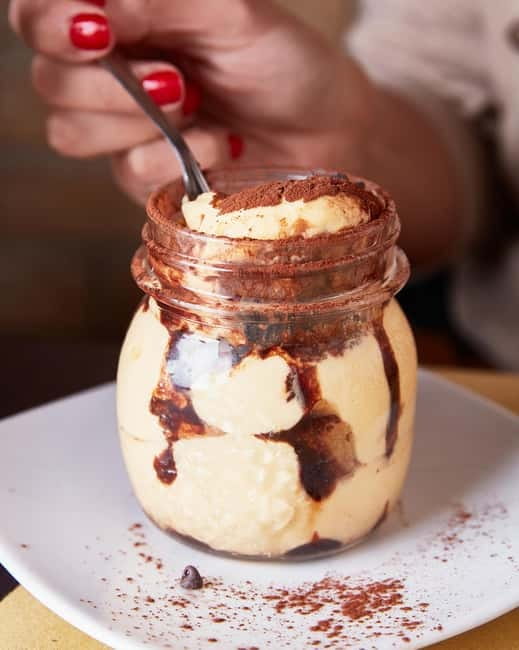
I also love how the evening ends with homemade tiramisù, plus take-home printed recipes so you can repeat the work later. One heads-up: there’s no pickup or drop-off, and the session is about 3 hours inside the restaurant, so you’ll want to plan your timing and shoes accordingly.
In This Review
- Key highlights that matter before you book
- Come ‘Na Vorta in Trastevere: why this feels properly Roman
- Your 3-hour plan: Prosecco at the start, feast at the end
- 1) Warm-up: Prosecco and bruschette before flour flies
- 2) Hands-on instruction: fettuccine and gnocchi technique
- 3) Cooking your pasta with Roman sauces of your choice
- 4) Finish: tiramisù variations plus wine
- What you actually learn: pasta skills that transfer home
- Fresh fettuccine: texture and shaping
- Gnocchi: the part that usually scares people
- Two pasta dishes, so you taste what choices mean
- Wine pairing options: Bronze, Silver, and Gold explained
- The meal you get: bruschette, two pastas, and tiramisù
- What to consider about portion style
- Hosts, language, and that family-table feeling
- Price and value: why $68.10 can make sense here
- Who should book this cooking class
- Should you book Come ‘Na Vorta for Rome?
- FAQ
- FAQ
- How long is the cooking class at Come ‘Na Vorta?
- What will I learn to make?
- How much wine is included?
- What kinds of wine are offered?
- Is Prosecco included?
- Are there bruschette during the class?
- What food is included in the meal?
- Do I get recipes to take home?
- Where is the meeting point?
- Is pickup or drop-off provided?
- Is the experience wheelchair accessible?
Key highlights that matter before you book
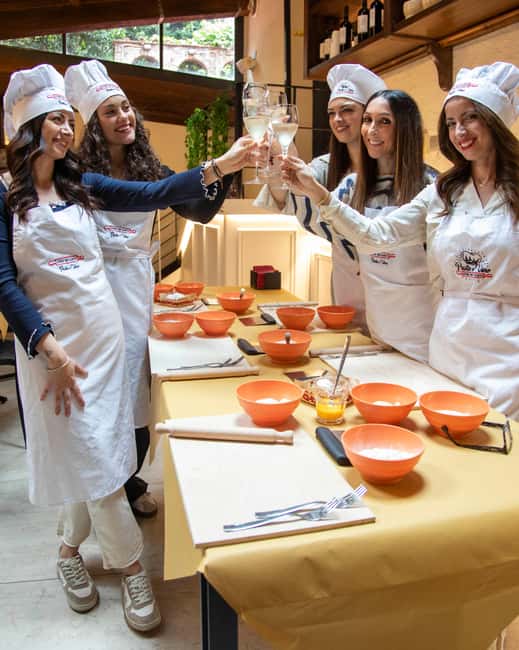
- Family-style pasta lessons where you learn by doing, from dough to shapes
- Fettuccine, gnocchi, and tiramisù from scratch on a tight 3-hour schedule
- Free-flowing prosecco and bruschette to keep the energy going while you cook
- Wine choices from Bronze to Gold, with specific Italian wine examples
- Sauce selection for two pasta dishes, so you can taste more than one Roman style
- English and Italian instruction, plus recipes and a participation certificate
Come ‘Na Vorta in Trastevere: why this feels properly Roman
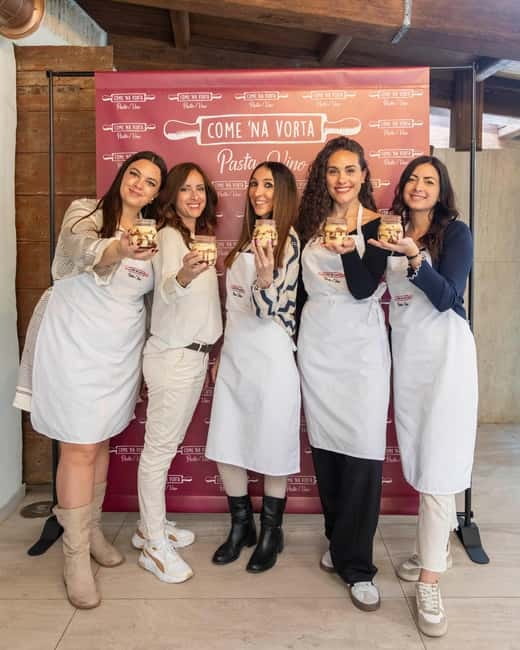
Rome has cooking classes that feel like a show. This one feels more like sitting down at a busy family table, except you get flour on your hands and a host guiding you step by step. Come ‘Na Vorta Pasta e Vino is in the Trastevere area, and the whole experience is set up around one simple idea: you learn pasta the Roman way, then you eat it while it’s fresh.
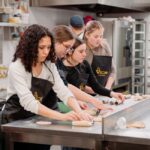
The restaurant structure helps. You’re not just watching from the sidelines. You’ll work at your station with tools, ingredients, and support, then you all sit together to enjoy what you made. That makes the class feel like it has a beginning, middle, and finish, instead of being a random sequence of cooking demos.
If you care about authenticity, look closely at the menu style. The class is built around Roman staples: fresh pasta shapes, Roman sauces, and tiramisù variations. You also get bruschette during the lesson, along with water and prosecco, so the pace doesn’t stall while you’re waiting for dough to behave.
You can also read our reviews of more cooking classes in Rome

Your 3-hour plan: Prosecco at the start, feast at the end
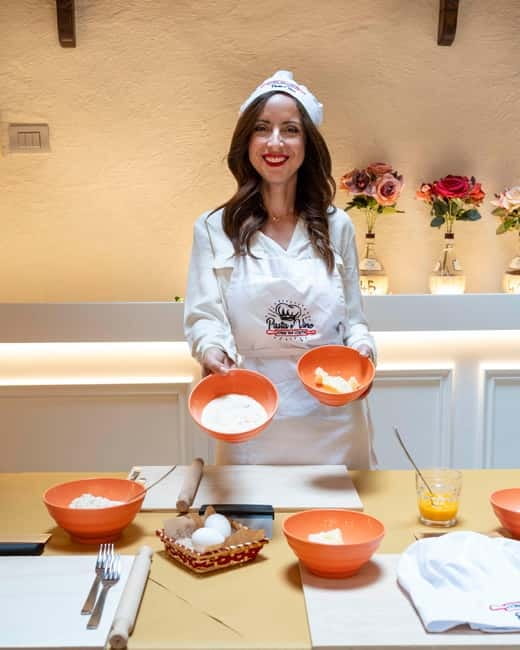
This experience runs around 3 hours, with most of the work centered in about 2 hours for cooking and prep. You’re given a clear arc: drink, cook, taste, and finish with dessert and wine.
It typically goes like this:
1) Warm-up: Prosecco and bruschette before flour flies
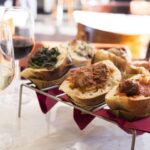
You start with a glass of Prosecco, and you’ll also have free-flowing prosecco alongside bruschette during the class. The bruschette come with extra virgin olive oil, which is a simple move that sets the tone. It keeps you fed while your dough skills are still warming up.
This matters because pasta work is hands-on and a bit physical. A small snack and a drink early on prevents the class from turning into a low-energy slog.
2) Hands-on instruction: fettuccine and gnocchi technique
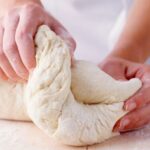
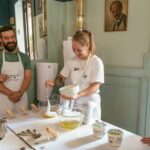
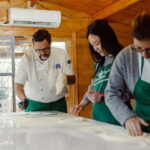
Then you roll up your sleeves and get to the real work. The class focuses on making fresh fettuccine and gnocchi from scratch. You’ll knead, shape, and learn how to recognize good dough and quality ingredients.
The host guides you throughout, answering questions as you go. The style is family-taught, meaning the point isn’t to impress you with jargon. The point is to get you to the right texture and shapes with confidence.
In one example I saw highlighted in Spanish, the instructor Alice was introduced as the chef-teacher, and she was noted for patience with kids as well as adults. That’s a good sign if you want a class that teaches without rushing.
3) Cooking your pasta with Roman sauces of your choice
Once your pasta is ready, your dishes get cooked and served with traditional Roman sauces of your choice. You’ll have two pasta dishes as part of the meal, and you can pick sauces—one person in the experience notes chose pesto and amatriciana, which shows the class isn’t limited to just one flavor profile.
This portion is where the class becomes more than a cooking workshop. You get to compare how different sauces behave with different pasta textures, which is exactly the kind of learning that helps later when you cook at home.
You can also read our reviews of more wine tours in Rome



4) Finish: tiramisù variations plus wine
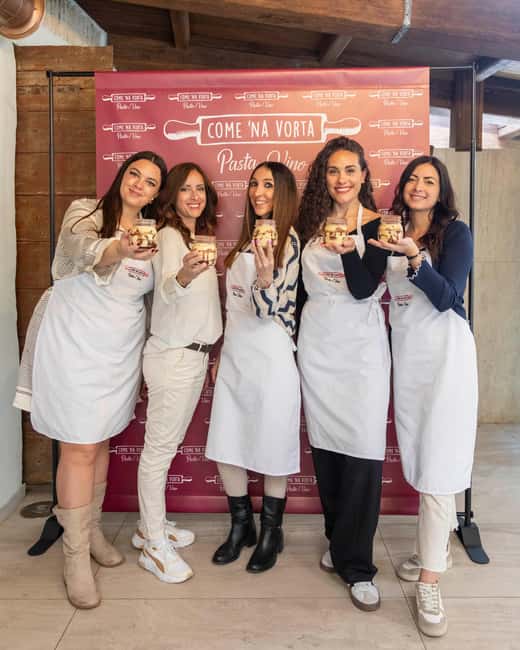
Then comes dessert: homemade tiramisù. The class includes instructions and also references that they have multiple tiramisù variations guests love. After that, you sit down as a group and eat your meal paired with your selected wine option.
You also get printed recipes to take home, so you’re not leaving with memories only. You’re leaving with a usable plan.
What you actually learn: pasta skills that transfer home
Most classes teach you a technique once, then send you away with a recipe card. Here, the lesson feels aimed at helping you repeat the process.
Fresh fettuccine: texture and shaping
Fettuccine sounds simple until you try rolling dough evenly and cutting it consistently. This class gives you the basic rhythm: dough work, rolling, shaping, and timing. The value is in doing it with guidance so you learn what the dough should feel like when it’s right.
Gnocchi: the part that usually scares people
Gnocchi can go wrong fast if you don’t get the mixture and shape just right. Here, you make gnocchi from scratch as part of the class, and that alone is a major win. Even if you don’t perfectly match your first batch at home, you’ll understand what went off track and how to fix it next time.
Two pasta dishes, so you taste what choices mean
You’re not limited to one pasta and one sauce. You get two pasta dishes with sauces of your choice, which gives you a better sense of the range of Roman flavors and how different sauces land on fresh pasta.
Wine pairing options: Bronze, Silver, and Gold explained
Food is only half the story in this class. The other half is pairing, and the class lays out wine options clearly.
You pick one of three booking levels:
- Bronze: one glass of locally produced, popular wine
- Silver: two glasses of traditional Italian wines, with examples like Chianti and Chardonnay
- Gold: two glasses of prestigious Italian wines, with examples like Brunello di Montalcino and Amarone della Valpolicella
That structure helps you decide fast. If you just want a single pour to go with your meal, Bronze makes sense. If you want to taste more and lean into pairing, Silver or Gold may be better value.
One more practical point: prosecco is part of the experience too. Even if you choose Bronze, you’re still starting with Prosecco and getting free-flowing prosecco during the class. So your alcohol experience isn’t only based on the wine tier.
The meal you get: bruschette, two pastas, and tiramisù
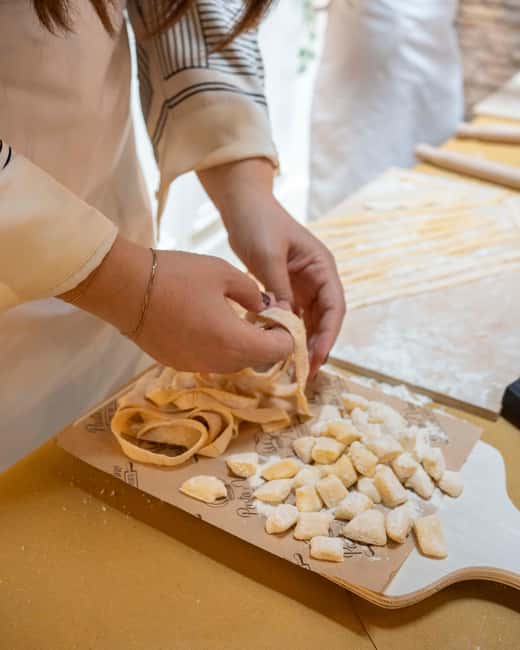
Let’s be specific about what’s served, because this drives the value.
Included on your plate:
- Two pasta dishes per guest, with sauces you choose
- One tiramisù per guest
Included throughout the class:
- Prosecco and bruschette, plus water
- Aprons and pasta maker hats so you can stay hands-on without fuss
You also get printed recipes and an individual certificate of participation, which is a nice souvenir if you’re doing this as a couple, with family, or for team fun.
If you’re the type who hates food that looks pretty but tastes like nothing, this setup is encouraging. You’re cooking fresh pasta at the start, not reheating something at the end. That’s the core advantage.
What to consider about portion style
This is a cooking class where you eat what you make. You should expect a full class meal, but it’s not an all-day feast. If you’re the kind of traveler who prefers to graze lightly, it might feel like a lot all at once. The good news is that the pacing includes snacks and drinks during the lesson, so you don’t feel starved while you cook.
Hosts, language, and that family-table feeling
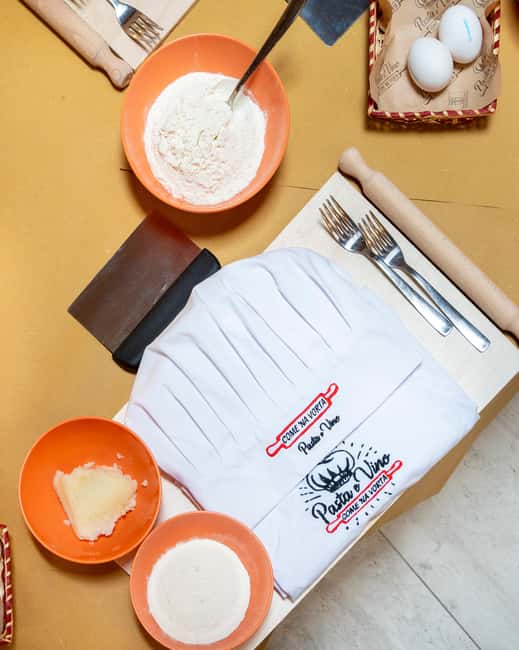
The class runs with instruction in English and Italian. That’s handy in Rome, where language mix-ups can turn fun plans into confusion. You’ll have a host guiding you through each step and answering questions.
The family approach shows up in the teaching style. They stress passing down traditions through generations, and you’re taught like you’re learning from someone who cooks every week. That’s why it doesn’t feel scripted.
In one highlighted example, Alina was described as organizing the experience in Spanish with lots of detail, and the chef-teacher was Alice. Even if you’re not traveling in Spanish, it gives you a sense of how seriously they take clear communication and making the class work for different ages and groups.
Price and value: why $68.10 can make sense here
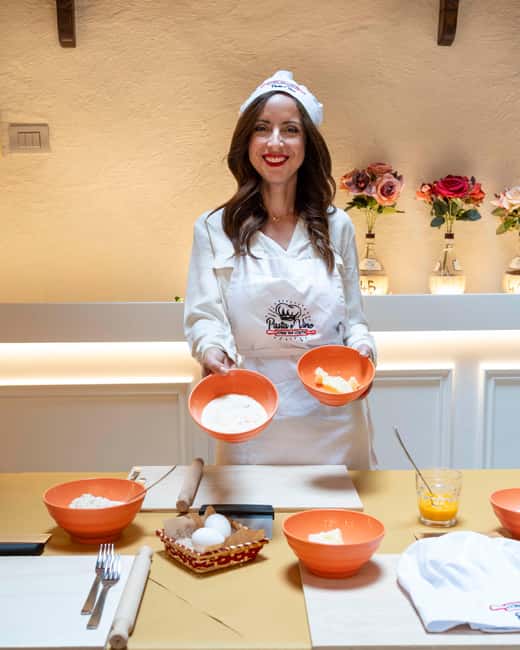
At $68.10 per person, you’re paying for a lot more than a simple tasting. You get:
- A hands-on class with instruction
- Tools and clothing like aprons and pasta maker hats
- Prosecco, bruschette, and water during the class
- A meal with two pasta dishes and one tiramisù
- Wine, based on your Bronze/Silver/Gold choice
- Printed recipes and a certificate
Many Roman cooking classes charge similarly, but you still often end up with less food than you expect or less structured teaching. Here, the inclusion list is strong on both learning and eating. You’re also taking home written recipes, which makes the experience feel less like money spent only on a night out.
One thing to watch: extra foods and drinks outside the designated menu aren’t included. So if you’re the type who always orders more during class, decide what you actually want before you sit down.
Who should book this cooking class
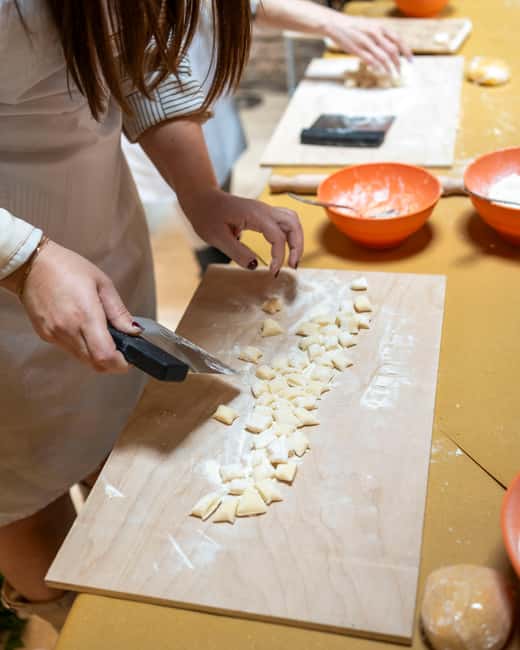
This is a good fit if you want a hands-on experience that still includes plenty of eating and wine.
It works well for:
- Couples on a fun date night in Trastevere
- Families looking for a structured activity (especially since examples highlight patience and kid-friendly execution)
- Solo travelers who want to meet people without awkward small-talk—because you’re all working at the same stations
- Small teams or group outings that want a hands-on shared goal
If you’re a hardcore pasta pro, you might already know how to shape fettuccine or gnocchi. You’ll still enjoy the experience, but the main value is in guidance, sauce pairing, and the full Roman meal.
Should you book Come ‘Na Vorta for Rome?
If you want an authentic-feeling Roman night where you cook, eat, and actually learn, I’d say yes, especially if you like food that’s close to your hands and not far away on a plate. The combination of fresh pasta making, tiramisù, and a structured wine option is a clear win for value at $68.10.
Book this class if:
- You want to learn fettuccine, gnocchi, and tiramisù in one go
- You like the idea of Prosecco during the lesson, not just with dinner
- You want printed recipes you can use later
Skip it (or compare first) if:
- You don’t want a structured 3-hour schedule with hands-on work
- You need pickup/drop-off, because this one starts inside the restaurant and ends back there
FAQ
FAQ
How long is the cooking class at Come ‘Na Vorta?
It lasts around 3 hours, with roughly 2 hours for preparation and time to enjoy your meal.
What will I learn to make?
You’ll make fresh fettuccine, gnocchi, and tiramisù from scratch.
How much wine is included?
Wine depends on the booking option. Bronze includes one glass, while Silver and Gold include two glasses.
What kinds of wine are offered?
Bronze uses a locally produced, popular wine. Silver is listed with examples like Chianti and Chardonnay. Gold is listed with examples like Brunello di Montalcino and Amarone della Valpolicella.
Is Prosecco included?
Yes. You start with a glass of Prosecco, and the class includes free-flowing prosecco.
Are there bruschette during the class?
Yes. Bruschette are included during the experience, along with extra virgin olive oil.
What food is included in the meal?
You get two pasta dishes with sauces of your choice and one tiramisù per guest.
Do I get recipes to take home?
Yes. Printed recipes are included.
Where is the meeting point?
Meet inside Come ‘Na Vorta – Pasta e Vino. Come inside and ask the staff about the cooking class.
Is pickup or drop-off provided?
No. Pickup and drop-off are not included.
Is the experience wheelchair accessible?
Yes, it is listed as wheelchair accessible.