REVIEW · ROME
Rome: Ancient Jubilee in the 4 Major Basilicas
Book on GetYourGuide →Operated by Roman Vacations · Bookable on GetYourGuide
One pilgrimage in Rome beats a hundred checklists. This guided Jubilee route has you stepping into each Holy Door of the city’s four top Papal basilicas. It’s a rare mix of sacred ritual, serious art, and logistics that actually work.
I love that it’s built around the real Jubilee idea: following the footsteps of pilgrims going back to 1300. I also love the fact that you get an expert Catholic guide (I’ve heard guides like Stefano described as extremely informative, and another guide named Daniel has led groups too), so the basilicas don’t feel like stop-and-snap monuments.
The one downside to plan for: the tour is tightly timed and the guide may not always use a device while inside the churches, so hearing can be uneven. Also, you’ll want to think ahead about breaks—one group said they weren’t told when and where to use restrooms.
In This Review
- The Four Major Basilicas: what makes a Jubilee pilgrimage different
- Meeting at Piazza Giovanni XXIII: how to start on time
- Stop 1: St. Peter’s Basilica and the Holy Door experience
- The “between-basilicas” ride: why private transport matters
- Stop 2: St. Paul Outside the Walls—chains, sarcophagus, and Theodosian scale
- Stop 3: Arch-Basilica of St. John Lateran—Rome’s cathedral and a 1300 link
- Stop 4: Santa Maria Maggiore—golden mosaics and Mary’s relic stories
- Duration and pacing: what 5 hours really feels like
- What’s included, what’s not, and why that affects value
- Who should book this Jubilee basilica route
- Small practical tips that make a big difference
- Should you book? My honest take
- FAQ
- Which basilicas are included in this Rome Jubilee tour?
- Do we enter each basilica through its Holy Door?
- How long is the tour?
- What’s included in the price?
- What clothing is required for the basilicas?
- Where do we meet, and when should we arrive?
The Four Major Basilicas: what makes a Jubilee pilgrimage different
This is not a “see the sights” walking tour. It’s closer to a rite. In Jubilee years, the Church invites pilgrims to visit the four Major Basilicas of Rome and enter them through their designated holy doors. The idea has been encouraged since 1300, when Pope Boniface VIII kicked off this pilgrimage practice.
And yes, these aren’t just famous churches. They’re the highest-ranking basilicas in Rome and among the highest-ranking churches anywhere—so visiting all four is the whole point. The route is also structured so you don’t get stuck figuring out how to move between sites while also trying to make timed entry work.
The other thing that makes this feel meaningful is the pacing: you get guided time inside each basilica (about an hour at each stop), plus transport between the sites in an air-conditioned private car. That combination is what helps the day feel like a single pilgrimage instead of four separate errands.
Meeting at Piazza Giovanni XXIII: how to start on time
Your day begins at the fountain on the wall of Piazza Giovanni XXIII, near Lungotevere Vaticano. You’ll look for the guide holding an orange sign with a lion head.
Arrive 15 minutes early. The tour departs promptly, and late arrivals don’t get folded into the schedule. It sounds stern, but it’s also practical: Jubilee-era crowds and Holy Door entries can’t be handled like a casual museum hop.
Dress matters. To enter the basilicas you need shoulders and knees covered—so plan clothing accordingly (no sleeveless shirts, no short skirts). Pets aren’t allowed, and you’ll also be asked to bring valid photo ID in case it’s needed for proof of identification.
Before you go in, you’ll receive a message after booking with details about a pilgrim’s card and the Holy Door entry during the tour. I strongly suggest you read that guidance the day before and keep the instructions handy on your phone.
You can also read our reviews of more tours and experiences in Rome.
Stop 1: St. Peter’s Basilica and the Holy Door experience
The tour starts with St. Peter’s Basilica. Your guided time there is about 1 hour, and you begin by entering the basilica through its Holy Door as part of the Jubilee process.
St. Peter’s is built over the traditional site of Saint Peter’s burial, and this is one of the reasons the place hits differently than other “big churches.” You’re not just looking at art—you’re moving through space that’s tied to the core story of the faith.
Inside, your guide walks you through what matters most, including:
- Michelangelo’s Pietà
- relics and altars connected to major saints
- the history behind key sections of the basilica
- and the story of Saint Peter buried underneath the High Altar
One practical note: churches are quiet, but also crowded. In one experience, a reviewer said the guide had to whisper inside the basilicas and the group couldn’t always hear well. So keep your position close to the guide and don’t be shy about raising a question if something feels unclear.
The “between-basilicas” ride: why private transport matters
After St. Peter’s, you’re transported to the next basilica by private air-conditioned chauffered car. That shift—especially after waiting for Holy Door entry—is a big quality-of-life upgrade.
Rome’s traffic and pedestrian flow can make an efficient route feel like a puzzle. This tour handles the puzzle for you. You’re still active and engaged, but you’re not spending your best energy wrestling with buses, taxis, or long detours just to get from one major church to the next.
Stop 2: St. Paul Outside the Walls—chains, sarcophagus, and Theodosian scale
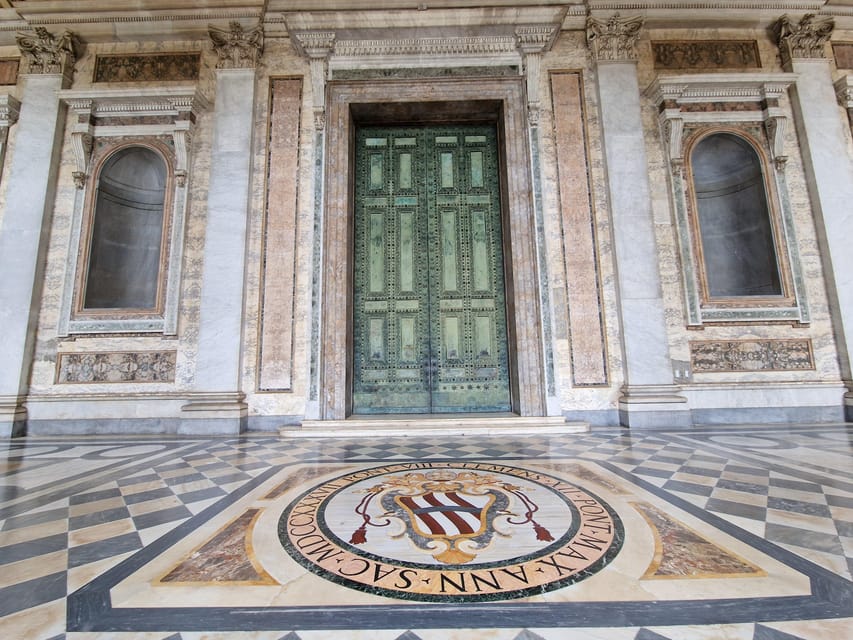
Next up is St. Paul Outside the Walls, another guided 1-hour stop, again connected to Holy Door entry for the Jubilee theme.
This is where the pilgrimage becomes more story-driven. Saint Paul’s remains are housed here, and the guide focuses on what’s directly tied to his imprisonment. You’ll see:
- the chains associated with his incarceration and house arrest in Rome
- what’s described as his newly excavated sarcophagus
- and the rest of the ancient Theodosian basilica
Theodosian is your clue to expect “old Rome” architecture. Even if you’re not chasing every technical detail, the scale and age of the structure make the setting feel appropriately weighty for a pilgrimage tied to centuries of tradition.
Timing tip: plan for a steady pace. The tour keeps moving through each basilica with guided time, so if you need quiet time or a longer look at a specific chapel, you’ll want to manage that carefully during the hour you have.
Stop 3: Arch-Basilica of St. John Lateran—Rome’s cathedral and a 1300 link
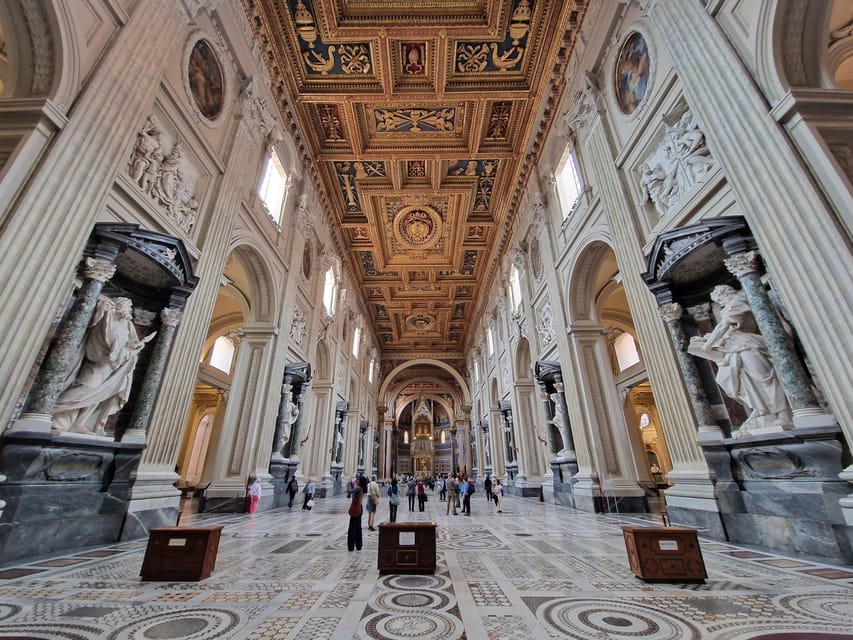
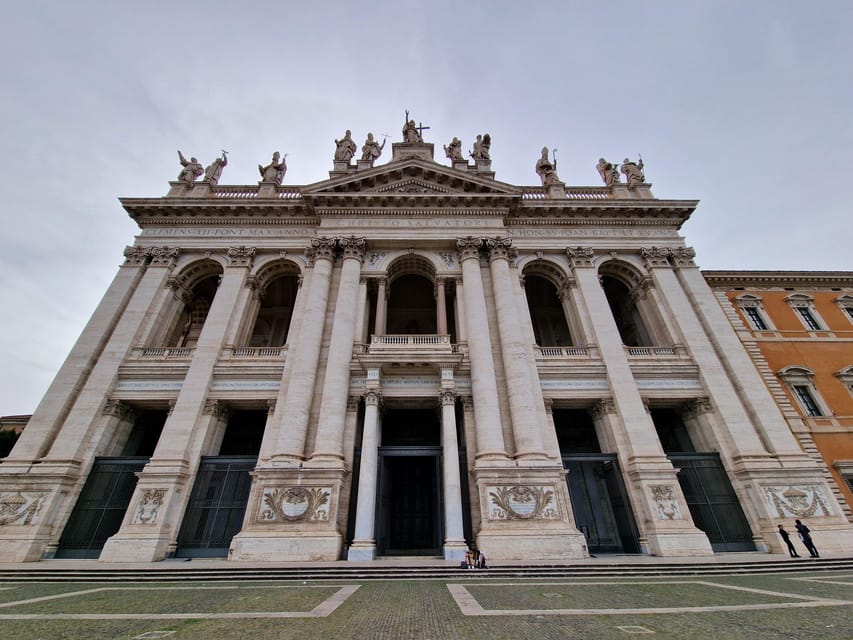
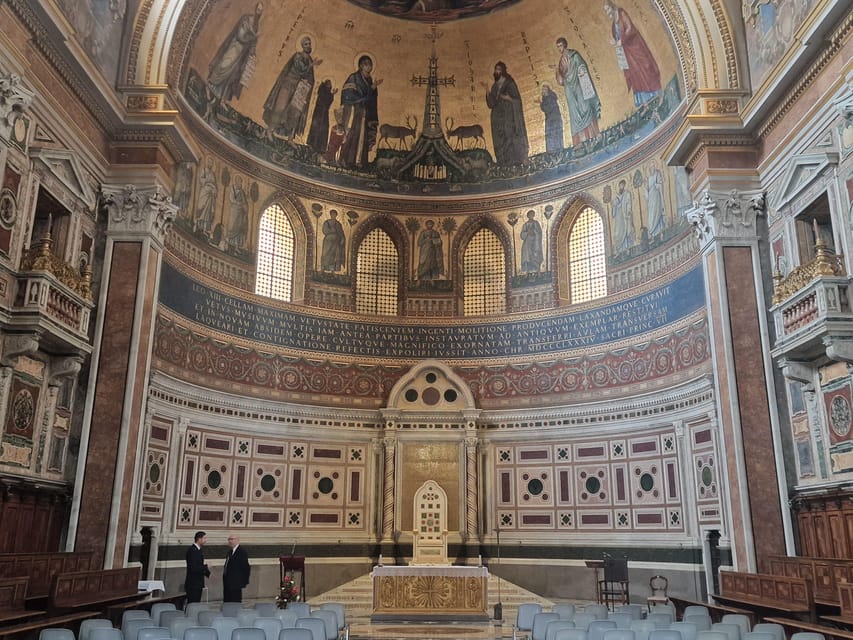
Then you head to the Arch-Basilica of St. John Lateran (San Giovanni in Laterano), described as the Cathedral of Rome—the Mother Church of the world.
This stop is guided for about 1 hour, and it centers on the basilica’s interior and history, including:
- the story of ancient mosaics
- and the moment of standing before the heads of Saints Peter and Paul, placed above the altar in the year 1300
That 1300 detail matters because it ties the physical basilica directly to the start of the Jubilee pilgrimage practice. In a day that’s built around holy doors and indulgences, those historical anchors help you understand the “why,” not just the “where.”
If you’re the type who loves symbolism, this is likely your favorite stop. Even if you’re not deeply into religious history, the guide’s framing can help the space feel coherent instead of like another impressive interior.


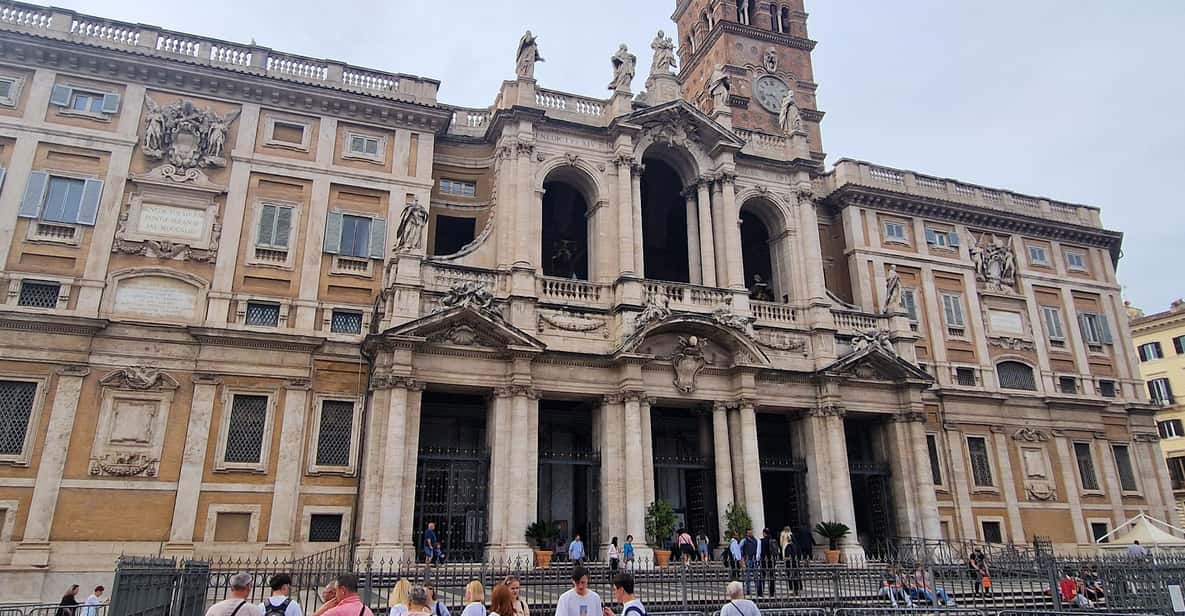
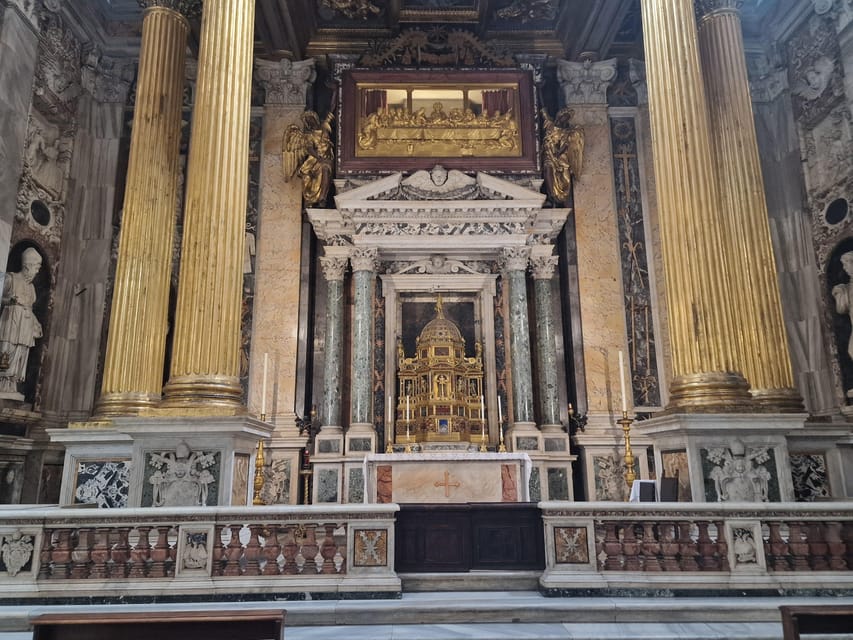
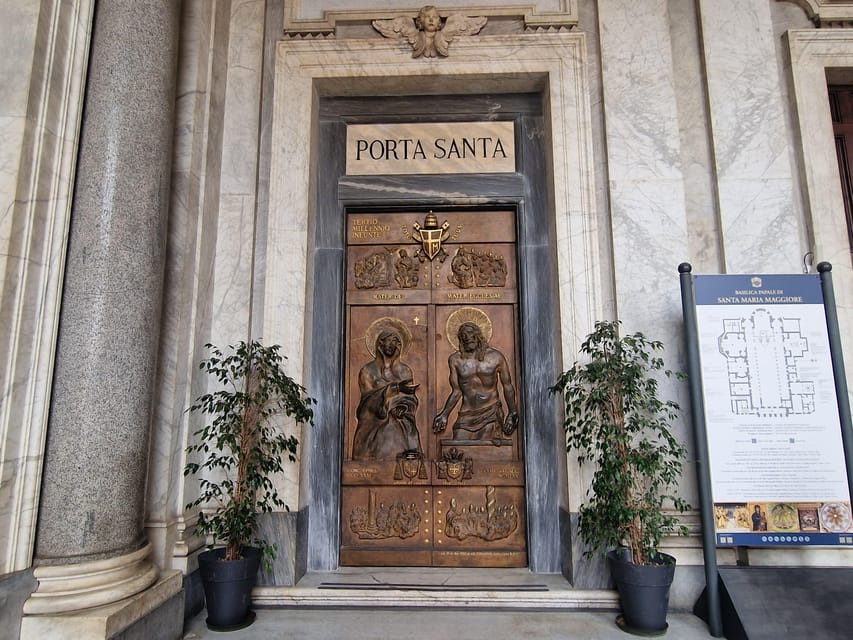
Stop 4: Santa Maria Maggiore—golden mosaics and Mary’s relic stories
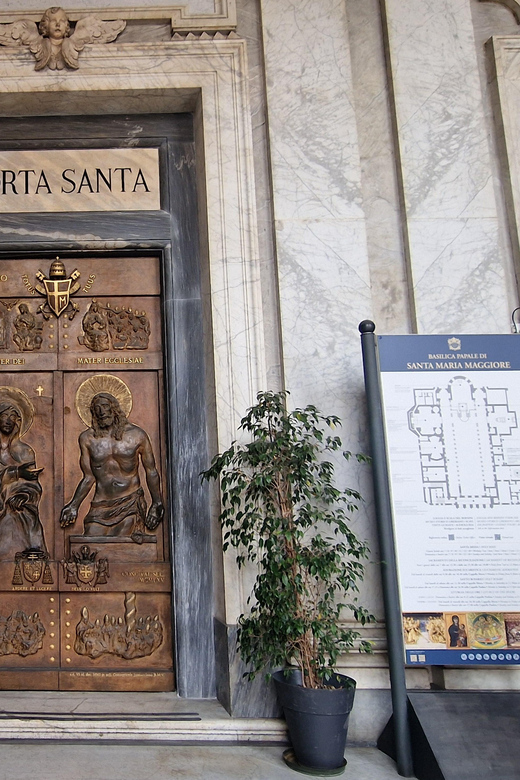
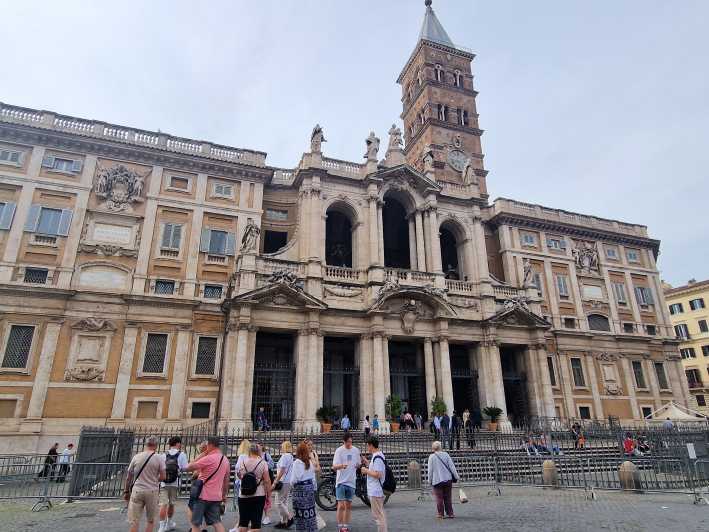
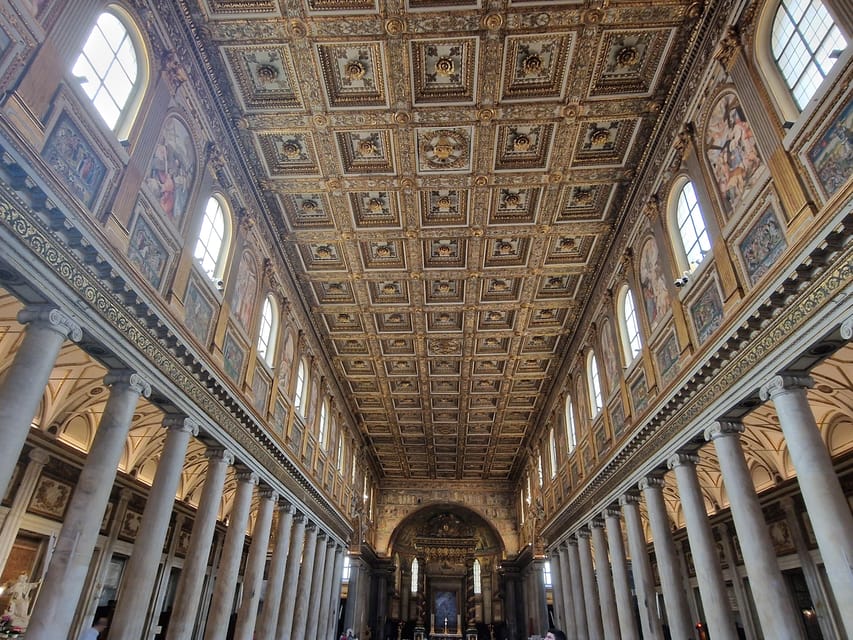
Finally, you arrive at Basilica Papale di Santa Maria Maggiore. This is the last of the four Major Basilicas, and your guided time here is again about 1 hour.
Santa Maria Maggiore is described as perhaps the oldest church dedicated to Mary in Rome, and also one of the most important. The guide focuses on the features that make it stand out, including:
- the golden interior
- popes buried here
- relics associated with the crib of the Nativity of Christ
- the miraculous icon of Salus Populi Romani
If you’ve only visited a handful of major Roman churches, this is where you may notice how much variety exists across them. St. Peter’s tends to feel monumental. St. Paul Outside the Walls leans into apostolic story and early Rome scale. St. John Lateran is about Rome’s religious center. Santa Maria Maggiore is about Mary, icons, relic narratives, and visual richness.
Like the other basilicas, you’re there for the guided meaning and the Jubilee door entry. It’s a good day for people who want more than photos—they want context while they’re standing inside.
Duration and pacing: what 5 hours really feels like
The tour runs 5 hours total. That includes guided time in all four basilicas and private transport between them.
Five hours sounds comfortable until you remember the sequence:
- Holy Door entry moments
- guided walking inside major churches
- getting from one site to another
- and the reality that Rome can slow down with crowd flow and traffic
This is why the transport component matters. It keeps the schedule plausible.
Also note: the order of sites may differ based on traffic or accessibility of basilicas for unforeseen events or closures. That’s normal for Rome. If you have strict plans later in the day, I’d keep a buffer.
What’s included, what’s not, and why that affects value
The tour includes:
- entry to each of the sites on the itinerary
- an expert local guide
- transport during the tour
Food and drink are not included, so you’ll want to plan a meal before or after. If you’re doing this as part of a longer Rome visit, I’d schedule it near the beginning of your trip or with a lighter day afterward. Churches, lines, and guided attention are mentally tiring in a good way, but it helps to have time to decompress.
At $283.21 per person, the value comes from what’s packaged together:
- you’re not arranging Holy Door entry logistics on your own
- you’re not paying for individual transport hops between four far-flung basilicas
- and you get a guide with the context to make the day feel intentional
If you were planning to visit all four basilicas independently, you’d spend money anyway on transit and likely lose time figuring out entry flow and order. Here, the structure does that work for you.
Who should book this Jubilee basilica route
This tour fits best if you:
- want a true pilgrimage feel, not just sightseeing
- appreciate guided context tied to faith and history
- prefer private, air-conditioned transport over long transfers
- like visiting places in a structured, meaningful sequence
It’s also a strong choice if you’re short on time in Rome. Four major basilicas in one day is ambitious, but the tour’s setup makes it achievable without turning the day into a sprint.
If you dislike crowds or tight timing, then the Jubilee year atmosphere may not be your favorite style of travel. In that case, consider whether you want a slower independent visit instead.
Small practical tips that make a big difference
Here are a few things I’d do to set yourself up for an easy day:
- Wear covered shoulders and knees from the start, so you’re not scrambling to fix clothing at the door.
- Keep an eye on your bag and phone, especially around busy entrances.
- Bring a bottle of water and sun protection. The tour notes that it proceeds in all weather unless closed by authorities, so pack accordingly.
- If hearing feels tricky inside the basilicas (one guide reportedly had to whisper), stand where you can see the guide and ask questions when needed.
- Rome street crossings can be chaotic; stay alert when moving with the group so you’re not relying on others to manage traffic for you.
Should you book? My honest take
I’d book this if you want a guided Jubilee pilgrimage through the four Major Basilicas and you want the day to run smoothly. The Holy Door focus gives the route a clear purpose, and the expert guide turns each church into a place with meaning, not just impressive architecture.
Skip it if you’re hoping for a relaxed, flexible day with lots of free time. This is structured, and the schedule is tied to entry and guided time. Also, if you’re especially sensitive to noise or you may struggle to hear inside, plan to stay close to the guide and be proactive about questions.
FAQ
Which basilicas are included in this Rome Jubilee tour?
You’ll visit four Papal Major Basilicas: St. Peter’s Basilica, St. Paul Outside the Walls, the Arch-Basilica of St. John Lateran (San Giovanni in Laterano), and Basilica Papale di Santa Maria Maggiore.
Do we enter each basilica through its Holy Door?
Yes. The tour is designed for Jubilee pilgrims to enter each of the basilicas through their Holy Doors, with guidance from the expert local guide.
How long is the tour?
The duration is listed as 5 hours. Check availability for starting times.
What’s included in the price?
The tour includes entry to each site, an expert local guide, and transport during the tour. Food and drink are not included.
What clothing is required for the basilicas?
You must cover your shoulders and knees to enter the basilicas. The tour also notes that short skirts and sleeveless shirts are not allowed.
Where do we meet, and when should we arrive?
You meet at the fountain on the wall of Piazza Giovanni XXIII, near Lungotevere Vaticano. Please check in 15 minutes before your scheduled tour time and look for the guide holding an orange sign with a lion head.