REVIEW · ROME
Rome: Fountains and Squares Small-Group Walking Tour
Book on GetYourGuide →Operated by romanholiday.travel & tours · Bookable on GetYourGuide
Few cities hit like Rome does. This small-group walk strings together some of the city’s most photogenic fountains and squares with real Roman-era architecture, starting at the Spanish Steps and ending at the Trevi Fountain. I especially like how the route mixes big headline sights (Pantheon, Trevi, Piazza Navona) with quieter “wait, how did they do that?” moments like Sant’Ignazio Church’s trompe l’oeil.
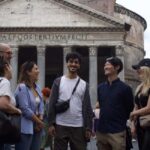
Two things I really enjoy: first, the guide brings the places to life with clear explanations and a lively pace. I’ve heard guides like Stefano and Bruno described as funny, personable, and flexible, so you’re not stuck listening to facts with your feet getting cold. Second, the walk is a practical way to orient yourself fast, because the day’s stops are laid out in a way that helps you understand how Rome connects from one landmark to the next.
One consideration: it’s mostly a walking tour and churches require proper coverage (shoulders and knees), so plan for that. If you’re in sandals with zero support, Rome will remind you quickly.
In This Review
- Key Things You’ll Really Want to Know
- From the Spanish Steps to Baroque Rome’s Best Starting Energy
- Trinità dei Monti, Piazza di Spagna, and Bernini’s Half-Sunken Ship
- Piazza Navona: The Stadium of Domitian and the Four Rivers Fountain Scene
- The Pantheon: Walk In and Feel Roman Engineering Still Working
- Marcus Aurelius Column and Sant’Ignazio’s Trompe l’Oeil Illusion
- Trevi Fountain Ending: Coin Toss, Crowds, and a Clean Finish
- Price and Pace: Is $45.55 Good Value for This Route?
- What to Wear and How to Handle Church Dress Rules
- Should You Book This Rome Fountains and Squares Tour?
- FAQ
- Where is the meeting point for the tour?
- What time does the tour run?
- Where does the tour end?
- Is the tour in English?
- Does the tour include entry to the Pantheon?
- What are the main sights on the route?
- Can kids join?
- What should I wear for church stops?
- Is food included?
- Is the tour wheelchair-accessible or stroller-friendly?
Key Things You’ll Really Want to Know
- Small-group size (up to 20) makes it easier to hear your guide and keep the group together.
- Pantheon entry means you get inside, not just photos from outside.
- Piazza Navona comes with context, including the Bernini-linked Fountain of the Four Rivers.
- Sant’Ignazio’s trompe l’oeil is the kind of optical trick that reads better in person than in photos.
- Trevi Fountain coin moment ends the route right where you’ll want your last big Rome memory.
From the Spanish Steps to Baroque Rome’s Best Starting Energy
This tour kicks off at a very easy-to-find spot: meet your guide by the entrance of the Keats & Shelley Museum at the bottom of the Spanish Steps, in front of the Acqua di Parma store. Your guide will have a GETYOURGUIDE badge or sign, and I’d treat that as a serious cue to arrive about 10 minutes early. The staircase area is busy, and the tour keeps moving.
From there, the first stretch is all about rhythm. You start at the base of the Spanish Steps and follow the flow upward toward Trinità dei Monti, a late Renaissance church that anchors this part of the neighborhood. This isn’t just a “stand and look” moment. Your guide uses the architecture and setting to help you see why the Spanish Steps became such a Rome stage—wide views, major sightlines, and a perfect lead-in to the Baroque energy that follows.
If you like getting your bearings, this is a smart early tour. You’ll walk through a compact chunk of central Rome, then head straight into the key squares and churches that people talk about. And because it’s a licensed guide, you’re not stuck guessing what matters most.
You can also read our reviews of more walking tours in Rome

Trinità dei Monti, Piazza di Spagna, and Bernini’s Half-Sunken Ship
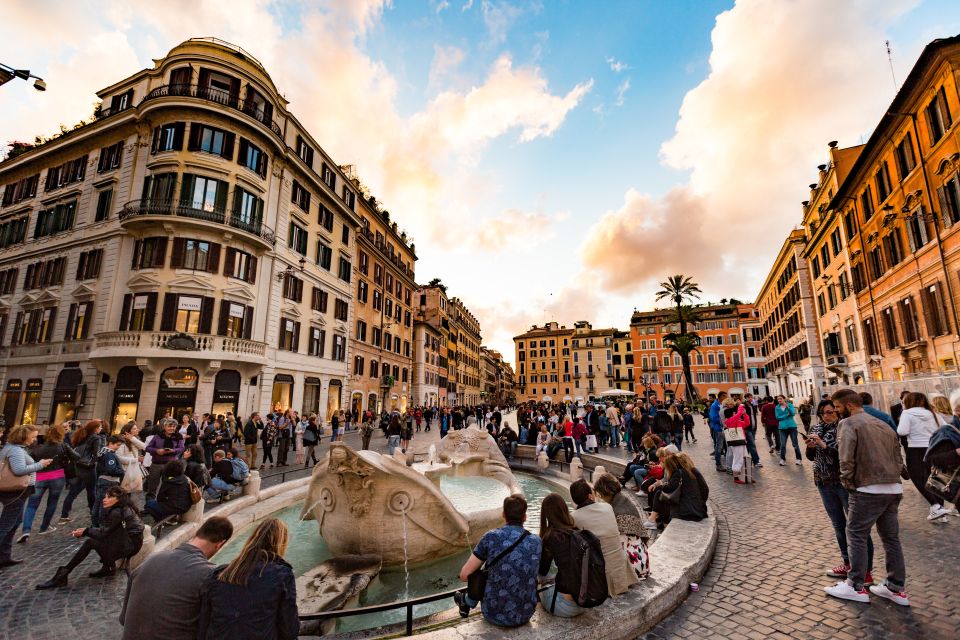
After the Spanish Steps area, you’ll connect to Piazza di Spagna and the famous Bernini fountain look that makes people stop mid-walk. The highlight here is the half-sunken ship fountain, a playful Baroque image designed to make you tilt your head and stare longer than you planned.
What I like about including this early is that it sets expectations for the day. Rome’s Baroque isn’t only ornate walls and dramatic ceilings. It’s also visual storytelling—myth, motion, and symbolism mixed into public space. A guide helps you notice how the fountain’s design fits the square and how the whole setting works as a backdrop for everyday life.
The walking flow also matters. This tour doesn’t dump you in one location and call it a day. Instead, you move from elevated viewpoints down into squares where the architecture and fountains feel like part of a larger stage. If you’ve ever tried to piece Rome together on your own, you’ll appreciate that the route keeps the distances short while still covering major landmarks.
Piazza Navona: The Stadium of Domitian and the Four Rivers Fountain Scene
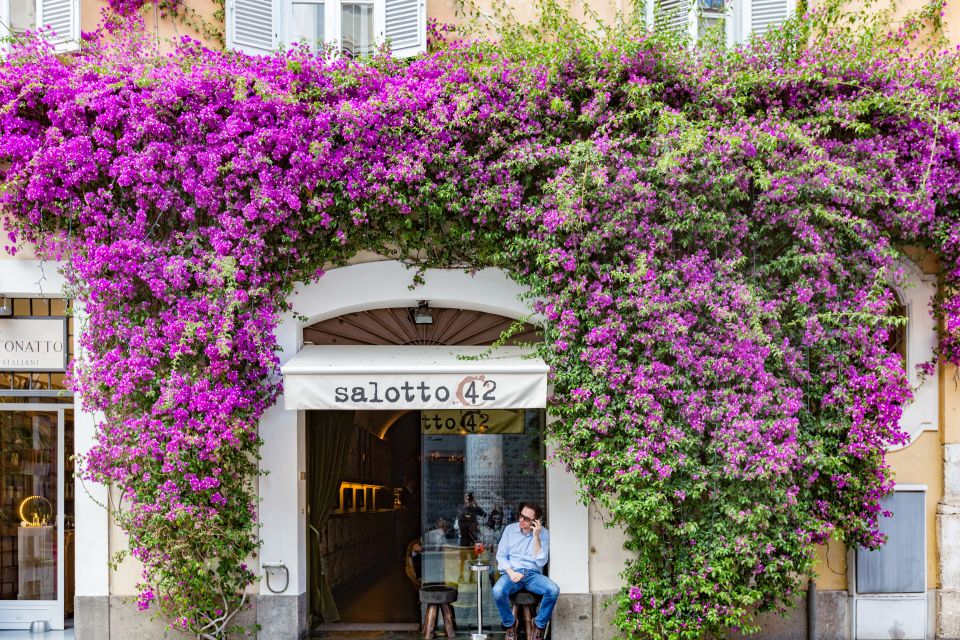
Then you hit Piazza Navona, and it lives up to its reputation. This is one of Rome’s most splendid squares, and your guide doesn’t treat it like just a scenic stop. Piazza Navona sits on the site of the Stadium of Domitian, built around 85 A.D. for athletic games. That’s the kind of detail that makes the square feel less like a postcard and more like a place with layers.
Piazza Navona is also where Baroque Rome shows off its full personality. You’ll admire how masters like Gian Lorenzo Bernini and Francesco Borromini influenced the look and feel of the square’s architecture and sculpture. And yes, the big focal point many people want to see is Bernini’s Fountain of the Four Rivers. It’s the moment where your brain goes from walking to actually studying the scene—figures, symbolism, and the way the fountain anchors the whole piazza.
A small-group format helps here. When you’re not fighting a crowd line, you can stand close enough to notice details. And because you’re walking between stops with commentary, the square doesn’t blur into a generic “pretty place.” You come away with a clearer sense of what you saw and why it mattered.
The Pantheon: Walk In and Feel Roman Engineering Still Working
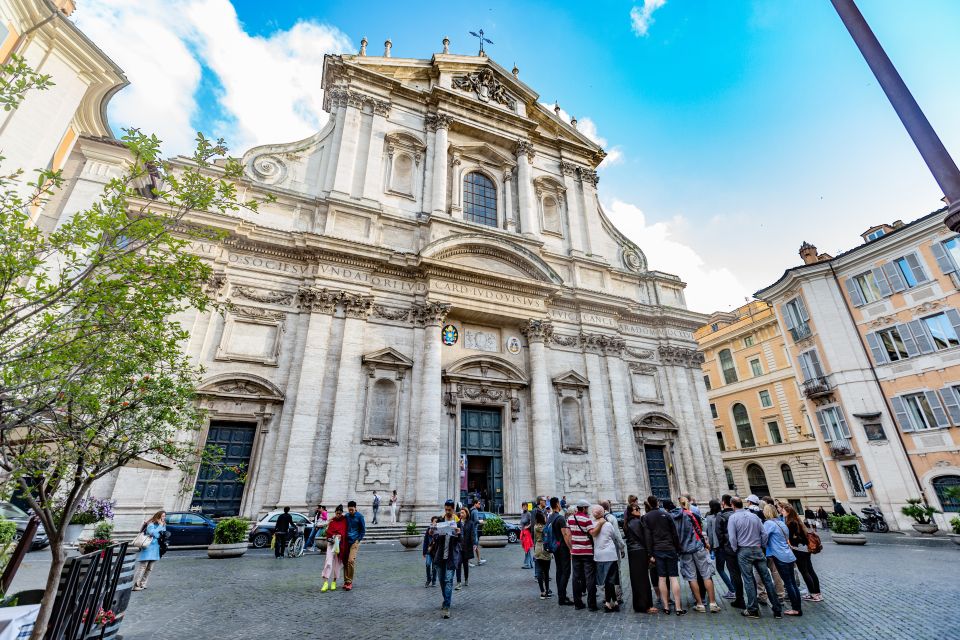
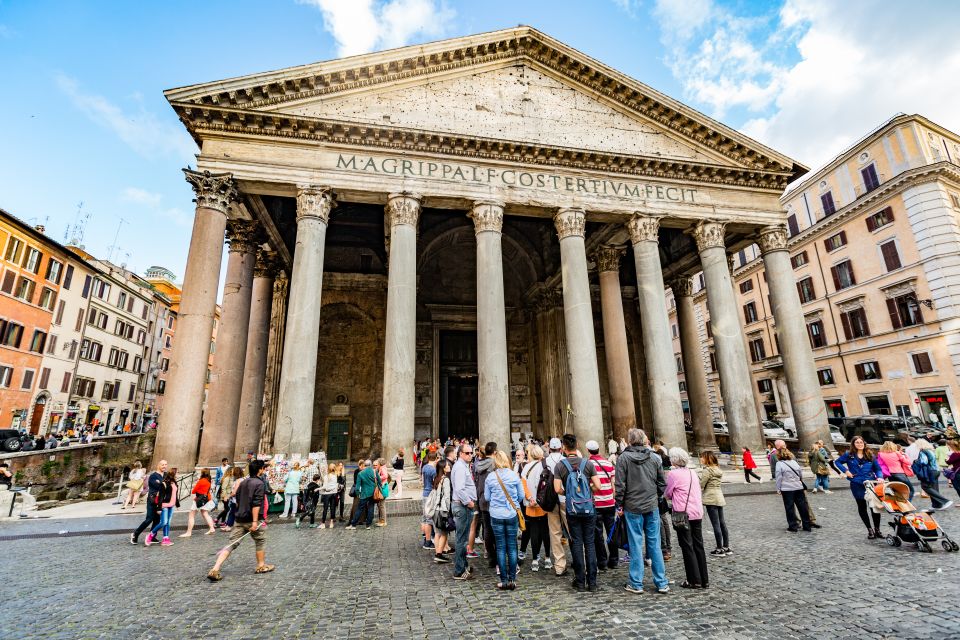
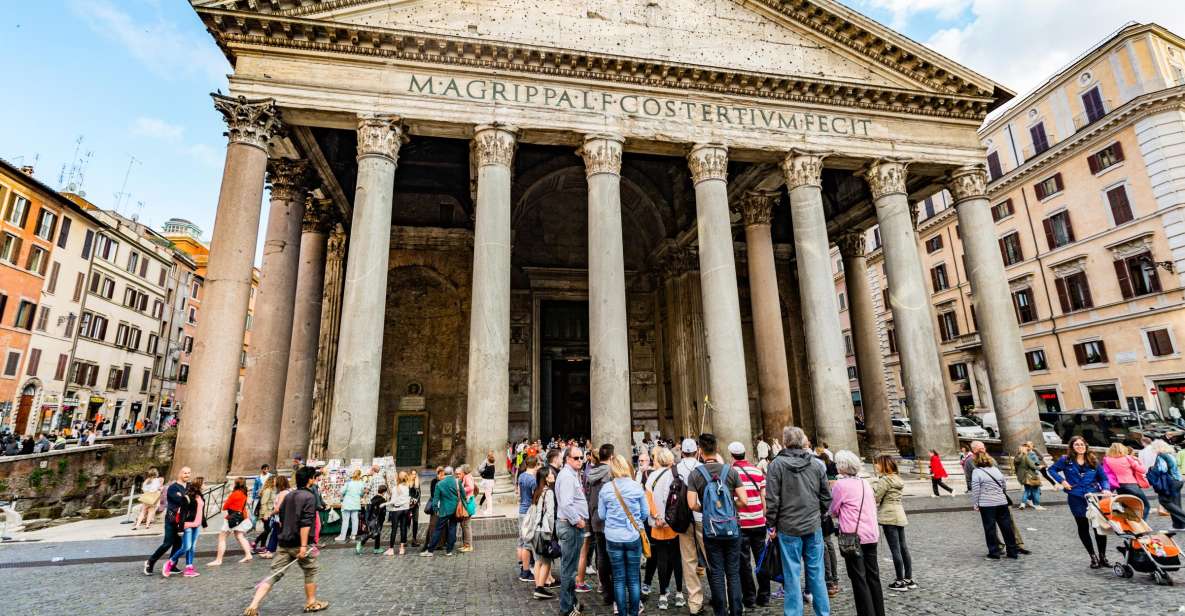
Next comes a payoff that doesn’t need hype: the Pantheon. Your tour includes time inside, so you see the “just like the ancient Romans did” experience—standing in the space and absorbing what makes it special.
Even if you’ve seen photos, the Pantheon can still land differently when you’re standing under that massive dome. The key here is that it’s remarkably intact, and it reflects the long Roman timeline: Roman Empire architecture paired with the idea that people kept using and respecting it over centuries. Your guide’s job is to help you spot what to notice so you don’t just stare at the biggest things and miss the rest.
The tour route also includes the tomb of Raphael as part of the broader Pantheon stop area and surroundings. That pairing is a good example of why this tour works: you’re not only seeing the Roman Empire. You’re also seeing how later Rome still circles back to these same sacred, monumental spaces.
You’ll likely spend enough time to feel the scale, but not so much you miss the other big sights. If you’re tight on time in Rome, this stop alone can be worth the price, because so many sightseeing plans treat the Pantheon as a photo mission from the street.
Marcus Aurelius Column and Sant’Ignazio’s Trompe l’Oeil Illusion
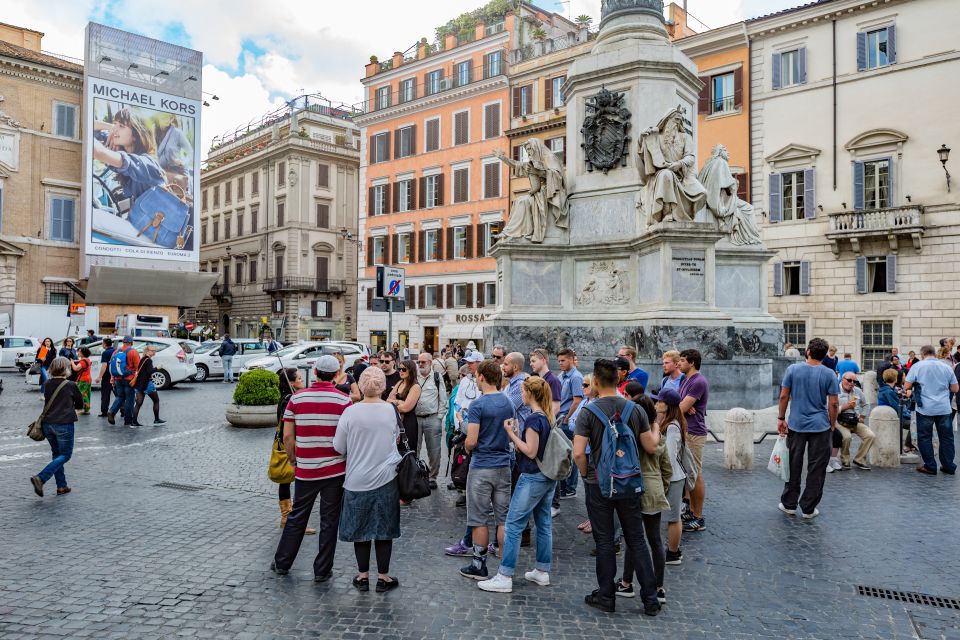
After the Pantheon, the tour keeps building the “Rome is layered” theme. You’ll visit the carved Column of Marcus Aurelius and see original scenes that people often associate with the film Gladiator. The important part isn’t whether you’ve watched the movie; it’s that the guide helps you read the column like an artwork. Instead of a gray monument, it becomes a storytelling device in stone.
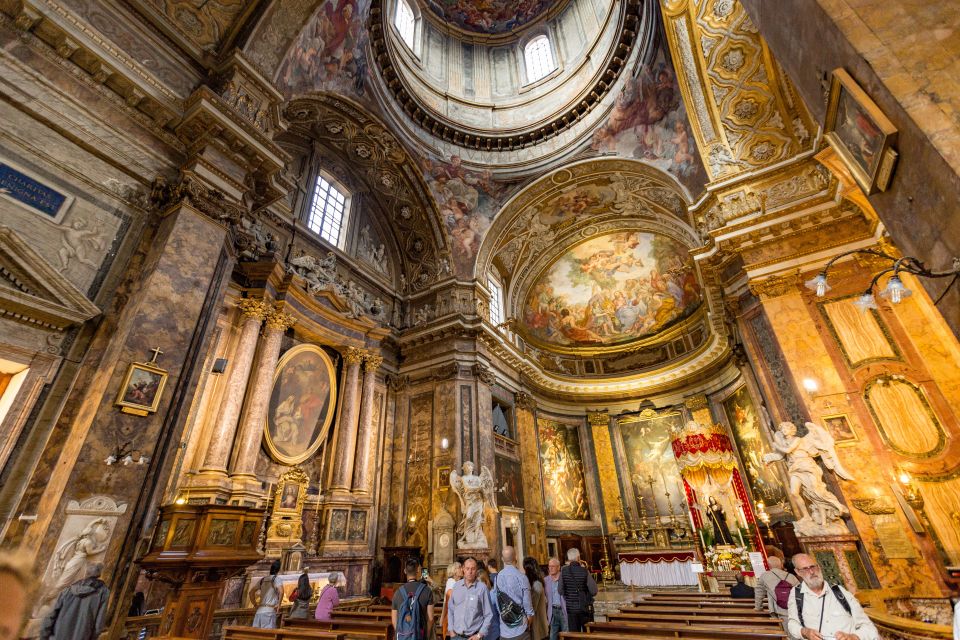
Then you’ll head to Sant’Ignazio Church, and this is the optical moment worth planning for. The dome features one of the finest examples of trompe l’oeil—an illusion that makes flat-looking spaces feel like they open into something bigger. When your eyes figure out what you’re looking at, it hits differently. It’s the kind of “wait, what?” that turns a church visit from passive to memorable.
This is also where a guide earns their fee. Without explanation, trompe l’oeil can be hard to appreciate. With a good guide, you learn what the illusion is doing and where to look so it makes sense. If you like art, lighting, and visual tricks, this stop is a highlight.



Trevi Fountain Ending: Coin Toss, Crowds, and a Clean Finish
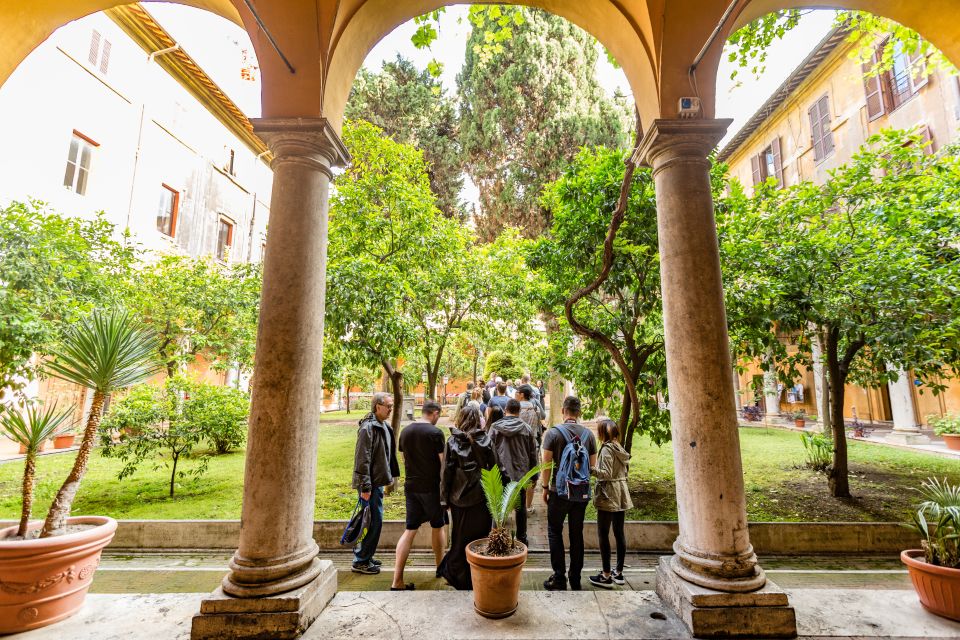
You finish with one of the most famous Rome scenes: the Trevi Fountain. Your guide brings you there and then you can do the classic ritual—throw a coin and make a wish to return to Rome.
This is the part of the day where Rome gets loud. The square draws crowds, and the energy is different from the quieter “listen to your guide and walk” earlier moments. Still, ending here is a smart choice because it gives you a satisfying closure: you’ve seen how Rome developed over time, and then you end at the most instantly recognizable symbol of Baroque grandeur.
A practical tip: wear shoes you don’t mind standing in, because Trevi tends to compress the walking experience into a standing experience. You’ll want to linger just enough to soak it in, even if you also plan photos quickly.
Also, remember that the tour ends back near the meeting point area. So when you’re done, you’re not stuck across town wondering how to get home. You’ll be positioned to keep exploring nearby—or grab your gelato on your own.
Price and Pace: Is $45.55 Good Value for This Route?
The price listed—$45.55 per person—works out best when you care about structure. This isn’t a “see five things and hope you get the right angle” walk. For the time involved (around 2 to 2.5 hours depending on the departure), you get a sequence that hits Rome’s top fountain-and-square cluster plus entry inside the Pantheon.
You also get the one thing Rome always changes with: guidance. A licensed guide can turn a quick stop into a meaningful one by explaining what you’re seeing and pointing out details you’d miss. That’s especially true for the trompe l’oeil at Sant’Ignazio and the column carvings where context matters.
Group size helps the value too. With a maximum of 20 participants, it stays manageable. And on some dates, the group can be very small, which makes the tour feel more personal and less crowded. You’ll still follow the route, but you’re not constantly losing your place.
What’s not included is food and drinks. That’s fine because the tour is short, but it means you should plan to eat either before or after. The upside: fewer stops for food usually means you spend your time at the sights that matter.
What to Wear and How to Handle Church Dress Rules
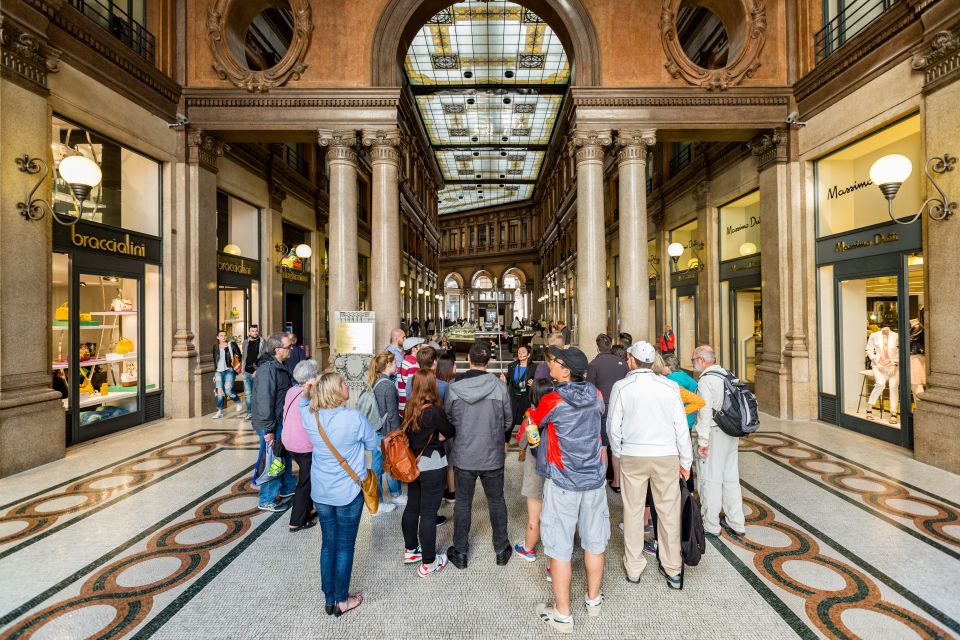
This walking tour is simple, but Rome has dress rules. For church visits and some monuments/private areas, plan something that covers shoulders and knees. That means no shorts, no short skirts, and no sleeveless shirts. It’s not about being formal; it’s about being allowed inside.
Bring comfortable shoes. The route involves walking between squares and climbing up the Spanish Steps area. If your idea of comfort is fashionable but soft-sided, you might suffer more than you need to. I’d pick supportive shoes you’ve worn before.
Weather matters too because parts of this tour are outdoors. Even in cold or rainy conditions, the walk can still happen, so layers help. If you’re thinking about a December or shoulder-season date, you’ll be glad you dressed for damp stone and gray skies.
And yes, there are basic rules: no smoking, no eating or drinking during the tour, and no pets or oversize luggage. Strollers and wheelchair access aren’t possible due to the itinerary, so plan accordingly.
Should You Book This Rome Fountains and Squares Tour?
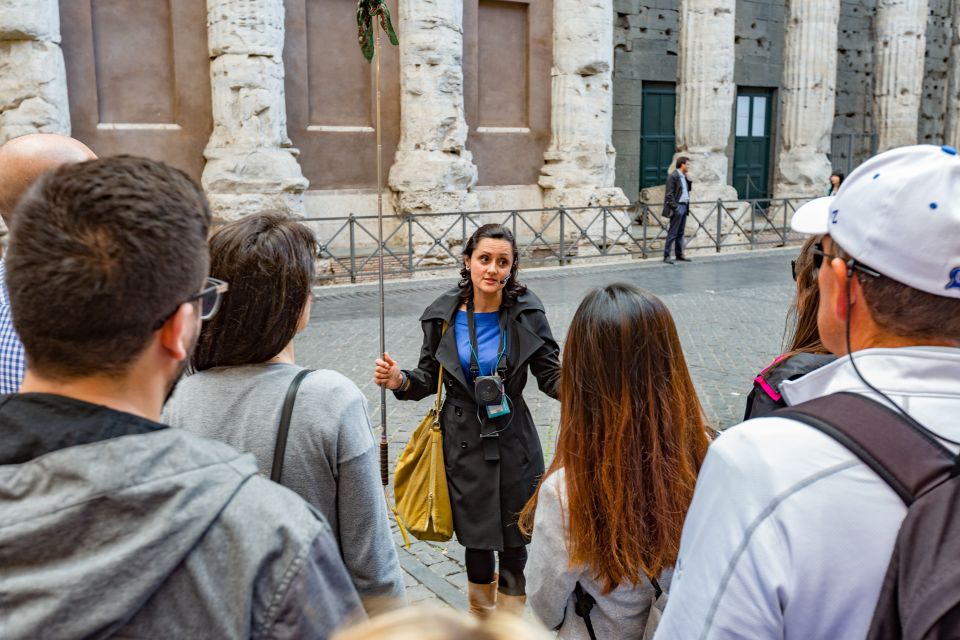
I think you should book this tour if you want an efficient first or early-day plan that connects the biggest Rome hits—Spanish Steps area, Piazza Navona, the Pantheon, Sant’Ignazio, and Trevi—without wasting time figuring out what to do next.
It’s also a great pick if you value a guide who turns landmarks into stories. The most praised experiences line up with what matters in practice: guides like Stefano and Bruno (and other named guides you might get on different days) tend to bring humor, keep the group together, and adjust the pace so you don’t feel rushed—especially after rainy weather.
Skip it only if you dislike walking or you can’t meet the church dress expectations. Otherwise, this is one of those Rome experiences that feels like you’re getting a smart outline of the city—then you can wander on your own with a clearer sense of where everything fits.
FAQ
Where is the meeting point for the tour?
Meet your guide by the entrance of the Keats and Shelley Museum at the bottom of the Spanish Steps, in front of the Acqua di Parma store. Arrive about 10 minutes early.
What time does the tour run?
The tour lasts about 2.5 hours. Starting times vary by availability, so check what’s offered for your date.
Where does the tour end?
It ends back at the meeting point near the Spanish Steps area.
Is the tour in English?
Yes, the guide is licensed and the tour is in English.
Does the tour include entry to the Pantheon?
Yes. One of the major highlights is going inside the Pantheon.
What are the main sights on the route?
You’ll see the Spanish Steps area and Trinità dei Monti, Piazza Navona, the Pantheon (including the tomb of Raphael), the Column of Marcus Aurelius, Sant’Ignazio Church’s trompe l’oeil, and the Trevi Fountain.
Can kids join?
The tour is not suitable for children under 10.
What should I wear for church stops?
Bring something that covers shoulders and knees. Shorts, short skirts, and sleeveless shirts aren’t allowed for church areas.
Is food included?
No. Food and drinks aren’t included, and eating or drinking isn’t allowed during the tour.
Is the tour wheelchair-accessible or stroller-friendly?
No. Due to the itinerary, it isn’t possible to join with strollers or wheelchairs.