REVIEW · ROME
Rome: Domus Tiberiana, Roman Forum, and Palatine Hill Tour
Book on GetYourGuide →Operated by Tours around Rome · Bookable on GetYourGuide
Rome’s imperial heart is right here. This private tour pairs Domus Tiberiana (a massive palace complex) with the Roman Forum and Palatine Hill, so you see how power played out in stone and street-level reality. You get a guided route that helps ruins make sense fast.
I especially like two things: the chance to focus on the Domus Tiberiana complex rather than just passing it, and the way Palatine Hill frames the city from above. With a guide in English, the stops feel connected instead of like three separate ticket counters.
One thing to plan around: this is not for everyone. It’s not suitable for wheelchair users, people with back problems or heart problems, pregnant women, or anyone with low fitness. Plus, there’s no strollers, no luggage/large bags, and no backpacks—so travel light.
In This Review
- Key things I’d watch for on this tour
- Private Guide and Tickets Included: The Real Value
- Getting There from Colosseo (and What to Bring)
- Domus Tiberiana: The Imperial Palace Complex You Can Actually See
- Palatine Hill’s Emperor Residences (Augustus, Tiberius, Domitian)
- The Roman Forum: Public Life at the Center
- The Pacing: How 2.5 Hours Actually Plays Out
- Views and Photo Stops Without the Stress
- Is It Worth $111.02? My Take on Value
- Who Should Book (and Who Should Skip It)
- Should You Book This Tour?
- FAQ
- How long is the tour?
- Is this tour private?
- Are entry tickets included?
- Is there an express security check?
- What language is the guide?
- Where do we meet the guide?
- What should I bring?
- What’s not allowed during the tour?
- What is the cancellation policy?
Key things I’d watch for on this tour
- Private guide time: you move at a human pace instead of getting swept along.
- Express security check: you’re aiming to save time before you even start sightseeing.
- Domus Tiberiana ticket included: you get access without extra planning.
- Emperor residences theme: you focus on places linked to emperors like Augustus, Tiberius, and Domitian.
- Roman Forum focus: you’re walking the center of public life for over a thousand years.
- Palatine Hill viewpoints: you get the big Roman panorama from the imperial slopes.
Private Guide and Tickets Included: The Real Value
At $111.02 per person for about 2.5 hours, the headline value is that you’re paying for two things at once: a private English guide plus entry tickets for three major sites. That bundling matters in Rome, where time and logistics can eat your day.
This tour also includes all fees and taxes, so you’re not juggling add-ons after booking. On top of that, you get an express security check, which helps you start the actual walking sooner rather than standing around with everyone else.
The practical upside: you’re not just collecting ruins. You’re getting someone to connect the dots—palaces on Palatine Hill, public life in the Forum, and the imperial presence that ties them together. And in the reviews, guides like Donatella and Dominica come up as standouts for making the sites feel alive, not like memorization.
You can also read our reviews of more tours and experiences in Rome.

Getting There from Colosseo (and What to Bring)
Your start point is simple in theory: go to the activity provider’s office. In practice, Rome can turn simple into a hunt—so use the given direction if you’re coming from Metro station Colosseo.
From Colosseo:
- Turn right on Via del Fori Imperiali.
- Go straight to the first traffic light.
- Turn right on Via Cavour.
- Turn left on the 2nd street, Via del Cardello.
Wear comfortable shoes. The tour involves walking through archaeological areas, and the “comfortable” part matters because surfaces can be uneven. Bring your passport or ID card as required.
Plan to travel light. No luggage or large bags. No backpacks. No baby strollers. If you’re used to carrying a daypack, this is the moment to switch to something smaller or leave it behind.
Domus Tiberiana: The Imperial Palace Complex You Can Actually See
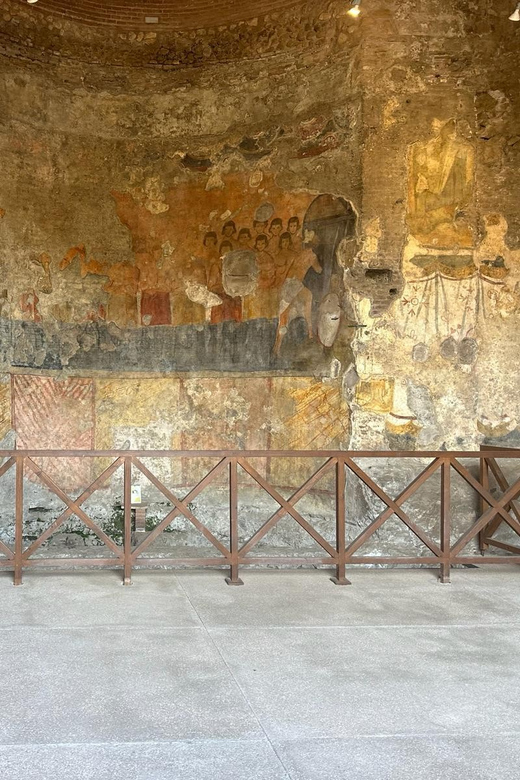
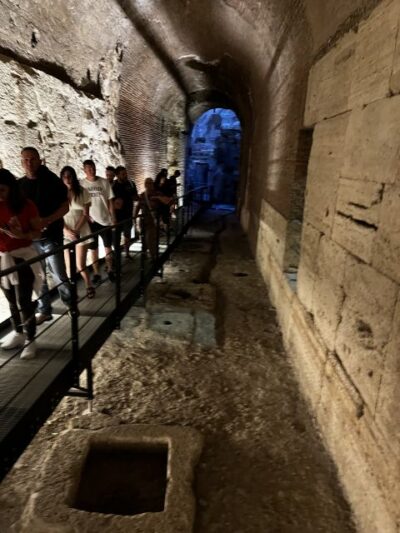
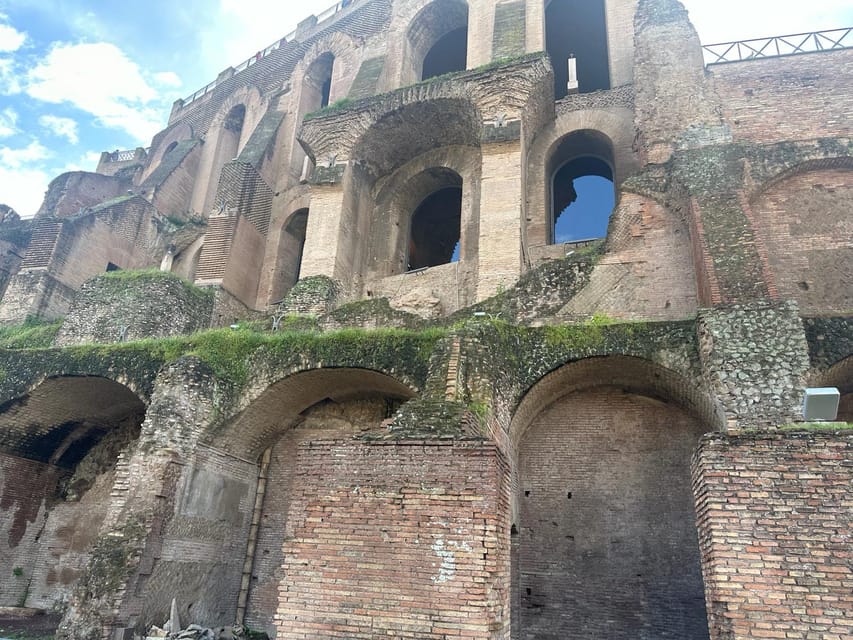
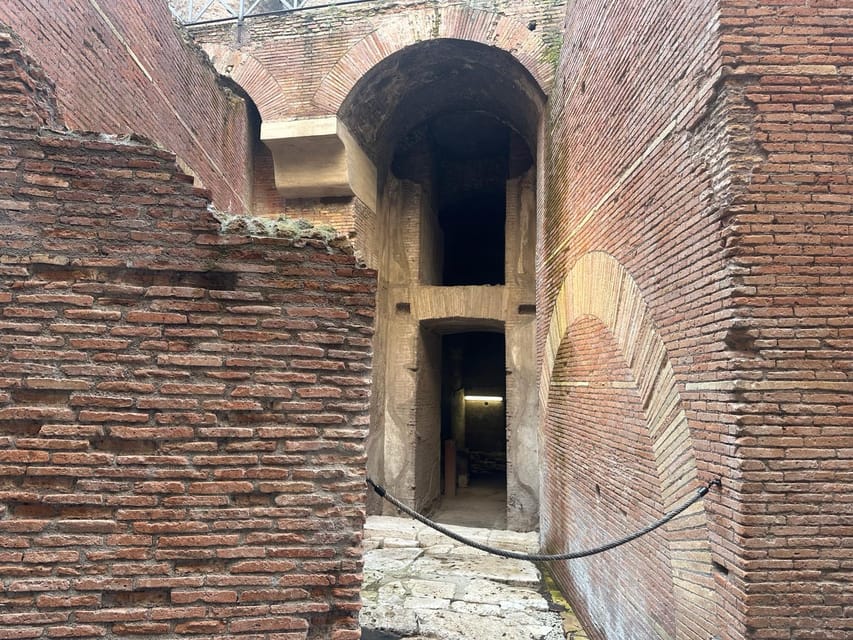
The first big draw here is the Domus Tiberiana. This is not a quick “look at a wall” stop. You’re exploring the ruins of a massive palatial complex tied to imperial Rome, and the guide explains what you’re looking at as you move through the site.
Why this matters for your trip: Domus Tiberiana is one of those places where the visual scale is impressive, but the meaning can be confusing if you’re solo. A guide helps you understand how an imperial residence wasn’t just private living—it was power in physical form. You’re seeing architecture that functioned as part of the machinery of rule.
You’ll also get a chance to understand the palace’s relationship to the Palatine slopes. Since this tour is private, you can ask questions if something doesn’t click. And because the stop is specific to Domus Tiberiana (with its own entry ticket included), you’re not sharing time with the “fly-by” crowd that treats Palatine and the Forum like a checklist.
Palatine Hill’s Emperor Residences (Augustus, Tiberius, Domitian)
After Domus Tiberiana, the tour expands to the broader Palatine Hill area—home to sprawling ruins of imperial palaces. The focus is on residences associated with emperors such as Augustus, Tiberius, and Domitian.
The key thing I like about approaching Palatine this way: you’re not just walking through famous ground. You’re seeing it through the theme of rulers’ residences and how that affected what life looked like around them.
Palatine Hill also gives you a sense of elevation and viewpoint. The tour description notes you’ll continue to Palatine Hill and see it overlooking the expanse of Rome. That “top of the world” angle is one reason Palatine hits harder than flat ruins—your eyes can connect the site to the wider city.
In plain terms: Palatine Hill works when you can imagine the imperial presence as more than legend. With a guide translating the ruins into a story, you’re more likely to leave with images that make sense instead of just a pile of photos.
The Roman Forum: Public Life at the Center
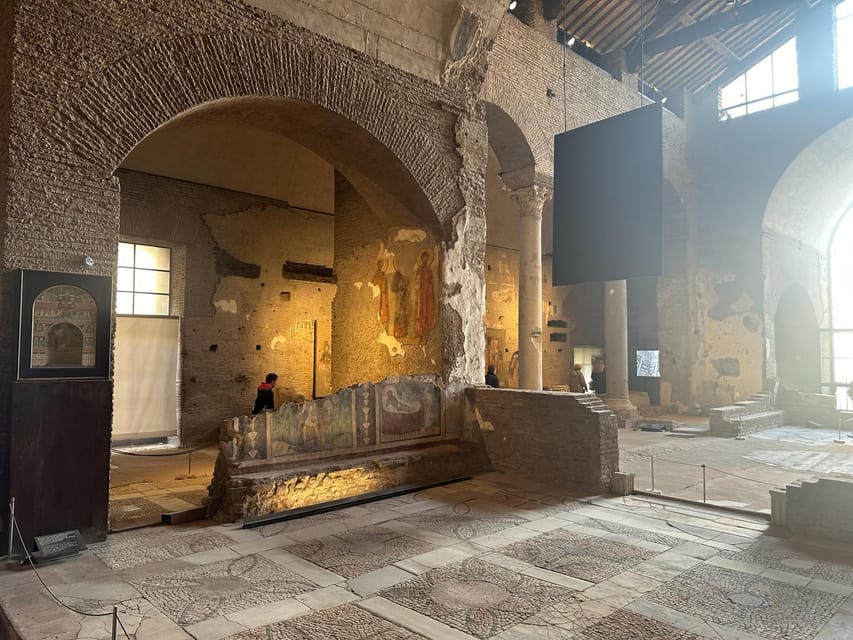
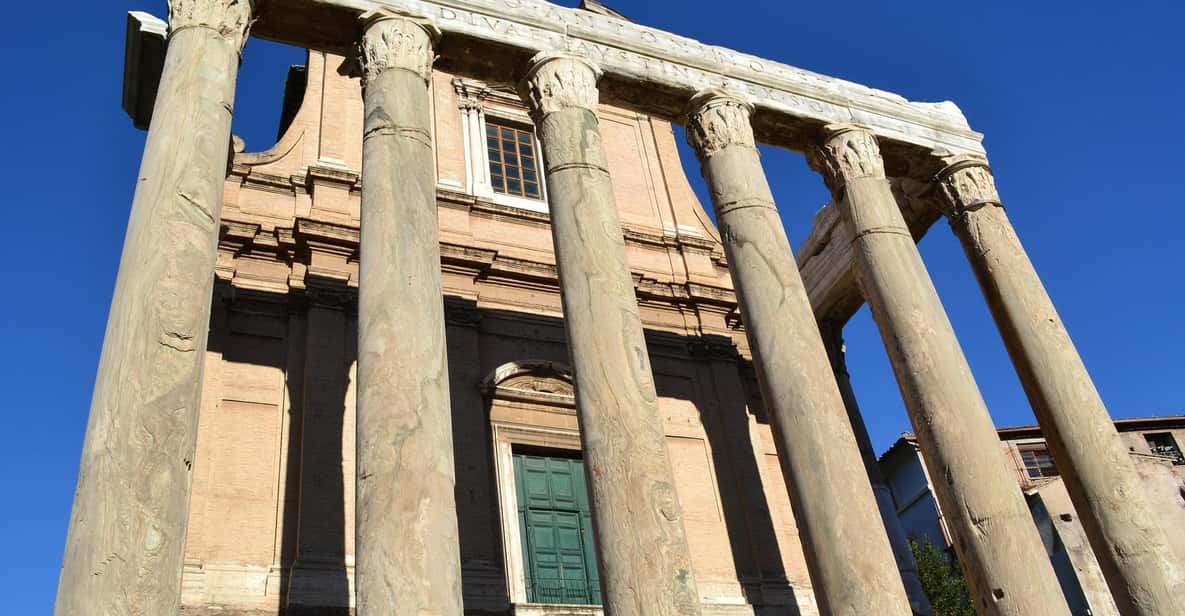
Then you head into the Roman Forum, described as the hub of political, religious, and social life for over a millennium. This is where Rome stops feeling like “palaces up on a hill” and starts feeling like daily power in action.
What you should expect: walking through the Forum while your guide connects what you’re seeing to how the Forum functioned. Even if you’ve read about Roman public life before, the physical layout can still surprise you—because the space feels both organized and chaotic, like the city running around politics.
The value of having a private guide here is that you can slow down where things matter to you. If you care more about civic life than emperors, you can ask the guide to emphasize how the Forum operated. If you’re more into imperial connections, you can steer the conversation toward how the Palatine world related to Forum life.
This is also where time management helps. With only 2.5 hours, you want your guide to keep you moving but not rush the meaning. A well-paced guide is the difference between “I saw it” and “I understood it.”




The Pacing: How 2.5 Hours Actually Plays Out
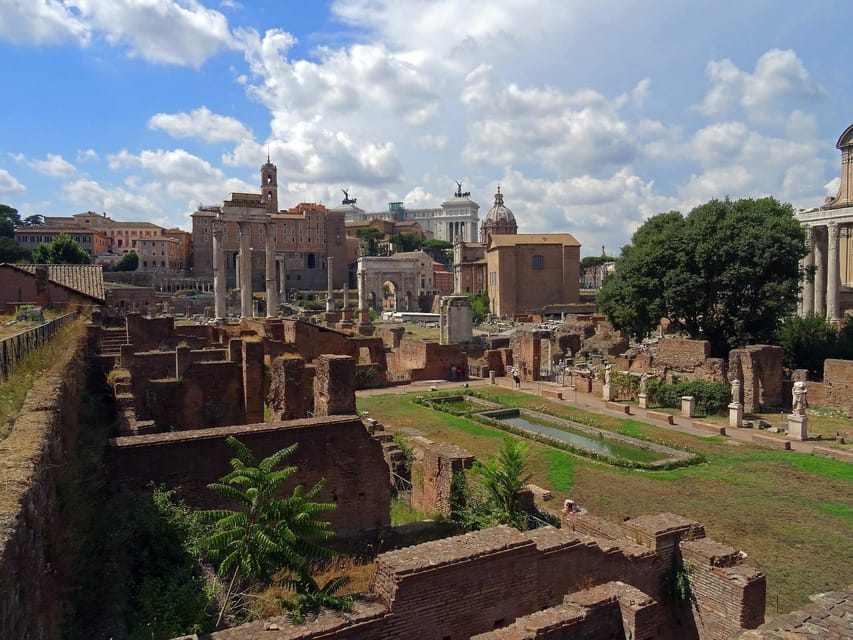
This tour lasts about 2.5 hours. That’s long enough to cover Domus Tiberiana plus Roman Forum and Palatine Hill, but it’s also tight enough that you’ll feel the walking. Because it’s private, the route can feel focused instead of frantic.
The key practical feature is the express security check. In Rome, even getting started can be a gamble. Anything that reduces waiting time can make the whole experience feel smoother.
In the reviews, one repeated theme is that guides often go beyond the promised time in a friendly way. That’s not guaranteed, but it’s a good sign: the guides are paying attention to giving you a richer experience rather than rushing you through.
Still, don’t plan this as a “sit-and-sip coffee” tour. You’ll be on your feet, and the sites are archaeological—so comfortable shoes are not optional.
Views and Photo Stops Without the Stress
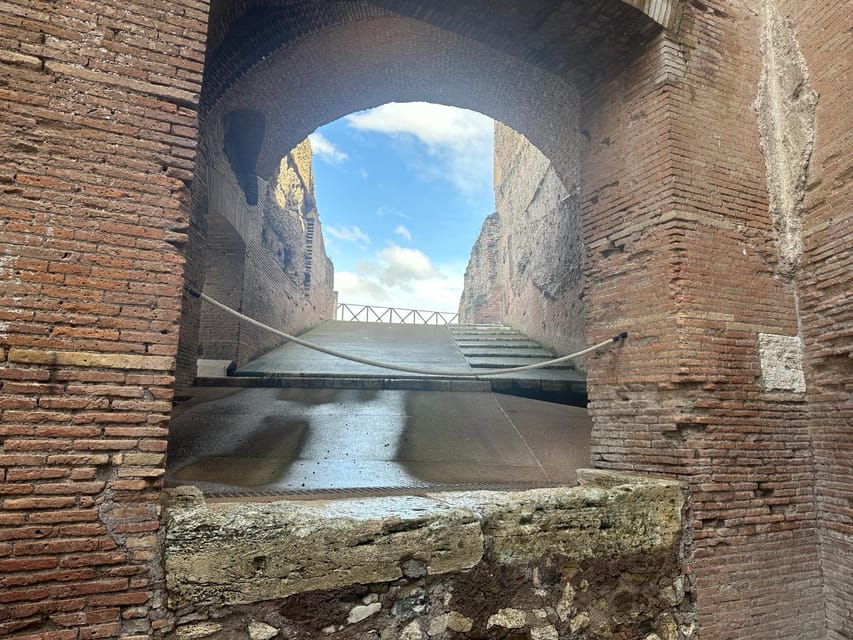
I like that this tour includes Palatine Hill overlooking Rome. It’s the kind of payoff that makes all the stairs and stone worth it.
But here’s the practical angle: photo time works best when you’re not trying to fight the flow of crowds. With a private guide, you get a better chance to pause, look, and take pictures when the light and your bearings align.
Also, because you’re visiting multiple sites close together, you’ll spend more time in the viewing moments instead of backtracking across the city. If you’re doing Rome for a few days only, that efficiency matters.
Is It Worth $111.02? My Take on Value
This is where I’d measure value beyond the dollar amount. You’re paying for:
- A private guide
- Domus Tiberiana entry tickets
- Roman Forum and Palatine Hill entry tickets
- All fees and taxes
- An express security check
You’re not spending extra time buying tickets on the fly, and you’re not dealing with the security bottleneck like you would on a standard walk-up approach. Even if you can buy tickets yourself, the guided interpretation is the part that turns ruins into a coherent story.
So who gets the best value? People who want a guided “through-line” from imperial palaces to public life. If you only want a fast photo tour, you might decide it’s overkill. If you want to understand what you’re seeing and leave with real clarity, the price makes sense.
Who Should Book (and Who Should Skip It)
This tour fits best if you:
- Want private, English-guided context at the Forum and Palatine Hill
- Like learning as you walk, not just reading after the fact
- Enjoy palace-and-politics stories tied to specific emperors like Augustus, Tiberius, and Domitian
- Are comfortable with a moderate amount of walking over uneven archaeological ground
It’s not suitable for people who:
- Use wheelchairs
- Have back problems
- Have heart problems
- Are pregnant
- Have low fitness
Also, don’t bring strollers, luggage/large bags, or backpacks. And note the rules: no food and drinks, and no drones or bikes. If you like to pack snacks for long museum days, plan differently for this one.
Should You Book This Tour?
If your goal is to make ancient Rome make sense, I think this tour is a smart choice. The combination of Domus Tiberiana, Palatine Hill imperial residences, and the Roman Forum gives you a tight “power to public life” storyline in a limited timeframe.
Book it if you’re the kind of traveler who wants help turning ruins into a real narrative—and you’re able to handle the walking. If you’re in a group that needs accessibility support or you know you’re sensitive to stairs and uneven surfaces, skip it and look for an option designed for your needs.
My practical advice: check start times based on availability, confirm you’re coming from the right meeting area near Colosseo, and wear your most comfortable shoes. Do that, and you’ll get far more out of those stones than you would on a rushed self-guided wander.
FAQ
How long is the tour?
It runs for about 2.5 hours. Starting times depend on availability.
Is this tour private?
Yes. It includes a private guide.
Are entry tickets included?
Yes. Domus Tiberiana entry tickets, plus Roman Forum and Palatine Hill entry tickets are included.
Is there an express security check?
Yes. The tour includes an express security check.
What language is the guide?
The live tour guide provides commentary in English.
Where do we meet the guide?
The tour starts at the activity provider’s office. If you’re coming from Metro Colosseo, you can follow the provided walking directions via Via del Fori Imperiali, Via Cavour, and Via del Cardello.
What should I bring?
Bring a passport or ID card, and wear comfortable shoes.
What’s not allowed during the tour?
Baby strollers, food and drinks, luggage or large bags, drones, bikes, backpacks, alcohol and drugs, glass objects, and climbing are not allowed.
What is the cancellation policy?
You can cancel up to 24 hours in advance for a full refund.