REVIEW · ROME
Afternoon Vespa Sidecar Tour with Gourmet Gelato Stop
Book on GetYourGuide →Operated by Vespa Sidecar Tour · Bookable on GetYourGuide
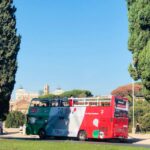
Rome feels faster from a sidecar. This afternoon tour turns classic Rome into a smooth, guided ride, with professional drivers and live headphone narration as you pass major sights. If your group gets guides like Manuel or Alessio, expect a mix of clear explanations and lots of good energy to make the city feel understandable right away.
I really like how you get that mix of big landmarks and tight streets without dealing with traffic or parking. You’ll also get practical safety gear—CE helmets with sterilized disposable head covers and passenger seat belts—so you can focus on the views. One drawback to consider: it’s not for everyone, especially if you have back or heart problems, are pregnant, or don’t meet the child height/seat rules.
In This Review
- Key reasons this Vespa sidecar tour works
- The value of a 3-hour afternoon Vespa ride through Rome
- Where you meet: Piazza della Repubblica, near the green kiosk
- Gear and safety you’ll actually notice (in a good way)
- Headphones and live narration: the difference between seeing and understanding
- Quirinale and Trevi: starting with power and sparkle
- The Pantheon stop: entry ticket included
- Piazza Navona and St. Peter: art, religion, and big silhouettes
- Gianicolo Hill viewpoints: where the ride pays off
- Trastevere and the Jewish Ghetto: narrow streets, real atmosphere
- Piazza Venezia and the Colosseum: finishing with scale
- The gourmet gelato stop: your timed reward
- Practical comfort tips before you ride
- Who should book this Vespa sidecar tour (and who should skip)
- Price breakdown: what you get for $152.93
- Should you book this afternoon Vespa sidecar tour?
- FAQ
- How long is the Afternoon Vespa Sidecar Tour?
- What time does it start?
- Is a gelato stop included?
- Do I need to drive or park?
- Is Pantheon entry included?
- What language is the tour guide narration in?
- Can children ride, and are there height rules?
- What safety gear and weather gear are provided?
Key reasons this Vespa sidecar tour works
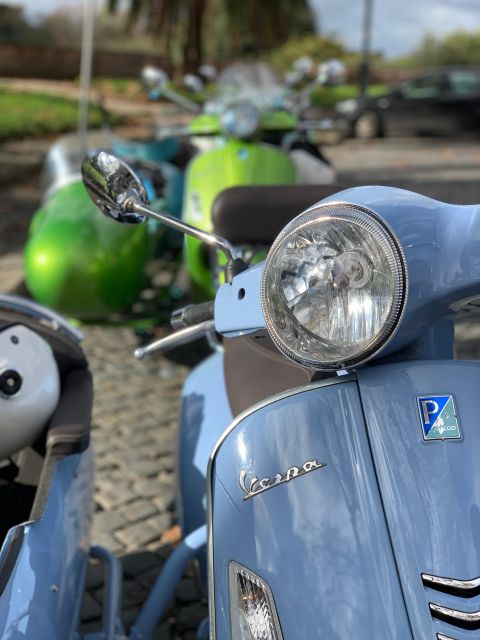
- You don’t drive: professional drivers handle the road and parking, so you can relax.
- Headsets keep Rome clear: live English narration guides what you’re seeing in real time.
- Pantheon entry is included: you’re not just riding past it; you get inside.
- Twelve major stops in 3 hours: you cover a lot fast, including viewpoints and photo-friendly corners.
- Helmets and seat belts are built in: CE helmets, sterilized head covers, and passenger seat belts.
- Gelato is part of the plan: a gourmet stop gives you a timed break from the road.
The value of a 3-hour afternoon Vespa ride through Rome
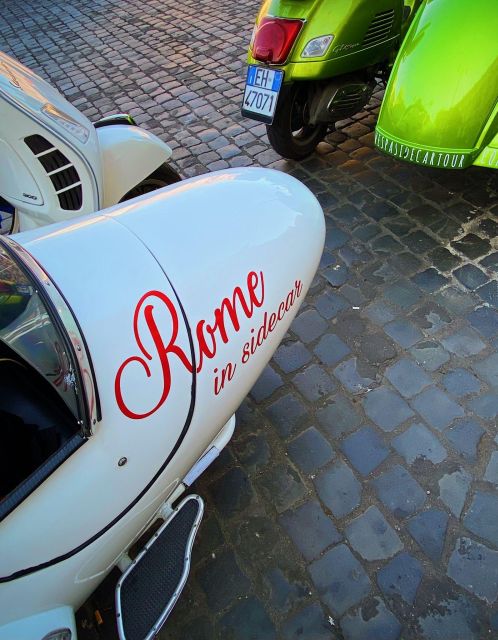
At $152.93 per person for about 3 hours, this isn’t a budget activity—but it does feel priced as a full experience, not a simple transfer. You’re paying for the combination of a licensed guide, live narration via headsets, professional drivers, safety gear, included Pantheon ticket entry, and a gourmet gelato taste.
For me, the best value is the time you save. Rome’s highlights are spread out, and doing them by bus or taxi can mean standing in crowds and waiting around. This route is designed for movement, including panoramic lookout points and stretches where narrow streets are reachable.
You can also read our reviews of more tours and experiences in Rome

Where you meet: Piazza della Repubblica, near the green kiosk
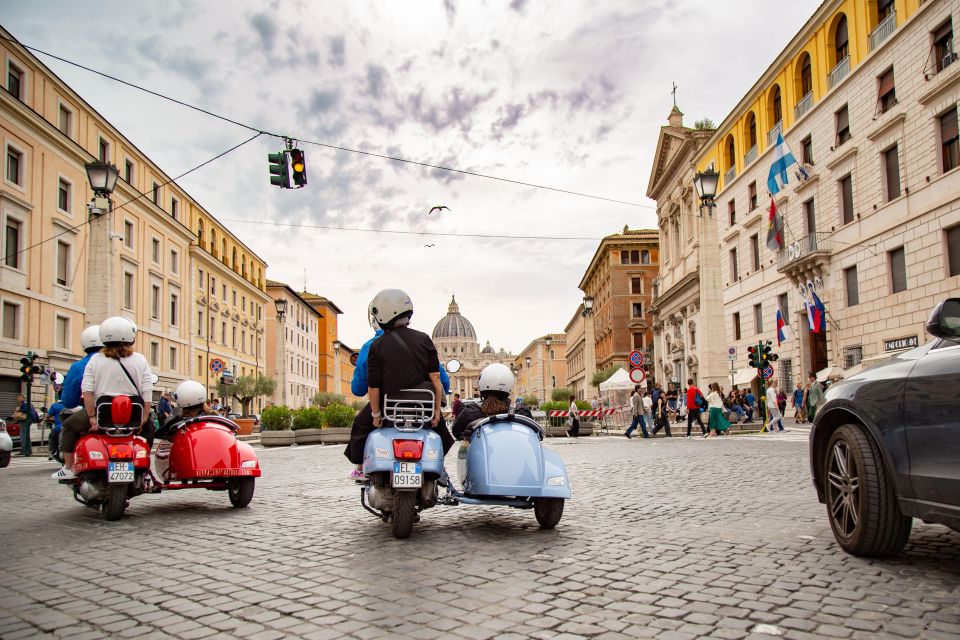
You’ll meet at P.za della Repubblica, 41, Roma RM, Italy, and the crew is there at 2:30 PM, close to the green newspaper kiosk. The tour ends back at the meeting point, which makes planning your next dinner (or gelato round two) a little easier.
Give yourself a few minutes to spot the team and get your gear sorted. When you’re riding, you want to feel settled—helmet on, seat belt fastened, and ready to go—before the first turns.
Gear and safety you’ll actually notice (in a good way)
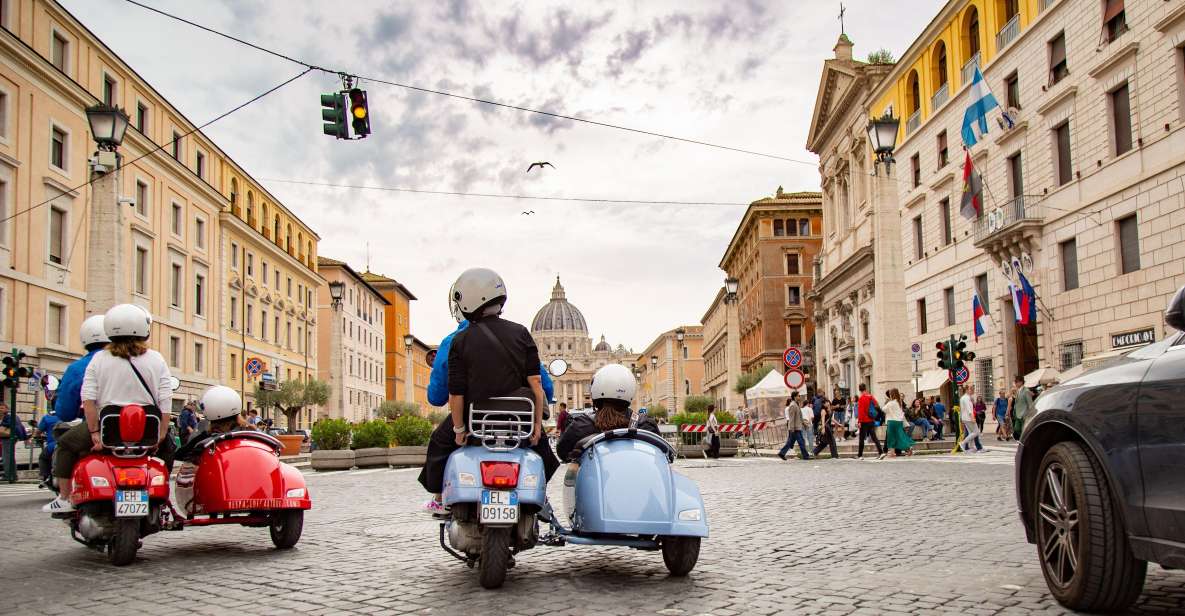
This tour is serious about rider comfort and hygiene. You get homologated CE helmets plus sterilized disposable head covers, which helps you avoid the typical helmet-funk problem. There are also seat belts for the passenger in the sidecar, and the staff provides waterproof ponchos if it rains.
If you’re visiting in cooler months, you also get blankets and electric water bottles in winter—small touches that matter once you’ve been moving for a while. You’ll still want to dress for wind and quick changes in Roman weather, but at least you’re not starting cold and staying that way.
Headphones and live narration: the difference between seeing and understanding
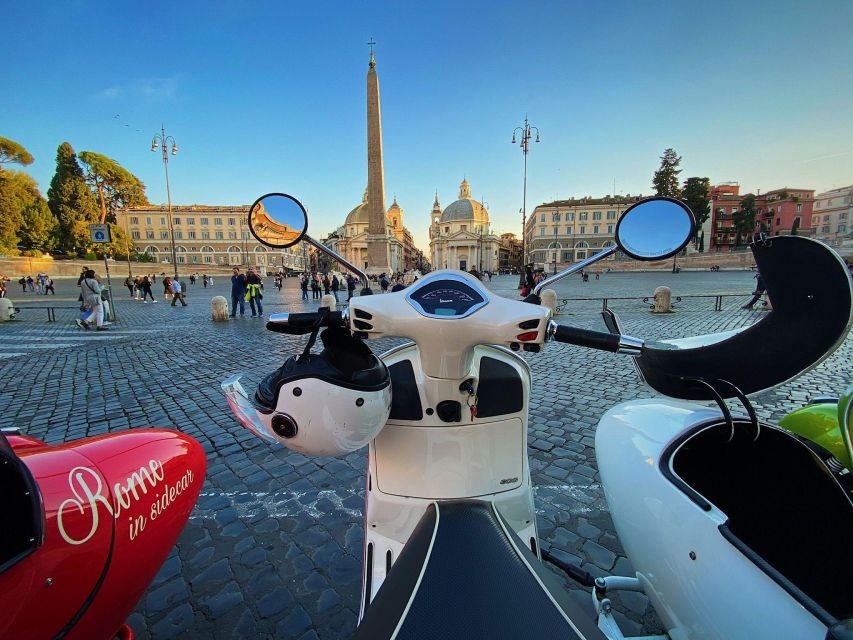
A big reason this tour gets strong feedback is the guide system. You’ll wear headsets for live commentary in English during the whole ride, so you’re not guessing what you’re looking at.
This matters in Rome because the city layers itself quickly. A fountain, a church façade, and a hill overlook can all connect to the same story arc, but only if someone points out what to notice. The tour is built to give you that context site by site—so your stops land with meaning instead of just being photos.
And yes, the timing helps: you hear the important context right as you pass key corners and pause for viewpoints.
Quirinale and Trevi: starting with power and sparkle
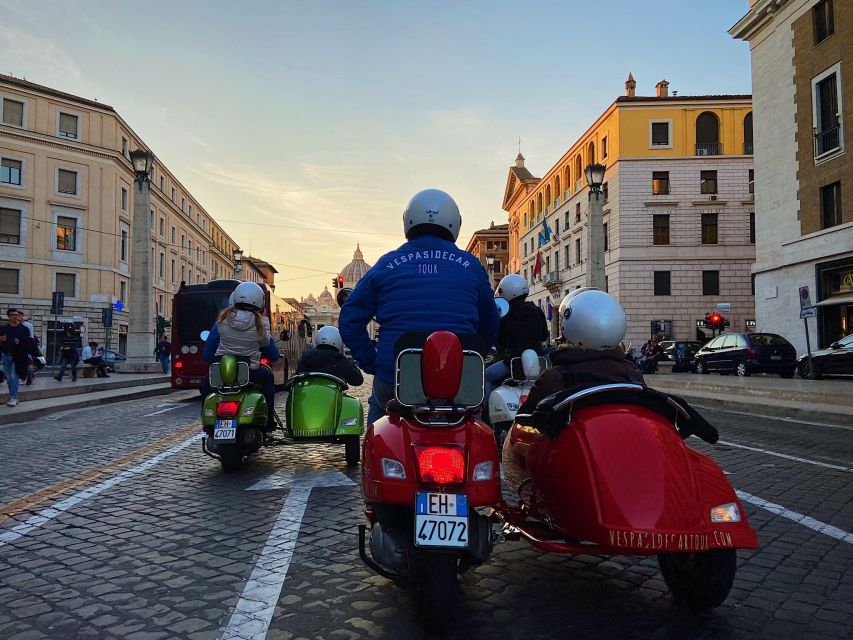
Your standard itinerary typically begins at Quirinale, then continues to Fontana di Trevi. Quirinale sets an early tone—palace energy, big-city scale, and a reminder that Rome’s leadership and architecture have been linked for centuries.
Then comes Trevi, the one everyone recognizes. From the ride, you get the moment’s drama without worrying about navigating or finding parking, and the guide narration helps you see it as more than a postcard stop.
A practical note: Trevi can be busy. This isn’t a slow stroll day; it’s a guided ride with timed moments, so come ready to move and take your photos quickly and cleanly.
You can also read our reviews of more tours and experiences in Rome
The Pantheon stop: entry ticket included
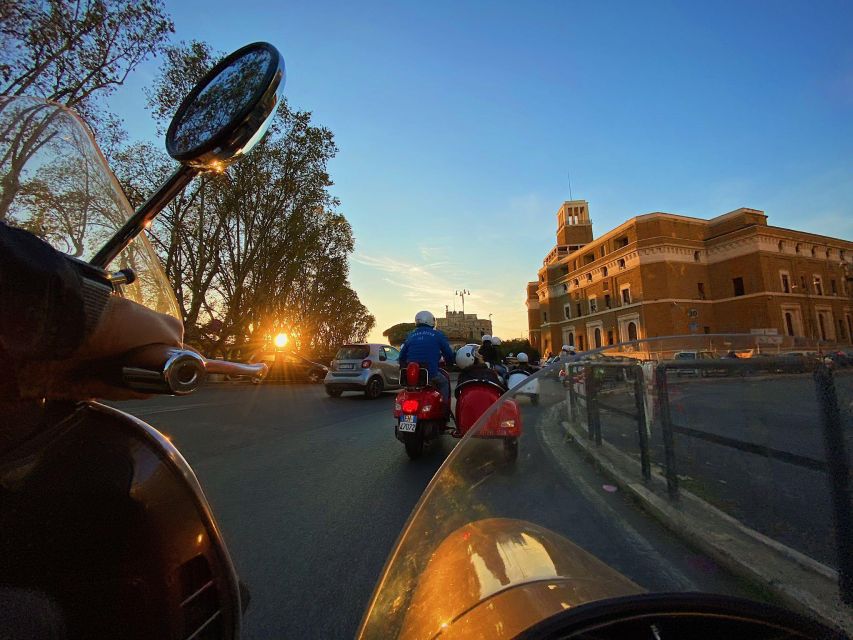
The Pantheon is one of the most satisfying stops on the route because entry tickets are included. You’re not just glimpsing it from the street—you get inside, where the building’s scale and design hit harder than any exterior photo.
For first-timers, this is usually where Rome starts to click. The guide’s live explanation helps you connect what you’re seeing (structure, light, and design) to why the Pantheon still feels like a big deal centuries later.
If you’re the type who likes learning while sightseeing, you’ll likely appreciate this portion most. If you’re more of a wander-at-your-own-pace person, just know the tour is structured and you’ll be moving with the group.
Piazza Navona and St. Peter: art, religion, and big silhouettes
From there, you head to Piazza Navona and then on to S. Peter. Navona is a classic Roman setting where the architecture and open space feel like a stage. It’s a good stop for atmosphere, and it’s easier to enjoy it when you’re not also stressed about where to park or how to get there.
St. Peter shifts the mood, and the narration helps you read what you’re looking at. Even if you’ve seen photos before, seeing these monumental spaces with a guide briefing you in the moment makes it land better.
Gianicolo Hill viewpoints: where the ride pays off
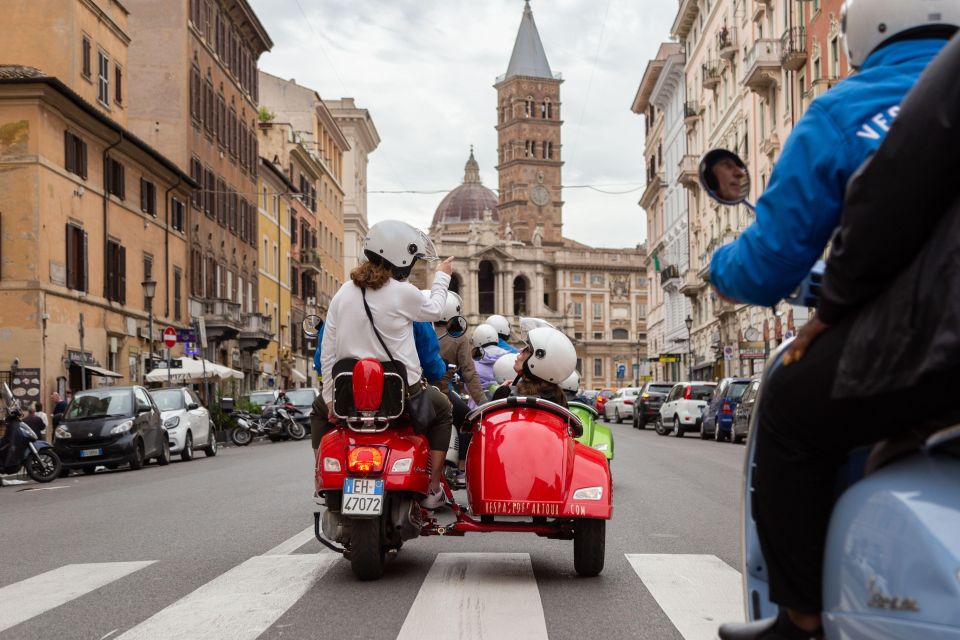
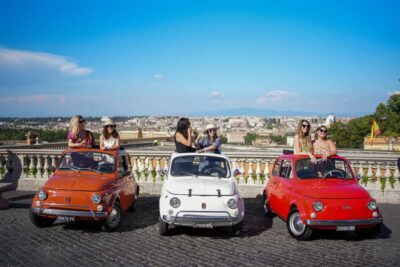
One of the most “Rome” parts of the tour is Gianicolo Hill. It’s where you trade street-level details for perspective, and the panoramic view is exactly what makes a sidecar format feel worthwhile. When you’re traveling in motion, your brain wants context, and viewpoints are the release valve.
This is also a great point to catch photos without the same kind of stop-and-go crush you might feel at smaller street corners. You’ll still want to plan for wind and changing light, but the payoff is real.
Trastevere and the Jewish Ghetto: narrow streets, real atmosphere
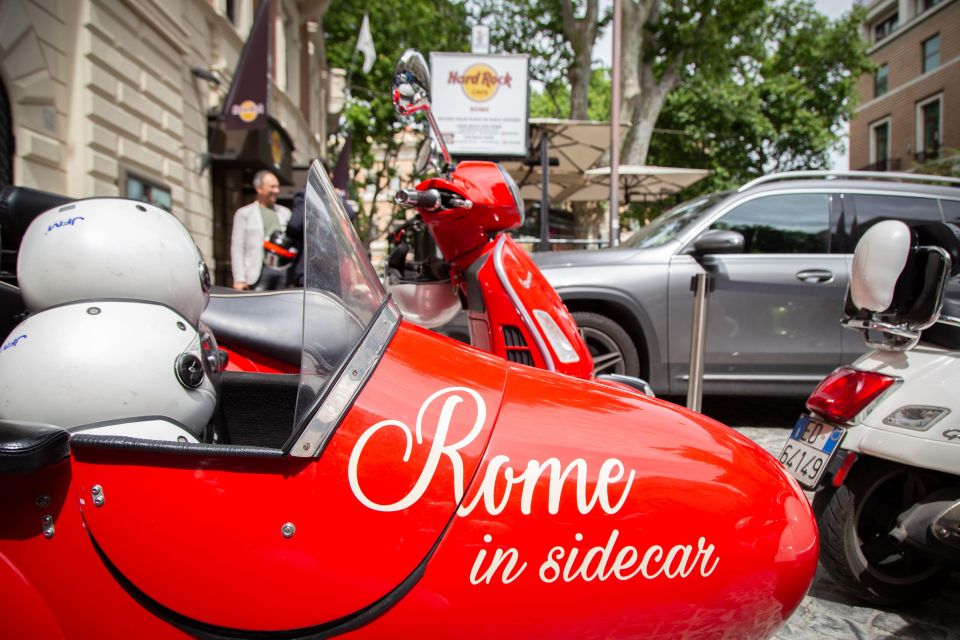
Next you go through Trastevere & Jewish Ghetto, and this is where the tour starts feeling more like a living neighborhood than a museum circuit. Highlights mention access to narrow streets and lesser-known corners, and this is the section where that idea becomes obvious.
This area is famous for its layered identity—people, faith, and food traditions mixed across generations. With live headphones, you’re not just seeing streets; you’re hearing what made them matter.
A reality check: narrow streets mean you’ll likely move at a slower pace than on major roads, and there will be more pedestrians. The advantage is that you’re not the one handling navigation—you’re just there to enjoy it and take in the details.
Piazza Venezia and the Colosseum: finishing with scale
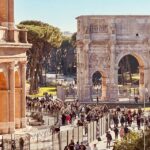
Your route then reaches Piazza Venezia before heading to the Colosseum. Piazza Venezia is another scene-setter stop, helping you understand how monuments anchor Rome’s “big picture.”
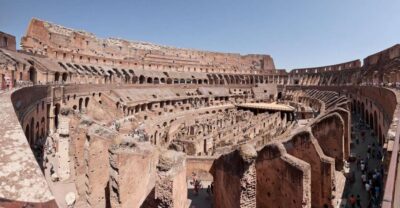
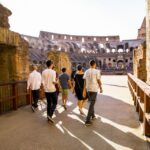
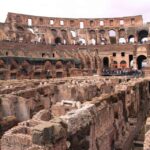
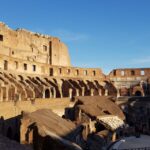
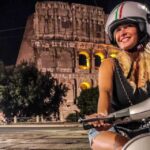
And then—Colosseum. Even if you’ve seen it online, the scale is different in person, especially when you approach with context from the guide’s narration. The tour format keeps things moving, so you’ll see it as part of the city’s story instead of as a single, isolated bucket-list stop.
If you want to linger and do deep exploring, this tour won’t replace a dedicated Colosseum visit. But it’s excellent for giving you orientation and meaning fast.
The gourmet gelato stop: your timed reward
This tour includes a gourmet Gelato taste, and it’s scheduled as a real break—not just a marketing add-on. After being in motion and listening through the headsets, a sweet pause helps reset your energy.
It’s also a smart moment for a quick snack strategy. You’ve packed several major sites into three hours, so this gelato stop gives you a dependable refuel point before you head off on your own afterward.
Practical comfort tips before you ride
To get the most from the experience, I’d plan for two things: weather and getting in/out of the sidecar.
- Wear layers so you can adjust if it’s warm at first and cooler later.
- Bring your phone but expect you’ll take photos quickly at stops, not in a long photo session.
- If you’re sensitive to motion, sit in a way that feels stable and keep a loose grip while the driver navigates.
The tour provides ponchos if it rains, and that can reduce the need to improvise. Still, you’ll be happier with decent footwear and clothing you don’t mind getting a little dusty.
Who should book this Vespa sidecar tour (and who should skip)
This is a great pick if you want a high-impact Rome sampler with strong context. You’ll likely enjoy it if:
- you want to cover major sights efficiently in one afternoon
- you prefer guided explanations through headsets over reading a guidebook
- you like photo moments from viewpoints and iconic monuments
- you don’t want the stress of driving or parking
Skip it or think hard if it doesn’t fit your body and travel needs. It’s not recommended for travelers with back problems or heart problems, and it’s not permitted for pregnant travelers. Children must be at least 5 years old, and there are specific height rules for where they can sit.
There are also weight and size limits: sidecar passenger limits include up to 110 kg / 242 pounds and a max height of 1.90 m, plus 118 kg / 260 pounds is listed for riding on the back of the saddle. If you’re near those thresholds, I’d confirm fit before booking.
Price breakdown: what you get for $152.93
When people call this expensive, I get it. But if you compare what’s included, the price starts to make sense.
You’re getting:
- a professional licensed guide with live narration via headphones
- professional drivers
- full insurance included
- helmet, seat belt, ponchos, and winter extras like blankets and electric water bottles
- Pantheon entry tickets
- gourmet gelato taste
That’s a lot packed into one 3-hour block. If you were doing similar sites on your own, you’d still pay for entry and transport, and you’d probably lose the guided “connect-the-dots” explanations that the headsets provide.
Should you book this afternoon Vespa sidecar tour?
Yes—if you want Rome highlights with minimal logistics and maximum context. This is the kind of tour that helps you understand what you’re seeing, not just collect monuments. I’d book it for a first or second day in Rome when you want direction for where to go next.
Hold off if you’re dealing with mobility or health constraints (especially back/heart issues or pregnancy), or if you prefer a slow, on-your-own exploration style. Also, if you want long interior time at major sites, this isn’t designed as a deep-dive plan—it’s built for efficient sightseeing and ride-by context.
FAQ
How long is the Afternoon Vespa Sidecar Tour?
The tour lasts about 3 hours.
What time does it start?
The standard start time shown is 14:30, but you should check availability to see the starting times offered.
Is a gelato stop included?
Yes. You’ll have a gourmet gelato taste as part of the tour.
Do I need to drive or park?
No. Professional drivers handle the vehicles, and passengers are not allowed to drive the vehicles.
Is Pantheon entry included?
Yes. Entry tickets to the Pantheon are included.
What language is the tour guide narration in?
The live tour guide narration is in English.
Can children ride, and are there height rules?
Children must be accompanied by an adult and must be at least 5 years old. Only children taller than 150 cm can sit behind the driver; otherwise they ride in the sidecar with the seatbelt on.
What safety gear and weather gear are provided?
You’ll get CE homologated helmets with sterilized disposable head covers and seat belts. Waterproof ponchos are provided in case of rain, and blankets plus electric water bottles are available in winter.