REVIEW · ROME
Appia Antica: Full Day Bike Rental with Customizable Routes
Book on GetYourGuide →Operated by EcoBike Roma - Parco Appia Antica · Bookable on GetYourGuide
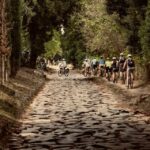
Roman roads on two wheels beat museum lines. For one full day, you’ll ride through the Appia Antica Regional Park past ruts worn into stone by centuries of chariots, with stops that can be as quick or slow as you want. It’s a rare way to feel Rome’s past without the crowds pressing in.
I especially love the mix of open-air ruins and catacombs tours on the same day. And I like that you can set your own rhythm: cruise the scenic stretches, then slow down at the big sights instead of rushing because a group schedule says so.
One thing to plan for: the route can be bumpy. Some original stone sections are rough, and parts of the ride may include puddles or occasional traffic, so you’ll want the right bike and solid water planning.
In This Review
- Key things that make this ride worth your time
- Why Appia Antica feels different from central Rome
- Getting your bike at Via Appia Antica 60 (and what to expect)
- Choosing the right bike: e-MTB vs mountain vs city
- The big ride plan: the stops that shape the day
- 1) Domine Quo Vadis (quick stop, big atmosphere)
- 2) Catacombs of St. Callixtus (40-minute guided tour)
- 3) Catacombs of Saint Sebastian (45-minute guided tour)
- 4) Circus of Maxentius (open-air imperial power)
- 5) Tomb of Cecilia Metella (the recognizable silhouette)
- 6) Capo di Bove (the road widens out)
- 7) Villa dei Quintili (massive scale, quiet ruins)
- 8) Caffarella Park (pass by for views and breathing room)
- 9) Parco degli Acquedotti (views on the way back)
- What I’d watch for on the road: surfaces, traffic, and timing
- Value check: is $22 a smart deal?
- Who should book this Appia Antica bike day
- Should you book Appia Antica with bike rental?
- FAQ
- Where is the meeting point?
- How much does it cost?
- How long is the experience?
- What bikes can I rent?
- What’s included in the rental?
- Are food and drinks included?
- What should I bring?
- Is the bike rental available in bad weather?
- What are the office hours for picking up the bike?
- Who isn’t suitable to book?
Key things that make this ride worth your time
- Customizable pace: ride when you want, pause when you want, and match the day to your interests.
- Catacombs with set guided time: St. Callixtus and St. Sebastian are guided for 40 and 45 minutes respectively.
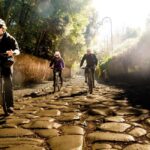
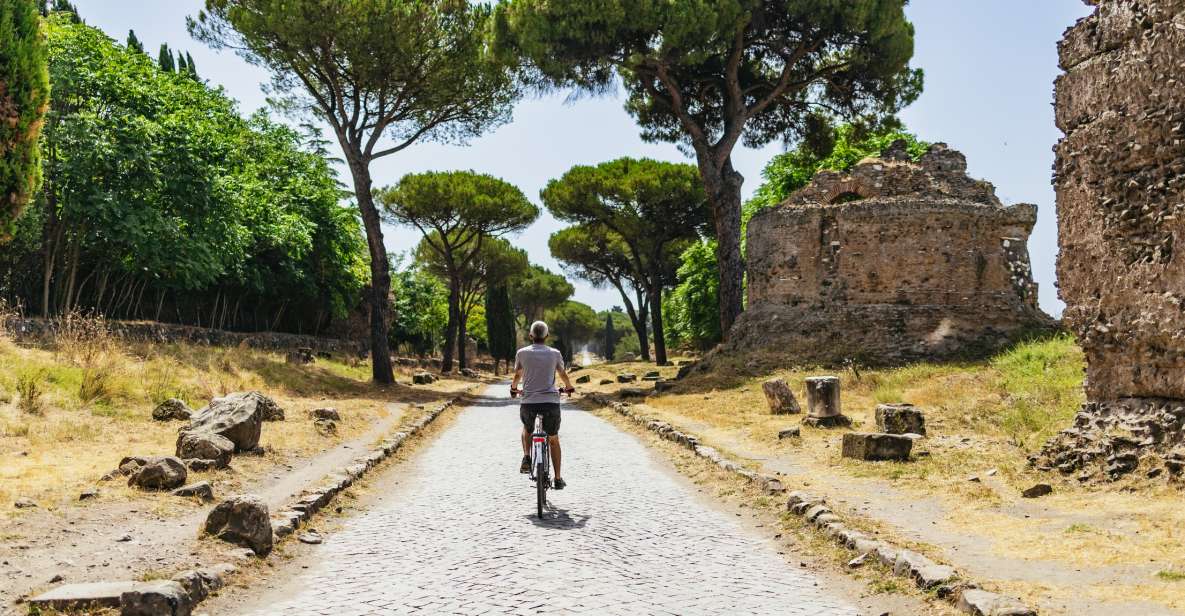
- Real “on-the-road” Roman texture: you’re cycling on ancient stone where ruts from old transport are still visible.
- Bike choice matters: e-bike or mountain bike is the smart move for rougher stretches; city bikes are not suggested.
- You get out of the center fast: it feels calmer once you leave the busiest parts of Rome behind.
Why Appia Antica feels different from central Rome
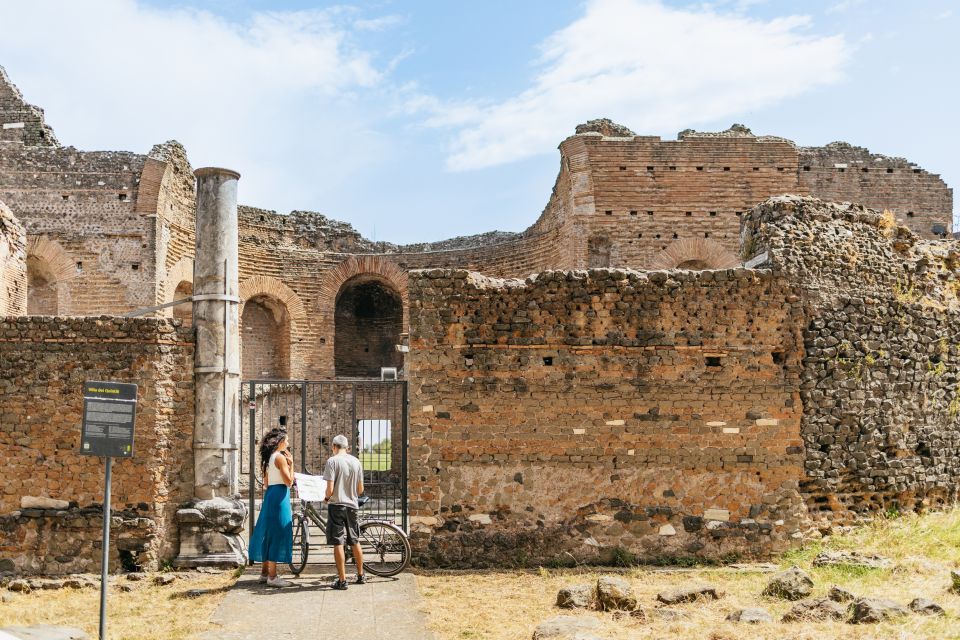
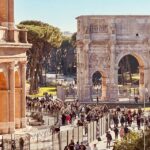
You’re not just seeing monuments. You’re riding a corridor that’s been in use for thousands of years. Even if you’ve visited a bunch of Roman sites before, cycling changes the experience: your eyes move constantly, your body absorbs the pace, and the road itself becomes the story.
A big part of the appeal is that the park is protected and spread out. You’ll pass through shaded stretches, open viewpoints, and areas where you can actually hear yourself think. That quiet is what makes the ancient sites hit harder—catacomb entrances, tombs, villa ruins, and road markers feel less like a checklist and more like you’re traveling along a timeline.
And there’s practical satisfaction here too. A bike day is efficient. You can cover ground you’d never reach on foot without turning the day into a full-on hike.
You can also read our reviews of more cycling tours in Rome


Getting your bike at Via Appia Antica 60 (and what to expect)
Your starting point is Via Appia Antica, 60, where you pick up the bike from inside the Tourist Information Office of the Appia Antica Park. That matters because you’re not hunting for a shop scattered across the city—you’re starting right at the park edge where the experience really begins.
They provide helmets and bike locks, which is a relief. You’ll still want to bring your own common-sense extras, mainly water and your passport or ID card.
Timing helps. The office runs on seasonal hours:
- Winter (end of October–end of March): Mon–Fri 9:30 AM–1:00 PM and 2:00 PM–5:00 PM, weekends/holidays 9:30 AM–5:00 PM
- Summer (end of March–end of October): Mon–Fri 9:30 AM–6:00 PM, weekends/holidays 9:30 AM–7:00 PM
Also, the rental is available rain or shine. If weather threatens, bring light rain protection so you’re not dealing with soaked clothing for hours.
Choosing the right bike: e-MTB vs mountain vs city
You can rent a mountain bike, an electric bike (e-bike), or a city bike. But the guidance is clear: city bikes are not suggested. Here’s why, in plain terms—Appia Antica includes rougher ancient surfaces. Some stretches are described as bumpy, with original cobblestone sections and uneven ground.
If you’re aiming for comfort and smoother energy, go for an e-bike. In practice, it means you spend less time fighting the terrain and more time enjoying the stops. Even if you’re a confident cyclist, the extra help can turn a stressful ride into a relaxed day where you still have energy for the catacombs.
Mountain bikes also make sense, especially if you’re comfortable riding over less-than-flat surfaces. Either way, you’ll want to dress for the reality of the route: long hours outside, possible puddles, and some segments where you might need to ride carefully along the edges.
One note on capacity: the service lists a limit of 264 lbs (120 kg), and it’s not suitable if you can’t ride a bike, have back problems, or are pregnant.
The big ride plan: the stops that shape the day
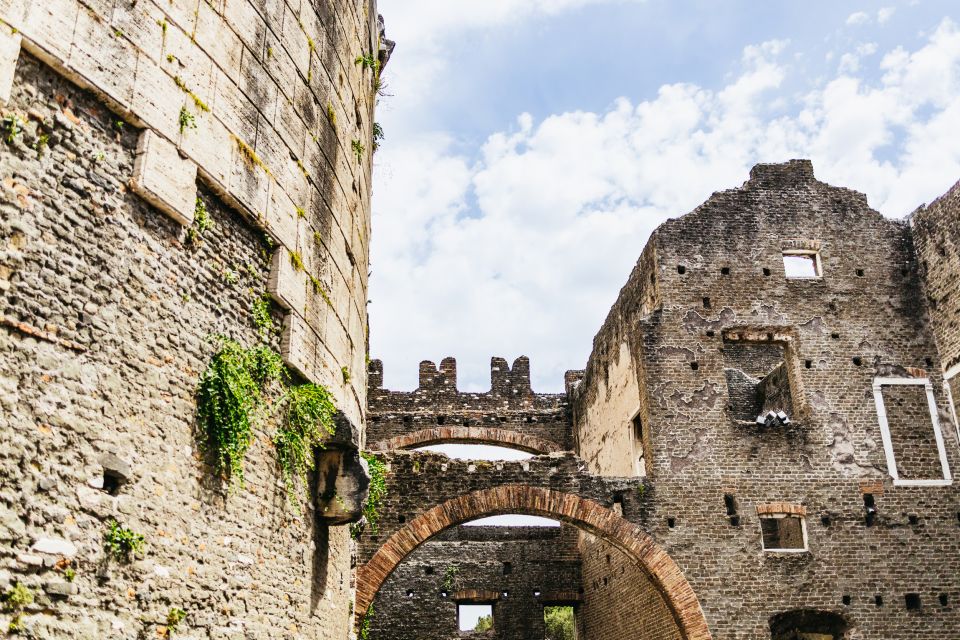
Think of this as a classic Roman “highway of the past” day. You start at the park’s edge and move through landmarks that feel like they belong to different eras of the empire—church, catacombs, imperial sites, villas, and aqueduct views. You can take breaks whenever you like, and the route is designed so the key moments are reachable without turning your day into a sprint.
1) Domine Quo Vadis (quick stop, big atmosphere)
You’ll visit the Church of Domine Quo Vadis early. This is a good “reset” moment before the underground world of the catacombs. Even if you’re not going deep into religious lore, it sets a tone: this area isn’t just ancient ruins—it’s layered, used, and remembered.
You can also read our reviews of more tours and experiences in Rome




2) Catacombs of St. Callixtus (40-minute guided tour)
Next up: catacombs of St. Callixtus. The place is described as enormous underground—about 20 km of galleries with around 500,000 corpses buried there. That scale is hard to picture until you’re actually underground, and the guided time (about 40 minutes) helps make the space understandable instead of just spooky corridors.
Practical reality: catacombs are cooler than the sun outside, but they also mean you’re walking indoors for a while. Wear shoes you’re comfortable in, and don’t plan to rush photos.
3) Catacombs of Saint Sebastian (45-minute guided tour)
Then you go to the catacombs of Saint Sebastian for a 45-minute guided tour. The site also includes a fascinating detail in the description: it connects to Gian Lorenzo Bernini’s work when he was 80 years old. That kind of cross-century link helps you see how the early Christian world stayed relevant long after Rome changed hands.
If you’re the type who needs context to enjoy underground spaces, these guided windows are one of the biggest reasons this day feels more complete than a bike-only rental.
4) Circus of Maxentius (open-air imperial power)
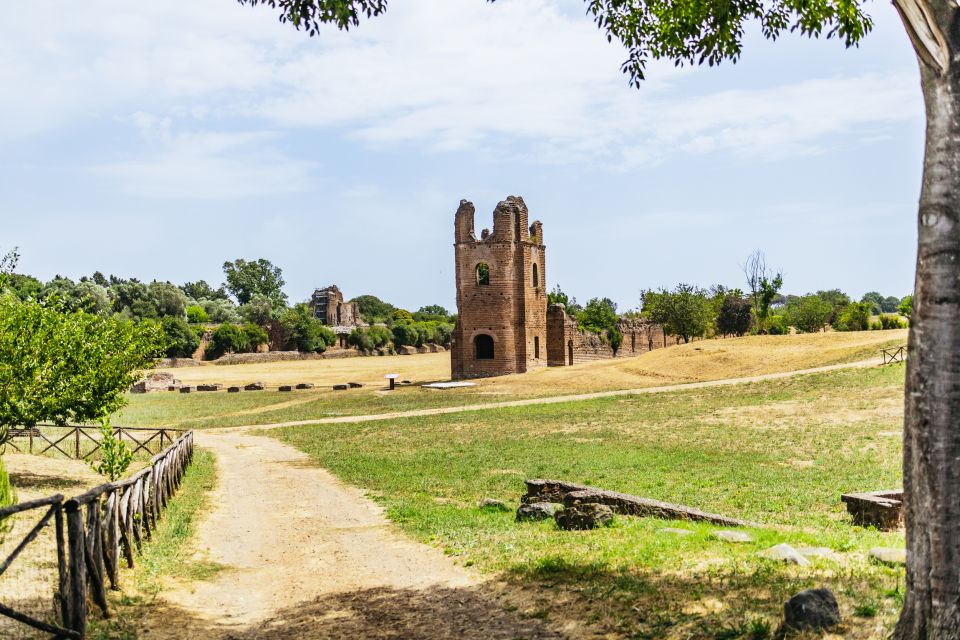
Back above ground, you visit the Circus of Maxentius. It’s a different vibe from the catacombs. Here, you’re looking at the scale of Roman public entertainment and authority—space meant for crowds, events, and spectacle.
It’s also a helpful pacing shift. After enclosed tunnels, open ruins feel like relief.
5) Tomb of Cecilia Metella (the recognizable silhouette)
The Tomb of Cecilia Metella is a standout stop because it’s visually striking and easy to grasp from a few angles. This is where the ride starts to feel cinematic: tomb, road, and open sky.
6) Capo di Bove (the road widens out)
At Capo di Bove, you’re in a part of the route that’s more about atmosphere—farther from the city rhythm and closer to the feel of countryside. It’s a good moment to slow down and just take in the road texture and surrounding ruins.
7) Villa dei Quintili (massive scale, quiet ruins)
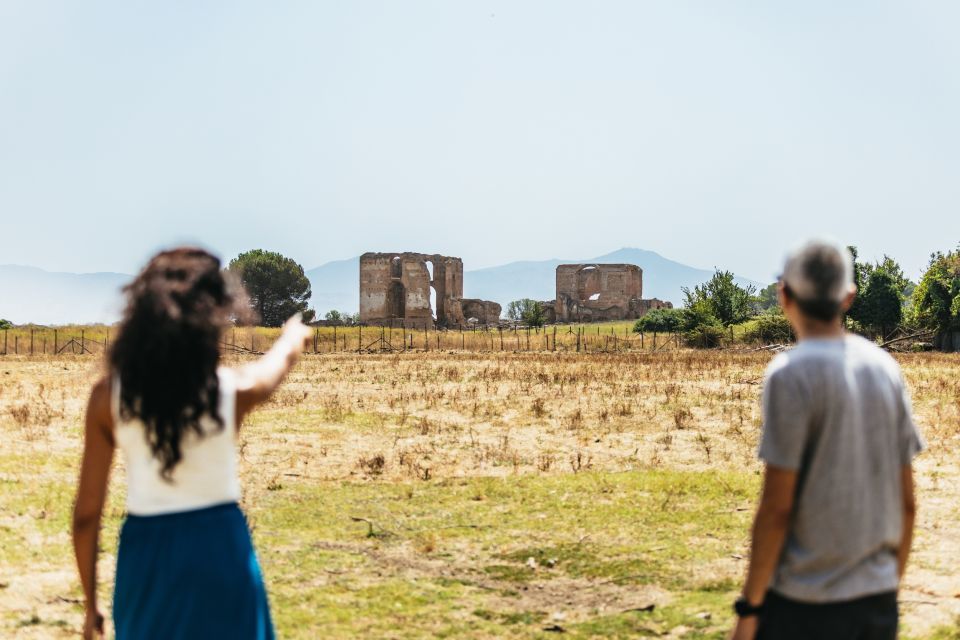
You’ll visit Villa dei Quintili, described as 24 hectares. That’s huge. What you gain here is perspective: Rome wasn’t only about temples and emperors in the center. The empire spread wealth, architecture, and land use along roads like this one.
This is also a strong stop for riders who like “wander” time—space to look and walk around without constant pressure to move along.
8) Caffarella Park (pass by for views and breathing room)
You’ll pass by Caffarella Park. Passing matters: you’re not stuck in a long detour, but you still get the sense of how much green and open space exists just beyond the most famous Roman sights.
9) Parco degli Acquedotti (views on the way back)
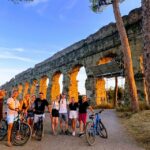
Finally you ride by Parco degli Acquedotti for scenic views. Aqueduct territory tends to reward cyclists because you’re at a human speed—close enough to appreciate structure and distance, fast enough to keep the day moving.
Then you arrive back at Via Appia Antica, 60.
What I’d watch for on the road: surfaces, traffic, and timing
This is where your day can go from smooth to annoying, fast, so pay attention.
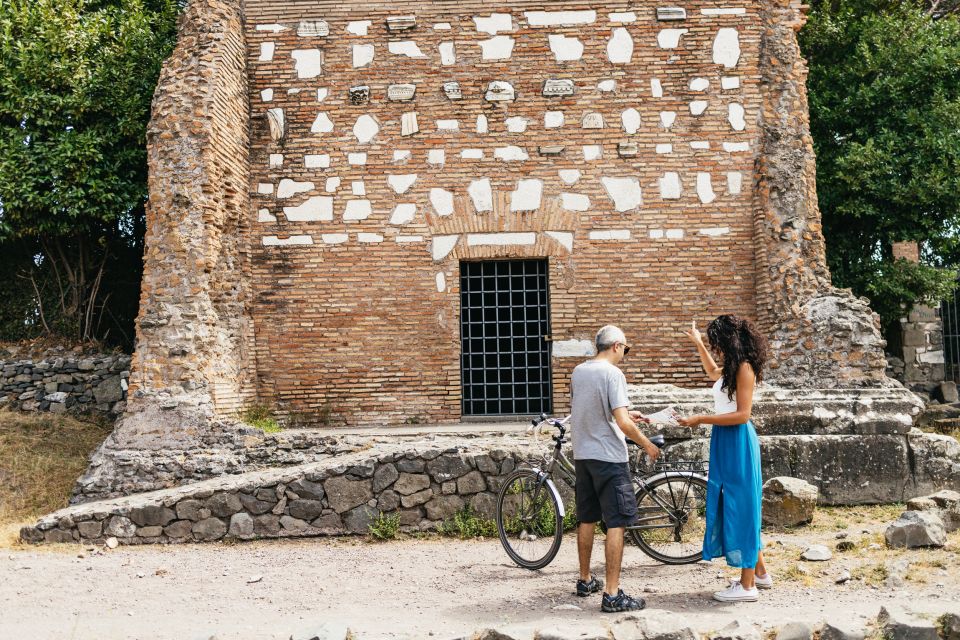
The road surface can be rough at times. You may ride over uneven flagstones and through shallow puddles. Some riders also note the deeply rutted parts can be unpleasant if you’re on the wrong tires or the wrong bike type. The good news is that this is also part of the magic—these are ancient surfaces, not modern bike lanes. You’re feeling history under you.
Some stretches can be busy, especially earlier in the day, and occasional cars or motorbikes may pass. One helpful tip: if you can plan your day around lower-traffic times (for example, some parts have car restrictions on Sundays), the “rural peace” feeling gets stronger.
Food and water planning is not optional. The data says food and drinks aren’t included, and the ride isn’t lined with constant cafés. One practical expectation: you’ll likely want to pack a picnic. Even when there are a few places to eat closer to the start area, you can’t assume you’ll have a full menu every time you get hungry.
Also, plan for fewer facilities. One account notes there aren’t toilets along the way, only at the beginning. So use facilities before you start, and keep snacks and water within reach.
Timing wise, start earlier if you want a calmer day. If you begin late (like mid-afternoon), you may not have enough time to fully enjoy the distance and the catacombs without feeling rushed. A mid-morning start gives you a better shot at finishing the longer version of the ride at a leisurely pace.
Value check: is $22 a smart deal?
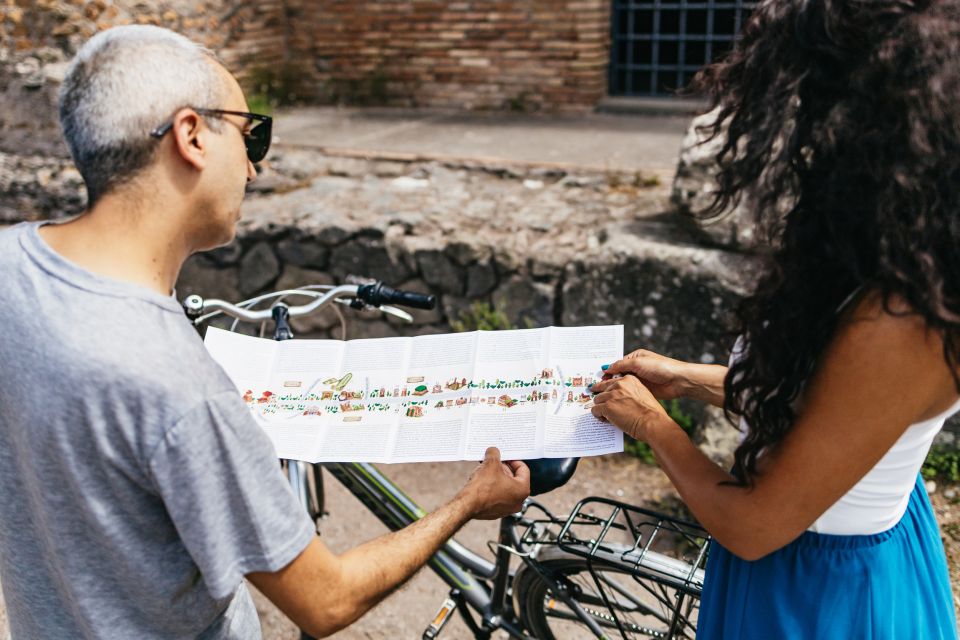
At $22 per person for 1 day, this is usually good value if you want three things at once:
1) a bike you don’t have to figure out on your own,
2) a Roman-route day with recognizable highlights, and
3) catacomb guided tours built into the experience.
Even though food isn’t included, your costs stay predictable: bike and safety gear are handled, and you get a route that hits several major stops in one day. For many people, the saved time versus planning every transport and ticket step is the real value.
What could change the math for you is your bike choice. If you’re tempted by a city bike, remember the route isn’t designed as a smooth cruise. Upgrading (if offered) can cost extra, but it can also protect your energy and reduce discomfort on the rougher sections.
If you love the idea of doing the Appian Way on your own, a self-guided version may appeal. Still, this structured mix—catacomb time plus set major stops—helps you make the day count.
Who should book this Appia Antica bike day
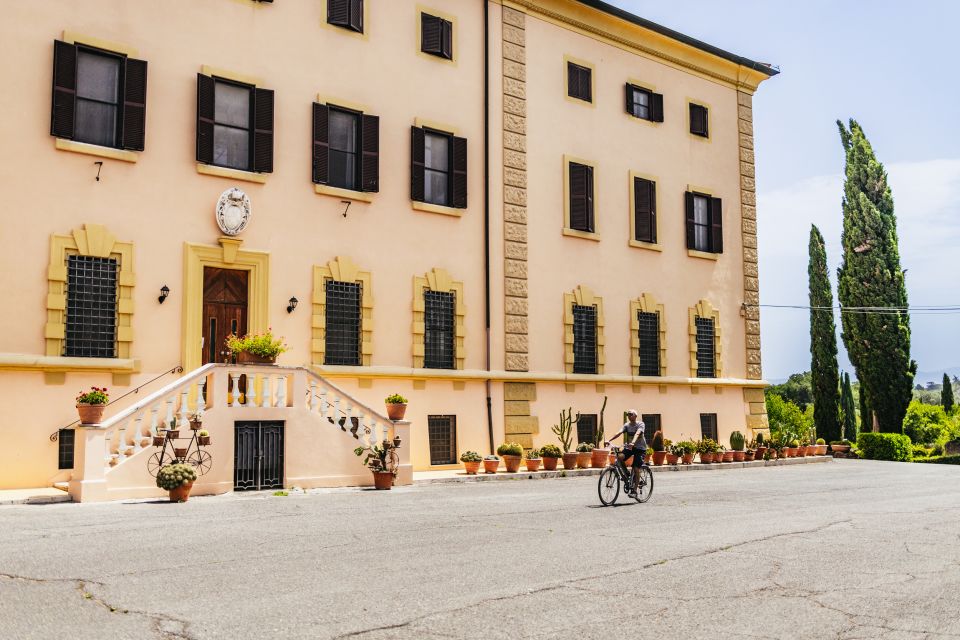
I’d book it if you want a break from central Rome’s tight sightseeing rhythm and you like your history hands-on. It’s a strong fit for:
- Couples and friends who can ride and want control over pacing
- People who want both open-air ruins and underground catacombs
- Cyclists who don’t mind uneven ground and can pack water for a long ride
- Families who can handle the child age requirements (babies under 1 year are not suitable)
It’s not a great fit if you need smooth surfaces, can’t ride a bike confidently, or have back issues. And if you’re not comfortable with bumpy terrain, you may find the ride stressful rather than fun.
One last human note: when something goes wrong, the operator’s staff appears to respond quickly and kindly. Names mentioned include Giovanni and Valentina—that sort of support matters because the day is long and mostly outdoors.
Should you book Appia Antica with bike rental?
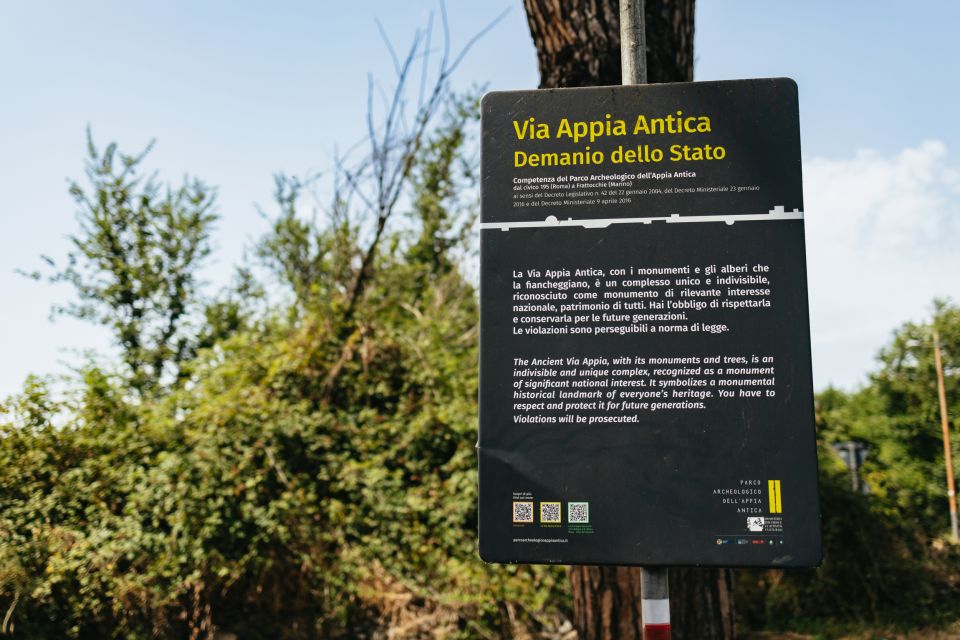
Yes, if your goal is an honest “Rome beyond the postcard” day, this is a strong choice. The biggest reasons to book are the catacombs guided tours paired with cycling on ancient road surfaces, plus the ability to set your pace instead of marching to a tour beat.
Before you reserve, do two things:
- Make sure your schedule gives you enough daylight for a full day without rushing.
- Choose a bike realistically for rough sections—e-bike or mountain bike is the safer bet than a city bike.
If you want Rome’s classics but with space to breathe, this one delivers.
FAQ
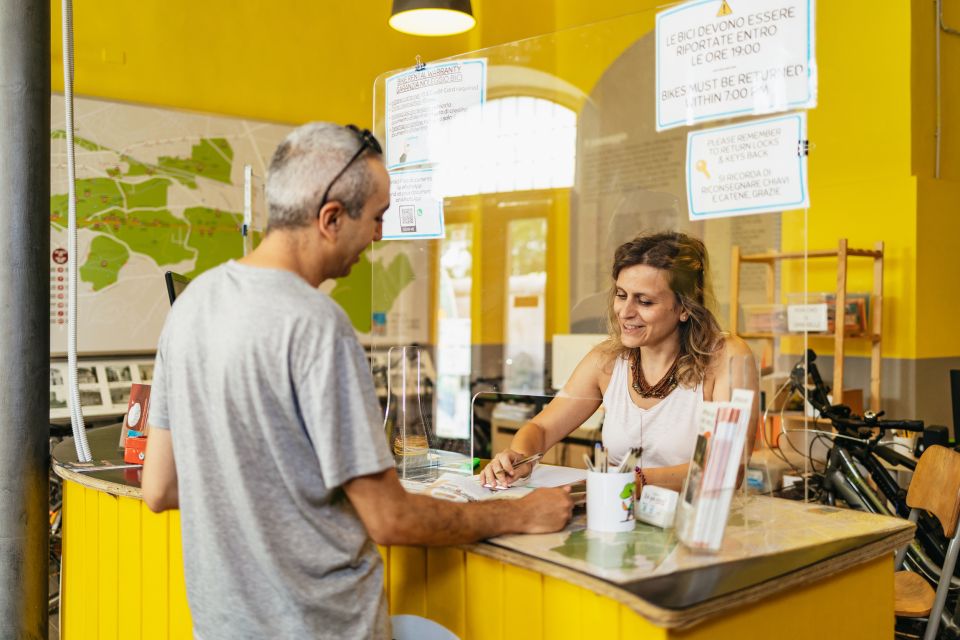
Where is the meeting point?
You pick up your bike from inside the Tourist Information Office of the Appia Antica Park, at Via Appia Antica 60.
How much does it cost?
The price is listed as $22 per person.
How long is the experience?
It’s listed as 1 day. You’ll check availability to see starting times.
What bikes can I rent?
You can rent a mountain bike, an electric bike (e-bike), or a city bike.
What’s included in the rental?
Helmets and bike locks are included.
Are food and drinks included?
No. Food and drinks are not included.
What should I bring?
Bring a passport or ID card and water.
Is the bike rental available in bad weather?
Yes. Bikes are available to rent rain or shine.
What are the office hours for picking up the bike?
Winter hours (end of October–end of March): Mon–Fri 9:30 AM–1:00 PM and 2:00 PM–5:00 PM; weekends/holidays 9:30 AM–5:00 PM.
Summer hours (end of March–end of October): Mon–Fri 9:30 AM–6:00 PM; weekends/holidays 9:30 AM–7:00 PM.
Who isn’t suitable to book?
It’s not suitable for pregnant women, people with back problems, people who can’t ride a bike, people over 264 lbs (120 kg), or babies under 1 year.