REVIEW · ROME
Popes and Artists: sex, lies and betrayals in the 1600s
Book on GetYourGuide →Operated by Roman Art and History · Bookable on GetYourGuide
Rome has a way of hiding its gossip in plain sight. This tour walks you straight through the Baroque power struggles behind the art, from popes and cardinals to the artists they depended on. I love how it turns major landmarks into story clues, and I love the small-group pace that keeps the walk lively and focused. One thing to keep in mind: it is not suitable for people with mobility impairments, and you do need comfortable shoes.
What makes it fun is the theme. You follow the threads of sex, lies, betrayal, competition, and revenge as you move between squares and churches that people usually treat like photo stops. I particularly like the way the guide ties famous names like Bernini, Borromini, and Caravaggio to the places you can actually stand in front of.
The main drawback is practical: you’re on your feet for about 2.5 hours on city streets, and the tour includes church interiors. Also, sleeveless shirts are not allowed, so plan your outfit early.
In This Review
- Key highlights worth showing up for
- Why This Baroque Story Walk Works in Rome (Trevi to Fiammetta)
- The Theme: Popes and Artists, Sex, Lies, and Betrayals
- Meeting at Via della Stamperia: Where the Tour Begins
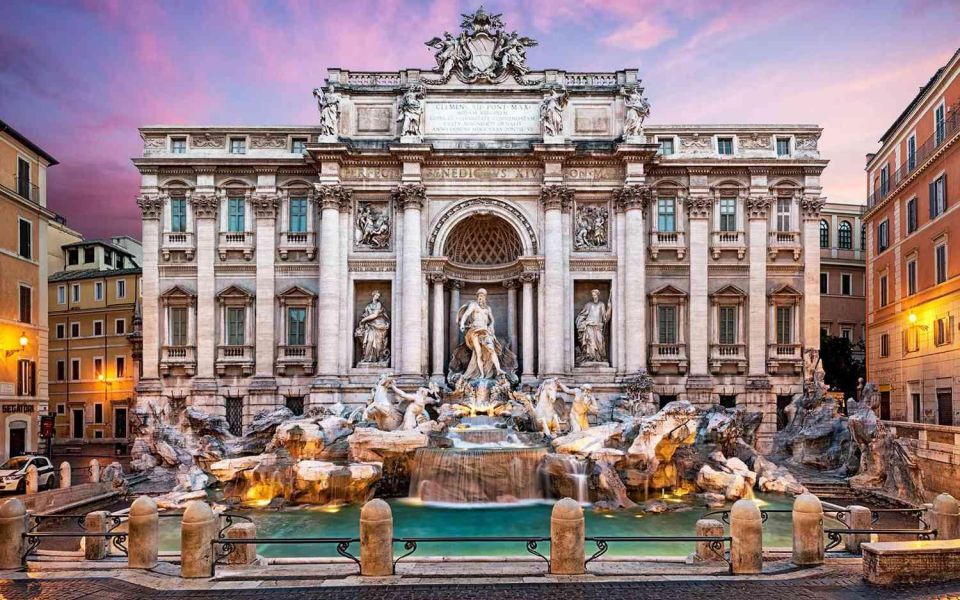
- Trevi Fountain: The Big Icon, Told Like a Clue
- Piazza di Pietra and Sant’Ignazio di Loyola: Squares, Streets, and Power
- Pantheon: Raphael’s Tomb and the Art-Politics Connection
- Church of St. Louis of the French: Caravaggio’s Trilogy Story
- Piazza Navona: A Competition You Can Feel in the Air
- Ending at Piazza Fiammetta: Love, Rumors, and Duels
- Price and Timing: What $59 Buys in Real Terms
- Who This Tour Is Best For (and Who Should Skip It)
- Should You Book Popes and Artists: Sex, Lies, and Betrayals in the 1600s?
- FAQ
- FAQ
- How long is the Popes and Artists tour?
- Where do we meet for the tour?
- Where does the tour end?
- How many people are in a group?
- What languages are available?
- Is entrance to churches included?
- Which stops are part of the itinerary?
- What should I bring and wear?
- Is the tour suitable for people with mobility impairments?
- What is the cancellation policy?
- Is there a reserve now, pay later option?
Key highlights worth showing up for
- A 1600s Rome storyline that connects popes, artists, and scandal, not just artworks on walls
- Trevi Fountain to Piazza Navona on foot, with time built in at each stop
- Church visits included, plus explanations of paintings you’ll actually see
- Caravaggio’s church trilogy story, with an unusually dramatic backstory
- A small group capped at 10, led in English or Italian
Why This Baroque Story Walk Works in Rome (Trevi to Fiammetta)
Rome is great at making you think you know the basics. You’ve heard of Trevi, you’ve seen the big domes, you’ve probably passed Piazza Navona. This tour makes you slow down and look again, using a specific angle: the 1600s Baroque world where art, politics, and personal life were tangled together in ways that still feel human.
The route is designed to keep the story moving. You start near Trevi, then you progress through the city center and end at Piazza Fiammetta. That means you’re not bouncing around Rome in fits and starts. You get a walk you can follow, with clear transitions between the public face of Rome and the more secretive, story-driven places in between.
And because it’s a small group, the guide can actually keep eye contact and pacing. You’re less likely to get the feeling of being carried along by a headset and a crowd. The vibe is more like a smart art history conversation that happens to include some surprisingly theatrical moments.
You can also read our reviews of more tours and experiences in Rome.
The Theme: Popes and Artists, Sex, Lies, and Betrayals
The selling point here is not just Baroque art. It’s the social engine behind the art. The tour focuses on the stormy souls of the men who enchanted popes and cardinals with talent, and also the friction that came from ambition—fights, competition, revenge, and the lives of courtesans.
That matters because it changes how you look. Instead of seeing art as something distant and museum-like, you start seeing it as a result of human relationships: patrons with agendas, artists with temperaments, and a city where rumors could move as fast as painters’ commissions.
You’ll hear about popes who promoted art—and popes with no mercy. That contrast is useful. It keeps the story from turning into pure glamour or pure darkness. You get the sense of a system where brilliance and cruelty could share the same rooms.
Meeting at Via della Stamperia: Where the Tour Begins
You meet at Via della Stamperia, 72, in front of the Accademia S. Luca Academy of Painting building. It’s a straightforward meetup point, and the location makes sense: you’re already in the historic core where the rest of the walk will play out.
The tour runs with a live guide in English or Italian, and the group size is capped at 10. That’s a big deal on a walking tour. Smaller groups generally mean you can stop more often without holding everyone hostage, and it’s easier for the guide to pace explanations to the actual walking rhythm.
One note for your planning: this is a walking tour through streets and churches. You’ll want comfortable shoes even if you’re used to strolling Rome.
Trevi Fountain: The Big Icon, Told Like a Clue
The first stop is the Trevi Fountain area, with about 15 minutes here. Trevi is famous, so you might think you already know it. The twist is how the guide frames it: not as a single landmark, but as part of the story the city is telling about status, attention, and who gets seen.
This early segment is also practical. It gives you a fast start in the geography of central Rome before you move on to smaller streets and building fronts. Think of it as your warm-up and orientation, while still keeping the theme front and center.
If you want good photos, arrive with the expectation of short, focused viewing time rather than hanging out indefinitely. This tour is built to keep you moving so the story can build.
Piazza di Pietra and Sant’Ignazio di Loyola: Squares, Streets, and Power
From Trevi you walk to Piazza di Pietra for another guided stop (about 15 minutes). This is one of those Rome squares where the architecture does a lot of talking. Here, the tour leans into how Baroque-era Rome functioned as a stage: public spaces for reputation, and side streets for private dealings.
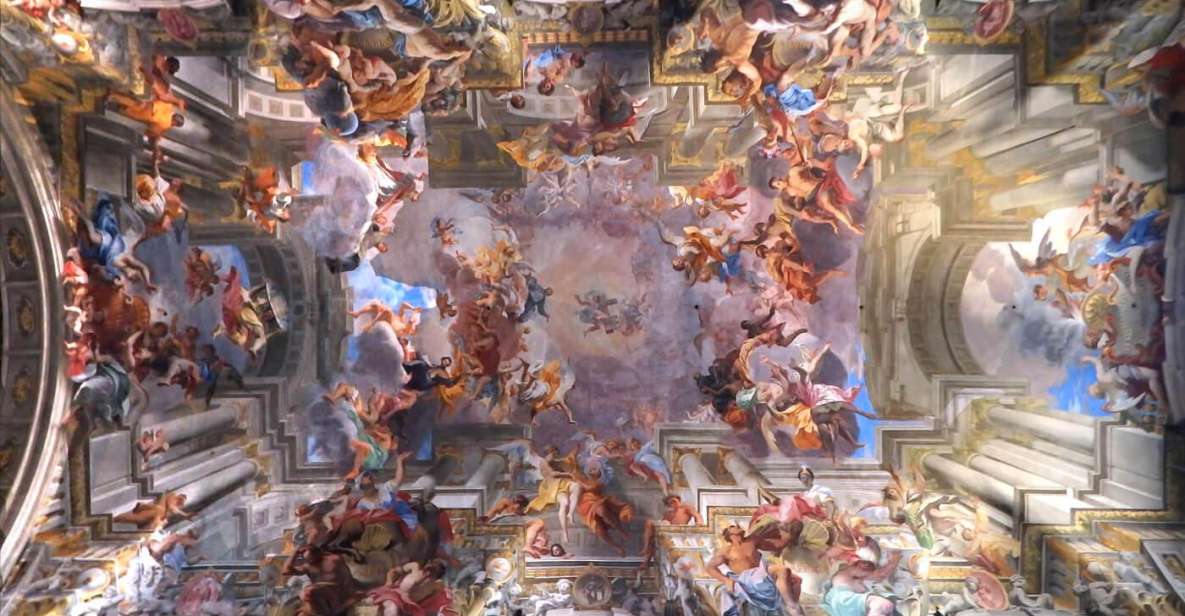
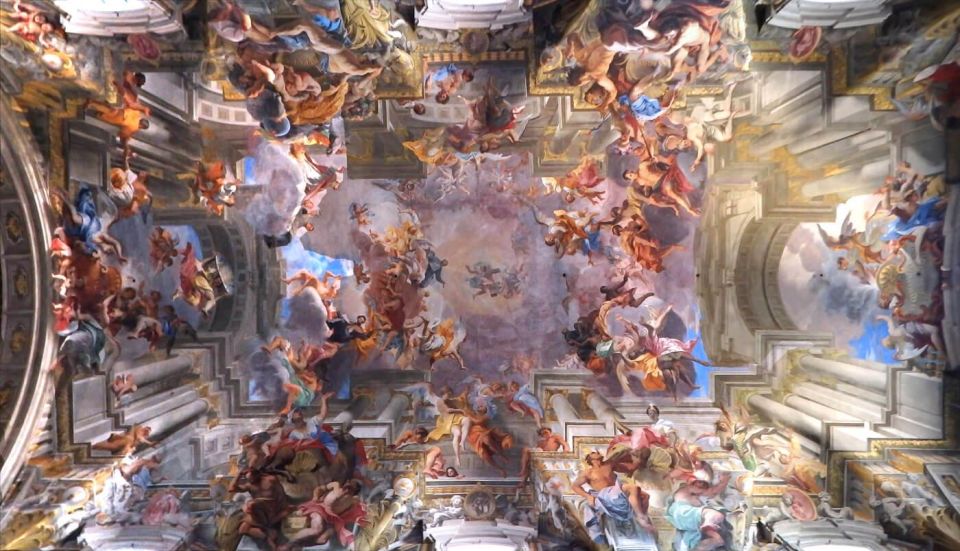
Next comes the church of Sant’Ignazio di Loyola, with about 20 minutes. Churches are where the story gets more serious, because this is where patronage, religion, and art often intersected. Since the tour includes entrance and explanations (not just looking from the outside), you get more than postcard viewing.
A practical tip: churches can feel cooler than the street, and they can require attention to dress. Sleeveless shirts are not allowed, so bring a layer if you’re traveling in warm weather.


Pantheon: Raphael’s Tomb and the Art-Politics Connection
Then you reach the Pantheon for a guided visit of about 10 minutes, including the tomb of Raphael. Even though the Pantheon is a major stop on any Rome itinerary, this tour uses it in a specific way: as a meeting point between the art world and the politics of who mattered.
Ten minutes sounds quick, but it’s enough if the guide is doing the work. The focus is on the connection you’re here to understand, not on repeating everything you’d read on a standard sign.
Why I like putting this stop in the middle: it gives you a breather. You’ve been walking and hearing the story’s gossip angle; then you pause at a place that naturally carries weight. It helps your brain reset before you go back to the more dramatic artist-centered sections.
Church of St. Louis of the French: Caravaggio’s Trilogy Story
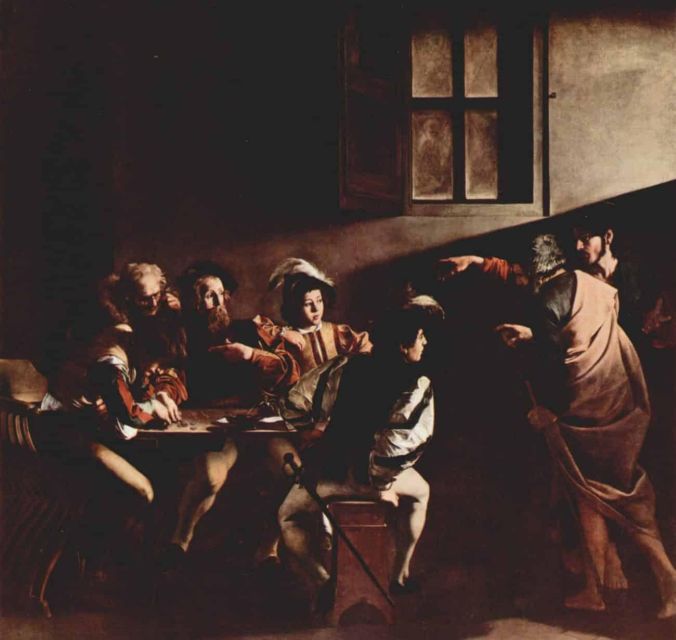
One of the main moments on the route is the Church of St. Louis of the French. You’ll spend about 15 minutes here, and the tour centers on a very specific highlight: the wonderful trilogy of paintings by Caravaggio and the unbelievable story behind them.
This is the kind of stop that makes the whole tour click. Caravaggio is already famous, but the tour doesn’t treat the paintings like distant masterpieces. It frames them as objects with backstory—work shaped by personal chaos, social pressure, and the competitive atmosphere of the Baroque era.
Even without naming every detail, this stop gives you a strong payoff for the tour’s theme. The guide’s job here is to connect what you see to the drama you’ve been hearing. If you like art history that feels like real life, this is where you’ll feel it most.
Piazza Navona: A Competition You Can Feel in the Air
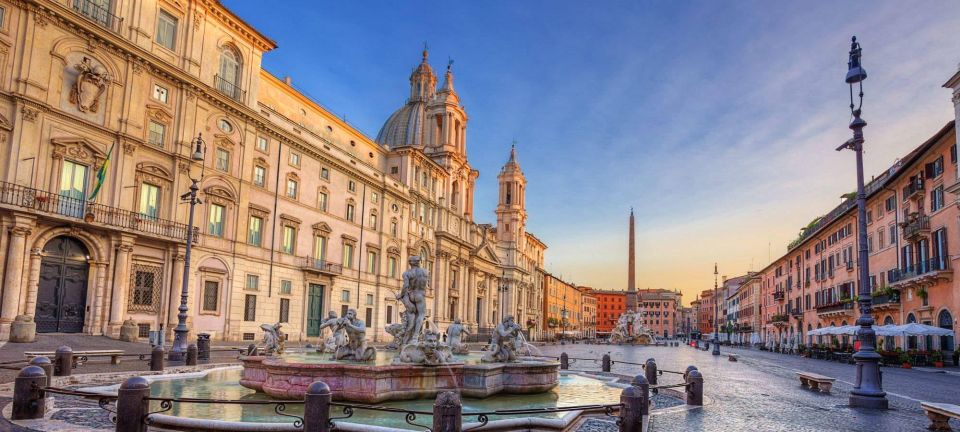
Next is Piazza Navona (about 20 minutes). This is where the tour pivots from individual art stories to wider competition in the Baroque art world. You’ll learn about the great competition between two famous sculptors, framed as something intense enough to influence outcomes and reputations.
Piazza Navona is perfect for this kind of lesson. It’s open space, it’s visually rich, and it helps you imagine the public energy of the time. You’re not just listening to history in a classroom setting; you’re seeing the kind of environment where rivalries would become public narratives.
If you’re the type who likes to understand why art looks the way it does, this stop helps. It positions artworks and commissions as results of status games and prestige battles.
Ending at Piazza Fiammetta: Love, Rumors, and Duels
The tour finishes in front of the House of Fiammetta at Piazza Fiammetta. This final stretch is about the beautiful woman of the 1500s and the duels for her love—again, tying personal drama to the broader culture around art and reputation.
Why this ending works: after stops centered on popes, cardinals, and major artistic names, you end with a story that feels personal and human. It’s a reminder that this Baroque world was driven by relationships as much as by talent.
It also gives you a clear wrap-up point. You finish with enough time to continue exploring nearby streets at your own pace, without needing to keep marching with the group.
Price and Timing: What $59 Buys in Real Terms
The price is $59 per person for a 2.5-hour experience. On paper, that’s a straightforward walking tour cost. In practice, it’s best understood as paying for three things that are harder to DIY:
First, you’re getting church entrance and painting explanations included. That means the tour isn’t just a route of outdoor photos. It’s built to use interiors as story chapters.
Second, you’re paying for a guide who can connect the locations to the theme: popes, artists, scandals, competition, and revenge. If you’ve ever walked Rome with only guidebooks, you know how much context you miss when you can’t ask questions or follow a storyline.
Third, the small-group size (10 people) helps with clarity. In a large group, you lose detail. Here, the guide can keep the explanations at a pace that works with the walking.
The main timing note is the obvious one: 2.5 hours is long enough to feel like a real walk. It’s not a quick orientation loop. If you want a light, low-effort sightseeing day, you might prefer a shorter option. But if you like structured storytelling, this duration fits the theme well.
Who This Tour Is Best For (and Who Should Skip It)
This experience fits you if you want Baroque Rome as a story, not a checklist. You’ll probably enjoy it most if you care about how art connects to real human drama—especially if you like names like Bernini, Borromini, and Caravaggio and want to see them in the context of the city’s power networks.
It also tends to suit people who appreciate strong narration. The guide, Luisa, is described as highly informative and open, with a professor-like style and enthusiasm for the material. You can expect stories you likely won’t get from standard pamphlets, with juicy details that the tour presents as historically grounded.
Skip it if you have mobility impairments, because it is not suitable. Also, be ready for churches and city walking, and plan your clothing so you’re not caught by the sleeveless-shirt rule.
If you want a quiet, contemplative art crawl, this may feel too dramatic on purpose. If you want the fun side of art history—where the stakes were personal—this is your kind of Rome.
Should You Book Popes and Artists: Sex, Lies, and Betrayals in the 1600s?
Book it if you like guided context, you enjoy the Baroque era’s mix of art and politics, and you want a route that moves you through Rome with a clear narrative. The $59 price makes more sense when you factor in church entrances and painting explanations, plus the small group size.
Think twice if you need accessibility accommodations or if 2.5 hours of walking and church stops sounds exhausting. Also, if you prefer pure art viewing without scandal as a frame, you might find the theme heavy.
If you’re somewhere in the middle—curious, open-minded, and ready to walk through Rome like a living story—this one is worth your time.
FAQ
FAQ
How long is the Popes and Artists tour?
The duration is 2.5 hours.
Where do we meet for the tour?
You meet in Via della Stamperia, 72, in front of the Accademia S. Luca Academy of Painting building.
Where does the tour end?
The tour ends in front of the House of Fiammetta at Piazza Fiammetta.
How many people are in a group?
The group is limited to 10 participants.
What languages are available?
The live guide offers English and Italian.
Is entrance to churches included?
Yes. Entrance to churches and painting explanations are included.
Which stops are part of the itinerary?
The tour includes Trevi Fountain, Piazza di Pietra, the church of Sant’Ignazio di Loyola, the Pantheon (including the tomb of Raphael), the Church of St. Louis of the French, Piazza Navona, and it finishes at Piazza Fiammetta.
What should I bring and wear?
Bring comfortable shoes. Sleeveless shirts are not allowed.
Is the tour suitable for people with mobility impairments?
No, it is not suitable for people with mobility impairments.
What is the cancellation policy?
You can cancel up to 24 hours in advance for a full refund.
Is there a reserve now, pay later option?
Yes. You can reserve now and pay later to keep your travel plans flexible.