REVIEW · ROME
From Naples, Florence and Rome: Pantheon and smart audio
Book on GetYourGuide →Operated by inStazione · Bookable on GetYourGuide
The Pantheon is even better with the right guide. This day gives you entrance + smart audio, so you can learn the story at your pace, including the city’s Pagan-to-Christian turning point in 608 tied to Pope Boniface IV and the Byzantine Emperor Foca. I also like that the audio runs well beyond the Pantheon, with 10+ descriptions and an indoor map that help you move without guessing. One thing to watch: you need a charged smartphone and you should download the full audio pack before you go, since there’s no free Wi‑Fi inside.
If you choose Naples or Florence, you get roundtrip train transport, which turns a budget day into something actually convenient. The Rome option is lighter on logistics, but you still get the entrance ticket and audio for the Pantheon. The only real drawback is that headphones aren’t included, so plan on using your own.
In This Review
- Key highlights you’ll actually feel during the day
- Smart audio + self-paced Pantheon: why this format is great
- Choosing your start point: train from Naples/Florence vs Rome-only ticket
- Inside the Pantheon: what the audio teaches you (and what to watch for)
- How long you’ll be focused on the Pantheon
- Turning one monument into a Rome day with a built-in audio route
- Caravaggio, Michelangelo, and Bernini: the smart way to hunt art in churches
- Price and value: how $6 makes sense here
- What to bring (and the one tech detail that can ruin the day)
- Wheelchair accessibility and self-paced movement
- Who this Pantheon smart-audio day is best for
- Should you book this Pantheon smart-audio day?
- FAQ
- What’s included in the Pantheon experience?
- Is there a live tour guide?
- Do I get headphones?
- What languages is the audio guide available in?
- How do I get the tickets?
- Where does it start?
- Is transportation included?
- Do I need Wi‑Fi to use the audio?
Key highlights you’ll actually feel during the day
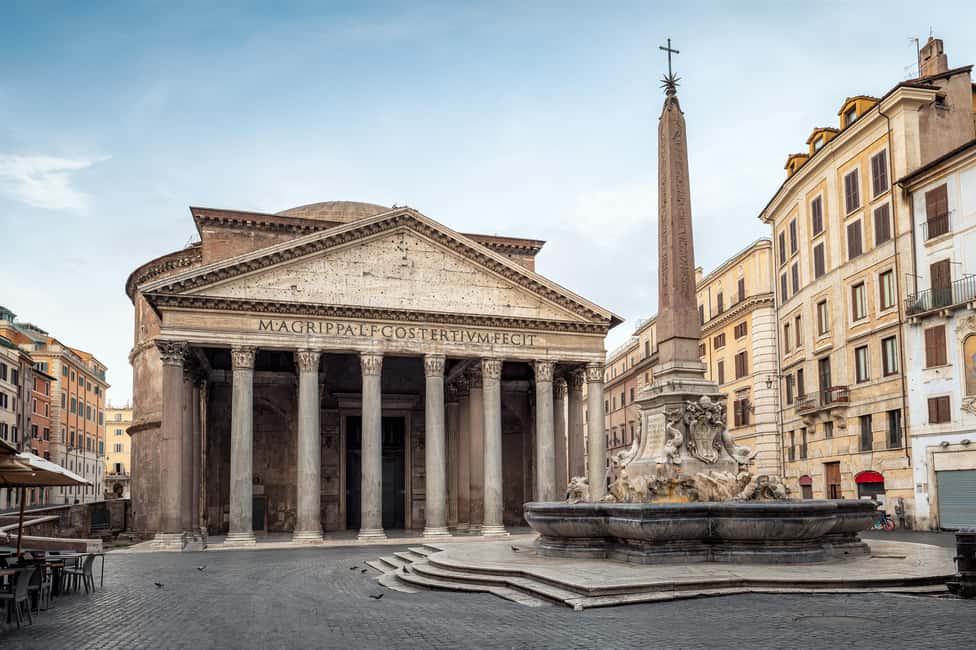
- Self-guided pacing: follow the audio when you want, skip what you don’t.
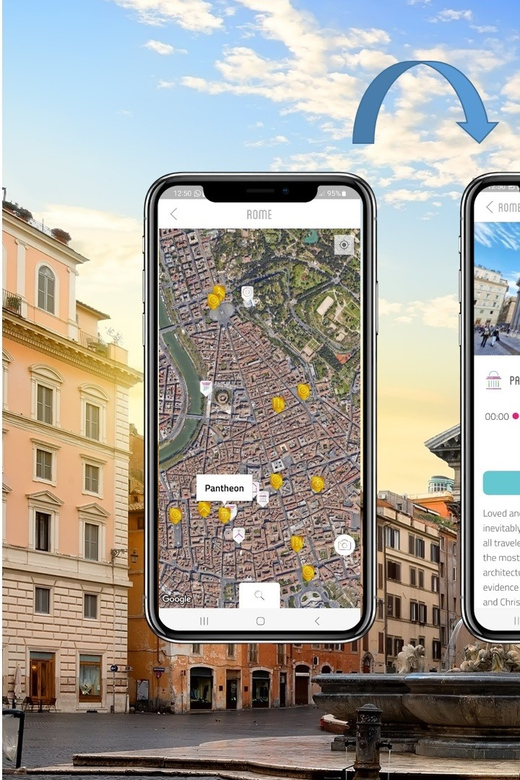
- Smart audio for the Pantheon: more than 10 audio descriptions plus an indoor map.
- A Rome route in one package: audio content that covers places like Piazza Navona, Piazza Navona, Fontana di Trevi, and more.
- History you can picture: the story connects Pagan Rome and Christianity with the sanctuary’s yielding in 608 to Pope Boniface IV.
- Art-stop add-ons after your visit: audio points you toward Caravaggio, Michelangelo, and Bernini sites, with 20+ descriptions.
- Simple start options: Firenze Santa Maria Novella, Pantheon (Rome), or Napoli Centrale.
Smart audio + self-paced Pantheon: why this format is great

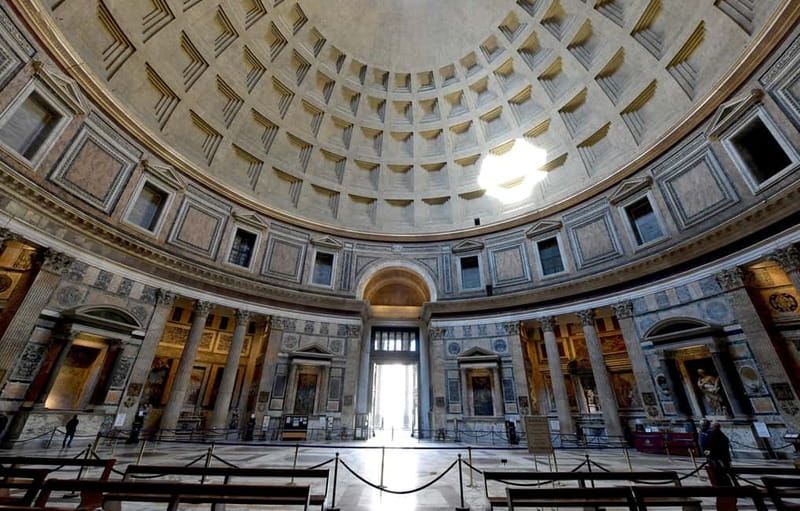
The Pantheon can overwhelm you fast. The building is famous, people move in waves, and it’s easy to just look and move on. This experience solves that with smart audio you can run on your phone while you’re standing in the right spot.
I like that you’re not locked into a group schedule. You can pause, re-listen to a segment, or take your time crossing the space and reading the audio’s cues. After a 20-minute Pantheon audio description, you’re free to continue with the rest of the Rome material at whatever rhythm fits your day.
You’ll also appreciate how the audio content is structured. The guide includes an indoor map, which matters because the Pantheon interior can feel confusing if you’re trying to figure out where to stand for each viewpoint. This is one of those small things that makes the whole day feel calmer.
You can also read our reviews of more tours and experiences in Rome



Choosing your start point: train from Naples/Florence vs Rome-only ticket

You get three departure options, and they change what’s actually included:
- From Naples or Florence: roundtrip train (included) plus the Pantheon entrance ticket and audio.
- From Rome: entrance ticket + audio only, with no included train transport.
This is where the value really shifts. If you’re already based in Naples or Florence, the train inclusion makes the $6 price feel more like a bargain than a gimmick. If you’re in Rome already, you’re paying for the ticket and the audio, and you should decide if you’d rather spend time walking yourself to the Pantheon or use your energy on other monuments.
Also note the start points:
- Firenze Santa Maria Novella
- Napoli Centrale
- Pantheon (Rome option)
If you like reducing transit decisions, the Naples/Florence options are the easier choice.
Inside the Pantheon: what the audio teaches you (and what to watch for)
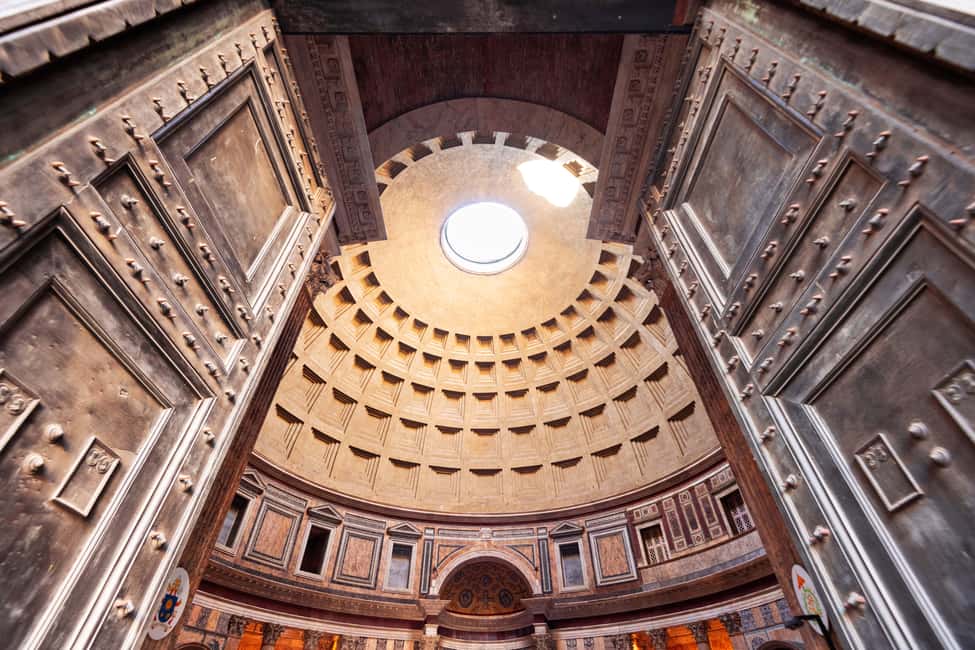
The audio guide focuses on the Pantheon’s importance and the way the building is tied to Rome’s religious and cultural transitions. One of the most interesting storylines you’ll hear is the continuity between Paganism and Christianity, sealed with the sanctuary being yielded in 608 to Pope Boniface IV by the Byzantine Emperor Foca.
That matters because it turns the Pantheon from a pretty monument into a historical hinge. You’re not only learning what happened. You’re understanding why it still feels layered: ancient meaning didn’t just vanish when religion changed. It got absorbed, reused, and reinterpreted.
The guide also leans into the Pantheon’s legends. The description you’ll follow includes darker folklore, including a legend that claims Satan himself (with a characteristically grim tone for Rome’s storytelling traditions). Whether you love legends or roll your eyes at them, the point is the same: you’ll leave with the building’s stories in your head, not just its photos on your camera roll.
How long you’ll be focused on the Pantheon
You’re set up with an initial about 20 minutes of Pantheon audio description. That’s long enough to learn the core context without dragging. Then you can keep going with other audio segments or switch to pure exploring once the main facts are in place.
Turning one monument into a Rome day with a built-in audio route
What makes this experience more than a basic entrance ticket is the scope of the audio guide. After Pantheon, the audio isn’t just repeating facts. It becomes a Rome route.
The guide is described as covering Rome beyond the Pantheon, including iconic stops such as:
- Piazza del Popolo
- Piazza Navona
- Fontana di Trevi
- other iconic monuments and churches
So instead of treating the Pantheon as a one-and-done attraction, you get a “choose your next stop” tool. If you’re tired after Pantheon, you can stay nearby and run only a couple of segments. If you’ve got energy, you can string together several piazzas and churches using the audio as your guide.
This is a good match for travelers who want flexibility. You’re not stuck waiting for a tour group to finish. You’re also not stuck with a blank screen and a roaming question in your head: Where should I go next?
You can also read our reviews of more tours and experiences in Rome




Caravaggio, Michelangelo, and Bernini: the smart way to hunt art in churches
After your Pantheon time, you’re guided toward major art sites tied to some heavyweight names.
Here’s the list the audio points you toward (and it’s one of the best parts of the day because it makes your Rome walk feel like a quest, not a stroll):
- Caravaggio paintings in San Luigi dei Francesi and S. Maria del Popolo
- Michelangelo’s Redentore in Santa Maria sopra Minerva
- Bernini statues around Piazza Navona
The audio content is said to include more than 20 audio descriptions for these later art stops. That means you don’t just get the names. You get stories and context as you stand in front of the works.
Practical tip: plan for these stops by deciding how many you truly want to see. “More” is not always better. If you try to hit everything, you’ll rush and miss the point. Pick two or three and let the audio do the rest.
Price and value: how $6 makes sense here

At $6 per person, this is priced like a budget add-on, but what you’re getting is more substantial than the price tag suggests.
You receive:
- Entrance ticket to the Pantheon
- Smart audio guide downloadable to your phone (Italian, English, Spanish, French, German)
And if you book the Naples or Florence option, roundtrip train transport is included too. That’s the kind of value that can be hard to beat in central Rome-area sightseeing days.
Now, two budget reality checks:
- Headphones aren’t included. If you travel with earbuds, you’re set. If you don’t, you may need to buy or borrow.
- The Pantheon ticket is non-refundable, so only book if your schedule is solid.
Even with those points, the overall deal is strong because you’re not just paying for entry. You’re paying for a plan to make the entry meaningful and to help you continue through Rome.
What to bring (and the one tech detail that can ruin the day)
This kind of smart audio only works if your phone cooperates. The tour info is very clear about what you must do.
Bring:
- Passport or ID card
- a charged smartphone
Then do this before you go:
- You’ll be contacted by the team so you can download the smart audio guide
- Download the full audio contents before starting your visit
- The Pantheon doesn’t have free Wi‑Fi
- Mobile network coverage is not always good
If you show up with low battery or rely on spotty coverage, the experience can fall apart right at the moment you want it most. I recommend charging fully the night before and, if possible, bringing a portable charger.
Wheelchair accessibility and self-paced movement
This activity is listed as wheelchair accessible. Since the experience is self-guided, you’re not tied to a group’s walking pace.
That said, with any historical site, your comfort depends on your mobility needs and how you prefer to move indoors and outdoors. The format helps because you control timing, but it doesn’t remove physical challenges that can come with older architecture.
If you use a wheelchair or mobility aid, this setup is still promising because the audio can keep you oriented while you take things slowly.
Who this Pantheon smart-audio day is best for

This experience fits best if you want:
- Independence: you’d rather decide your pace than follow a live guide
- History with stories: the audio covers context like the sanctuary’s 608 transition tied to Pope Boniface IV and Byzantine Emperor Foca
- Art motivation: you’ll appreciate the built-in path that points you toward Caravaggio, Michelangelo, and Bernini locations
- Language options: audio is available in Italian, English, Spanish, French, and German
If you want a live guide explaining things in real time, you might feel you’re missing that human layer because the tour is explicitly not a live tour.
Should you book this Pantheon smart-audio day?
Book it if you like structure without rigidity. The Pantheon gets you one great historical anchor, and then the audio turns the rest of your day into a Rome route that keeps you moving toward meaningful sights like Piazza Navona, Fontana di Trevi, and major church art stops.
Skip it only if you strongly prefer a live docent and you don’t want to manage audio on your phone. Also skip if you hate the idea of depending on downloads ahead of time. This day rewards preparation, and once it’s working, it’s a smooth way to see the Pantheon and more without wasting time.
FAQ
What’s included in the Pantheon experience?
You get an entrance ticket to the Pantheon and a smart audio guide downloadable to your mobile phone.
Is there a live tour guide?
No. This is a self-guided experience with audio.
Do I get headphones?
No. Headphones are not included.
What languages is the audio guide available in?
The audio guide is available in Italian, English, Spanish, French, and German.
How do I get the tickets?
You’ll receive your tickets the day before your visit, and you’ll be checked on WhatsApp.
Where does it start?
You can start from one of three meeting points depending on your option: Firenze Santa Maria Novella, the Pantheon, or Napoli Centrale.
Is transportation included?
Yes, but only for the Naples and Florence options, where roundtrip train transport is included. The Rome option provides the entrance ticket and audio only.
Do I need Wi‑Fi to use the audio?
You should download the audio guide contents before starting because the Pantheon doesn’t have free Wi‑Fi and mobile coverage isn’t always good.