REVIEW · ROME
Rome: Castel Sant’Angelo Private Tour & Skip-the-Line Entry
Book on GetYourGuide →Operated by LivTours - We craft tours, you live them · Bookable on GetYourGuide
Castel Sant’Angelo has a way of telling stories fast. This private tour gets you in with skip-the-line entry and keeps things moving with a live guide who connects the site’s layers, from Emperor Hadrian to secret corridors.
I especially love the combination of a real private group and the pace control. In a small group, guides can slow down when you want details, which matters when you’re trying to take in frescoes, rooms, and courtyard scenes without feeling rushed.
One drawback to keep in mind: at 1.5 hours, it’s not a sit-and-stare museum marathon. You’ll see a lot, but you won’t have unlimited time to wander on your own.
In This Review
- Key highlights you should care about
- Skip-the-line entry at Castel Sant’Angelo, and why it’s worth it
- Starting at St. Angelo Bridge: setting the mood before you enter
- From Hadrian’s mausoleum to the Treasury room
- Papal apartments and frescoed rooms: power behind the walls
- Torture chamber courtyard: uncomfortable scenes, explained with context
- Passeto Secreto: the secret passageway that changed the story
- The Belvedere terrace and Archangel Michael’s city guard
- How the 1.5-hour private format feels in real time
- Languages and guide quality: you’ll actually understand the story
- Price and value: $203.91 per person for 90 minutes
- Who this tour suits best (and who might prefer something else)
- Should you book this Castel Sant’Angelo private tour?
- FAQ
- FAQ
- How long is the Castel Sant’Angelo private tour?
- Where do I meet my guide?
- Does this tour include skip-the-line entry?
- Is this a private tour?
- What languages are available for the guide?
- Is Castel Sant’Angelo accessible for wheelchairs on this tour?
- Are food and drinks included?
- What is the cancellation policy?
- Can I reserve now and pay later?
Key highlights you should care about
- Skip-the-line entry through a separate entrance, so you lose less time to queues
- Hadrian’s mausoleum origins (built in 138 AD) and the Treasury room where ashes were originally placed
- Frescoed Papal apartments, with stories about popes and cardinals, including the Borgia
- Torture chamber courtyard stops and the Passeto Secreto secret passageway
- Belvedere terrace views, capped by Archangel Michael with a sword guarding Rome
- Guide-led pacing, including adjusting to walking speed (including French guide Carlotta)
Skip-the-line entry at Castel Sant’Angelo, and why it’s worth it
Castel Sant’Angelo is popular, so the big practical win here is getting skip-the-line entry through a separate entrance. That means you start your visit sooner and keep the momentum, rather than spending your Rome time in a slow-moving line.
I also like how this tour is structured around a tight route. You don’t need to figure out what matters first; the guide does that job for you. With a private format, you can ask questions in real time, and you’re not stuck waiting for the whole group to catch up.
You can also read our reviews of more private tours in Rome

Starting at St. Angelo Bridge: setting the mood before you enter
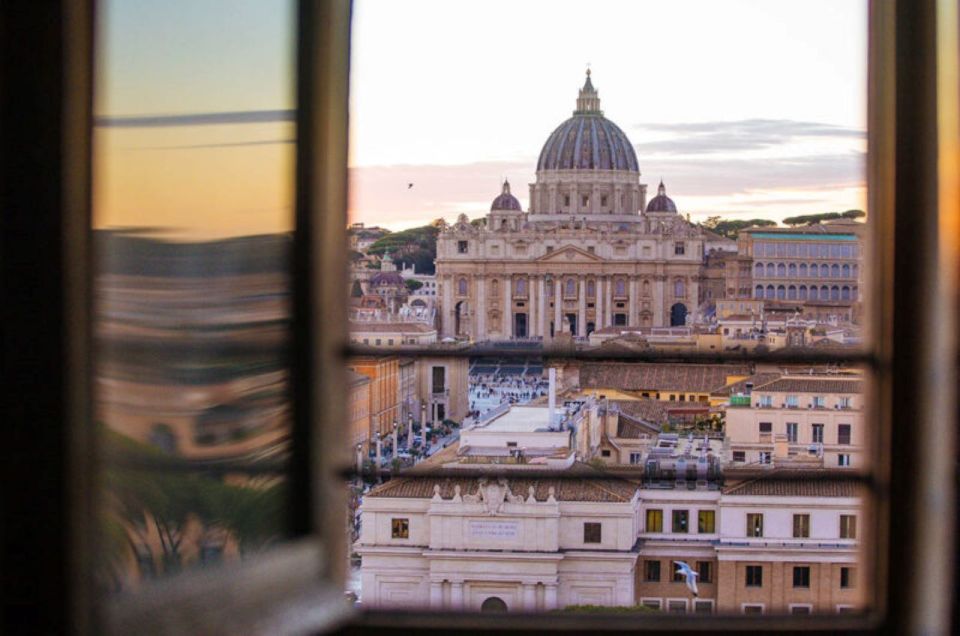
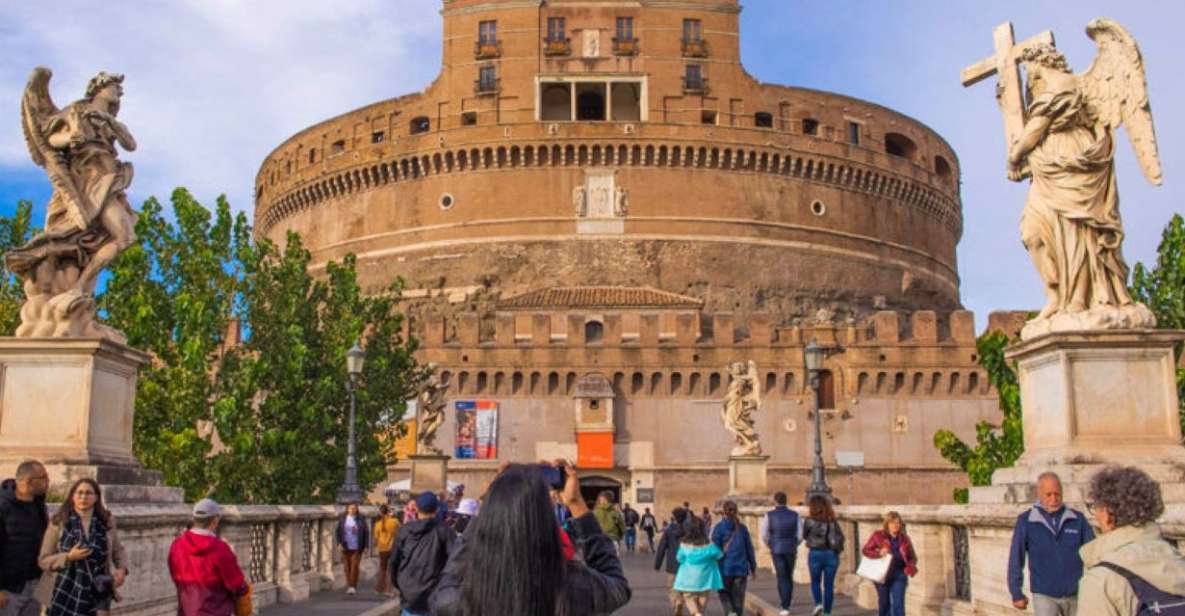
The tour begins at St. Angelo Bridge, with your guide meeting you at the Castel entrance and holding a LivTours sign. This matters more than it sounds. You get your bearings near the river and the fortress-like silhouette makes sense before you step inside.
Then you move directly into the castle experience. The timing is built for efficiency, so when you do reach the major rooms and viewpoints, you can focus on what you’re seeing instead of logistics.
From Hadrian’s mausoleum to the Treasury room
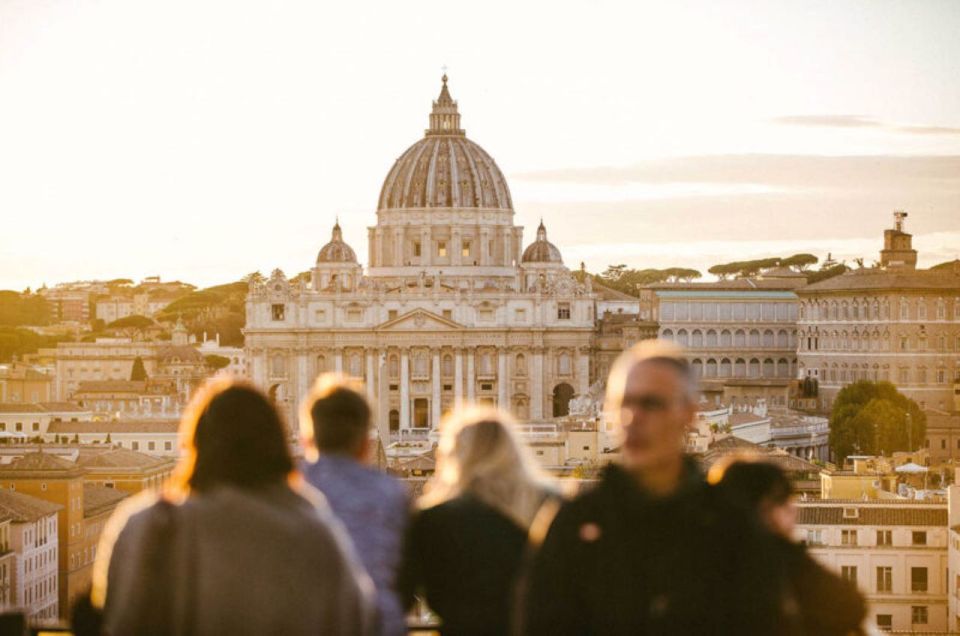
Castel Sant’Angelo starts its story in 138 AD, originally built as a funeral monument for Emperor Hadrian. On this tour, you begin by grounding yourself in that origin, which makes everything else you’ll see feel less like random rooms and more like a timeline.
One of the standout stops is the Treasury room, described as the place where Hadrian’s ashes were originally placed before the 5th-century sacking of Rome. Even if you don’t love Roman history for its own sake, I like how this stop gives emotional weight. It’s not just architecture. It’s where the site’s most personal purpose once lived.
This is also where a guide earns their fee. Instead of you reading a label and moving on, you get the connecting thread: why this space mattered, and how later uses changed the meaning of the castle.
Papal apartments and frescoed rooms: power behind the walls
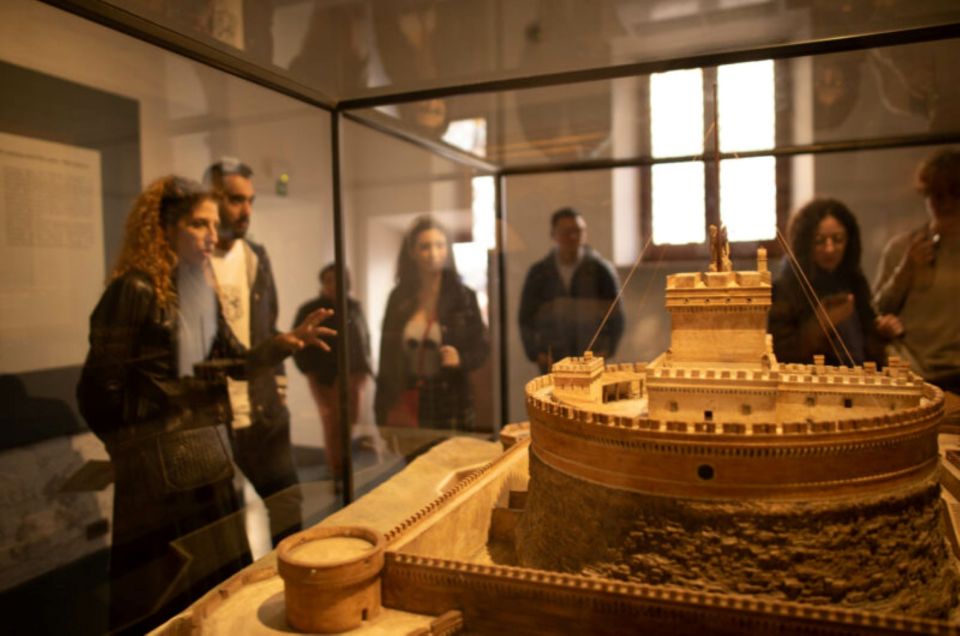
Next come the Papal apartments, where frescoes bring color to the idea of life inside the fortress. The guide explains how popes and cardinals lived here, and you get stories tied to famous names like the Borgia, plus what it meant to hide in the castle when crises struck.
I love this part because it helps you “translate” the building. A fortress can feel like stone and threat from the outside. Inside, you start to sense routines, politics, and fear braided together. Frescoes and rooms become evidence, not decoration.
There’s a balancing act here, though. The Papal apartments are part of a 1.5-hour plan. If you’re the type who wants to linger over every wall painting, you might feel the time limit. The upside is that the guide can point you to the best details without you getting lost.
Torture chamber courtyard: uncomfortable scenes, explained with context
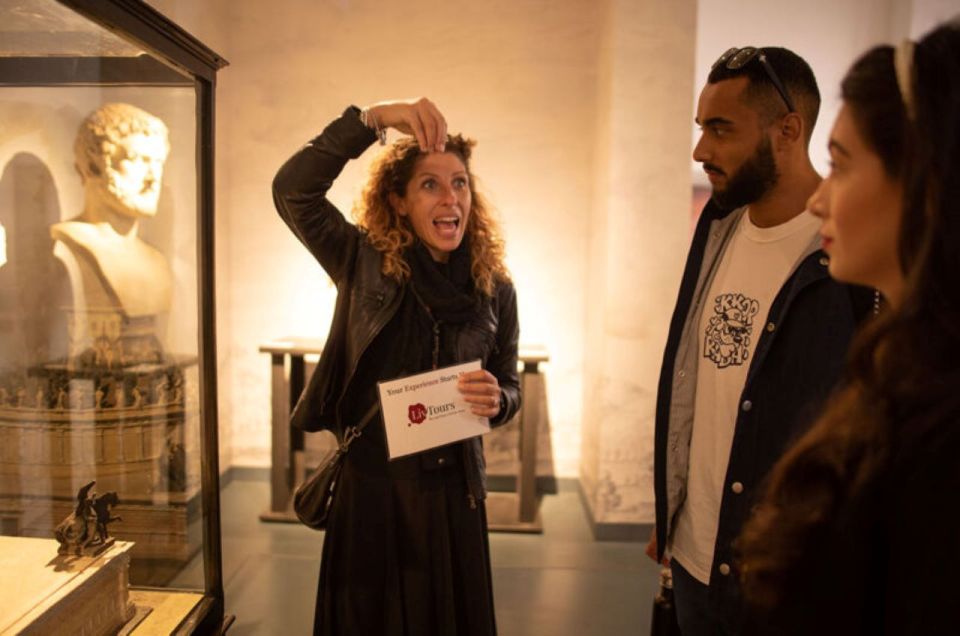
After the apartments, you’ll stand in a torture chamber in the courtyard area. This is one of those stops that can feel jarring if you’re expecting a clean, postcard-smooth museum visit.
But here’s why it can still be worthwhile: it’s not just there for shock value. The guide places it in the larger story of the castle as a tool of authority and control. Once you understand that the same structure served many roles, you stop seeing it as one theme only.
This is also where the private format helps. If you need a moment, you can take it. If you want more detail about how the castle functioned in different periods, you can ask right then instead of waiting until the end.
You can also read our reviews of more tours and experiences in Rome



Passeto Secreto: the secret passageway that changed the story
One of the most talked-about elements of Castel Sant’Angelo is the Passeto Secreto, the secret passageway that connects the castle directly with the Vatican. In this tour, you hear why this matters and how the idea became part of popular imagination—its lore famously inspired Dan Brown’s Angels and Demons.
I like this stop because it makes the castle feel practical, not just dramatic. Secret routes are a big clue about how power moves when it needs to. And even if you’ve never read the book, you’ll still appreciate the “why” behind the connection.
It’s also a good reminder that a fortress is never just about walls. It’s about movement—who could travel safely, who couldn’t, and how fast a plan could change.
The Belvedere terrace and Archangel Michael’s city guard
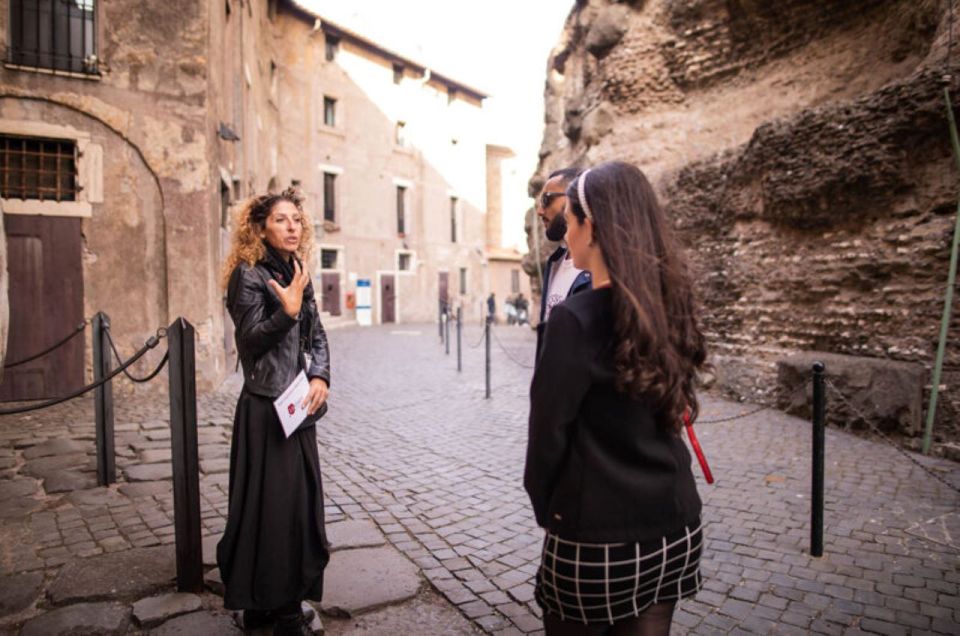
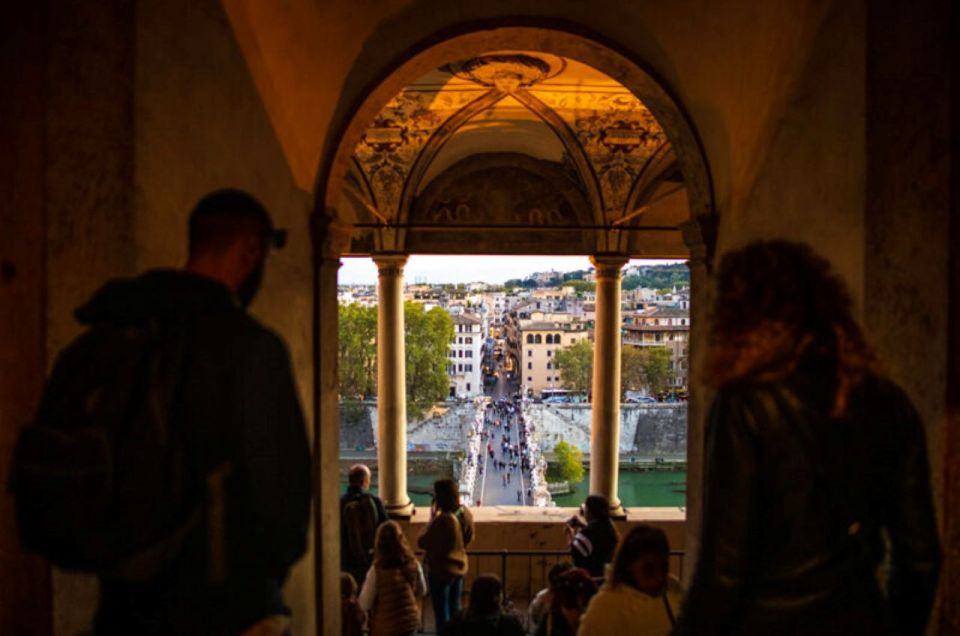
At the end, you get to the top for panoramic views of Rome from the Belvedere terrace. This is where the castle stops being only a story and becomes a view you can verify with your own eyes.
And then there’s the icon: Archangel Michael, armed with a sword, standing as a guardian figure. It’s the kind of visual that makes the castle’s name and purpose feel tied together, like the building is still watching what’s going on below.
This viewpoint is also a smart closer because it refreshes your brain after interior rooms. You’ll come out with both the details from the guide and the big picture of Rome around you.
How the 1.5-hour private format feels in real time
This is a private group tour lasting about 1.5 hours. For me, that’s the sweet spot for a castle visit: long enough to cover multiple key rooms and passages, short enough to keep energy high.
The reviews emphasize a real advantage you can feel: guides meet you where you are. One guide, Carlotta, is specifically praised for speaking excellent French and sharing highly relevant information. Another comment highlights that the guide adapted to walking speed, which is exactly what you want in a place with multiple steps from room to room.
Keep expectations aligned: you’ll get curated highlights, not freeform wandering. If you want to spend an extra hour decoding every fresco yourself, you may prefer a longer general ticket and a slower plan. But if you want the “what matters” version of Castel Sant’Angelo, this time window works.
Languages and guide quality: you’ll actually understand the story
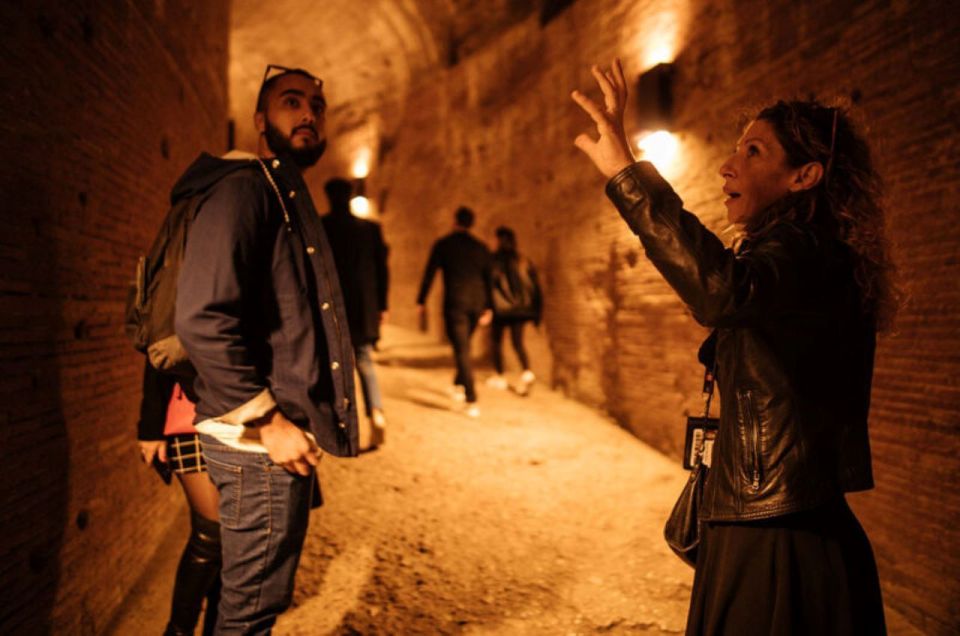
The tour offers live guiding in English, French, German, Italian, and Spanish. That’s not just a convenience. Castel Sant’Angelo’s layers can get confusing fast when you’re reading alone.
In the French-speaking experience, Carlotta stood out for delivering info that felt both clear and interesting. That’s the kind of guiding you want: not just facts, but facts you can connect.
In a short tour, good explanation makes the site feel bigger. Without it, you can end up seeing rooms but missing the relationships between them.
Price and value: $203.91 per person for 90 minutes
At $203.91 per person, this isn’t a budget add-on. So here’s the value logic I use when I’m deciding.
You’re paying for three things that reduce your friction:
- Private guiding (your questions don’t get lost in a big group)
- Skip-the-line entry through a separate entrance (time saved is real money in Rome)
- A tight, high-signal route through major moments: Hadrian, Treasury, Papal apartments, torture courtyard, Passeto Secreto, and the terrace
If you’re traveling with friends or family and you’d otherwise spend time waiting at the entrance, the skip-the-line portion can quickly justify the cost. If you’re solo and you don’t mind small-group interaction, a private format still helps because the guide can keep you moving while staying responsive.
If you’re determined to browse slowly, this price can feel steep for 1.5 hours. But for a guided highlight tour that gets past the queue, it’s more like paying for focus than paying for scenery.
Who this tour suits best (and who might prefer something else)
This tour fits well if you:
- Want a high-impact Roman landmark without handling the details yourself
- Enjoy storytelling history, especially when it links different eras of the same building
- Prefer a private setting where pace can match your comfort level
- Like your tours to end with real city views, not just rooms
You might choose differently if:
- You want a long, self-paced explore where you can linger in every corner
- You’re hoping for a full day itinerary that also includes food, shopping, or stops around the neighborhood (this one doesn’t include food and drinks)
Should you book this Castel Sant’Angelo private tour?
I’d book it if you care about time and clarity. The combination of skip-the-line entry, a private live guide, and a route that hits the essentials in about 1.5 hours is a strong match for a Rome trip that already has a packed plan.
If you’re on the fence, do this quick check: do you want an explained visit that connects Hadrian’s origin, Papal life, the darker courtyard scenes, and the Passeto Secreto legend—then closes with panoramic views? If yes, this tour is built for you.
FAQ
FAQ
How long is the Castel Sant’Angelo private tour?
The tour lasts about 1.5 hours. Starting times vary by availability.
Where do I meet my guide?
Meet your guide at the entrance of Castel Sant’Angelo. The guide will be holding a LivTours sign, and the tour starts near St. Angelo Bridge.
Does this tour include skip-the-line entry?
Yes. You get skip-the-line entrance tickets and enter through a separate entrance.
Is this a private tour?
Yes, it’s a private group tour.
What languages are available for the guide?
The tour offers live guiding in English, French, German, Italian, and Spanish.
Is Castel Sant’Angelo accessible for wheelchairs on this tour?
The activity is listed as wheelchair accessible.
Are food and drinks included?
No. Food and drinks are not included.
What is the cancellation policy?
You can cancel up to 24 hours in advance for a full refund.
Can I reserve now and pay later?
Yes. The option is reserve now & pay later, with payment due later.