REVIEW · ROME
Fettuccine, Ravioli and Tiramisu Pasta Making in Rome
Book on GetYourGuide →Operated by Eat and Walk Italy · Bookable on GetYourGuide
Homemade pasta in Rome still feels like magic. This chef-led fettuccine, ravioli, and tiramisù workshop in central Rome is a hands-on way to learn Italian technique and then sit down to eat what you made.
I like two things a lot: you start with the basics (flour and eggs) and actually form both pasta doughs yourself, and you get to finish with desserts plus a proper meal at the same place. A small heads-up: the $82 price covers exactly what you cook and the drinks listed, but extra food or drinks aren’t included, so come hungry but don’t assume an unlimited spread.
In This Review
- Key Points You’ll Care About
- A 3-Hour Rome Class That Turns Cooking Into a Souvenir
- Where You Meet: Gusto Restaurant in the Center of Rome
- First Up: Tiramisu Tools, Ingredients, and the Technique You Can Reuse
- Making Homemade Fettuccine From Flour and Eggs
- Stuffed Ravioli: Working the Dough and Assembling the Filling
- The Tasting: Wine During the Class and a Real Meal at the End
- Food Choices, Portions, and What the $82 Actually Buys
- English Instruction in a Rome Kitchen: Who This Fits Best
- What to Expect From the Chef-Led Flow
- Should You Book This Pasta Making in Rome?
- FAQ
- How long is the pasta-making experience?
- What dishes will I learn to make?
- Where is the meeting point?
- What is the price per person?
- Is the class taught in English?
- What sauces are available for the fettuccine?
- What is included with the ravioli?
- What drinks are included?
- Is tipping included?
Key Points You’ll Care About
- Make three dishes from scratch: fettuccine, stuffed ravioli, and tiramisù
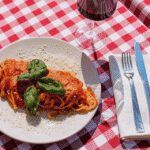
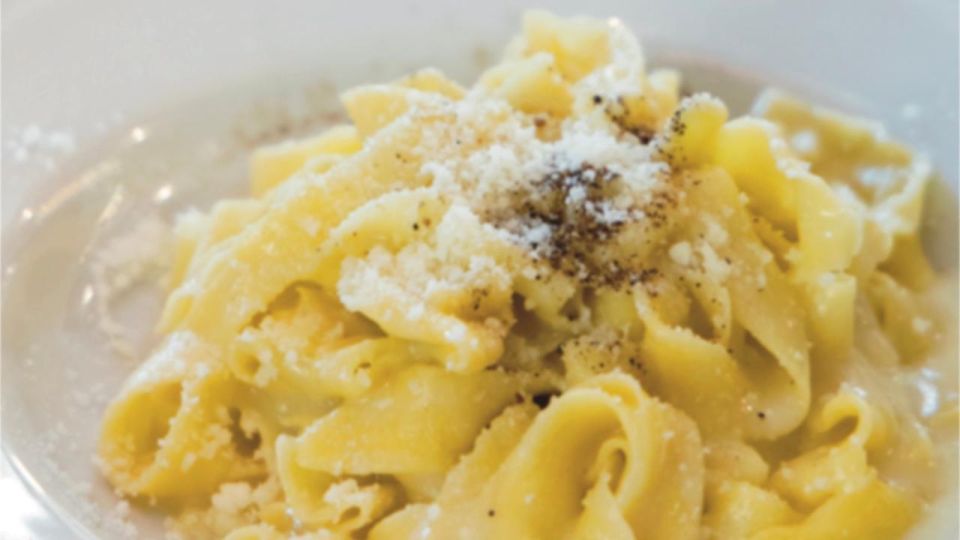
- Choose your fettuccine sauce: tomato and basil, cacio e pepe, or amatriciana
- Ravioli comes with butter and sage as part of the tasting
- You’ll drink during the class with wine or a non-alcoholic option, plus limoncello or coffee at the end
- English instruction at a central, cozy Gusto Restaurant location in Rome
A 3-Hour Rome Class That Turns Cooking Into a Souvenir
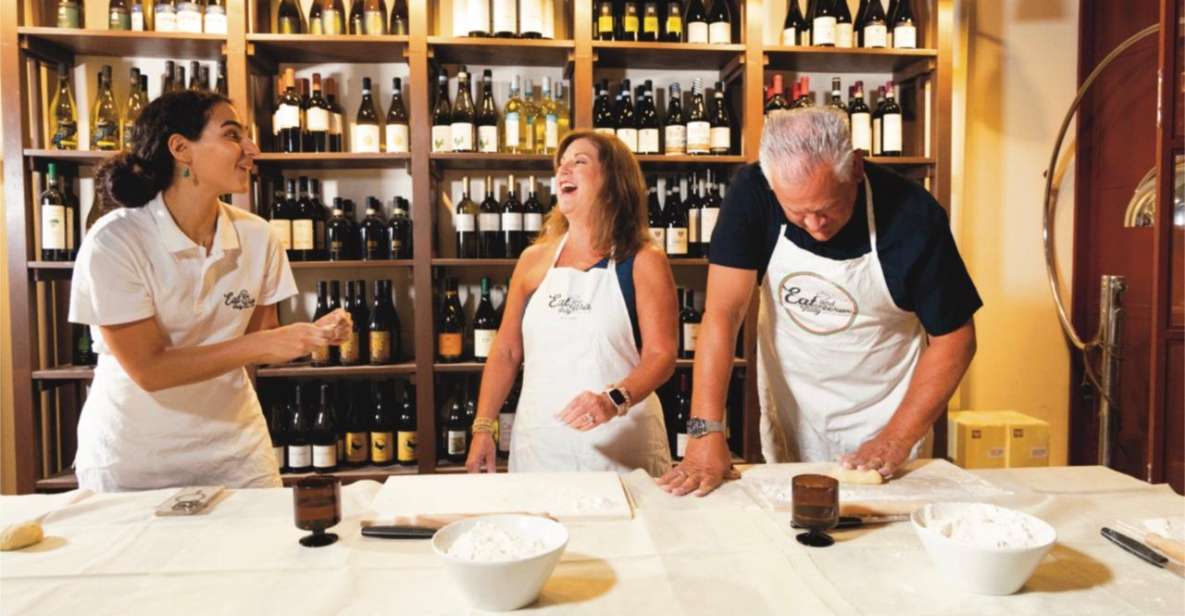
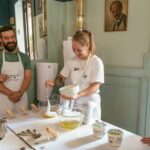
This experience is built around the moment when you stop watching and start doing. In about three hours, you learn how to make homemade fettuccine and ravioli from simple ingredients, then you tackle tiramisù, one of Italy’s most famous desserts. It’s not just about eating in Rome. It’s about leaving with technique you can repeat at home, even if you’re not trying to recreate Roman restaurants line by line.
I also like the rhythm of the session. You’re guided through dough and assembly, then you shift into tasting mode, with a glass of wine and a warm sit-down meal. That matters because the best cooking classes help you connect what you made to how it tastes right away, instead of treating the meal as an afterthought.
You can also read our reviews of more cooking classes in Rome


Where You Meet: Gusto Restaurant in the Center of Rome
You’ll meet your chef at Gusto Restaurant, Via Giuseppe Zanardelli 14. Plan to arrive about 10 minutes early so you can get settled before the cooking starts.
Because it’s in central Rome, you’re not commuting for a half-day just to get to the kitchen. If you’re doing Rome sightseeing on the same day, this kind of location helps you fit the class in without feeling like you’re losing your whole schedule to travel.
One practical note: pets aren’t allowed, so if you’re traveling with an animal, you’ll need to arrange care separately.
First Up: Tiramisu Tools, Ingredients, and the Technique You Can Reuse
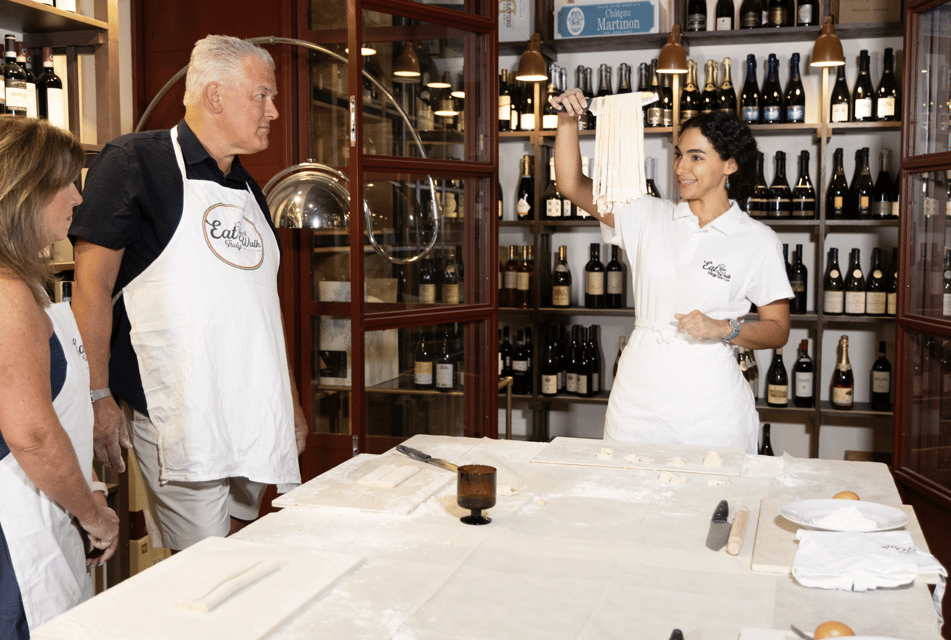
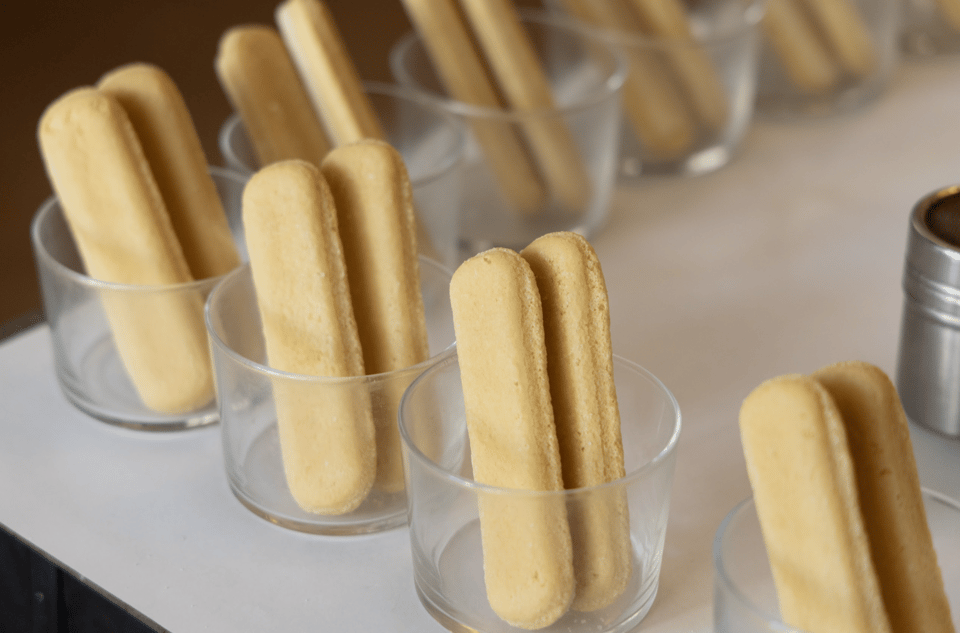
The class begins with tiramisù. You’ll learn how to prepare it using the necessary ingredients and tools, with a chef guiding you step by step. That opening is smart for two reasons.
First, tiramisù is a dessert where the process matters as much as the flavors. Getting the assembly steps right is the difference between something that’s creamy and layered versus something that’s uneven. Second, starting with dessert helps you build momentum. You’re not waiting until the end to feel like you accomplished something.
By the time you’re done with the main prep work, you’ll have your own tiramisù to savor at the end with everyone else. Since your tiramisù is included, you’re not just tasting a sample. You’re finishing with something you made with your own hands.
Making Homemade Fettuccine From Flour and Eggs
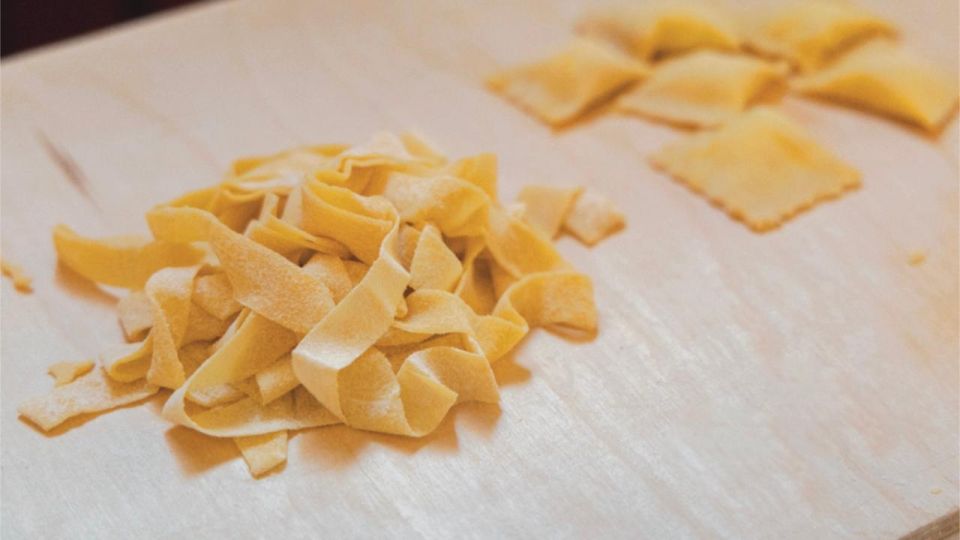
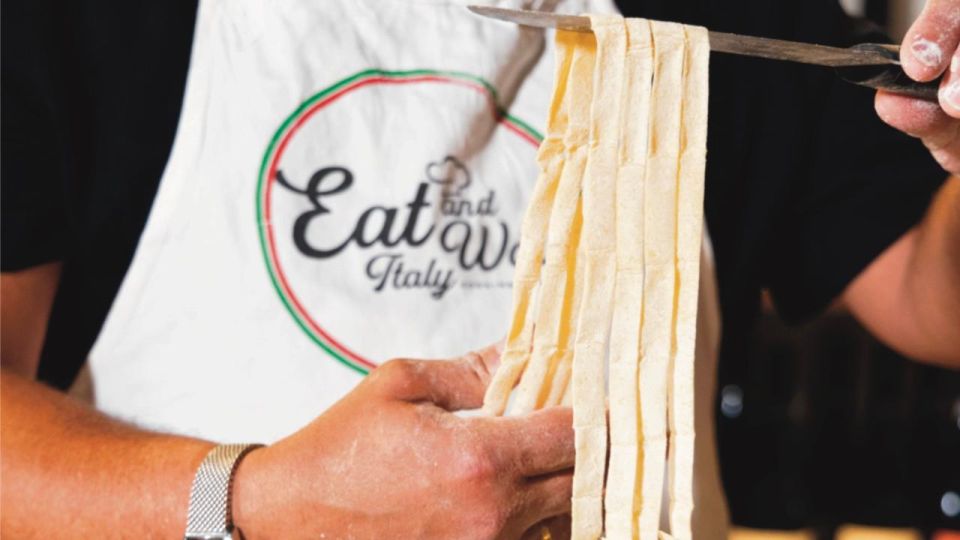
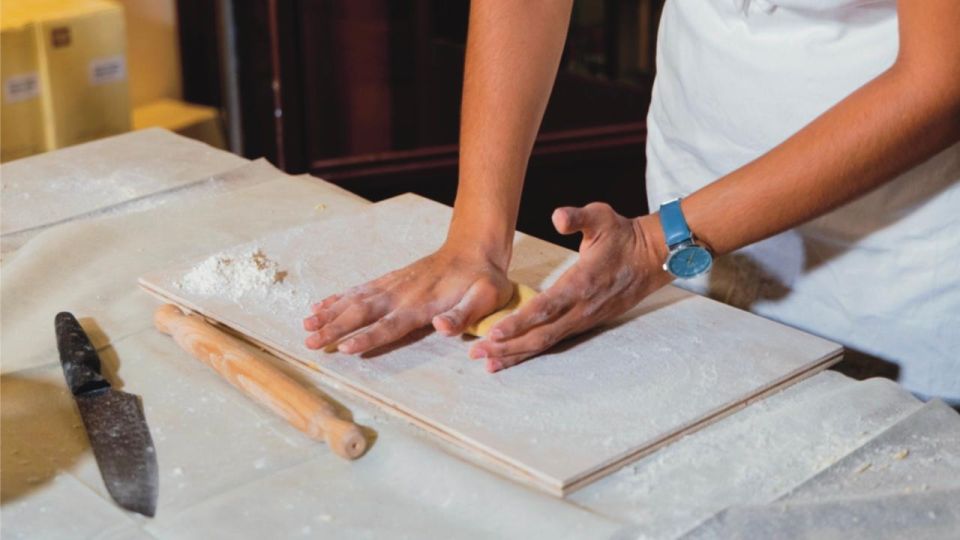
Next comes the pasta dough work. You’ll learn to create the fettuccine using flour and eggs, starting from scratch. That’s the core value of this class: it teaches you how Italian pasta starts before it becomes noodles.
What I find useful here is that you’re not just mixing ingredients and hoping. With instruction, you learn how pasta dough changes as you work it. Even if you don’t remember every detail, you’ll remember the feel: the shift from dry to workable, the way the dough firms up, and the general logic of shaping pasta.
Then your fettuccine doesn’t end as an experiment. It becomes part of your meal. You’ll eat it with a sauce of your choice:
- Tomato and basil
- Cacio e pepe
- Amatriciana
That choice is a fun lever for your own taste. If you want something more tomato-forward, go with tomato and basil. If you’re curious about simplicity and cheese-forward comfort, cacio e pepe is a great fit. If you like bold, Roman-leaning flavor, amatriciana hits that note.
Stuffed Ravioli: Working the Dough and Assembling the Filling
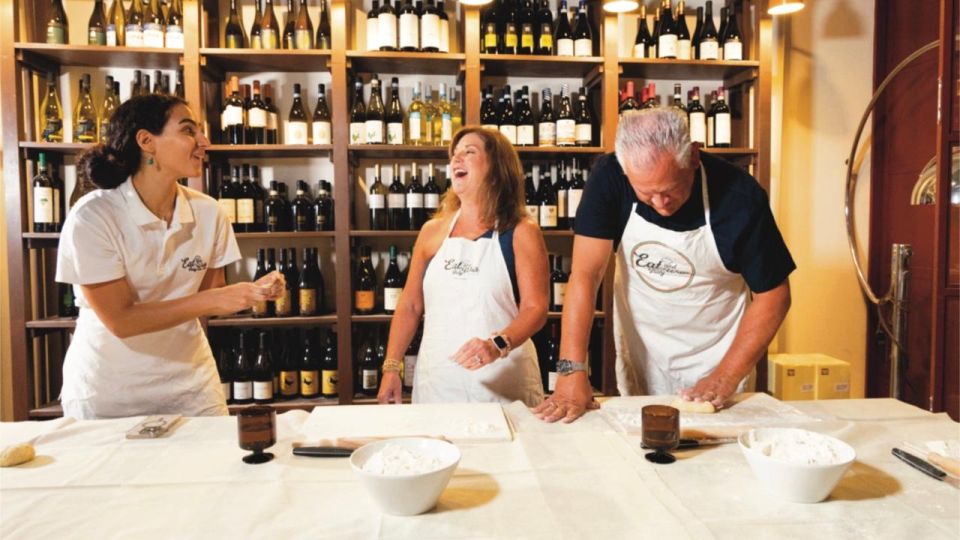
After fettuccine, you move to ravioli, which means you shift from rolling dough to thinking in parts: filling, portioning, sealing, and making sure the ravioli holds together. The class keeps it grounded—again, you’re starting with flour and eggs, then building the pasta into a stuffed shape.
Your ravioli will be served with butter and sage during the tasting. I like this pairing because it doesn’t try to hide the pasta. Butter coats, sage perfumes, and the ravioli becomes the star.
If you’re the type of traveler who likes skills that feel tangible, ravioli is a good test. It’s harder to fake, because the sealing and structure show immediately. You’ll feel the difference between a pasta project and a pasta craft.





The Tasting: Wine During the Class and a Real Meal at the End
The latter part of the workshop is where the pace eases. You’ll relax with a glass of wine and sample the dishes you made.
Here’s what you can expect in the tasting portion:
- Fettuccine with the sauce you chose (tomato and basil, cacio e pepe, or amatriciana)
- Ravioli with butter and sage
- Tiramisu made by you, served as the finishing treat
And it doesn’t stop at one drink. Your included beverages include a glass of wine or a non-alcoholic beverage, plus water, plus either a glass of limoncello or coffee. That’s a nice, practical touch. It rounds out the meal so you don’t have to decide what to add after you’re done cooking.
Food Choices, Portions, and What the $82 Actually Buys
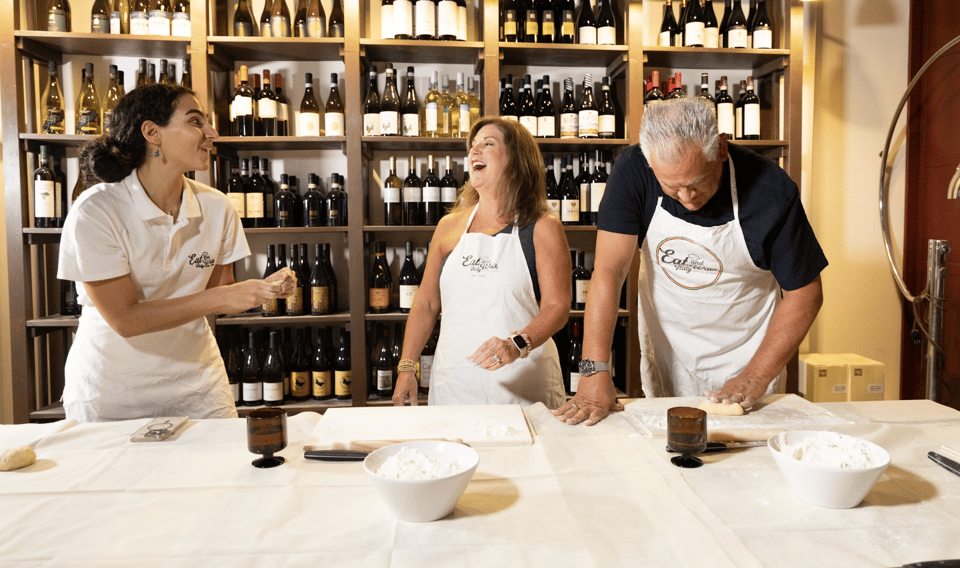
The price is $82 per person for a three-hour session. I see it as value because you’re paying for three things at once:
- Instruction and guidance on three recipes (fettuccine, ravioli, tiramisù)
- Ingredients and the meal you eat afterward
- Included drinks that match the experience (wine or non-alcoholic option, plus limoncello or coffee)
What’s not included is equally important. Tips or gratuity aren’t included, and additional food or beverages beyond the listed items aren’t included. So if you’re a big eater or you want extra drinks, you may need to plan for that.
Also, because the class is time-limited to three hours, it’s best thought of as a focused culinary activity rather than a full day of food wandering.
English Instruction in a Rome Kitchen: Who This Fits Best
The instructor is English-speaking, which makes the class much more accessible if you don’t speak much Italian. You’ll be able to follow the process clearly, ask questions, and understand what you’re doing instead of just copying hand motions.
This experience is a great fit if:
- You want a hands-on Rome activity that doesn’t feel like a museum stop
- You enjoy cooking and want skills you can bring home
- You like the idea of eating your own work in the same setting
It may not be ideal if:
- You’re only interested in a quick bite and don’t care about making the food
- You’re traveling with very young children, because it’s not suitable for children under 4 years
Pets aren’t allowed, which can matter for some families and pet owners.
What to Expect From the Chef-Led Flow
The class follows a clear structure: dessert first, then two pasta types, then a relaxed tasting. That order keeps you from feeling overwhelmed. You start with tiramisù, then move into dough work, then you finish by sampling everything together.
One detail worth noting: the chef is central to the experience. In one recent account, the class felt fun and well guided by Andre, who handled the pasta and tiramisù instruction in a way that made the whole session enjoyable, not stressful.
Should You Book This Pasta Making in Rome?
Yes, I’d book it if you want a hands-on Rome experience that turns into a meal and a skill set. For $82, you’re getting instruction plus the dishes you prepare—fettuccine with a sauce you pick, ravioli with butter and sage, and your own tiramisù—along with a glass of wine or non-alcoholic drink and a limoncello or coffee finish. That’s a solid deal for three focused recipes in a central location.
I’d think twice if you don’t want to cook, or if you’re expecting an open-ended feast beyond what’s listed. This class is purposeful. It rewards effort with food you made, but it won’t automatically turn into an all-day gastronomy plan.
FAQ
How long is the pasta-making experience?
It lasts 3 hours.
What dishes will I learn to make?
You’ll learn to make homemade fettuccine, stuffed ravioli, and tiramisù from scratch.
Where is the meeting point?
Meet your chef at Gusto Restaurant, Via Giuseppe Zanardelli 14.
What is the price per person?
The price is $82 per person.
Is the class taught in English?
Yes, the instructor teaches in English.
What sauces are available for the fettuccine?
You can choose tomato and basil, cacio e pepe, or amatriciana.
What is included with the ravioli?
Ravioli is included with butter and sage sauce.
What drinks are included?
You’ll have a glass of wine or a non-alcoholic beverage, plus water, plus a glass of limoncello or coffee. Alcoholic beverages are not included for participants under 18.
Is tipping included?
Tips or gratuity are not included.