REVIEW · ROME
Rome: Appian Way and Catacombs VIP Tour with Hotel Pickup
Book on GetYourGuide →Operated by Parisa in Rome · Bookable on GetYourGuide
Underground Rome has a way of changing your pace fast. This VIP, hotel-pickup tour strings together two of the city’s most memorable experiences: the Catacombs of Saint Callixtus and a walk on the Via Appia Antica.
I especially like the private guide angle, because you get human storytelling matched to what you’re actually seeing. I also like that the route packs in major landmarks along the Appian Way corridor, not just one photo stop. One drawback to consider: the Appian Way walking time is only about 30 minutes, so if you want to linger, you’ll feel a bit rushed.
In This Review
- Key Things to Know Before You Go
- Hotel Pickup and Private Transport: The Real Value in Three Hours
- Catacombs of Saint Callixtus: Early Christian Art You Can See with Your Own Eyes
- Via Appia Antica Walking Segment: Rome’s Road to Brindisi
- Villa di Massenzio: A Quick Stop with Big Visual Impact
- Domine Quo Vadis Church Moment: A Small Stop with a Strong Name
- Porta San Sebastiano: The Gate Stop That Helps You Picture the Whole Route
- Price and Time: Is $68 for a 3-Hour VIP Tour Good Value?
- Guide Quality: The Difference Between Seeing and Understanding
- Who This Tour Fits Best (And Who Might Be Disappointed)
- Should You Book This VIP Appian Way and Catacombs Tour?
- FAQ
- How long is the Rome Appian Way and Catacombs VIP Tour with Hotel Pickup?
- Where does the tour start?
- What is included in the price?
- Is the tour guide available in English?
- Which places does the itinerary include?
- Is this a private group experience?
- What vehicles are used for hotel pickup?
- Can I cancel for a full refund?
- Is the tour suitable for wheelchair users?
Key Things to Know Before You Go
- Hotel pickup in Rome means less hassle and more real sightseeing time.
- Private group experience keeps the pace more comfortable than big buses.
- Catacombs of Saint Callixtus focus on early Christian art, including frescoes and gold glass medallions from around 400 AD.
- Via Appia Antica walk connects you to Rome’s road system and its long-distance importance.
- Stops beyond the road include Villa di Massenzio, Domine Quo Vadis, and Porta San Sebastiano.
- 3-hour format is efficient, but it’s not built for slow wandering.
Hotel Pickup and Private Transport: The Real Value in Three Hours
This tour is built around one practical win: you don’t have to plan transit to multiple out-of-the-way sites. You get picked up in Rome, then transported by either a Mercedes E class or a mini van, depending on the group setup. That matters because the day is short, and wasting time getting in and out of buses would cut into your actual sightseeing.
The private group part is another big deal. Even when the route is the same for everyone, a private guide helps the experience feel less like a checklist. You can ask questions, and the guide can steer attention toward what’s worth your time in each stop. If you’re the kind of traveler who likes context, this style tends to land well.
One more thing: the itinerary includes scenic drive segments between stops. That’s not just filler. On this route, the drive segments help you understand where you are in relation to the Appian Way corridor, rather than jumping point-to-point like you’re teleporting around a map.
You can also read our reviews of more tours and experiences in Rome
Catacombs of Saint Callixtus: Early Christian Art You Can See with Your Own Eyes
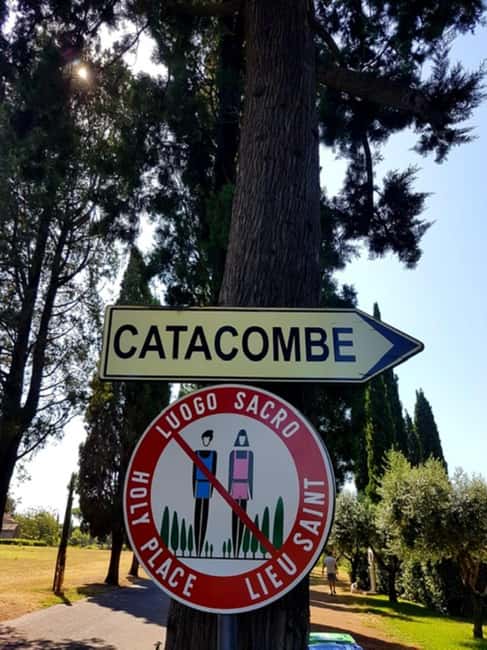
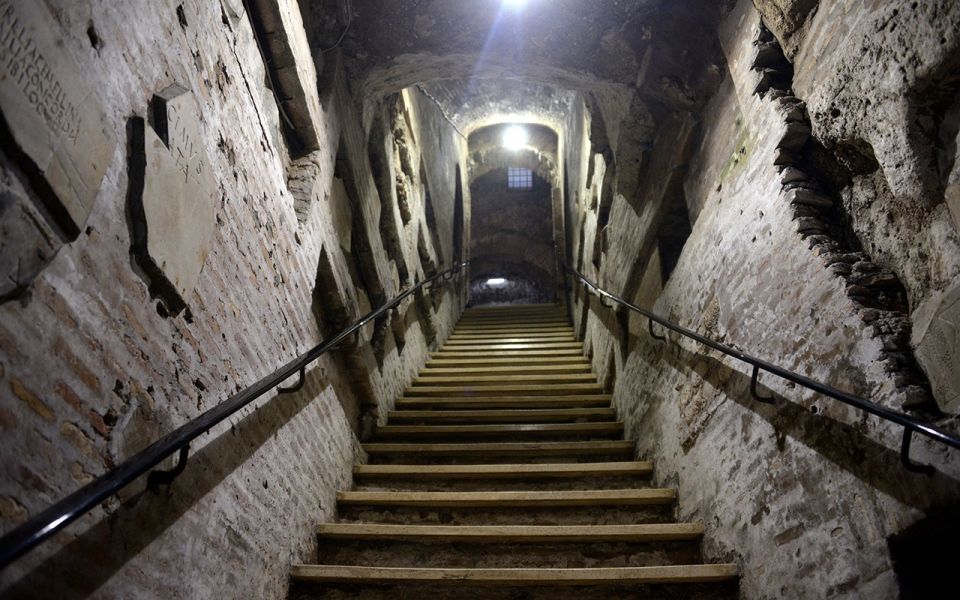
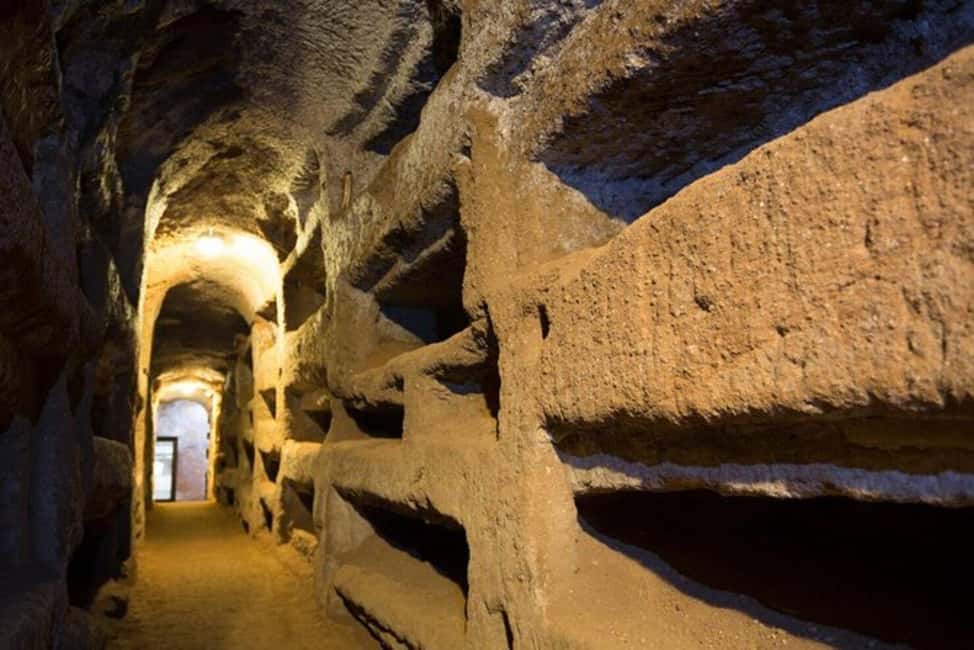
The heart of the tour is the visit to the Catacombs of St. Callixtus, typically scheduled for about an hour including a guided tour and sightseeing time. This is where the experience stops being just pretty scenery and becomes a story you can walk through.
What makes these catacombs special is the early-Christian artwork. You’ll see elements tied to the world of frescoes and sculptures, and you’ll get to learn about remnants of gold glass medallions dating back to about 400 AD. That time period detail is the kind of thing that makes the underground setting feel grounded. This isn’t vague “old Rome.” It’s early Christian life and symbolism, left behind in physical form.
Practical mindset: catacombs are confined spaces and the focus is on looking and listening. You’ll get the most out of this stop if you slow down mentally and treat it like a guided museum underground. If you’re rushing for photos, you’ll miss the meaning the guide is giving.
Also, this tour includes entry to the catacombs, so you’re not juggling ticket lines or timing puzzles. That’s part of what keeps the experience smooth inside a 3-hour window.
Via Appia Antica Walking Segment: Rome’s Road to Brindisi
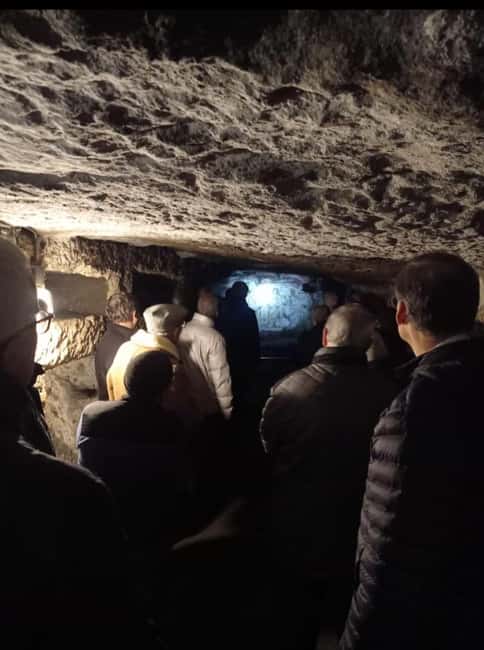
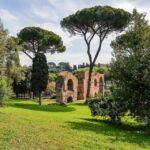
After the underground portion, the tour shifts to daylight with a walk along the Via Appia Antica, scheduled for around 30 minutes. This is one of those places where the path itself is the artifact.
Here’s the context your guide will help you connect: the Appian Way was among the earliest and most strategic roads from Rome, linking the city to Brindisi in the southeast. You’re essentially getting a taste of how Roman infrastructure pushed power and movement across long distances.
You may also hear references to how the road was noted by writers of the time, including Statius. That’s valuable because it turns a roadway into a cultural reference point, not just a stretch of cobbles.
What you’ll feel while walking is contrast. Above-ground, you’re dealing with visible landscape and stone. Underground, you were dealing with symbolism and surviving art. Together, they show two sides of Rome’s long timeline: the political backbone and the spiritual imagination.
One consideration: because the walking block is short, you’ll get the experience but not a long, slow stroll. If you want to go at a leisurely pace, plan to save extra time for the Appian Way on a separate day. This tour gives you a strong introduction.
Villa di Massenzio: A Quick Stop with Big Visual Impact
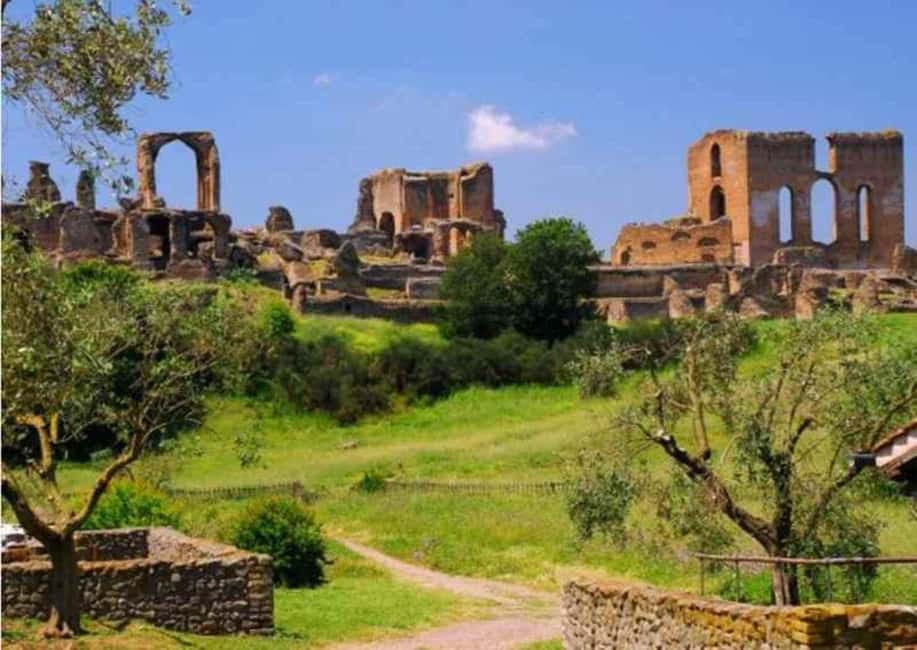
Next comes a brief photo stop and walking segment at Villa di Massenzio, with about 25 minutes on the schedule. This is a “see and orient” stop. You’re not expected to spend hours here, but you will get a chance to connect the site to the broader story of the Appian Way area.
Why this stop works in a tour like this: it keeps the day from becoming only two extremes (all underground, then only a road walk). Instead, it gives you a third angle on Rome’s world—architecture and power in the landscape. Even if you only get a short walk, you’ll likely leave with clearer mental landmarks for where you are along the route.
If you’re the type who likes history but hates waiting, this timing is a good match. If you’re the type who wants deep ruins exploration, you might want more time elsewhere. The value here is efficiency within a tight duration.
Domine Quo Vadis Church Moment: A Small Stop with a Strong Name
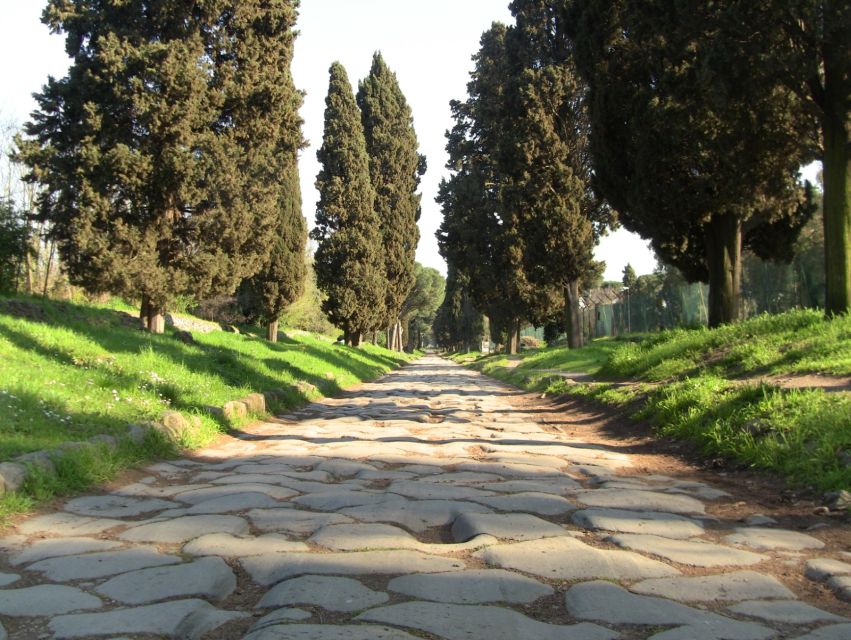
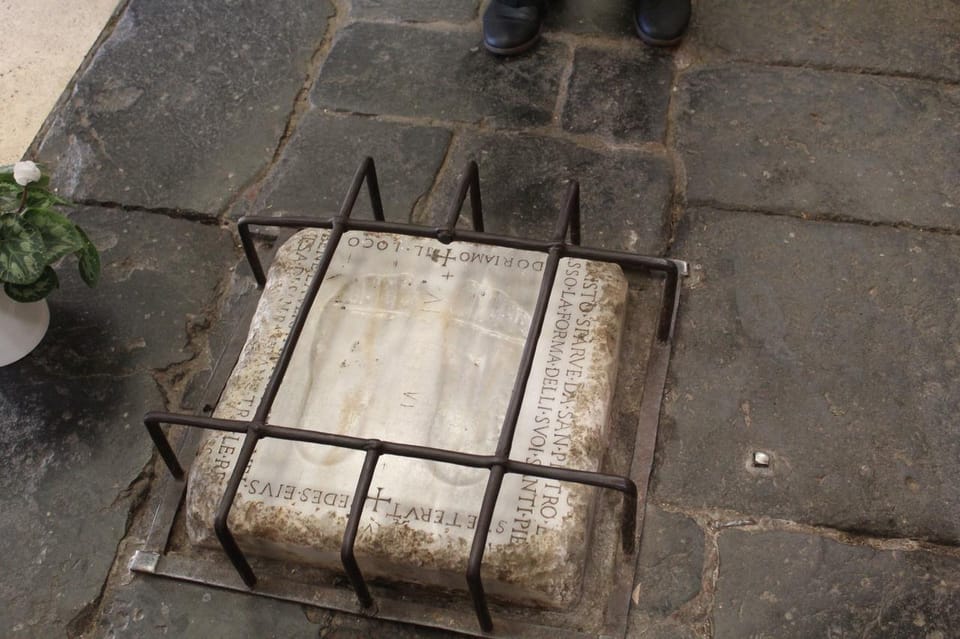
The tour also includes the Church of Domine Quo Vadis for a shorter visit time (about 15 minutes, including sightseeing and a photo stop). The name alone is memorable, and the setting typically sparks quick interest because it connects the place to a specific tradition.
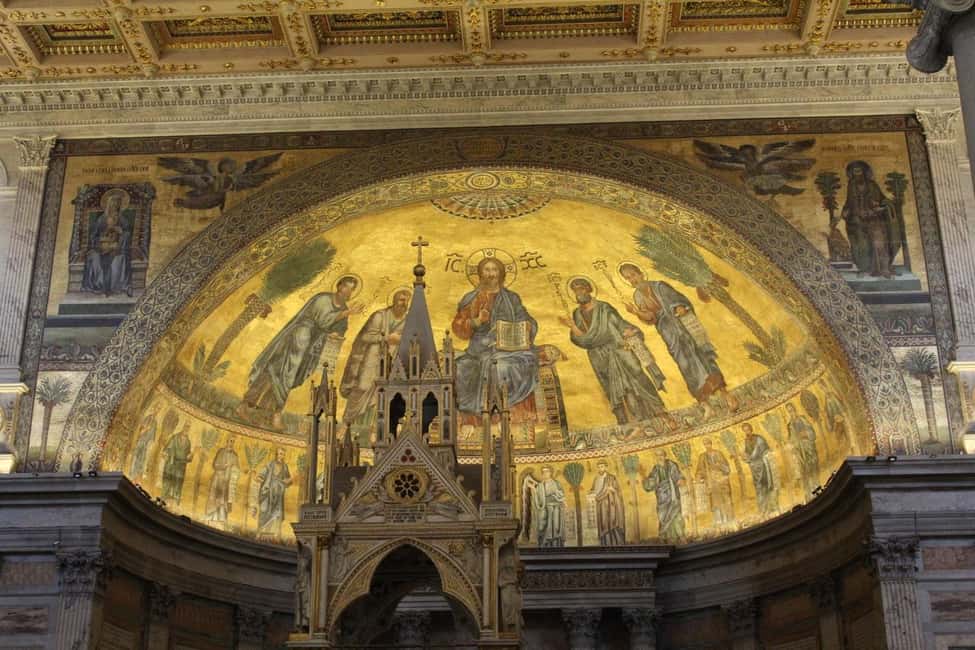
In a day like this, that matters. You’re seeing early Christian art in the catacombs, walking Roman infrastructure on the Appian Way, and now you’re adding a religious landmark that ties those Christian themes together in a more visible, above-ground way.
For readers who prefer meaning over sheer spectacle, this church stop can be satisfying because it feels like a logical next chapter after the catacombs. Just know it’s not a long church immersion. It’s a focused pause.



Porta San Sebastiano: The Gate Stop That Helps You Picture the Whole Route
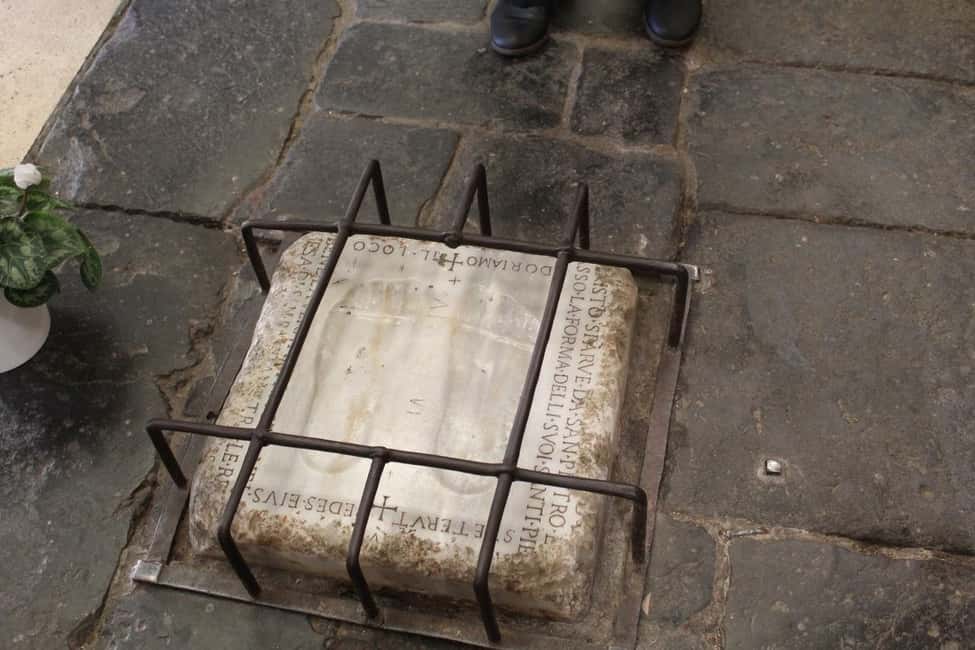
Then you reach Porta San Sebastiano, typically around 20 minutes including photo time and sightseeing. A gate stop might sound like a quick pass, but gates are powerful for understanding Roman space.
Why it’s worth your time: Porta San Sebastiano helps you visualize the edge of the city and why roads like the Appian Way mattered. A road connected to a city needs an interface. Standing at that kind of threshold is like getting the missing link between everything you’ve just seen.
Also, gates are excellent for photos because they frame the corridor back toward the direction you’ve been walking. Even if you only have a few minutes, you’ll come away with a clearer mental map.
Price and Time: Is $68 for a 3-Hour VIP Tour Good Value?
At $68 per person for about 3 hours, this tour sits in the “efficient” category, not the “slow and expansive” category. That can be a good deal, because your costs aren’t only the guide. You’re also getting private transportation, entry tickets to the catacombs, and an English-speaking live guide.
Where the value really shows is in how much you pack into a short window:
- Catacombs with guided context
- Via Appia Antica walking
- Multiple named stops along the route corridor (Villa di Massenzio, Domine Quo Vadis, Porta San Sebastiano)
If you’re trying to see key highlights without adding extra planning days, this format can be cost-effective. If you’re traveling with time to spare and prefer doing major sites at your own pace, you might choose to DIY the Appian Way segment and spend more time at each stop.
But for many visitors, the “no planning friction” plus guided interpretation is the sweet spot.
Guide Quality: The Difference Between Seeing and Understanding
The guide is a major part of why people rate experiences like this so highly. Your guide is English-speaking, and you should expect a warm, practical approach that keeps the tour moving while still adding meaning.
You may also hear names from past tours, like Constantin, who has been highlighted for taking people to the announced stops and even adding an extra church that many visitors would likely miss without guidance. That’s the kind of bonus that doesn’t change the core itinerary, but can make the day feel more thoughtful.
What I suggest you do as a passenger: ask one question early. A simple prompt like what connects the catacombs to the places above ground can help you tune into the story instead of just absorbing facts.
A private guide can also manage transitions, so you’re not constantly restarting your attention. On a route with several stops, that pacing matters.
Who This Tour Fits Best (And Who Might Be Disappointed)
This is a great fit if you want a structured introduction to the Appian Way corridor and the early Christian story tied to Saint Callixtus. It’s also a strong match for travelers who hate wasting time with transit logistics.
You should also consider it if you like walking but not long-distance hikes. The day includes walks, but it’s paced into short segments that keep the overall duration tight.
What won’t work as well:
- Wheelchair users: this tour is listed as not suitable for wheelchair users, likely due to underground and uneven surfaces.
- People who want to spend hours lingering on the Appian Way. The walking time is about 30 minutes, which is more “taste” than “stroll for hours.”
If you fall into either of those groups, you might prefer a longer, more flexible tour or a self-guided day with extra time on the road.
Should You Book This VIP Appian Way and Catacombs Tour?
Book it if you want a guided, efficient Rome day that covers the catacombs plus multiple Appian Way landmarks without planning stress. At $68 for a 3-hour format that includes transportation and catacombs entry, it’s a smart value for many visitors.
Skip it or reconsider if you know you want a long, slow Appian Way experience or if mobility needs are a concern. In that case, you’ll get more satisfaction from a tour designed around longer time on fewer sites.
If your goal is to see the highlights, understand what they mean, and get back to Rome with your head full of stories, this one is a very solid choice.
FAQ
How long is the Rome Appian Way and Catacombs VIP Tour with Hotel Pickup?
The tour lasts about 3 hours.
Where does the tour start?
The tour includes pickup within Rome.
What is included in the price?
You get private transportation, an entry ticket to the Catacombs of Saint Callixtus, and a guided group tour.
Is the tour guide available in English?
Yes, the live tour guide provides the tour in English.
Which places does the itinerary include?
It includes the Catacombs of St. Callixtus, a walking/photo stop on the Via Appia Antica, Villa di Massenzio, the Church of Domine Quo Vadis, and Porta San Sebastiano, before returning to Rome.
Is this a private group experience?
Yes, the tour is described as a private group.
What vehicles are used for hotel pickup?
Pickup is provided with a Mercedes E class or a mini van.
Can I cancel for a full refund?
Yes. Free cancellation is available up to 24 hours in advance for a full refund.
Is the tour suitable for wheelchair users?
No, it is not suitable for wheelchair users.