REVIEW · ROME
Rome: Colosseum, Arena and Ancient Rome Private Guided Tour
Book on GetYourGuide →Operated by Maya tours · Bookable on GetYourGuide
The Colosseum runs on time. This private small-group tour is built around fast entry and a guide who ties the games to the real city around them.
What I like most is the chance to enter the monument in a way most visits miss, plus the way the day is paced across the Colosseum, Palatine Hill, and the Roman Forum without feeling random.
The only real catch is the clock: arrival is strict, and if you’re late (or if there’s a tight schedule on the day) you can lose part of the plan, with no room for a redo.
In This Review
- Key things to know before you go
- First stop: Meeting at Piazza del Colosseo and getting inside
- Colosseum access from the arena: what the guide actually helps you see
- Practical watch-outs inside
- Roman Forum: the 45-minute sprint that still feels meaningful
- The pacing trade-off
- Palatine Hill viewpoints: where Rome’s myths meet big city views
- Who will like Palatine Hill most
- Timing pressure: skip-the-line isn’t the same as slow-and-lazy
- Price and value: why this costs what it costs
- Tour format: what your guide experience should feel like
- What to bring (and what to leave behind)
- If you’re booking for the Jubilee period
- Should you book this Colosseum, Forum, and Palatine Hill private tour?
- FAQ
- FAQ
- How long is the tour?
- What sites are included?
- Is there skip-the-line entry?
- Where do I meet the guide?
- What time should I arrive before the tour?
- Do I need to bring ID?
- Does the tour include admission tickets?
- Is the tour guided in English?
- Are refreshments included?
- Is the tour suitable for wheelchair users?
Key things to know before you go
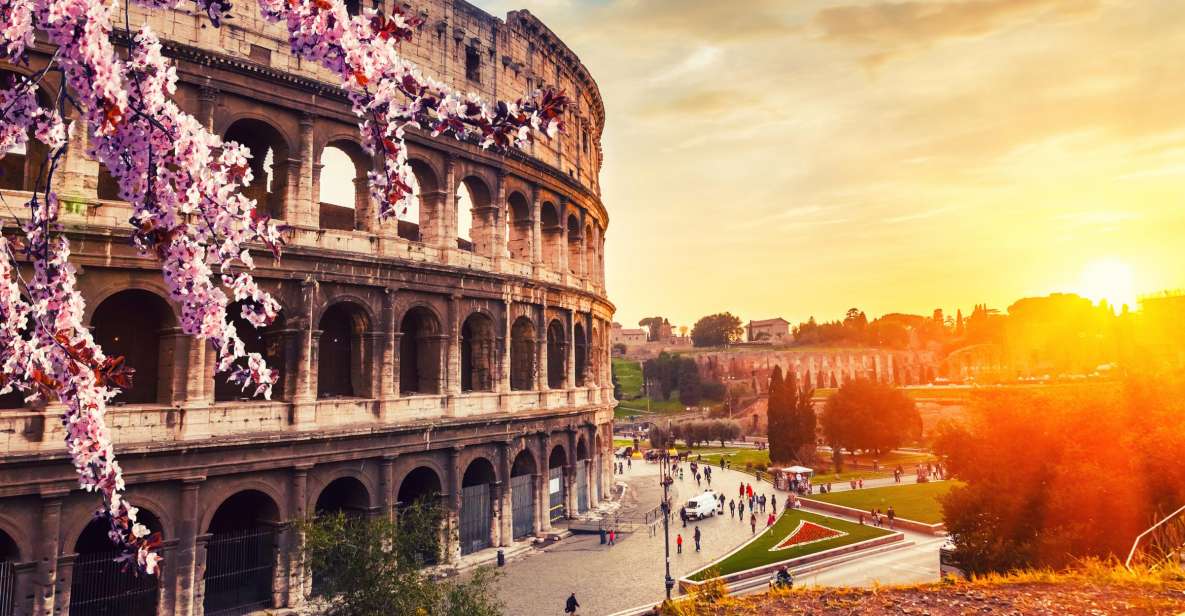
- Gladiator’s Arena entrance access: you start the Colosseum experience from the arena side, not the standard approach.
- A private English guide in a small group: the explanations are tailored, not generic facts.
- Time split across the big three sites: about 1 hour Colosseum, then 45 minutes each for the Forum and Palatine Hill.
- Panoramic Palatine Hill viewpoints: you get city-scale views that make the Forum and Circus Maximus easier to picture.
- Security and ID checks are mandatory: bring a photo ID and make sure names match exactly.
First stop: Meeting at Piazza del Colosseo and getting inside
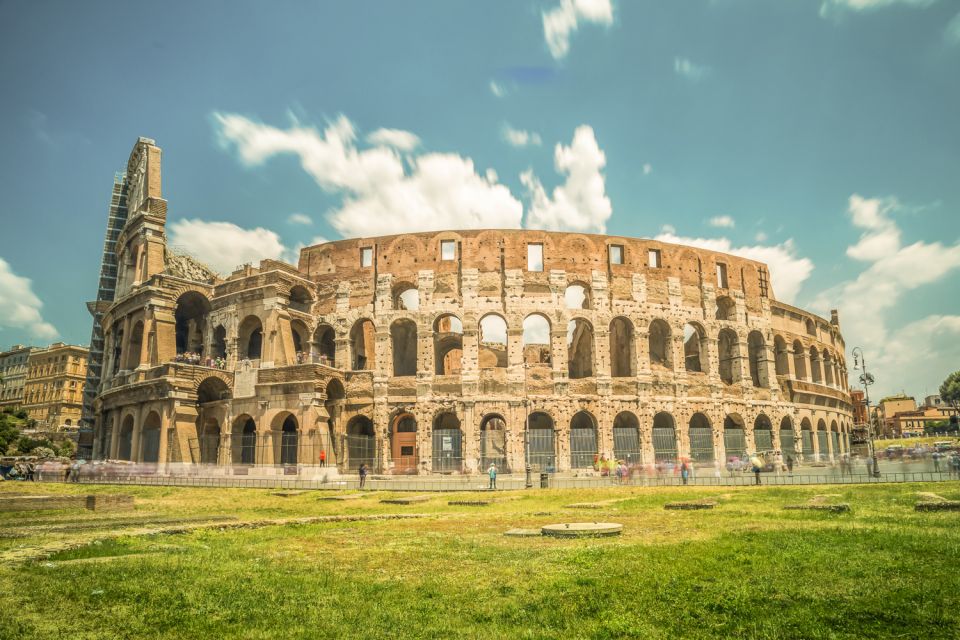
You meet at Piazza del Colosseo, 21, at the Green Kiosk outside the Colosseo Metro entrance on the ground floor. The meeting point is close to the main attraction, but you still want a buffer because the monument process is not relaxed.
Plan to arrive 15 minutes early, and treat 20 minutes early as the real safe target. The Colosseum does not allow late arrivals, and if you miss the exact timing window, you may not be able to join or reschedule.
This tour includes admission and guides you through the early steps—security, ticket handling, and getting positioned for the start. It’s the difference between spending your energy hunting for entrances and actually using that time to learn what you’re seeing.
You can also read our reviews of more guided tours in Rome
Colosseum access from the arena: what the guide actually helps you see
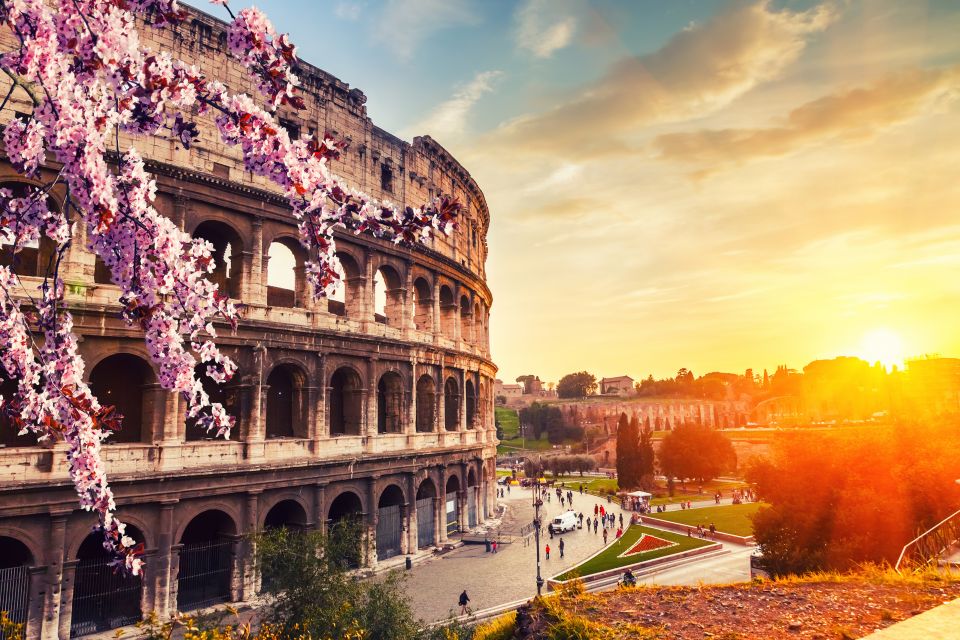
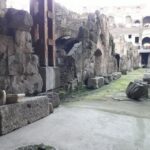
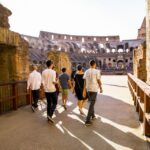
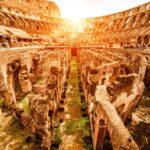
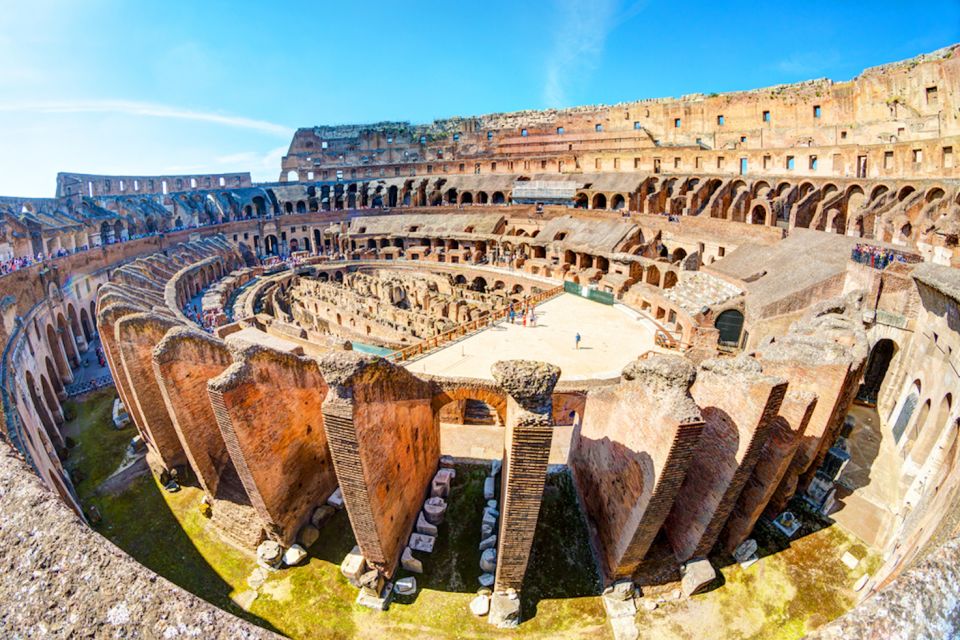
The tour begins at the Colosseum with a guided walk focused on how the place worked. A big highlight is entering from the Gladiator’s Arena entrance, which helps you understand the flow of the spectacle.
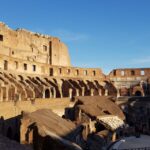
Inside, you’ll learn how gladiator games were organized and how the crowd experience was engineered. That includes where the elite tended to sit and what the space was designed to do, not just what it looked like.
Here’s what I think this format does well: it turns the Colosseum from a photo spot into a working machine. Once you grasp the seating logic and arena layout, the ruins make more sense fast.
As for guide style, I’ve seen strong results when the guide is a mix of professional and human. In past groups, guides like Susi have been described as personable and entertaining, and Renè as professional with humor. That matters because Colosseum facts are everywhere; what you’re paying for is someone to connect the dots.
Practical watch-outs inside
- Bring a passport or ID card. A copy is accepted, but a photo ID is mandatory for entry.
- Names must match the ID exactly. You’ll need the full names for all travelers.
- Keep in mind the restrictions: no large bags, no glass, and no items like weapons or sharp objects. Alcohol and spray are also forbidden.
Roman Forum: the 45-minute sprint that still feels meaningful
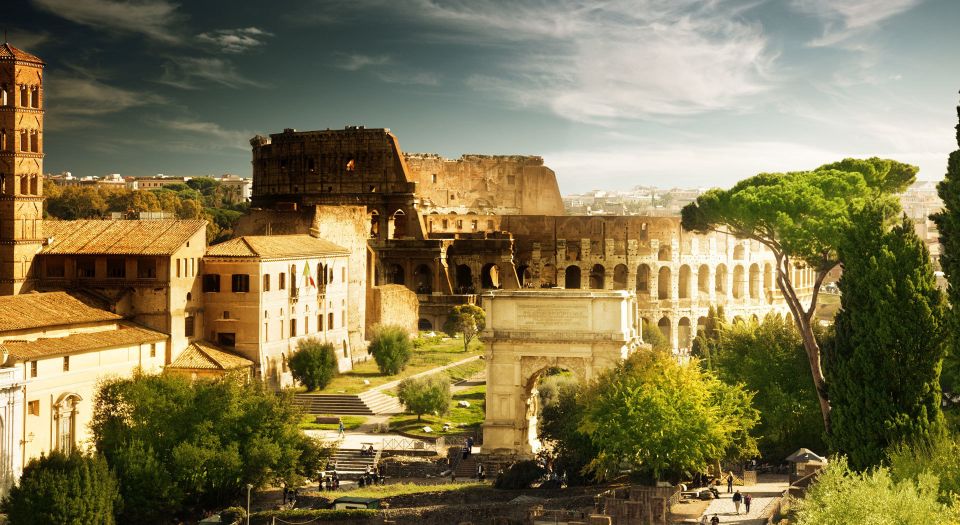
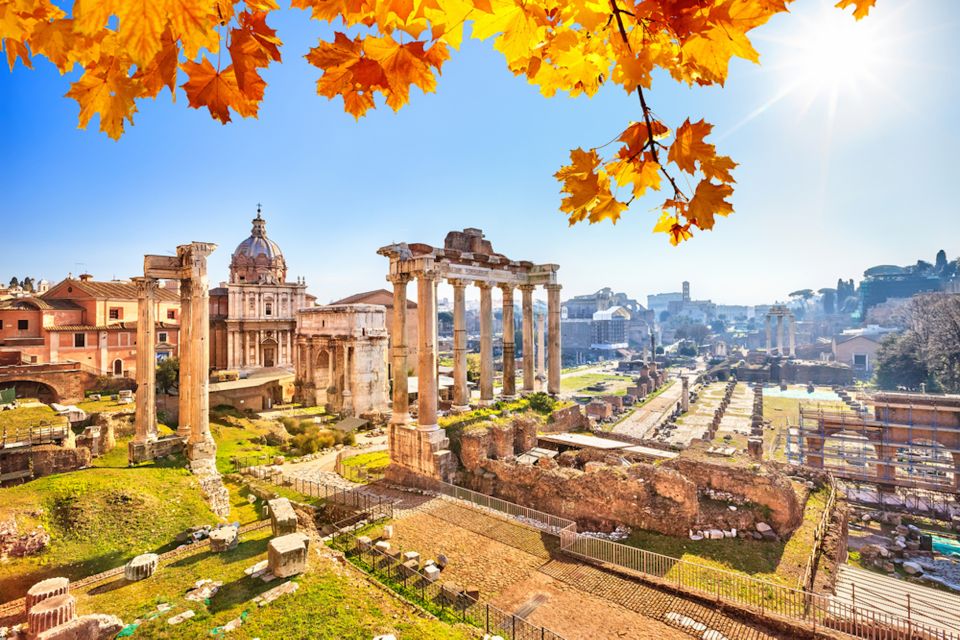
After the Colosseum, you move into the heart of ancient public life at the Roman Forum. This is not treated as a separate museum visit. The guide brings it back to daily life—religion, politics, and commerce all overlapping in one crowded civic space.
You’ll see major structures such as temples and basilicas, plus monumental arches that helped mark power and history in stone. The time is shorter here (about 45 minutes), but that’s usually the right length because the Forum can eat hours on its own if you’re wandering.
The best value of this stop comes from interpretation. In a shorter time window, you need context: why certain buildings were placed there, how inscriptions and architecture were meant to communicate authority, and how the Forum functioned as the city’s agenda.
The pacing trade-off
A short Forum stop is great when you want the big story without the time sink. But it can feel rushed if you’re the type to want to read every inscription or climb every vantage point. If that’s you, consider adding extra unstructured time after the tour.
You can also read our reviews of more private tours in Rome
Palatine Hill viewpoints: where Rome’s myths meet big city views
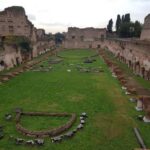
Next is Palatine Hill, roughly another 45 minutes, and this is where the tour turns scenic. Palatine is where you get panoramic views over the Forum area and far out toward the Circus Maximus, so the geography of ancient Rome stops being abstract.
You’ll also walk through ruins tied to elite power—palaces and spaces associated with the rulers who shaped the city. The guide connects that to the legends of Rome’s origins, so you see myths as part of how Romans explained their own beginnings.
This is a strong pairing with the Forum. Once you look down from the hill, the Forum’s role as a political and religious center makes more sense. It’s much easier to picture who controlled what and how crowds would have moved.
Who will like Palatine Hill most
If you like views that help you understand a city layout, Palatine is the payoff. If you prefer indoor history or flat walking, you might find it a lot more physical than you expected, so build in comfortable shoes.
Timing pressure: skip-the-line isn’t the same as slow-and-lazy
The tour is designed to beat the worst queues with a separate entrance. That’s a real advantage in Rome, where delays can turn an itinerary into a guesswork exercise.
Still, you’re also dealing with very strict entry windows. One important caution: there has been at least one reported case where the tour ran shorter than advertised and only covered two of the three sites, with the guide arriving late. That’s not the pattern you should plan around, but it is a reminder to treat the schedule as firm.
So what should you do?
- Be at the meeting point early enough that you can handle a bathroom break before you start.
- Keep your ID ready and your bag situation simple. Large bags are a no-go inside the Colosseum.
- Keep a realistic mindset: even with private guiding, the monuments control timing.
Price and value: why this costs what it costs
At $477.67 per person for a roughly 3-hour private guided experience, the price isn’t low. But it’s not just paying for walking through ruins.
You’re getting:
- Admission tickets included
- A professional English guide
- Access across the Colosseum, Roman Forum, and Palatine Hill
- Skip-the-line entry through a separate entrance
- The benefit of a private group setup rather than a crowded free-for-all
For many people, the true value is time saved and information gained. If you’ve ever stood in Rome lines and tried to piece together what you’re looking at from a phone, you’ll feel the difference immediately.
Where the math gets trickier is for solo travelers. The price can feel steep if you’re hoping for a self-guided experience. If you’re traveling with family or in a small group, the per-person feel often becomes easier to justify because you’re spreading the guide cost while keeping the experience personal.
Tour format: what your guide experience should feel like
This isn’t a long, rambling lecture. The structure is straightforward: Colosseum first, then Forum, then Palatine Hill. That gives you a clear arc—arena spectacle, civic life, then power and legend from the hill.
In guides described as entertaining and easy-going, like Susi, you’re more likely to get storytelling that keeps attention without turning dry. Guides described as professional with humor, like Renè, tend to help the monuments feel organized rather than overwhelming.
Even with an excellent guide, you’ll get the best results if you come in with a tiny bit of readiness. Read up on gladiators, the idea of Roman citizenship, and what the Forum represented. You don’t need a class. Just knowing the big themes makes the guide’s job easier—and your experience better.
What to bring (and what to leave behind)
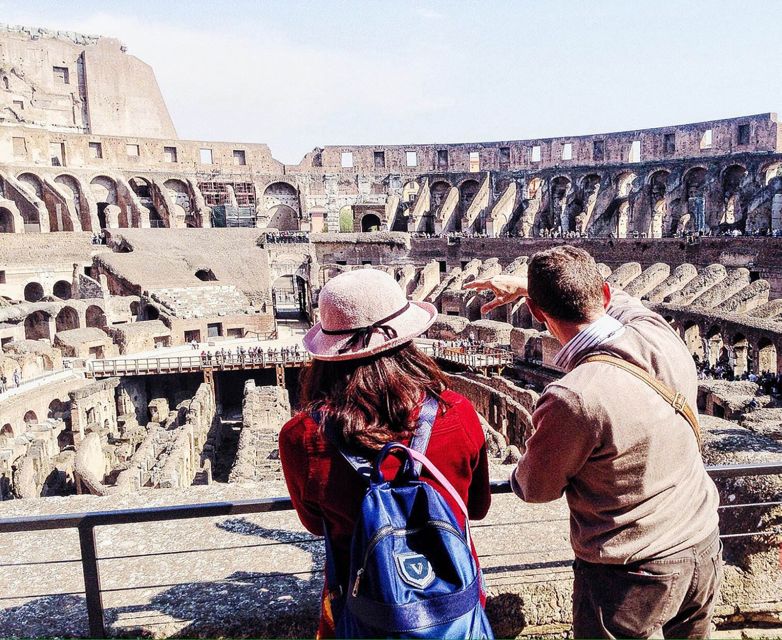
You should plan around the Colosseum’s rules, not around your hotel routine.
Bring:
- Passport or ID card (a copy is accepted, but you must have a photo ID)
- The full names of everyone matching the ID details
Leave behind:
- Weapons or sharp objects
- Luggage or large bags
- Glass objects
- Alcohol and spray
Also note: unaccompanied minors are not allowed, and the tour is not suitable for wheelchair users based on the information provided. Uneven ground and steps are common across these sites, so if mobility is a concern, plan a different style of visit.
If you’re booking for the Jubilee period
The information you’re given warns that due to the Jubilee, some areas can be under restoration and subject to last-minute closures. That means it’s smart to keep your expectations flexible.
If something is closed, the guide may adjust what you see within the tour window. That’s another reason early arrival matters even more than usual.
Should you book this Colosseum, Forum, and Palatine Hill private tour?
I’d book this if you want the fastest entry possible and you value a human explanation over wandering. It’s a strong choice for first-timers who want the big three sites tied together in one smooth plan, and for families who benefit from a guide who keeps things engaging.
I wouldn’t book it if you’re very flexible on schedule but not great with punctuality. The monuments are strict. You also might reconsider if you’re expecting a slow, read-everything pace, because the Forum and Palatine Hill stops are time-limited.
If you can handle the logistics, bring your photo ID, and arrive early, this tour offers real value: the Colosseum experience, placed in context, with less wasted time and a guide to help you understand what you’re seeing.
FAQ
FAQ
How long is the tour?
The total duration is 3 hours, with starting times depending on availability.
What sites are included?
You’ll visit the Colosseum, the Roman Forum, and Palatine Hill.
Is there skip-the-line entry?
Yes. You’ll enter through a separate entrance that helps you skip the main line.
Where do I meet the guide?
Meeting point is Piazza del Colosseo, 21, at the Green Kiosk outside the Colosseo Metro ground floor entrance.
What time should I arrive before the tour?
You should arrive at least 15 minutes before your booked departure time. The Colosseum requires clients to be at the meeting point at least 20 minutes prior, with no lenience.
Do I need to bring ID?
Yes. Photo ID is mandatory for entry, and you should bring a passport or ID card (a copy is accepted).
Does the tour include admission tickets?
Yes. Admission ticket access is included for the Colosseum, Forum, and Palatine Hill.
Is the tour guided in English?
Yes, the live guide is in English.
Are refreshments included?
No refreshments are included.
Is the tour suitable for wheelchair users?
No. It is not suitable for wheelchair users based on the activity information provided.