REVIEW · ROME
Rome: Private Guided City Highlights Tour by Golf Cart
Book on GetYourGuide →Operated by Rolling Rome Segway & Golf-Cart · Bookable on GetYourGuide
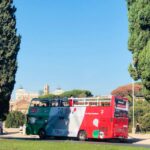
Rome can feel endless on foot, but this is different. You glide through the center in a street-legal golf cart, so you see more than you could manage at a steady walking pace, then slow down for the stops that matter. I like that you start at Piazza del Popolo and get a tight, guided loop that still leaves room for questions and small surprises.
My other favorite part is the tailor-to-you flexibility. The route can include the lesser-walked hills like Aventine and Celio, plus viewpoints and spots tied to stories like the Knights of Malta after they fled Rhodes. One consideration: the cart is open-air, and on cold or wet days you may feel it (I’ve heard guides like Jules handling the moment-to-moment comfort part well).
In This Review
- Key points worth knowing before you go
- Why a golf cart works better than a long Rome walk
- Starting at Piazza del Popolo: the meeting point that sets the tone
- Trevi Fountain to Piazza Venezia: the piazzas you can actually reach
- Rome’s Seven Hills in 3 hours: Aventine and Celio
- Aventine Hill: the orange grove and the Malta connection
- Celio Hill: Villa Celimontana and ancient basilicas
- The Knights of Malta, Marcus Aurelius, and Trevi’s coin legend
- Tailored pacing: how the guide shapes your route
- Transportation details that make the ride feel safe
- Value for $198.25 per person: what you’re paying for
- Who should book this tour, and who might not
- Should you book this private golf cart highlights tour?
- FAQ
- How long is the Rome private guided city highlights tour?
- How much does the tour cost?
- Is this a private tour?
- Where does the tour start?
- Is hotel pickup included?
- What language is the live guide?
- Is the tour wheelchair accessible?
- Can the tour be tailored to what I want to see?
- Are there payment and cancellation options?
Key points worth knowing before you go
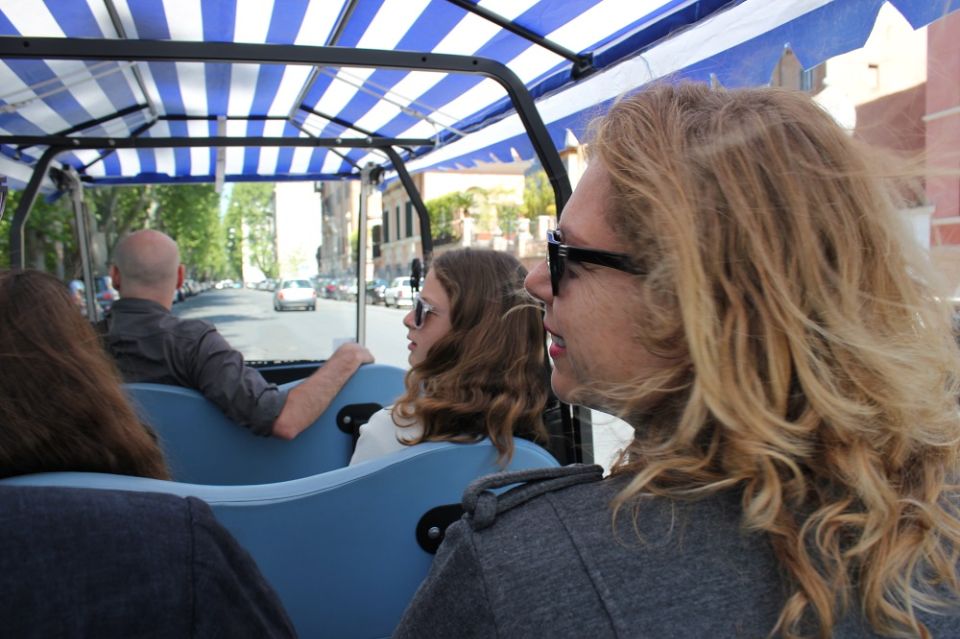
- Street-legal, comfort-minded ride: safety belts, lights, horn, and a cover are built in, plus insurance.
- You cover big sights fast: Trevi, Piazza Barberini, Piazza Colonna, and Piazza Venezia fit into a short 3-hour window.
- Aventine and Celio hills are part of the plan: fewer people walk there, so you get a calmer angle on the city.
- Piazzas and monuments, not just streets: you drive right through key squares dominated by marble and famous statues.
- Guides bring the stories to life: names you may run into include Leonard, Benni, Angelo, Beatrice, and Luca.
- Private format means pacing is yours: it’s built for groups who want their own priorities, not a one-size-fits-all walk.
Why a golf cart works better than a long Rome walk
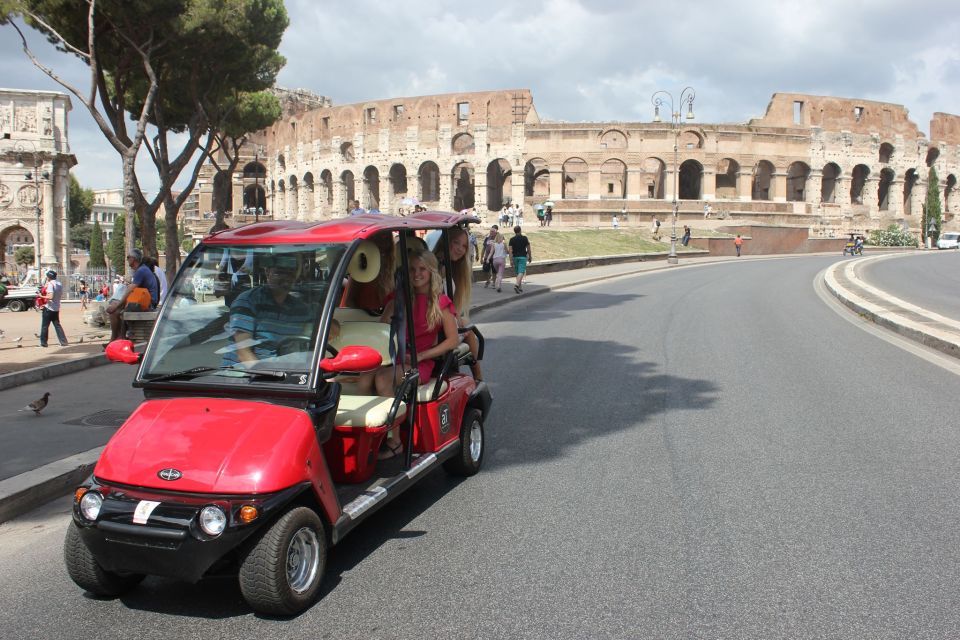
Rome is compact, but it’s still a lot of uneven pavement, stairs, and short uphill drags. A street-legal golf cart changes the math. In the same 3 hours, you can see key monuments, cross multiple neighborhoods, and still have energy left for photos and one good coffee stop.
This tour is built around easy motion without skipping the thinking part. You don’t just ride past things—you get a real guide speaking English, and the route is designed so the key landmarks are part of your drive, not a detour fantasy.
And because it’s a private group, the pacing can match your reality. If your group includes an older parent, kids, or anyone who tires quickly, the cart helps you keep the day enjoyable instead of counting blisters.
You can also read our reviews of more guided tours in Rome
Starting at Piazza del Popolo: the meeting point that sets the tone
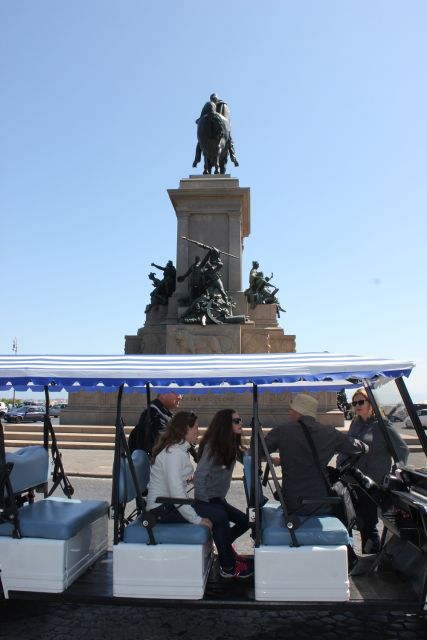
The tour begins at Piazza del Popolo, right in front of the twin churches of Santa Maria in Montesanto and Santa Maria dei Miracoli. That matters more than it sounds. You’re launching from a central, recognizable Rome hub, and it’s a good place to orient yourself before you start moving.
If you’re staying in the historic center, pickup from your hotel is included. That’s a quiet win in Rome, where getting across town “just to start” can eat time fast.
From there, the first leg heads toward the historic core. You’ll pass the kind of sights that usually show up in Rome bucket lists, including the baroque Trevi Fountain area, where throwing a coin is tied to the old legend about returning to Rome.
Trevi Fountain to Piazza Venezia: the piazzas you can actually reach
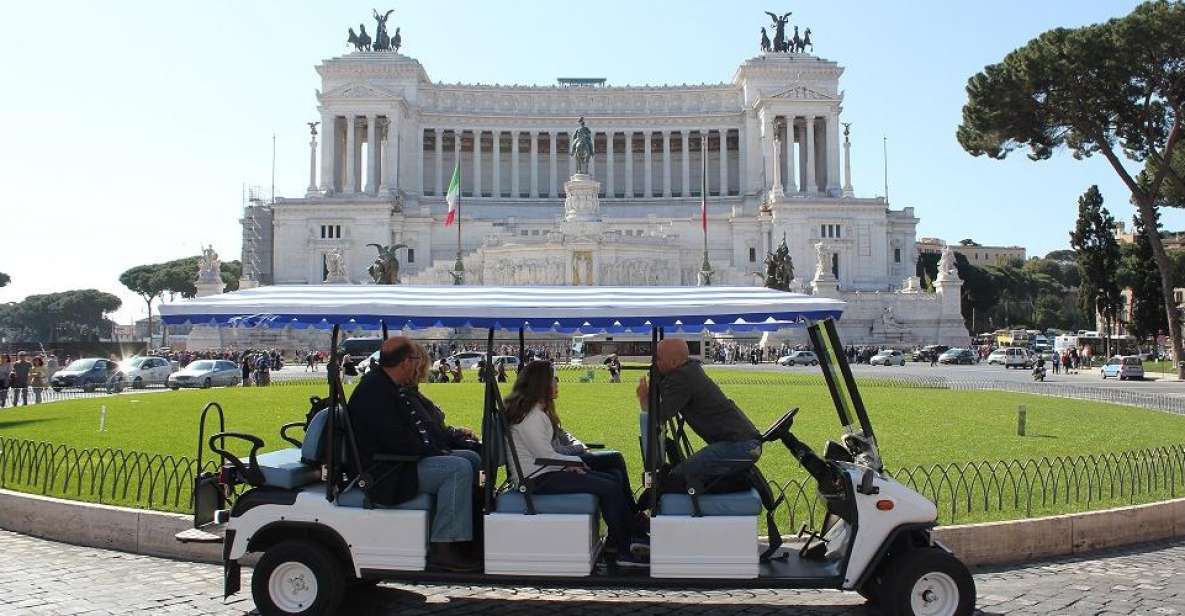
One of the strongest reasons to pick this format is how much you can cover without the constant stop-start grind of walking tours. You’ll move through the central squares that people come to see for a reason.
Expect a drive past:
- Piazza Barberini, a major intersection of baroque Rome
- Piazza Colonna, named for the marble Column of Marcus Aurelius
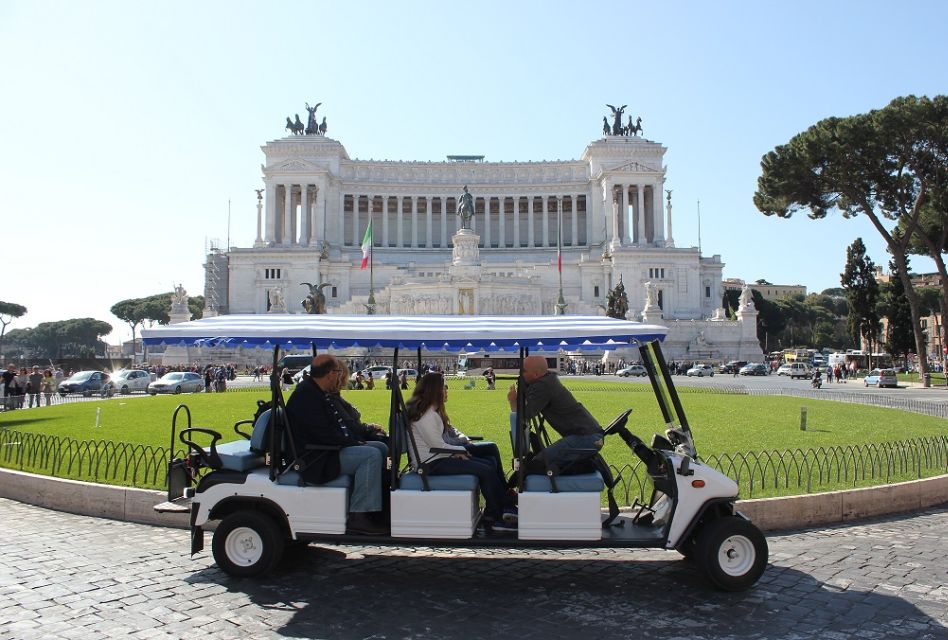
- Piazza Venezia, Rome’s core square dominated by the Victor Emmanuel II monument
The big advantage here is angle. When you approach these piazzas by car, you often get a cleaner view of how the monuments sit in the urban design—what’s aligned, what frames what, and why the squares feel like stages.
Drawback? The faster you go, the more you’ll want the guide’s timing. If you care deeply about lingering at one specific spot—like stopping for a full photo circuit—tell your guide early. The tour is meant to be tailored, so your priorities can shape how long you pause.
Rome’s Seven Hills in 3 hours: Aventine and Celio
Rome isn’t one flat city, and a walking route can’t magically fix that. This tour includes viewpoints tied to multiple hills, including Aventine Hill and Celio Hill, both of which are far more manageable by cart.
Aventine Hill: the orange grove and the Malta connection
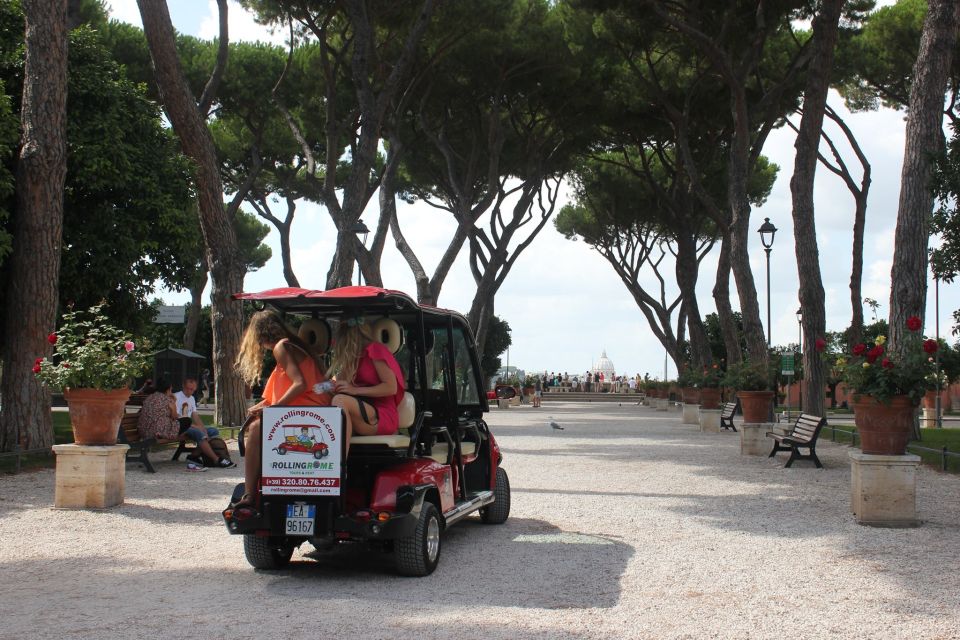
Aventine is where the tour becomes both scenic and story-heavy. You’ll head to the southern suburb feel, where a fragrant orange grove grows. It’s one of those details that makes Rome feel lived-in, not just museum-like.
This hill is also tied to the Knights of Malta, who set up home in Rome after they fled Napoleon’s army in Rhodes. That kind of historical detour is exactly what a tight highlights tour can do well—especially when the guide connects the dots between a monument and the people who lived around it.
You can also read our reviews of more city tours in Rome


Celio Hill: Villa Celimontana and ancient basilicas
Celio Hill brings a calmer, older-world tone. The cart route can take you by Villa Celimontana and its gardens, then toward ancient basilicas including Santo Stefano Rotondo and Santi Giovanni e Paolo.
Even if you’ve seen photos of these names, the drive-by context helps. You start to understand why certain churches were placed where they were, and how they fit the surrounding blocks rather than sitting alone on a brochure page.
One practical note: these areas are worth slowing down for. If you want more time for photos at the basilicas or to walk a short stretch for viewpoints, flag it right away so the guide can adjust the pacing.
The Knights of Malta, Marcus Aurelius, and Trevi’s coin legend
Part of what makes this tour feel worth it is that it doesn’t treat Rome like a checklist. The drive ties together major icons and quieter stories that explain the city’s layout.
Here are a few “why this matters” connections you’ll run into:
- Marcus Aurelius in marble: Piazza Colonna isn’t just a location; it’s a reminder that Rome’s power and art were designed to last.
- The Malta story: Aventine connects you to a very specific chapter of European history—Knights of Malta relocating after conflict.
- Trevi’s return legend: Trevi Fountain gets attention for a reason, but your guide can add context beyond the coin toss myth, helping you see it as part of a broader baroque city plan.
When a guide is on their game, you don’t just hear dates. You get a sense of why people built here, why they kept returning, and how the streets and squares became “stages” for centuries of public life.
Tailored pacing: how the guide shapes your route
The tour’s structure is flexible. Your itinerary is described as suggestions, and the goal is to cover a smart slice of Rome starting and ending from Piazza del Popolo—while tailoring the order and emphasis to what you actually care about.
That flexibility shows up in small, real ways:
- You can ask for more time in one piazza instead of rushing through all of them equally.
- You can request “lesser-known” stops so your day doesn’t feel like a rerun of the exact same photos everyone takes.
- If your group includes mixed ages, guides often adjust pacing and stops to keep everyone included.
Some guides also take the day’s conditions seriously. I’ve seen notes about guides pausing for photos and making it work even in downpours, which is a big deal in a city where weather can change fast.
And yes, food can enter the conversation. One guide (Angelo) reportedly made a gelato stop halfway through, which is a classic Rome move and a good reminder: building in a short break keeps the whole tour from turning into one long blur.
Transportation details that make the ride feel safe
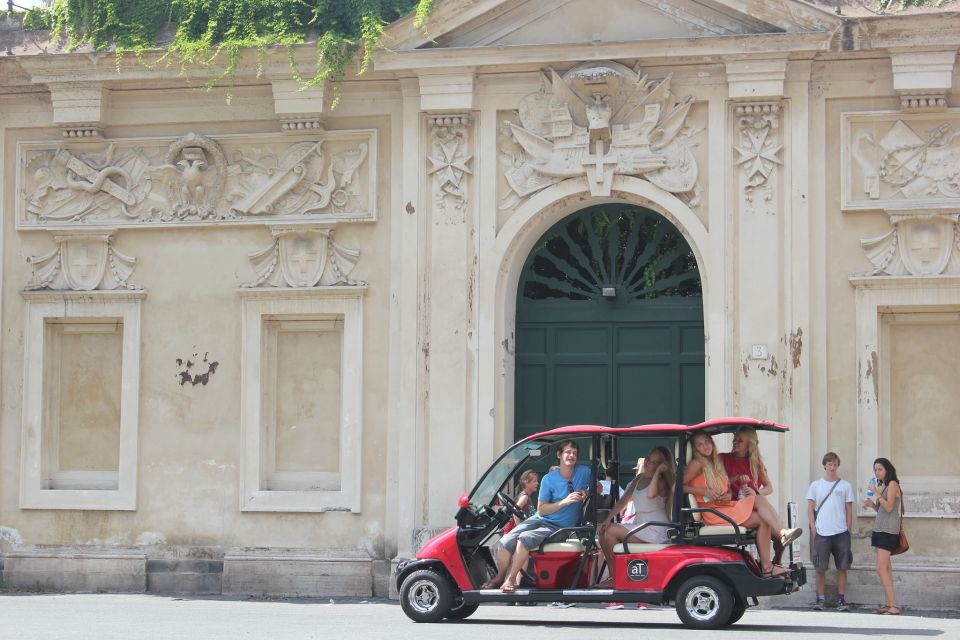
This isn’t a party cart with no safety features. The golf cart is street legal and comes with license plate details, front and rear lights, safety belts, a horn, and a cover.
Insurance is included, and you’re guided by a live English-speaking guide. That combination matters because Rome driving can be chaotic at street level, so having a properly equipped vehicle and a guide who knows where to go makes the experience feel calm instead of stressful.
Wheelchair accessibility is listed, too. If mobility is a concern, ask your provider about what the practical experience looks like for your specific needs so there are no surprises on the day.
Value for $198.25 per person: what you’re paying for
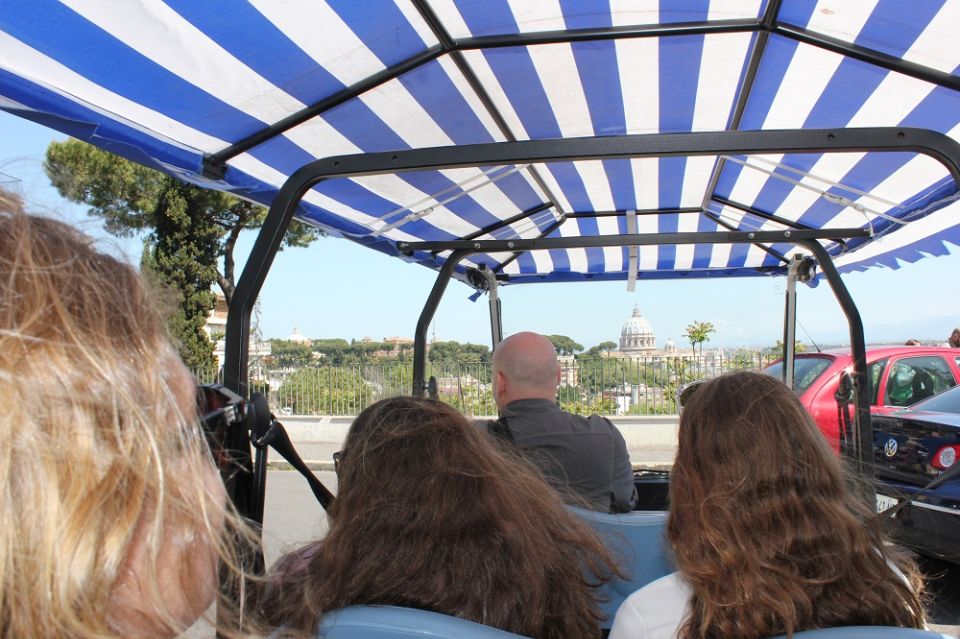
At $198.25 per person for a 3-hour private tour, this is not the cheapest way to see Rome. But it’s priced like a time-saver and an energy-saver.
Here’s what you’re getting for that money:
- A guide who handles the navigation and interpretation, so you don’t spend your limited hours figuring out where to go next.
- Transportation that reduces walking fatigue, especially with hills and uneven streets.
- A route that covers big-name Rome landmarks and lesser-walked areas like Aventine and Celio.
- Private group control, which is where the value really kicks in if your group has different needs.
If your trip is short, or you’re traveling with someone who can’t do hours of walking, the price can feel fair fast. If you have plenty of time and you love wandering, you might not need this. But for most people aiming to see the highlights without turning the day into a slog, this is one of the more practical ways to do it.
Who should book this tour, and who might not
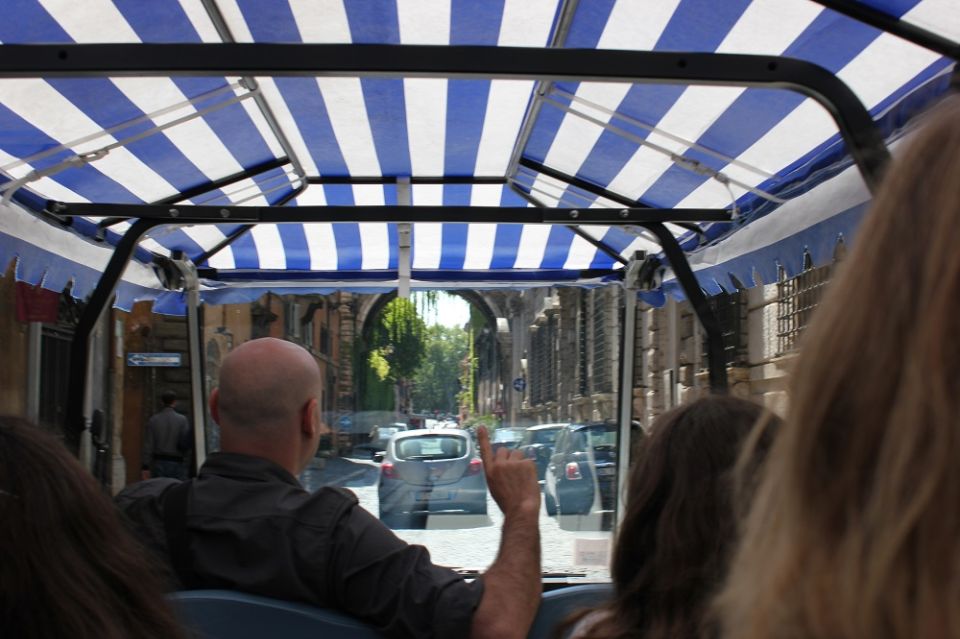
This tour fits best if you want:
- Rome highlights without the long walk
- A private guide who can tailor the route to your preferences
- Access to hills and areas that are harder to include on foot
- A comfortable format for families, mixed-age groups, or anyone who tires easily
It may not be your first choice if you enjoy slow, independent wandering and you’re happy building your own day around stairs, streets, and detours. Also, if you want long stops at only one or two places, you may need to adjust expectations for a 3-hour window and a driving-focused route.
Should you book this private golf cart highlights tour?
If you want a fast, guided orientation to Rome that still reaches beyond the most obvious streets, I’d book it. The combination of key piazzas plus Aventine and Celio hills makes the tour feel like more than a quick drive-by.
I’d especially consider it if your itinerary is tight, the weather might be changeable, or your group includes someone who’ll appreciate saving their feet. The cart keeps the day comfortable, and the private guide keeps it personal—so you end up with Rome highlights plus a few story-driven stops you’d likely skip on a typical walk.
FAQ
How long is the Rome private guided city highlights tour?
The tour runs for 3 hours.
How much does the tour cost?
The price is $198.25 per person.
Is this a private tour?
Yes, it’s a private group experience.
Where does the tour start?
It starts at Piazza del Popolo, in front of the twin churches of Santa Maria in Montesanto and Santa Maria dei Miracoli.
Is hotel pickup included?
Hotel pickup is included from hotels located in Rome’s historic center.
What language is the live guide?
The live tour guide speaks English.
Is the tour wheelchair accessible?
Yes, the tour is listed as wheelchair accessible.
Can the tour be tailored to what I want to see?
Yes. The tour is tailored to your desires, and the itinerary details are suggestions.
Are there payment and cancellation options?
There is free cancellation up to 24 hours in advance for a full refund, and you can reserve now and pay later.