REVIEW · ROME
Rome: Navona Square Underground Ticket with Audio Guide
Book on GetYourGuide →Operated by TOURISTATION · Bookable on GetYourGuide
Piazza Navona keeps a whole stadium secret. Down 5 meters, you’ll wander the remains of the Stadium of Domitian with an audio guide that explains what you’re seeing and what came before. It’s one of those Rome stops where street-level beauty suddenly makes sense, because the site shows how the area evolved.
I especially like how the experience blends physical remains with photos, panels, and 3D-style visuals, so it’s not just walking on stone blocks. The second win is the pace: plan about an hour, pick stations as you go, and still feel like you learned something real about Roman sports. The main drawback to plan around: it’s smaller than you might expect, and the numbered stops can feel a little confusing at first.
Key things I’d plan for (and why they matter)
- 5 meters down under Piazza Navona: you get the rare, literal perspective shift from street level to the arena space.
- Audio guide in multiple languages: Spanish, English, French, German, Italian, Russian, Portuguese keep you independent.
- Roman sports context: you learn how Piazza Navona developed and how sports were organized in ancient Rome.
- Distinct construction details: you’ll see travertine blocks, brickwork, and marble columns at key entrances.
- Capacity scale (up to 30,000 spectators): the site explains how crowds were divided within the arena.
- Optional aperitif or wine tasting: a simple way to turn the visit into a satisfying break at a scenic Rome viewpoint.
In This Review
- Piazza Navona’s Underground Stadium: What You’re Actually Visiting
- The Audio Guide Experience: How Easy It Is to Follow
- Entering the Site: Where to Go and What to Expect at Check-In
- Down 5 Meters: Ruins, Materials, and the Stadium Layout
- The Best Stops: What to Look For as You Move Through the Stations
- Photos, Video, and 3D Renderings: Why the Visuals Help
- Time, Size, and Pacing: How Long You Need
- Price and Value: Is $18 Worth It?
- The Optional Aperitif and Wine Tasting: Turning History Into a Break
- Photo-Friendly Rome Moment: Piazza Navona Above, Stadium Below
- Who Should Book This (and Who Might Skip It)
- Should You Book the Stadium of Domitian Underground Ticket?
- FAQ
- Where is the meeting point for the Stadium of Domitian ticket?
- What’s included with the ticket?
- How deep is the archaeological site beneath Piazza Navona?
- How long does the visit take?
- What languages are available for the audio guide?
- Is there an option for aperitif or wine tasting?
- Is it wheelchair accessible?
Piazza Navona’s Underground Stadium: What You’re Actually Visiting
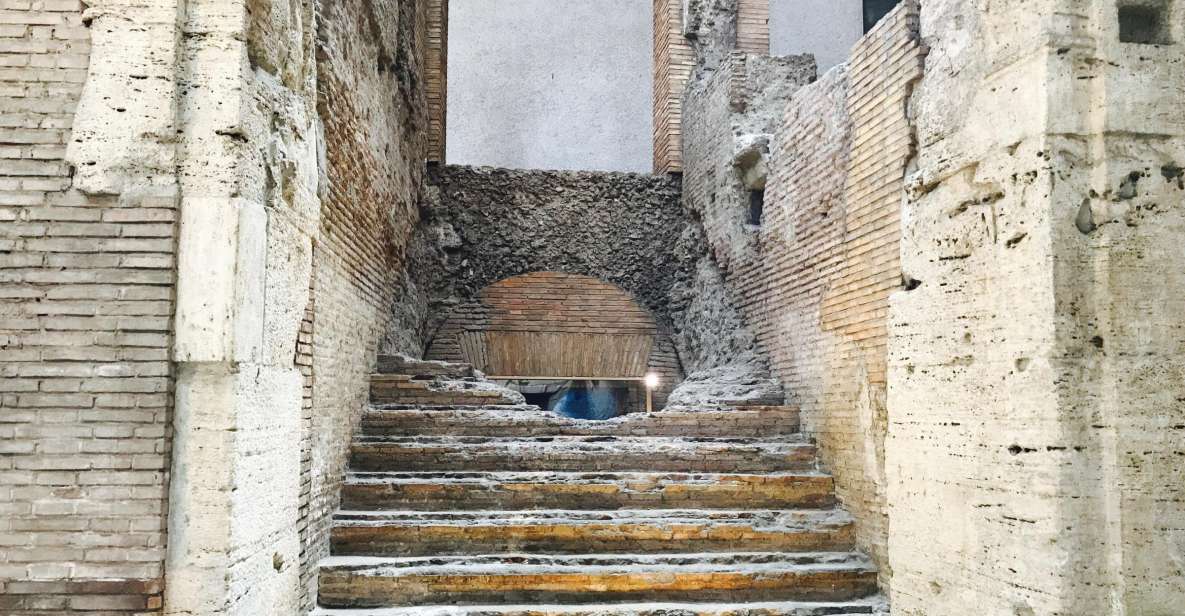
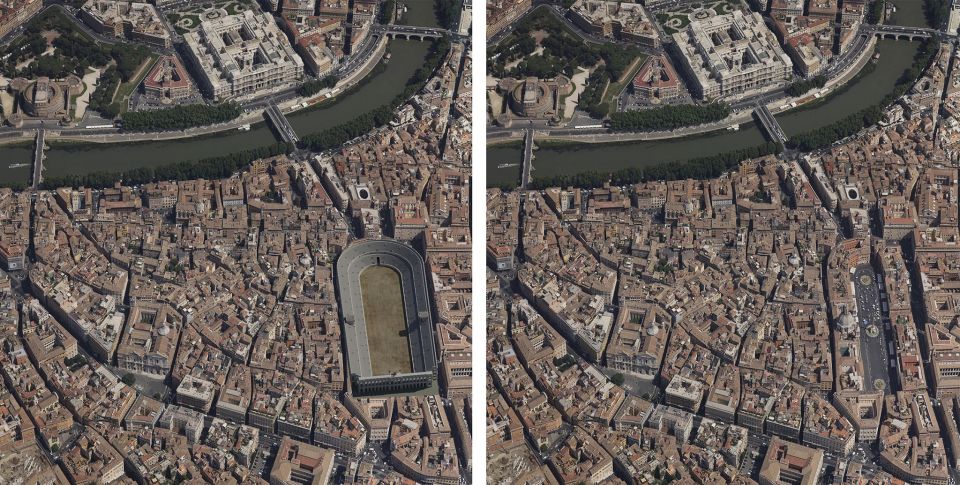
This is an audio-guided visit to the Stadium of Domitian, an ancient arena area located under Piazza Navona. The headline fact is the depth: you go down about 5 meters beneath street level. That alone makes it different from the usual Rome routine of arches, churches, and big monuments.
What you’re exploring isn’t a full-size, open-air relic. It’s a preserved underground archaeological setting where you move through sections and look at remnants—plus learn what those remnants meant. The experience is built to help you reconstruct the stadium in your head, using informative panels and visual materials (including photographs and 3D-style reconstructions) while you’re standing near the actual remains.
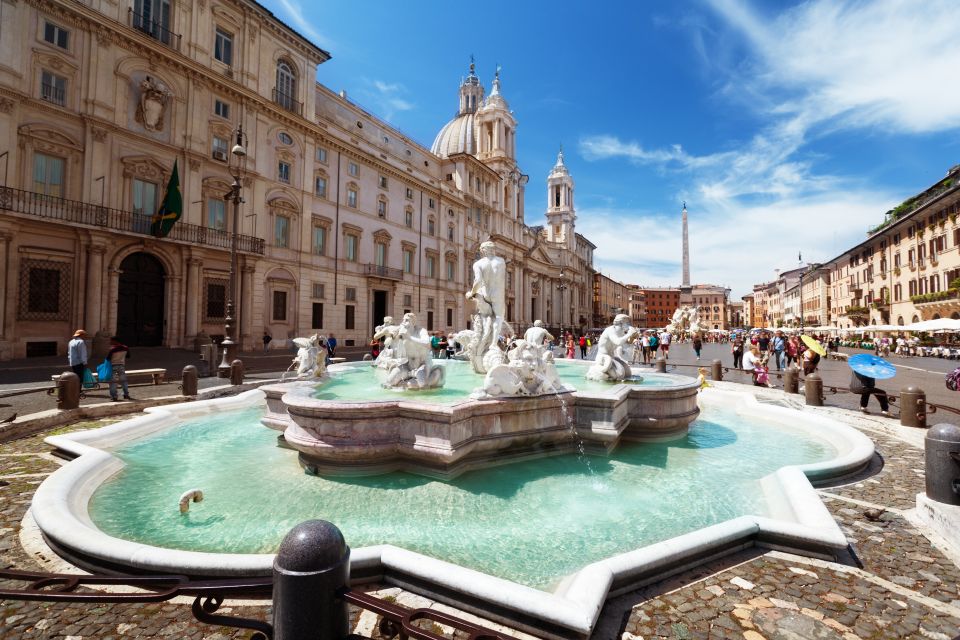
You’ll also get the story of how Piazza Navona became the piazza you see today. That makes the visit feel more connected to the neighborhood instead of feeling like a random underground box.
The Audio Guide Experience: How Easy It Is to Follow
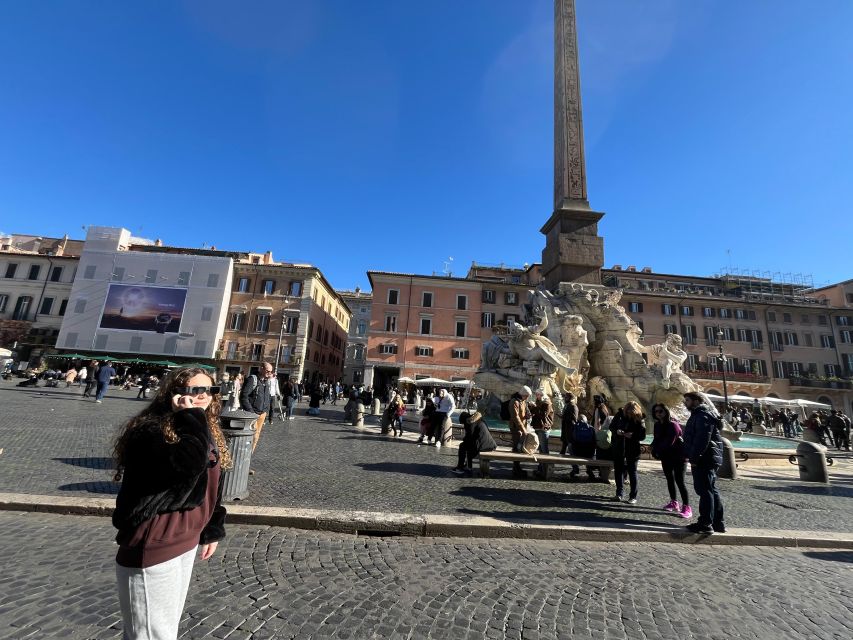
This tour is self-guided, but the audio guide does the heavy lifting. You receive an audio guide in Spanish, English, French, German, Italian, Russian, and Portuguese, so you aren’t stuck translating on the fly. You move through numbered stations, and the audio narration ties those station numbers to what you’re looking at.
In practice, that system works well when you stay patient and slow down. The site uses visuals and signage to connect the audio to the space. Still, there’s one real consideration: some people find the station numbering a bit chaotic, and audio cues don’t always match the photos perfectly. If you’re the type who hates fumbling, give yourself an extra few minutes at the start to orient.
One more good point: the audio format is easy to follow for solo visitors. If you’re traveling with children, there’s evidence this site offers a separate kids audio guide option (including an audio pen/map setup), which can make the visit feel less like a lecture.
You can also read our reviews of more tours and experiences in Rome


Entering the Site: Where to Go and What to Expect at Check-In

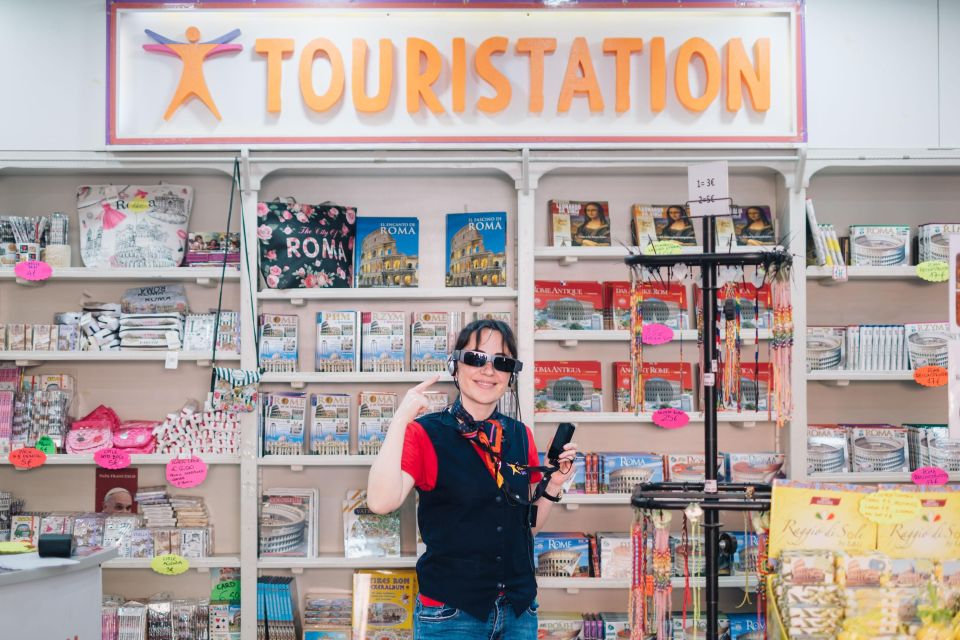
Your voucher is redeemed at the tourist point in front of the main fountain at Piazza Navona, address 25. That’s your key orientation landmark—hard to miss once you’re standing in the right square.
A small reality check: getting your ticket activated can take more steps than you’d assume. Some visitors report needing to go to a ticket office instead of straight to the entrance, which adds a few minutes. If you don’t want stress, build in a little buffer time so you’re not rushing.
Once you’re inside, you’ll descend into the archaeological area and shift from the normal Piazza Navona soundscape to a calmer, enclosed setting. People do note that it can still feel like you’re partly near street level, so don’t expect total silence.
Down 5 Meters: Ruins, Materials, and the Stadium Layout

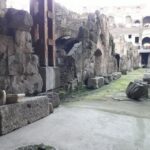
The core of the visit is walking through the remains and learning what they represented. You’re looking at an arena space tied to ancient Roman sports, and the narration helps you understand scale and function.
Here’s what you can specifically look for as you move:
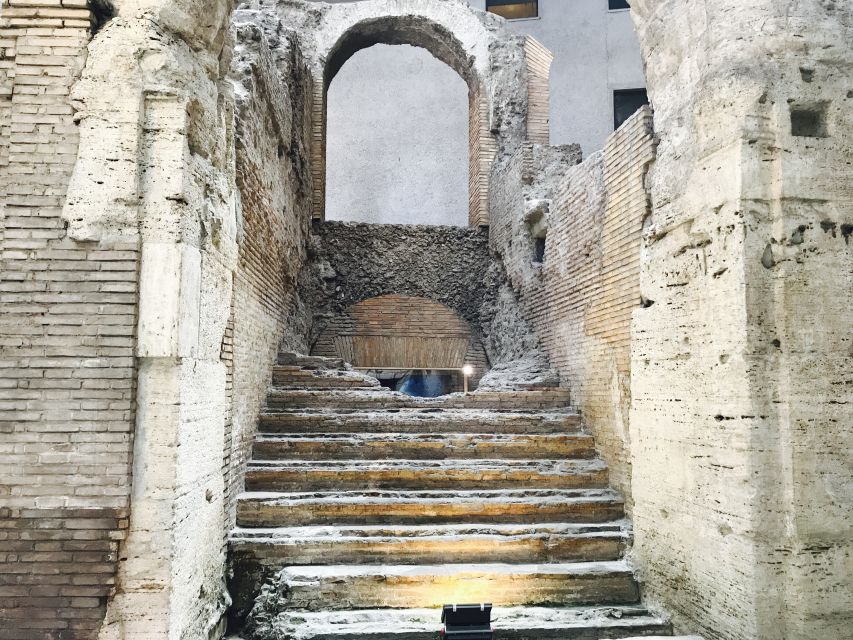
- Travertine blocks used in parts of the structure
- Brickwork visible in the way sections were built
- Marble columns at the main entrances
- Points that explain how the seating was organized
The narration also covers the crowd math: the stadium could host up to 30,000 spectators, and the audio explains how spectators were divided within the arena.
That matters because Rome ruins can feel like random fragments unless you know what job each piece did. The audio guide’s framing turns stone into a functioning space—something you can picture rather than just photograph.
The Best Stops: What to Look For as You Move Through the Stations
Because this is station-based, it helps to think like a museum walker: stop often, check the visuals, and match what you see to the story. The site is designed to build an understanding in layers, from redevelopment of the piazza above to the stadium below.
What’s especially worth your attention:
- The evolution story: listen for how Piazza Navona took its current shape over time. It helps you “read” the square above while you’re underground.
- The entrance construction: look closely at the junctions and materials around main access points. The travertine/brick/marble combo is part of what makes the remains feel surprisingly “architectural.”
- The spectator breakdown: when the audio turns to crowd capacity, pause and try to imagine where different groups would have sat.
Two practical tips that make it easier:
- If the audio feels mismatched at any station, slow down and compare your surroundings to the signage.
- Take photos after you’ve listened to a station. It’s easier to frame a shot once you know what the structure is.
Photos, Video, and 3D Renderings: Why the Visuals Help
One of the most praised parts of the experience is how the museum-style visuals support the ruins. People describe video content and 3D renderings that help you understand what you’re seeing in real scale.
This matters because the underground site is not huge. When space is limited, visuals do more work: they prevent you from thinking, That’s it? Instead, you start seeing how the remains connect into something bigger.
I’d treat the visuals as your “translation layer.” Spend a few minutes with them even if you usually skip screens. They help you leave with a clear mental picture of the stadium rather than just a few photo memories.
You can also read our reviews of more guided tours in Rome


Time, Size, and Pacing: How Long You Need
This is not a half-day project. Reviews commonly describe it as about 45 minutes to around an hour if you listen carefully and walk through at a comfortable pace.
Plan for:
- ~60 minutes for a full circuit with audio
- Extra time if you want photos at each stop
The key consideration is size. The underground area can feel smaller than expected, and that can influence how you feel about value. If you’re someone who wants big monuments, this won’t scratch that itch. If you’re more curious about how Rome layers history, it’s a smart use of time.
Also note: one downside that came up is that it may not be very pram friendly, so if you’re pushing a stroller, expect friction.
Price and Value: Is $18 Worth It?
At $18 per person, this sits in a “small ticket, focused experience” category. It’s not priced like a major flagship site, and it doesn’t try to be one. Instead, you’re paying for access to a specific underground archaeology space plus a multi-language audio guide.
Here’s why it can feel like good value:
- You get the rare perspective of a stadium ruin under a famous piazza.
- The audio guide turns the remains into a story, including materials and spectator organization.
- Optional food add-ons (aperitif or wine tasting) can make the stop feel complete instead of rushed.
Is it worth it if it’s your first time in Rome? Maybe not automatically. People who have already done the big-hit monuments often recommend it most, because it adds a different kind of Rome: the stuff underneath your feet.
The Optional Aperitif and Wine Tasting: Turning History Into a Break
There’s a nice add-on if you want your visit to end with something comfortable. You can choose an option that includes an aperitif with 1 cocktail and snacks, or a wine tasting with two wines and a traditional appetizer board.
In both cases, staff reserve your table at a viewpoint in the heart of Rome once you arrive at the meeting point. This is one of those smart add-ons for practical reasons: it gives you an easy plan after the underground portion, and it keeps you from hunting for a good spot right afterward.
If you’re on a food-first schedule, the aperitif option can be an efficient way to combine a culture stop with a proper sit-down moment.
Photo-Friendly Rome Moment: Piazza Navona Above, Stadium Below
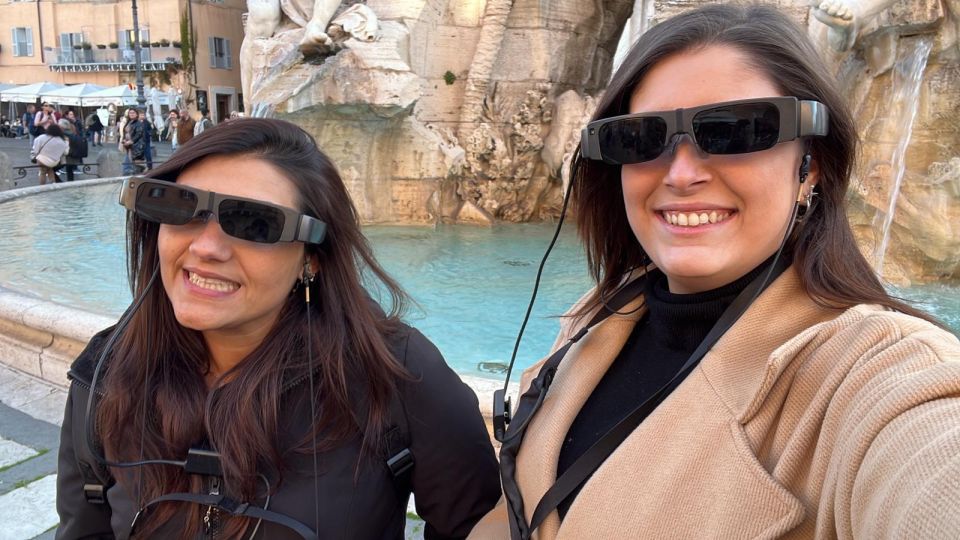
This site is excellent for pictures because of the contrast. You’re in one of Rome’s most photogenic piazzas at street level, and then you go below into the stadium remains. Even if the underground area feels compact, the learning makes your photos better. You’re not just snapping stone—you’re capturing context.
Think of it as a “before and after” memory: the Piazza Navona shots above, and the underground details below.
Who Should Book This (and Who Might Skip It)
I’d book it if:
- You like Roman history that feels specific and tangible
- You want an audio guide experience with structured stations
- You’ve already seen the headline monuments and want something different
I’d think twice if:
- You expect a large underground museum
- You dislike audio-based navigation
- You need a fully stroller-friendly route
This is best for independent travelers who enjoy walking at their own pace, especially those who appreciate how Rome keeps rebuilding itself over time.
Should You Book the Stadium of Domitian Underground Ticket?
Yes—if you want a focused, meaningful Rome stop that feels different from the usual big sights. The main reason to choose it is simple: Piazza Navona looks familiar, but the underground turns it into a story about ancient sports, materials, and crowd design.
If you’re short on time, this is still workable because you can usually finish in under an hour. And if you’re pairing it with the aperitif or wine tasting option, you can turn the visit into a satisfying half-stop rather than a quick checkmark.
If you like large-scale ruins and expect a massive underground complex, you might find the space smaller than you hoped. Still, for the money, it’s a strong way to see a hidden side of Rome.
FAQ
Where is the meeting point for the Stadium of Domitian ticket?
Redeem your voucher at the tourist point in front of the main fountain at Piazza Navona, number 25.
What’s included with the ticket?
The ticket includes entry to the Stadium of Domitian underground archaeological site, an audio guide, and the aperitif only if you select the option that includes it.
How deep is the archaeological site beneath Piazza Navona?
The ruins are located about 5 meters below street level.
How long does the visit take?
The experience is commonly around 45 minutes to about an hour, depending on how carefully you listen and walk through the stations.
What languages are available for the audio guide?
The audio guide is available in Spanish, English, French, German, Italian, Russian, and Portuguese.
Is there an option for aperitif or wine tasting?
Yes. You can add an aperitif option (1 cocktail & snacks) or a wine tasting option (two wines with a traditional appetizer board).
Is it wheelchair accessible?
Yes, the experience is listed as wheelchair accessible.