REVIEW · ROME
Rome: Colosseum & Roman Forum Guided Tour
Book on GetYourGuide →Operated by Emotion club · Bookable on GetYourGuide
One arena. Three ancient districts. One smart guided plan. I love how this tour uses skip-the-line entry plus live commentary to turn the Colosseum, Roman Forum, and Palatine Hill into one connected story, not three separate ticket lines. I also like the fact you go beyond the main views: you start on the lower Colosseum levels for context, then head upward for the big atmosphere, with headsets so you don’t miss the details. The main drawback to plan around is walking: it is not suitable for mobility impairments or wheelchair users, and you’ll be on your feet for much of the 3 hours.
What I find especially useful is that the guide doesn’t just point out ruins. You learn how the games were staged, how the crowd voted, how gladiators trained and were paid, and even how the structure worked behind the scenes. Guides like Francesco and Anna get praised for staying funny and focused while still explaining the complicated stuff clearly, whether you’re in English or Russian.
Finally, note the practical side: you’ll need your passport or ID card, comfy shoes, and you can’t bring pets or large bags. If you hate crowds, pick your start time carefully and be ready for a lively Colosseum experience.
In This Review
- Key things that make this tour worth it
- Express lane to the Colosseum: where time savings matter
- Entering the Colosseum: how the tour builds understanding fast
- Roman Forum and the Sacred Road: the daily-life route that makes ruins feel real
- Palatine Hill and the Farnese Gardens: Rome starts (and ends) here
- The 3-hour pacing: what it feels like and how to prepare
- Price and value: what you’re really paying for at $89.50
- Who this tour is best for (and who should look elsewhere)
- Should you book the Rome Colosseum & Roman Forum guided tour?
- FAQ
- How long is the Colosseum and Roman Forum guided tour?
- What’s included in the tour?
- Do I skip the line?
- Where do I meet the guide?
- What languages are available for the guide?
- Is this tour suitable for wheelchair users or mobility impairments?
- What should I bring?
- Is the ticket refundable if plans change?
Key things that make this tour worth it
- Express-lane access to get inside faster through a separate entrance
- Colosseum coverage across levels, not just a quick look at the floor
- Roman Forum walk with real-life context, from temples and markets to the Sacred Road
- Palatine Hill + Farnese Gardens views, including lookouts toward Circus Maximus
- Backstage explanations, including underground tunnels and mechanisms
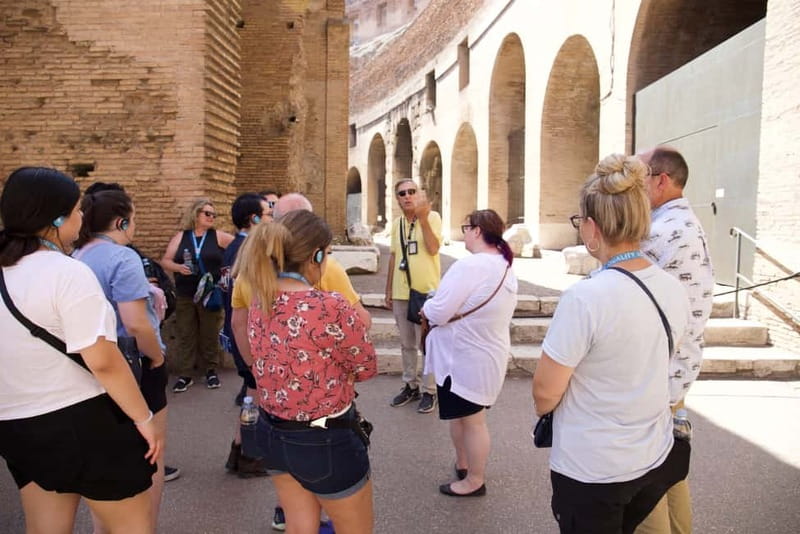
- Headsets included, so you can hear your guide even in the busiest areas
Express lane to the Colosseum: where time savings matter
Rome’s biggest archaeological zones attract the biggest crowds. So the real value here starts before you even reach the stone. This tour includes Colosseum access via a dedicated express lane and a separate entrance, which helps you avoid the slow slog that can eat up your visit.
Meeting works out pretty cleanly if you follow the directions. You meet your guide on the corner of the Caffè Roma at Largo Agnesi 1. The metro stop is Colosseo (Line B), and you want the upper exit. From that exit, the meeting point is on the right, and your guide holds a rounded Emotion.club logo sign to make spotting them easier. Your tour finishes back at the meeting point area after wrapping up in the Colosseum zone (the finish is listed near Piazza del Colosseo, but your guide brings you back to the meeting point area).
I also like that headsets are included. In this area, you’re often standing near other groups and constant movement. With headsets, you keep your place and don’t have to keep turning your head to hear the guide over the noise.
If you’re doing Rome on a tight schedule, this is one of the best ways to make sure you actually see everything you came for.
You can also read our reviews of more guided tours in Rome
Entering the Colosseum: how the tour builds understanding fast
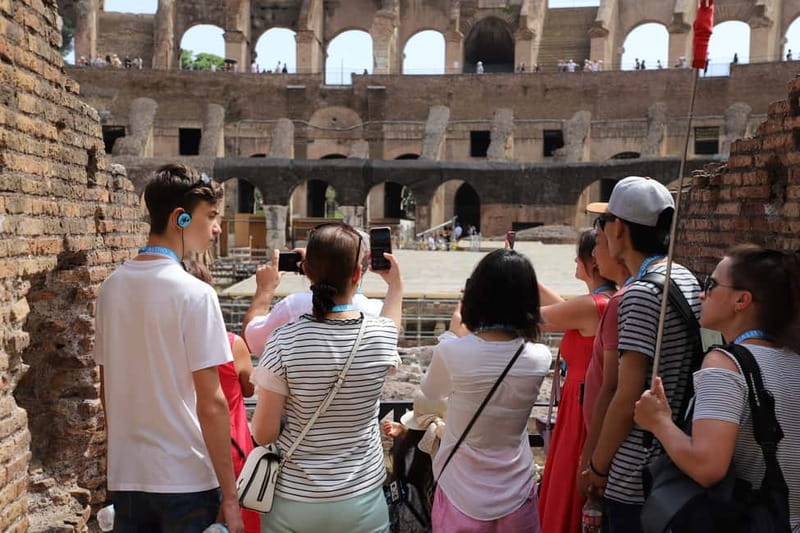
You don’t just arrive and wander. You start with the structure from the inside, guided in a way that helps you connect what you see with what happened here.
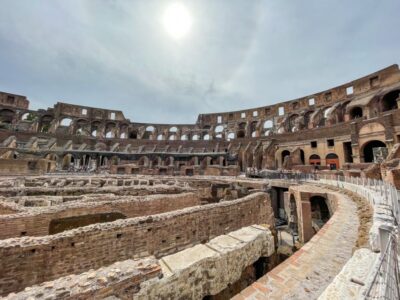
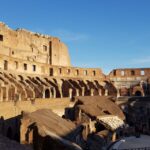
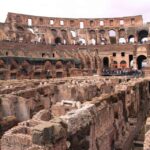
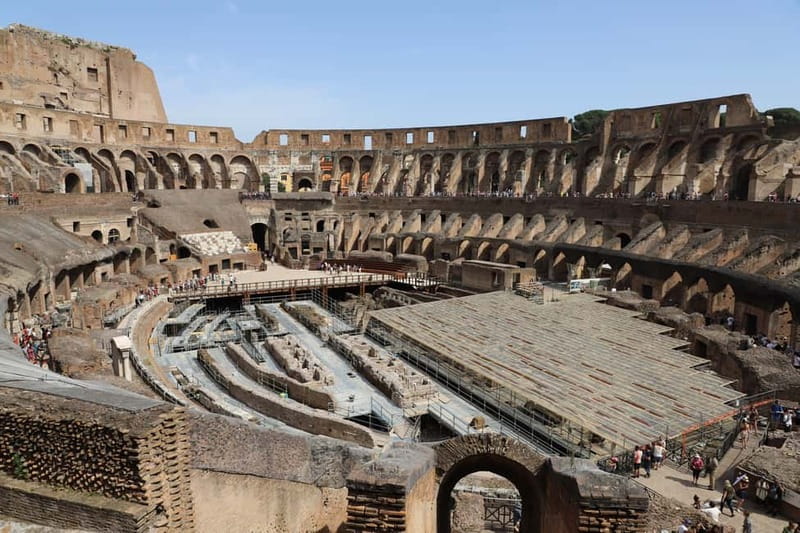
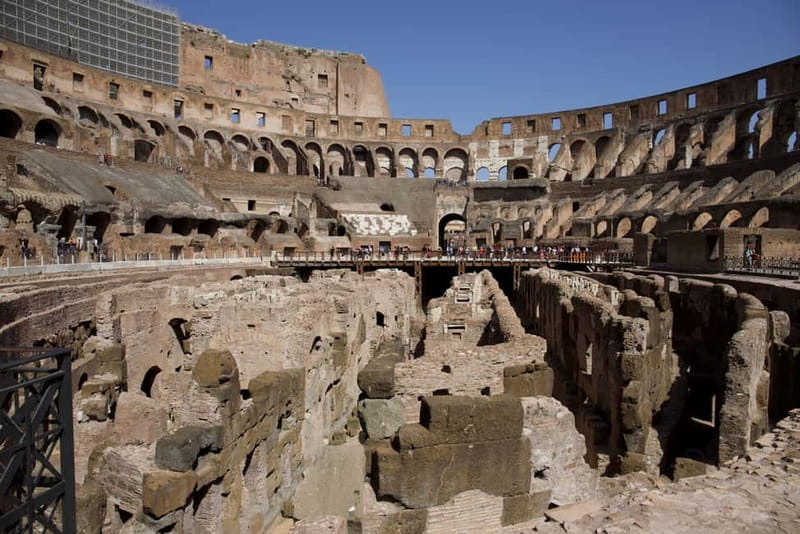
One of the tour’s most praised features is the way it walks you through the Colosseum in layers. You begin with both the 1st and 2nd levels, which is huge for first-timers. Lower levels help you understand the scale and the layout, so the upper parts don’t feel like a random climb. Then you move up into the top tiers for atmosphere—where the view and the size start to really hit.
Expect the guide to bring the games to life without turning it into pure shock value. You hear why brutal fights were staged, how the crowd voted, and what the protagonists (gladiators, slaves, and even wild animals) were really like. The tour also covers the practical side of the spectacle: how gladiators lived and trained, and how much they were paid.
What makes this feel different is the backstage focus. You get explanations for how the immense structure was built, plus details on the complex back-stage mechanisms and underground tunnels. Even if you’ve seen photos before, these details help you read the building instead of just staring at it.
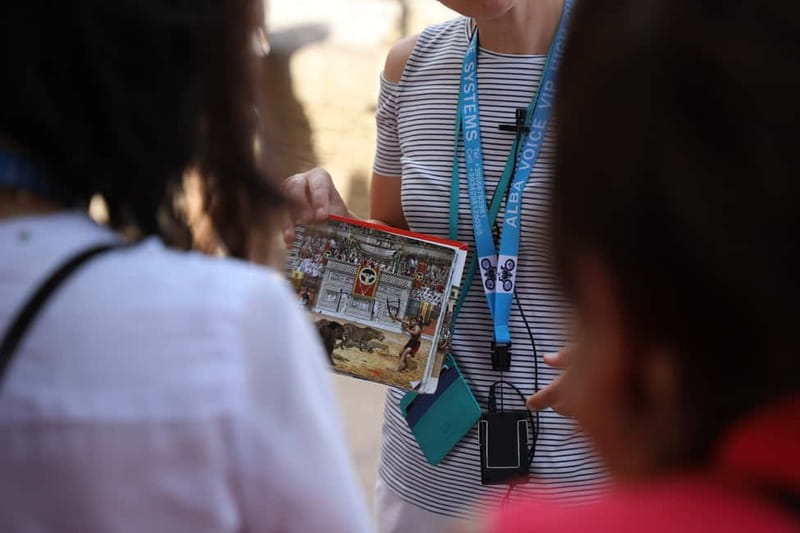
If you want a guide who’s sharp with details and keeps energy up, look out for names that show up repeatedly in praise. Francesco is often singled out for making sure the group stays in the shade and taking regular water breaks when conditions are hot. Anna also gets mentioned for mixing humor with real depth, and even for showing related pictures to help you picture what you’re looking at.
Roman Forum and the Sacred Road: the daily-life route that makes ruins feel real
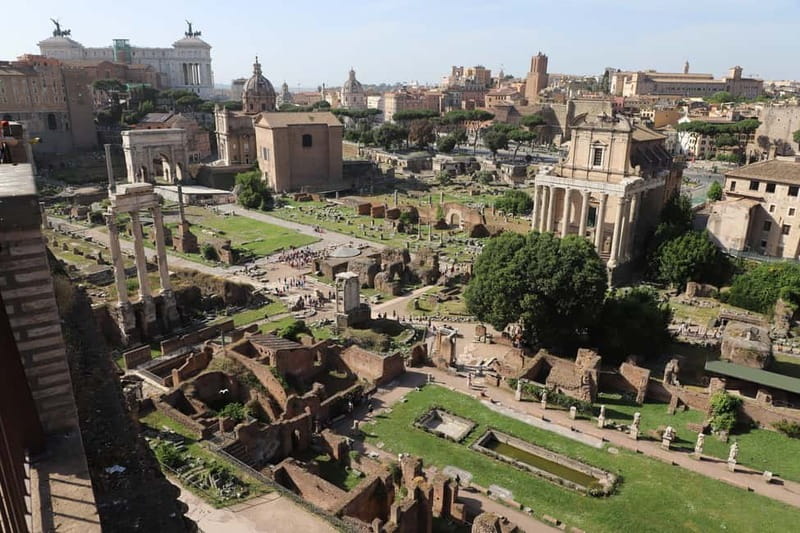
After the Colosseum, you head into the Roman Forum, described as the meeting place of the ancient city—and that idea matters. The Forum can be confusing if you walk it alone: lots of scattered stone, lots of similar-looking fragments, and your brain has to do all the historical assembling.
Here, the guide does that work for you. The Forum portion runs about 1.5 hours, and the story is built around day-to-day Rome: you learn what life looked like across different social levels, with people like doctors, sailors, priests, and prostitutes in the mix. You also hear about the clothing and decorated homes—so you’re not just thinking in emperors and battles.
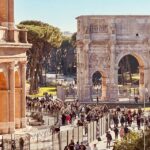
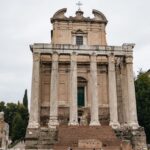
You’ll walk along the Sacred Road and pass major categories of places: temples, market-places, villas, and triumphal arches. That route is especially good for first-timers because it gives your feet a path while your mind fills in what each space likely meant.
The tour also touches the political and economic side of the city by including time for the Imperial Forums, often described as the political and economic heart of Ancient Rome. If you care about power systems and how cities function, this angle helps connect the Forum’s public bustle to the big decisions happening in Rome’s core.
A smart plus: you don’t just walk through symbols. You learn the secrets behind the power and longevity of Roman civilization as the guide explains how the pieces connect. If you like having a framework in your head, this part gives you one.
Palatine Hill and the Farnese Gardens: Rome starts (and ends) here
The last main stop is Palatine Hill, which the tour frames as a place where Rome’s story begins. You’re guided for about 30 minutes here, but it’s not a random add-on. Palatine Hill is where the myths and the elite reality overlap.
You’ll hear the legend about the twins Romulus and Remus and the she-wolf, along with the idea that foundations of Ancient Rome were laid on this hill. That’s the myth. Then the tour brings you to the more grounded version: why Palatine was mainly where the rich and influential lived, plus the remains of emperors’ villas.
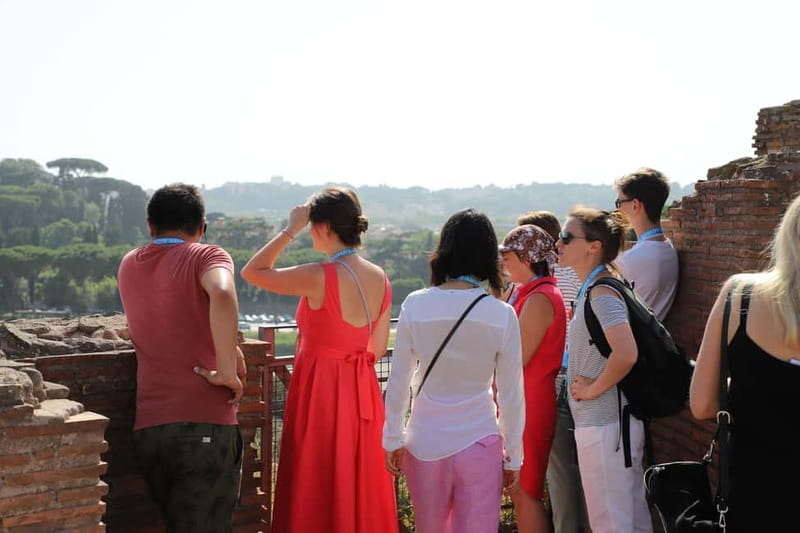
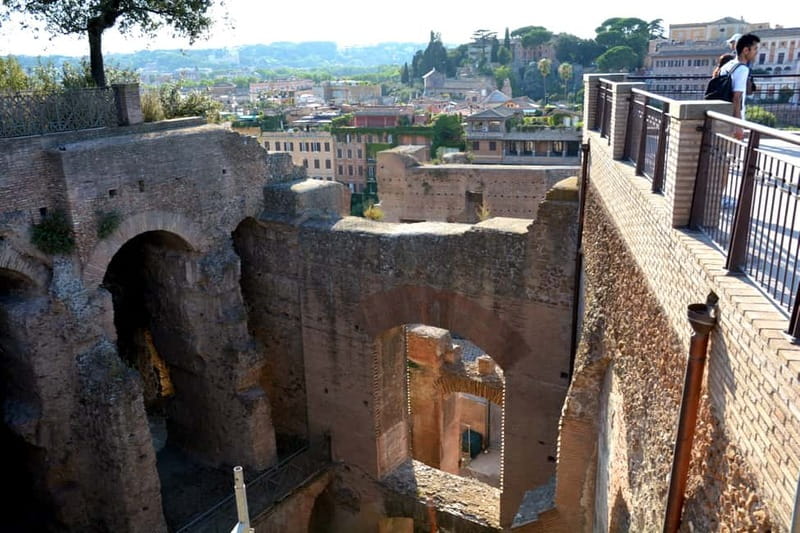
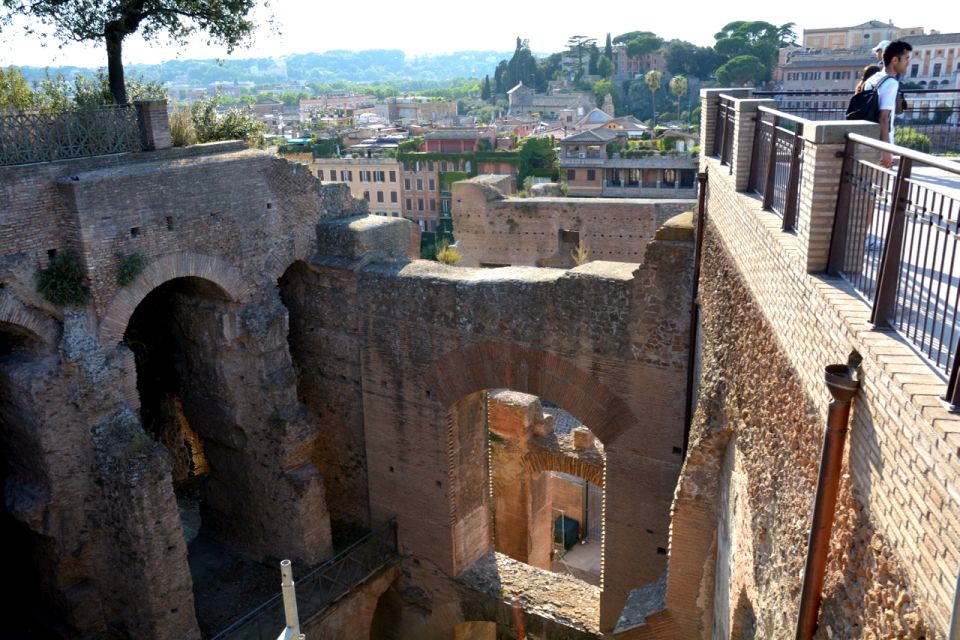
One of the standout features is the emphasis on the views. The guide points out the kind of vantage point the emperors enjoyed, including sightlines toward Circus Maximus and the chariot races.
The tour also includes the Farnese Gardens in the Palatine-area framing. That’s a nice contrast to the stone-heavy parts of the route, because gardens and viewpoints help you breathe for a moment and reset your brain before the final return walk.
If Colosseum is the spectacle and the Forum is the public life, Palatine is the personal power. Together, they give you the full picture.
The 3-hour pacing: what it feels like and how to prepare
This is listed as a 3-hour guided tour, and it’s structured to fit a lot into a short window: Colosseum, Roman Forum, and Palatine Hill all get their own guided segments. That means the pace is active. It’s not designed to be a slow museum afternoon.
Here’s how I’d plan for it based on what this tour actually includes:
- Bring comfortable shoes. You’re walking between major sites and climbing within the Colosseum.
- Bring your passport or ID card. They’re specific about this requirement.
- Wear light layers if you’re traveling in warmer months. The Colosseum area can get intense, and guides like Francesco are praised for keeping the group in the shade as much as possible and pausing for water.
- If you’re sensitive to heat or crowded spaces, consider an earlier start time when available.
Also, it’s not suitable for everyone. The tour is explicitly noted as not suitable for people with mobility impairments and not suitable for wheelchair users. That’s a real consideration, not a fine print detail. If mobility is a question, you’ll want to choose a different format.
Finally, know what you can’t bring: pets and luggage or large bags aren’t allowed. Keep your load light so you can move easily through the entrances.


Price and value: what you’re really paying for at $89.50
At $89.50 per person, you’re paying for three things that matter more than just the ticket price: time, structure, and interpretation.
Time: The express lane and separate entrance help you reduce waiting. In Rome, waiting can kill a day.
Structure: You’re guided through the Colosseum in a sequence that builds understanding—1st and 2nd levels first, then the top tiers—plus a planned walk through the Forum and onto Palatine.
Interpretation: The guide connects scenes and ruins to specific ideas. You don’t just hear that gladiators existed; you hear why the fights were staged, how the crowd voted, what training and payment looked like, and how backstage mechanisms and tunnels worked. That’s the kind of context you’ll have to supply yourself if you go solo—and that takes time.
You also get practical support built in: headsets are included. That keeps the experience from turning into a game of guess-and-mumble during busy moments.
For me, the best sign of value is that the tour covers a lot of ground without feeling like a rush job. The repeated praise for guides like Tania, Elena, and Sara points to the same theme: guides make the complex site feel understandable, not just loud and crowded.
Who this tour is best for (and who should look elsewhere)
This tour fits best if you:
- Want a high-impact route through Colosseum + Roman Forum + Palatine Hill in a single guided block
- Like learning the story behind the site, including the mechanics and the human details of the games
- Appreciate a guide who can keep it organized, funny, and clear (Francesco, Anna, and Tania are frequently highlighted for that style)
It might not fit if you:
- Need a fully accessible route. The tour is not suitable for wheelchair users and people with mobility impairments.
- Don’t want to walk and climb within the Colosseum.
- Get cranky in crowds and heat. You can still have a good time, but you’ll want to plan your timing and pace.
If your dream is to take deep notes and stop for long photo sessions at every corner, you might prefer a slower approach. But if you want the big monuments explained in one efficient sweep, this is a strong choice.
Should you book the Rome Colosseum & Roman Forum guided tour?
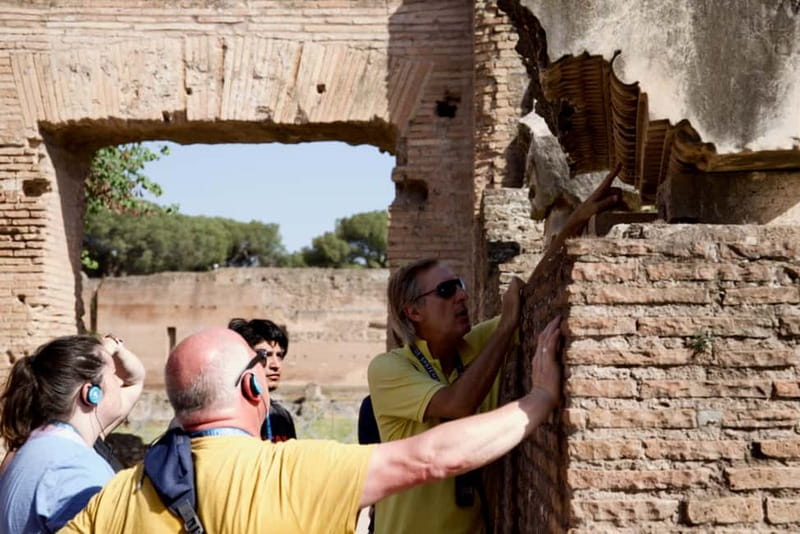
Yes, if you want the fastest path to understanding Rome’s core archaeological story. The combination of express-lane access, headsets, and a guided route that spans the Colosseum’s multiple levels, the Roman Forum’s daily-life route, and Palatine Hill’s myth-to-power narrative makes this a practical “do-it-right” option.
I’d book it especially if:
- You have limited time in Rome
- You want the backstage details and the crowd/game context, not just photos
- You can handle walking and aren’t planning for wheelchair-accessible travel
If you want a Colosseum visit that feels like a guided timeline instead of a pile of stone, this tour is built for that.
FAQ
How long is the Colosseum and Roman Forum guided tour?
The tour lasts about 3 hours.
What’s included in the tour?
You get a guided tour plus headsets, Colosseum access, Roman Forum access, and Palatine access.
Do I skip the line?
Yes. The tour includes skip-the-line entry through a separate entrance.
Where do I meet the guide?
Meet at the corner of the Caffè Roma at Largo Agnesi 1. The nearest metro stop is Colosseo (Line B), and you should use the upper exit (the meeting point will be on the right from the exit).
What languages are available for the guide?
The tour offers live guiding in English and Russian.
Is this tour suitable for wheelchair users or mobility impairments?
No. It is not suitable for wheelchair users or people with mobility impairments.
What should I bring?
Bring your passport or ID card and wear comfortable shoes.
Is the ticket refundable if plans change?
No. The activity is non-refundable.