REVIEW · ROME
Rome: Colosseum, Forum & Palatine Hosted Entry Experience
Book on GetYourGuide →Operated by POINTOURS · Bookable on GetYourGuide
Roman’s biggest showdown, minus the headache. This hosted entry experience gets you into the Colosseum, Forum, and Palatine Hill with hands-on help at the start, so you spend less time figuring things out and more time looking up. I love that you’re not just handed a ticket and sent off into the crowd; you get a real greeter who can help with the on-site entry steps.
Two standout perks for me: the official Colosseum audio guide app and digital map (for the Colosseum area only), and the practical value of touching all three icons in one smooth visit. One thing to consider: you still have to pass metal-detector security at the Colosseum, and when it’s busy you may face a waiting period before entry, plus the time slot matters for your scheduled arrival window.
In This Review
- Key things worth knowing before you go
- Entering the Colosseum with a real host and an easy start
- Skip-the-line entry, but not skip-security
- Inside the Colosseum: official audio guide app and self-paced flow
- Roman Forum: the political center you can walk through
- Palatine Hill: climbs for views, myths for context
- How good is the value at $54.25 per person?
- What to bring, what not to bring, and how to avoid delays
- Who should book this hosted Colosseum, Forum & Palatine visit?
- Timing tips so your day doesn’t get derailed
- Should you book this hosted entry experience?
Key things worth knowing before you go

- Hosted welcome at the meeting point to guide you through entry procedures
- Skip-the-line access via a separate entrance
- Official audio guide app plus a digital map for the Colosseum
- Palatine Hill climb for panoramic views over Ancient Rome
- Roman Forum highlights the political heart of the empire
Entering the Colosseum with a real host and an easy start
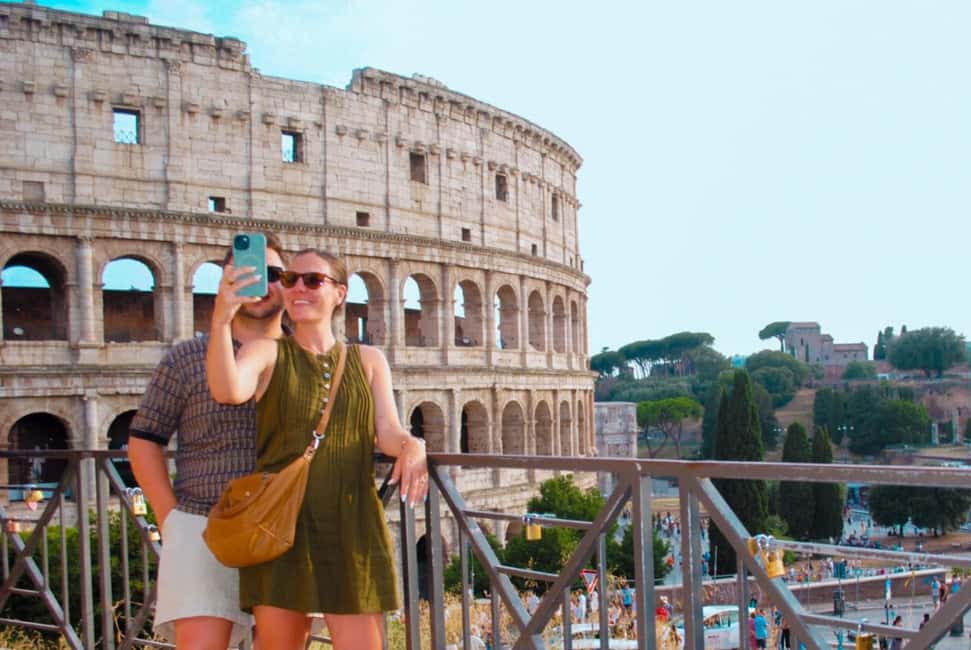
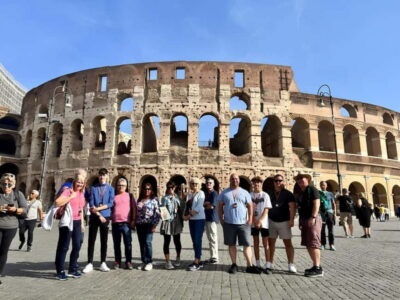
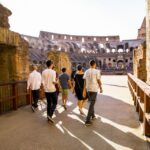
What makes this experience feel different is how it starts. You meet your English host or greeter at a meeting point that can vary depending on the option booked, and you get personal help as you move through the on-site entry process. That matters at the Colosseum, where ticket confusion, security lines, and fast-moving crowds can eat up your morning.
I also like that this setup is designed for calm momentum. You’re given help up front, then you get to explore at your own pace once you’re in. If you want to stop for a photo, catch your breath, or linger at a specific archway, this style fits better than a tightly scripted guided tour.
A small but important note: the activity ends back at the meeting point. So you can plan your next stop in Rome without guessing where everyone might wander off to.
You can also read our reviews of more tours and experiences in Rome.

Skip-the-line entry, but not skip-security
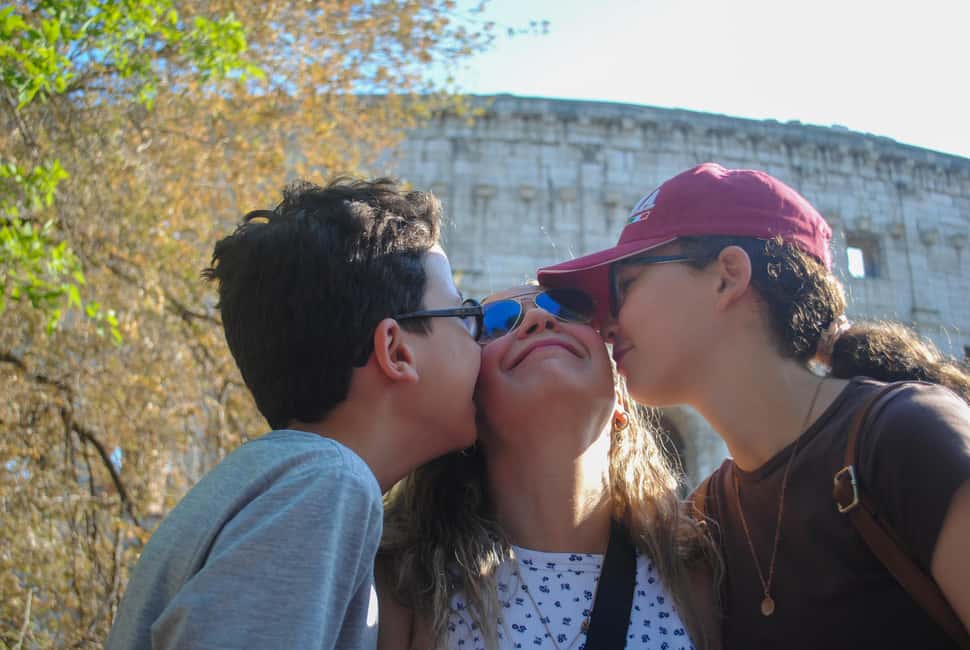
This is billed as skip-the-line entry through a separate entrance. Translation: you avoid the worst of the public queue, which is usually where energy and patience go to die. Still, you must pass a metal detector security check for the Colosseum, and when it’s busy, there can be a waiting period as you go through security.
Timing is the other piece of the puzzle. You’ll have a timed entry slot, and that slot is for when you need to be at the start of the Colosseum entry flow—not a casual suggestion. One caution that comes up is people misunderstanding how timed tickets work and expecting flexibility across the whole site later. If your slot says 2:30, plan around arriving close to that time, not after.
Also bring the right ID. You need a passport or ID card (a copy is accepted), and the operator requires your full name and surname exactly as on your ID, plus an age category (adult or child) for each participant. That’s not just bureaucracy; it’s how you avoid delays when the ticket is matched to the right person.
Inside the Colosseum: official audio guide app and self-paced flow
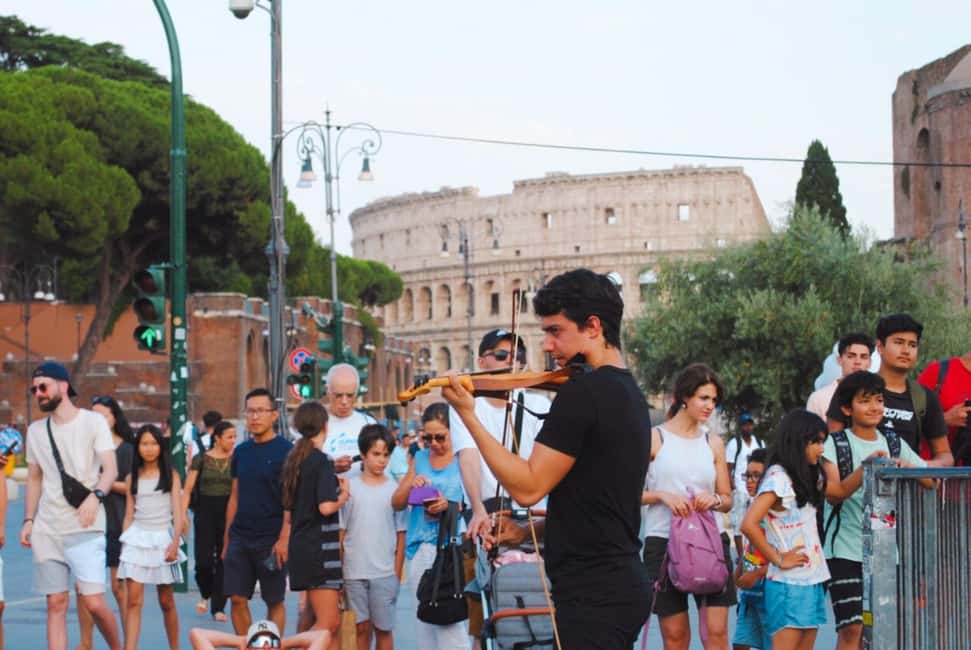
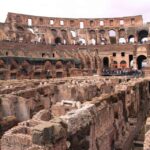
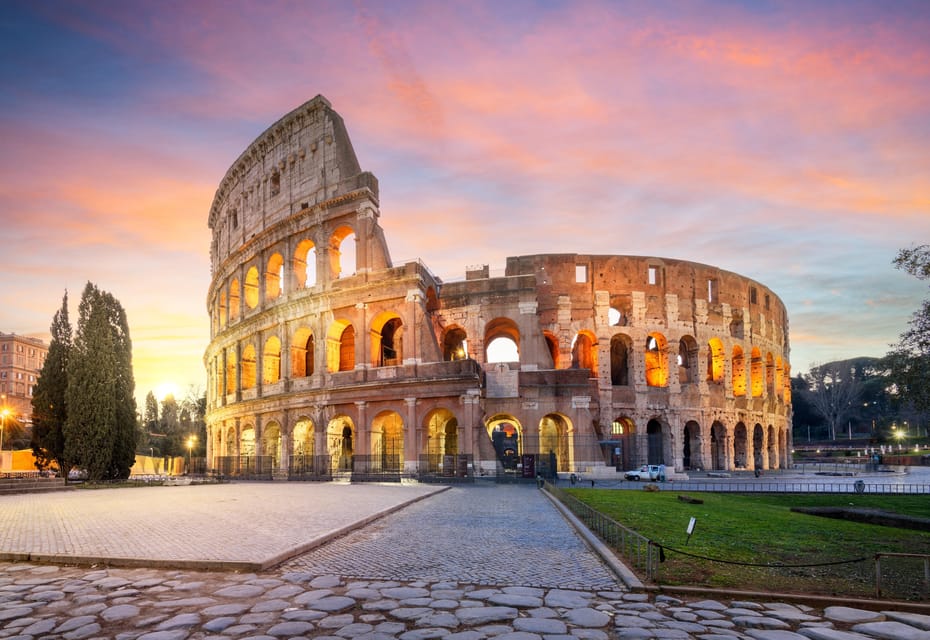
Once you’re in, you step into a structure that still feels unreal—arches stacked in layers, corridors that funnel your eyes toward the arena level, and a space that makes you understand why crowds gathered here. The experience includes the official Colosseum Audio Guide App & Digital Map for the Colosseum only. That’s a big deal because you’re not relying on whatever you can spot on signs; you’re getting context as you walk.
The audio guide is built for “stop-and-start” sightseeing. You can wander at your own speed, then press play when you reach the right spot. I find that self-paced audio is a sweet spot for many visitors: it keeps you oriented without turning every minute into a race.
If you choose the option that includes it, you may also get access to the Colosseum Arena Floor. That’s a meaningful add-on because it changes how you experience scale and sightlines. If you don’t select it, you’ll still enjoy the main interior areas, but the arena-floor view is the difference-maker for many first-timers.
One more limitation to be aware of: access to the Colosseum underground is not included. If underground access is a must-have for your bucket list, this won’t cover that part of the site.
Roman Forum: the political center you can walk through
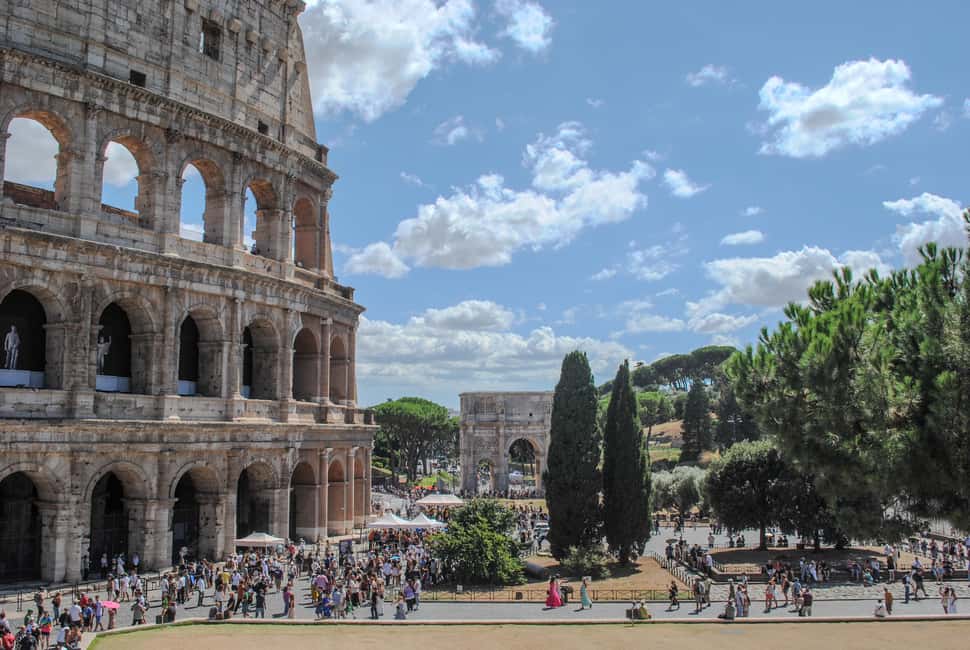
After the Colosseum, the route shifts into the Roman Forum, often described as the beating heart of Roman political life. And that name isn’t just marketing. The Forum is where power shows up in stone—decision-making spaces, monuments, and the feeling that the city was constantly being “run” in public.
In a hosted-entry experience like this, you get two advantages here. First, you’ve already cleared the hardest logistics at the Colosseum, so your Forum time starts with less stress. Second, because you’re not locked into a guided script, you can adjust your pace based on energy. Some parts of the Forum feel best when you slow down, stand back, and actually connect buildings to what you know from classes, documentaries, or the stories you’ve heard about Rome.
Is it possible to feel a bit “lost” without a full guided narration? Maybe. The Forum is large, and there aren’t always clear “tour routes” that tell you what to see first. But the payoff is that you can choose what speaks to you—monumental ruins, open plazas, and the sense of walking through the stage-set of an empire.
Palatine Hill: climbs for views, myths for context
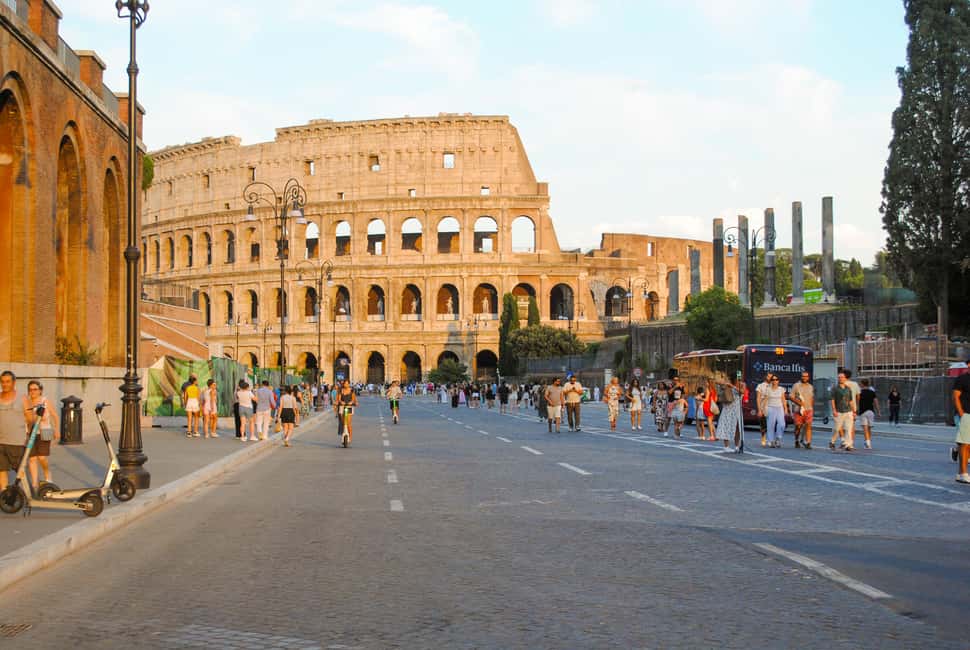
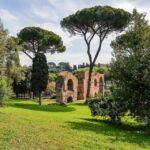
Then you head to Palatine Hill, where you get both the physical payoff and the imaginative one. The hill climb is part of why this stop works: it forces you to earn the views, and once you’re up, you can look out over Ancient Rome like you’re seeing the city in layers.
The experience description leans into the idea of myths of Rome’s founding meeting panoramic views. Even if you’re not chasing every legend, you’ll feel the shift from “big ruins at street level” to “Rome as a whole system.” Palatine is where the geography matters, and it helps you understand why this area was so important.
One practical note: Palatine Hill involves walking uphill. If you’re prone to fatigue, wear supportive shoes and plan for breaks. The good news is this is still a self-paced visit once you’re inside the overall experience, so you can take a breather whenever you need one.
Also, this experience is not designed as a guided tour of Palatine Hill in the classical sense. The value is access plus structure—getting you into the right places with fewer hassles, then letting you explore independently.




How good is the value at $54.25 per person?
Let’s talk money honestly. $54.25 is not cheap, especially in a city where you can sometimes buy individual tickets. But you’re paying for a package that reduces friction where it matters most: hosted welcome, skip-the-line entry, and access to three major stops.
Here’s where the cost can make sense:
- You’re getting entry to the Colosseum, Roman Forum, and Palatine Hill in one go.
- You get hosted assistance at the meeting point to help with the entry procedures.
- The Colosseum comes with the official audio guide app and digital map, which adds real value if you like context while you walk.
- If you choose the right option, you may include Arena Floor access.
Where it might not feel worth it:
- If you already know your way around and don’t mind ticketing and security on your own, the hosted component may feel like extra cost.
- If you specifically want the underground access, this doesn’t include it.
- If you dislike self-paced audio touring and prefer a full narrated guide throughout, you may want a different format.
My take: this is strongest for people who want a smoother entry process and structured access, but still want freedom to look longer at what grabs them.
What to bring, what not to bring, and how to avoid delays

For a smooth day, you’ll want to keep your bag situation simple. Not allowed: pets, luggage or large bags, mobility scooters, non-folding wheelchairs, and electric wheelchairs. If you’re traveling light, you’re already ahead of the game.
Bring:
- Your passport or ID card (a copy is accepted)
You should also be ready for security screening. That metal detector checkpoint is required at the Colosseum, and it can slow things down when demand is high.
Then there’s the name-matching rule. To process your reservation, the operator requires the full name and surname for each participant as shown on your ID, plus age category (adult or child). Double-check that when you book. It’s the kind of detail that can prevent unnecessary friction on the day.
Who should book this hosted Colosseum, Forum & Palatine visit?
This fits best if you fall into one (or more) of these categories:
- You want three iconic sites in one trip without spending your morning wrestling with logistics.
- You like a mix of structure and freedom: hosted entry, then independent exploration.
- You enjoy audio guidance and want the official app for Colosseum context.
- You’re traveling with family or a partner and you’d rather avoid a strict, hour-by-hour guided pace.
It may be less ideal if:
- You need full guided narration for every stop.
- You specifically want Colosseum underground access.
- You’ll struggle with the Palatine Hill climb.
- You rely on mobility scooters or certain wheelchair types, since this is not suitable for wheelchair users according to the information provided.
On the people side, the host/greet experience is an important part of this. The overall feedback points to English-speaking guides who are friendly, helpful, and ready with practical tips like photo placement and nearby food ideas. That kind of on-the-ground guidance can save you time in Rome, where decisions feel harder than they should.
Timing tips so your day doesn’t get derailed
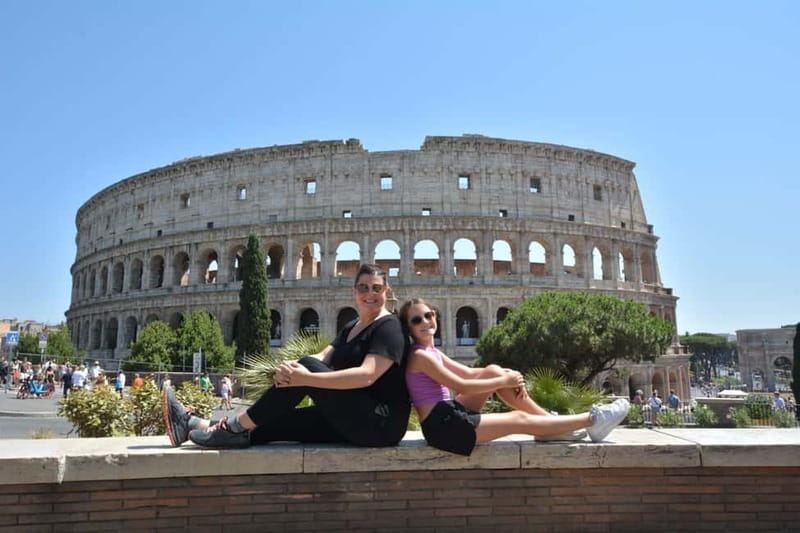
Because this is timed, you should treat your arrival window seriously. Showing up late can mean you lose the smooth entry flow that makes the “skip-the-line” concept actually work for you.
Also, plan your expectations: even with separate entrance access, security can add a wait when the venue is busy. Your goal is to arrive ready—ID out, bag situation compliant, and a calm mindset.
If you’re choosing options like Arena Floor access, make sure you understand that those add-ons are based on the option you selected. Don’t count on upgrades unless they’re part of your booked selection.
And if you’re the type who likes to move quickly from stop to stop, remember that this experience is built around self-paced exploration. You’ll have the best time if you set a flexible mindset, especially at the Forum and Palatine Hill.
Should you book this hosted entry experience?
Book it if you want a stress-reducing start at Rome’s most famous ruins, plus access to the Colosseum + Forum + Palatine Hill in one package. The hosted welcome and skip-the-line entry are the big wins, and the official Colosseum audio app is a solid add-on if you like context while you walk.
Skip it (or look for a different option) if underground access is your top priority, if you need fully guided narration throughout, or if you expect your timed slot to function like a flexible ticket you can use any time later in the day.
One last practical reason to consider booking now: the experience offers free cancellation up to 24 hours in advance and also has a reserve now, pay later option. That means you can lock in access plans while keeping a safety valve for Rome’s changing schedules.
If your goal is to get inside fast, get oriented with the right audio, and then take your time exploring the sites that shaped the city, this is a sensible, good-value way to do it.