REVIEW · ROME
Bone Crypts & S. Clemente ENGLISH tour – tickets included
Book on GetYourGuide →Operated by Rome With Mike · Bookable on GetYourGuide
Rome gets dark fast underground. I love the Capuchin Crypts with bones of nearly 4,000 monks and the way the tour pairs that with real Roman layers at San Clemente. One thing to plan for: an audio headset is used mainly for the bone-church portion, not the whole tour, and there’s moderate walking.
What makes this one stand out is the format. It’s semi-private with a small group (max 8), and the English guides lean hard on storytelling and jokes, including names you might meet like Mike, Heather, Divan, Peter, and John. It keeps the pace human, not rushed.
At $61 per person for 2.5 hours, it’s a smart value when you want skip-the-line entry and guided access to two standout sites in one go: the Capuchin Crypts and the underground spaces of Basilica of S. Clemente. Still, if you’re not comfortable around human remains, this tour is intense.
In This Review
- Why This Bone-Crypt + San Clemente Combo Works
- Starting at Piazza Barberini: Easy meeting point, calm start
- Capuchin Crypts: Six chapels and the rules you’ll feel
- The short ride to the Colosseum area: quick context, not a bottleneck
- Basilica of S. Clemente: 2,000 years of Rome in one guided route
- Caravaggio’s masterpiece: art that makes the stories stick
- Practical timing: how the 2.5 hours really feels
- Price check: why $61 feels fair for what you get
- Who should book this tour, and who should think twice
- Should you book Bone Crypts & S. Clemente?
- FAQ
- What’s included in the tour ticket?
- Where do I meet the guide?
- How long is the tour?
- Is the tour in English?
- Is it a skip-the-line tour?
- Is there an audio guide or headset?
- Can I take photos?
- What should I bring?
- Is the tour suitable for people with mobility impairments?
- Is the group small?
Why This Bone-Crypt + San Clemente Combo Works
- Nearly 4,000 monks’ bones turned into chapels, with crosses set into the floor marking resting places.
- Skip-the-line tickets for the Capuchin Crypts and guided entry into the underground Basilica of S. Clemente.
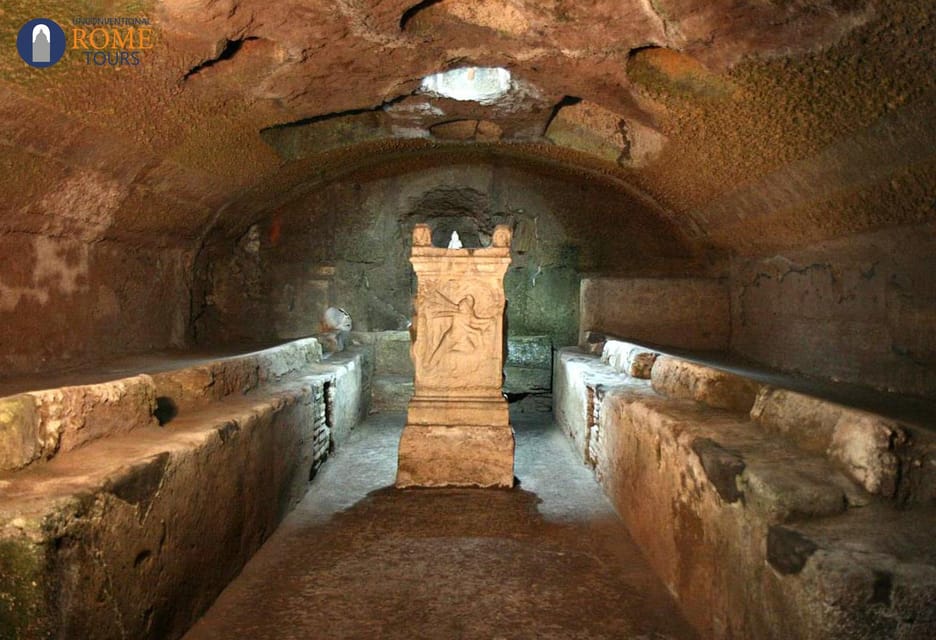
- San Clemente’s stacked layers: 12th-century basilica, 4th-century church, and a 2nd-century Mithraic temple below.
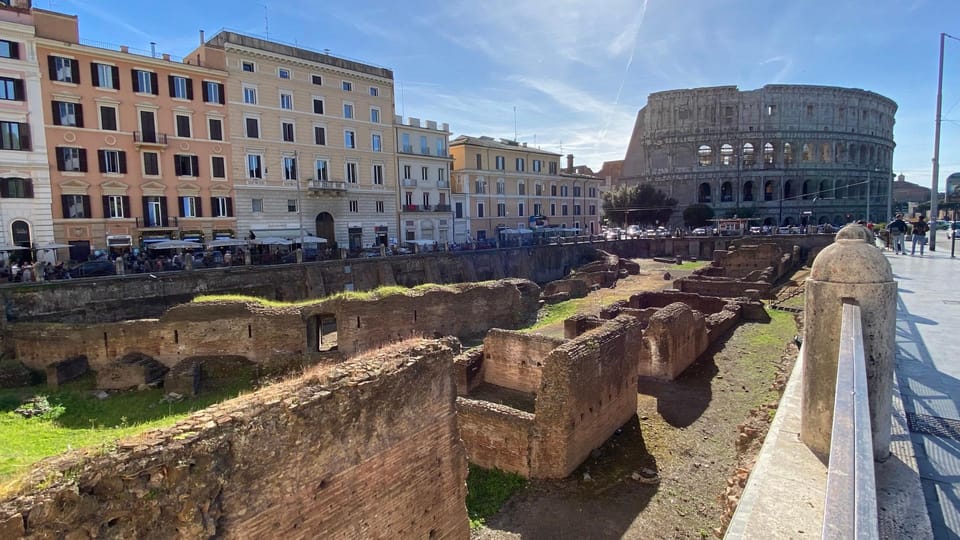
- Colosseum area context from the outside, including gladiator training grounds (Ludas Magnus) and views tied to Nero’s Domus Aurea.
- Art included: you’ll see Caravaggio’s masterpiece as part of the guided route.
- Small group pace (up to 8), with a live English guide who keeps the story moving.
Starting at Piazza Barberini: Easy meeting point, calm start
You meet at the Face Side of the Triton Fountain in Piazza Barberini. It’s an easy landmark, and this matters because the first minutes set the tone: you want to feel oriented before heading into sites that are narrow and stair-heavy.
Plan to arrive about 10 minutes early. If you’re early, Bar Gusto is across the street for bathrooms and a quick drink/snack before you start walking.
From there, the tour moves on foot and includes a short black cab ride. In other words, you get city variety without spending half your time in traffic.
You can also read our reviews of more tours and experiences in Rome


Capuchin Crypts: Six chapels and the rules you’ll feel
The Capuchin Crypts portion runs about 70 minutes. This is not a casual stop; it’s a guided, reflective experience in a real burial ground, so the tone stays respectful even when the subject is unsettling.
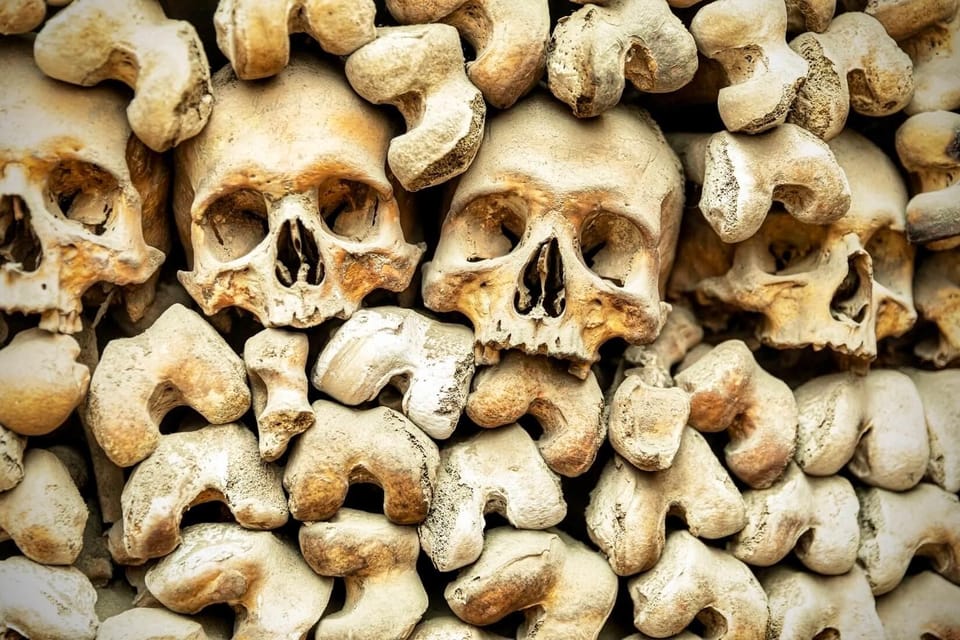
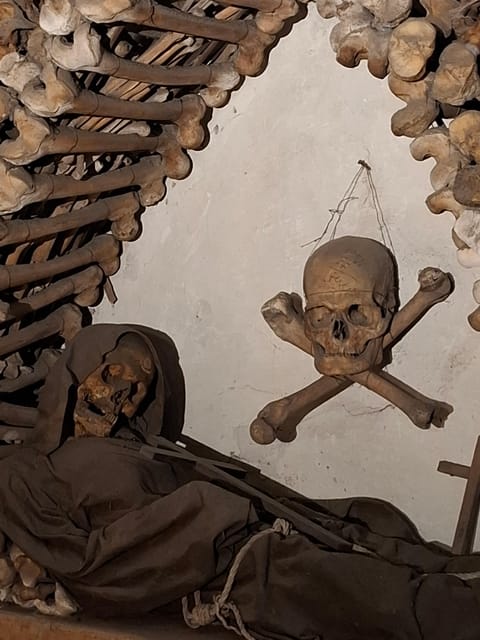
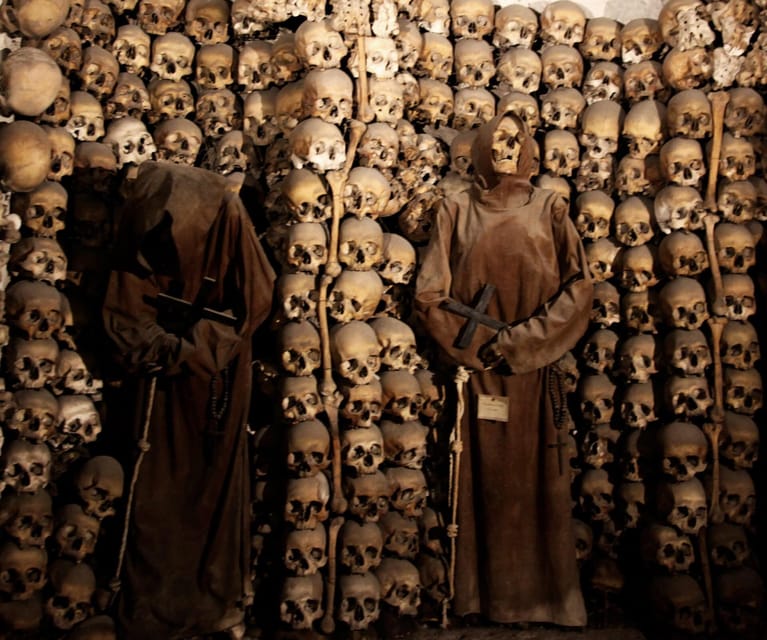
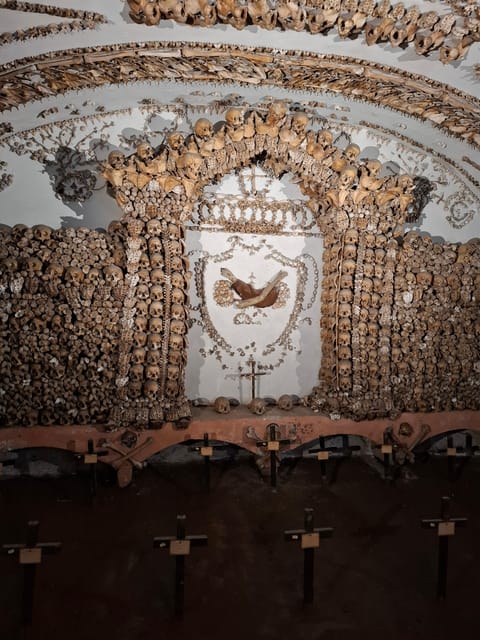
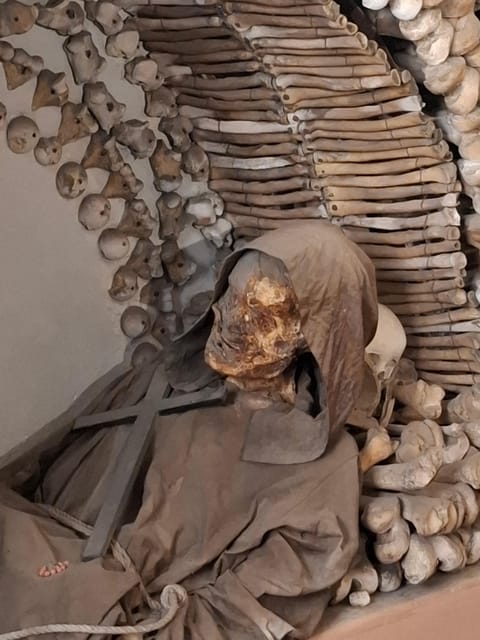
You’ll walk through sections that focus on how the Capuchin order handled death and burial. Then you enter the underground rooms where the walls and arrangements are decorated with human bones, including themed chapels such as the Crypt of the Three Skeletons, the Crypt of the Leg Bones and Thigh Bones, and the Crypt of Pelvises, where the bones are arranged in peaceful arches. The Crypt of the Skulls is the iconic finale, topped by a symbolic hourglass.
A detail I really liked for planning: parts of the visit are enhanced with an audio guide. Based on what people highlight, the headset is used mainly during the bone-church portion, not for the entire walk afterward. If you’re the kind of person who depends on audio while moving, you’ll be glad the bones rooms come with the extra support.
Practical heads-up before you go:
- There’s no flash photography, and some areas may restrict photos altogether, so listen to the guide’s instructions.
- Expect security checks at certain points.
- Wear comfortable shoes; the underground path involves steps and close quarters.
Also, look down. Crosses embedded in the floor mark the final resting places of seven monks. It’s one of those small visual moments that makes the whole place feel less like spectacle and more like ritual.
The short ride to the Colosseum area: quick context, not a bottleneck
After the crypt, you’ll take a black cab for about 10 minutes. That break is useful in a tour that’s otherwise mostly stairs and tight spaces.
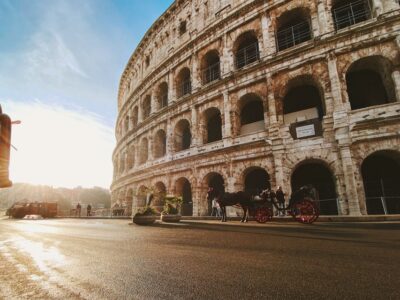
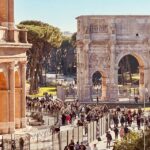
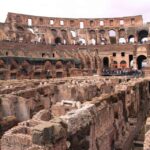
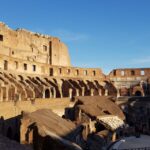
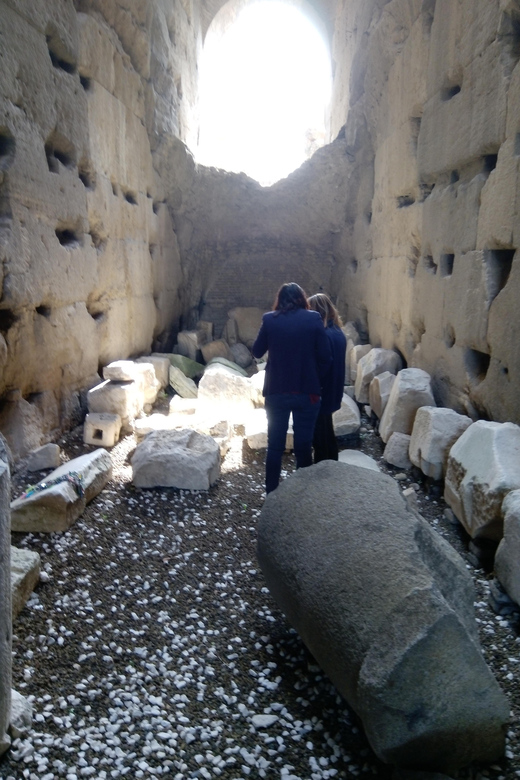
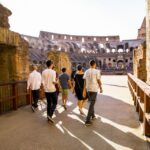
Then you get a guided stop near the Colosseum area for about 20 minutes, focusing on what you’d miss if you only photograph the arena from the main streets. You’ll pass outside the Colosseum and connect it to gladiator culture, including the Ludas Magnus area, the gladiator training grounds. The point isn’t to re-create a history lecture; it’s to help you see the Roman world in the right context.
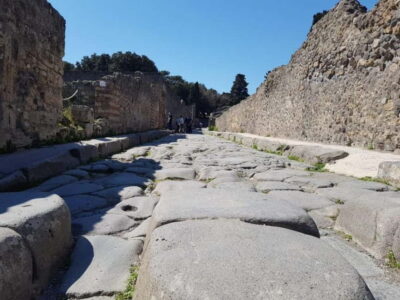
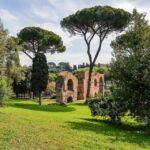
You’ll also see ruins outside Emperor Nero’s golden palace, Domus Aurea, from the street level. It won’t be the full, inside-the-house experience, but it’s enough to understand why Rome’s later layers were built on top of earlier ones—and why this city is a vertical history book.
This part of the tour is short by design. It keeps the day efficient so you still have time for the bigger “wow” payoff underground at San Clemente.
Basilica of S. Clemente: 2,000 years of Rome in one guided route
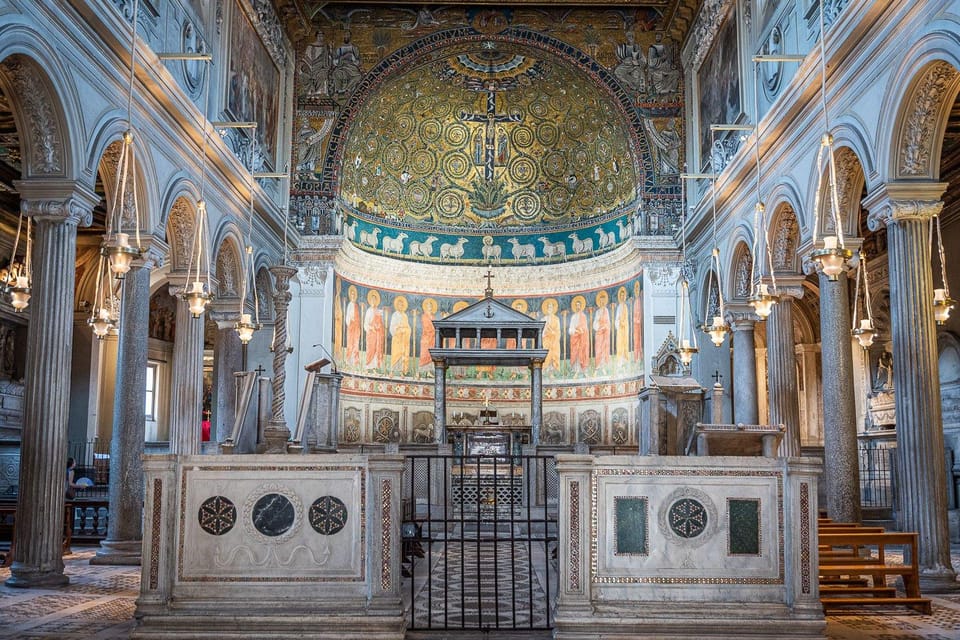
This is the other anchor of the tour, with about 50 minutes spent inside the Basilica of S. Clemente. The magic here is that you’re not just visiting one church. You’re moving through different time periods packed into the same site.
You start at the 12th-century basilica level, then descend to a 4th-century church, and further down to a 2nd-century Mithraic temple. That “stacked” design is why this stop hits so hard. One set of stairs turns into a time machine.
Inside, you’ll see Byzantine mosaics and early Christian frescoes. Even if you’re not an art scholar, the guide’s job is to help you read what you’re looking at: symbols, materials, and the shift in meaning from one era to the next.
One detail you can plan around: there’s a 2,000-year-old fountain still flowing. It’s one of those moments where you stop thinking like a tourist and start thinking like a person standing there centuries ago, hearing the sound of water while the world changes above you.
Photography rules can be stricter in some areas. So be ready to keep your camera handy but follow instructions closely.
Caravaggio’s masterpiece: art that makes the stories stick
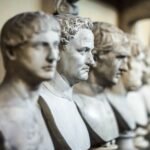
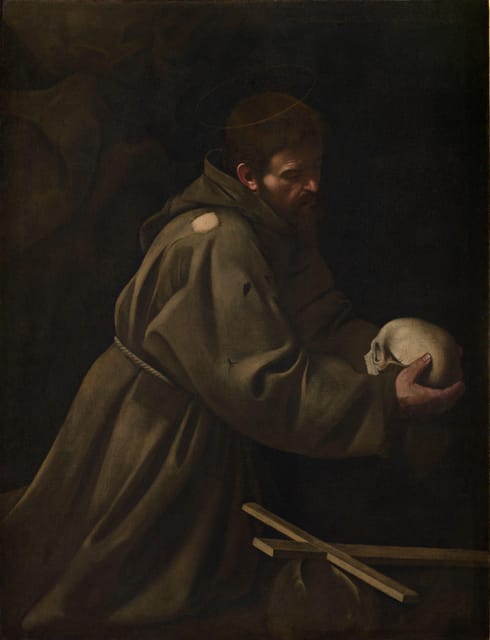
This tour includes viewing Caravaggio’s masterpiece. For Rome, that matters because Caravaggio’s work is all about drama—light, emotion, and close-up realism.
What the guide does with it is practical: you don’t just see a painting on a wall. You get the human context for why it mattered and how Baroque-era artists helped shape how people felt about faith, authority, and morality. The best guides connect the artwork to what you just walked through—bones and burial rituals on one side, Christian meaning and visual persuasion on the other.
It’s one of the reasons this feels more like a guided experience than a checklist.

Practical timing: how the 2.5 hours really feels
The total duration is about 2.5 hours, and the pacing reflects the real bottlenecks. Capuchin entry is where timed access helps. San Clemente underground is where guided direction helps most—because getting oriented underground is easy to mess up if you go on your own.
Here’s the structure you can expect to feel in your body:
- About 70 minutes in the Capuchin Crypts
- A short 10-minute black cab ride
- About 20 minutes around the Colosseum area for outside viewing
- About 50 minutes underground at San Clemente
The walking is described as moderate, but the underground portions add stairs and enclosed spaces. If you’re used to slow travel, you’ll be fine. If you usually prefer long rest breaks, you might feel this one a bit more active than you expect.
Price check: why $61 feels fair for what you get
$61 per person is not a “cheap add-on,” but it also isn’t overpriced when you compare it to buying everything separately. You’re paying for:
- Skip-the-line access for the Capuchin Crypts
- Guided admission to the underground Basilica of S. Clemente
- A live English guide across multiple major sites
- Included viewing tied to Caravaggio’s work
- Outside viewing connections to the Colosseum, Ludas Magnus, and Domus Aurea
In Rome, the value often comes from two things: saving time on entry and having someone explain what you’re looking at. This tour is built for both. You won’t just see “bones” and “ruins.” You’ll connect them into a single story about faith, power, and how the city remembers itself.
One small cost note: a short taxi ride is part of the flow. Your tour information suggests budgeting for a taxi in general (average cost listed as €10). Still, the day’s schedule includes a black cab segment as part of the route.
Who should book this tour, and who should think twice
This works best if you like Rome that’s a bit off the standard path. The bones theme is memorable, and the underground layers at San Clemente are a standout for anyone who wants more than surface-level sightseeing.
I’d especially recommend it for:
- First-time Rome visitors who want major landmarks plus a genuine “Roman hidden layers” experience
- People who like guided art and symbolism, not just photos
- Families and groups who benefit from a lively English guide with humor and strong explanations (guides like Divan and Mike are often singled out for that energy)
Think twice if:
- You’re very sensitive about human remains. The Capuchin Crypts are the main event, and it’s intense by design.
- You use mobility aids or need wheelchair access. This tour is not suitable for people with mobility impairments or wheelchair users.
Also, if you hate audio guidance setups, note that the headset/audio enhancement is mainly tied to the bone-church portion. You may still get full narration outside that area, but the audio format isn’t identical throughout.
Should you book Bone Crypts & S. Clemente?
Yes, if your idea of a great Rome day includes both the theatrical and the profoundly human. The Capuchin Crypts are one of the most unusual places in the city, and pairing them with San Clemente’s stacked underground layers turns your visit into something bigger than a single “wow stop.”
Skip this if you want gentle sightseeing only, or if you’re uncomfortable with bones as part of a burial tradition. Also, if you need step-free touring, look for an accessible alternative since this one is not suited to wheelchair users.
If you do book, I’d go in with two expectations: you’ll walk a fair bit, and you’ll leave thinking about how Rome uses art and space to talk about life, death, and belief.
FAQ
What’s included in the tour ticket?
Tickets are included, along with an English live guide. You get admission to the Capuchin Crypts, admission to the Basilica of San Clemente underground, viewing of Caravaggio’s masterpiece, and outside viewing of the Colosseum, Nero’s Domus Aurea, and the gladiator training grounds at Ludas Magnus.
Where do I meet the guide?
Meet at the Face Side of the Triton Fountain in Piazza Barberini.
How long is the tour?
The tour lasts about 2.5 hours.
Is the tour in English?
Yes. It includes a live English guide.
Is it a skip-the-line tour?
Yes. Skip-the-line entry is included.
Is there an audio guide or headset?
The information says sections of the Capuchin Crypt visit are enhanced with an audio guide. One highlighted point is that a headset is used for the bone-church portion, not necessarily for the entire tour.
Can I take photos?
Flash photography is not allowed. Photography may also be restricted in certain areas, so follow the guide’s instructions.
What should I bring?
Bring comfortable shoes and a camera.
Is the tour suitable for people with mobility impairments?
No. It is not suitable for people with mobility impairments or wheelchair users.
Is the group small?
Yes. The group is limited to 8 participants, and it’s described as semi-private.