REVIEW · ROME
Rome: Campo De’ Fiori Market & Trevi 4-Hour Food & Wine Tour
Book on GetYourGuide →Operated by Food Raphael Tours and Events · Bookable on GetYourGuide
Rome has a way of feeding curiosity. This Campo de’ Fiori to Trevi food-and-wine walk pairs big-name sights with real bites at local places, including a standout lunch set among ancient theater ruins. I love the way the stops balance famous landmarks with the kind of eating you’d only pick after seeing how locals shop. I also like the small-group feel, built for questions and pacing that doesn’t feel rushed. One key consideration: it’s not suitable for wheelchair users, so plan accordingly if you need step-free access.
The tour starts at 11 AM and runs for about four hours, led by an English-speaking local expert. When guides like Mattheo or Georgia are at the helm, the vibe tends to be warm and playful, with plenty of food and wine served at a leisurely pace. If you’re the type who likes to connect your sightseeing to what’s actually in your glass and on your plate, this is a strong fit.
In This Review
- Key Points at a Glance
- Why Campo de’ Fiori and Trevi Works So Well for Food Lovers
- Meeting at Piazza Farnese: Getting Started Without Stress
- Campo de’ Fiori Market: Where Your Appetite Gets the Local Context
- Pantheon and Piazza Navona: Turning Landmarks Into Meal Anchors
- Trevi Fountain Without the Head-Down Rush
- The Best Payoff: Lunch With Wine Among Ancient Theater Ruins
- How Much You’ll Eat, Drink, and Walk in 4 Hours
- Guides, Group Size, and the Smart Casual Rule
- Price and Value: What $105 Buys in Rome
- Who This Tour Suits Best (and Who Might Skip It)
- Should You Book This Rome Food and Wine Tour?
- FAQ
- Where is the meeting point?
- What time does the tour start?
- How long is the tour?
- What’s included in the price?
- Is transportation from my hotel included?
- Does the tour run in bad weather?
- Can the tour accommodate dietary restrictions?
- What should I wear or bring?
Key Points at a Glance
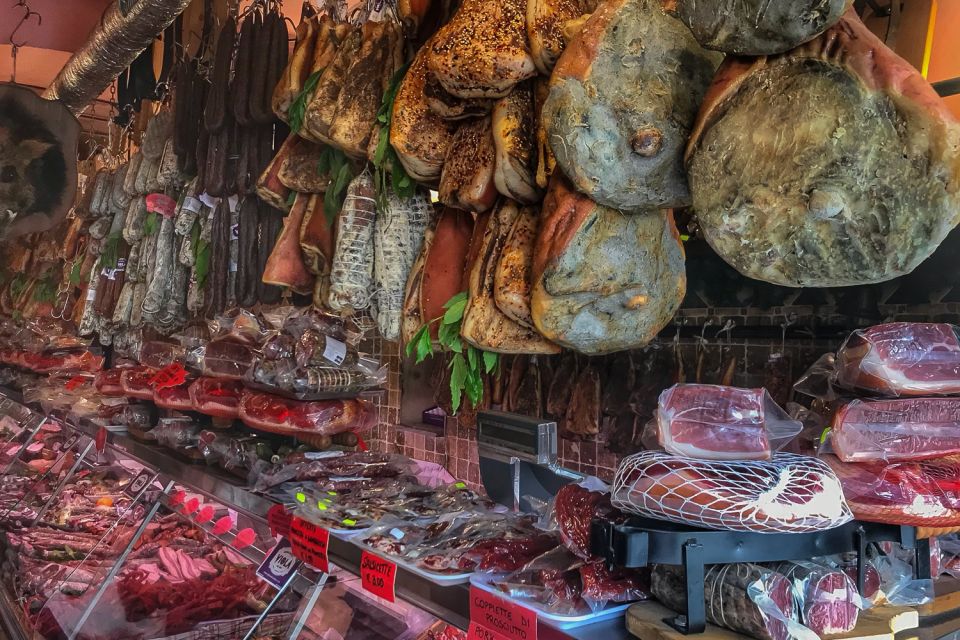
- Campo de’ Fiori market first: you get a real open-air market feel before the famous sights
- 7 different eateries along the way, so you’re tasting more than just snacks
- Major landmarks included: Pantheon, Trevi Fountain, and Piazza Navona
- A true payoff lunch: served with wine among the ruins of Rome’s most ancient theater
- Small group size (up to 16 people) helps you move comfortably and ask questions
Why Campo de’ Fiori and Trevi Works So Well for Food Lovers
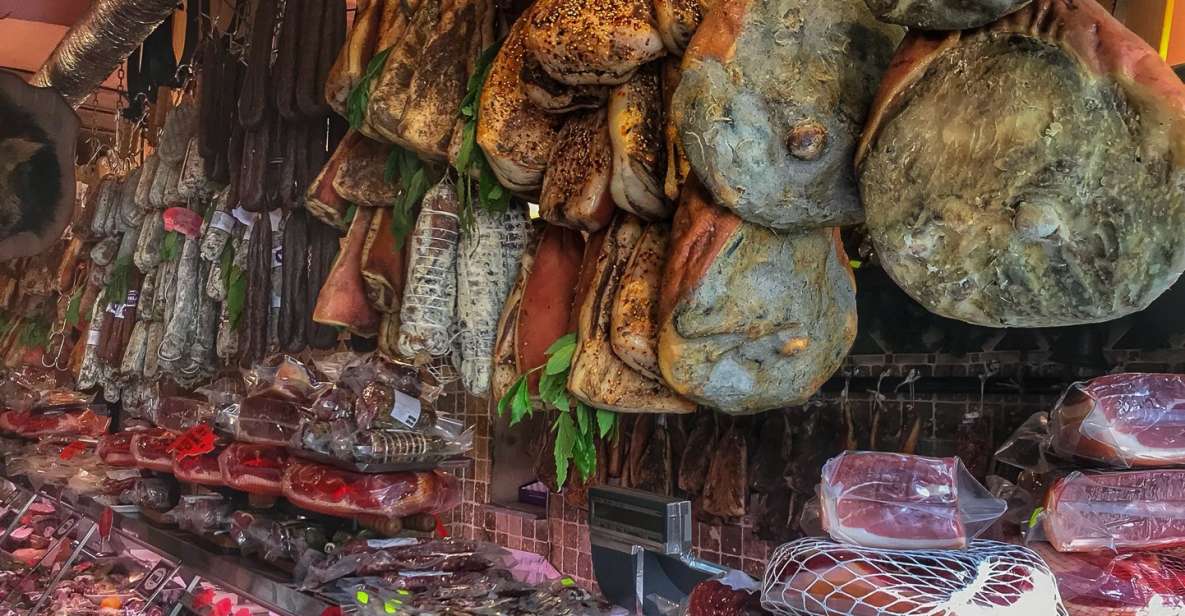
If you only do Rome’s monument circuit, you can miss the city’s daily rhythm. This tour is built around two worlds that actually connect: the market culture near Campo de’ Fiori and the sightseeing postcard zone around Trevi and Navona. That pairing matters because the tastiest Rome isn’t separated into neat categories. It’s all in the same streets.
Campo de’ Fiori is an open-air market area with a “show up, smell it, taste it” atmosphere. Trevi and Navona are iconic, yes, but the trick here is using those sights as waypoints between food stops rather than long passive sightseeing. You’re still seeing the big stuff—just with your head turned toward what people are buying, eating, and ordering.
And you’ll find practical comfort in the structure: lunch is included, plus food and drinks, so you’re not trying to guess where to stop when hunger hits. This is one of those tours where you come hungry and let the local guide handle the hard decisions.
You can also read our reviews of more food & drink experiences in Rome

Meeting at Piazza Farnese: Getting Started Without Stress
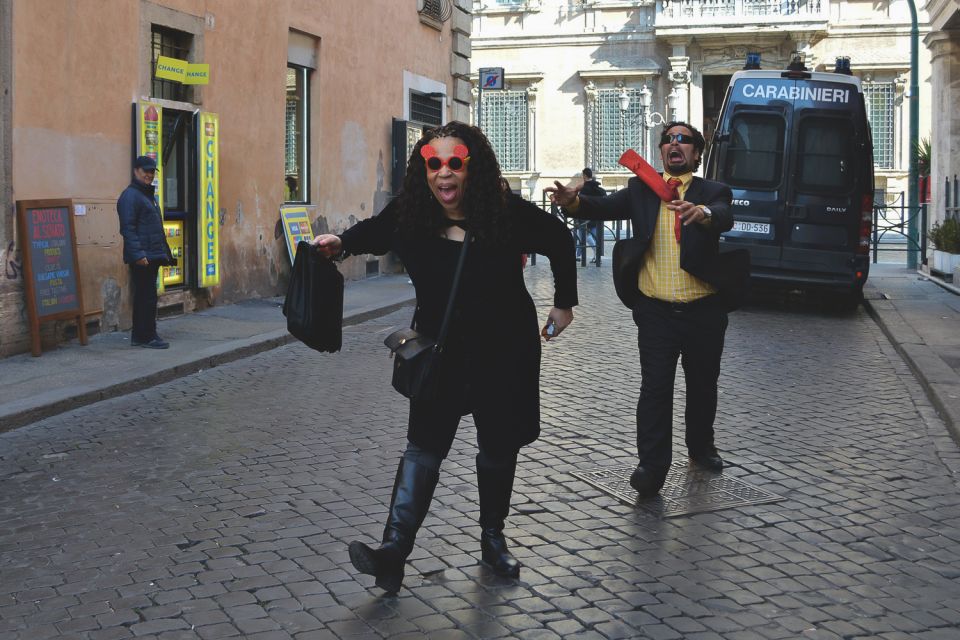
The meeting point is at Piazza Farnese, next to the fountain in front of the church of Santa Brigida. It’s one of those places where you can easily get your bearings, and the landmark setting helps if you’re arriving on foot from a nearby hotel.
The tour starts at 11 AM, and transportation from your hotel isn’t included. So you’ll want a plan that keeps you on time—either a quick taxi or bus to the meeting point, or a short walk if you’re close enough. This timing is also handy because it’s early enough to fit into a full day of sightseeing while still letting you enjoy a proper lunch during the tour.
A small logistics note that affects your experience: places visited can change. That doesn’t mean the tour becomes chaotic; it usually means the guide can shift based on availability or what’s best that day.
Campo de’ Fiori Market: Where Your Appetite Gets the Local Context
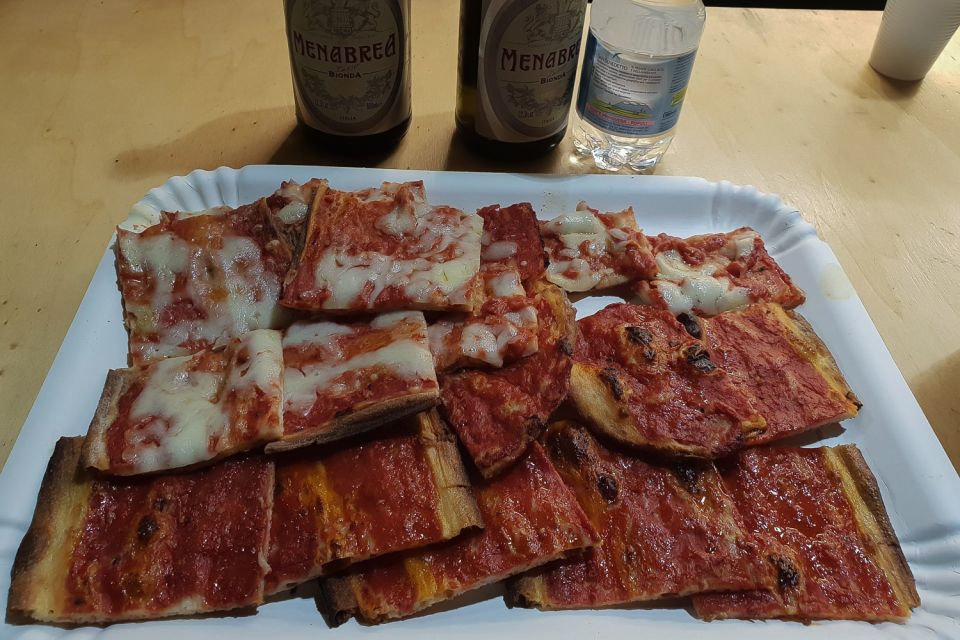
Campo de’ Fiori is famous for being open-air and lively, and you’re going to see it in action rather than just passing it on the way to something else. The tour’s early focus here is smart. You get a market lens before you move into the sightseeing-heavy parts of central Rome.
What makes this stop more than “look and walk” is the emphasis on meeting local food people—producers and artisans—and learning what goes into the things you’ll taste later. In this area you’ll also find a strong concentration of food specialties, including coffee roasters, salami makers, and excellent ice cream shops. Even if you don’t have time to browse all of them during the tour, the guide’s recommendations make the surrounding streets feel like part of your food education rather than a random maze.
You should come with comfortable shoes, because you’re on foot for several hours. And if you’re someone who enjoys little details—how food is presented, what people are buying, how shops work—this is where you’ll feel most connected to “real Rome.”
Pantheon and Piazza Navona: Turning Landmarks Into Meal Anchors
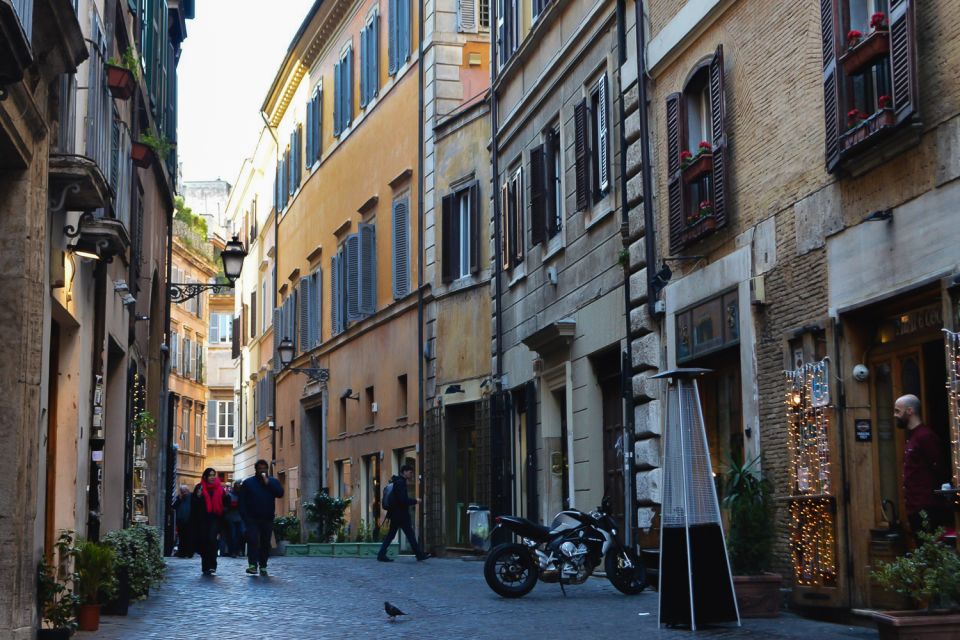
After Campo de’ Fiori, the tour uses major sites as anchors: the Pantheon, Piazza Navona, and then on toward Trevi Fountain. Here’s why that matters for your experience: landmarks can easily turn into background noise if you treat them as checkbox stops. On this tour, each place supports the food story.
The Pantheon stop is a great example of how this works. You get to see one of Rome’s most recognizable sights, but you’re not stuck in a long viewing-only stretch. The guide’s goal is to keep the group moving while still giving you the sense of place.
Then Piazza Navona brings a different Roman energy—open space, street-life atmosphere, and that “you’re in the center of it all” feeling. This is where many food tours start to feel generic because they speed through too fast. The value here is the combination: you get big sights, but you also keep stopping for tastings at seven different eateries. That keeps the walking meaningful.
One drawback to consider: if you’re hoping for lots of time to sit and soak in the sights without moving, this isn’t built like a slow museum day. It’s designed to stay active, with food and conversation driving the pace.
Trevi Fountain Without the Head-Down Rush
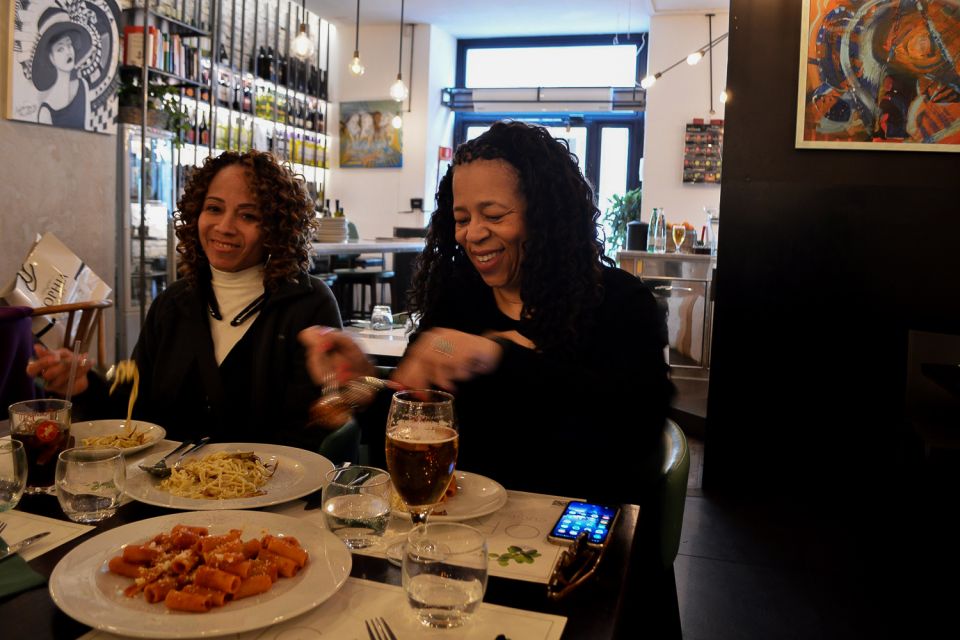
Trevi Fountain is one of those stops where the crowds can be intense. What I like about a food-and-wine framing is that it gives your visit purpose beyond posing for photos. You’re moving through the area with a plan, and the guide’s attention helps you spend less time figuring out logistics and more time enjoying the moment.
Also, Trevi isn’t just a visual target on this tour. It’s part of a route that keeps turning the city into edible context—street by street, bite by bite. When a guide is good at reading the group, you’re also more likely to experience Trevi as a lived-in neighborhood space rather than a single stop you sprint through.
Dress-wise, you’ll be expected to look smart casual. That’s not about being fancy; it’s about staying comfortable and appropriate for restaurants and tasting locations. If you plan on wearing anything too casual—like shorts or sleeveless shirts—you may want to rethink it to avoid awkwardness.
You can also read our reviews of more tours and experiences in Rome

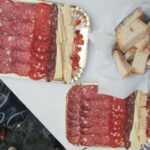
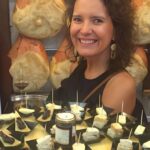
The Best Payoff: Lunch With Wine Among Ancient Theater Ruins
The highlight people remember isn’t only a view—it’s the included lunch, served with food and drinks, and set among the ruins of Rome’s most ancient theater. That setting changes the feel of the meal. Food tastes better when you’re connected to the space you’re eating in, and this one gives you both: a proper sit-down lunch plus the sense of eating in a historic layer of the city.
This is also where the tour’s “come hungry” promise becomes real. The pacing tends to be leisurely, with generous portions of food and wine. You’re not just tasting; you’re eating in a way that’s meant to keep you satisfied for the rest of the walk.
If you’re a value-seeker, this matters. Tours that charge similar prices but skip a true lunch often leave you scrambling afterward. Here, lunch is part of the structure, and it’s one of the most memorable elements of the day.
How Much You’ll Eat, Drink, and Walk in 4 Hours
This is a four-hour walking experience, and the good news is that it’s planned around tastings rather than empty time. You’re set up with food and drinks, and you’ll hit 7 different eateries, so your time is filled with bites and short explanations rather than long stretches of waiting.
From what’s known about the tour style, the pacing is designed to feel relaxed. That doesn’t mean it’s slow-walking for the entire time. It does mean you’re not getting treated like a conveyor belt. For most visitors, four hours is a sweet spot: enough time to feel like you actually learned something and tasted a lot, without turning the day into a marathon.
Bring water judgment too. Since wine is part of the experience, pace yourself. If you’re sensitive to alcohol or you prefer to stay alert for later sightseeing, talk to the guide about how you’d like to handle drink service. The format supports accommodation for dietary restrictions when you advise in advance.
Guides, Group Size, and the Smart Casual Rule
Group size is capped at 16 people, which is big enough to feel lively but small enough for questions and route adjustments. That makes a difference on a food tour, because you’re tasting multiple things and you’ll likely want context: what you’re eating, where it comes from, and how Italians think about those flavors.
The human factor is real here. Guides have names like Mattheo and Georgia, and the vibe described around them is helpful, humorous, and generous with explanations. That’s not just nice-to-have. In a city like Rome, the difference between an okay tour and a great one often comes down to whether the guide makes you feel comfortable asking questions and tasting with confidence.
Dress code is smart casual, and there are a few items to avoid: shorts, short skirts, sleeveless shirts. If you’re traveling in Rome during warmer months, this can be a mild hassle—so pack a light layer or choose something that fits the rule without making you overheat.
Also, tours operate rain or shine. So plan your footwear and outer layer accordingly. You’ll be outside, so bring what makes walking tolerable.
Price and Value: What $105 Buys in Rome
At $105 per person for four hours, the headline number looks straightforward. The real question is what you get for that money.
You’re paying for:
- Lunch, which is normally a big line item in Rome
- Food and drinks included in the tasting flow
- An expert local guide to connect the sights to the eating
- Multiple stops across a prime sightseeing corridor: Pantheon, Piazza Navona, Trevi
When a tour includes a true meal and multiple tastings, it often saves you from the usual Rome problem: spending the afternoon “winging it,” then paying restaurant prices without local guidance. The lunch among ancient theater ruins is also the kind of experience that would cost extra if you booked it separately.
Could it feel expensive if you mainly want photos and landmark time? Possibly. But if you want food as the backbone of your sightseeing, this price is easier to justify.
Who This Tour Suits Best (and Who Might Skip It)
This tour is a strong match for you if:
- You want a food-and-sightseeing mix, not one or the other
- You like markets, local producers, and learning as you taste
- You want an included meal instead of hunting for lunch while hungry
- You appreciate a small-group walk with an English-speaking guide
It may not be the right fit if:
- You’re a wheelchair user, because it’s not suitable for wheelchair users
- You hate walking and prefer long seated experiences
- You’re not interested in food and wine as part of the schedule
Should You Book This Rome Food and Wine Tour?
I’d book it if you want a single, well-structured morning that shows you Rome’s foodie side while still ticking off major sights like the Pantheon, Trevi, and Piazza Navona. The combination of market context, seven tasting stops, and lunch in a dramatic historic setting makes it feel like more than a standard stroll.
I’d think twice if your plans require step-free accessibility or if your ideal Rome day is mostly rest and minimal walking. And if you have dietary restrictions, make sure you advise ahead of time so accommodations are lined up.
Overall, this tour is one of the easiest ways to get “local Rome” into your schedule without guessing.
FAQ
Where is the meeting point?
The meeting point is at Piazza Farnese, next to the fountain in front of the church of Santa Brigida.
What time does the tour start?
The tour starts at 11 AM.
How long is the tour?
The duration is 4 hours.
What’s included in the price?
The price includes lunch, food and drinks, and an expert local guide.
Is transportation from my hotel included?
No. Transportation from and to your hotel is not included.
Does the tour run in bad weather?
Yes. The tour operates rain or shine.
Can the tour accommodate dietary restrictions?
Yes, dietary restrictions can be accommodated if advised in advance when booking.
What should I wear or bring?
Wear comfortable shoes. The dress code is smart casual, and shorts, short skirts, sleeveless shirts are not allowed.