REVIEW · ROME
Pasta & Tiramisù making in the heart of Rome
Book on GetYourGuide →Operated by iQook Experience · Bookable on GetYourGuide
Fresh pasta and tiramisù beat dinner plans. This cooking class turns Rome sightseeing time into a hands-on meal. You’ll work in a modern, comfortable space by the Opera House, learn from a chef in English, and then sit down with what you made.
I love how the class stays practical: you’ll make the pasta dough and shape it, not just watch from the sidelines. I also like the relaxed “we’re all in this together” vibe, since the group size feels manageable and the instructors keep it moving (and fun). One thing to consider: the class is primarily about the pasta and tiramisù technique, so if you’re expecting a big deep dive into every sauce detail, you may find the sauce work more light-touch than the pasta/dessert parts.
In This Review
- Key Highlights at a Glance
- Entering The iQ Hotel Kitchen by the Opera House
- Meeting Point: How to Find the iQ Hotel Blue Building
- What You’re Really Learning: Fresh Pasta and Tiramisù
- The pasta focus
- The tiramisù focus
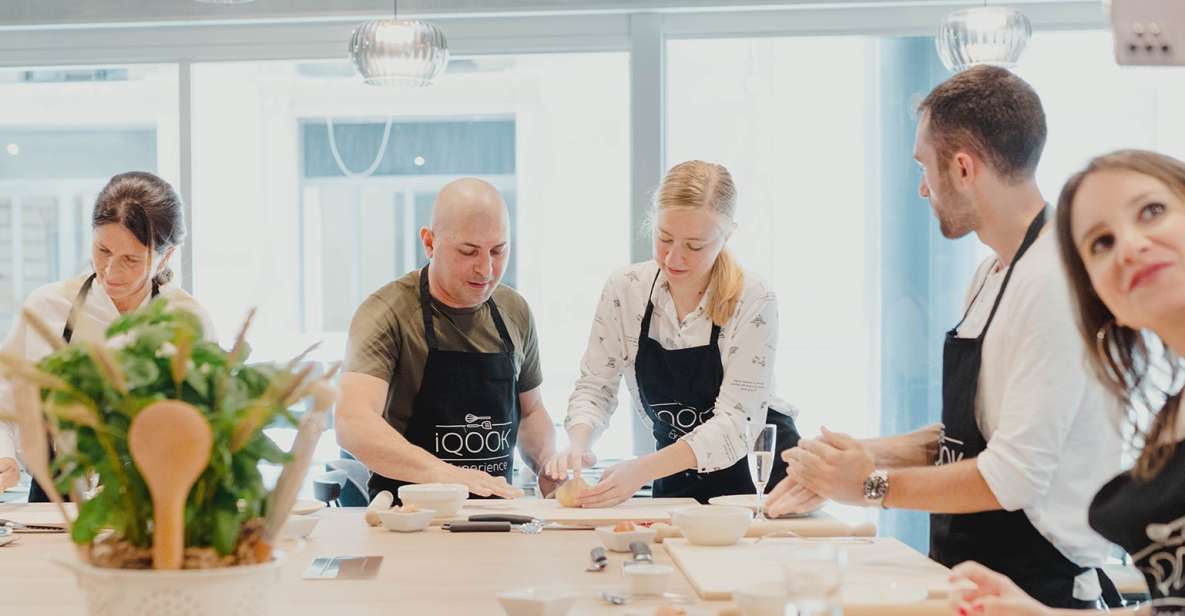
- The Flow of the Class: From Prosecco to Shaping Your Pasta
- 1) Welcome drinks and getting started
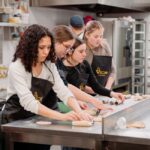
- 2) Pasta dough work
- 3) Tiramisù preparation while the dough rests
- 4) Shaping and finishing
- The Meal: Eating What You Made (With Good Drinks)
- Instruction Style: Clear Directions in English
- Facilities and Comfort: Air Conditioning Wins in Rome
- Price and Value: Is $65 Fair for 2.5 Hours?
- Who This Class Suits Best
- A Few Practical Tips Before You Go
- Should You Book This Pasta and Tiramisù Class?
- FAQ
- How long is the pasta and tiramisù making class in Rome?
- Where does the class meet?
- What is the price per person?
- What will I make during the class?
- Is the class taught in English?
- What’s included with the ticket?
- Are there drinks during the experience?
- Will I receive recipes after the class?
- What are the cancellation and payment options?
Key Highlights at a Glance
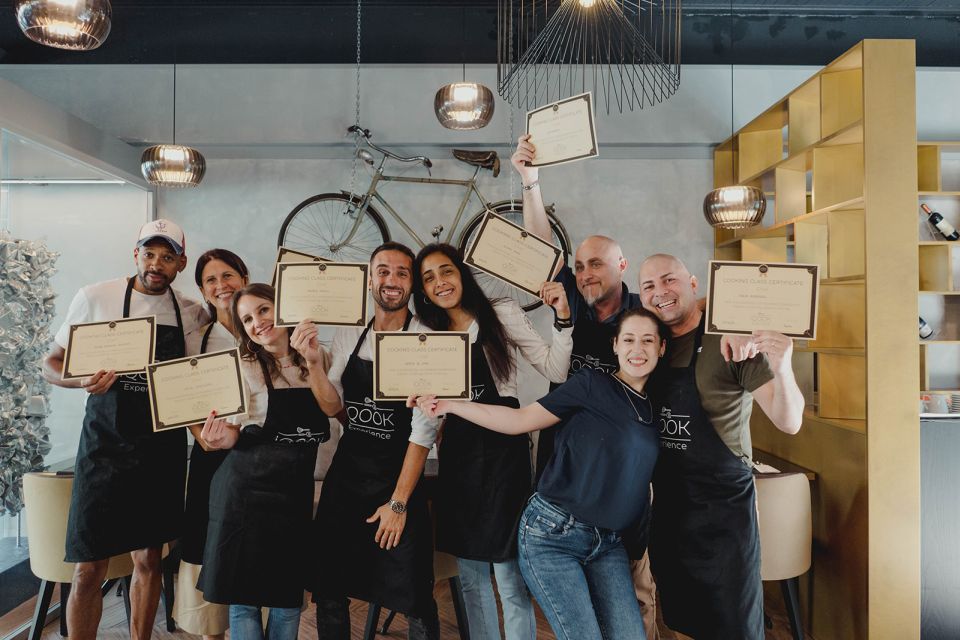
- Pasta + tiramisù, hands-on: You’ll make and shape your pasta and build the dessert as part of the flow.
- Air-conditioned workstation: A big deal in Rome’s summer heat, and it’s explicitly part of the setup.
- Welcome drinks and wine pairing: Prosecco, plus wine, soft drinks, and the meal you earn.
- English instruction: Clear directions for non-Italian speakers.
- Recipes after the class: You get the information to recreate the dishes later.
- Central meeting point by the Opera House: Easy to reach on foot and quick to fit into a day.
Entering The iQ Hotel Kitchen by the Opera House
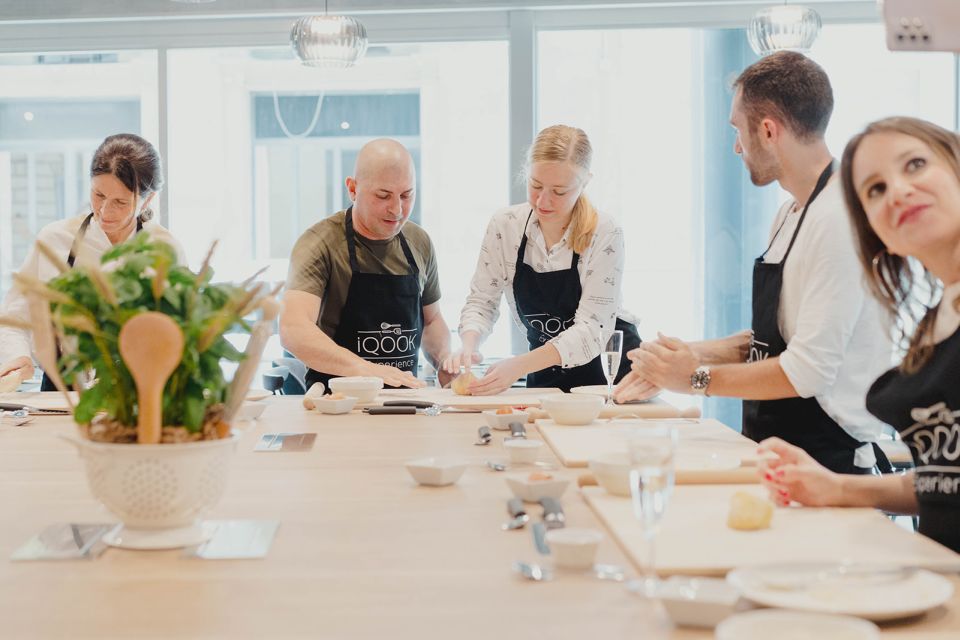
This class is set up for real learning, not performance. You show up near Rome’s Opera House at the iQ Hotel blue building, and you step into a modern, comfortable space made for cooking—complete with an air-conditioned workstation. That matters more than people think. Cooking is hands-on and your body gets warm fast; having AC means you can focus on technique instead of sweating through the class.
The setting also helps with timing. You don’t need a long commute to get to a cooking school outside the center. It’s right in the city, so you can plan this around your other sights. And because the class is in English, it’s easier to ask questions while you’re working, instead of waiting until after the meal.
You can also read our reviews of more tours and experiences in Rome.

Meeting Point: How to Find the iQ Hotel Blue Building
Your meeting point is simple: go to iQ Hotel’s blue building on the left side of the Opera House. That’s the kind of landmark you can navigate without stressing. If you’re walking through the Opera House area, you’ll spot it more quickly than trying to hunt for a hidden backstreet address.
Practical tip: arrive a few minutes early so you can get settled, get your drink, and start the class without rushing. In kitchens, timing affects everything—especially when you’re working with dough and getting dishes staged at the right moment.
What You’re Really Learning: Fresh Pasta and Tiramisù
This experience is built around two core Italian specialties: homemade pasta and tiramisù. The biggest value isn’t just eating great food (though you will). It’s learning the steps you can repeat at home: how to work with dough, how to shape pasta, and how to assemble a dessert that feels genuinely Italian rather than generic.
The pasta focus
The class is strongly oriented toward the pasta itself. One review highlights that it focuses on the pasta more than the sauce, which gives you a useful expectation: plan to learn the dough and the pasta process, not to become an expert in a dozen restaurant-style sauces.
At the same time, the class description says you’ll be able to see the whole process, including cooking your pasta. In practice, you should expect a guided hands-on approach: you’ll do meaningful work, but the chef keeps the process running smoothly so everyone ends up with good results.
The tiramisù focus
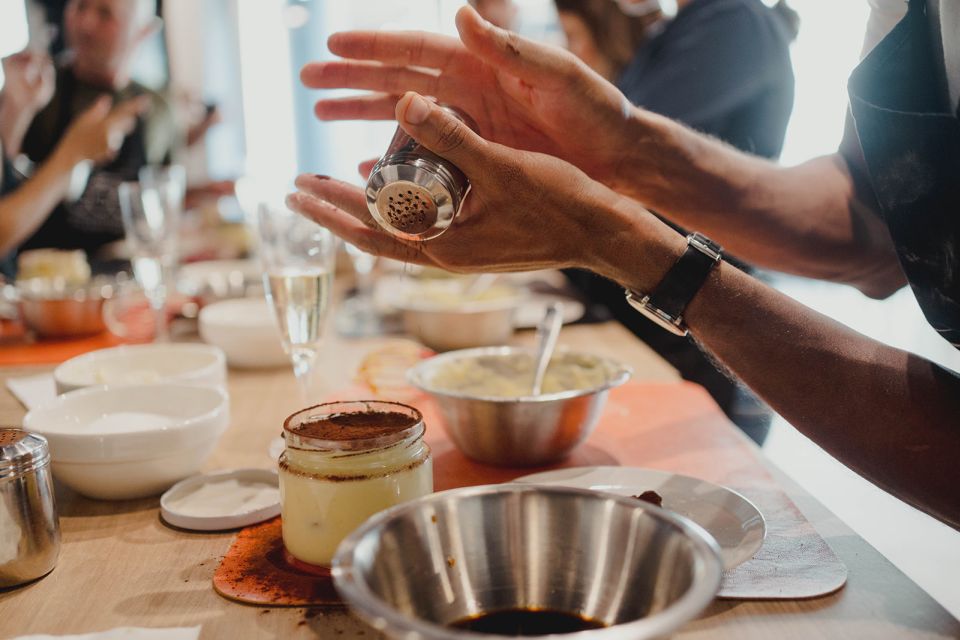
You’ll also make the tiramisù as part of the class flow. Reviews mention preparing the dessert while pasta dough rests, which means the class uses downtime in a smart way. It keeps you busy and helps you understand how restaurant timing works: while one part rests or sets, another part comes together.
And because tiramisù is all about the texture—creaminess, layering, and balance—having a chef guide you matters. Without guidance, it’s easy to overdo sweetness or get layers uneven.





The Flow of the Class: From Prosecco to Shaping Your Pasta
Most cooking classes follow a pattern, but this one seems to run with a clear rhythm that keeps you productive. Here’s the typical arc you can expect.
1) Welcome drinks and getting started
You’re greeted with Prosecco when you arrive. It’s a small touch, but it sets a friendly tone right away. Then you move into cooking tasks instead of waiting around.
Several instructors are credited by name in the reviews—Giuseppe, Dani, and Agnes—and that shows how consistent the teaching is across different chefs. You can expect clear direction and hands-on participation, with encouragement to join in rather than hover.
2) Pasta dough work
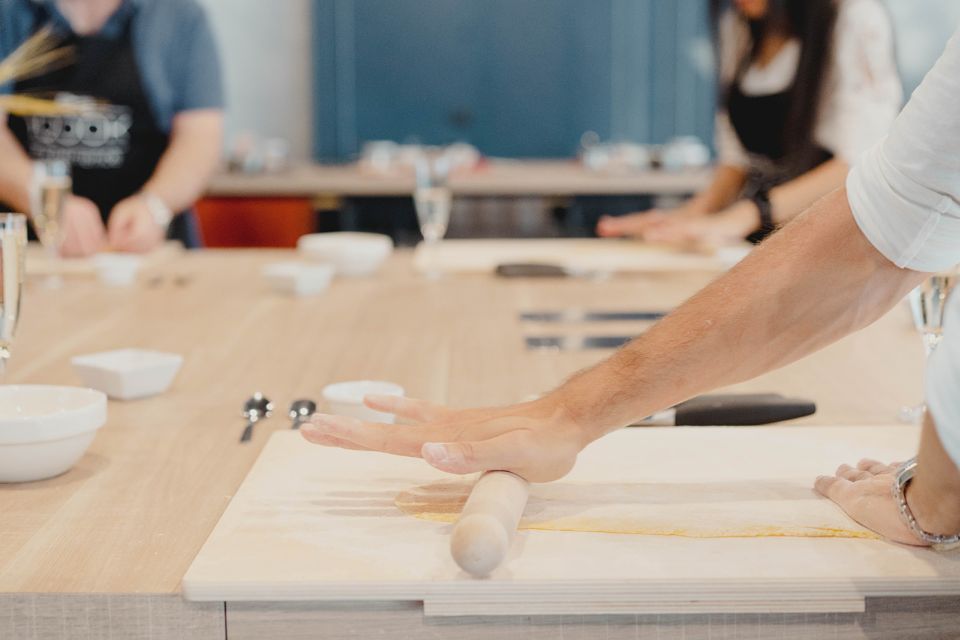
You’ll begin with the pasta dough. Reviews describe starting the dough while it rests, which is a key technique. Dough needs time to hydrate and relax so shaping goes smoothly. You’ll get help with the process and small tricks, and you’ll likely practice shaping so it actually looks right, not just tastes good.
One review notes the pacing as organized and not rushed. That’s important because pasta dough and assembly both have timing windows. If your class is too fast, you end up with uneven results.
3) Tiramisù preparation while the dough rests
While your pasta dough is resting, you’ll prepare the dessert. This is smart planning and it feels practical in the kitchen. You’re not standing around waiting. You’re doing another core task that teaches a second technique: layering and assembly.
4) Shaping and finishing
After the dough stage and dessert stage, you shape the pasta. Reviews mention being able to shape the pasta by the time those steps were completed. That gives the class a satisfying payoff: you don’t just mix ingredients; you end with something you can recognize as pasta from start to finish.
Where cooking hands-on gets nuanced: the description says you’ll see the cooking of your own pasta. At the same time, at least one review says it focused more on instructions than doing every step yourself. The safest way to frame it is this: you’ll get hands-on with key parts of pasta-making and you’ll see how the cooking portion fits in, even if every micro-step isn’t fully solo.
The Meal: Eating What You Made (With Good Drinks)

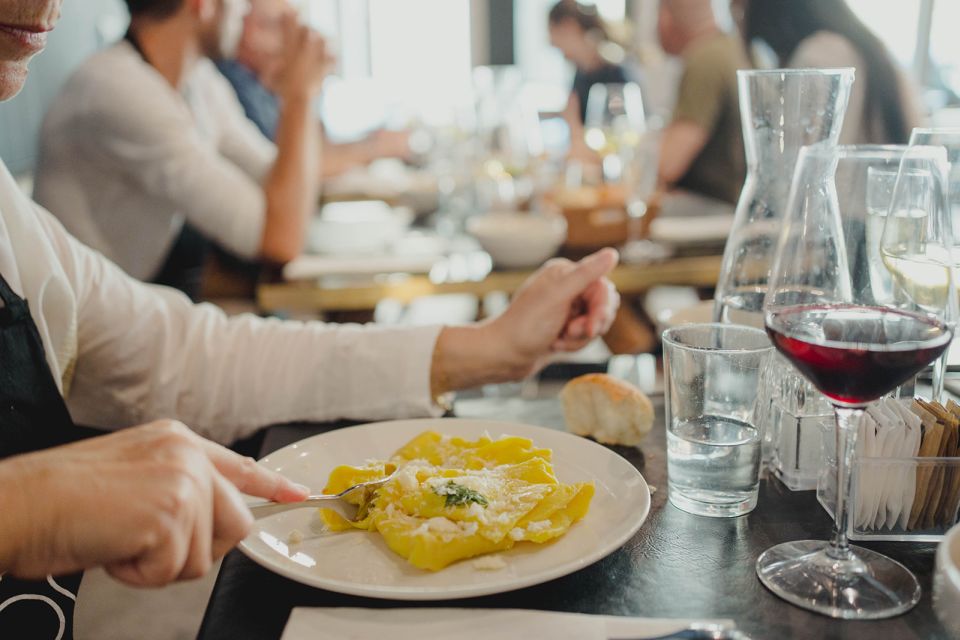
After you cook, you eat. That’s where most classes either feel like a demo or feel like a meal. This one aims for the latter: you’ll have a delicious homemade meal that includes what you made.
Drinks are part of the deal:
- Prosecco
- Wine
- Soft drinks
- Coffee and other extras show up in reviews (like lemoncello and bread)
I like this setup because it changes the tone. Instead of feeling like you’re just paying for instruction, you’re also paying for a full dining experience centered on your work. That’s where the value lives.
Also, because the class happens in a comfortable, air-conditioned space, the meal doesn’t feel like an afterthought. You can actually enjoy it.
Instruction Style: Clear Directions in English
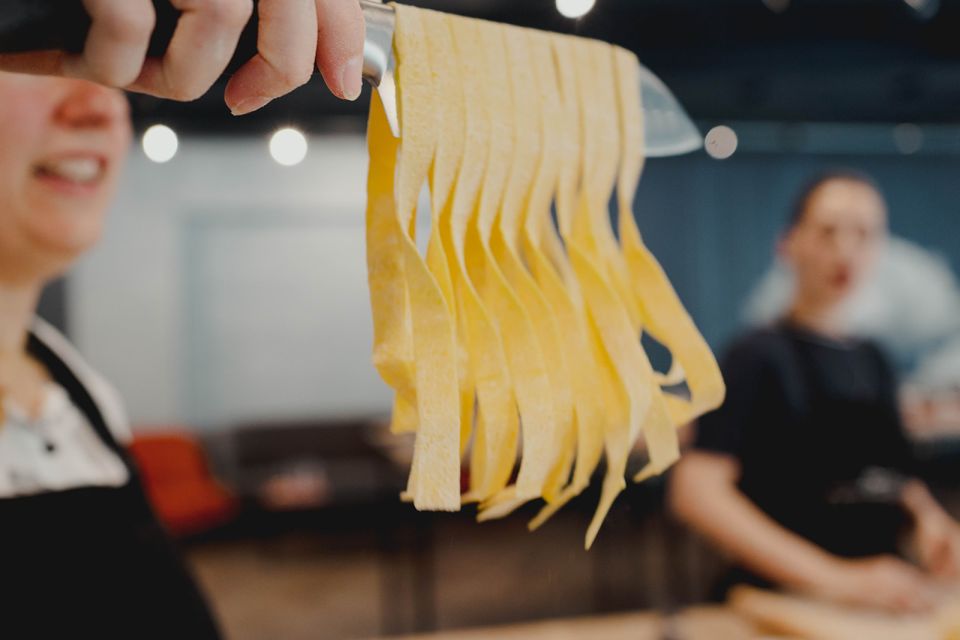
The class is taught in English, which is a big practical win. Pasta and tiramisù both have details that are easier to understand with spoken explanation and a chef demonstrating alongside you. English instruction also makes it easier to ask why something works, not just what to do next.
The teaching style in the reviews stands out:
- Instructors encourage participation
- They give helpful tips and tricks
- They keep the flow organized so everyone stays on track
If you’re traveling with friends, this is a nice group activity. One review even calls it a highlight for a college reunion, and another mentions an anniversary. Cooking creates a shared project, and that lowers the awkwardness that sometimes comes with group tours.
Facilities and Comfort: Air Conditioning Wins in Rome
Rome in summer can be a lot. The class makes a point of having an air-conditioned workstation, and multiple reviews explicitly praise the comfort. That’s not fluff. In cooking classes, heat affects your ability to concentrate and your willingness to keep going.
The space is described as modern and comfortable. That means your tools and ingredients are likely staged for cooking rather than set up in a makeshift way. It also helps with cleanliness and timing—important when you’re handling dough and assembling dessert.
Price and Value: Is $65 Fair for 2.5 Hours?
At $65 per person for a 2.5-hour class, you’re paying for more than recipes. You’re paying for:
- A chef guiding you through technique
- Fresh ingredients and equipment
- A served meal built around your work
- Drinks, including Prosecco and wine
- Air-conditioned comfort
- Recipes sent after the class
In Rome, cooking classes can swing from budget to pricey fast. What keeps this one feeling fair is the structure: the time includes both cooking and eating, and the drink pairing turns it into a complete experience rather than a quick snack session.
It’s also easier to justify if you’re the type who likes learning by doing. If you want to eat, you can find plenty of restaurants. If you want a skill plus a meal plus a friendly group moment, this is a strong deal.
One last note: based on the feedback, you’ll want to go in expecting a pasta-and-tiramisù centered class, with sauce support rather than an all-day sauce masterclass.
Who This Class Suits Best
This is a great match for:
- Couples looking for a memorable, hands-on date night
- Friends who want something interactive instead of another walking tour
- Travelers who enjoy eating, but also like learning how dishes work
- People who want English instruction in a central area
It might be less ideal if:
- You expect a heavy focus on multiple sauces or specific regional sauce variations
- You only want to eat and have zero interest in cooking steps
A Few Practical Tips Before You Go
Here are the small things that will help you get more out of the class:
- Wear comfortable clothing. You’re working with ingredients and you’ll be moving around.
- Bring a positive attitude. This is social and interactive, and the instructors actively bring people in.
- Ask questions while you’re cooking. The English setup is made for that.
- If you care about pacing, remember the class uses the dough rest time to move into tiramisù. It’s designed to feel smooth.
Also, keep an eye on what you want to learn. If your goal is to master pasta dough and shaping, you’re in the right place. If your goal is sauce technique, you may leave with good basics but not the full sauce deep dive.
Should You Book This Pasta and Tiramisù Class?
I’d book it if you want a central Rome activity that mixes skill, eating, and atmosphere in one neat package. The class checks a lot of boxes: hands-on pasta and dessert, drinks included, English instruction, and the real comfort win of air conditioning.
You might hesitate only if you’re the kind of foodie who expects a long lecture on sauce theory or expects every step to be fully hands-on from start to finish. Even then, you’ll likely leave with strong pasta dough and tiramisù results, plus recipes you can use later.
If you want one reason to decide right now: pasta and tiramisù are the kind of dishes where technique matters, and this class gives you a guided path to get it right without stress.
FAQ
How long is the pasta and tiramisù making class in Rome?
It lasts about 2.5 hours.
Where does the class meet?
You meet at iQ Hotel’s blue building on the left side of the Opera House.
What is the price per person?
The price is $65 per person.
What will I make during the class?
You will prepare and make pasta and tiramisù.
Is the class taught in English?
Yes, the instructor teaches in English.
What’s included with the ticket?
Included are fresh ingredients and equipment, an air-conditioned workstation, guidance from a chef, a homemade meal, Prosecco, wine and soft drinks, and recipes sent after the class.
Are there drinks during the experience?
Yes. You’ll have Prosecco, wine, and soft drinks.
Will I receive recipes after the class?
Yes. Recipes are sent after the class.
What are the cancellation and payment options?
You can cancel up to 24 hours in advance for a full refund, and you can reserve now and pay later.