REVIEW · ROME
Palazzo Barberini: 2-Hour Private Tour
Book on GetYourGuide →Operated by Rome Guides · Bookable on GetYourGuide
Art history moves fast in Rome. A private 2-hour walk through Palazzo Barberini turns big names into a clear story, from the Middle Ages to the Baroque. I especially love how the tour spotlights Raphael’s La Fornarina, and how Caravaggio’s legend gets explained so it actually clicks. One consideration: with only two hours, you’ll get brilliant highlights, not long, slow staring at every detail.
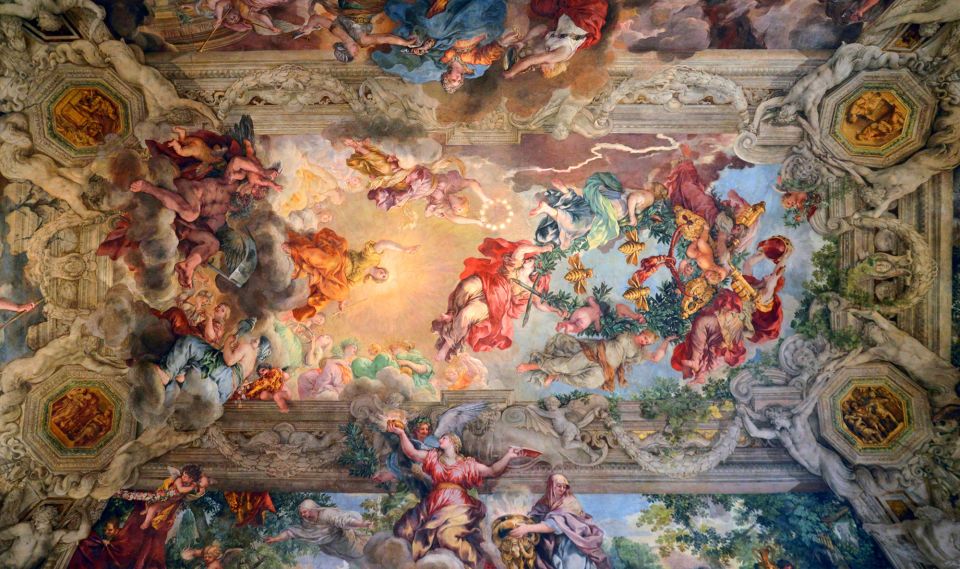
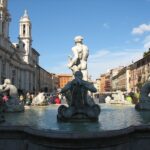
Here’s the other reason I think this works: the payoff. You end the indoor art journey by landing on the exterior energy of Piazza Navona, which the tour frames as a key Baroque symbol in Rome. And yes, that “wow” moment matters—Pietro da Cortona’s magnificent ceiling is the kind of visual jolt that makes the whole style shift feel real.
The format is practical, too. You’ll go with an English- or Italian-speaking live guide (private group), and you should plan for rain or shine since the tour doesn’t pause because of weather. If you have mobility needs or use a wheelchair, this one isn’t suitable, so you’ll want to choose a different option.
In This Review
- Key highlights worth the time
- Palazzo Barberini in 2 Hours: a smart art-history sprint
- Meeting in the museum courtyard: how to start without stress
- From Middle Ages to Baroque: the storyline that makes the art make sense
- Raphael’s La Fornarina: the first masterpiece to anchor your visit
- Caravaggio, the Cursed Painter: what the legend adds to the artwork
- Titian, El Greco, and Guido Reni: seeing variety inside one timeline
- Pietro da Cortona’s ceiling: where Baroque hits you in the face (in a good way)
- Ending in Piazza Navona: taking the Baroque outside
- Price and private value: what $135.94 per person gets you
- Who this tour is best for (and who should skip it)
- Should you book Palazzo Barberini: the quick decision test
- FAQ
- How long is the Palazzo Barberini private tour?
- What language options do the guides offer?
- Where do I meet the guide?
- What’s included in the price?
- Is hotel pickup or drop-off included?
- Is the tour suitable for wheelchair users?
- Does the tour run in bad weather?
Key highlights worth the time
- Raphael’s La Fornarina shown with the meaning behind the image, not just the name
- Caravaggio as the Cursed Painter, with context that explains why he was seen that way
- Baroque engineering of the eye, topped off by Pietro da Cortona’s ceiling
- A style timeline that connects political and religious shifts to what artists painted
- Finish in Piazza Navona, so the Baroque look isn’t just trapped indoors
Palazzo Barberini in 2 Hours: a smart art-history sprint
Palazzo Barberini is a great pick when you want depth without losing half your day. In two hours, you’re moving through a storyline that links art style to what was happening in Italy—religious change, political pressure, and the changing tastes of patrons. That matters because art history can feel like memorizing names. Here, you’re learning the why, so the works stop being random museum wallpaper.
This is also a private format. That sounds like a buzzword until you feel it. You can ask follow-ups, and your guide can pace the visit around what you’re most curious about—Raphael, Caravaggio, Baroque ceiling spectacle, or the way the whole timeline evolves.
The main tradeoff is simple: two hours goes quickly. If you love photographing brushwork and reading every label at length, you might leave wanting more time. If you want the clearest path through the highlights and the context to understand them, this tour is built for that.
You can also read our reviews of more private tours in Rome

Meeting in the museum courtyard: how to start without stress
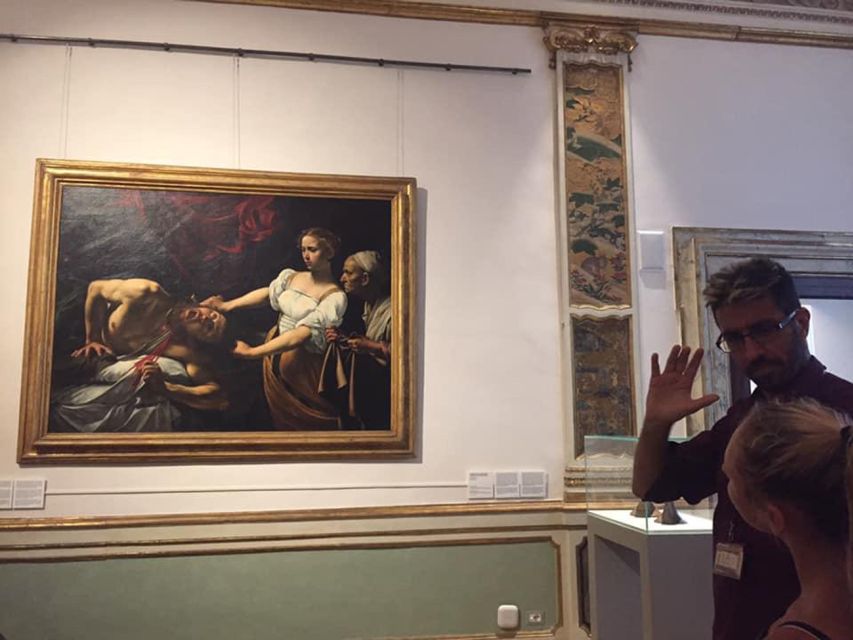
The meeting setup is straightforward. You should arrive 15 minutes early so you can find your guide without rushing. Your guide waits in front of the Museum entrance in the courtyard, holding a sign with the name of the tour.
You’ll also receive entry tickets at the start of the activity. That reduces confusion on arrival, but it also means you shouldn’t show up five minutes late and hope everything lines up automatically.
Two more practical notes to keep your morning smooth:
- Hotel pickup and drop-off aren’t included. Plan to reach the meeting point on your own.
- Luggage or large bags aren’t allowed, so travel light. (If you’re unsure what counts as large, err on the side of smaller.)
From Middle Ages to Baroque: the storyline that makes the art make sense

The core of this tour is the sweep from the Middle Ages to the Baroque style. Your guide explains how religious and political changes influenced what artists did—and how audiences expected art to behave. That framing is the difference between seeing paintings and understanding them.
You’ll hear stories that connect artists’ choices to the world around them. So instead of thinking of style shifts as fashion updates, you start seeing them as responses. When power, belief, and public life change, art shifts with them—sometimes slowly, sometimes dramatically.
This is especially helpful for big-name artists you may have seen only as “famous.” The tour doesn’t just name-drop. It aims to show you how their work fits into the timeline and why their style mattered at the time.
Raphael’s La Fornarina: the first masterpiece to anchor your visit
Raphael is a natural place to start, and the tour gives you a focused highlight with La Fornarina. Even if you’ve only encountered Raphael in passing, you’ll get a guide-led explanation that helps you read the work in context.
Why this matters: Raphael often gets talked about as perfection. But art history gets more interesting when you see what perfection was doing in its time—how it communicated identity, values, and the expectations of patrons. Here, your guide’s job is to bring those meanings forward, using the broader story of style change as your roadmap.
Practical tip: take a moment before you look closely. In a two-hour tour, your brain benefits from a quick reset. Let your guide’s setup land first, then let your eyes do the detailed work.
Caravaggio, the Cursed Painter: what the legend adds to the artwork
One of the most engaging parts of the experience is the way the tour tackles Caravaggio. You’ll learn about him as the so-called Cursed Painter, and you’ll hear stories meant to make those labels understandable rather than just catchy.
This is where art history stops being polite. Caravaggio’s reputation is famously complicated, and the tour’s value is that it frames him with context—why people talked about him the way they did, and how his art fits the political and religious climate of the period.
Also, Caravaggio’s place in the tour isn’t isolated. He’s part of the bigger timeline. So you’re not only learning about one controversial artist—you’re seeing how the world shaped the shift toward Baroque intensity.
If you tend to love artists with a real-world edge—personal risk, public controversy, and the feeling that the artwork is reacting to its moment—this section is likely to be a highlight.
You can also read our reviews of more tours and experiences in Rome




Titian, El Greco, and Guido Reni: seeing variety inside one timeline
The tour also includes other major names beyond the big two. You’ll encounter artists such as Titian, El Greco, and Guido Reni as part of the journey through changing styles.
Even without a long label-reading session, these names help you compare how different artists approached similar themes. The goal is to show you variety: different ways of handling light, emotion, and composition, even when the historical period around them is moving in the same direction.
What to do while you’re there: don’t try to “rank” them in your head. Instead, watch for the guide’s comparisons. When you hear how one artist’s approach contrasts with another, the time period becomes a living classroom rather than a checklist.
Pietro da Cortona’s ceiling: where Baroque hits you in the face (in a good way)
The Baroque portion of the tour culminates with Pietro da Cortona’s ceiling. The description is spot-on: it’s magnificent, and it’s a famous example of the Baroque style.
This is one of those moments where the guide’s explanation matters because Baroque art can feel like it’s doing everything at once—drama, movement, architecture-like effects, and emotional intensity. In a short visit, you want a guide to help you notice what you’d otherwise miss.
Here’s the practical value: the ceiling becomes a visual summary of what you’ve been learning. You’ve been hearing how political and religious changes pushed art toward more impact. Then you see it—literally overhead—so the Baroque style stops being abstract.
When you look up, give your eyes permission to move. Don’t force a single focal point. Let your gaze follow the structure the way your guide suggests.
Ending in Piazza Navona: taking the Baroque outside
The tour ends back at the meeting point and includes a final stroll that lands you in Piazza Navona. The tour also frames the square as a symbol of the Baroque style of Rome, which is a helpful lens when you step into open air.
Why that matters for you: it connects indoor masterpieces to the city’s visual language. Baroque wasn’t only about paintings and ceilings; it shaped public spaces too—how buildings relate to crowds, and how the city directs your attention.
You’ll leave with a clearer sense of how Rome “reads” in this style. Even if you don’t know where every building fits historically, you’ll know what to look for: drama in form, movement in layout, and strong attention-grabbing geometry.
Price and private value: what $135.94 per person gets you
Let’s talk value, because private tours can feel pricey until you know what you’re paying for. At $135.94 per person for a 2-hour private tour, you’re paying for:
- Entry tickets included
- A live guide
- A private group format
What you’re not getting is hotel pickup/drop-off, so you’re responsible for getting yourself to the courtyard meeting point.
Is it worth it? For me, this kind of private art tour is best when you want the highest “meaning per minute.” You’re buying context—how the religious and political changes connect to artists like Raphael, Titian, Caravaggio, and the Baroque ceiling by Pietro da Cortona. If you’re the type who likes to understand what you’re seeing rather than just ticking off a list, that’s when the cost makes sense.
If you’re traveling solo or as a small group, check your math before booking. Private tours often become a smarter deal when you can share the total cost, but the guide-led efficiency is still valuable even without a big group.
Who this tour is best for (and who should skip it)
This tour is a great fit if:
- You want a clear art-history path from the Middle Ages to Baroque in one tight session
- You care about stories behind the art—especially Caravaggio and his Cursed Painter reputation
- You want the Baroque wow-factor, with a payoff ceiling by Pietro da Cortona and a finish at Piazza Navona
It’s not a good match if you:
- Have mobility impairments or need wheelchair access (this tour isn’t suitable for wheelchair users)
- Travel with luggage or larger bags, since those aren’t allowed
Also, this tour runs rain or shine, so plan clothing for real weather rather than hoping for ideal conditions.
Should you book Palazzo Barberini: the quick decision test
Book this tour if you want a focused, guided, two-hour way to understand major Italian artists and how Baroque style shows up in both art and Rome itself. The best reason to reserve is the combination of story + highlights: Raphael’s La Fornarina, Caravaggio as the Cursed Painter, and the ceiling by Pietro da Cortona, finished with Piazza Navona as your outdoor takeaway.
Skip it if you need long, slow time at each artwork, or if accessibility is a concern for you. And be sure you’re comfortable meeting at the museum courtyard on your own—hotel pickup isn’t part of the package.
If that sounds like you, this is a solid use of a couple hours in Rome.
FAQ
How long is the Palazzo Barberini private tour?
The tour lasts 2 hours.
What language options do the guides offer?
The live guide speaks English and Italian.
Where do I meet the guide?
Meet your guide 15 minutes early in front of the Museum entrance in the courtyard. The guide will hold a sign with the name of the tour.
What’s included in the price?
The price includes entry tickets, the guide, and the private tour.
Is hotel pickup or drop-off included?
No. Hotel pickup and drop-off are not included, and the tour ends back at the meeting point.
Is the tour suitable for wheelchair users?
No. The tour is not suitable for wheelchair users and is also not suitable for people with mobility impairments.
Does the tour run in bad weather?
Yes. The tour takes place rain or shine.