REVIEW · ROME
Rome: Catacombs of Saints Marcellino and Pietro Guided Tour
Book on GetYourGuide →Operated by OPERA ROMANA PELLEGRINAGGI · Bookable on GetYourGuide
Frescoes glow underground in quiet Rome. This short, live guided catacomb visit focuses on the Saints Marcellino and Pietro story, and the 3rd-century Christian world beneath the Via Labicana (today, Via Casilina). I love how much painting you get to see for the time you spend, and I love the small-group feel with a guide who can actually answer your questions.
One thing to plan around: no photography inside, and the site is not suitable for people with mobility impairments. If you’re okay with those limits, the rest of the experience is straightforward and surprisingly easy to do on a busy Rome day.
In This Review
- Key highlights you’ll care about
- Saints Marcellino and Pietro: why this catacomb feels different
- Where you go: the ticket office meet point and your timing
- The site’s real setting: Via Labicana, ad duas lauros, and the emperor’s land
- The 3rd-century turning point: martyrs Marcellino and Pietro
- What you’ll see underground: frescoes, biblical scenes, and preservation
- The Constantinian era above ground: basilica, “circiforme,” and Augusta Elena
- Getting there on public transport from Termini
- What the 30 minutes actually feels like
- Who this guided catacomb tour is best for
- Value at around $16: when it’s worth your ticket
- Should you book the Rome Catacombs of Saints Marcellino and Pietro tour?
- FAQ
- How long is the guided tour?
- What’s included with the ticket?
- Do I need to download an audio guide?
- What languages are the guides?
- How large is the group?
- Where do I meet for the tour?
- When should I arrive before the scheduled time?
- Can I take photos inside the catacombs?
- Is transportation to and from the catacombs included?
- Is entry to Constantine’s Mausoleum included?
- Is the tour suitable for people with mobility impairments?
- What if I need to cancel?
Key highlights you’ll care about
- Small group (up to 10) means you get real guide attention, not just a “listen from the back” experience
- Frescoes and paintings from the 3rd and 4th centuries, including scenes tied to biblical stories
- A highly focused 30-minute route, so it’s easy to fit between bigger Rome priorities
- A guide-led story that connects the catacombs to Roman burial culture and later Christian persecution
- A calmer stop than the headline catacombs, with fewer crowds and less queue time
- You’ll learn the setting—from the ancient “ad duas lauros” area to the people buried there
Saints Marcellino and Pietro: why this catacomb feels different
Most catacomb visits in Rome center on graves and the layout. This one puts the wall art front and center, which changes the whole vibe. You’ll walk a guided path where the paintings aren’t an afterthought. They’re part of the explanation of who Christians were during Roman times, and why certain images mattered.
Also, the timing is refreshingly sane. The visit runs about 30 minutes, so you’re not stuck for hours trying to stay focused underground. That shorter format is a plus if you’re touring Rome with limited energy, or you’re trying to balance “big sights” with something more human-scale.
Lastly, the “small group” element matters more here than you’d think. Underground, it’s hard to see details when everyone is jostling for position. With a group limited to 10, you’re more likely to actually read what the guide points out and take in the frescoes without constant squeeze-and-stare stress.
You can also read our reviews of more guided tours in Rome
Where you go: the ticket office meet point and your timing
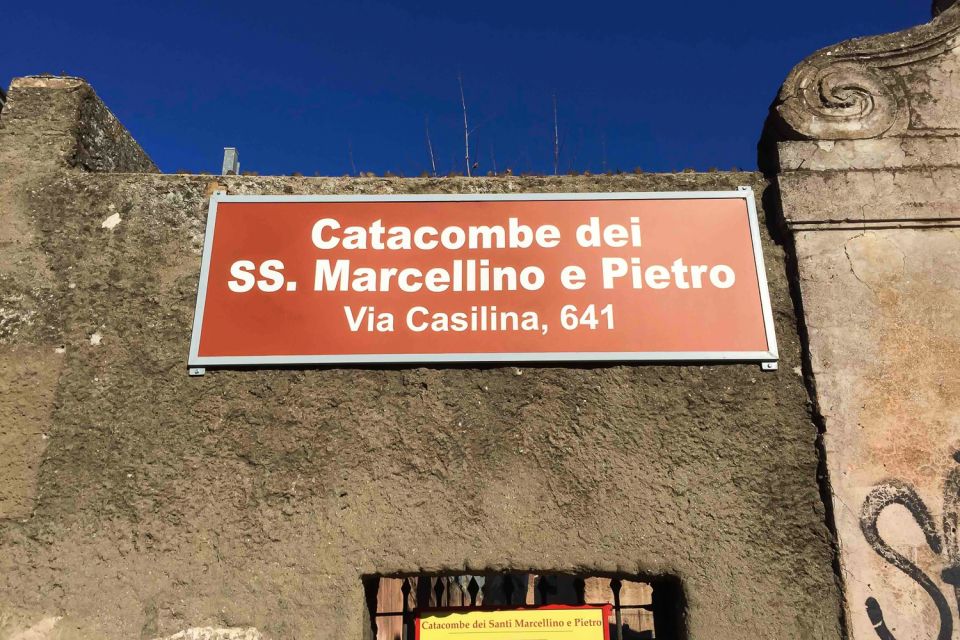
The tour starts at the ticket office of the catacomb. You’ll want to show your voucher at least 10 minutes before the scheduled tour time. That buffer is smart because you’re about to head underground and you don’t want to rush the handoff.
This is not a “meet at a random landmark and wander” style activity. The meeting point instruction is clear: go straight to the catacomb ticket office and check in on time. Once you’re inside, the structure stays simple, with the guide leading you through the catacomb route and then ending back at the meeting point.
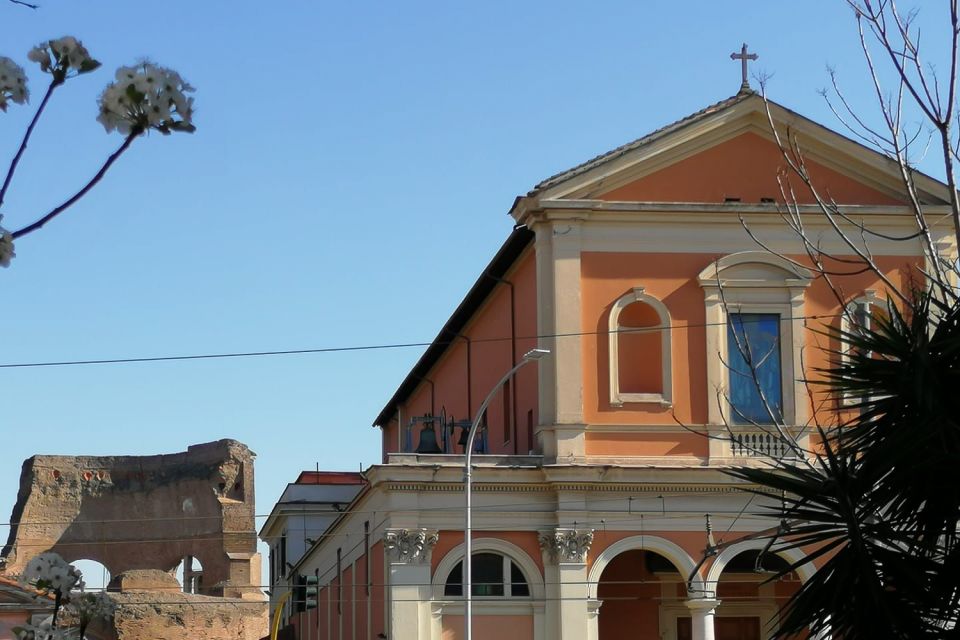
If you’re the type who likes to arrive calm (and not sweaty), build in extra time for the walk from where you park or drop off. Getting there from central Rome is possible by public transport, but you’ll likely want that small cushion.
The site’s real setting: Via Labicana, ad duas lauros, and the emperor’s land
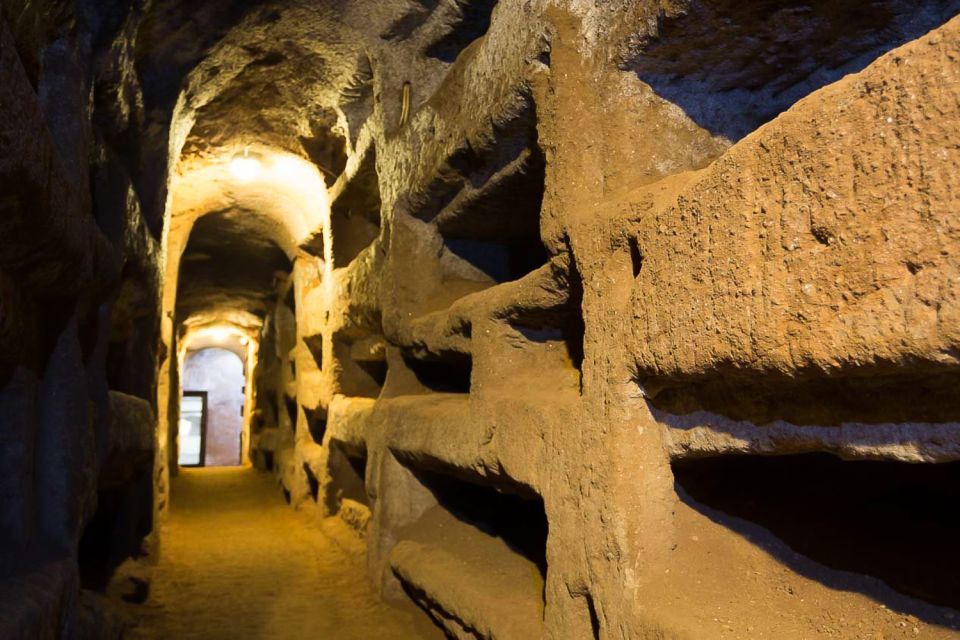
This catacomb isn’t just “somewhere underground.” The area has a specific ancient identity that your guide will connect to what you see.
The catacombs of Saints Marcellino and Pietro are located by the third mile of the ancient Via Labicana, which is now Via Casilina. In Roman times, this zone was tied to a place-name: ad duas lauros, meaning at the two laurels. That name pointed to a wider imperial property beyond just the cemetery area.
Those “laurels” weren’t just poetic landscaping. They were traditionally shrubs placed at the entrance to the imperial lands. You can think of it as a boundary marker: this wasn’t random burial land. It was part of a designated territory, linked to power.
Then there’s another layer: the area once hosted the necropolis of the Equites Singulares Augusti—the emperor’s guard on horseback dating back to the 2nd century. In other words, you’re stepping into a landscape where different kinds of Rome overlapped over time: military presence, elite landholding, and then Christian burial communities.
The 3rd-century turning point: martyrs Marcellino and Pietro
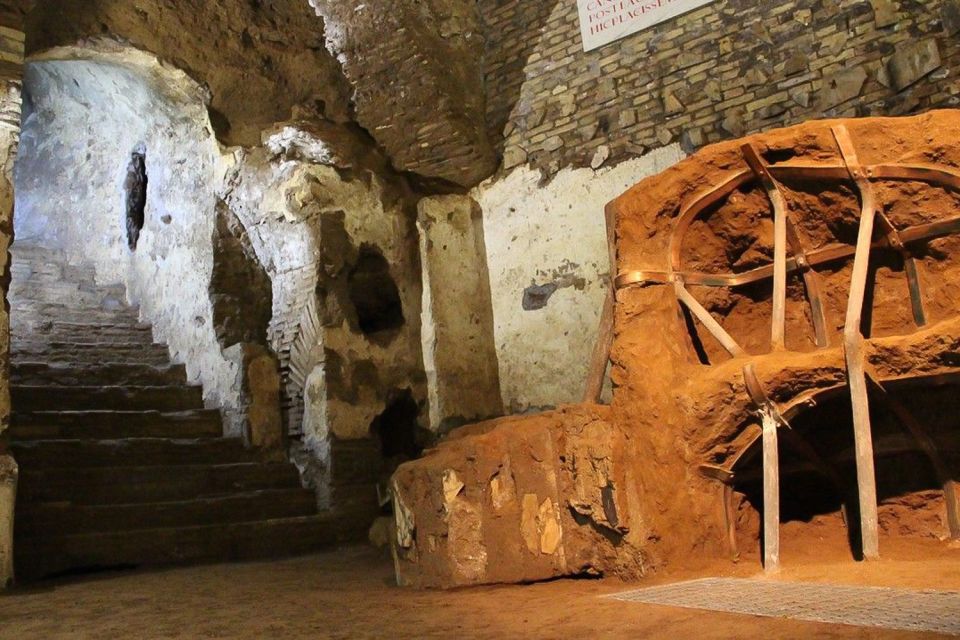
Your guide’s story brings you to the moment when this Christian catacomb was installed in the second half of the 3rd century.
At the start, the catacomb hosted the bodies of martyrs connected to Diocletian’s persecution. The saints who give the catacomb its name are Saint Marcellino and Saint Pietro. As you follow the route, the significance of their names shifts from “label on a ticket” to a lived historical anchor—who they were, and why Christians were being buried in places like this.
This is one reason the guided format works well. Without a guide, you might still admire paintings, but you’d miss the why behind the burial setting and what the images were communicating to people in that era.
What you’ll see underground: frescoes, biblical scenes, and preservation
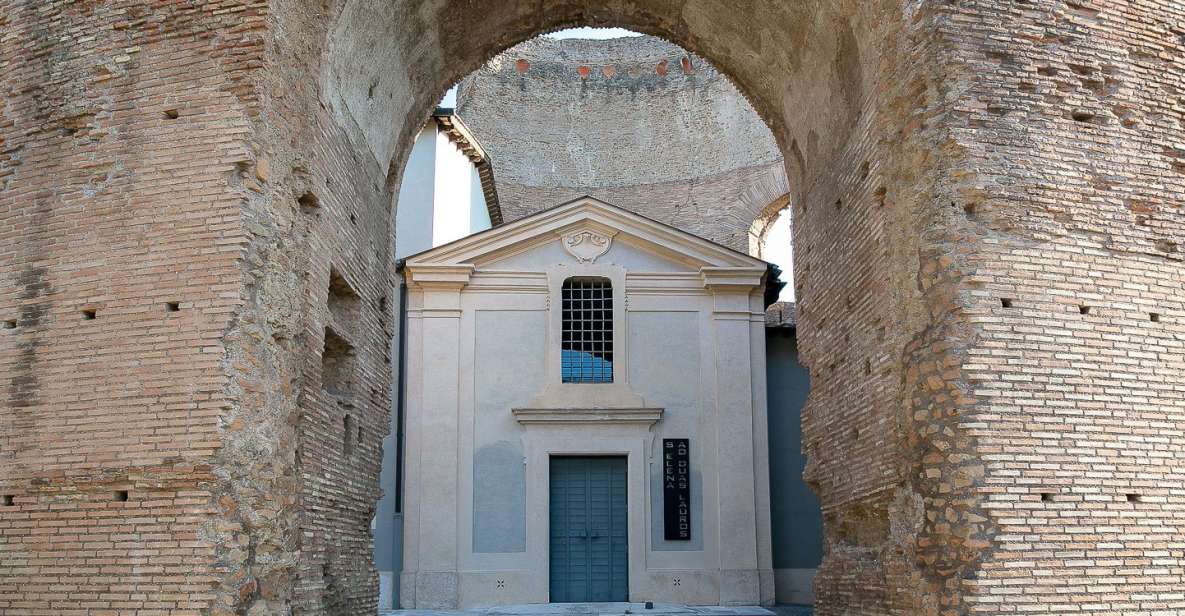
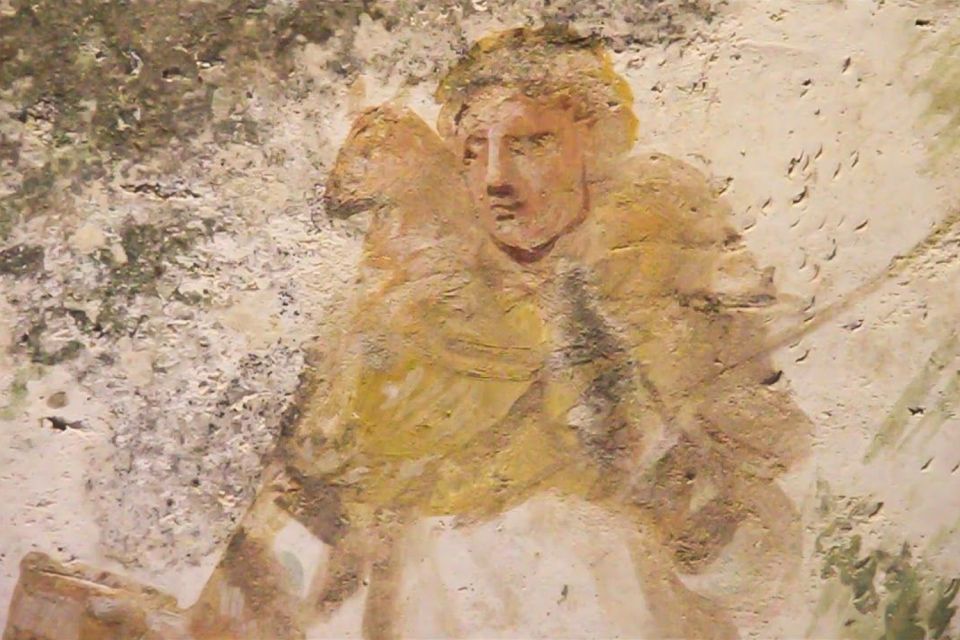
Here’s the big payoff: the catacomb preserves a large patrimony of paintings—works you can date to the 3rd and 4th centuries. Some have been partly restored with laser technology, which your visit helps you appreciate, because the art stays readable enough for a guided close look.
The guide will point out the paintings and explain how they fit into early Christian culture. One of the strongest impressions people report is the visual brightness and the sense that the frescoes are not just “there,” but clearly part of the experience.
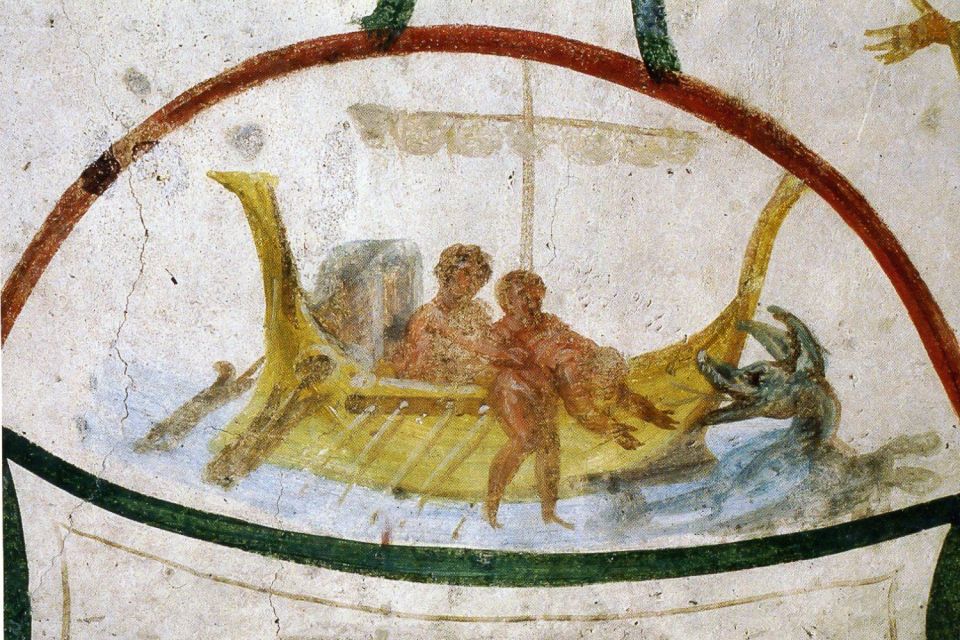
You may see biblical-themed frescoes such as scenes related to Noah in the ark, the prophet Jonah, and Lazarus. Those subjects matter because they connect Christian belief to familiar scriptural stories in a time when public worship was restricted and communities were practicing under pressure.
Also, the catacombs here are known for having more wall painting than some other famous Rome sites. If you’ve previously visited St. Sebastian and felt like the focus was more on tomb spaces than on artwork, this is the opposite rhythm: paintings take the lead, and the guide uses them to teach rather than just describe.
Small practical note: photography inside is not allowed, so don’t plan your trip around getting Instagram-quality shots. Instead, plan to rely on the guide’s explanations and your own careful looking. It’s one of those “trust the experience” rules.


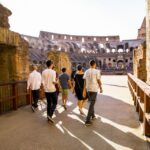

The Constantinian era above ground: basilica, “circiforme,” and Augusta Elena
When you think of catacombs, you probably picture only the underground spaces. But the broader site story includes what happened above ground later.
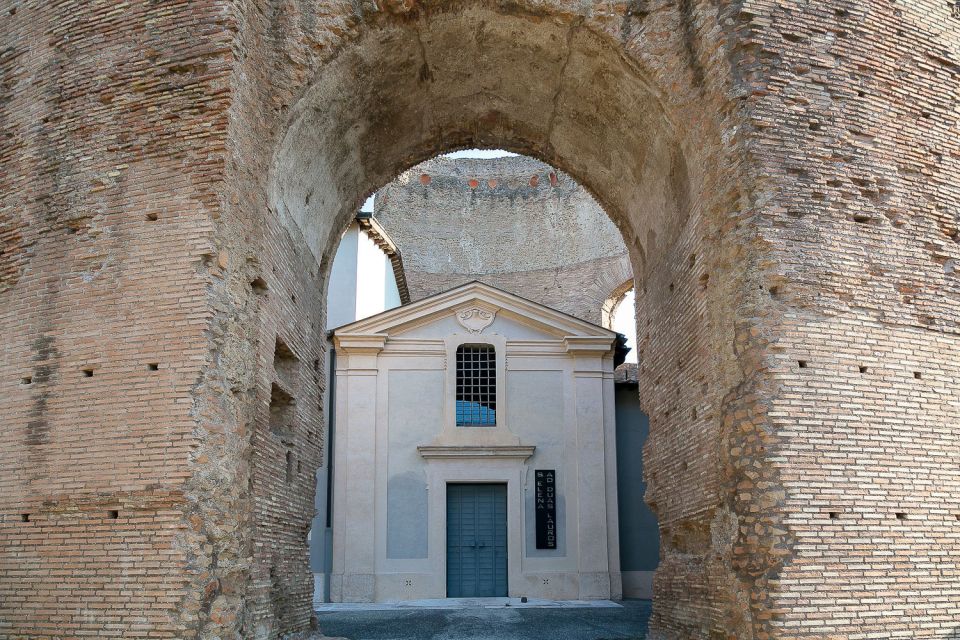
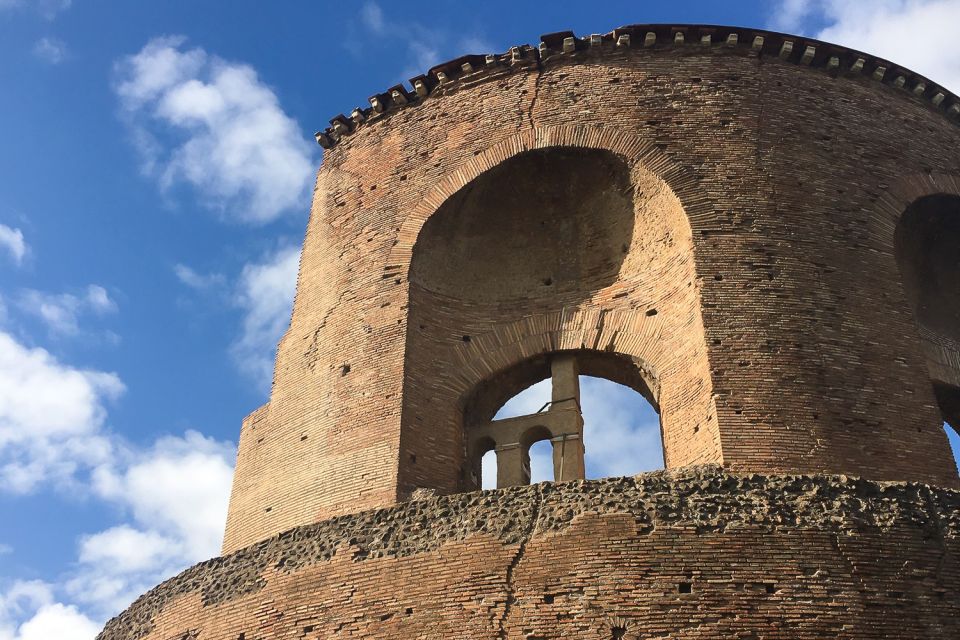
In the Constantinian era, a monumental complex was built over the catacomb. It included a large basilica shaped like a Roman circus, called circiforme, connected to a mausoleum. The mausoleum was probably built by Constantine for himself, though it later became the burial place of his mother, Augusta Elena.
Your ticket includes entrance to the catacomb experience with a guide, but entry to Constantine’s Mausoleum is not included. That’s not a deal-breaker, but it helps you set expectations. You’ll leave the underground part satisfied, while the above-ground mausoleum is something you’d need a separate option for if it’s on your must-see list.
Still, knowing what existed above ground makes the catacomb feel more connected to Roman history as a whole. The story becomes less “one underground tunnel system” and more “a site that kept evolving as Christianity gained legitimacy.”
Getting there on public transport from Termini
Rome makes “getting around” a part of the trip, so here’s what helps.
It’s easy to reach the catacombs area from Termini by bus 105 or by tram. If you’re planning to do this on a busy day, public transport is the simplest route. I’d treat it like a short local excursion rather than a separate mini-vacation.
One small realism check: Rome trams and buses can feel slow, crowded, or delightfully chaotic depending on the hour. Build in a bit of margin so you’re not sprinting to your check-in time underground.
What the 30 minutes actually feels like
Thirty minutes is short enough that you’ll want to arrive ready to pay attention. There’s no time to “browse.” This tour works best as a guided walk where the guide tells you what you’re looking at and why it mattered.
Because it’s a live tour (Italian or English), you can also ask quick questions if something doesn’t make sense. The small group size helps here: you’re not waiting for a mic moment, and you’re not competing for the guide’s attention.
And because it ends back at the meeting point, you won’t wonder where you’ll be dropped off. You’ll know your plan in advance: meet at the ticket office, go in, return, and then continue your Rome day.
Who this guided catacomb tour is best for
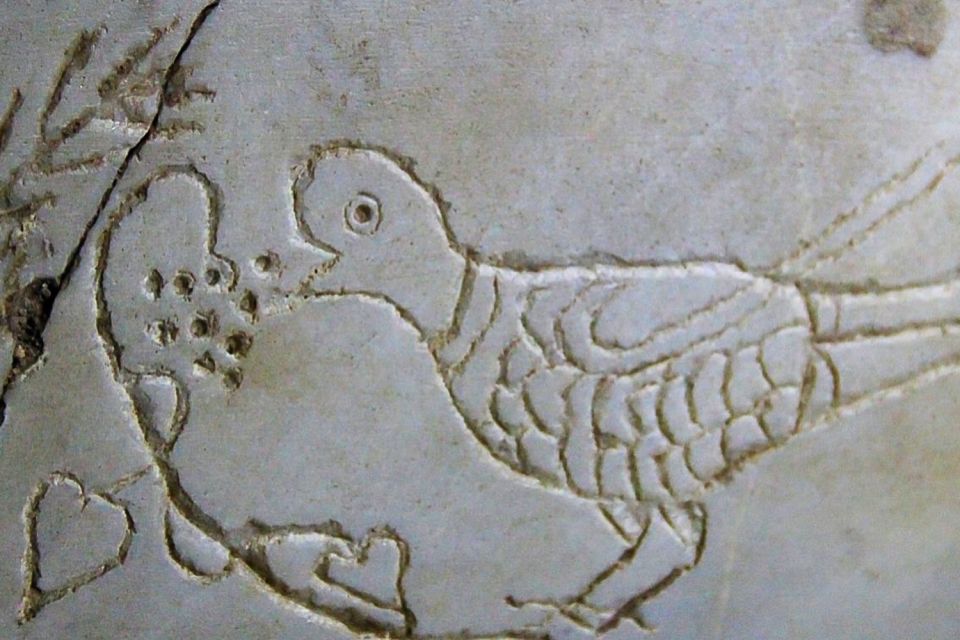
This is a great fit if you want early Christian history without a half-day commitment. If you like art on old walls—especially frescoes with recognizable biblical scenes—you’ll likely enjoy how much you get to see and understand in a compact route.
It’s also a good “confidence booster” tour. You come in with names like Marcellino and Pietro, and you leave with a clearer picture of the persecution era, the burial landscape, and the later Constantinian shift.
If you’re traveling with limited time and you still want something authentic that isn’t another museum room, this can be a smart choice. Underground spaces in Rome can be a bit of a gamble when it comes to crowding. Here, the small-group setup and limited group size make it easier to experience the art rather than just walk past it.
Value at around $16: when it’s worth your ticket
At about $16 per person, you’re paying for two things: an entrance ticket and a live guide for a compact 30-minute route.
For Rome, that’s strong value when the guide genuinely changes your understanding. Catacombs are one of those places where the experience can be “pretty” without being “clear.” With a guide, you get the story behind the saints, the persecution context, and what the frescoes are pointing to.
The lack of included audio guide is minor because you’re already getting live interpretation. And transportation isn’t included, but the catacomb is reachable via bus and tram, so you’re not forced into expensive add-ons.
If you only have energy for one catacomb visit and you care about frescoes, this is a compelling pick for the price-to-learning ratio.
Should you book the Rome Catacombs of Saints Marcellino and Pietro tour?
I’d book it if you want a short, focused underground experience with real guide storytelling and a strong emphasis on frescoes and biblical imagery. The small group size, the small queue feel, and the fact that the art is part of the teaching all point to a satisfying visit, even if catacombs aren’t your usual first choice.
Skip it (or plan differently) if:
- you need photos for your own memories (photography inside isn’t allowed), or
- you have mobility limitations, since it’s not suitable for people with mobility impairments, or
- you specifically want the mausoleum entry as part of this ticket (that entry is not included).
If you’re flexible and curious, this one feels like a smart add-on to a Rome itinerary: history you can see, paintings you can read, and a guide who keeps it understandable in about half an hour.
FAQ
How long is the guided tour?
The tour lasts about 30 minutes.
What’s included with the ticket?
You get an entrance ticket plus a live guide.
Do I need to download an audio guide?
No audio guide is included.
What languages are the guides?
The live guide is offered in Italian and English.
How large is the group?
The group is limited to 10 participants.
Where do I meet for the tour?
You should go directly to the ticket office of the catacomb.
When should I arrive before the scheduled time?
Show your voucher at least 10 minutes before the scheduled tour.
Can I take photos inside the catacombs?
Photography inside is not allowed.
Is transportation to and from the catacombs included?
Transportation is not included.
Is entry to Constantine’s Mausoleum included?
Entry to Constantine’s Mausoleum is not included.
Is the tour suitable for people with mobility impairments?
It is not suitable for people with mobility impairments.
What if I need to cancel?
Free cancellation is available up to 24 hours in advance for a full refund.